How Deadwood Accumulation Increases Safety Hazards Over Time

January 7, 2026

Deadwood accumulation is one of the most common and overlooked safety concerns in mature trees. While a tree may appear healthy at a glance, dead branches within the canopy can present serious risks to people and property below. At Midwest Tree Surgeons, we frequently encounter situations where deadwood has gone unnoticed until it causes damage or creates a dangerous condition. Understanding how deadwood develops and why it poses increasing hazards over time is essential for responsible property ownership.
What Deadwood Is and How It Develops

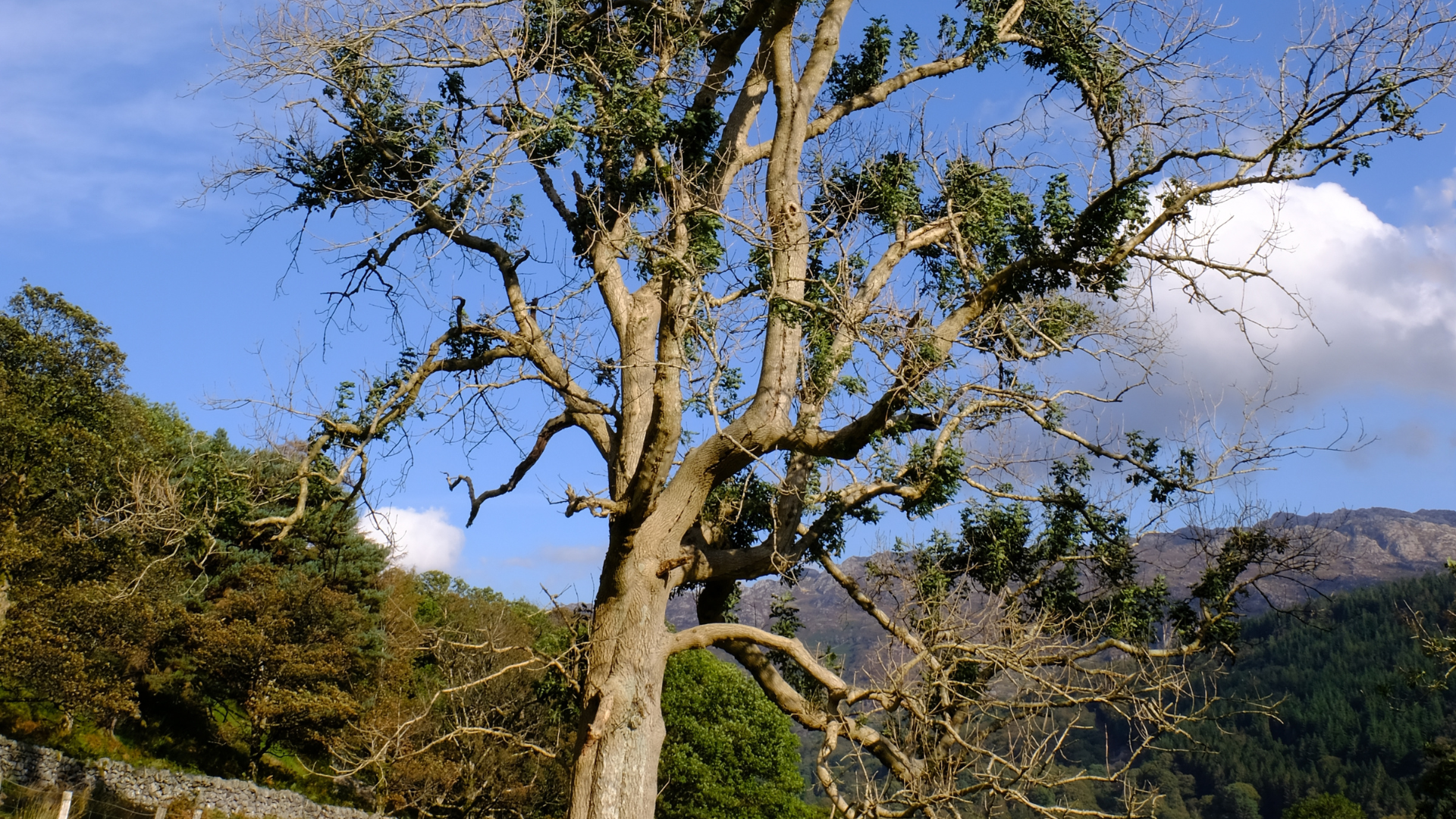
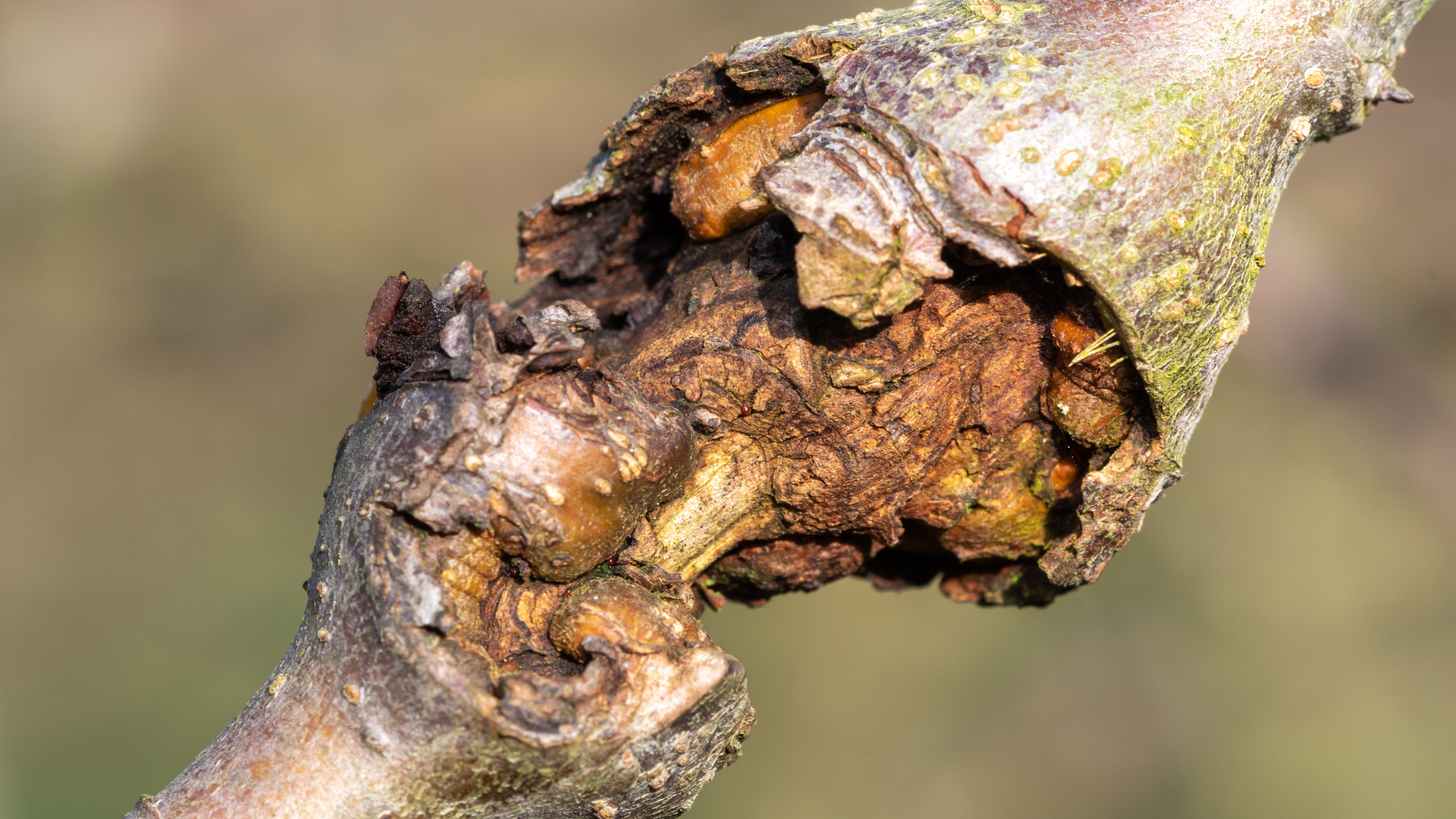
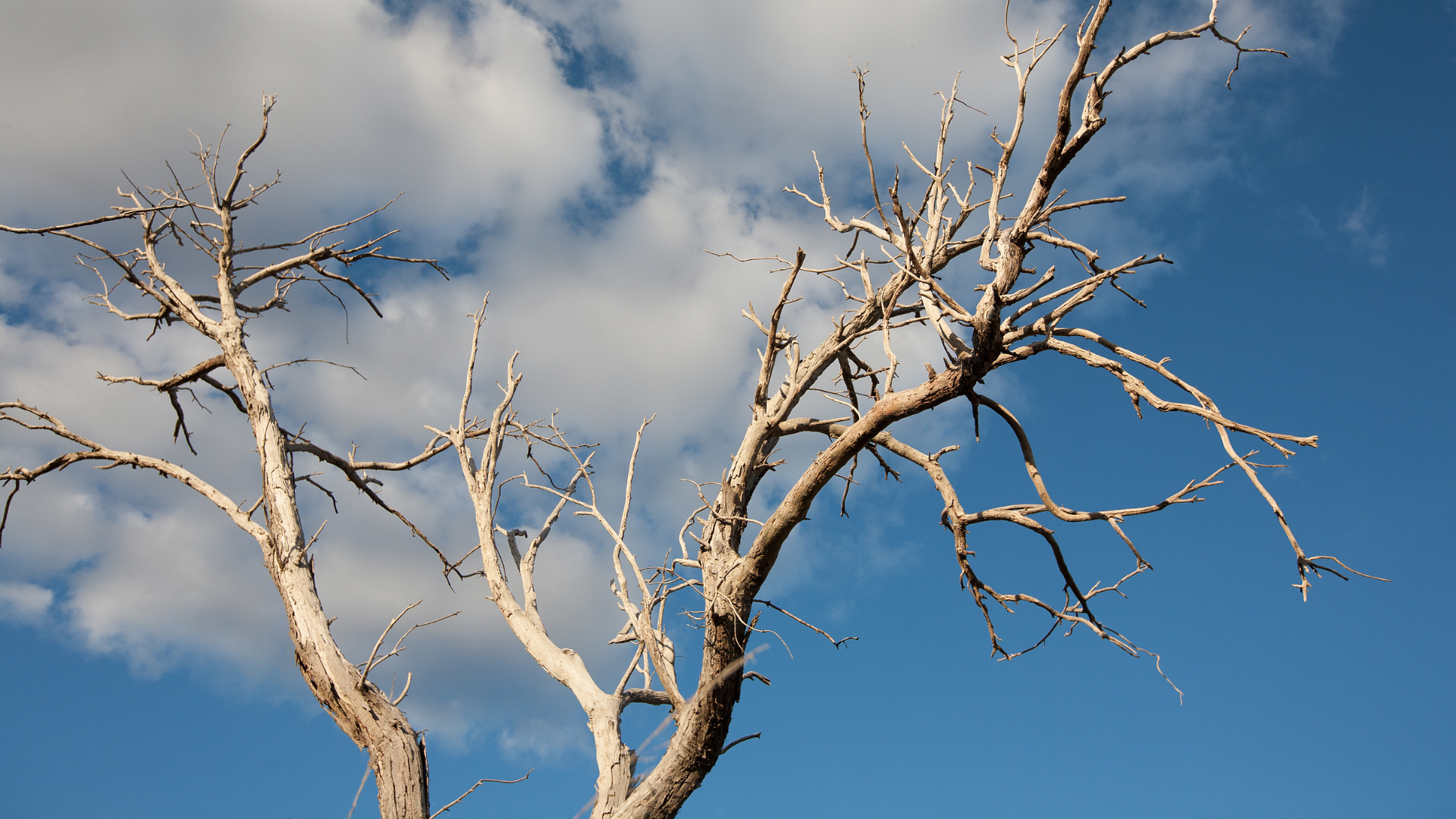
Deadwood refers to branches or limbs that are no longer living and actively growing. These branches may die due to age, disease, pest activity, storm damage, or environmental stress. In the Midwest, temperature extremes, freeze and thaw cycles, drought conditions, and severe storms all contribute to branch dieback.


Unlike living wood, deadwood no longer receives nutrients or moisture. As a result, it begins to dry out, lose flexibility, and weaken structurally. While a dead branch may remain attached to the tree for months or even years, its strength steadily declines.
Why Deadwood Becomes More Dangerous Over Time

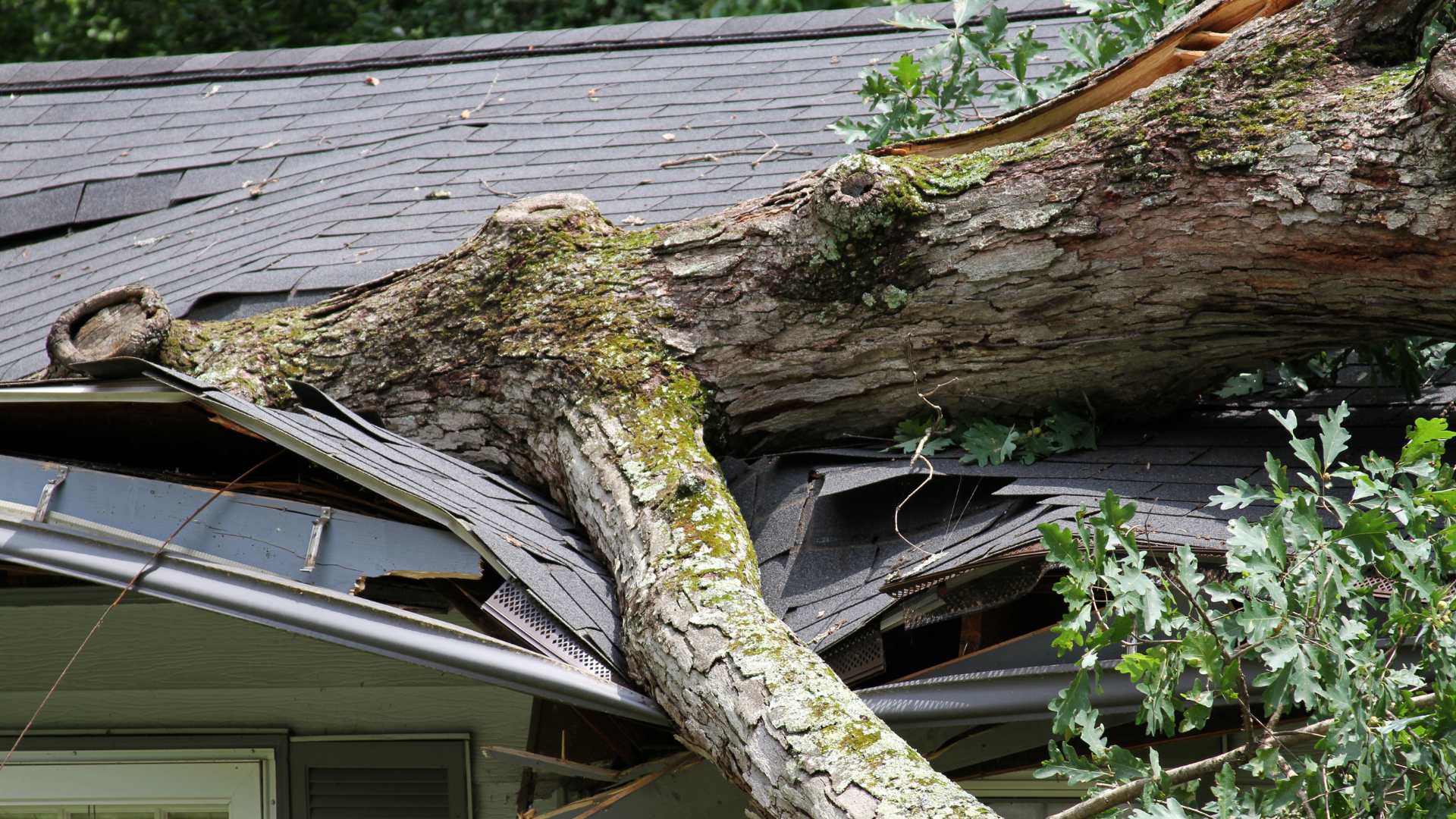
As deadwood dries, it becomes brittle. This brittleness makes it far more susceptible to breaking under stress. Wind, snow accumulation, ice, or even the natural movement of the tree can cause dead branches to snap without warning.


Because deadwood often exists high in the canopy, falling branches can gain significant momentum before reaching the ground. This increases the potential for injury or damage to roofs, vehicles, fences, and outdoor living areas. Even relatively small branches can cause serious harmwhen they fall from height.
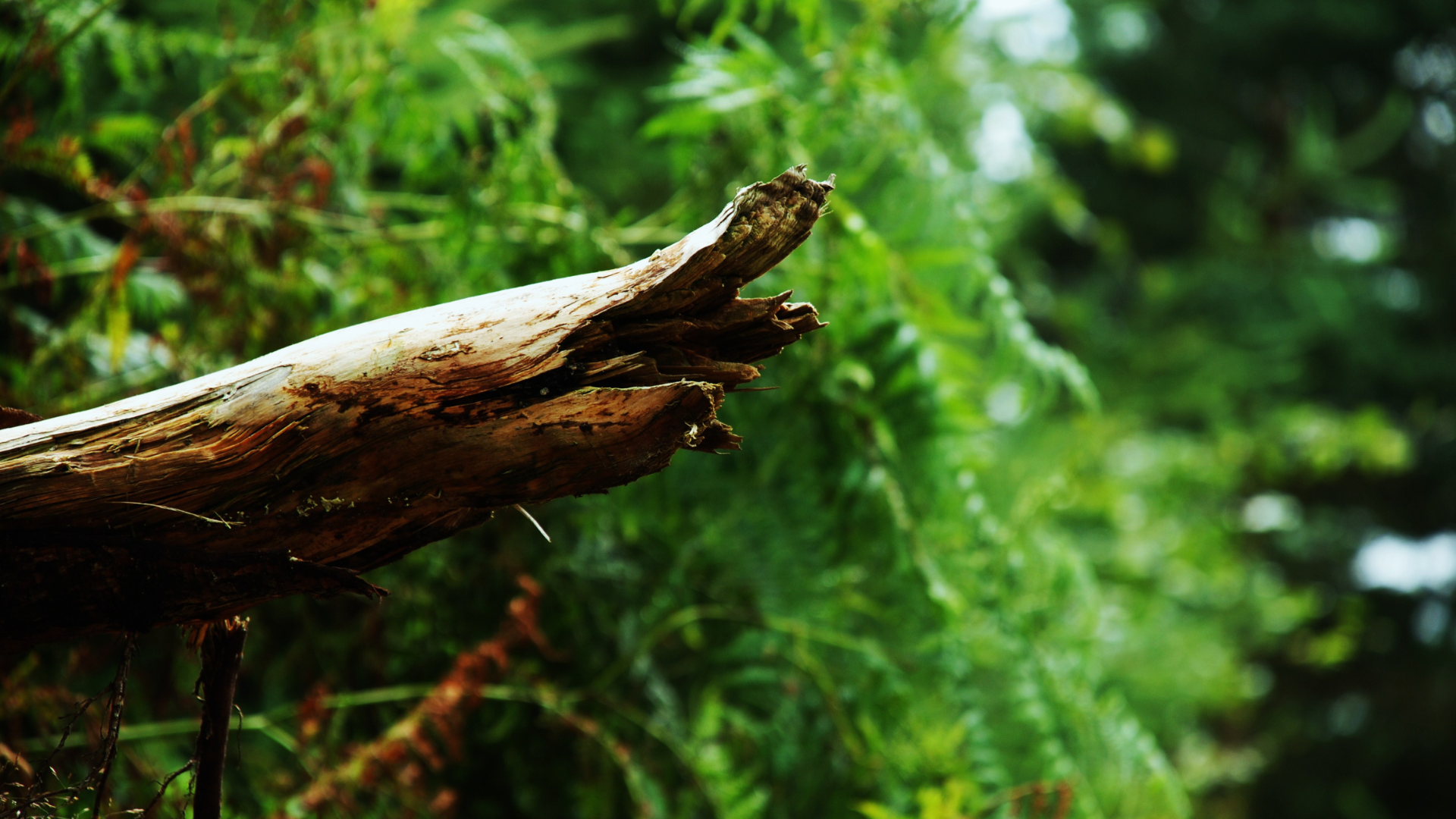
Hidden Risks in Seemingly Healthy Trees

One of the challenges with deadwood is that it is not always obvious from the ground. Dense foliage can conceal dead branches, especially during the growing season. Property owners may assume a tree is healthy based on leaf coverage alone, unaware of structural hazards developing overhead.


Deadwood can also shift position as surrounding branches grow or move. A branch that appears stable may become dislodged as the tree responds to wind or seasonal changes. This unpredictability makes deadwood particularly hazardous.
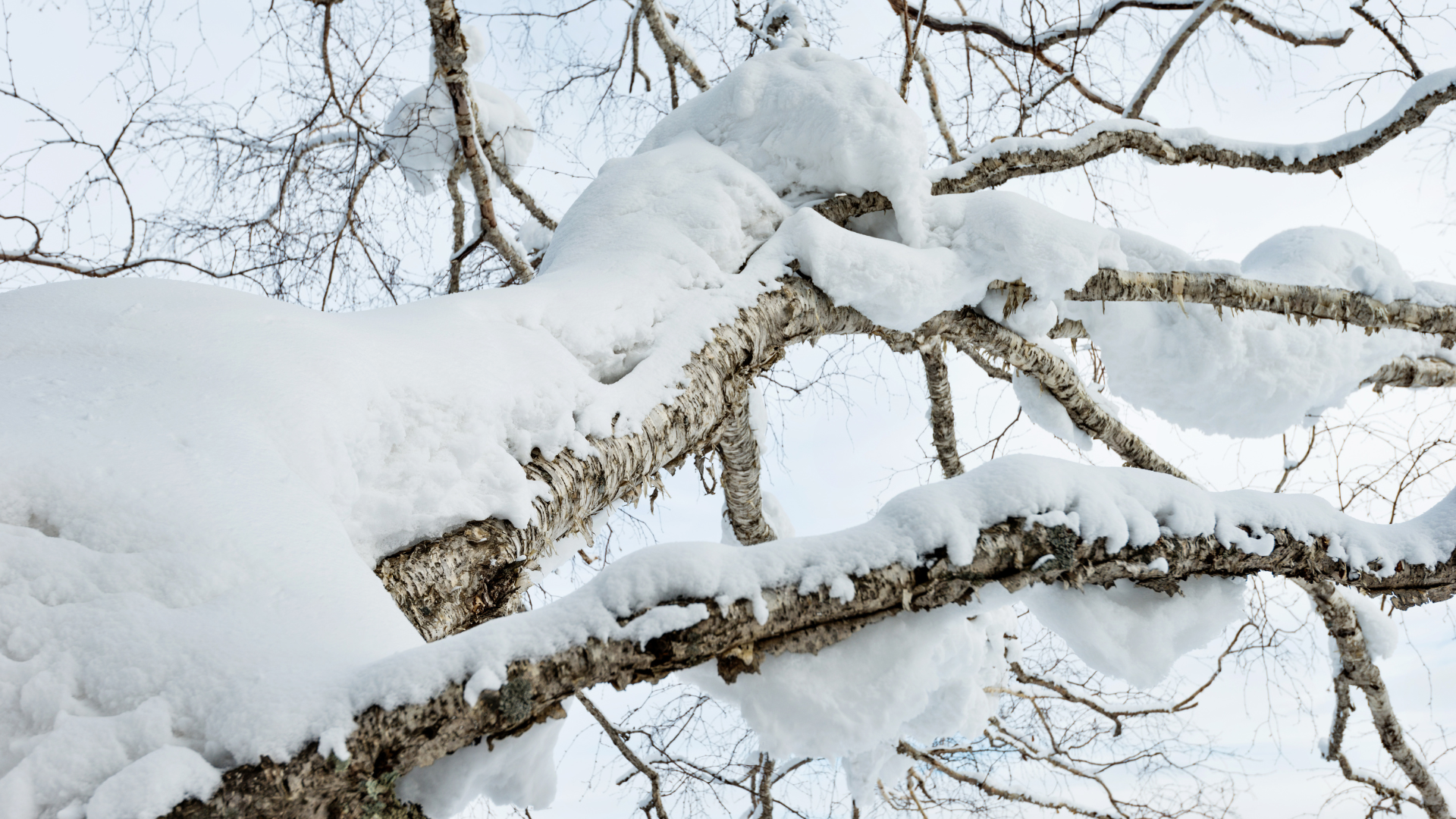
Increased Risk During Storms and Seasonal Changes

Weather events significantly increase the likelihood of deadwood failure. High winds place stress on weakened branches, while snow and ice add weight that deadwood cannot support. In the Midwest, winter storms and spring thunderstorms frequently expose deadwood issues that have developed quietly over time.


Temperature fluctuations also play a role. As wood expands and contracts, cracks can widen, further weakening dead branches. Over multiple seasons, this repeated stress accelerates deterioration.
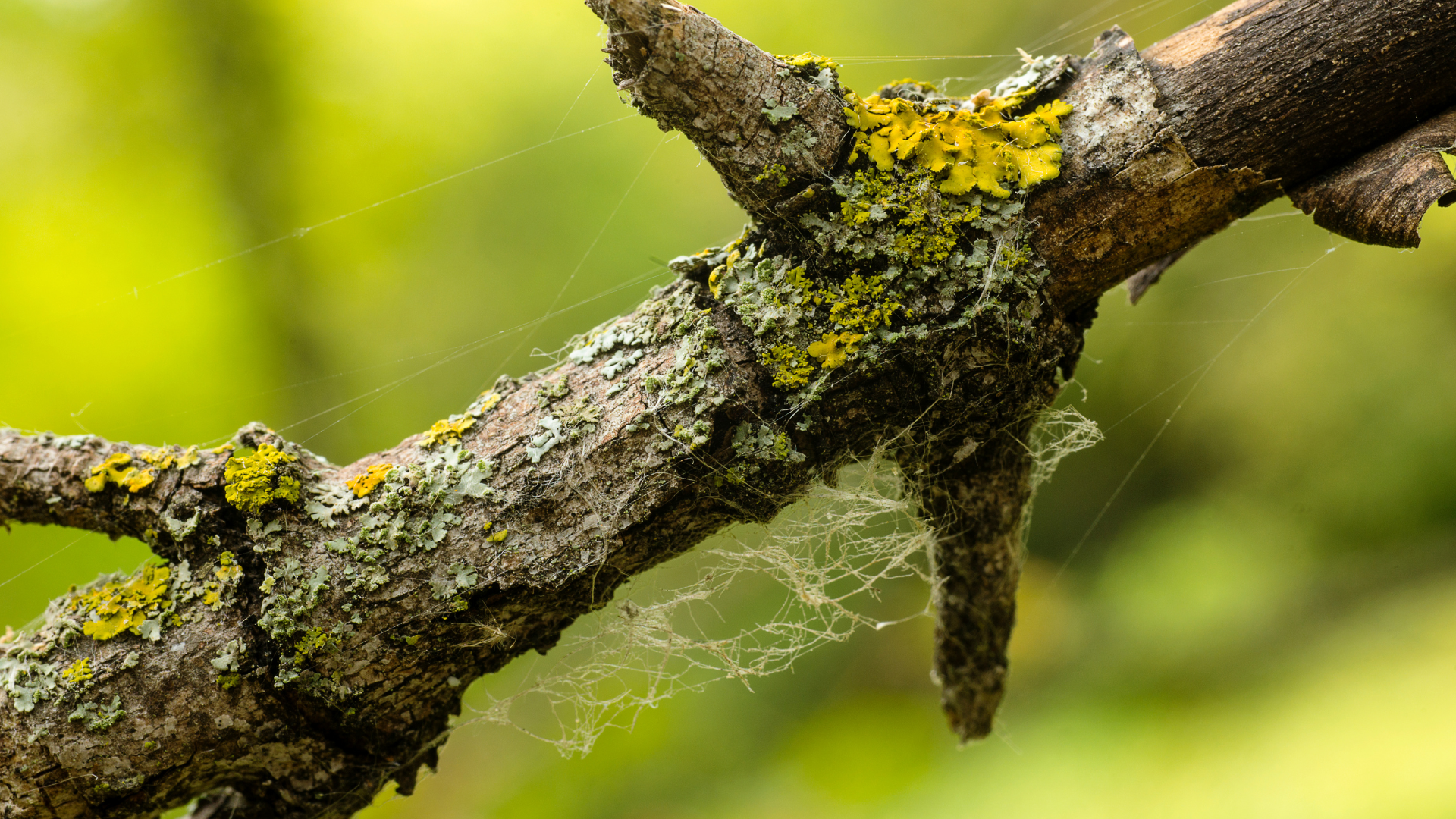
How Deadwood Affects Overall Tree Health

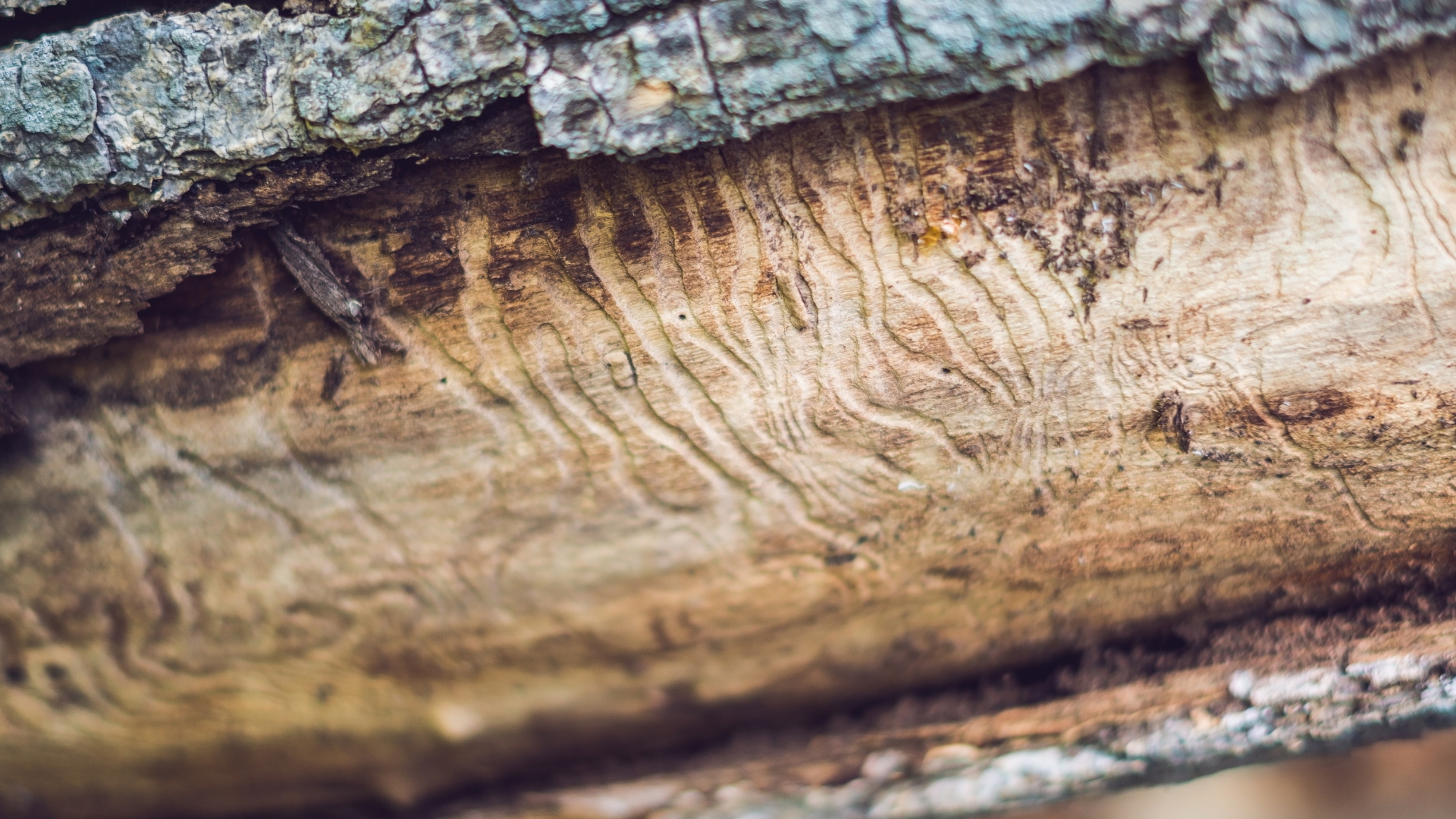
Beyond safety concerns, deadwood can negatively impact the tree itself. Dead branches may attract insects or decay organisms that can spread into healthy tissue. This can lead to further decline and increase the likelihood of additional branch failure.


Removing deadwood helps redirect the tree’s resources toward healthy growth. It also reduces unnecessary stress on the remaining structure, supporting better long term stability.
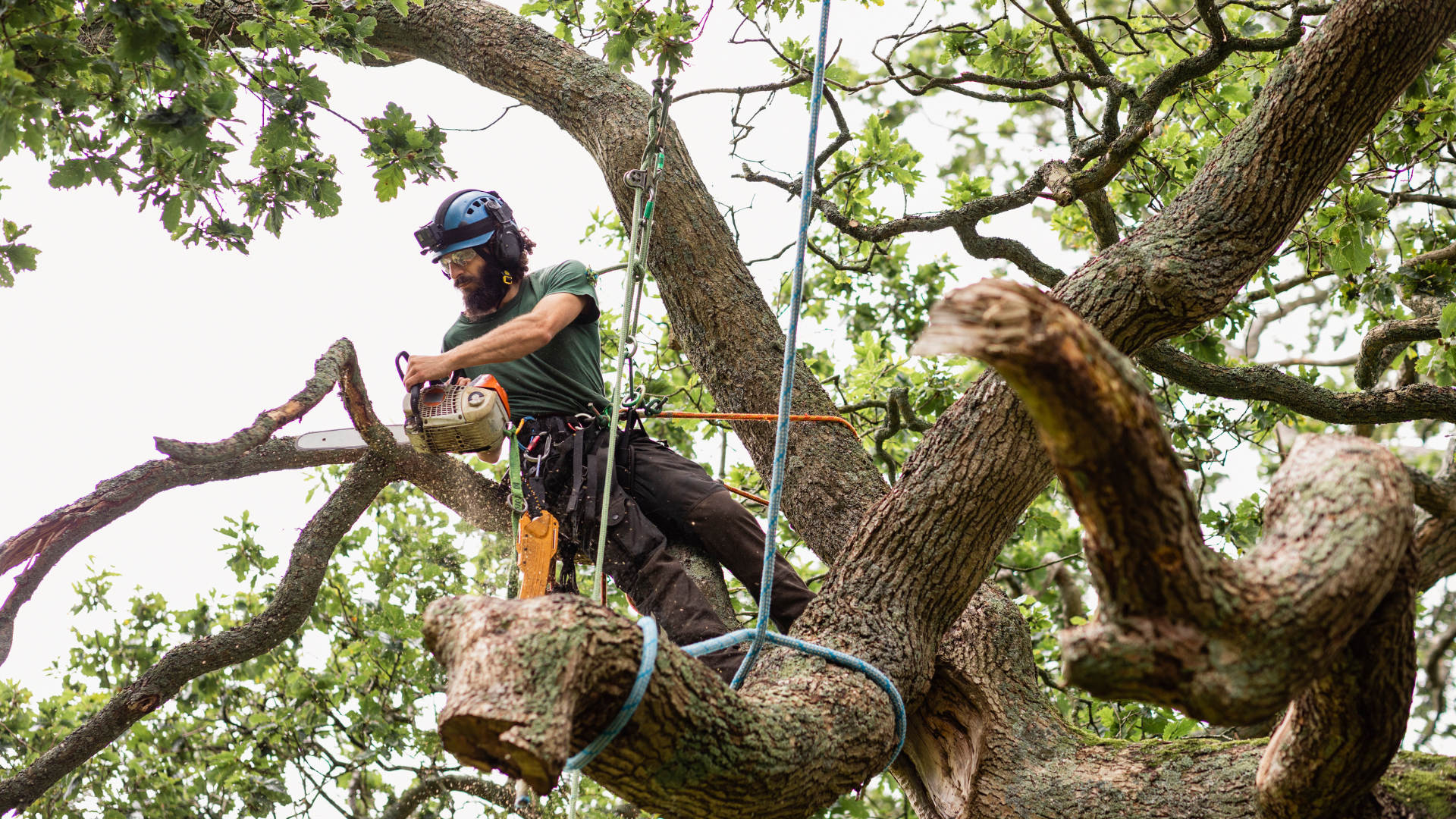
The Importance of Professional Evaluation

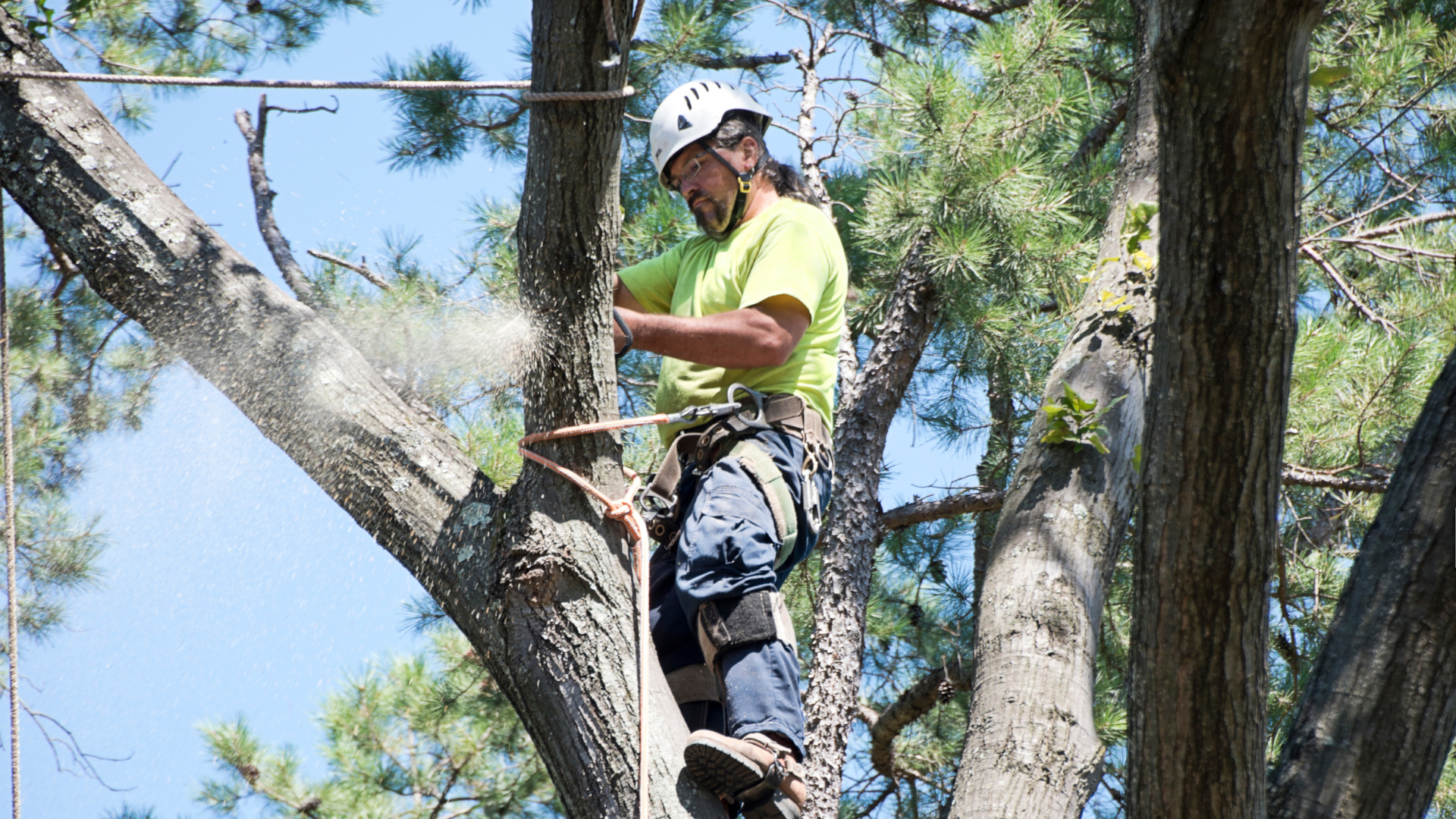
Properly identifying and addressing deadwood requires experience and training. Removing dead branches involves assessing their size, location, and attachment points. Improper removal can create additional hazards or damage the tree.


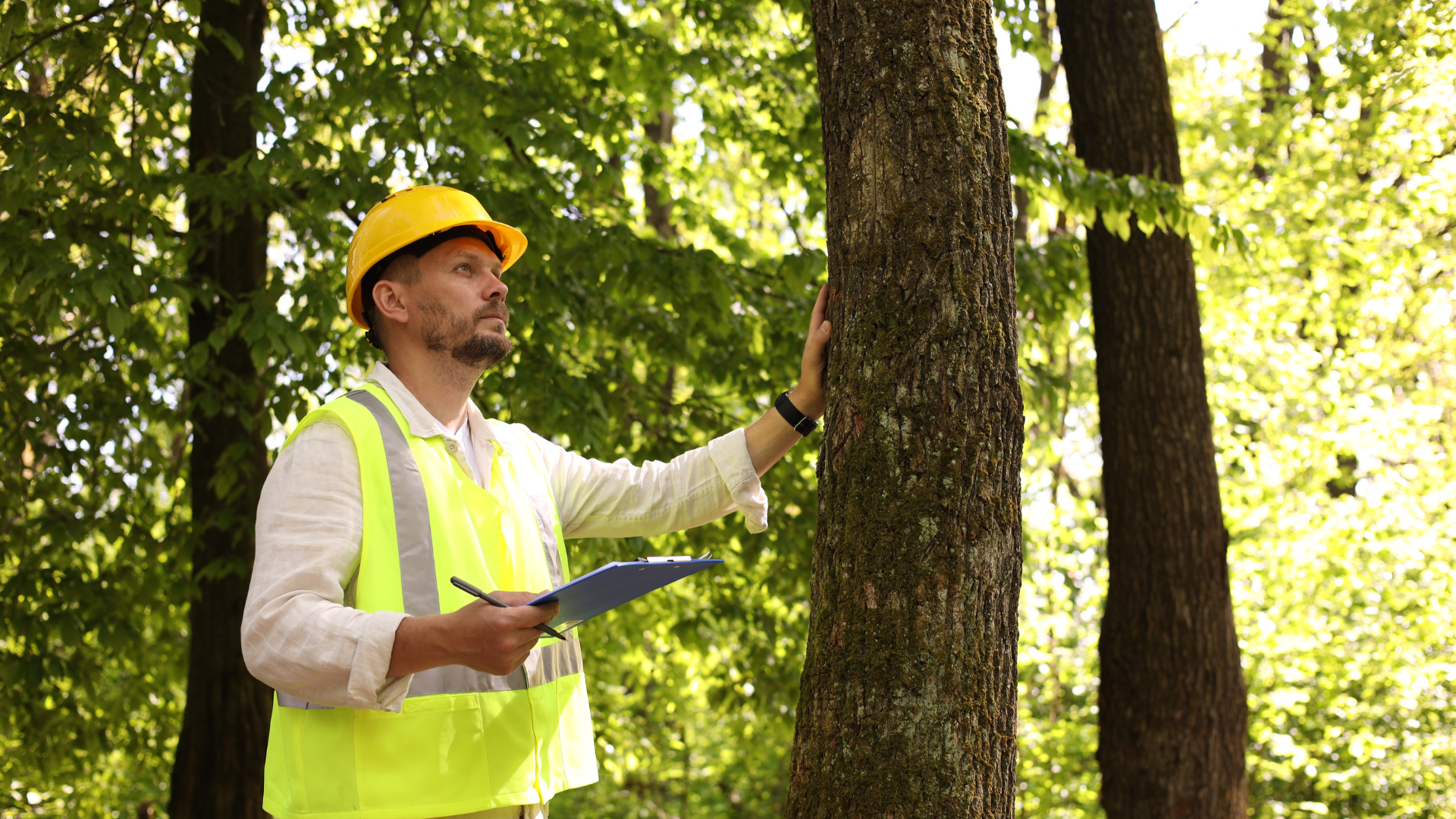
At Midwest Tree Surgeons, we evaluate trees for deadwood accumulation as part of a broader risk assessment. We look for signs of decay, structural weakness, and potential failure points. This allows us to recommend appropriate action based on the specific conditions of each tree and its surroundings.
Proactive Management Protects People and Property

Deadwood accumulation does not resolve itself and becomes more dangerous the longer it remains unaddressed. Proactive assessment and removal reduce the risk of unexpected branch failure and help maintain a safer environment around homes, walkways, and outdoor spaces.


By addressing deadwood early, property owners can prevent accidents and preserve the overall health of their trees. At Midwest Tree Surgeons, we focus on identifying hazards before they lead to damage, helping our clients protect both their landscapes and their peace of mind.
December 30, 2025
The start of a new year is a natural time to think about safety, preparedness, and long term planning for your property. Many homeowners focus on interior projects or general maintenance goals, but one of the most important aspects of property safety is often overlooked. Tree care plays a critical role in protecting homes, vehicles, and the people who live there. At Midwest Tree Surgeons, we encourage property owners to make tree care part of their New Year planning.
December 26, 2025
The Christmas season is often associated with reflection, preparation, and planning for the year ahead. While many homeowners focus on indoor projects or holiday travel, winter is also an important time to think about the health and safety of trees on the property. At Midwest Tree Surgeons, we frequently see that proactive winter planning helps homeowners enter the new year with greater peace of mind and fewer unexpected tree related concerns.
December 16, 2025
In the Midwest, trees are exposed to some of the most challenging seasonal conditions in the country. One of the most significant stressors is the repeated freeze and thaw cycle that occurs from late fall through early spring. While trees are naturally adapted to cold weather, fluctuating temperatures can place considerable strain on their structure, root systems, and overall health. At Midwest Tree Surgeons, we regularly assess trees that have been impacted by these seasonal shifts and help property owners understand how freeze and thaw patterns affect long term tree stability.
December 9, 2025
Drought conditions place significant strain on trees, even in landscapes that typically receive adequate rainfall. When moisture becomes scarce, trees begin to redirect their energy toward survival rather than growth. This shift may create visible and invisible stress signals that, if ignored, can lead to long term decline or structural weakness. At Midwest Tree Surgeons, we help homeowners understand how drought affects tree health and what proactive steps can protect valued landscape trees before the damage becomes severe.
December 3, 2025
Trees provide shade, beauty, privacy, and environmental benefits, but they also require proper care to remain healthy and structurally safe. Many homeowners do not realize how complex tree care can be or how significantly improper techniques can affect long term tree health. When individuals attempt to handle tree work on their own or hire someone without professional training, the risk of property damage, personal injury, and irreversible harm to the tree increases considerably. Hiring certified tree professionals ensures that every aspect of tree care is handled with precision, safety, and long term health in mind.
November 26, 2025
Large trees provide beauty, shade, and structure to a property, but when a tree becomes hazardous or must be removed for safety or landscaping reasons, the process requires expertise, equipment, and careful planning. Removing a large tree is far more complicated than cutting smaller branches or clearing minor debris. At Midwest Tree Surgeons, we emphasize the importance of hiring trained specialists for any large tree removal because the risks of attempting it without proper training are significant. Professional removal protects people, property, and the surrounding landscape while ensuring that the job is completed safely and efficiently.
November 18, 2025
Young trees have tremendous potential, but without proper guidance, they may develop weak branch patterns, uneven canopies, or structural flaws that become costly and hazardous as they mature. At Midwest Tree Surgeons, we emphasize the importance of early structural pruning because it shapes the long-term health, appearance, and stability of a tree. By directing growth during the early years, property owners can ensure that their trees develop strong frameworks that withstand weather, reduce safety risks, and contribute to a landscape’s long-term beauty.
November 12, 2025
 Preparing Your Trees for Winter Fall is a season of transition, and for homeowners, it offers one of the most important opportunities to care for their trees. As temperatures drop and leaves begin to fall, trees prepare for winter dormancy . This change makes it the ideal time for a professional tree inspection and risk assessment. At Midwest Tree Surgeons, we use the fall season to help property owners identify issues early, strengthen tree structure, and protect homes and landscapes from winter damage. The Importance of Fall Tree Inspections After months of growth, summer storms, and heat exposure, trees can develop hidden weaknesses that only become noticeable in the fall. Heavy winds, disease , and insect activity may have caused internal decay or structural stress. Once winter arrives, those weaknesses can turn into major hazards. Ice, snow, and wind put added weight and pressure on branches, increasing the risk of breakage. A professional inspection in the fall allows our team to identify and correct these issues before cold weather sets in. We look for signs of disease, dead limbs, root instability, and canopy imbalance. By addressing these problems now, we help ensure that your trees remain strong and stable through the winter.
November 6, 2025
Trees add beauty, shade, and privacy to neighborhoods, but when a tree growing on one property begins to threaten another, it can quickly create tension and potential danger. Overhanging branches, invasive roots, or decaying trunks can lead to property damage or personal injury, leaving homeowners uncertain about their rights and responsibilities. At Midwest Tree Surgeons, we often help homeowners assess and manage hazardous trees before they cause serious problems. Understanding what steps to take can prevent both damage and disputes.
October 29, 2025
Sustainability in modern landscaping is no longer a trend, it is a responsibility. Trees are among the most valuable components of any outdoor environment, providing shade, clean air, and natural beauty. Yet maintaining them responsibly requires more than occasional pruning or storm cleanup. It means adopting sustainable practices that promote long-term health for trees, the soil that supports them, and the ecosystems they inhabit.
More Posts