How Construction Activity Affects Mature Trees on Residential and Commercial Properties
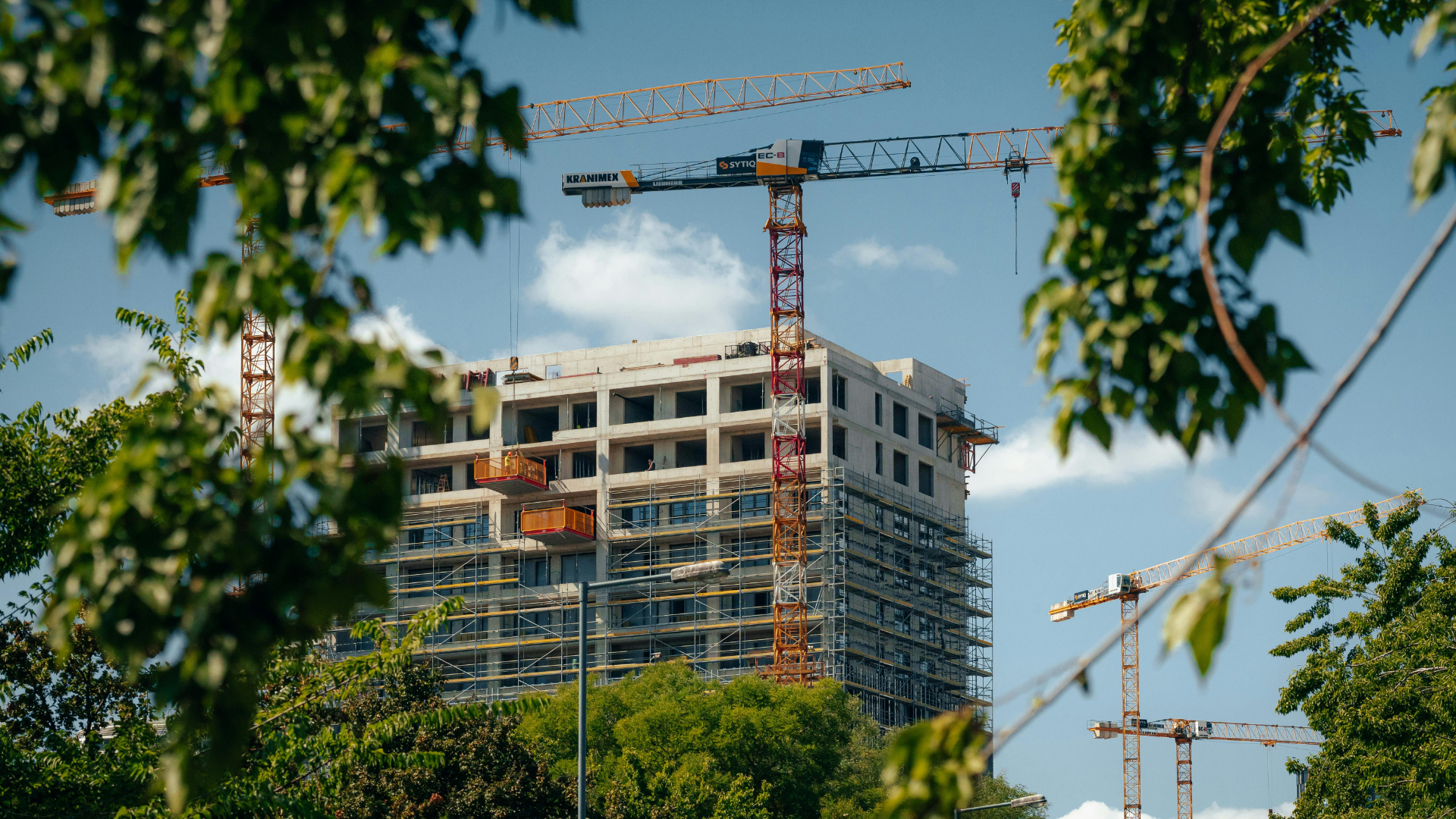
Construction projects often focus on what is being built, but the impact on existing trees is frequently overlooked. Whether the work involves a home addition, driveway replacement, utility installation, or commercial development, construction activity can place significant stress on mature trees. Understanding how these projects affect trees helps property owners protect valuable landscape assets and avoid long term safety and health issues.
Root Systems Are More Vulnerable Than They Appear
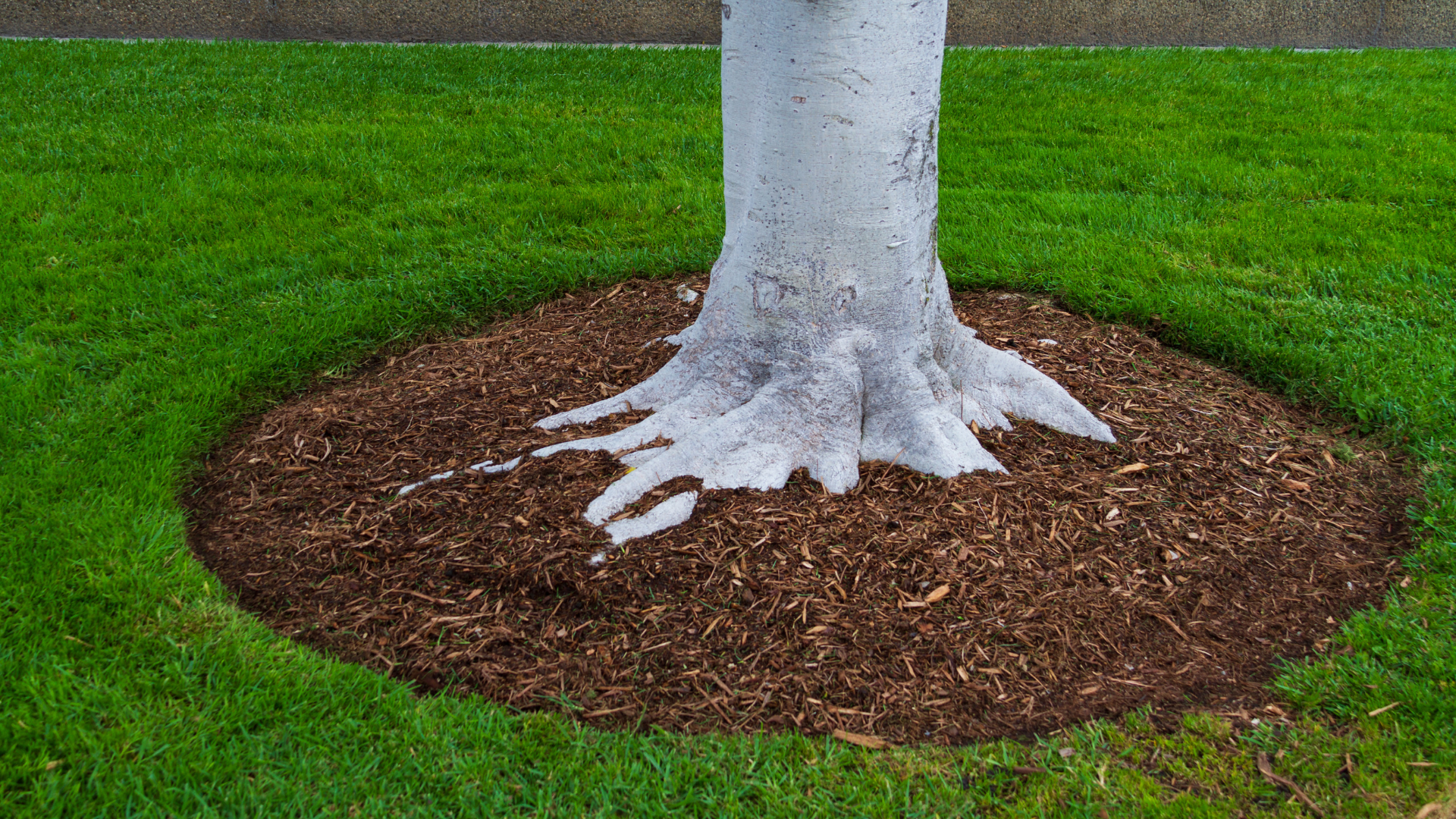
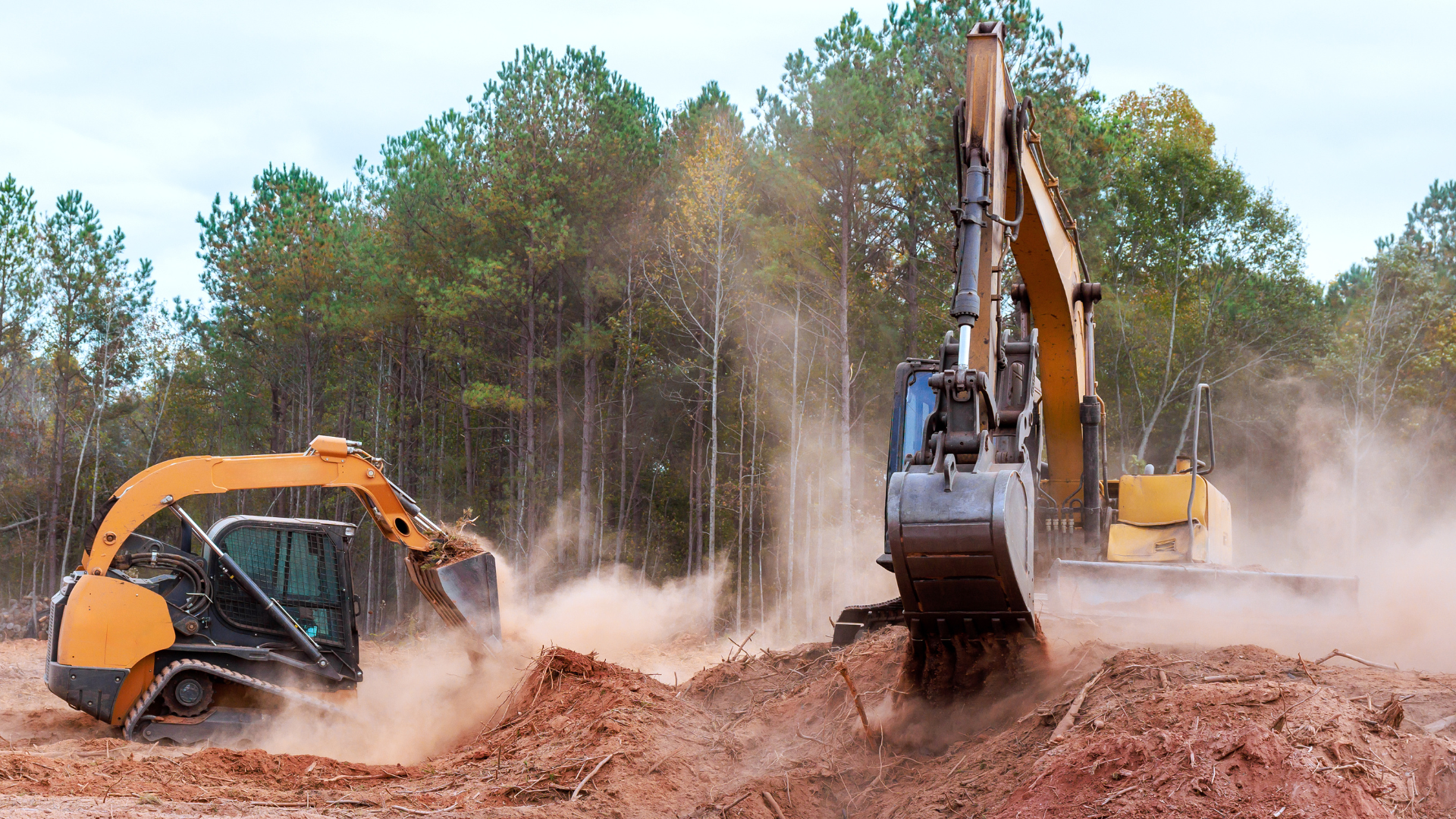
Most of a tree’s root system exists within the top few feet of soil and extends far beyond the visible canopy. Construction equipment, trenching, and grading can damage roots even when work occurs several feet away from the trunk. Root injury reduces a tree’s ability to absorb water and nutrients, weakening its overall structure.
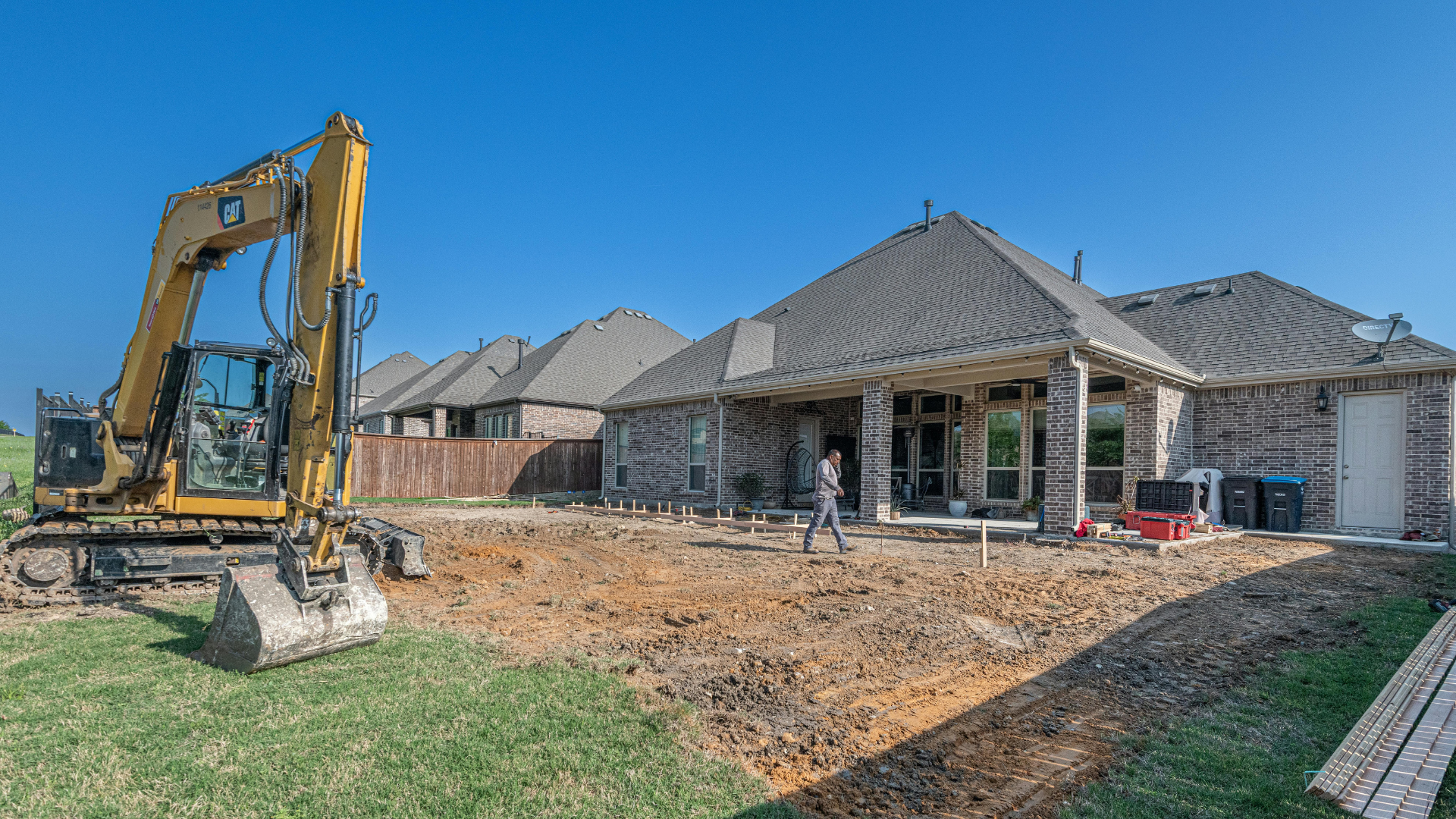
Compaction from heavy machinery is one of the most common issues. When soil becomes compacted, oxygen flow to roots is restricted. Over time, this stress can lead to decline, dieback, or failure, even if the tree initially appears unaffected.
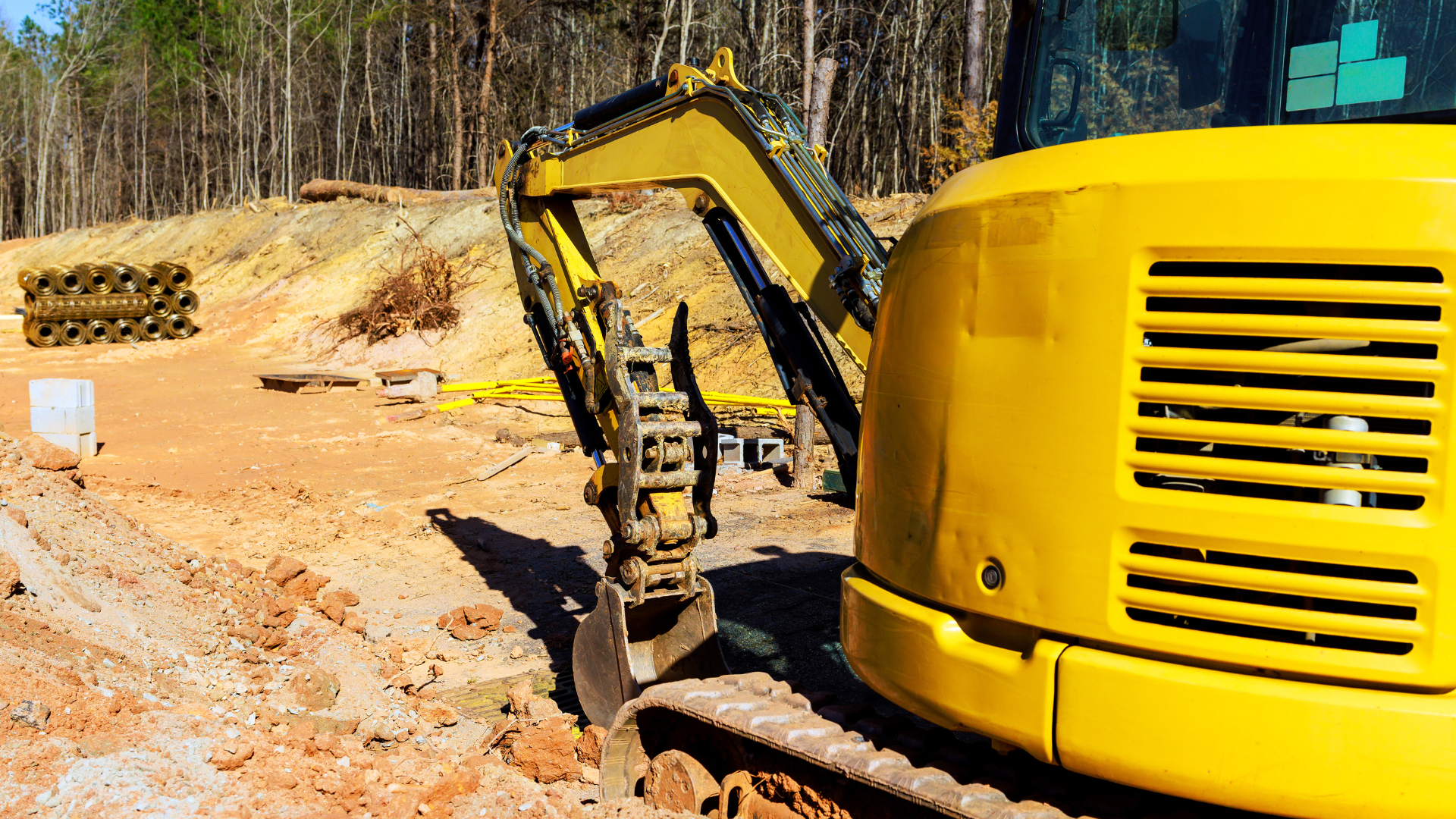
Changes in Soil Grade Create Long Term Stress
Altering soil levels around a tree can be just as damaging as direct root injury. Adding soil over the root zone can suffocate roots, while removing soil exposes them to drying and temperature extremes. Both scenarios disrupt the balance trees rely on for stability and health.
Grade changesoften occur during construction without consideration for existing vegetation. These changes may not cause immediate damage, but they can lead to gradual decline months or years later.
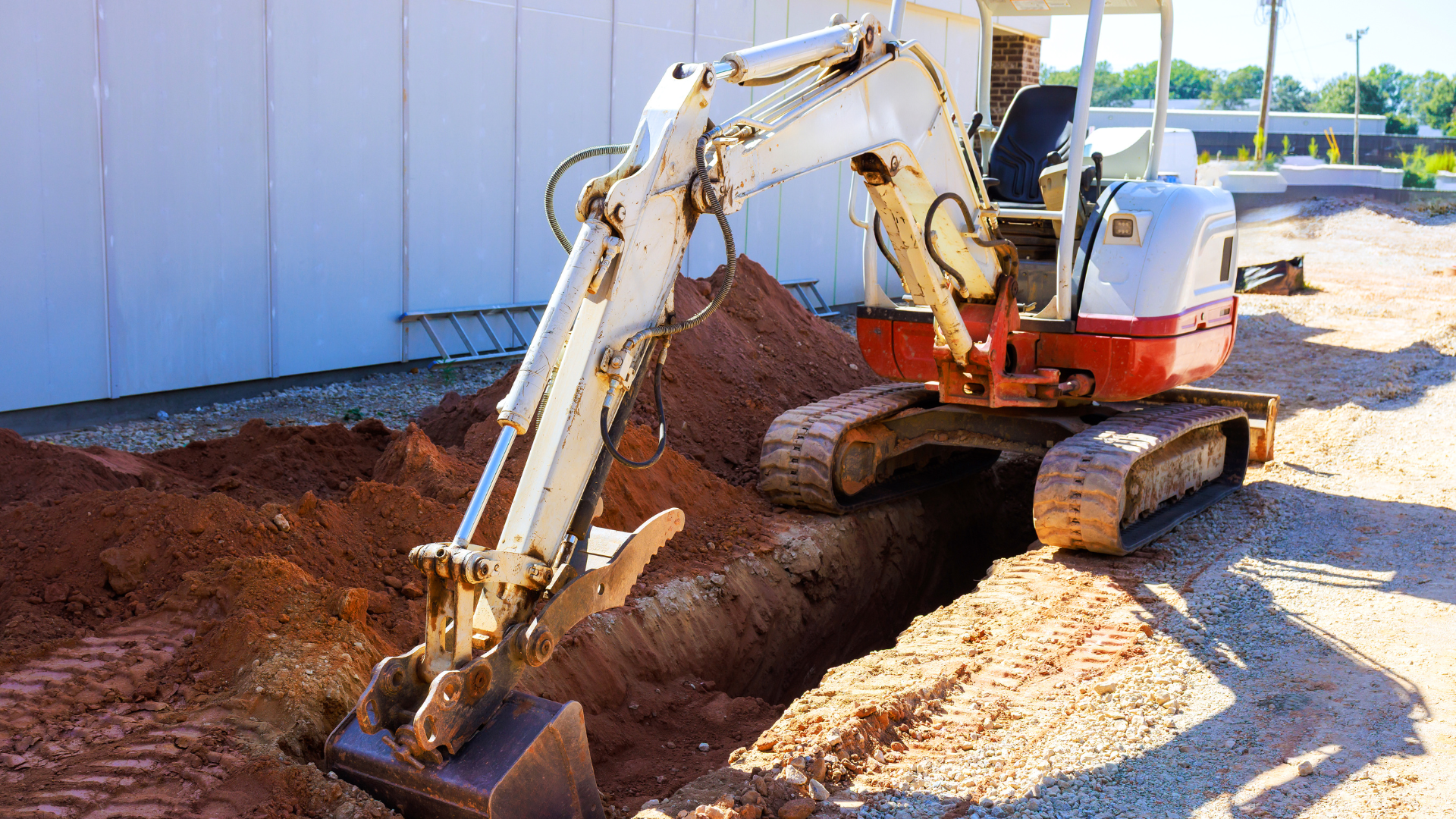
Trenching and Utility Installation Risks
Utility installation often requires trenching through areas where roots are present. Cutting roots to accommodate pipes, cables, or drainage systems reduces anchoring strength and compromises nutrient uptake. Large roots play a critical role in tree stability, and losing them increases the risk of failure during storms or high winds.
In many cases, trenching damage is not visible from the surface, making professional evaluation important after construction is complete.
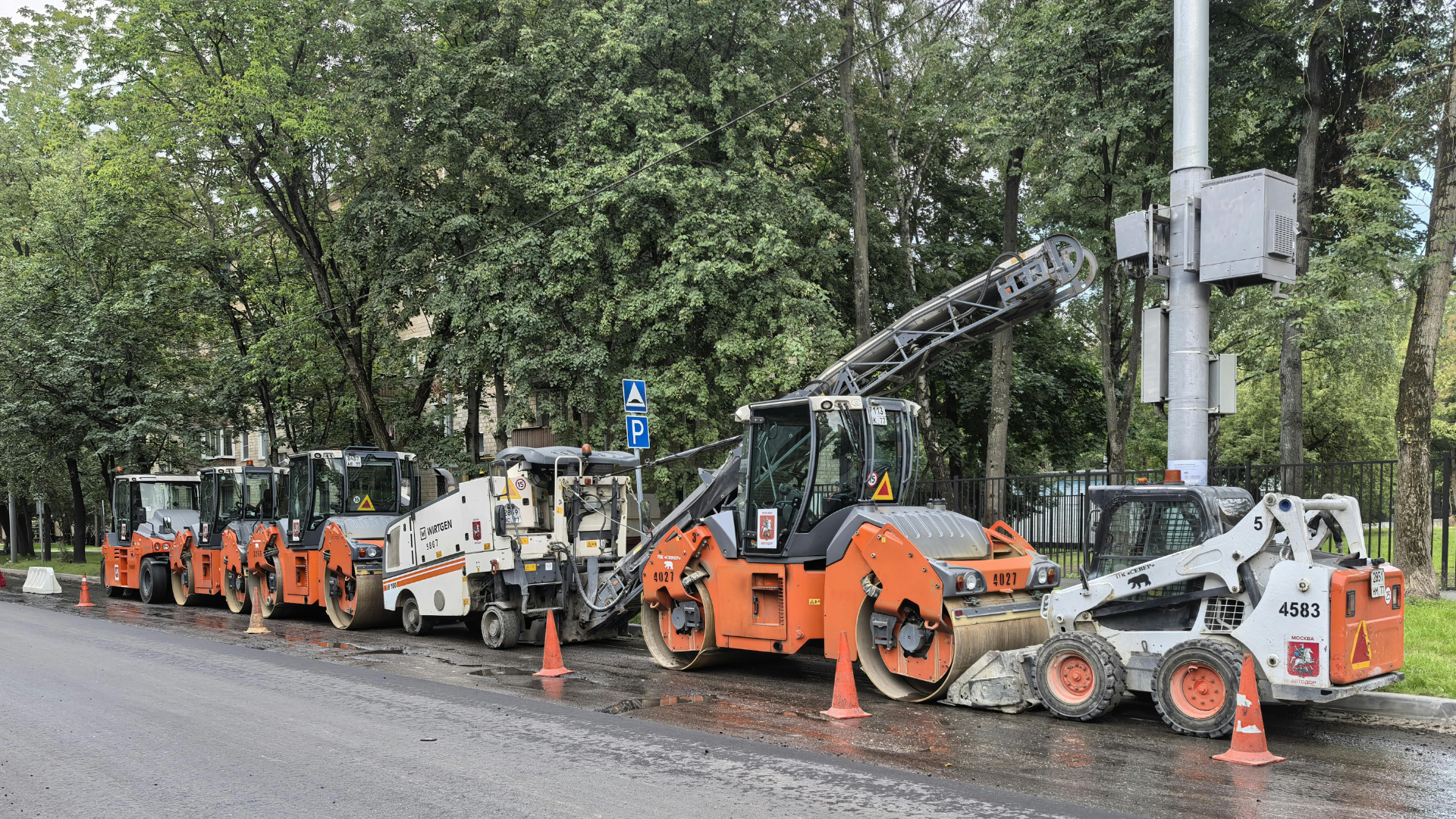
Canopy Damage and Equipment Contact
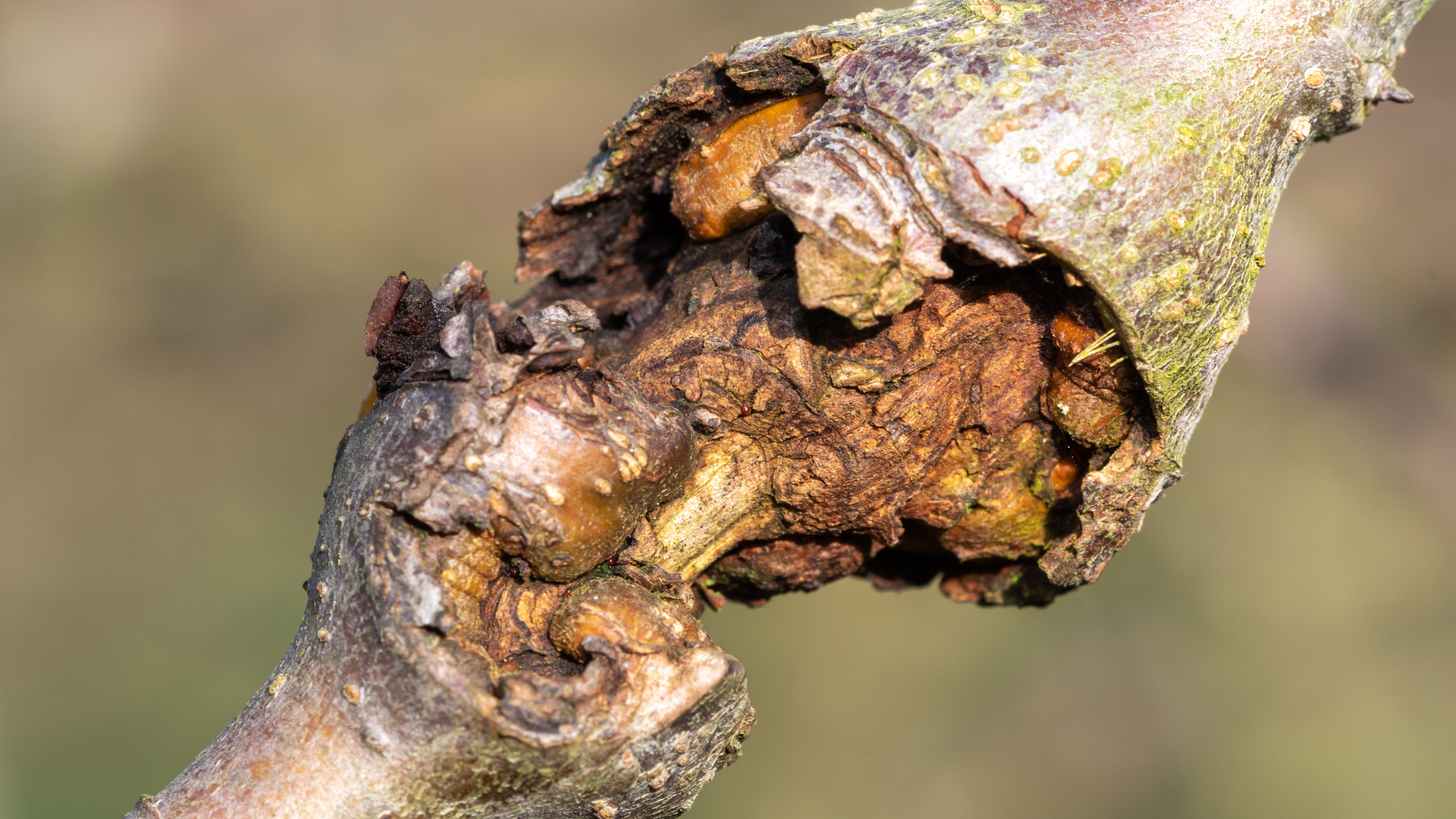
Branches and trunks are also at risk during construction. Accidental contact with equipment can strip bark, break limbs, or create wounds that allow pests and disease to enter. Even minor injuries can become serious if not addressed properly.
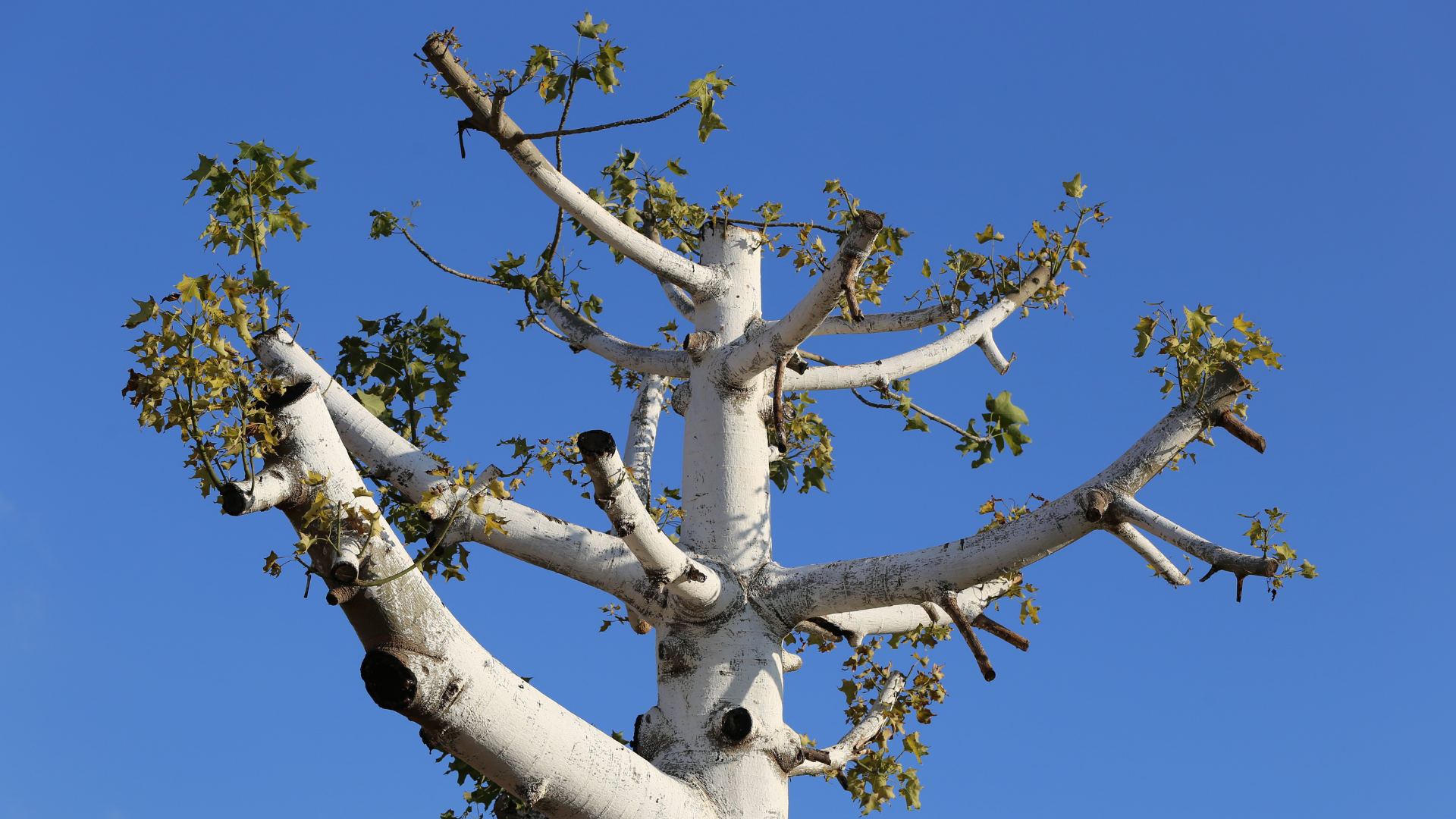
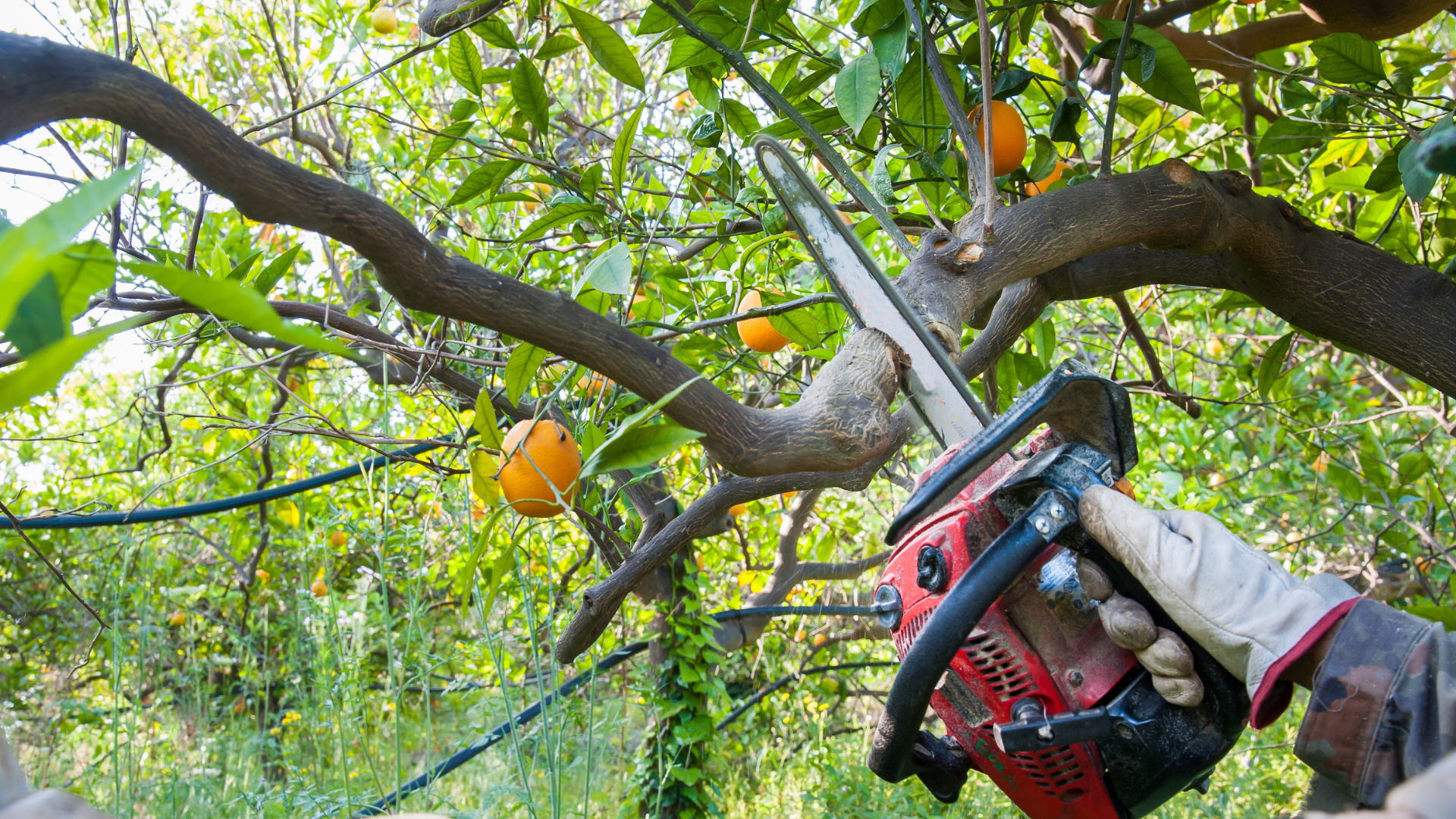
Repeated contact or improper pruning to clear space can alter a tree’s structure, leading to imbalanced growth and increased risk over time.
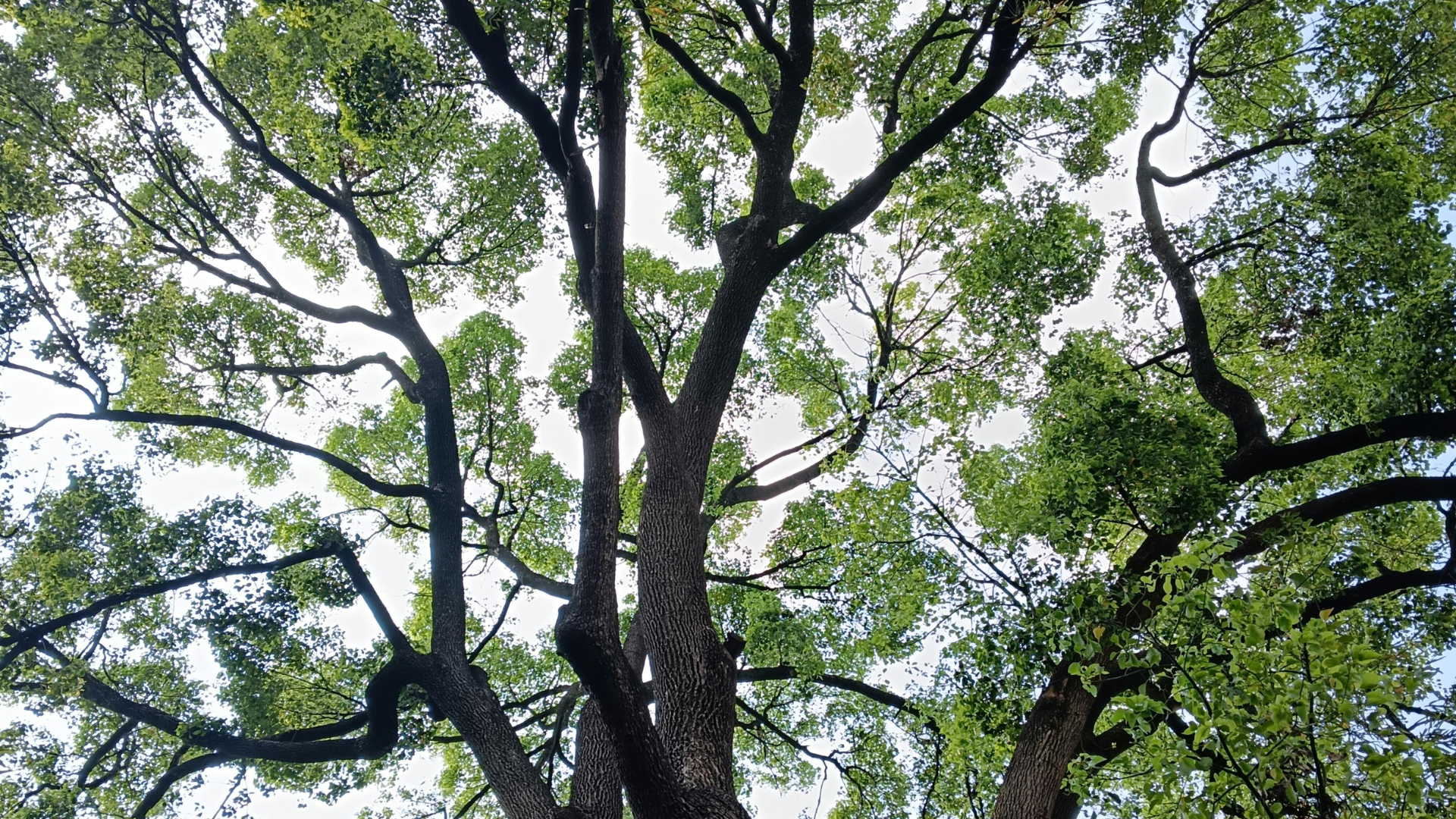
Stress Responses Are Often Delayed
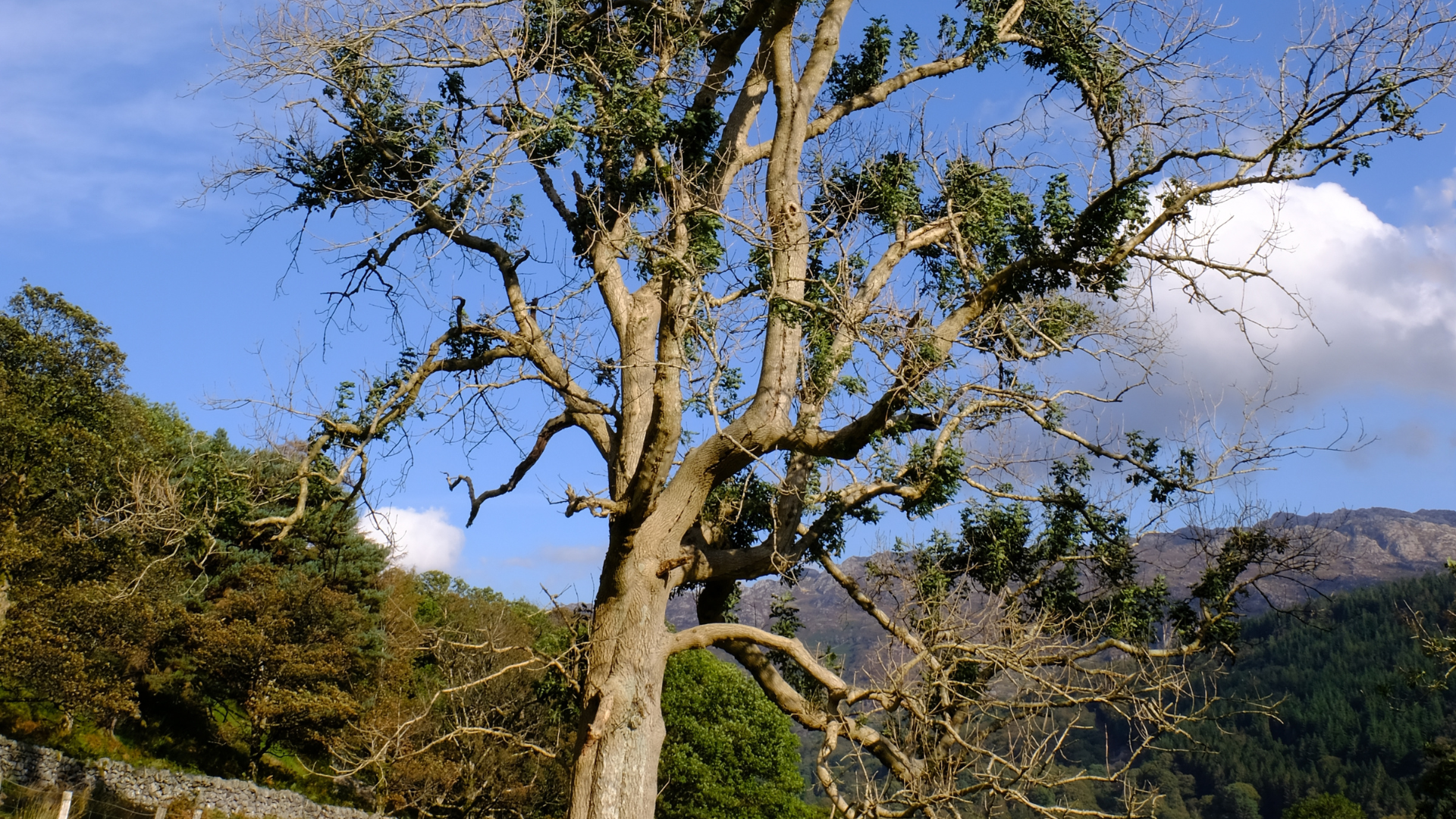
One of the most challenging aspects of construction related tree damage is delayed response. Trees may appear healthy immediately after a project finishes, only to show signs of decline in subsequent seasons. Leaf drop, reduced growth, and canopy thinning are common indicators of underlying stress.
By the time symptoms become visible, damage may already be extensive. Early assessment helps identify issues before they progress.
The Importance of Tree Protection Planning
Protecting trees during construction requires planning. Establishing root protection zones, limiting equipment access, and adjusting work methods can significantly reduce risk. These steps are most effective when implemented before construction begins.
Professional guidance helps ensure that protective measures are appropriate for the species, size, and condition of the trees involved.
Post Construction Evaluation Matters
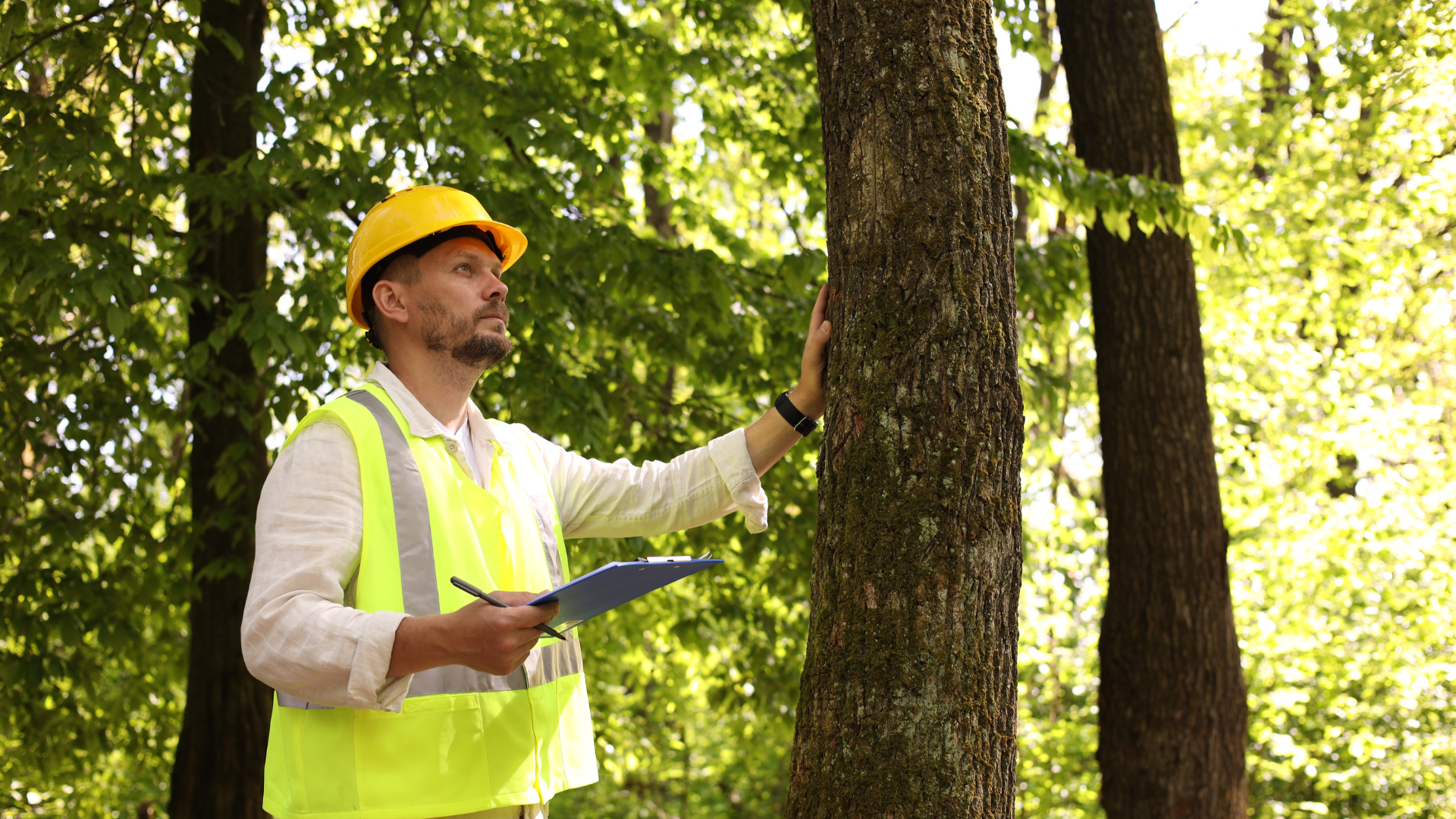
After construction, a professional tree inspection can identify hidden damage and determine whether corrective action is needed. Treatments may include soil remediation, pruning, or monitoring to support recovery.
Addressing issues early improves the chances of preserving mature trees and reducing future hazards.
A Proactive Approach Protects Long Term Value
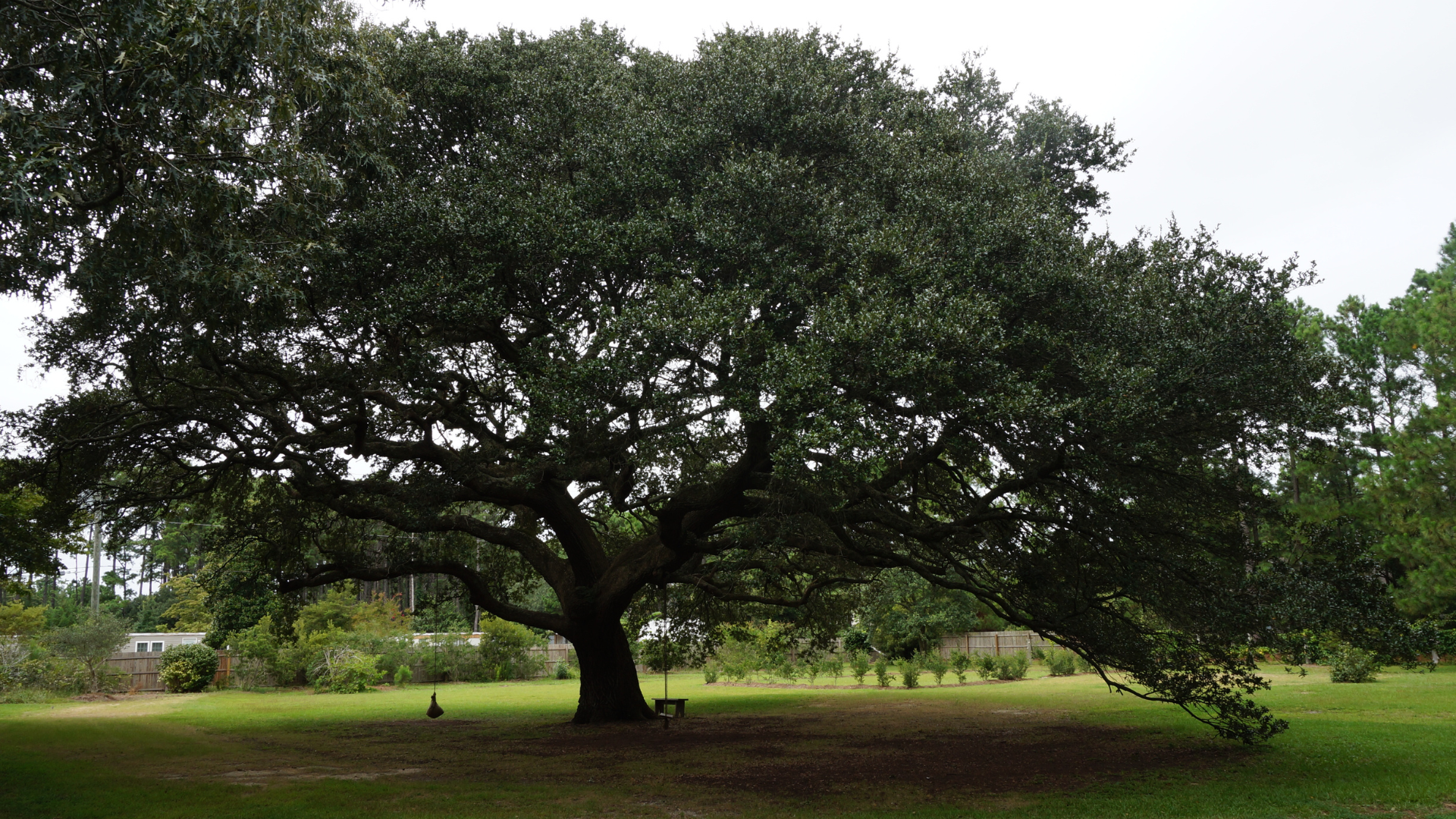
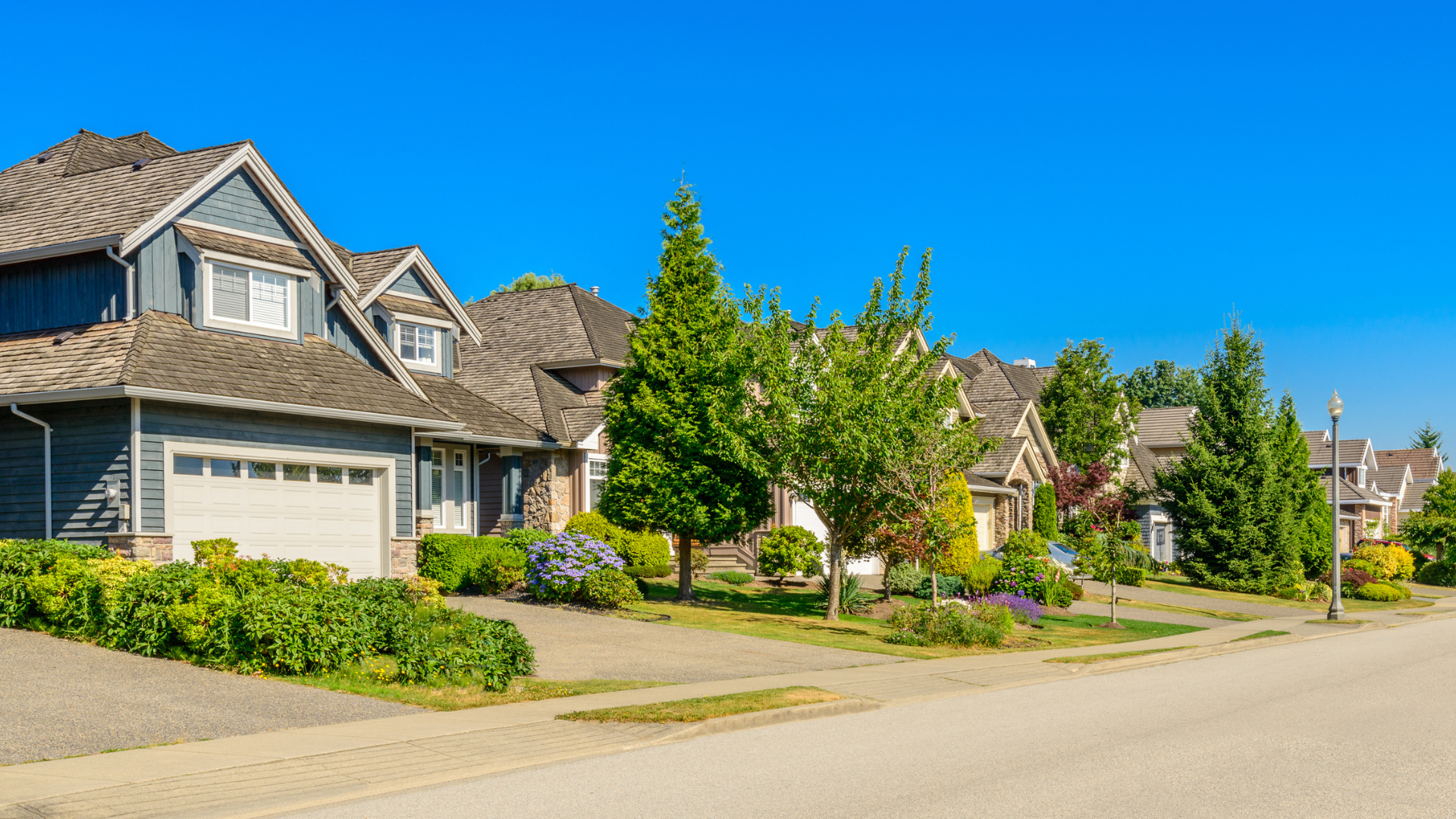
Mature trees provide shade, aesthetic value, and environmental benefits that take decades to replace. Construction activity does not have to result in their loss, but it does require awareness and expertise.
At Midwest Tree Surgeons, we work with property owners to evaluate tree health before and after construction projects. Understanding how construction affects trees helps protect landscapes, reduce liability, and preserve the long term value of residential and commercial properties.