Why Hiring Certified Tree Professionals Protects Both Property and Long Term Tree Health

December 3, 2025

Trees provide shade, beauty, privacy, and environmental benefits, but they also require proper care to remain healthy and structurally safe. Many homeowners do not realize how complex tree care can be or how significantly improper techniques can affect long term tree health. When individuals attempt to handle tree work on their own or hire someone without professional training, the risk of property damage, personal injury, and irreversible harm to the tree increases considerably. Hiring certified tree professionals ensures that every aspect of tree care is handled with precision, safety, and long term health in mind.
Expertise Ensures Proper Tree Assessment

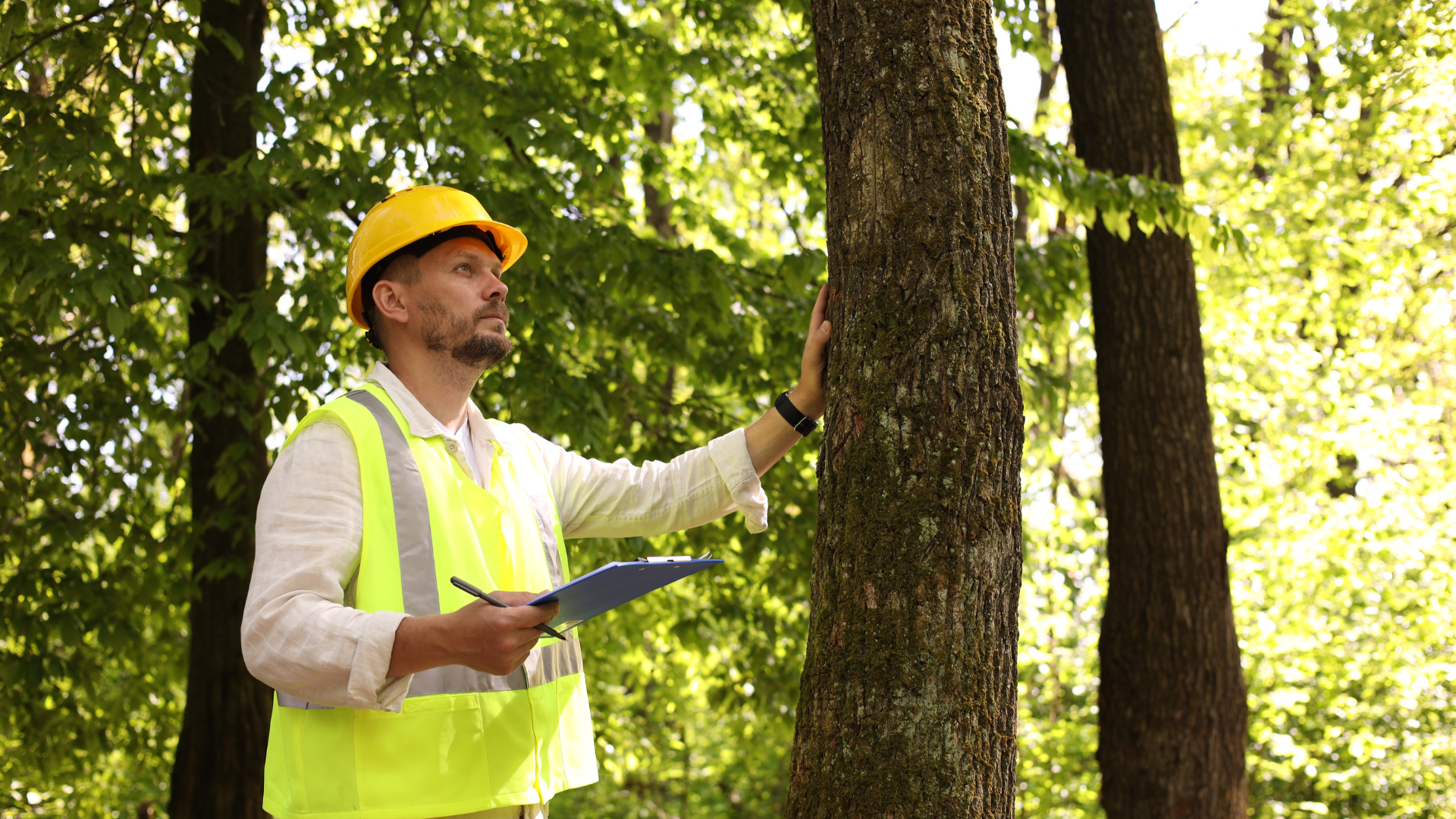
Certified tree professionals undergo extensive training in tree biology, structural integrity, and hazard identification. Trees often exhibit subtle signs of stress that may not be obvious without experience. Early detection of disease, nutrient deficiency, structural weakness, or pest activity allows for timely intervention that may preserve the tree for years to come.


A trained arborist understands how to evaluate the root zone, soil conditions, canopy balance, and overall vitality of the tree. This holistic approach helps determine the best course of action, whether the tree needs targeted pruning, supplemental support, treatment for pests, or removal when safety is compromised. Homeowners benefit from an accurate diagnosis rather than guesswork, which can lead to inappropriate or ineffective treatments.
Professional Pruning Protects Tree Structure and Longevity

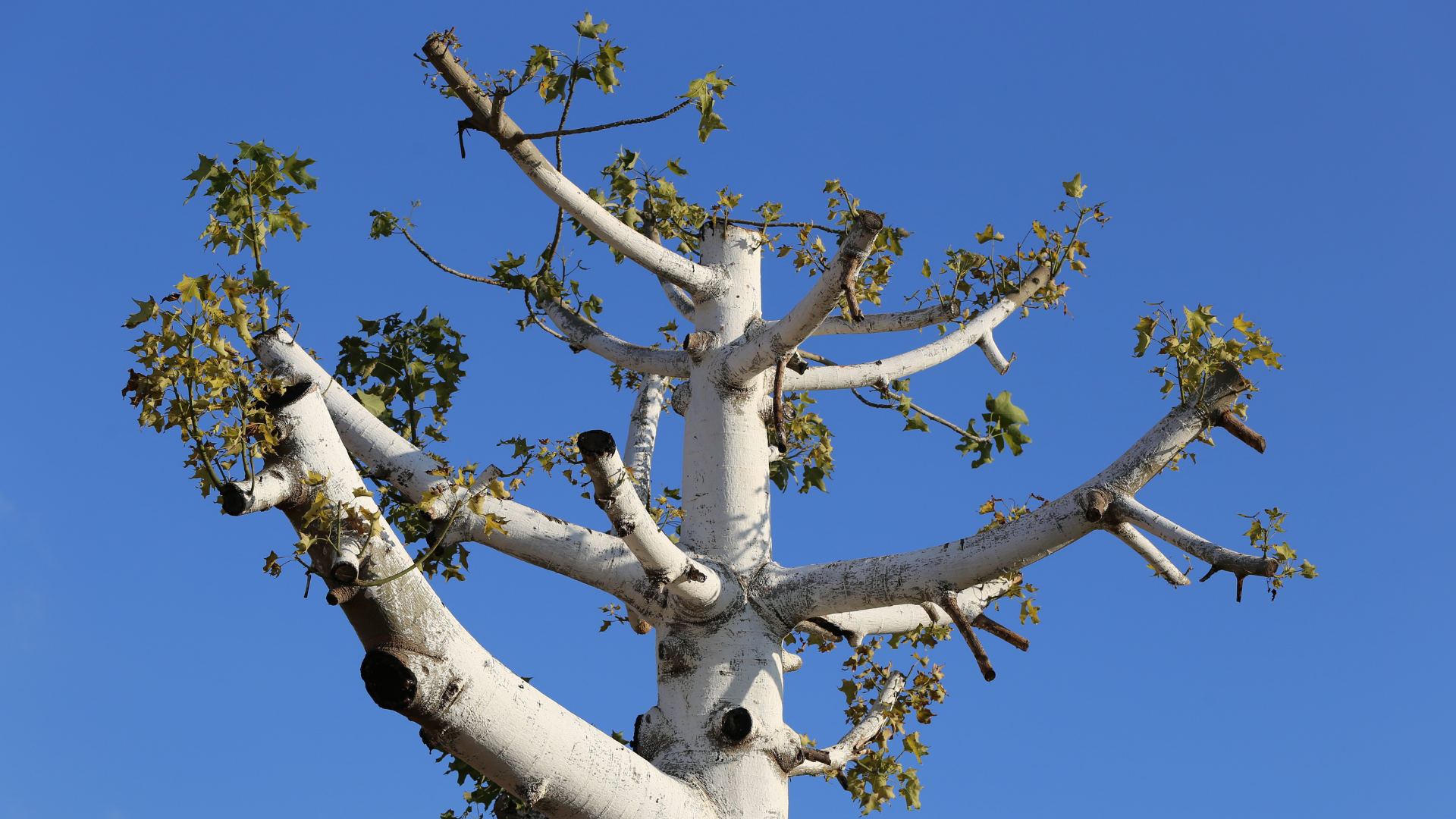
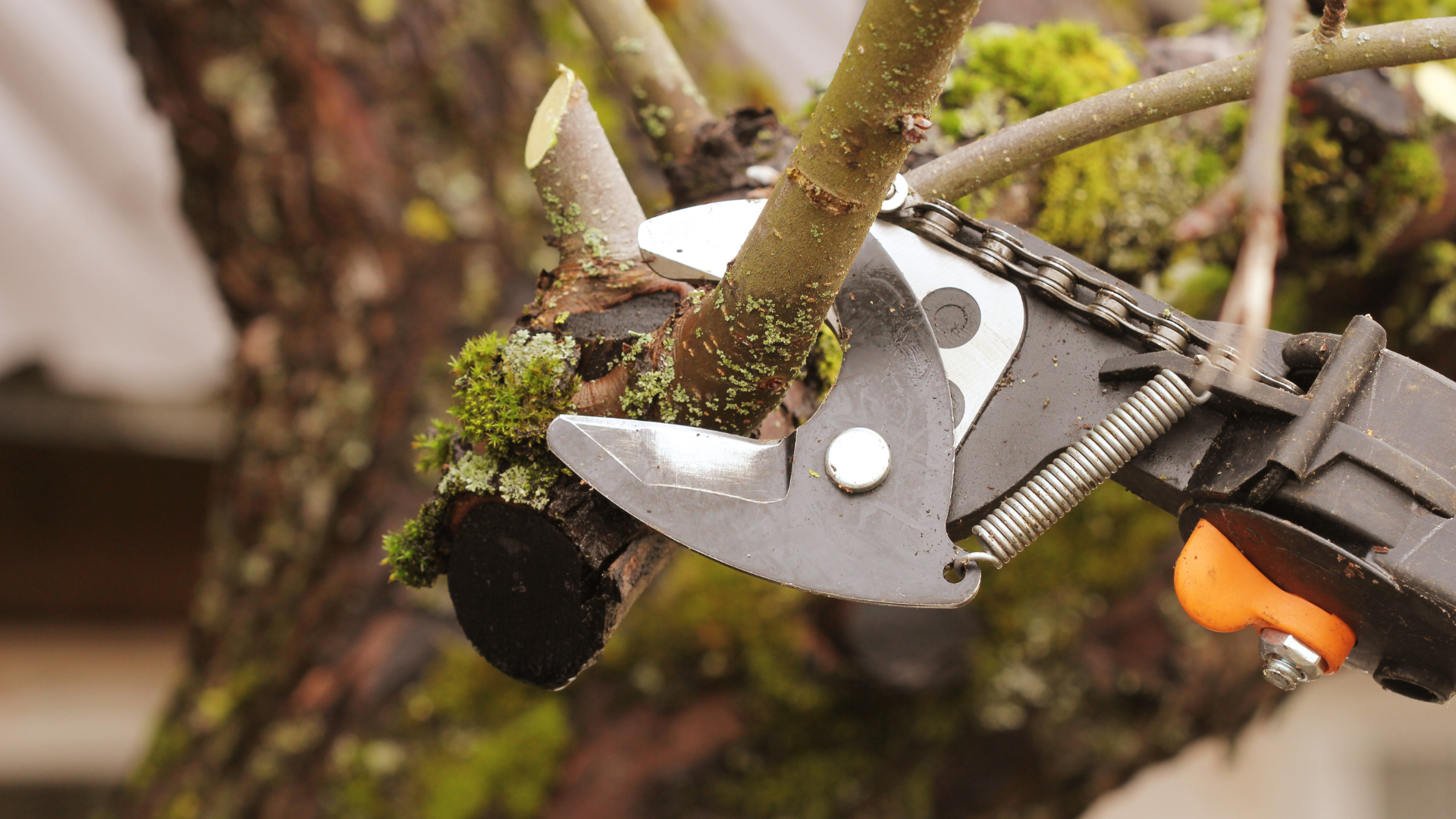
Pruning is one of the most important aspects of tree care, yet it is also one of the most misunderstood. Improper pruning techniques can weaken the tree, create entry points for disease, and permanently alter its growth pattern. Removing the wrong branches or taking too much from the canopy can create weight imbalance, reduce the tree’s ability to produce energy, or cause stress that accelerates decline.


Certified tree professionals understand the correct pruning methods for each species and each season. They know how to shape young trees to develop strong structures and how to thin mature canopies to improve airflow while maintaining health. Professional pruning supports stability, encourages healthy growth, and reduces the risk of storm related damage.
Safety Is a Critical Component of Professional Tree Care

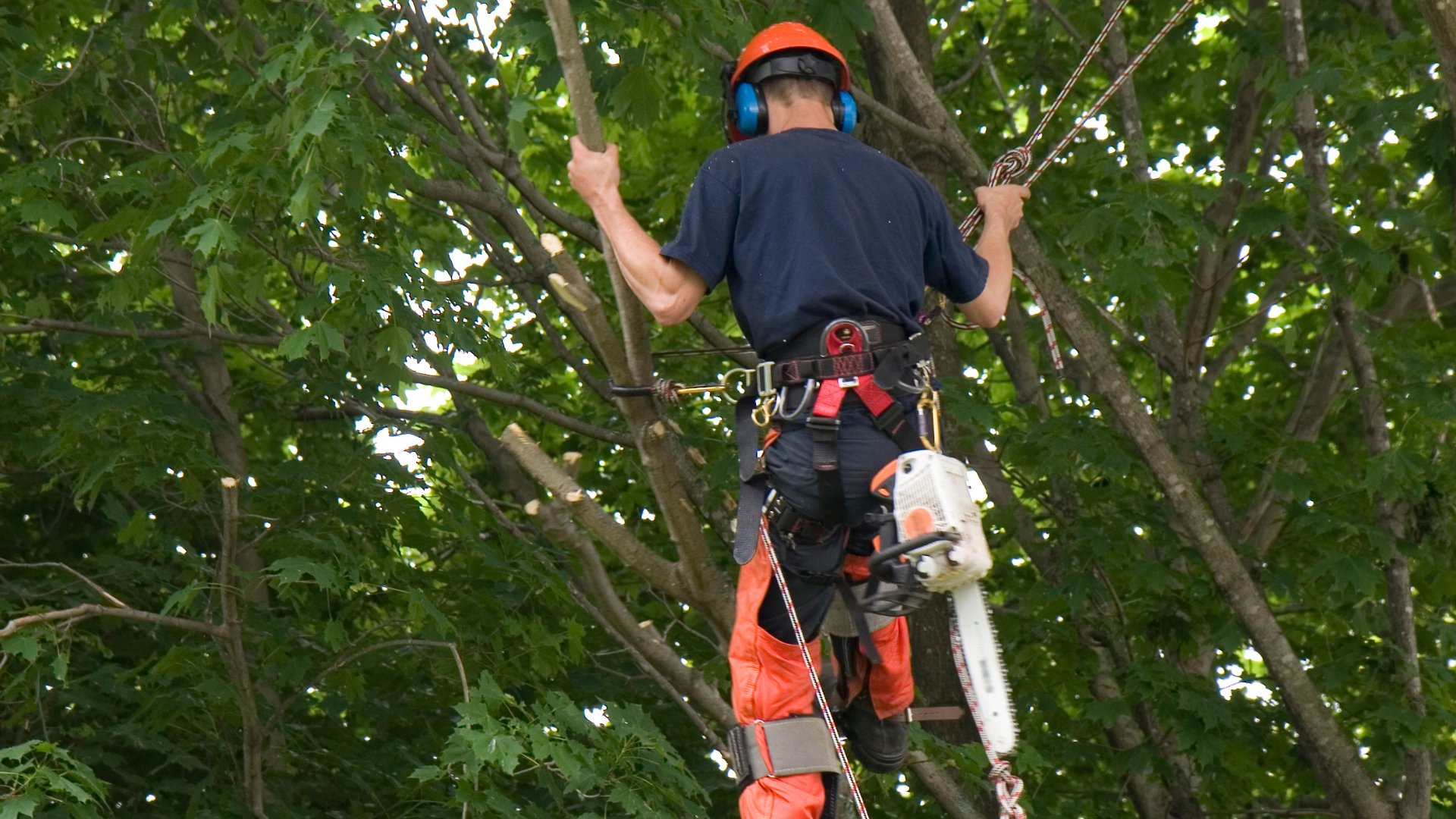
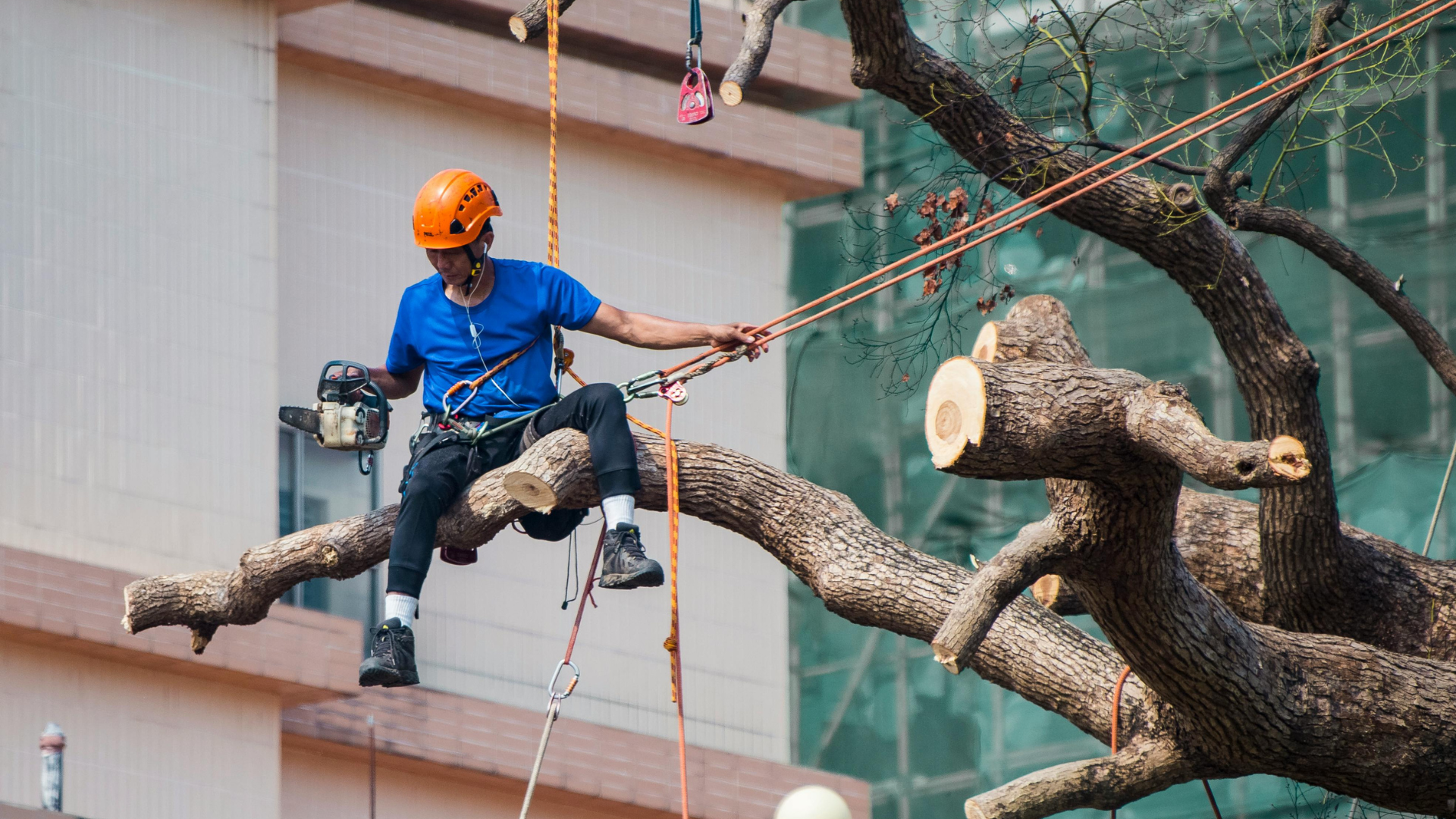
Tree work requires specialized equipment and strict safety protocols. Climbing, cutting, or removing large limbs presents significant hazards, especially when the tree is near a home, fence, garage, or power line. Certified professionals are trained to manage these risks safely. We use ropes, harnesses, rigging systems, and cutting techniques that allow for controlled movement of branches and predictable outcomes.


Untrained individuals often underestimate the weight and momentum of falling limbs. Even small miscalculations can result in severe property damage or personal injury. By hiring certified professionals, homeowners protect themselves and their property while ensuring the work is completed efficiently and safely.
Proper Equipment Supports Quality and Safety

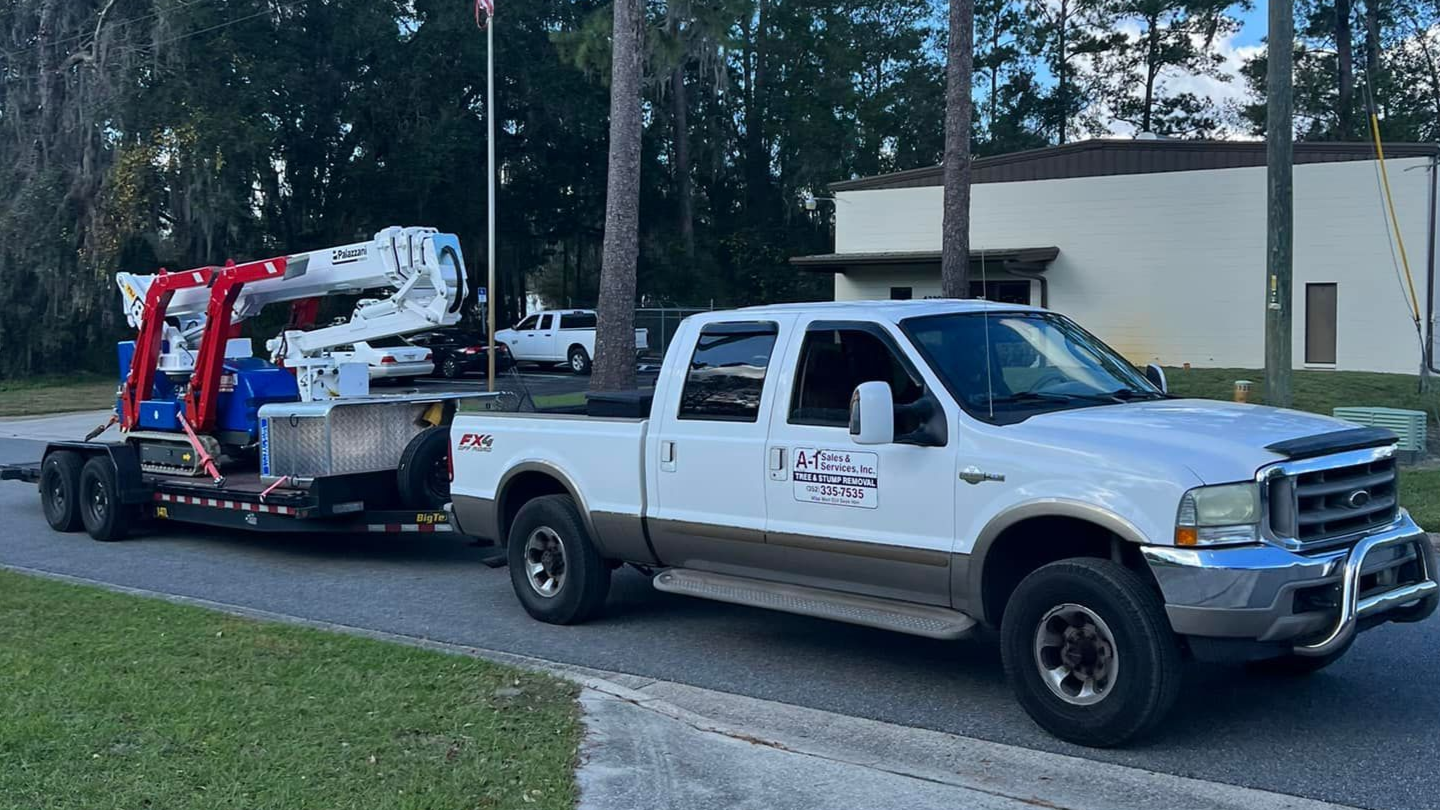
Professional grade equipment is essential for modern tree care. Certified tree teams use chainsaws, climbing gear, pole saws, stump grinders, and aerial lift equipment that allow them to work safely and accurately. The quality of the equipment directly influences the quality of the work.


Additionally, certified professionals maintain and inspect their equipment regularly, which reduces the risk of malfunction during critical tasks. This commitment to proper equipment use helps ensure the work is completed smoothly and without unnecessary disruption to the surrounding property.
Long Term Tree Health Requires Knowledge and Precision

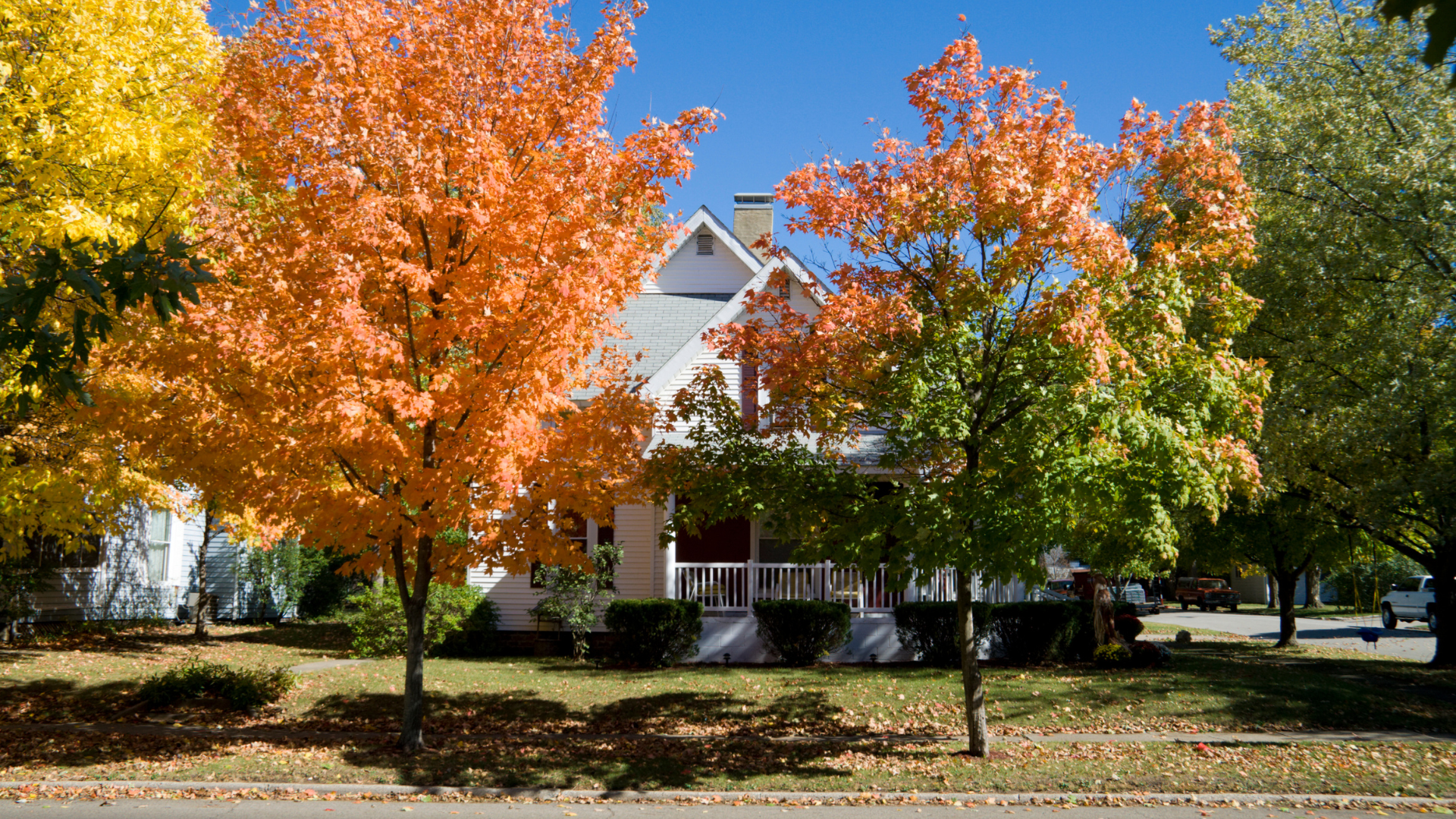
Certified tree professionals prioritize the long term health of the trees they service. They understand how soil conditions, water availability, root structure, species characteristics, and environmental stressors interact. By taking all these factors into account, professionals provide recommendations that support sustained tree health rather than short term appearance improvements.


Homeowners who work with certified professionals receive guidance that helps them care for their trees year round. Proper maintenance improves resistance to disease, strengthens structural integrity, and enhances overall growth. Trees remain healthier, safer, and more attractive for decades when cared for by knowledgeable professionals.
Protecting Property Through Responsible Tree Care

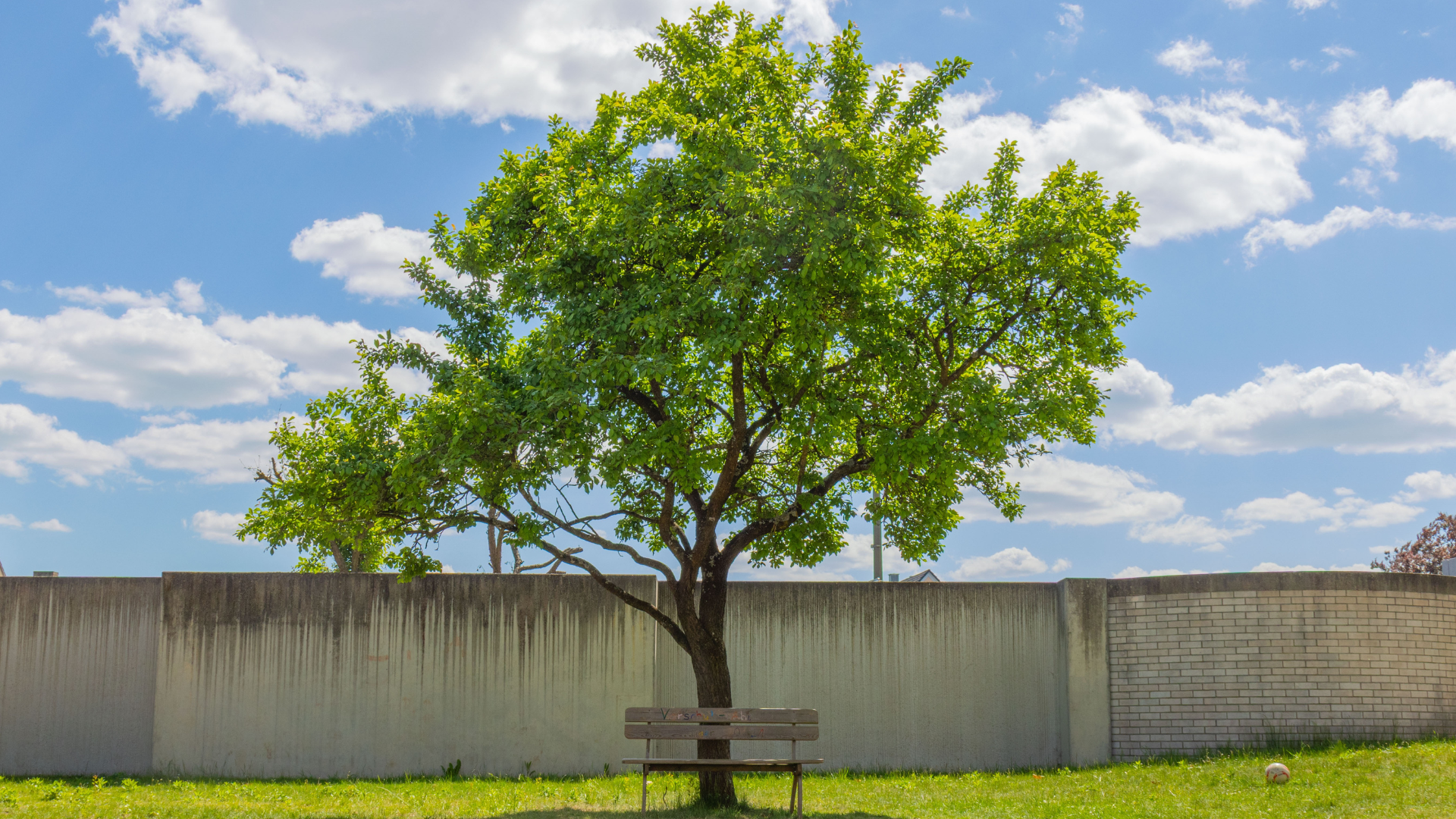
Hiring certified tree professionals is one of the most important decisions homeowners can make when maintaining their landscape. Professional expertise protects property, ensures safe work conditions, and promotes long term tree health. With trained specialists handling each task, homeowners can feel confident that their trees are receiving the care they need to thrive while minimizing risks to the home and surrounding structures.
March 11, 2026
Trees are one of the most valuable natural assets in any community . They provide shade, improve air quality, reduce energy costs, and enhance property values. In cities and suburban neighborhoods across the Midwest, trees collectively form what arborists often refer to as the “urban forest.” While these trees may be planted along streets, in parks, or throughout residential landscapes, they function together as a living ecosystem that benefits the entire community.  However, this urban forest faces growing threats from invasive pests and diseases . One of the most effective ways to protect trees from these threats is through diversity. When communities and homeowners plant a variety of tree species rather than relying on a single type, they create a more resilient landscape that is better equipped to withstand pest outbreaks.
March 3, 2026
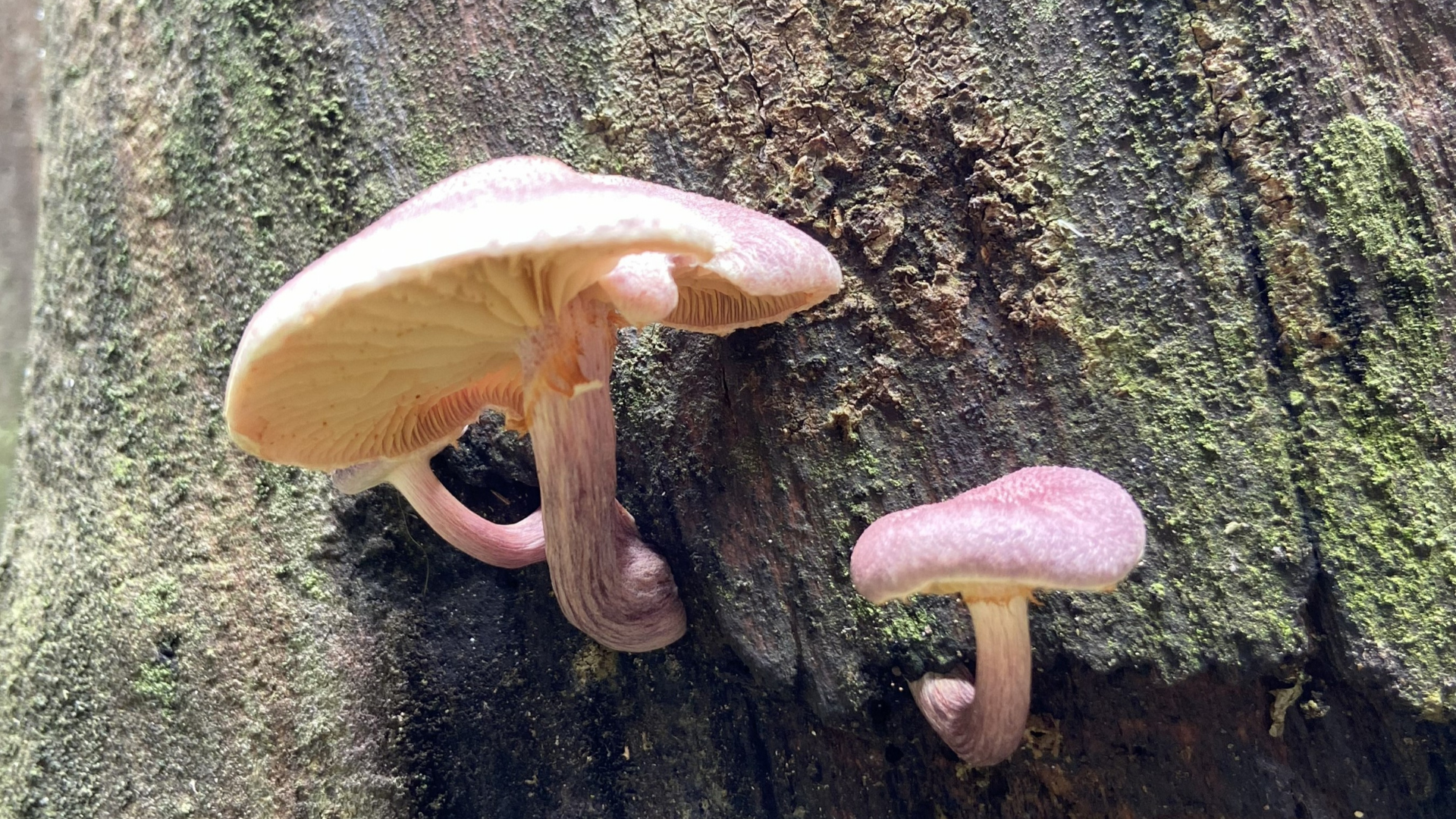
Trees are one of the most valuable features of any Midwest property. They provide shade, reduce energy costs, improve curb appeal, and contribute to environmental health. However, the Midwest climate, with its humid summers, fluctuating temperatures, and seasonal rainfall, creates ideal conditions for fungal diseases to develop. Understanding common fungal threats is essential for protecting tree health and preventing long-term structural damage.  At Midwest Tree Surgeons, we regularly diagnose and treat fungal infections that threaten residential and commercial landscapes. Early identification and professional intervention often make the difference between saving a tree and losing it.
February 25, 2026
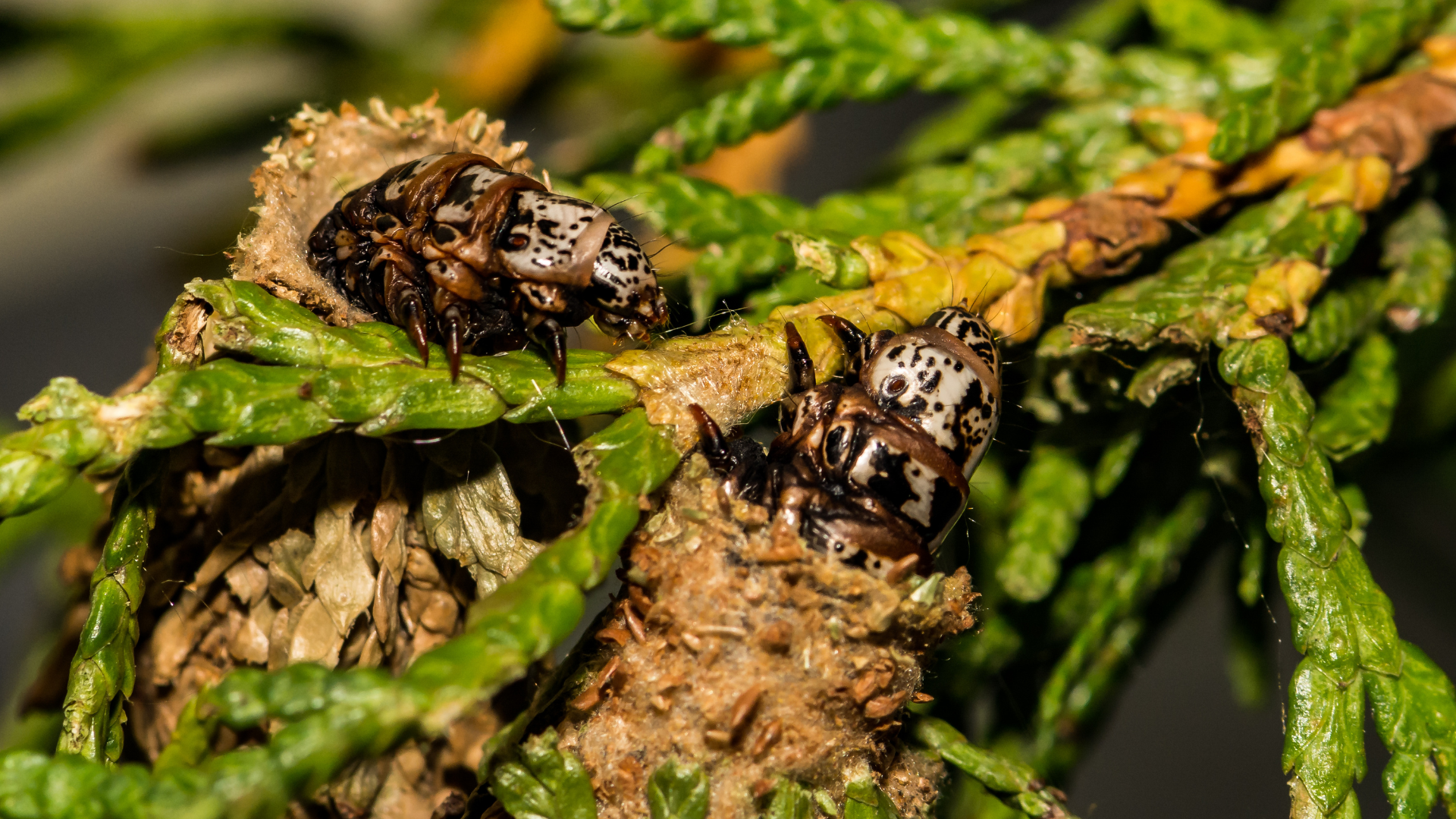
In recent years, the spotted lanternfly has emerged as one of the most concerning invasive pests affecting trees and landscapes across parts of the United States. Originally detected in Pennsylvania in 2014 , this invasive insect has steadily expanded its range. For property owners in the Midwest, awareness and early intervention are becoming increasingly important.  At Midwest Tree Surgeons, we emphasize proactive monitoring and professional tree care to help protect native trees from invasive threats like the spotted lanternfly.
February 18, 2026
Mature trees are often appreciated for the shade they provide during hot summer months, but their value extends far beyond cooling comfort. Established trees are long-term assets that contribute to property value, environmental stability, and overall landscape health. For homeowners and property managers alike, understanding the broader benefits of mature trees can influence how they approach tree care and long-term planning.
February 11, 2026
Pruning is often viewed as a routine maintenance task, but when it is done incorrectly, it can create lasting structural problems that compromise a tree’s health and stability. While improper pruning may not show immediate consequences, the damage it causes can take years to fully appear. By the time issues become visible, corrective options may be limited.  Understanding how improper pruning affects tree structure helps property owners make informed decisions about long term tree care.
February 4, 2026
Construction projects often focus on what is being built, but the impact on existing trees is frequently overlooked. Whether the work involves a home addition, driveway replacement, utility installation, or commercial development, construction activity can place significant stress on mature trees . Understanding how these projects affect trees helps property owners protect valuable landscape assets and avoid long term safety and health issues.
January 29, 2026
Major weather changes can place significant stress on trees, even when no obvious damage is visible. In the Midwest, trees regularly experience rapid shifts in temperature, heavy rain, high winds, ice, snow, and freeze-thaw cycles. While trees are resilient by nature, these conditions can weaken their structure and health over time.  Evaluating tree health after major weather events is an important step in protecting both the trees themselves and the surrounding property.
January 21, 2026
Trees add beauty, shade, and value to a property, but they also carry responsibility. When a tree fails and causes damage or injury, homeowners are often surprised to learn that liability can become a serious issue. Understanding how tree failure occurs and how responsibility is determined helps property owners take proactive steps to protect both people and property.
January 15, 2026
As winter fades and warmer temperatures return, spring becomes one of the most important seasons for proactive tree care. Trees begin a new growth cycle , pests become active, and issues that developed during winter storms or freezing conditions often start to reveal themselves. Planning ahead for spring tree care helps protect tree health, improve safety, and set the stage for strong growth throughout the year.
January 7, 2026
Deadwood accumulation is one of the most common and overlooked safety concerns in mature trees. While a tree may appear healthy at a glance, dead branches within the canopy can present serious risks to people and property below. At Midwest Tree Surgeons, we frequently encounter situations where deadwood has gone unnoticed until it causes damage or creates a dangerous condition. Understanding how deadwood develops and why it poses increasing hazards over time is essential for responsible property ownership.
More Posts