Why Topping a Tree Can Create Long-Term Problems

August 25, 2026

When a tree grows too large for its surroundings, removing the upper portion of the canopy may seem like a quick solution. This practice, commonly called tree topping, involves cutting major branches or leaders back to stubs or lateral branches that are too small to assume the terminal role.


Although topping can immediately reduce a tree’s height, it can also create lasting structural and health problems. For homeowners concerned about an oversized or potentially hazardous tree, professional pruning is generally a better approach.

Arborist in a white hard hat trimming a large tree with a chainsaw and ladder

Topping Removes Too Much Foliage

Leaves are essential to a tree’s ability to produce energy through photosynthesis. When a substantial portion of the canopy is suddenly removed, the tree loses much of the leaf surface it relies on for food production.


This can place the tree under significant stress, particularly if it is already dealing with drought, disease, root damage, or other environmental challenges.


A severely topped tree may respond by drawing on stored energy reserves to replace the lost foliage as quickly as possible.
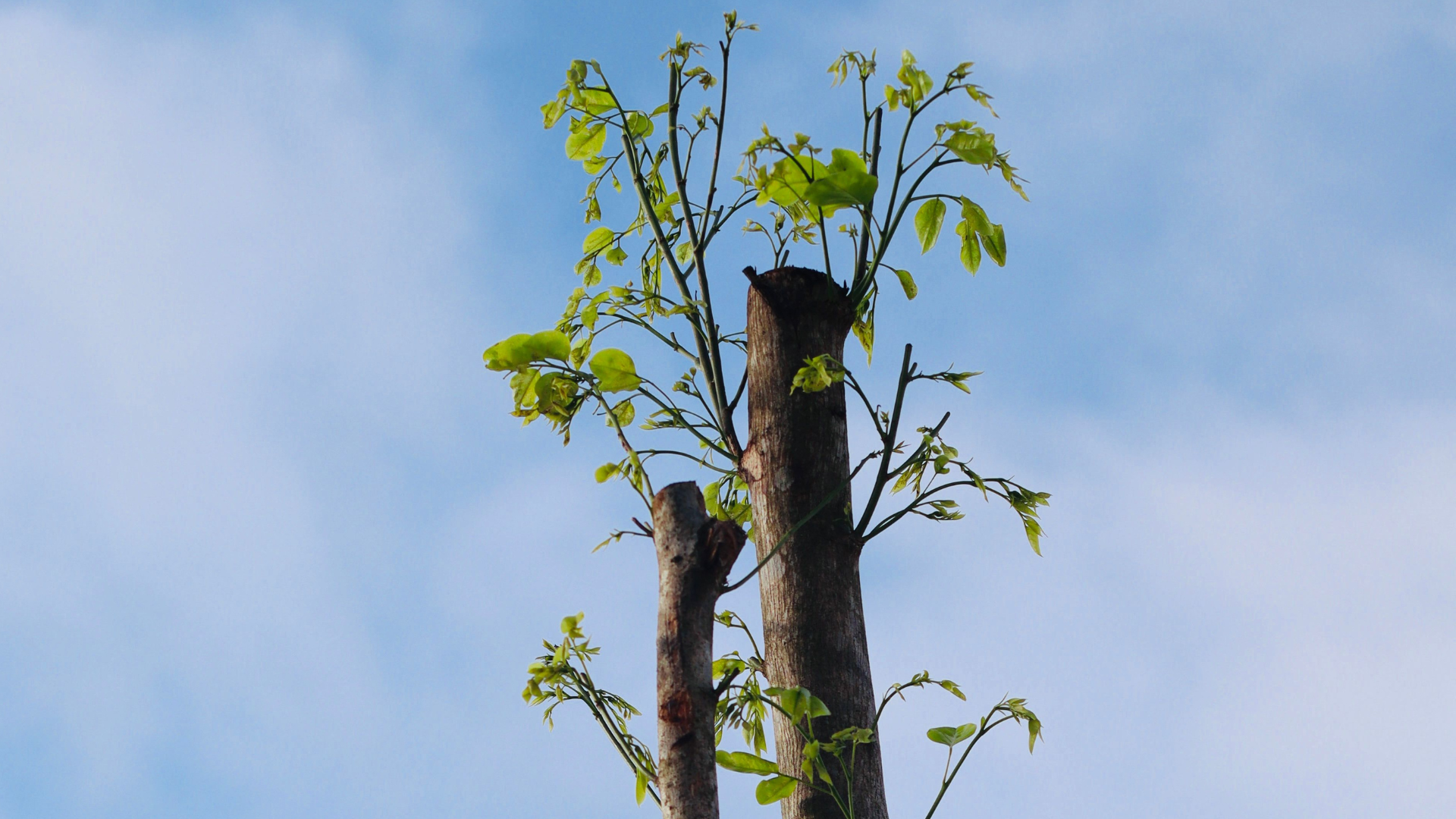
Cut tree trunks with fresh green leaves against a blue sky

Rapid Regrowth Can Create Weak Branches

One of the most noticeable responses to topping is the sudden appearance of numerous fast-growing shoots near the cuts.


These shoots, often called epicormic sprouts or watersprouts, can grow rapidly because the tree is attempting to restore its canopy. The problem is that this new growth is often attached more weakly than naturally developed branches.


As sprouts become longer and heavier, they may be more susceptible to breaking during high winds, storms, or heavy snow and ice.


Instead of permanently making the tree safer, topping can sometimes create a canopy filled with weaker future branch attachments.

Worker in orange hard hat cutting a large tree trunk with a chainsaw outdoors under a blue sky

Large Cuts Can Increase Exposure to Decay

Removing a major limb leaves behind a large wound.


Trees do not heal wounds in the same way people do. Instead, they compartmentalize damaged tissue by forming barriers around the injured area. Large topping cuts can be difficult for a tree to seal effectively.


Exposed wood may become vulnerable to decay organisms, insects, and moisture. If decay progresses into major branches or the trunk, the tree’s structural integrity can gradually decline.


The effects may not be obvious immediately, which is one reason a topped tree can appear healthy while problems develop internally.

Bare, pruned tree branches against a blue sky

Topping Can Change the Tree’s Natural Structure

Every tree species develops a characteristic growth pattern.


Topping removes much of that natural structure and replaces it with dense clusters of new shoots. The result can look uneven or unnatural, even after foliage returns.


Repeated topping can make the problem worse. Homeowners may find themselves paying to cut back rapid regrowth every few years while the tree becomes increasingly dependent on ongoing corrective maintenance.


Proper pruning, by contrast, works with the tree’s existing structure.

Two arborists in orange helmets work from a bucket lift trimming a tall tree among pines.

It May Not Solve the Original Problem

Trees are often topped because they are considered too tall, too close to a structure, or potentially dangerous.


However, reducing height without considering branch architecture, tree health, species, and surrounding conditions may not address the actual concern.


If clearance is needed around a roof, utility area, driveway, or other feature, selective pruning may be able to provide the necessary space without removing large portions of the canopy.


If the tree is structurally unsound or simply unsuitable for its location, removal may sometimes be more appropriate than repeatedly trying to keep it artificially small.

Worker in a bucket lift trimming a tree branch with a chainsaw

Better Alternatives to Tree Topping

Professional arboricultural pruning can reduce risk while preserving as much healthy canopy as possible.


Depending on the tree, this may include removing dead or damaged limbs, reducing the length of selected branches, improving clearance, or correcting structural problems.


Crown reduction, when appropriate, uses carefully selected pruning cuts to decrease the height or spread of a tree while maintaining a more natural branch structure. It is very different from indiscriminately cutting major limbs back to stubs.


The appropriate approach depends on the species, age, condition, and location of the individual tree.

Worker in orange lift pruning a large tree canopy in a sunny park

Protect the Tree’s Long-Term Structure

Tree topping may provide an immediate visual reduction in height, but the long-term consequences can include stress, weak regrowth, decay, repeated maintenance, and greater structural concerns.


Midwest Tree Surgeons provides professional tree pruning, risk assessment, tree care, and removal services. If a tree has become too large, is interfering with nearby structures, or has already been topped in the past, contact Midwest Tree Surgeons for an evaluation. A thoughtful pruning plan can address the immediate concern while giving proper consideration to the tree’s health, structure, and long-term safety.
August 18, 2026
When insects begin damaging a tree, the first instinct may be to treat the problem as quickly as possible. But not every insect requires the same response, and some insects that look harmful may not be the actual cause of the decline. Applying the wrong treatment can waste time, money, and potentially put additional stress on the tree.  Midwest Tree Surgeons takes a diagnosis-first approach to tree care. Correct pest identification helps determine whether treatment is needed, which method is appropriate, and whether the real problem may involve disease, environmental stress, or another underlying issue.
August 11, 2026
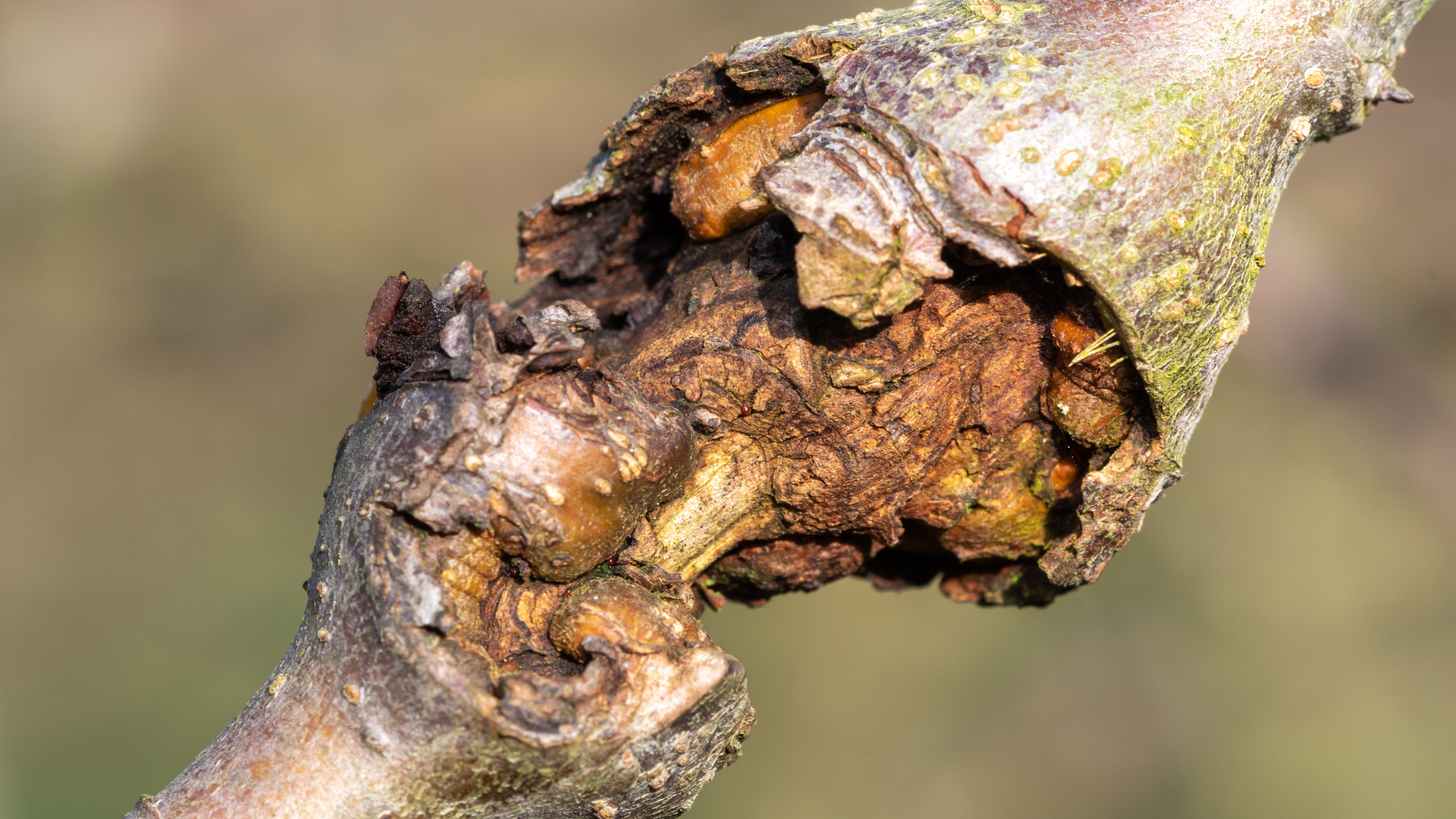
Trees often show signs of trouble long before they experience major decline. One warning sign that deserves attention is the appearance of a canker—a localized area of dead or damaged bark that develops on a trunk, branch, or stem. Cankers can be caused by fungi, bacteria, environmental injury, or a combination of stress factors, and they often reveal that a tree is struggling to defend itself.  While not every canker means a tree is doomed, these lesions can provide valuable clues about underlying health problems. Midwest Tree Surgeons helps property owners evaluate symptoms such as bark damage, dieback, discoloration, and structural weakness so that appropriate care can begin before problems become more severe.
August 6, 2026
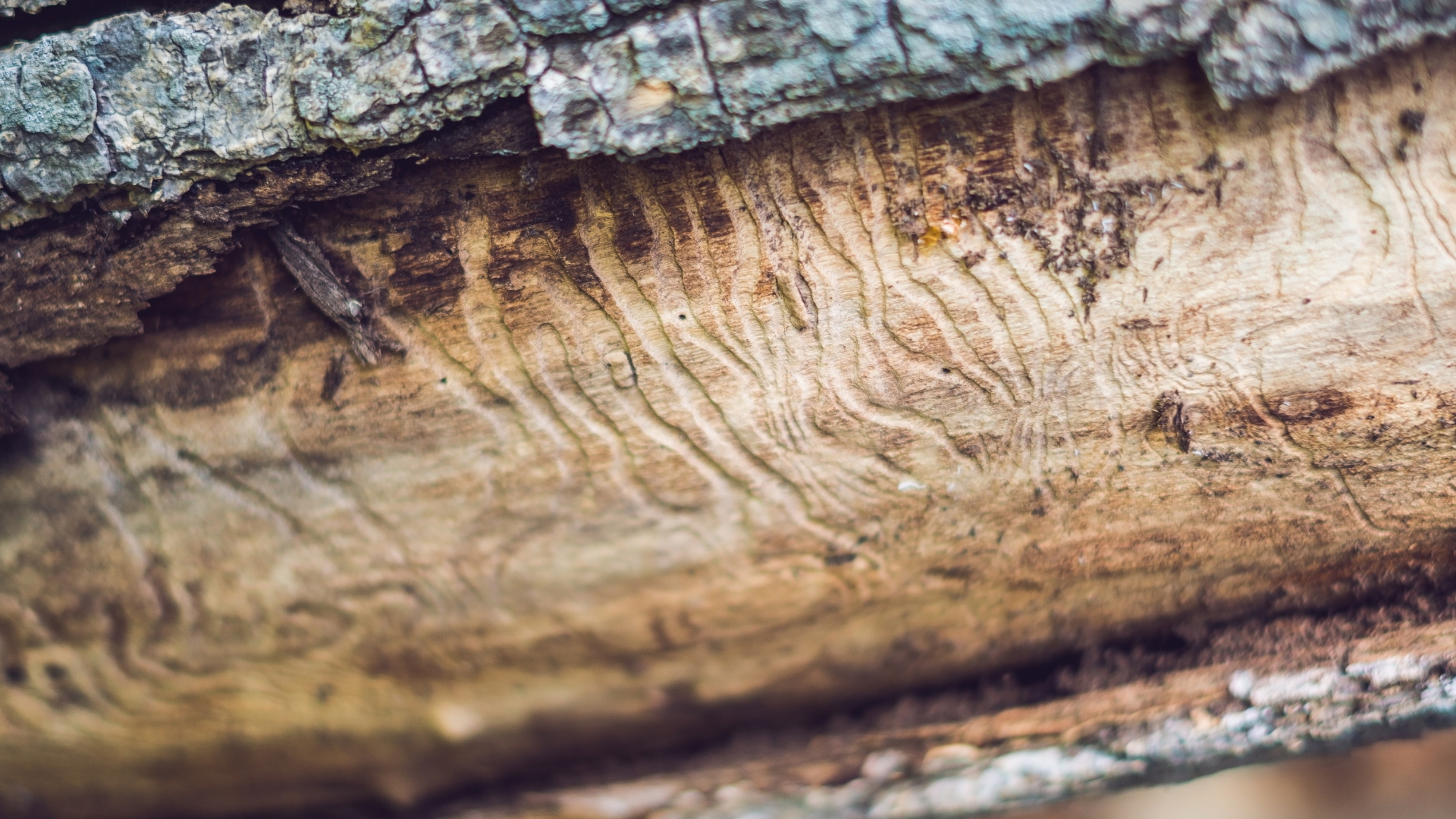
Pine trees are valued throughout the Midwest for their year-round beauty, wind protection, and ecological importance. Although these evergreens are generally hardy, they can become vulnerable to insect pests when stressed by drought, storm damage, construction activity, or disease. One group of insects that deserves particular attention is the pine bark beetle . While these beetles are small, their activity can have significant consequences for individual trees and, in some situations, entire stands of pines.  Recognizing the early signs of bark beetle activity allows property owners to respond before damage becomes more extensive. Professional evaluation is often the best way to determine whether a tree can be preserved or whether additional management measures are appropriate.
July 28, 2026
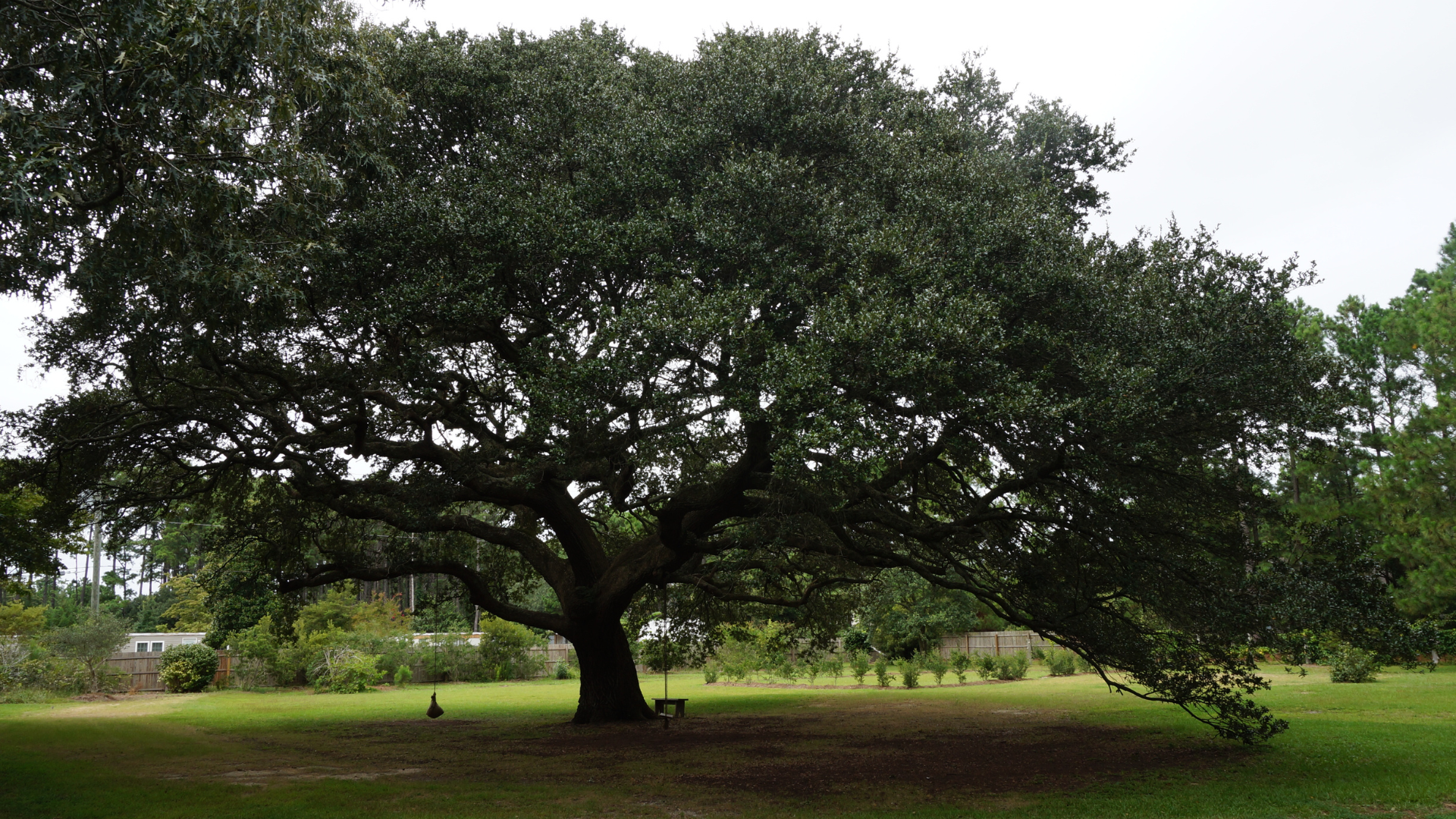
Standing beneath a towering oak or sycamore, it is easy to appreciate a tree’s size. What is less obvious is its age. Many of the mature trees found throughout Missouri and the greater American Midwest have been growing for generations, quietly enduring changing weather, shifting landscapes, and the passage of time. While no tree lives forever, some species possess remarkable longevity, allowing them to become living landmarks that connect communities with their natural history.  Understanding why certain trees live for centuries can help property owners appreciate the importance of proper tree care and preservation.
July 21, 2026
Pruning is one of the most valuable services a professional arborist can provide, yet it is often misunderstood. Some homeowners worry that removing healthy branches may harm a tree, while others assume pruning is only necessary when limbs become hazardous. In reality, proper pruning is a proactive practice that supports tree health, improves structure, and helps trees adapt to changing environmental conditions.  When performed correctly and at the appropriate time, pruning works with a tree’s natural biological processes, allowing it to continue growing safely and efficiently for years to come.
July 14, 2026
Trees are among the longest-living features on any property. A mature oak, maple, or other established tree may take decades to reach its full size, providing shade, beauty, wildlife habitat , and increased property value along the way. Because of the time and environmental benefits they represent, preserving healthy trees whenever possible is often a worthwhile investment.  Professional arborists play an important role in helping trees remain healthy, structurally sound, and capable of thriving for many years. Through regular evaluations and proactive care, they can identify potential problems early and recommend treatments that support long-term tree health.
July 8, 2026
Trees do much more than provide shade and enhance the beauty of a landscape. They are living ecosystems that support a remarkable variety of wildlife throughout every season. From nesting birds in the spring to sheltering mammals during the winter, healthy trees provide food, protection, and habitat for countless species.  For homeowners and property managers , understanding the connection between trees and wildlife offers another reason to invest in professional tree care. Proper maintenance not only helps preserve the health and appearance of trees but also supports the many forms of life that depend on them.
June 30, 2026
Trees add beauty, shade, and value to residential and commercial properties, but like any living organism, they change over time. While many trees remain healthy for decades, others may develop structural weaknesses that increase the likelihood of branch failure or even complete tree failure.  Identifying these concerns is not always straightforward. A tree may appear healthy on the outside while hiding internal defects, or it may display subtle warning signs that only a trained professional can recognize. That is why professional tree risk assessments are an important part of responsible property management. Certified arborists evaluate much more than whether a tree looks healthy. Their goal is to determine how likely a tree is to fail, what the consequences of that failure could be, and whether any corrective action is appropriate.
June 24, 2026
When planning a landscape, homeowners often focus on appearance, growth rate, shade potential, or seasonal color. While these factors certainly matter, another important consideration is whether a tree is native to the region.  Native trees have evolved alongside local soils, weather conditions, wildlife, and ecosystems for thousands of years. As a result, they often play a critical role in maintaining healthy landscapes and supporting the natural environment. Although non-native species can sometimes thrive in residential settings, native trees continue to provide unique benefits that make them valuable additions to properties and communities alike. Understanding why native trees remain important can help property owners make informed decisions about their landscapes.
June 17, 2026
Summer brings plenty of activity to the landscape , but not all of it is beneficial. While homeowners often focus on watering, mowing, and maintaining their outdoor spaces during the warmer months, another seasonal visitor can create significant problems for trees and plants: the Japanese beetle.  Japanese beetles are among the most recognizable insect pests found throughout much of the Midwest. Their metallic green bodies and copper-colored wings make them easy to identify, but the damage they leave behind is often what attracts the most attention. During peak summer months, large populations of these insects can feed on a variety of trees and ornamental plants, affecting both appearance and overall plant health. Understanding how Japanese beetles impact trees can help homeowners recognize potential problems and determine when professional assistance may be beneficial.
More Posts