How Epicormic Shoots Can Signal a Tree Under Pressure

November 6, 2026

Trees have ways of responding when they are stressed.


One of the more noticeable signs is the sudden appearance of clusters of small shoots growing directly from the trunk or larger branches.


These are often called epicormic shoots.


They can develop after pruning, storm damage, root disturbance, drought, disease, or other forms of stress. While they are not always a sign of serious decline, they can indicate that the tree is trying to compensate for lost or weakened canopy.


That makes them worth noticing.
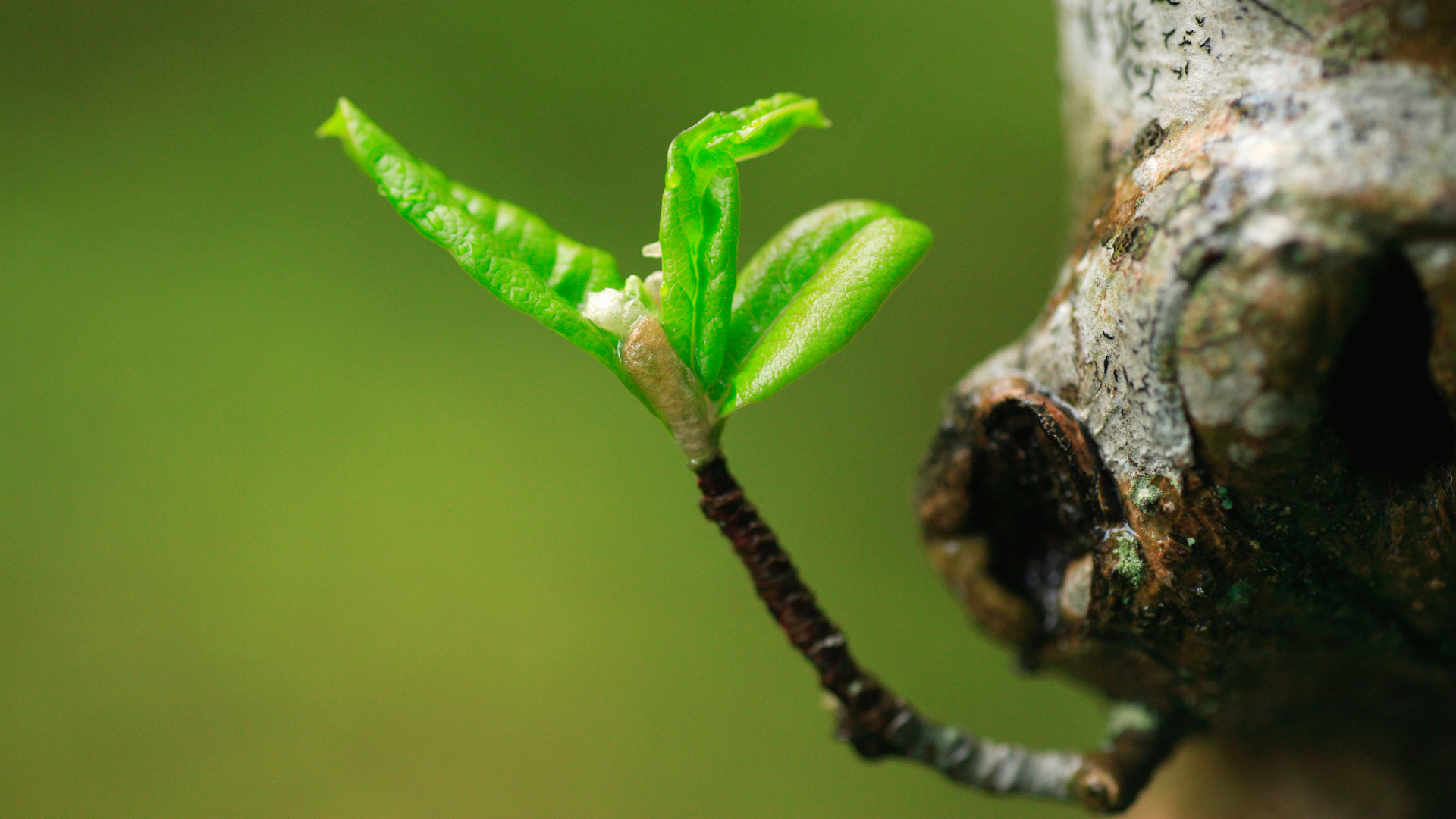
Bright green leaves sprouting from a small twig beside tree bark against a blurred green background

Epicormic Growth Is a Stress Response

Epicormic shoots develop from dormant buds beneath the bark.


Under normal conditions, those buds may remain inactive for years.


When the tree experiences stress or loses part of its canopy, hormonal changes can trigger those buds to grow.


The result may be a flush of thin, upright shoots along the trunk or major limbs.


In some cases, the growth appears after heavy pruning.


In others, it may follow storm damage, root injury, or a period of drought.


The important point is that the shoots are often a response to change.
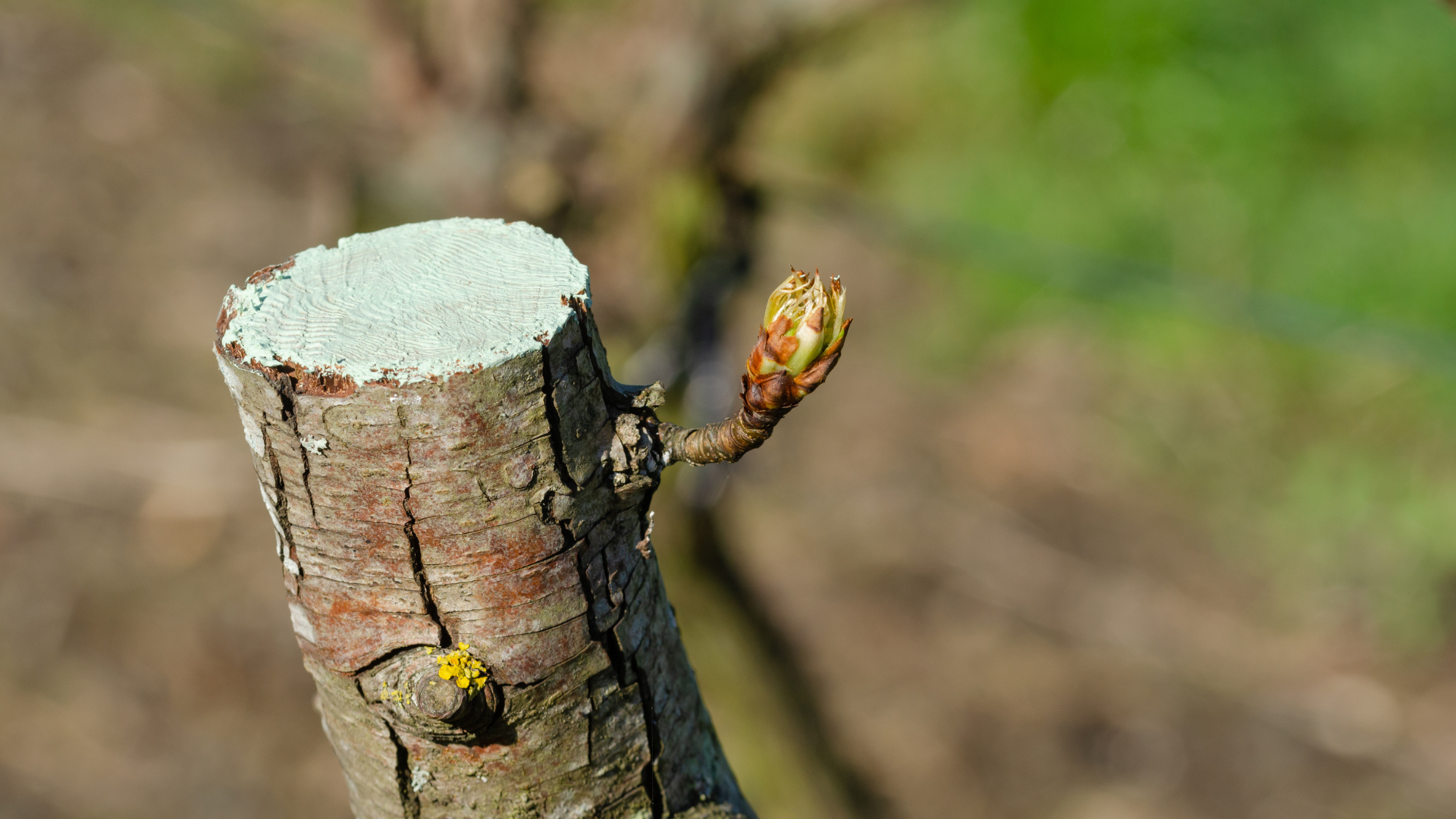
Close-up of a pruned tree stump with a small new bud, against a blurred green background

Heavy Pruning Can Trigger Sudden Growth

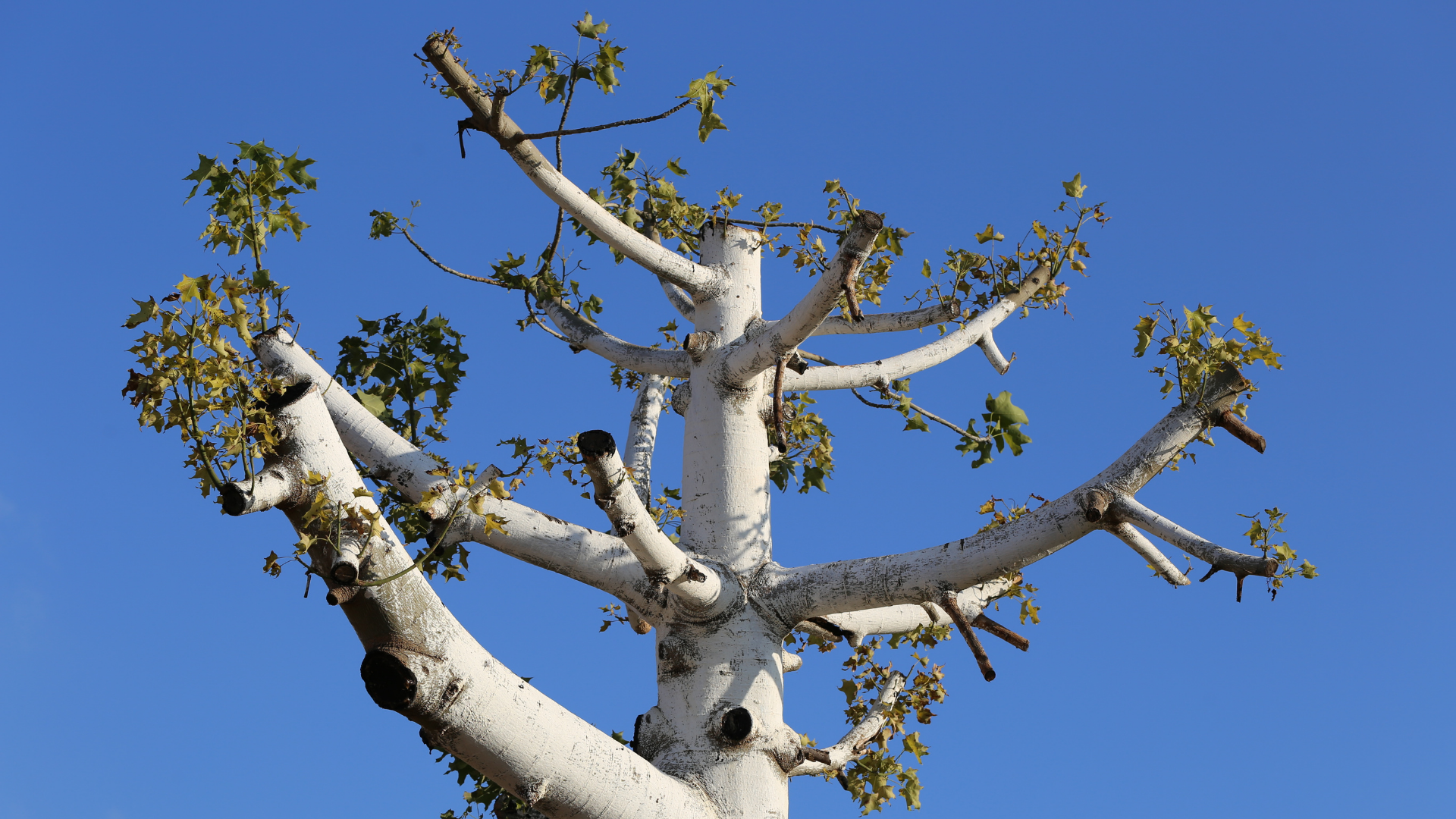
One of the most common causes of epicormic growth is excessive pruning.


When too much live canopy is removed at once, the tree may respond by producing rapid replacement growth.


That can create a dense cluster of new shoots near old cuts.


These shoots may grow quickly, but fast growth does not always mean strong growth.


They can be weakly attached compared with branches that developed more gradually.


That is one reason topping and other aggressive pruning practices can create long-term structural problems.


Midwest Tree Surgeons focuses on pruning that supports tree structure rather than triggering unnecessary stress.
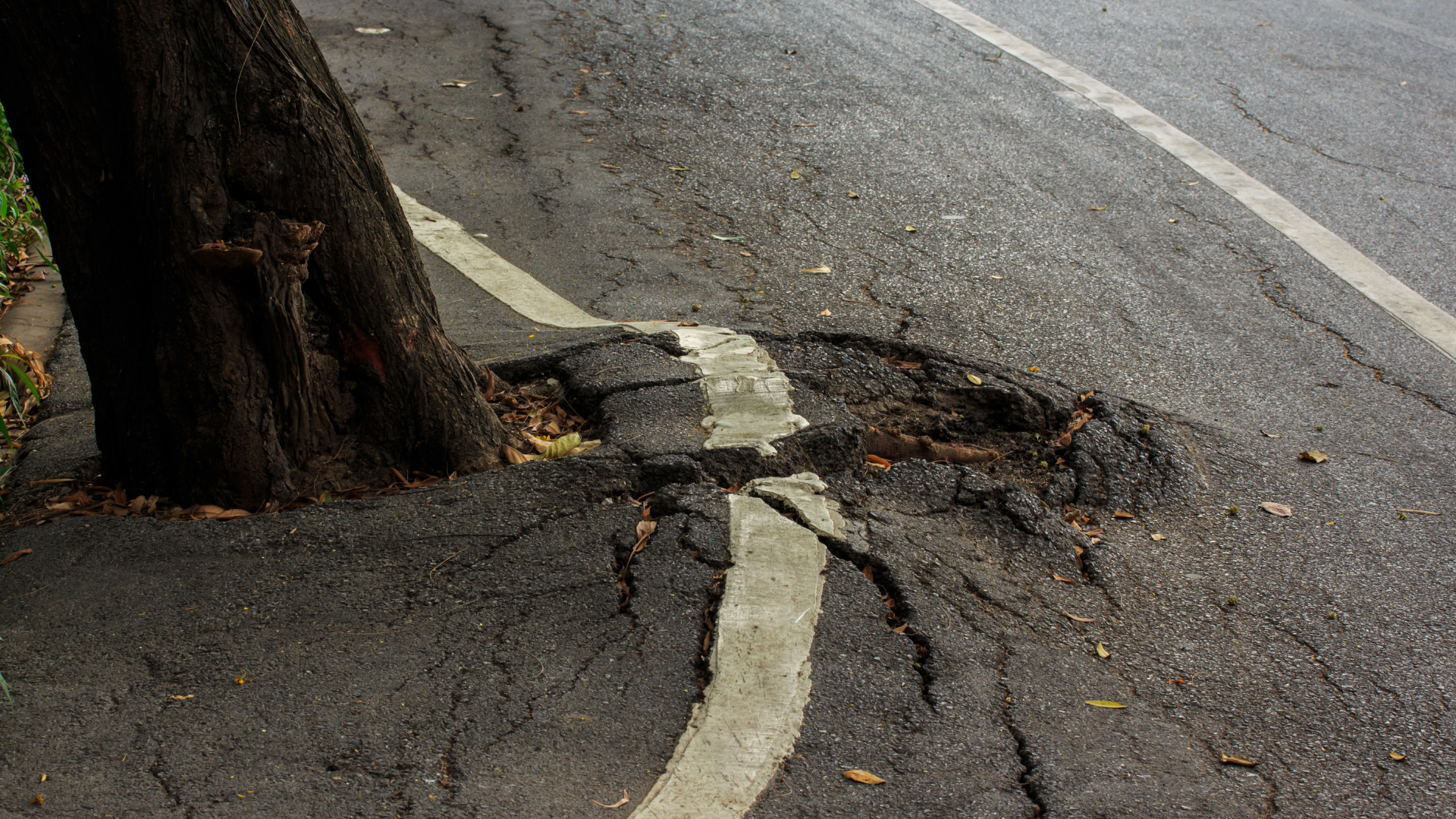
Cracked asphalt road with a tree trunk and broken curb at the edge of the street

Root Problems Can Show Up Above Ground

Epicormic shoots can also appear when the root system is struggling.


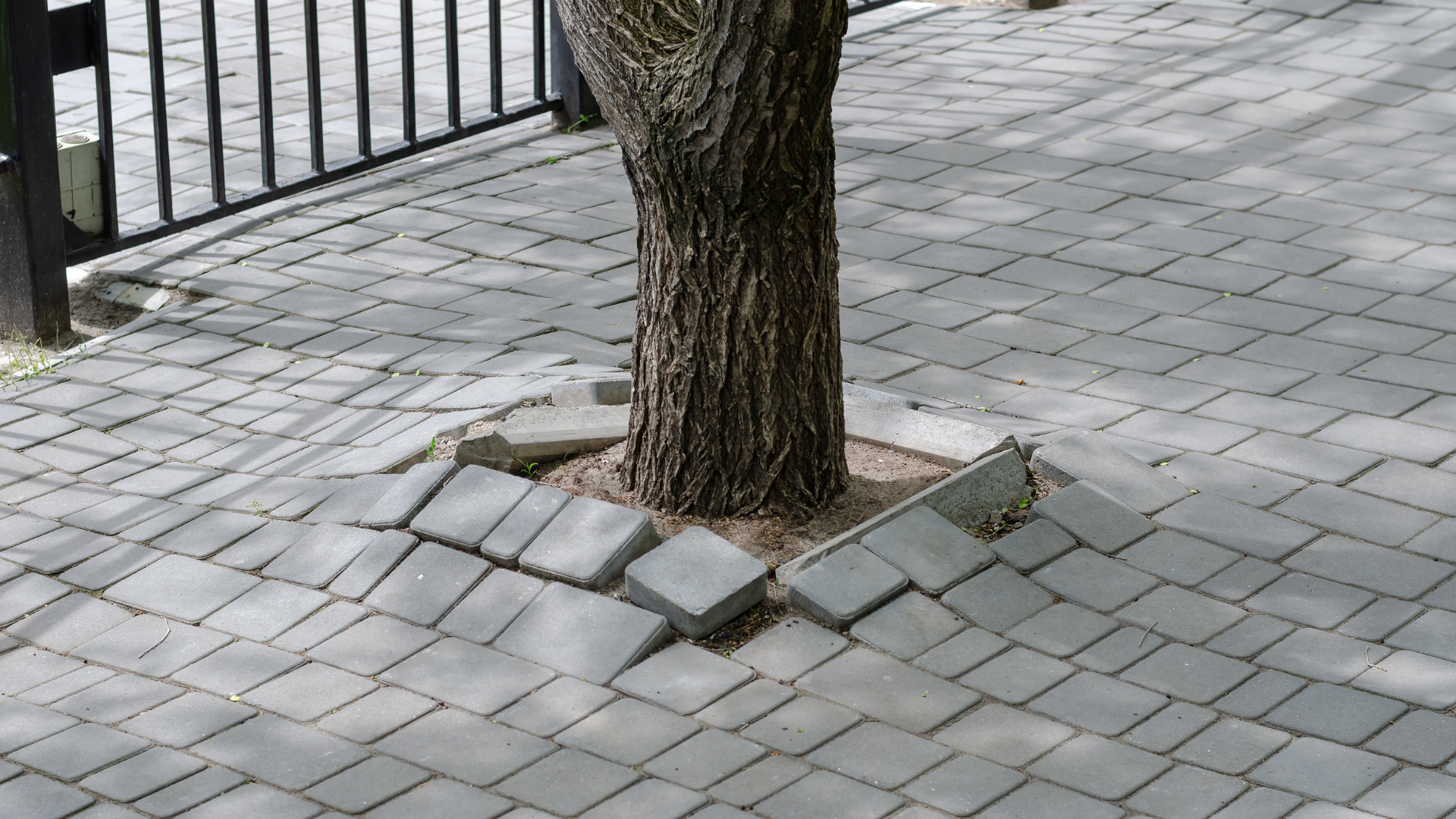
Construction, soil compaction, trenching, drainage changes, or root cutting can reduce the tree's ability to support its existing canopy.


The tree may respond by shifting energy and producing new shoots in unusual places.


That does not mean epicormic growth proves there is a root problem.

It means the rest of the tree should be evaluated.


If the shoots appear alongside canopy thinning, smaller leaves, branch dieback, or reduced growth, the pattern becomes more meaningful.
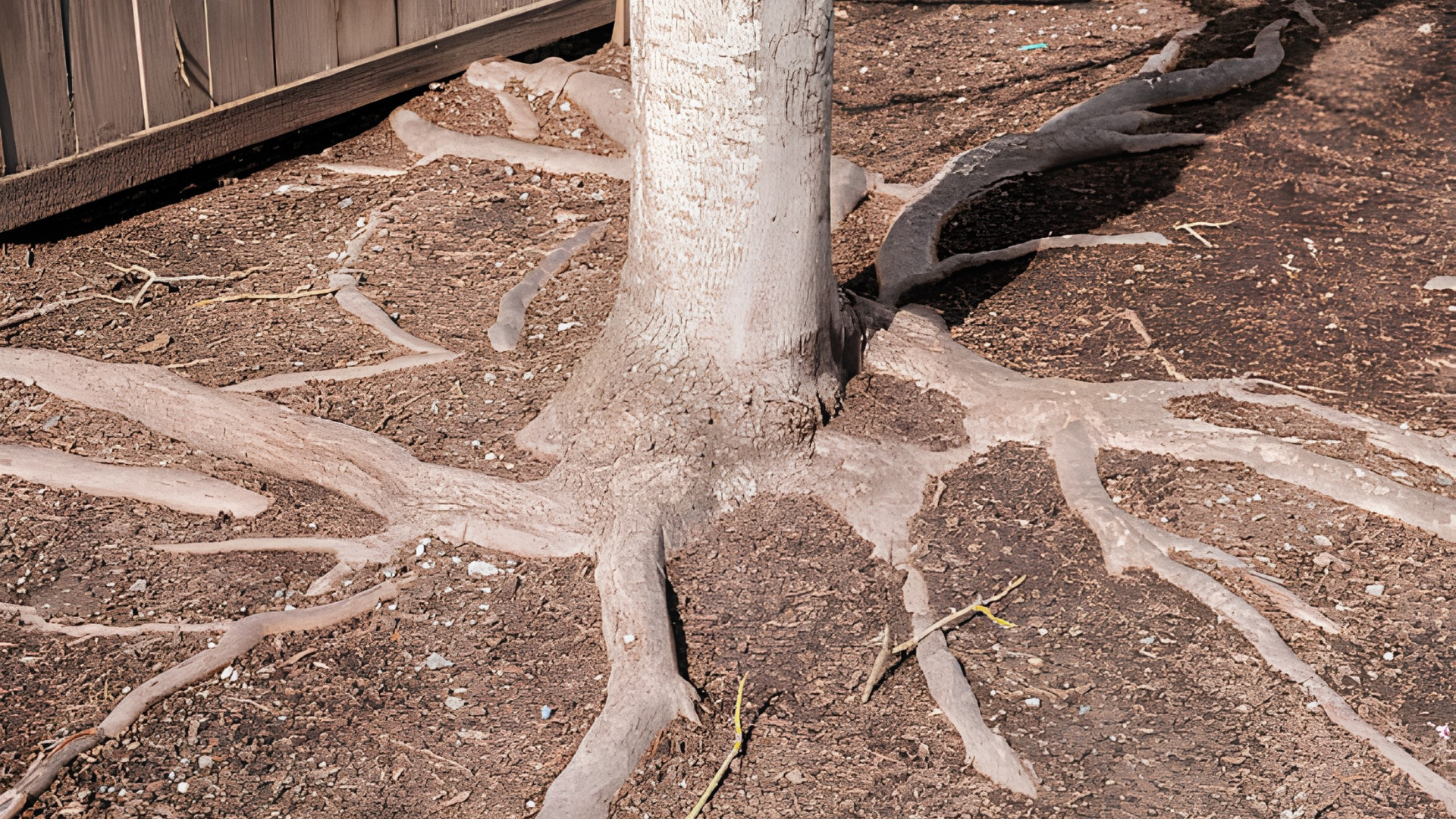
Tree trunk with exposed roots spreading across dry, brown soil beside a wooden fence.

Drought and Environmental Stress Can Play a Role

Trees exposed to prolonged drought, heat, flooding, or sudden changes in site conditions may also produce epicormic shoots.


A mature tree that has adapted to stable conditions for years can react strongly when those conditions change.


New pavement may reduce water infiltration.


A nearby construction project may compact the soil.


A drainage change may leave roots too wet or too dry.


The shoots may be the tree's attempt to maintain leaf area while other parts of the canopy decline.
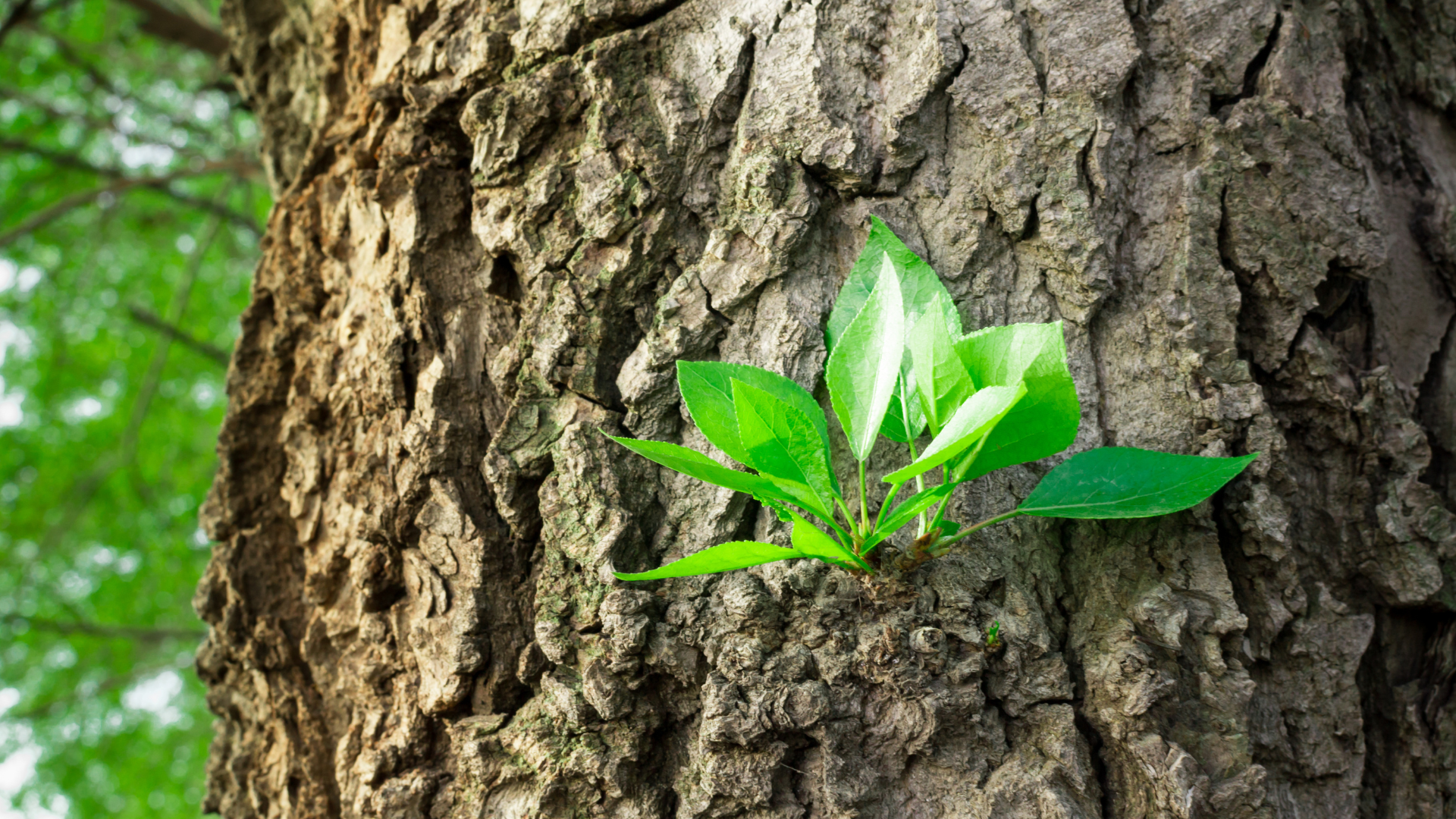
Green leaves sprouting from a tree trunk with rough bark, against a blurred green background

Not Every Shoot Needs to Be Removed Immediately

Seeing epicormic growth does not mean every shoot should be cut off right away.


Repeatedly removing them without addressing the underlying stress may simply cause more to return.


The better question is why they are appearing.


An arborist may look at recent pruning history, canopy condition, trunk health, root-zone changes, soil conditions, and signs of pest or disease pressure.


Once the likely cause is better understood, pruning can be planned more strategically.


Some shoots may need removal.


Others may be managed gradually.
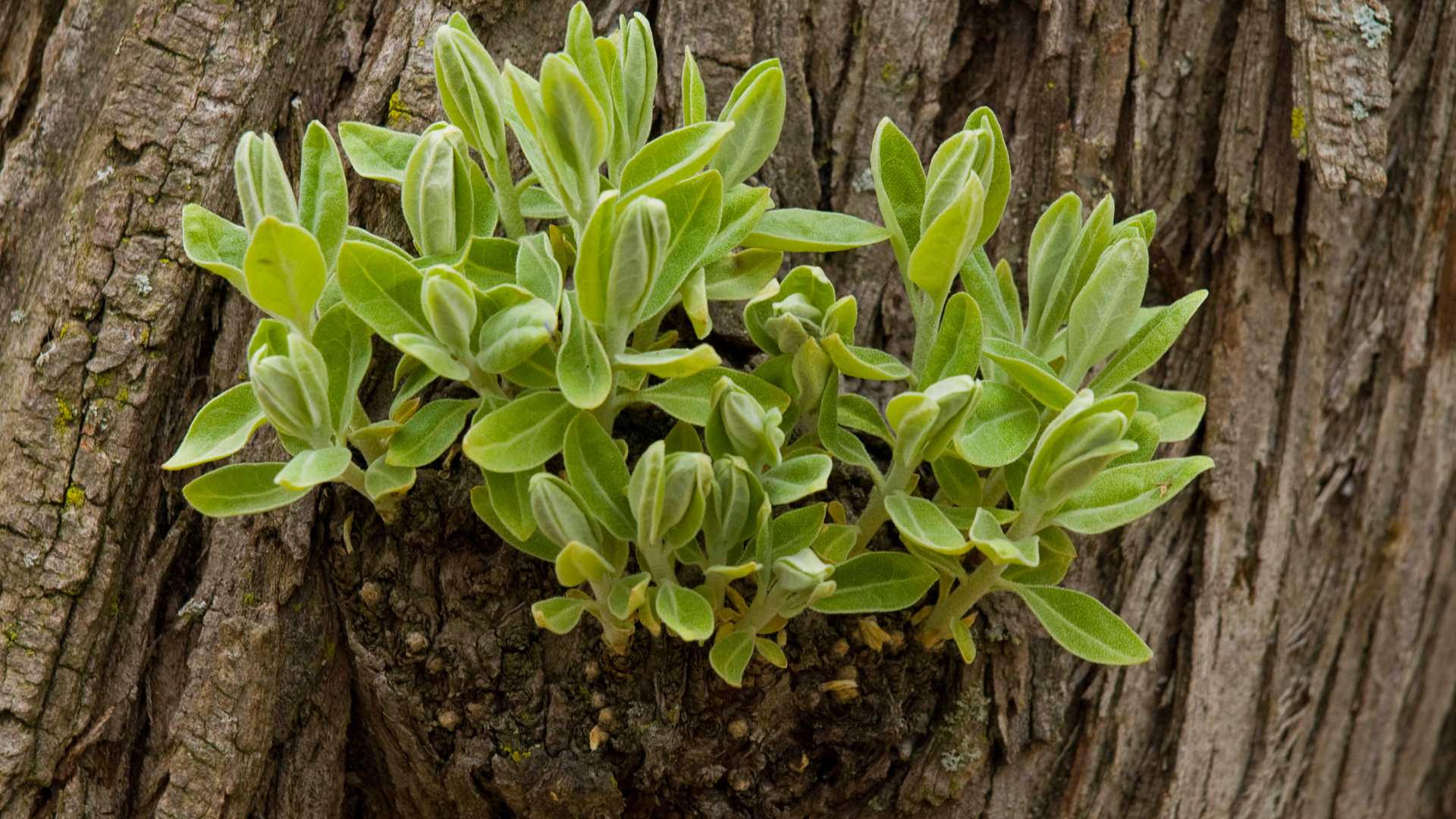
Green sprout growing from tree bark

Weak Attachments Can Become a Future Concern

Because epicormic shoots often grow quickly from shallow attachment points, they may not develop the same structural strength as normal branches.


If they are left to grow large, some can become prone to breakage later.


This is especially important when clusters form high in the canopy or near old pruning wounds.


Periodic assessment can help determine which shoots should be removed, reduced, or monitored before they become larger structural concerns.
Lush green trees shading a sunny grassy park lawn

Look at the Whole Tree

Epicormic shoots are a clue, not a diagnosis.


They tell you the tree has responded to something.


The rest of the picture matters.


Is the canopy thinning?


Were roots recently disturbed?


Was the tree heavily pruned?


Has there been drought, flooding, or storm damage?


Are there signs of insects, fungal growth, or decay?


Midwest Tree Surgeons can evaluate those factors together and help determine whether the tree needs pruning, plant-health care, monitoring, or another type of intervention.


If unusual shoots suddenly begin covering the trunk or major branches of a mature tree, do not assume they are harmless new growth.


They may be the tree's way of telling you that something has changed.
October 28, 2026
A full canopy can be reassuring. If a tree is covered in green leaves and producing normal seasonal growth, it is easy to assume everything is fine. But trees can sometimes maintain a healthy-looking canopy while problems are developing below ground. Roots, soil conditions, drainage, compaction, and structural changes around the base of the tree can all affect long-term health before the symptoms become obvious overhead. That is why looking only at the leaves can give an incomplete picture. Roots Do More Than Hold the Tree Up A tree’s roots help anchor it, but they also absorb water and nutrients and support the entire canopy. When those roots are damaged or stressed, the effects may take time to appear. A tree has stored energy and can sometimes continue producing leaves even while part of the root system is struggling. That delay can be misleading. By the time significant thinning, dieback, or discoloration appears in the canopy, the underlying problem may have been developing for months or even years.
October 23, 2026
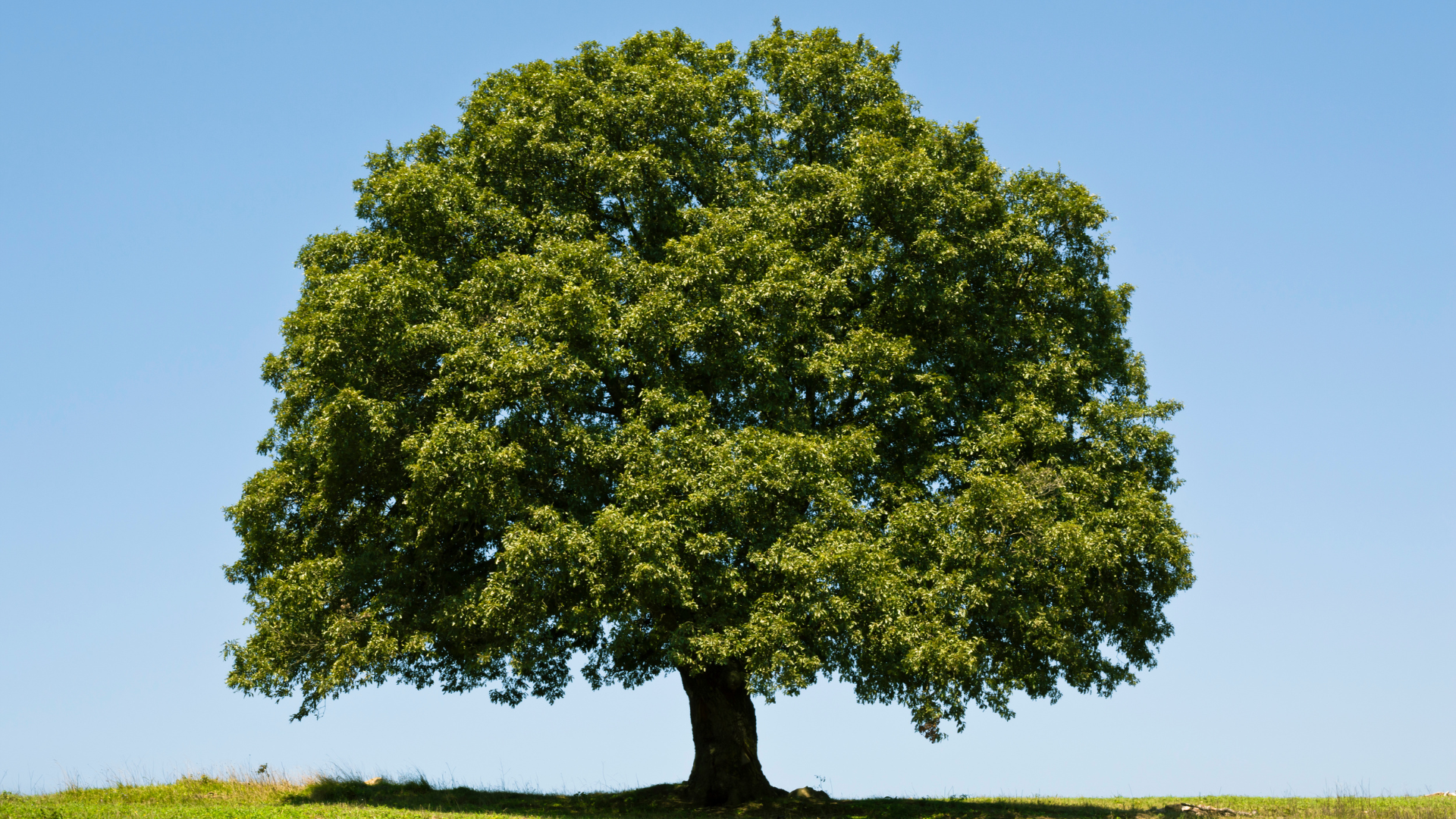
Some trees become more than landscaping .  They become landmarks . A mature oak near the driveway, an old maple shading the backyard, or a large tree that has stood beside a home for generations can become part of how people recognize and remember a property. That kind of tree has value that is difficult to measure with size alone. It can shape the look of the land, provide shade, frame views, and create a sense of permanence that younger landscaping simply cannot reproduce overnight. That is why preserving a healthy, long-lived tree can be worth serious consideration.
October 13, 2026
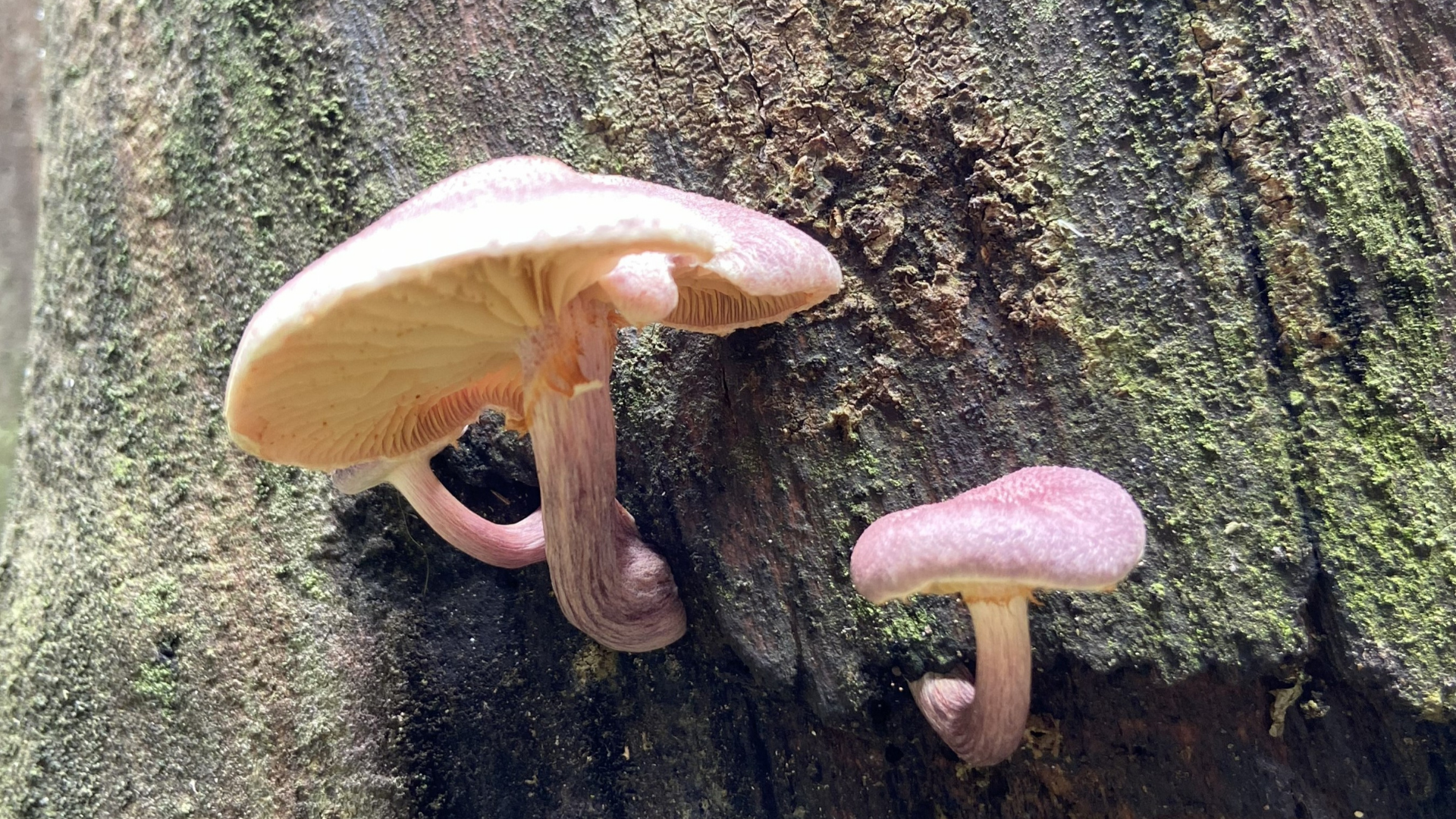
Mushrooms or other fungal growth on a tree trunk can look harmless, especially if the tree still has a full canopy. But fungal growth can sometimes be a sign that wood inside the tree is beginning to decay. That does not mean every mushroom automatically makes a tree dangerous. It does mean the tree deserves a closer look, particularly when the fungus is growing directly from the trunk, root flare, or a large structural root. For homeowners, recognizing that warning sign early can make it easier to evaluate the tree before a hidden problem becomes more serious.
October 9, 2026
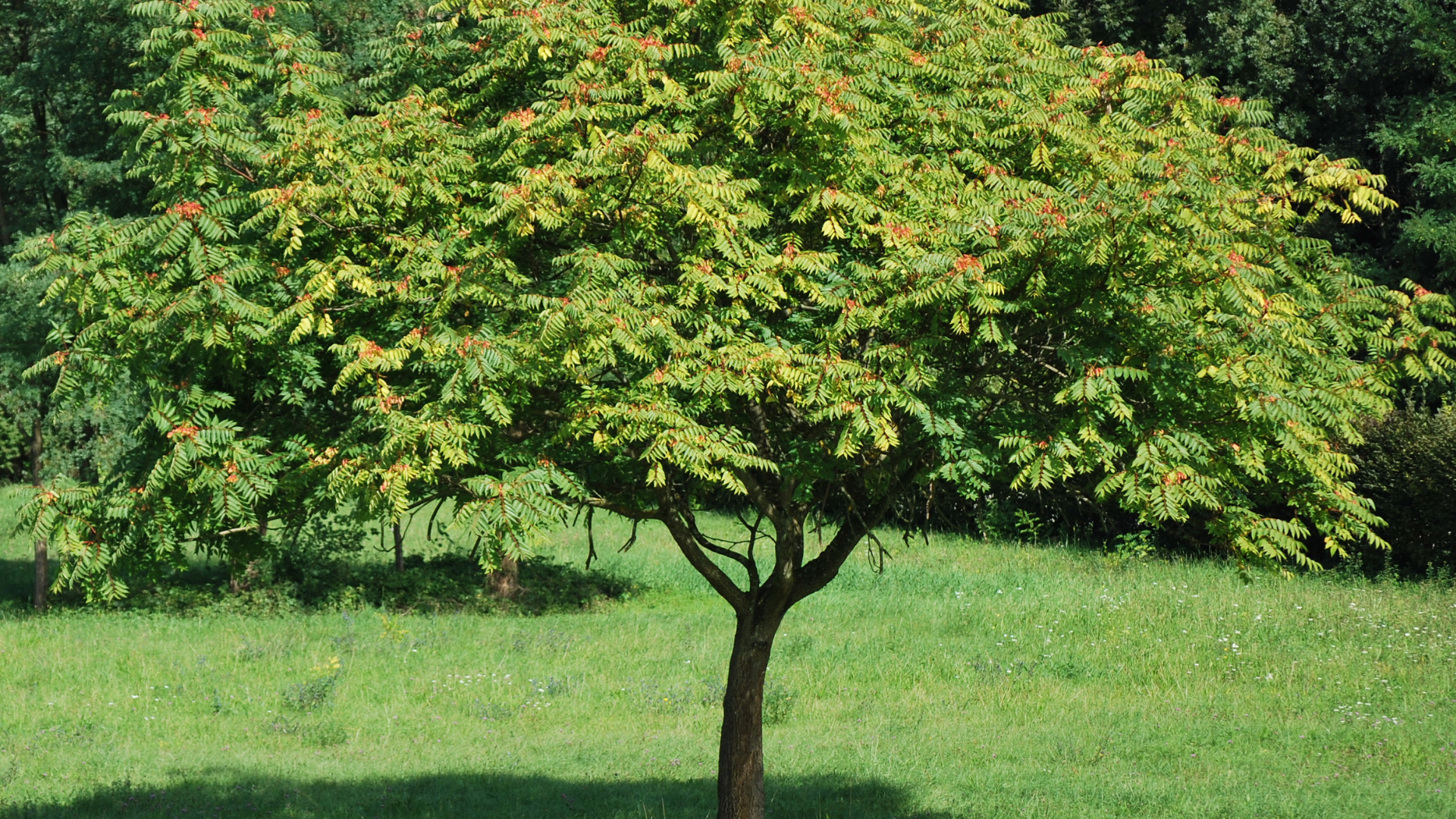
Tree-of-heaven sounds harmless, but Ailanthus altissima is an aggressive invasive tree that has become established throughout much of the United States, including the Midwest. Originally native to China and Taiwan, tree-of-heaven was introduced to the United States in the late 1700s as an ornamental tree. Its ability to tolerate poor soil, pollution, disturbed ground, and difficult urban conditions helped it spread far beyond cultivated landscapes. Today, it can be found along roadsides, rail corridors, vacant lots, woodland edges, and other disturbed areas throughout the Midwest. Knowing how to recognize it is important because removing it incorrectly can actually make the infestation worse. Look Closely at the Leaves Tree-of-heaven has very large compound leaves made up of numerous individual leaflets. A single leaf can contain roughly 10 to 40 or more leaflets arranged along a central stem. Near the base of each leaflet are distinctive glandular teeth or notches that can help separate tree-of-heaven from similar-looking native species. Crushing the foliage is another useful clue. The leaves can produce a strong, unpleasant odor that has sometimes been compared to rancid or burnt peanut butter.
September 29, 2026
Winter can place significant stress on trees, especially when heavy snow, ice, strong winds, and rapid temperature changes arrive together. A tree that appears stable in mild weather may react very differently once branches are loaded with snow or the soil freezes. That is why late fall is a useful time for homeowners to look for warning signs before severe winter weather begins. A careful inspection can help identify weak branches, structural defects, and other concerns that may become more dangerous during a storm.
September 23, 2026
Evergreens are often valued because they provide year-round color, screening, and structure in the landscape. When sections of an arborvitae, juniper, spruce, or similar evergreen suddenly begin turning brown or losing foliage, however, bagworms may be responsible. Bagworms are caterpillars that construct protective bags from silk and pieces of the plants they are feeding on. Because those bags blend into surrounding foliage, an infestation can become significant before the insects attract much attention. Understanding how bagworms feed and when they are easiest to control can help protect valuable trees and shrubs from unnecessary damage. The Bags Can Be Easy to Miss Bagworms get their name from the portable cases they build around themselves. As the larvae feed , they add pieces of needles, leaves, and twigs to the outside of the bag. This camouflage can make them difficult to recognize, particularly when populations are still relatively small. The bags may look like small brown cones or pieces of dried vegetation hanging from the branches. Penn State Extension notes that bagworms can become serious pests on arborvitae, juniper, spruce, fir, and other conifers because substantial feeding damage can occur before the infestation becomes obvious.
September 18, 2026
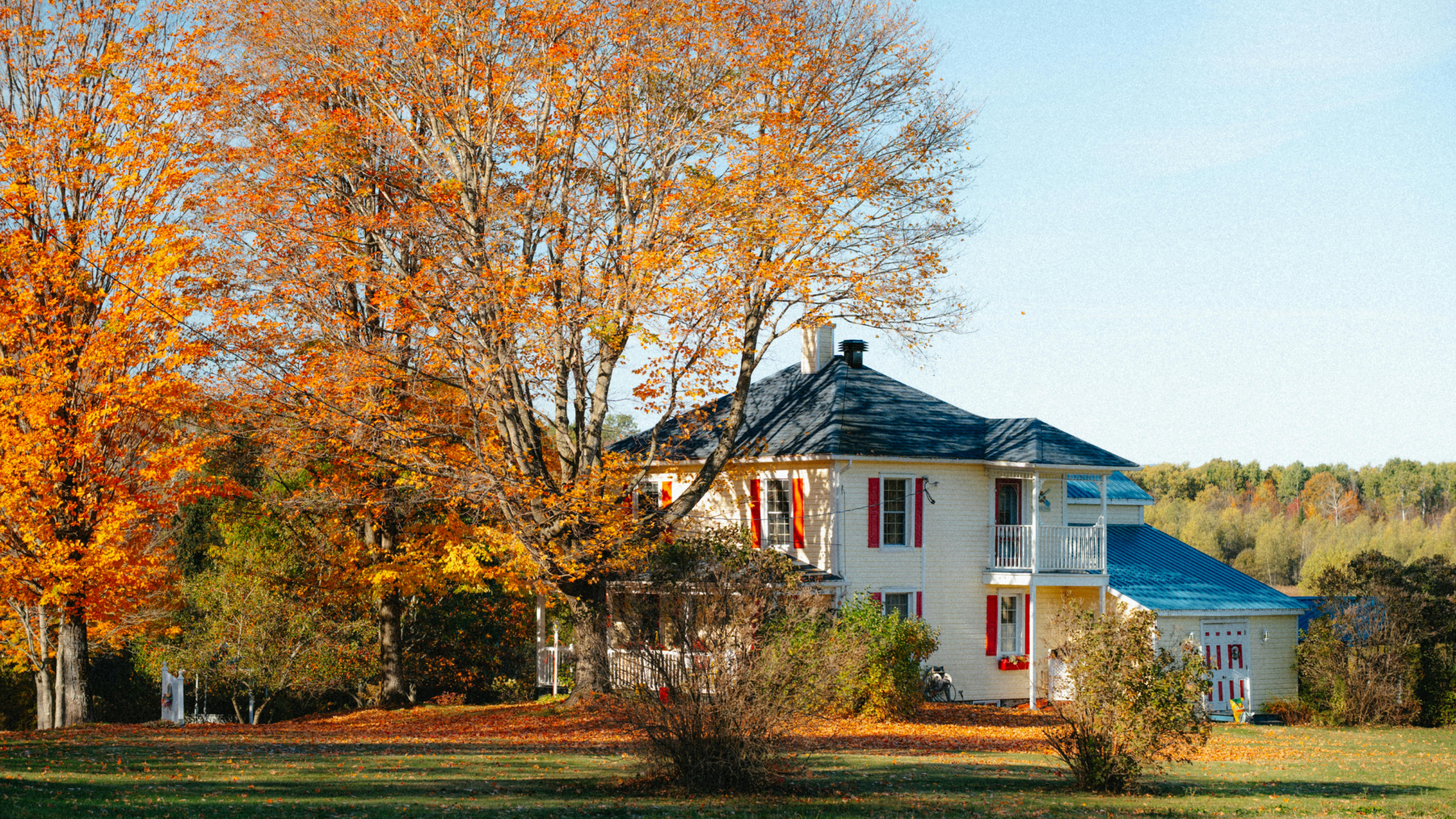
Fall is an especially useful time to take a closer look at the structure of mature trees . As leaves begin to thin and eventually drop, branches, unions, cracks, cavities, and other structural features become easier to see.  That makes autumn a practical season for identifying problems that may be harder to spot during summer. It also gives homeowners time to address weak limbs or other concerns before winter snow, ice, and wind place additional stress on the canopy.
September 10, 2026
A healthy tree should not look like a telephone pole entering the ground. Near the base of the trunk, the tree should widen where the major roots begin to spread outward. This area is known as the root flare, and it can reveal a great deal about whether a tree was planted at the correct depth.  When the root flare is buried under soil, mulch, or landscaping material, the tree may face long-term problems that are easy to miss at first. Looking at the base of the trunk is one of the simplest ways to spot a planting issue before it becomes more serious.
September 2, 2026
A tree can appear healthy overall and still develop a section of dead or dying branches. When branch dieback appears suddenly, especially in one part of the canopy, it can be a sign that something is interfering with the tree’s ability to move water and nutrients where they are needed.  For homeowners, the important question is not simply whether a branch is dead, but why it died. Midwest Tree Surgeons evaluates tree health, structure, pests , disease, and site conditions to help determine what may be causing the change.
August 25, 2026
When a tree grows too large for its surroundings, removing the upper portion of the canopy may seem like a quick solution. This practice, commonly called tree topping, involves cutting major branches or leaders back to stubs or lateral branches that are too small to assume the terminal role.  Although topping can immediately reduce a tree’s height, it can also create lasting structural and health problems. For homeowners concerned about an oversized or potentially hazardous tree, professional pruning is generally a better approach.
More Posts