Why Fall Is a Good Time to Evaluate Tree Structure

September 18, 2026

Fall is an especially useful time to take a closer look at the structure of mature trees. As leaves begin to thin and eventually drop, branches, unions, cracks, cavities, and other structural features become easier to see.


That makes autumn a practical season for identifying problems that may be harder to spot during summer. It also gives homeowners time to address weak limbs or other concerns before winter snow, ice, and wind place additional stress on the canopy.

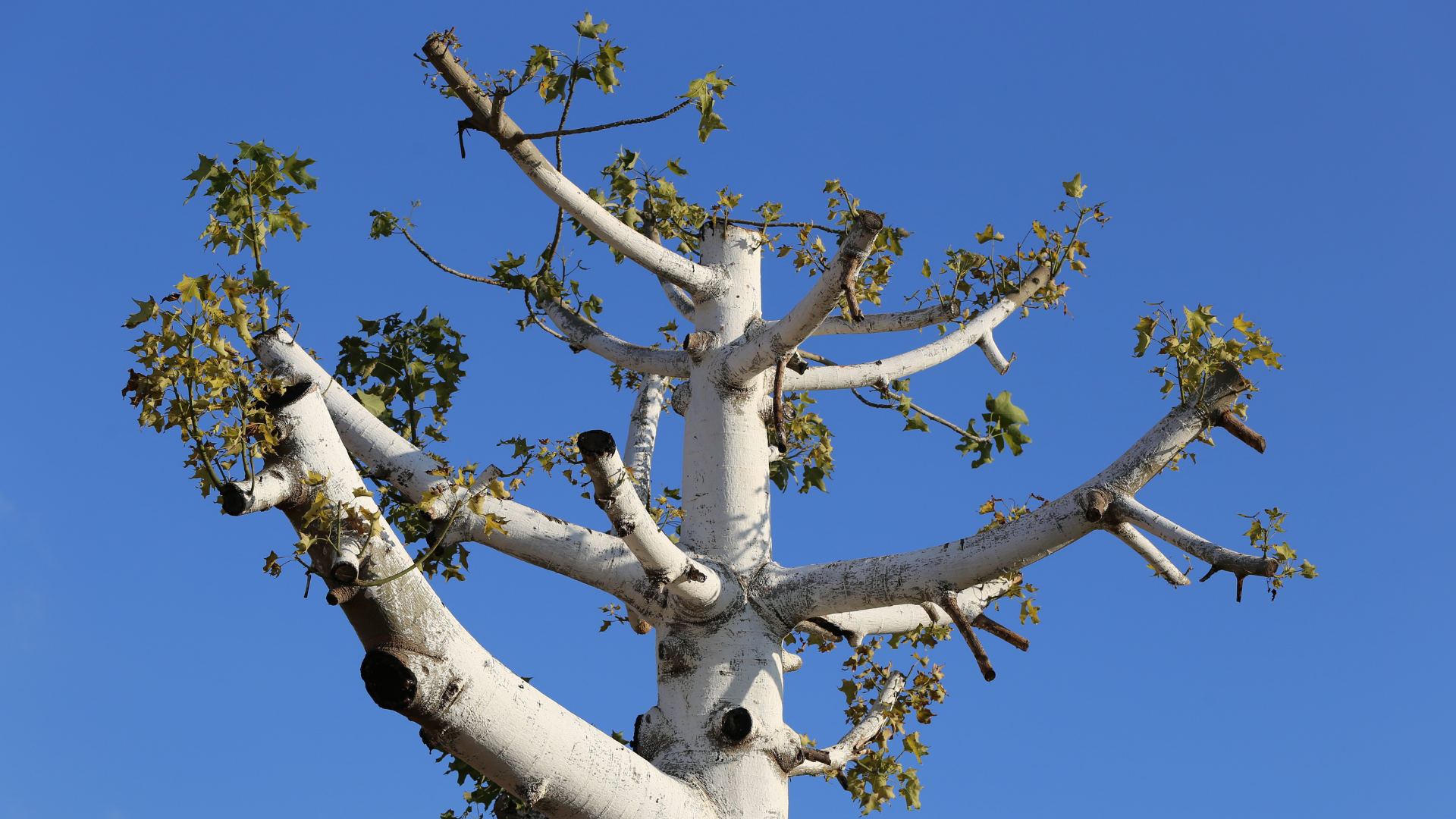
Bare tree branches with a few yellow leaves against a bright blue sky

Fewer Leaves Make Structural Problems Easier to See

A dense summer canopy can hide a surprising amount of information.


Once foliage begins to disappear, it becomes easier to see branch attachments, crossing limbs, old pruning wounds, deadwood, cavities, and areas where the tree has developed an uneven structure.


This does not mean every visible defect is dangerous. It simply makes fall a better time to evaluate the overall architecture of the tree.


For large trees near homes, driveways, sidewalks, or play areas, that visibility can be especially valuable.

Orange autumn leaves on tree branches against a bright sky

Weak Branch Unions Deserve Attention

Some trees develop co-dominant stems, where two large leaders grow from the same point.


If the attachment between those stems is narrow or includes bark trapped between them, the union may be structurally weaker than a broader, more well-formed connection.


Fall makes these branch unions easier to inspect once leaves are no longer blocking the view.


An arborist can evaluate whether reduction pruning, structural support, monitoring, or another approach may be appropriate.

Bare tree branches against a bright blue sky with scattered white clouds

Deadwood Becomes More Obvious

Dead branches may remain hidden within a full canopy for much of the growing season.


As leaves drop, those limbs become easier to identify.


Deadwood can range from small twigs to large branches, and the level of concern depends on size, location, decay, and what is below the tree.


A large dead limb over a roof, driveway, or frequently used area may deserve more immediate attention than similar deadwood in an open part of the yard.

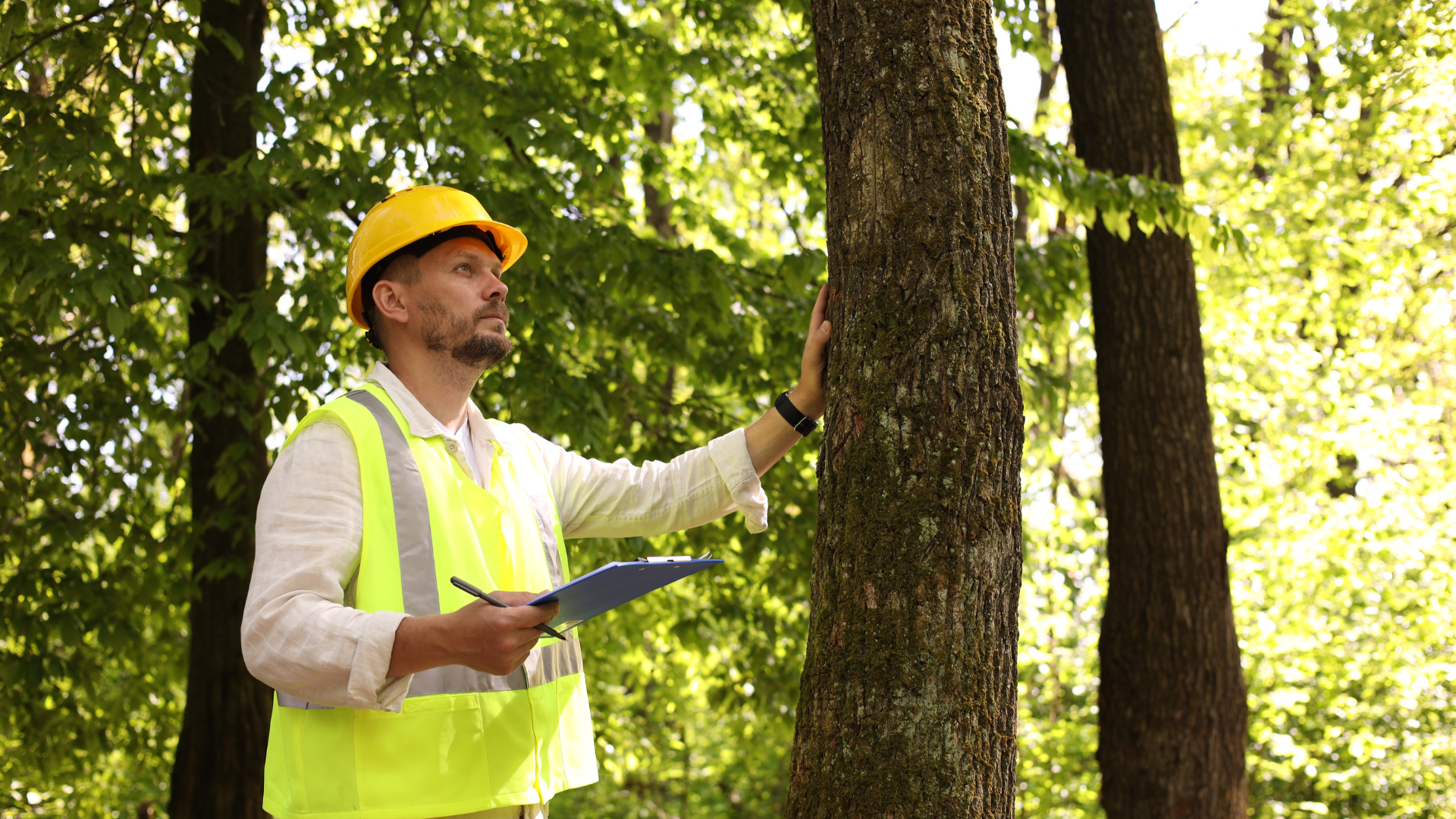
Worker in a hard hat and safety vest inspecting trees in an autumn forest

Cracks and Cavities Are Easier to Evaluate

Structural cracks can develop in trunks, branch unions, or large limbs.


Some are old and stable, while others may indicate ongoing movement.


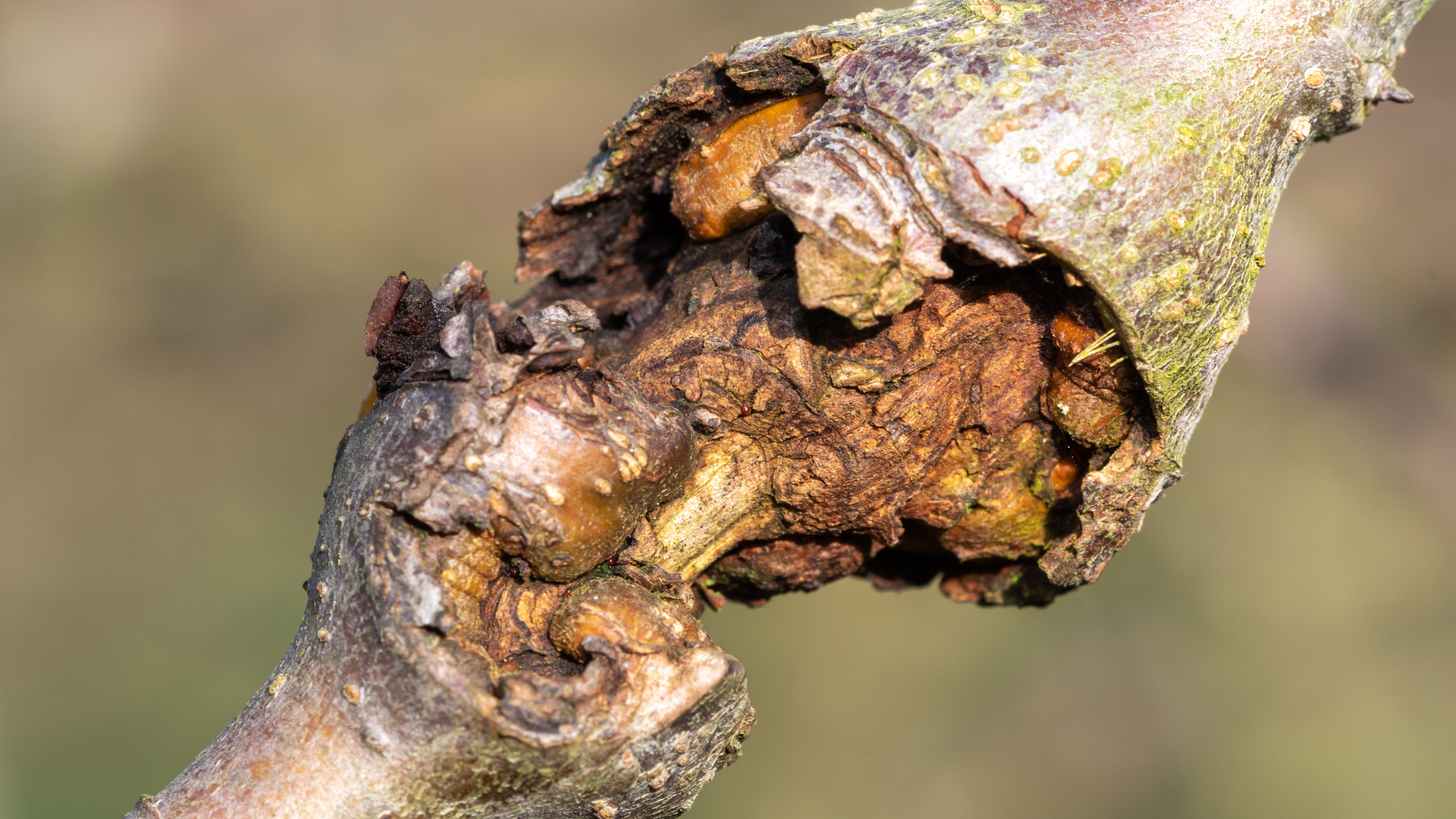
Cavities can also vary widely in significance. A hollow or decayed area does not automatically mean the tree is unsafe, but it should be evaluated in context.


Fall provides a clearer view of these areas and can make it easier to assess whether they are changing or whether additional inspection is warranted.

Sunlight shining through vibrant orange autumn leaves on a tree

Heavy End-Weight Can Become More Noticeable

Some limbs become long and heavily weighted toward the tips.


This can increase leverage on the branch attachment, especially during wind, snow, or ice events.


Once leaves are off, the overall shape and length of these branches are easier to judge.


Selective pruning may sometimes help reduce excessive end-weight while preserving the natural form of the tree.


The goal is not to remove large amounts of live canopy unnecessarily, but to reduce risk in a targeted way.

Snow-covered tree in front of a white house during winter.

Winter Weather Adds More Stress

Fall evaluation is also timely because winter can expose structural weaknesses.


Heavy snow and ice can add substantial weight to branches. Freeze-thaw cycles can affect already-damaged wood, and winter storms may place additional stress on weak unions or cracked limbs.


Identifying concerns before severe weather arrives gives property owners more options.


It is usually easier to plan pruning or other corrective work before a storm causes a branch to fail unexpectedly.

Sunlit park with trees in vivid red, orange, and yellow autumn leaves

Fall Is Also Useful for Comparing Seasonal Change

Autumn can reveal more than structure.


A tree that changes color much earlier than others of the same species, drops leaves unusually quickly, or shows dieback in one part of the canopy may be under stress.


Those symptoms do not automatically indicate a structural problem, but they can provide useful context during an evaluation.


Sometimes the canopy, trunk, and root zone all need to be considered together.

Worker in hard hat and safety vest inspecting a tree trunk outdoors

Structural Evaluation Is About Context

No single defect tells the whole story.


A crack in one tree may be far more serious than a similar crack in another depending on trunk size, branch attachment, decay, lean, wind exposure, root condition, and nearby targets.


That is why professional tree risk assessment focuses on the combination of factors rather than one visible feature.

Suburban house with a two-car garage at sunset, framed by trees and a front yard with fallen leaves.

Use Fall to Plan Ahead

Fall offers a valuable opportunity to inspect trees before winter weather makes structural problems harder to ignore.


Midwest Tree Surgeons provides professional pruning, tree care, removals, plant-health services, and tree risk assessment. If you notice deadwood, cracks, weak branch unions, cavities, or unusually heavy limbs as leaves begin to fall, contact Midwest Tree Surgeons for an evaluation.


A careful fall assessment can help identify which trees need attention now, which can be monitored, and which may benefit from targeted pruning before winter arrives.
September 10, 2026
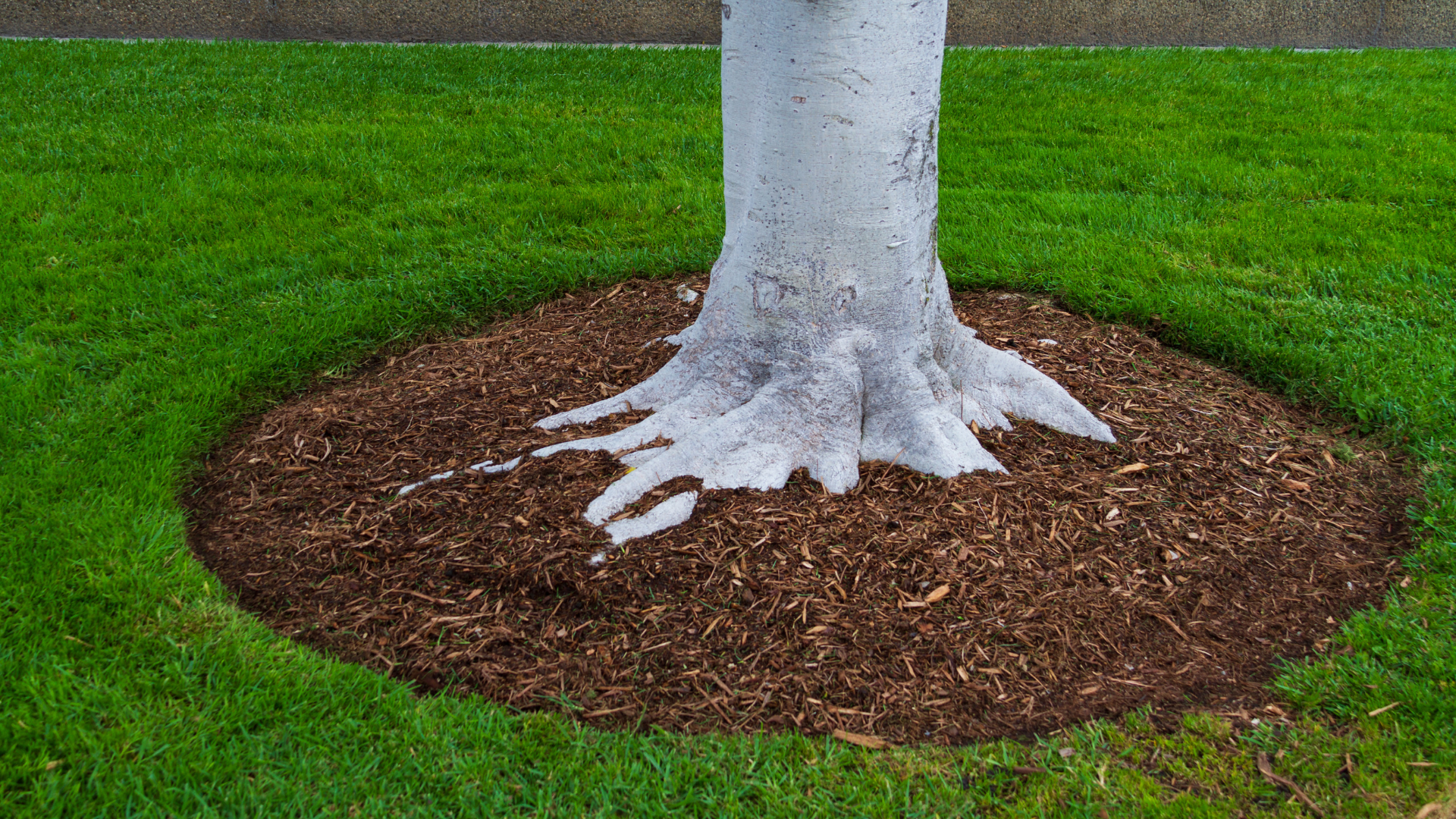
A healthy tree should not look like a telephone pole entering the ground. Near the base of the trunk, the tree should widen where the major roots begin to spread outward. This area is known as the root flare, and it can reveal a great deal about whether a tree was planted at the correct depth.  When the root flare is buried under soil, mulch, or landscaping material, the tree may face long-term problems that are easy to miss at first. Looking at the base of the trunk is one of the simplest ways to spot a planting issue before it becomes more serious.
September 2, 2026
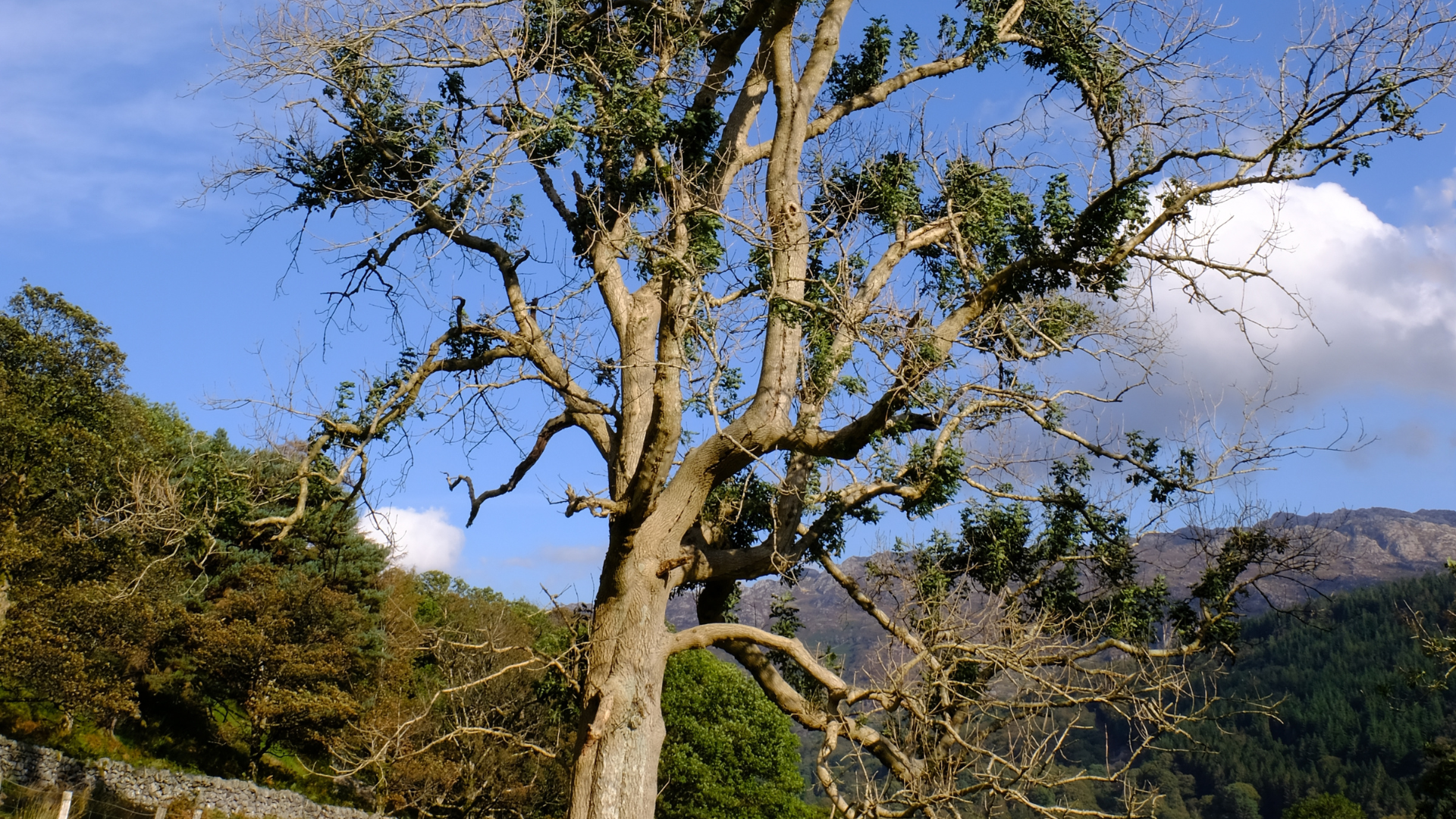
A tree can appear healthy overall and still develop a section of dead or dying branches. When branch dieback appears suddenly, especially in one part of the canopy, it can be a sign that something is interfering with the tree’s ability to move water and nutrients where they are needed.  For homeowners, the important question is not simply whether a branch is dead, but why it died. Midwest Tree Surgeons evaluates tree health, structure, pests , disease, and site conditions to help determine what may be causing the change.
August 25, 2026
When a tree grows too large for its surroundings, removing the upper portion of the canopy may seem like a quick solution. This practice, commonly called tree topping, involves cutting major branches or leaders back to stubs or lateral branches that are too small to assume the terminal role.  Although topping can immediately reduce a tree’s height, it can also create lasting structural and health problems. For homeowners concerned about an oversized or potentially hazardous tree, professional pruning is generally a better approach.
August 18, 2026
When insects begin damaging a tree, the first instinct may be to treat the problem as quickly as possible. But not every insect requires the same response, and some insects that look harmful may not be the actual cause of the decline. Applying the wrong treatment can waste time, money, and potentially put additional stress on the tree.  Midwest Tree Surgeons takes a diagnosis-first approach to tree care. Correct pest identification helps determine whether treatment is needed, which method is appropriate, and whether the real problem may involve disease, environmental stress, or another underlying issue.
August 11, 2026
Trees often show signs of trouble long before they experience major decline. One warning sign that deserves attention is the appearance of a canker—a localized area of dead or damaged bark that develops on a trunk, branch, or stem. Cankers can be caused by fungi, bacteria, environmental injury, or a combination of stress factors, and they often reveal that a tree is struggling to defend itself.  While not every canker means a tree is doomed, these lesions can provide valuable clues about underlying health problems. Midwest Tree Surgeons helps property owners evaluate symptoms such as bark damage, dieback, discoloration, and structural weakness so that appropriate care can begin before problems become more severe.
August 6, 2026
Pine trees are valued throughout the Midwest for their year-round beauty, wind protection, and ecological importance. Although these evergreens are generally hardy, they can become vulnerable to insect pests when stressed by drought, storm damage, construction activity, or disease. One group of insects that deserves particular attention is the pine bark beetle . While these beetles are small, their activity can have significant consequences for individual trees and, in some situations, entire stands of pines.  Recognizing the early signs of bark beetle activity allows property owners to respond before damage becomes more extensive. Professional evaluation is often the best way to determine whether a tree can be preserved or whether additional management measures are appropriate.
July 28, 2026
Standing beneath a towering oak or sycamore, it is easy to appreciate a tree’s size. What is less obvious is its age. Many of the mature trees found throughout Missouri and the greater American Midwest have been growing for generations, quietly enduring changing weather, shifting landscapes, and the passage of time. While no tree lives forever, some species possess remarkable longevity, allowing them to become living landmarks that connect communities with their natural history.  Understanding why certain trees live for centuries can help property owners appreciate the importance of proper tree care and preservation.
July 21, 2026
Pruning is one of the most valuable services a professional arborist can provide, yet it is often misunderstood. Some homeowners worry that removing healthy branches may harm a tree, while others assume pruning is only necessary when limbs become hazardous. In reality, proper pruning is a proactive practice that supports tree health, improves structure, and helps trees adapt to changing environmental conditions.  When performed correctly and at the appropriate time, pruning works with a tree’s natural biological processes, allowing it to continue growing safely and efficiently for years to come.
July 14, 2026
Trees are among the longest-living features on any property. A mature oak, maple, or other established tree may take decades to reach its full size, providing shade, beauty, wildlife habitat , and increased property value along the way. Because of the time and environmental benefits they represent, preserving healthy trees whenever possible is often a worthwhile investment.  Professional arborists play an important role in helping trees remain healthy, structurally sound, and capable of thriving for many years. Through regular evaluations and proactive care, they can identify potential problems early and recommend treatments that support long-term tree health.
July 8, 2026
Trees do much more than provide shade and enhance the beauty of a landscape. They are living ecosystems that support a remarkable variety of wildlife throughout every season. From nesting birds in the spring to sheltering mammals during the winter, healthy trees provide food, protection, and habitat for countless species.  For homeowners and property managers , understanding the connection between trees and wildlife offers another reason to invest in professional tree care. Proper maintenance not only helps preserve the health and appearance of trees but also supports the many forms of life that depend on them.
More Posts