What Homeowners Should Check Before Severe Winter Weather Arrives
Winter can place significant stress on trees, especially when heavy snow, ice, strong winds, and rapid temperature changes arrive together.
A tree that appears stable in mild weather may react very differently once branches are loaded with snow or the soil freezes. That is why late fall is a useful time for homeowners to look for warning signs before severe winter weather begins.
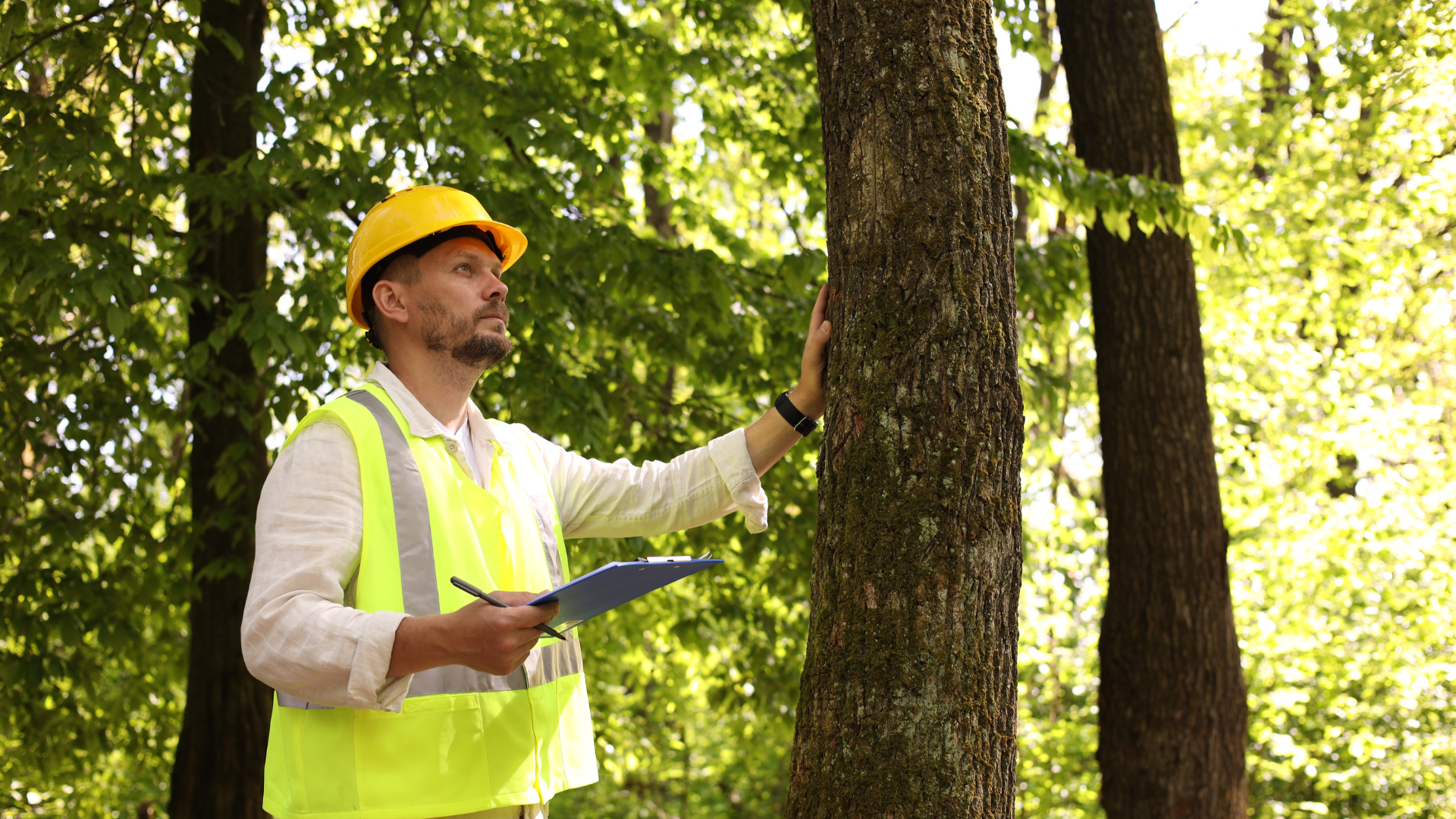
A careful inspection can help identify weak branches, structural defects, and other concerns that may become more dangerous during a storm.

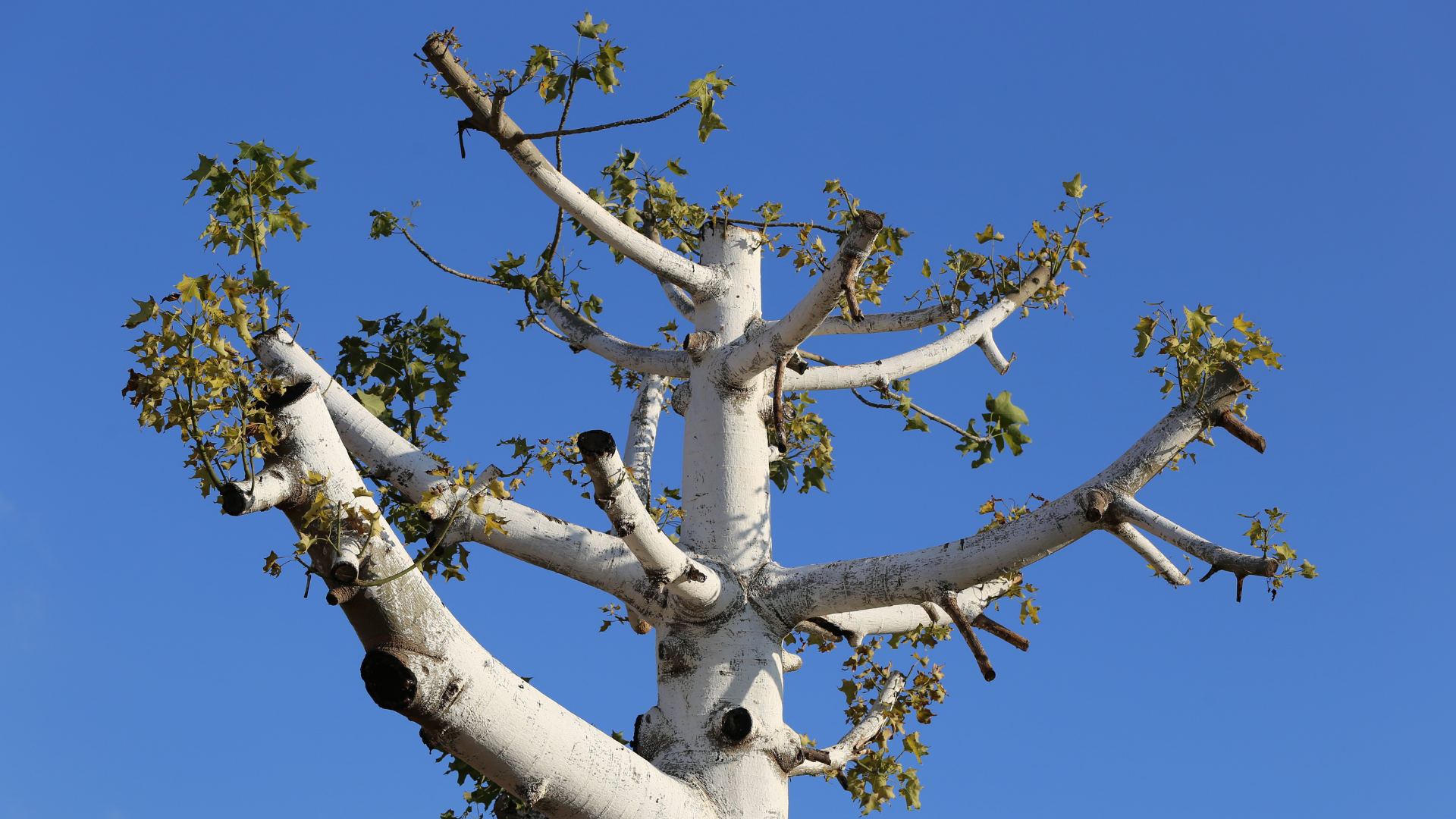
Look for Dead or Hanging Branches
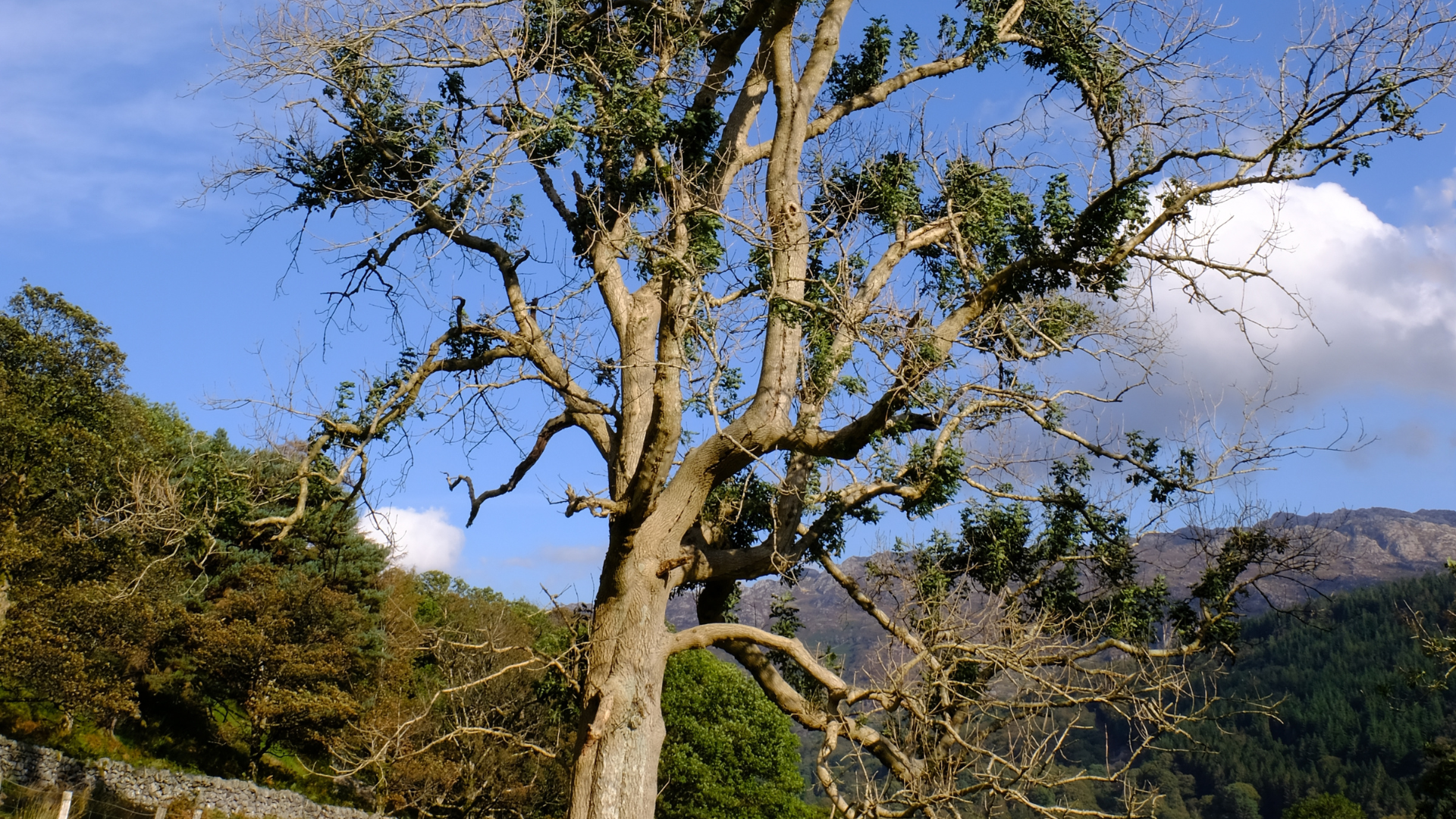
Dead branches are one of the first things homeowners should look for.
Without living tissue to maintain flexibility, deadwood can become brittle and more likely to break under snow, ice, or wind.
Pay particular attention to branches over:
- Roofs
- Driveways
- Walkways
- Vehicles
- Utility areas
- Frequently used parts of the yard
Hanging branches or partially broken limbs deserve extra attention because they may already be unstable.
Removing hazardous deadwood before winter can reduce the chance of unexpected branch failure.
Check for Cracks and Weak Branch Unions
Large cracks in the trunk or major limbs can indicate structural weakness.
Homeowners should also look at areas where two large branches or stems meet.
Narrow branch unions sometimes contain included bark, which can prevent the wood from forming a strong connection between the stems.
These areas may be more vulnerable when snow or ice adds extra weight to the canopy.
Not every unusual branch union requires removal, but visible cracking, separation, or movement should be evaluated.
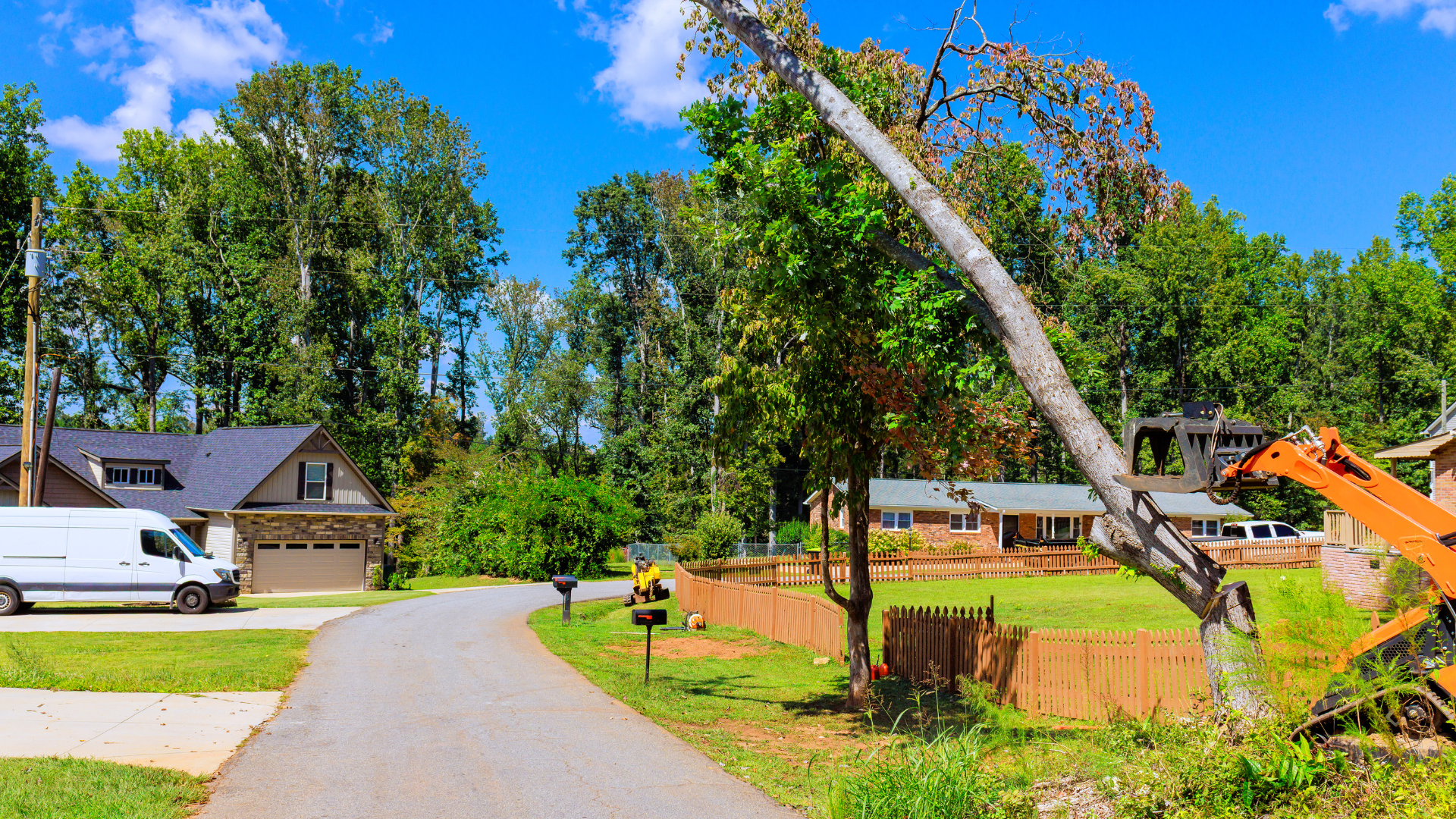
Watch for Trees That Have Started Leaning
Some trees naturally grow at an angle and remain stable for decades.
A new or increasing lean is more concerning.
Changes in soil, root damage, storms, or structural problems can cause a tree to shift over time.
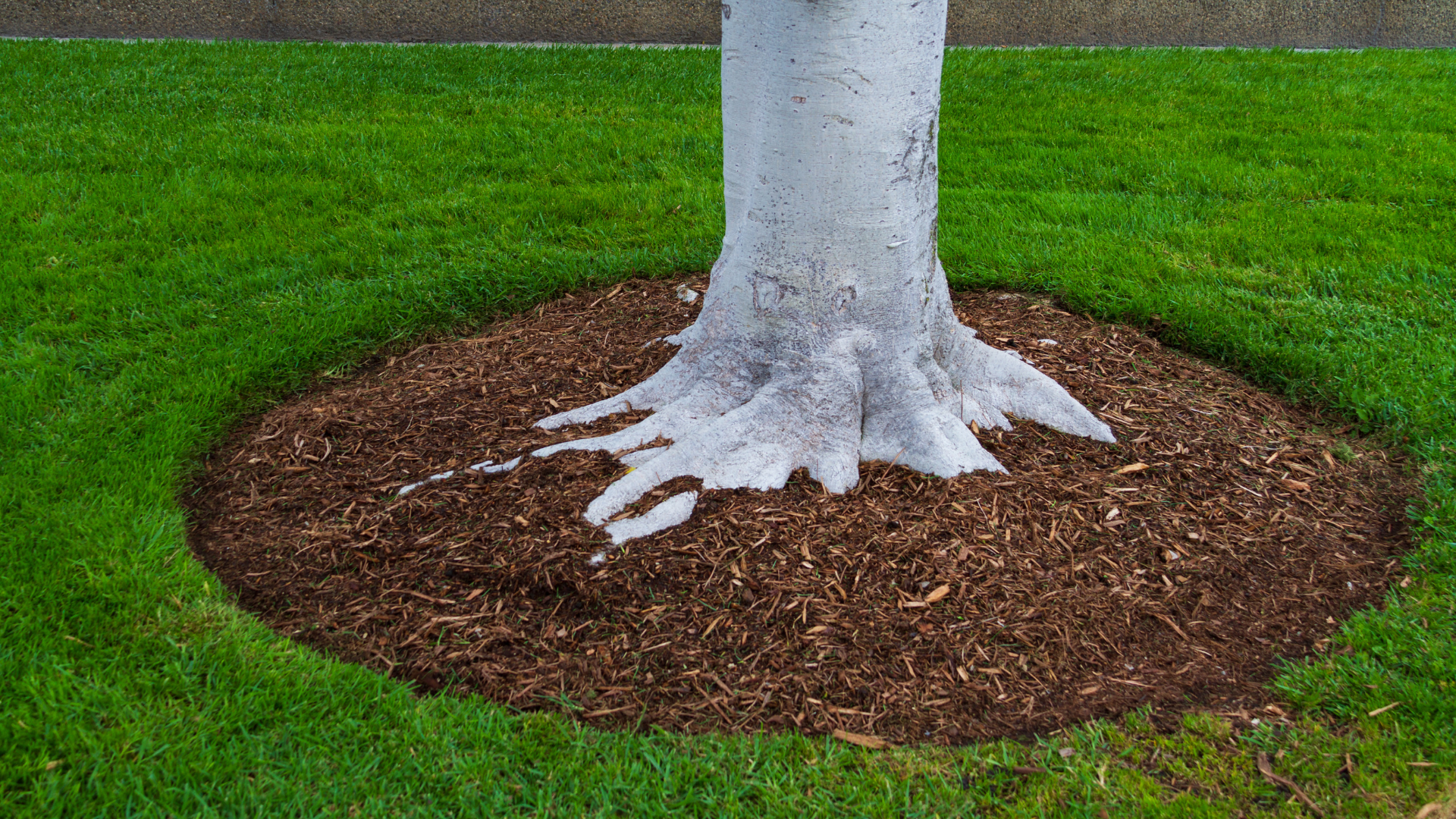
Look around the base for lifted soil, exposed roots, cracking ground, or other indications that the root system may be moving.
Winter winds can place additional pressure on already compromised roots.
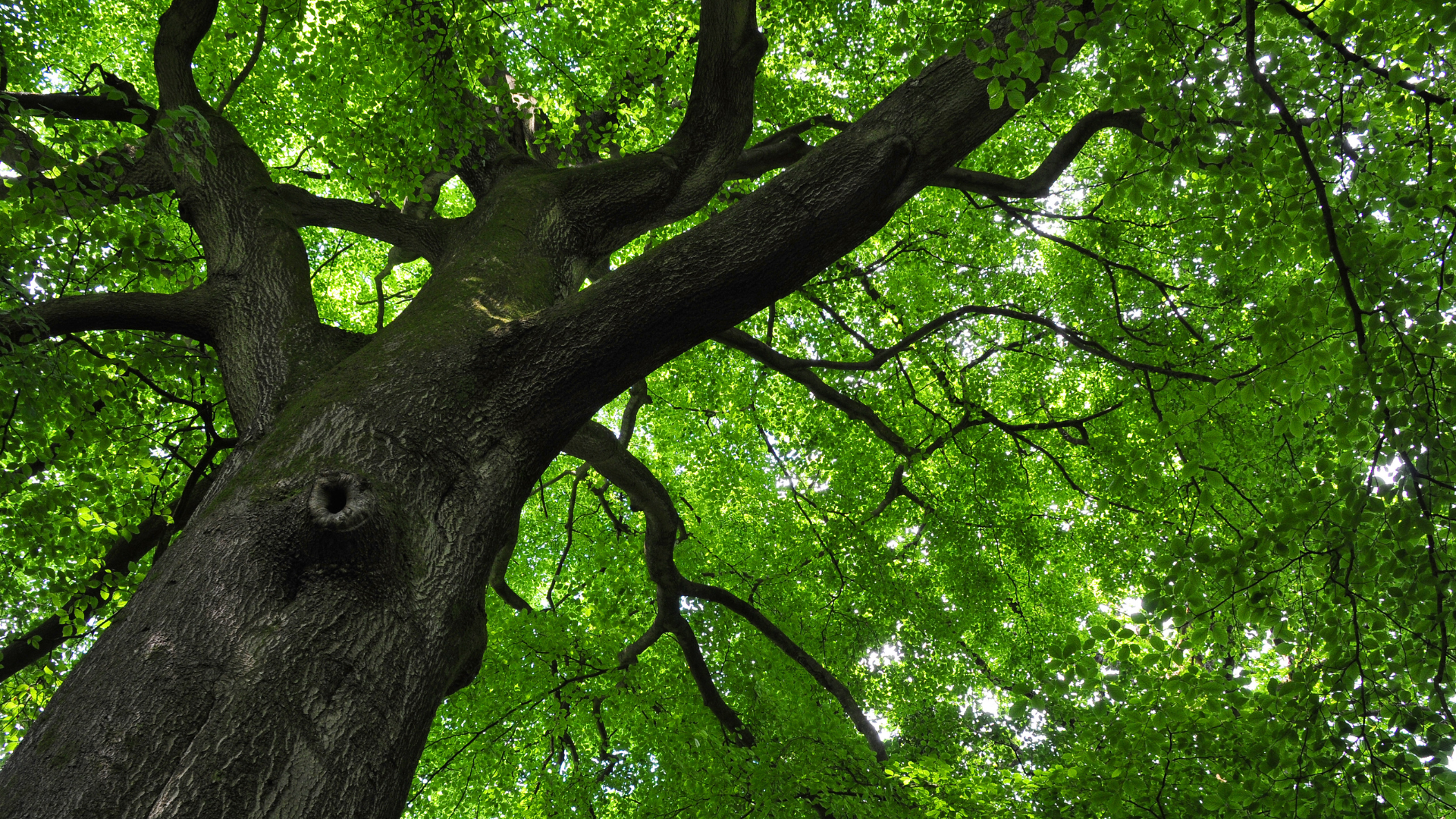
Examine the Canopy for Uneven Weight
A tree with most of its canopy on one side may experience uneven loading during winter storms.
This can happen because of previous branch loss, improper pruning, nearby construction, competition with other trees, or natural growth patterns.
Heavy snow accumulating on an unbalanced canopy can place additional stress on trunks and major limbs.
An arboricultural evaluation can help determine whether selective pruning may improve structure without removing too much live growth.
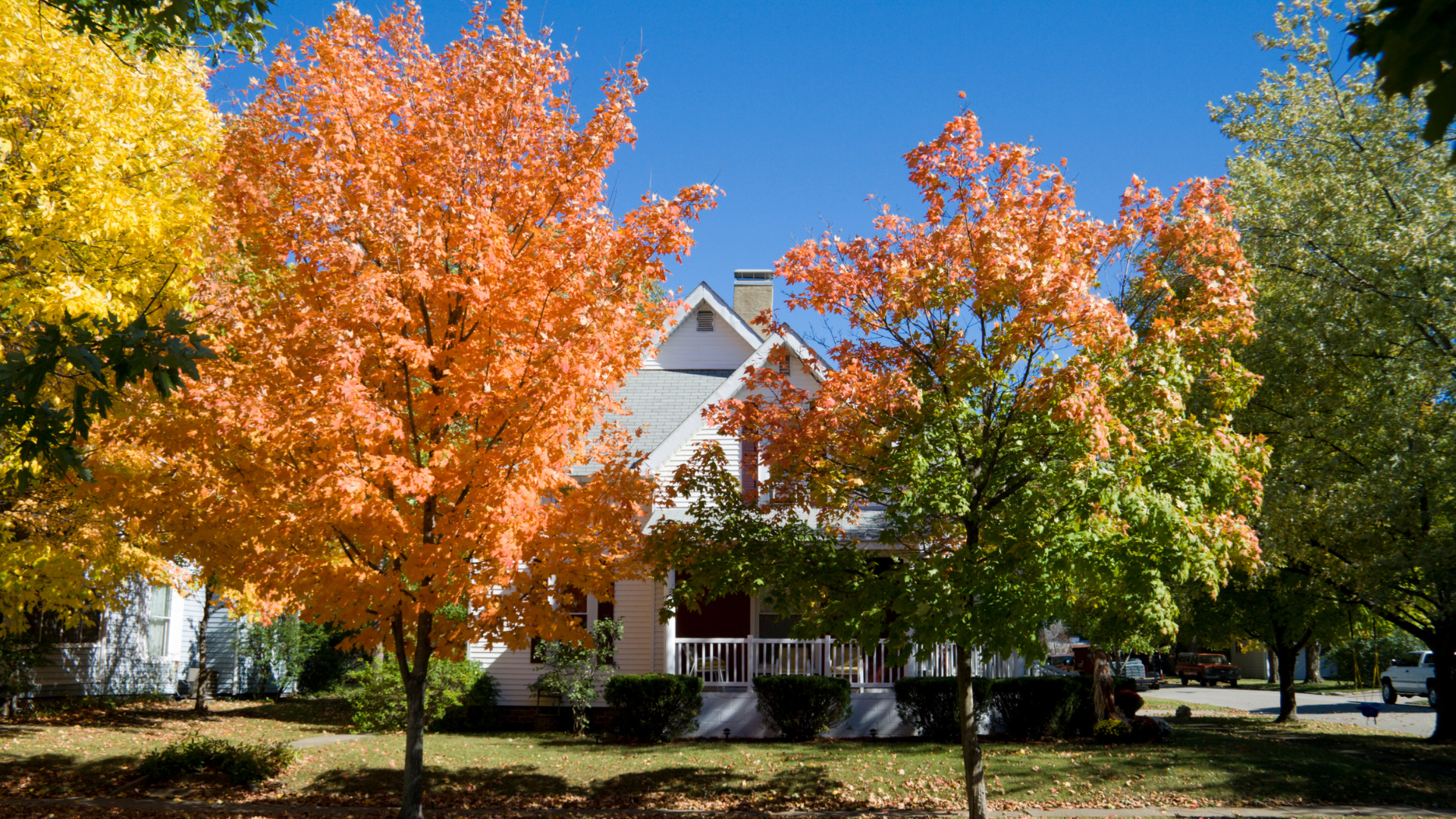
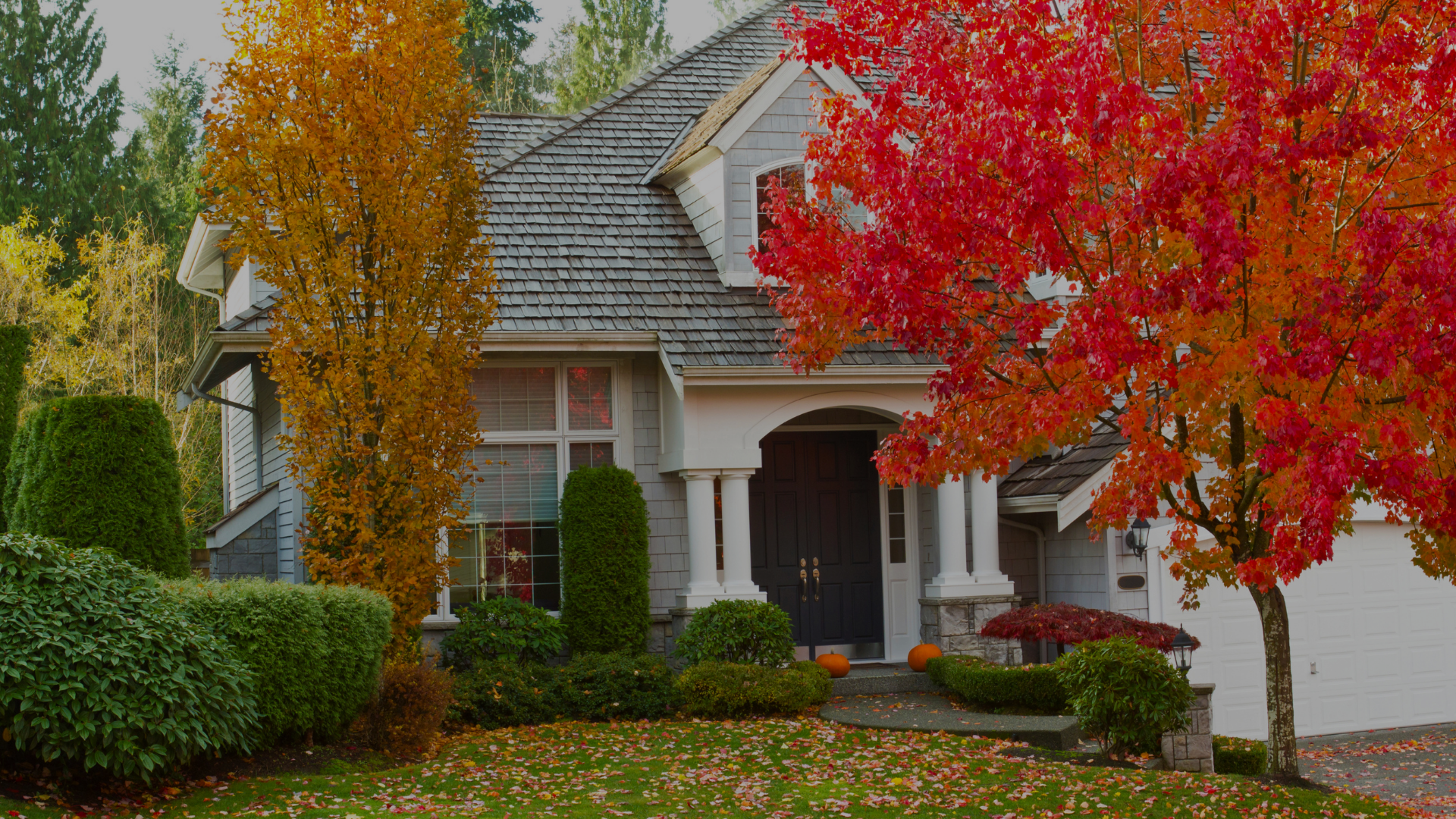
Check Trees Near the House
Trees close to homes deserve particular attention before winter.
Look for branches touching the roof, hanging over chimneys, extending toward windows, or resting against siding.
Branches can move considerably during strong wind.
Even smaller limbs may damage shingles, gutters, siding, or windows if they repeatedly strike the building.
Pruning should provide reasonable clearance without unnecessarily removing healthy portions of the canopy.
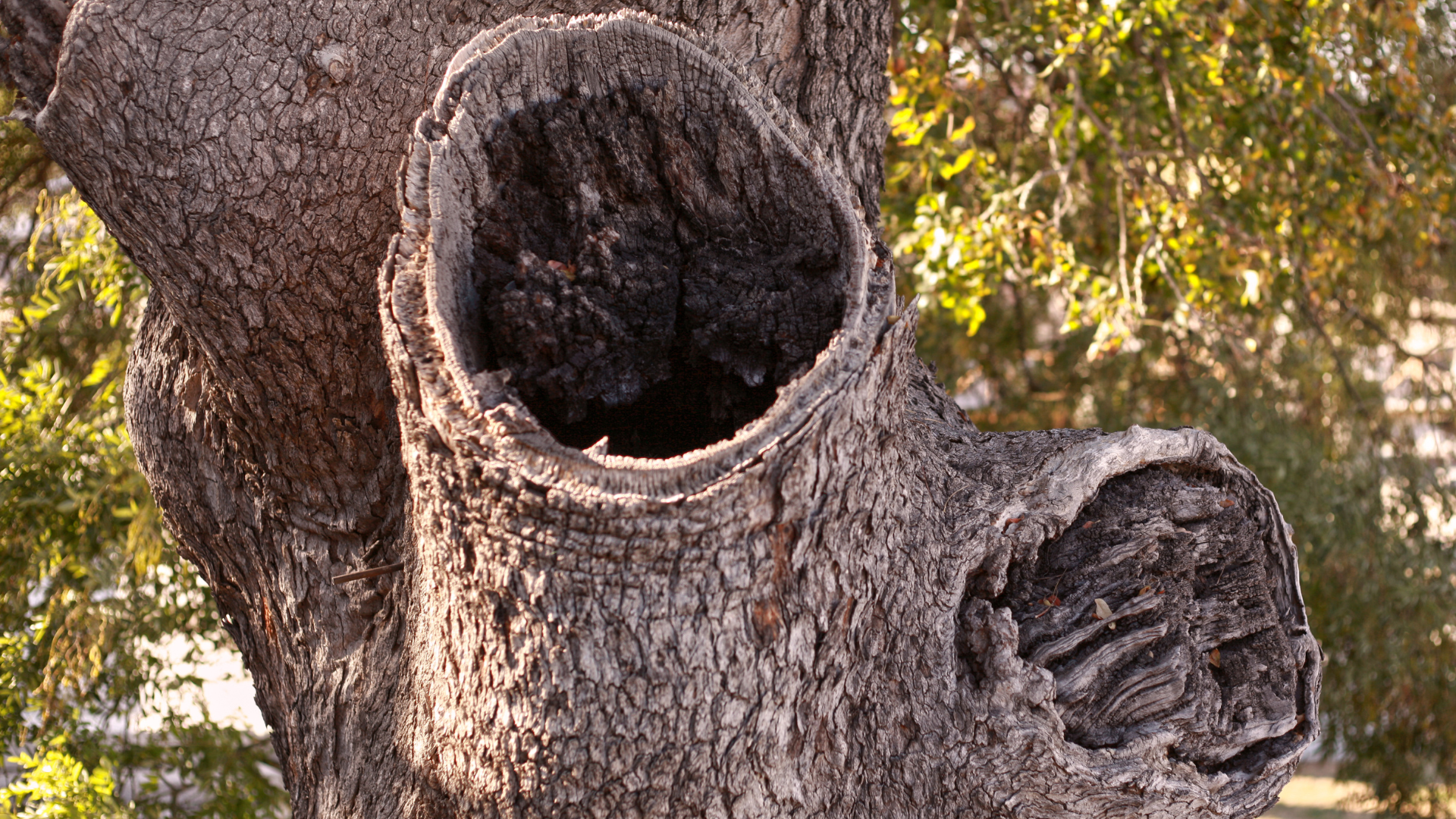
Look for Signs of Decay
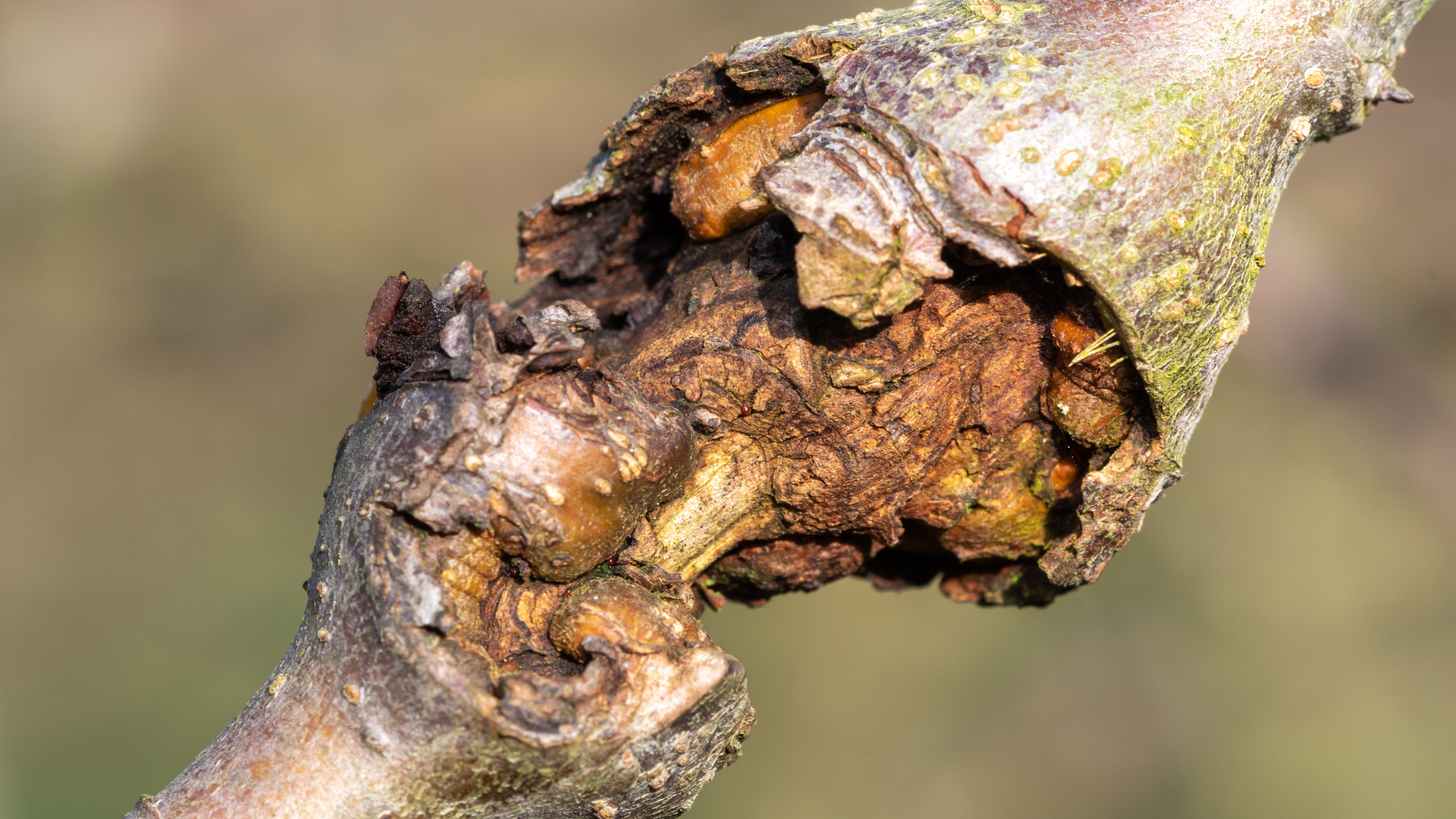
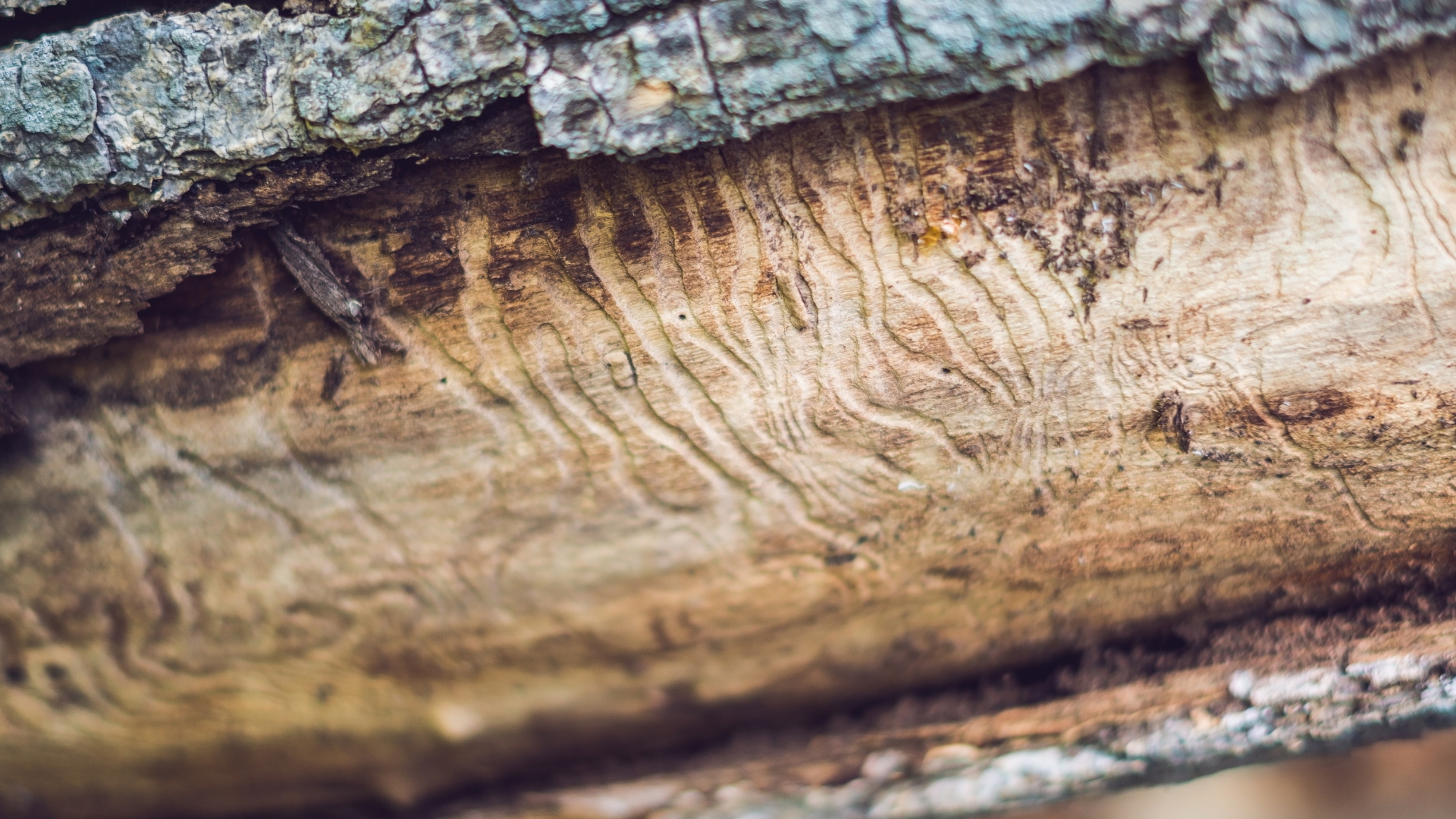
Cavities, soft wood, loose bark, fungal growth, and decayed areas can sometimes indicate internal deterioration.
The presence of decay does not automatically mean a tree will fail, but its location and extent matter.
Decay near the base, major branch unions, or primary structural limbs may deserve closer evaluation.
Because much of a tree's internal condition cannot be judged from appearance alone, professional assessment may be appropriate when significant defects are visible.
Avoid Last-Minute Storm Pruning
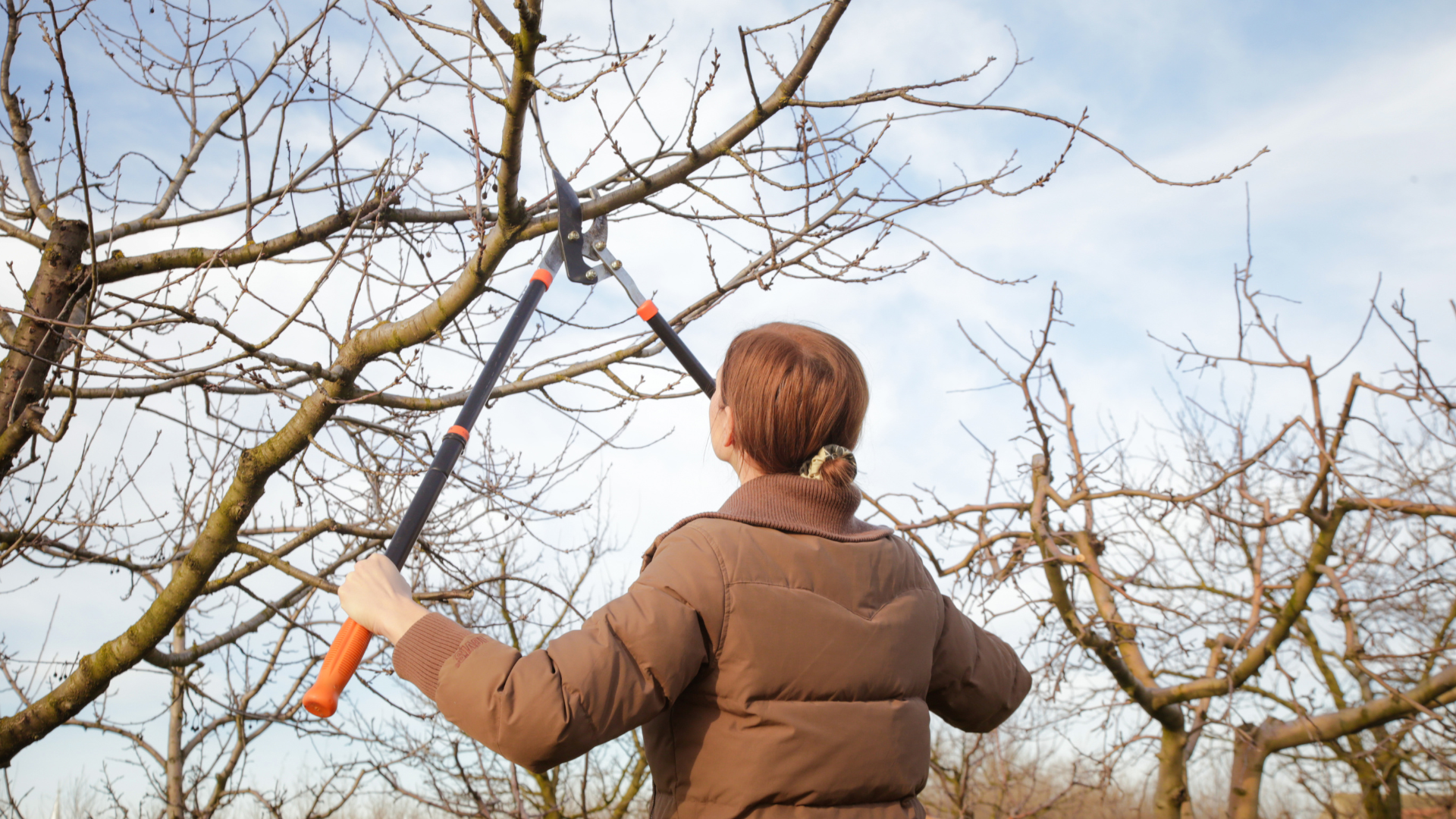
Waiting until a major winter storm is approaching can limit your options.
Tree work may be more difficult or hazardous once branches are already covered in snow or ice.
Planning ahead allows more time to inspect the tree, identify priorities, and complete necessary pruning under safer conditions.
Homeowners should also avoid attempting to remove large limbs themselves, especially near structures or power lines.
Prepare Before Winter Stress Arrives
Severe winter weather does not create every tree problem, but it can expose weaknesses that were already present.
Before the season changes, check for deadwood, cracks, leaning, uneven canopy growth, decay, and branches close to buildings.
Midwest Tree Surgeons provides professional tree inspections, pruning, risk assessment, and removal services designed to help homeowners manage tree concerns before they become emergencies.
If you notice structural problems or are unsure whether a tree is ready for winter conditions, contact Midwest Tree Surgeons for an evaluation and practical recommendations.