What Cankers Can Tell You About Tree Stress
Trees often show signs of trouble long before they experience major decline. One warning sign that deserves attention is the appearance of a canker—a localized area of dead or damaged bark that develops on a trunk, branch, or stem. Cankers can be caused by fungi, bacteria, environmental injury, or a combination of stress factors, and they often reveal that a tree is struggling to defend itself.
While not every canker means a tree is doomed, these lesions can provide valuable clues about underlying health problems. Midwest Tree Surgeons helps property owners evaluate symptoms such as bark damage, dieback, discoloration, and structural weakness so that appropriate care can begin before problems become more severe.

What Is a Tree Canker?
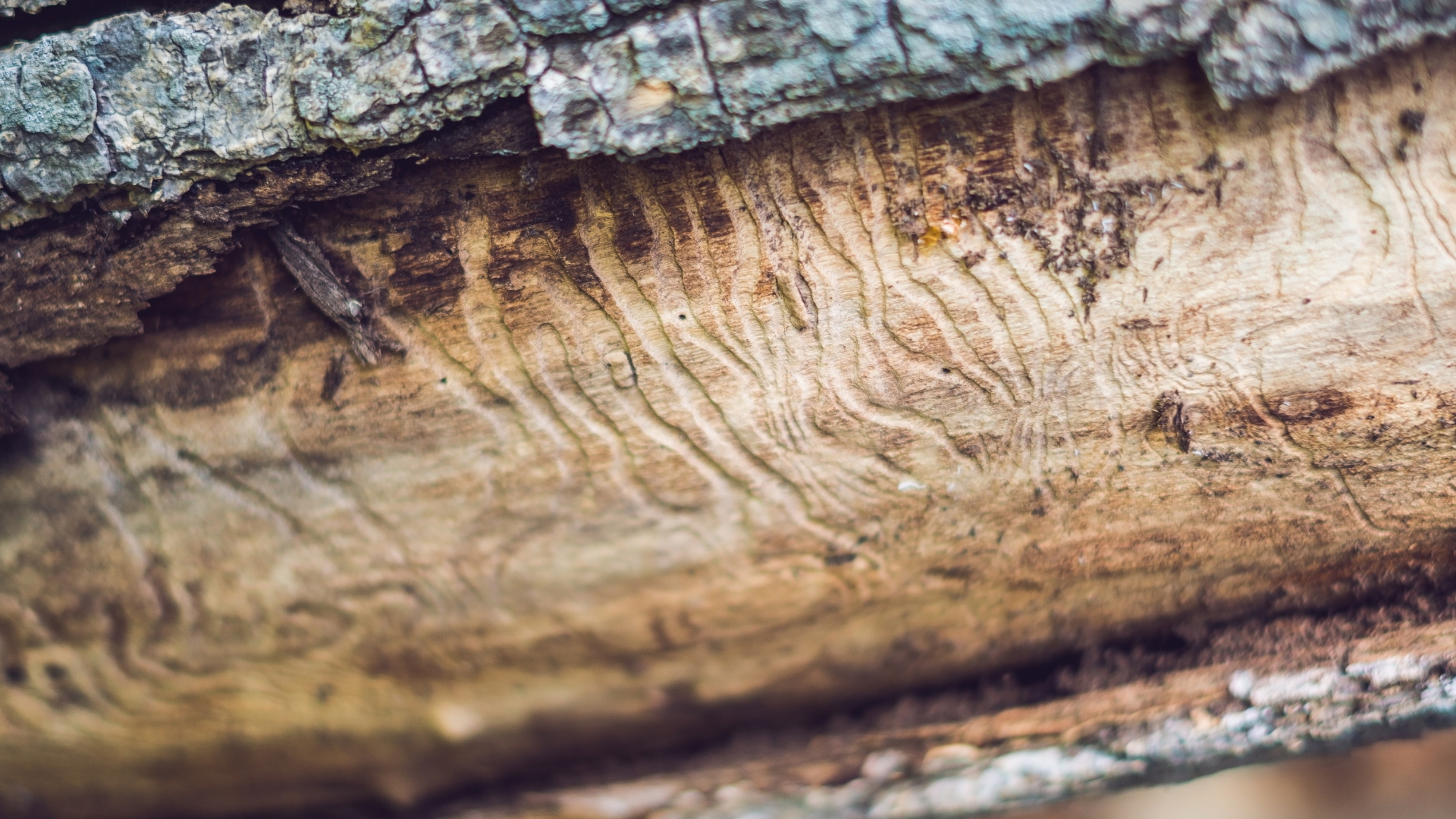
A canker is an area where bark and the tissues beneath it have been damaged or killed. It may appear sunken, cracked, discolored, swollen, or surrounded by callus tissue as the tree attempts to seal off the injured area.
Some cankers remain relatively small and localized, while others gradually expand along branches or trunks. When a canker grows around a large portion of a stem, it can interfere with the movement of water and nutrients through the tree.
The appearance varies considerably depending on the tree species, the organism involved, and the length of time the problem has been present.

Why Cankers Often Appear on Stressed Trees
Healthy trees have natural defense mechanisms that help them compartmentalize wounds and limit the spread of decay or infection. When a tree is already under stress, those defenses may become less effective.
Drought, compacted soil, root injury, poor drainage, storm damage, improper pruning, construction activity, and extreme temperature fluctuations can all weaken a tree. Once that happens, opportunistic fungi or bacteria may be better able to colonize damaged tissue.
For this reason,
the presence of a canker is sometimes less about the pathogen itself and more about the conditions that allowed the problem to develop.

Common Signs to Watch For
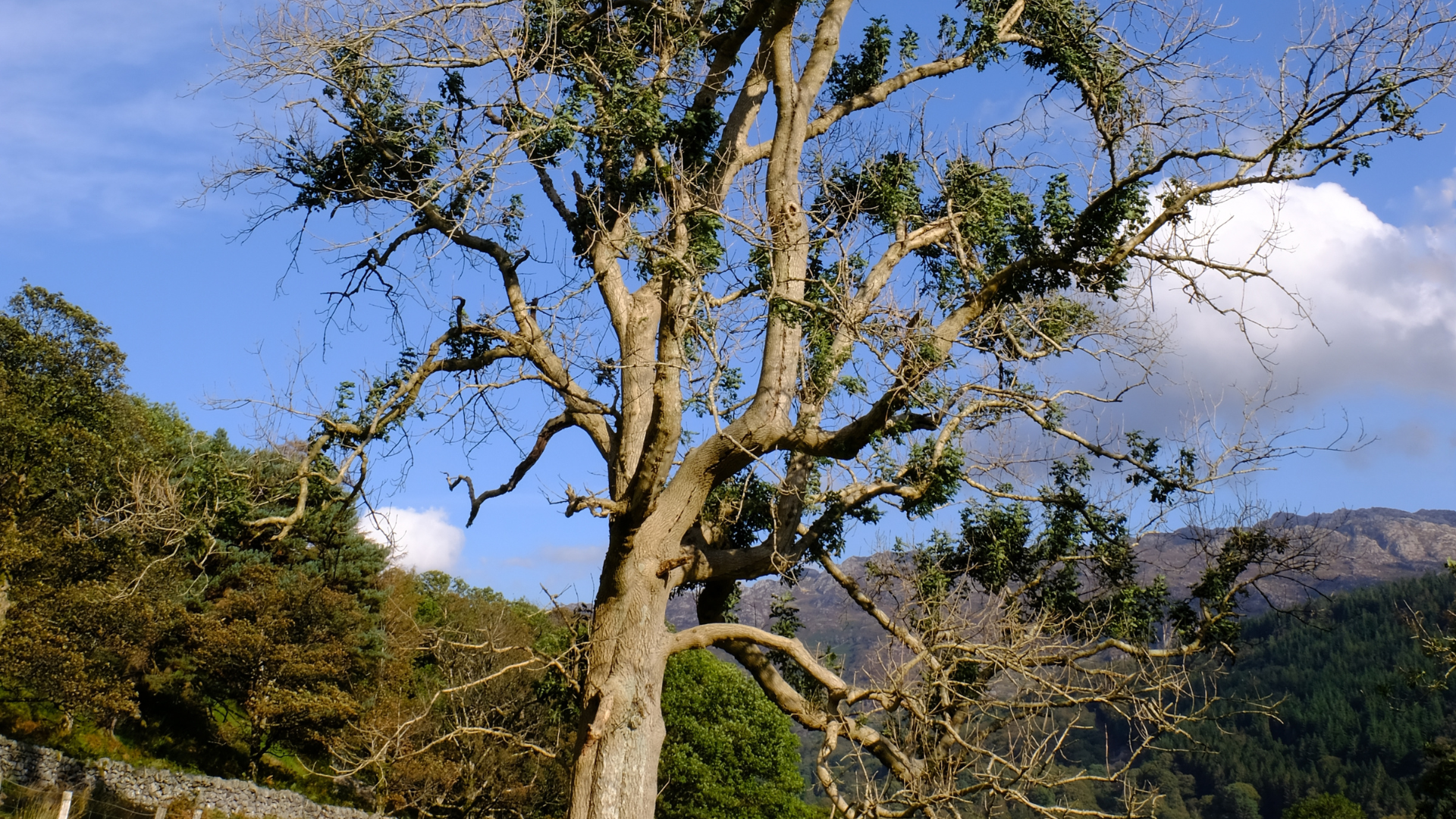
Cankers are not always obvious from a distance. Property owners may first notice thinning foliage, dead twigs, or individual branches that fail to leaf out normally.
Closer inspection may reveal patches of dead bark, cracks, sunken lesions, resin or sap flow, discoloration, or raised callus tissue surrounding the damaged area. In some cases, fungal fruiting structures may appear on or near the canker.
If the lesion develops on a major limb or trunk, the affected area may also become structurally weaker over time.

Can a Tree Recover From a Canker?
The answer depends on the species, location, size, and cause of the canker, as well as the overall health of the tree.
Small cankers on otherwise vigorous trees may remain contained as the tree forms new tissue around the damaged area. In other situations, infected branches may need to be pruned to reduce the amount of diseased tissue and protect nearby growth.
Cankers located on the main trunk can be more serious because they cannot simply be removed without affecting the entire tree. An arborist can evaluate how much of the stem has been affected and whether the tree remains structurally sound.

Improving Tree Health Is Part of Management
Treating a canker is rarely as simple as applying a product to the bark. Long-term management often focuses on reducing the stresses that made the tree vulnerable in the first place.
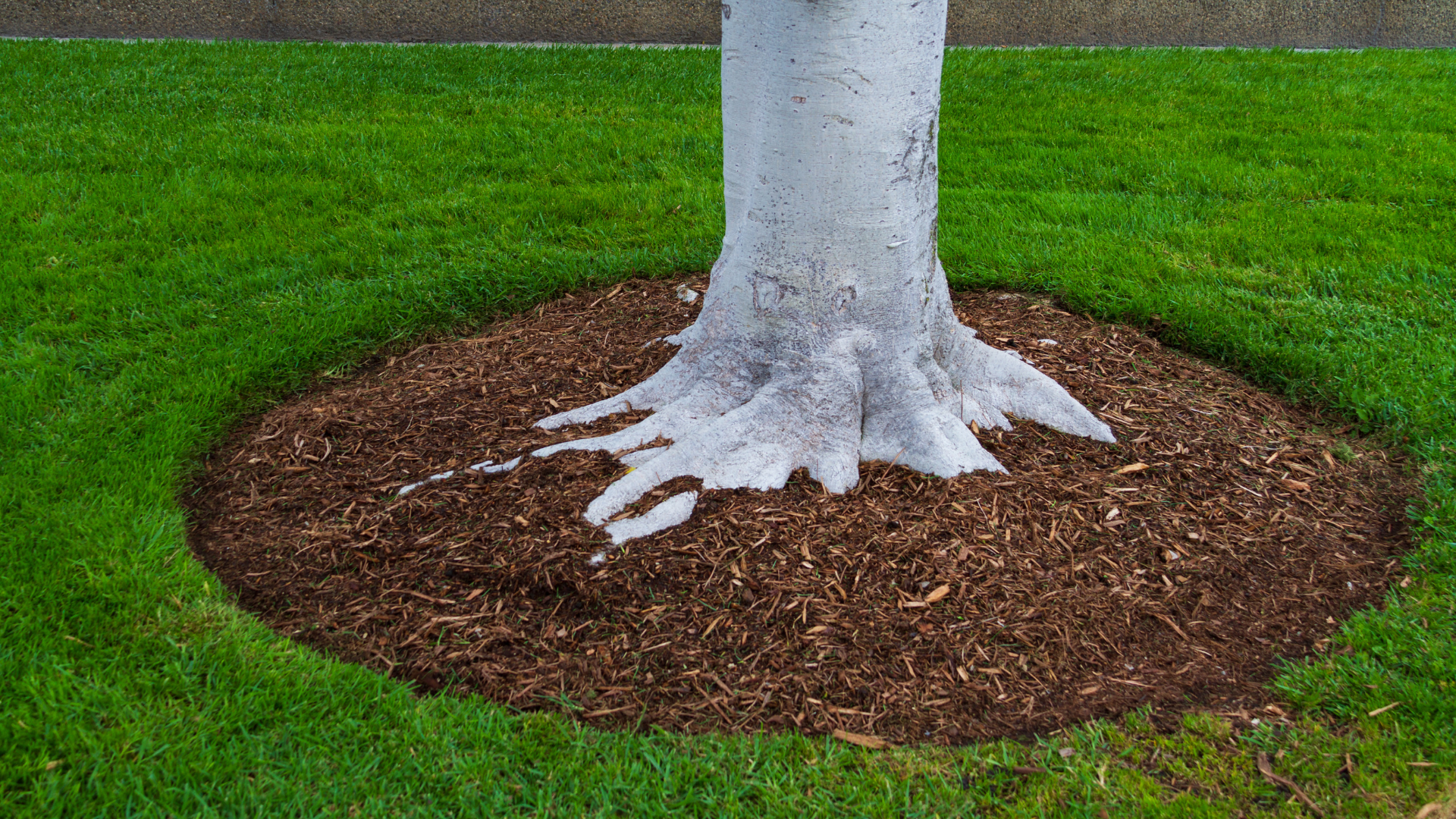
Appropriate watering during drought, protecting root zones, correcting mulch problems, improving soil conditions where possible, and pruning damaged branches properly can all support the tree’s natural defenses.
Correct diagnosis is also essential. Different canker diseases affect different tree species, and management recommendations vary depending on the organism and the condition of the tree.
When to Request a Professional Evaluation
Cankers deserve particular attention when they are expanding, affecting major limbs, associated with significant dieback, or located on trees near homes, driveways, sidewalks, or other frequently used areas.
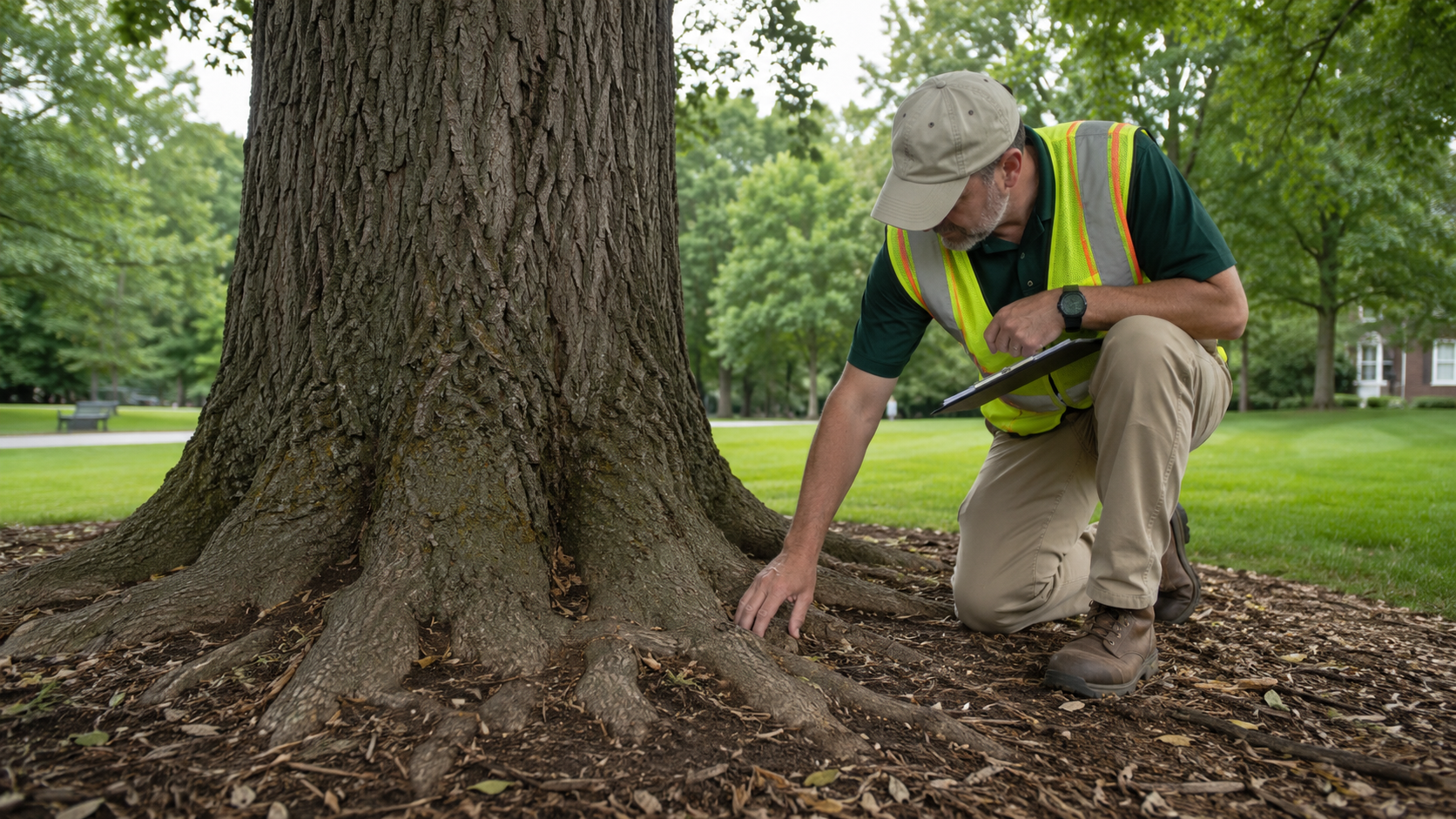
A professional assessment can help determine whether the problem is primarily cosmetic, a sign of broader decline, or a developing structural concern.
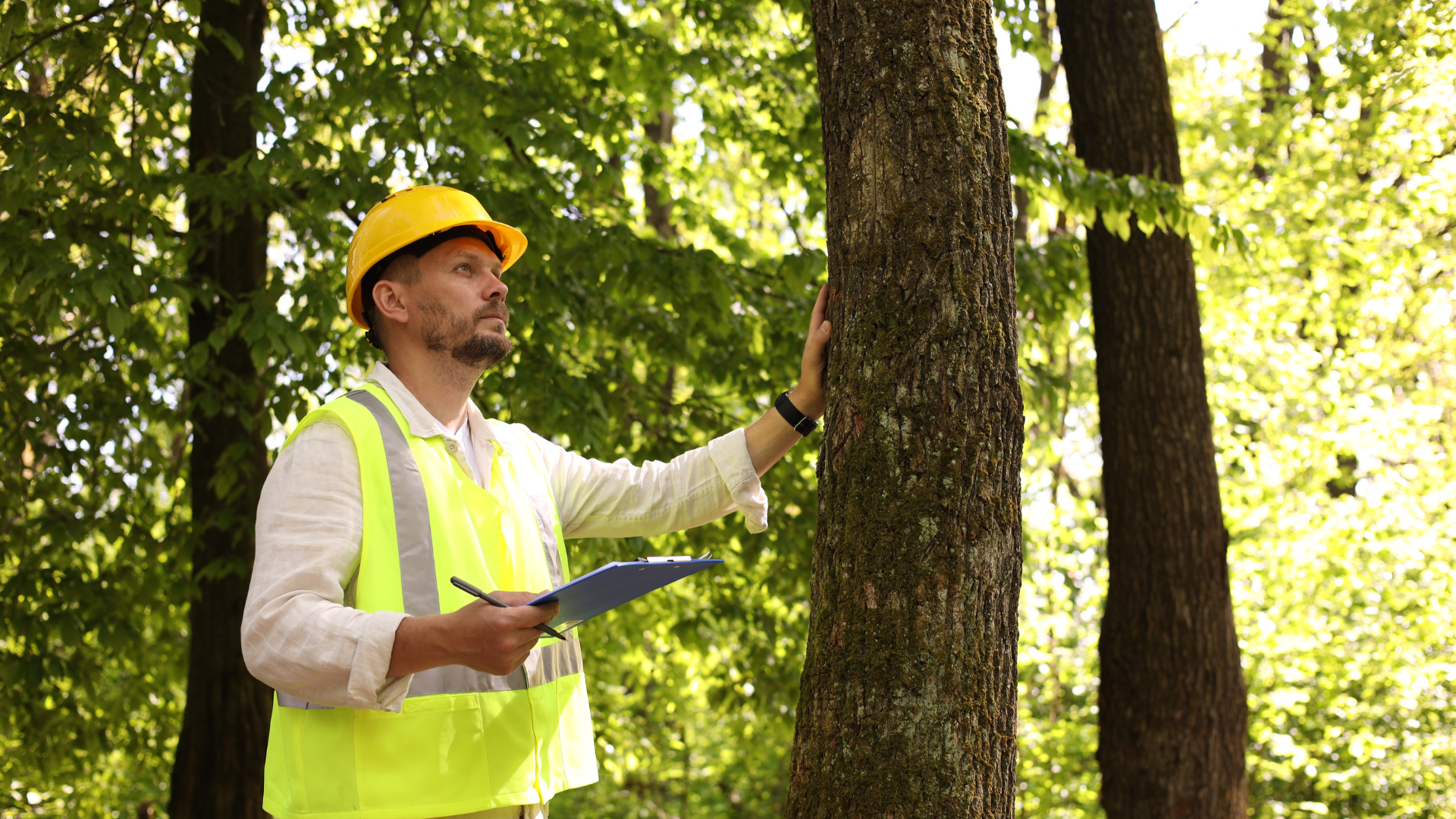
Midwest Tree Surgeons provides professional tree inspections, pruning, plant health care, risk assessment, and removal when necessary. If you have noticed sunken bark, dead branches, unusual cracks, or other signs that may indicate a canker, contact Midwest Tree Surgeons for an evaluation. Identifying the cause early can help guide the right response and give valuable trees the best opportunity for continued health and stability.