What Sudden Branch Dieback Can Mean
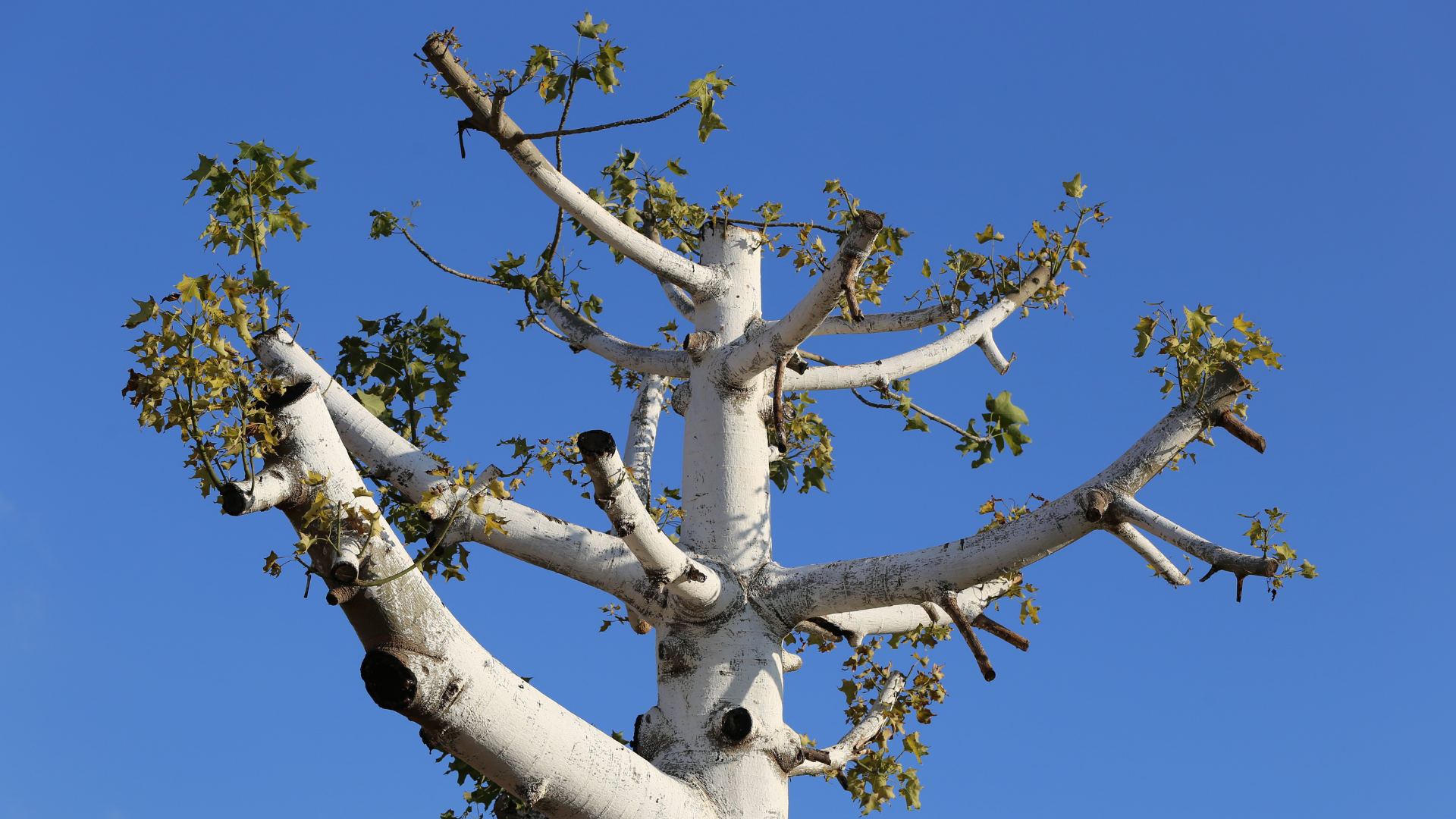
A tree can appear healthy overall and still develop a section of dead or dying branches. When branch dieback appears suddenly, especially in one part of the canopy, it can be a sign that something is interfering with the tree’s ability to move water and nutrients where they are needed.
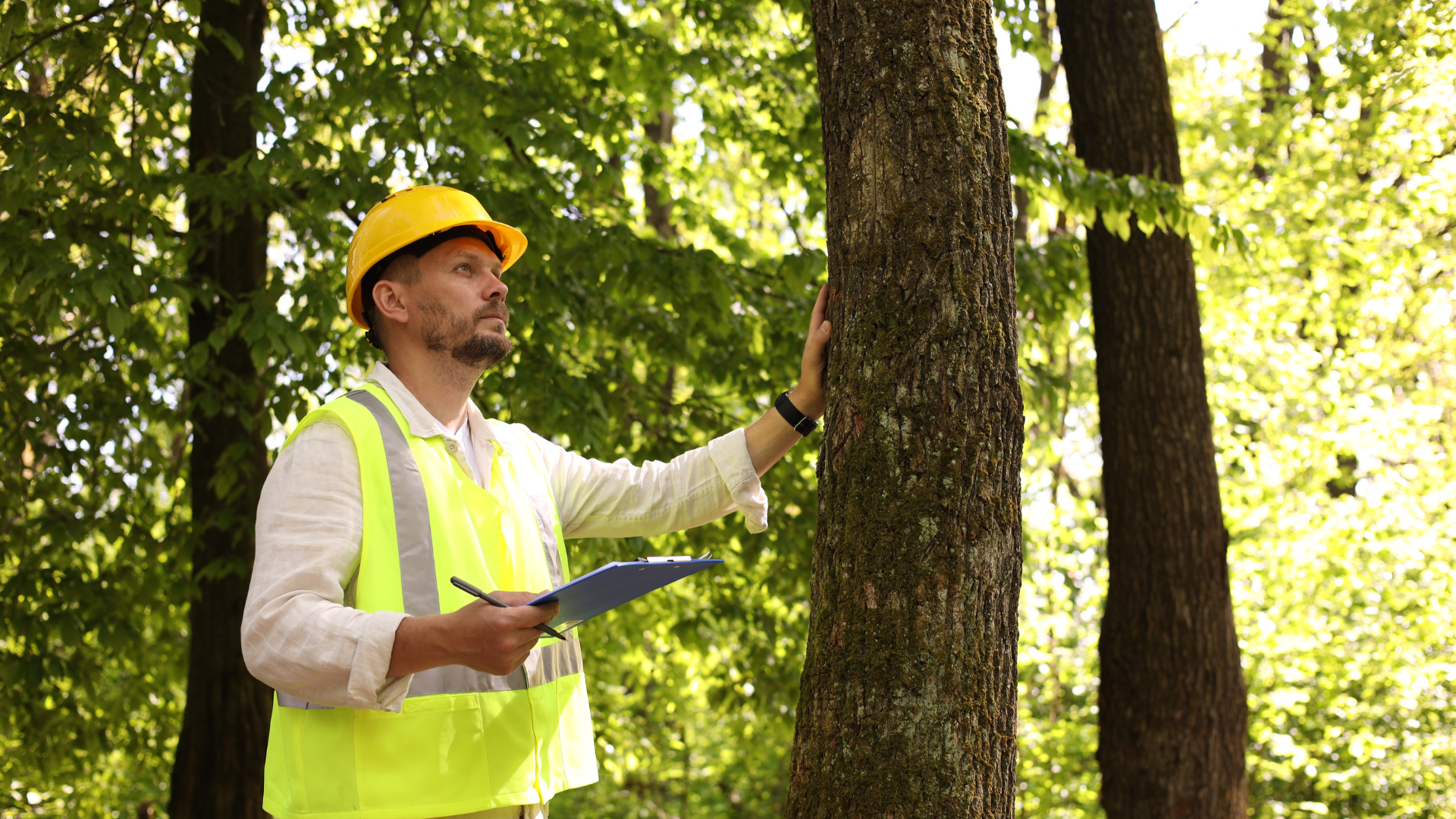
For homeowners, the important question is not simply whether a branch is dead, but why it died. Midwest Tree Surgeons evaluates tree health, structure,
pests, disease, and site conditions to help determine what may be causing the change.

Dieback Can Start With Root Stress
Problems in the canopy often begin below ground.
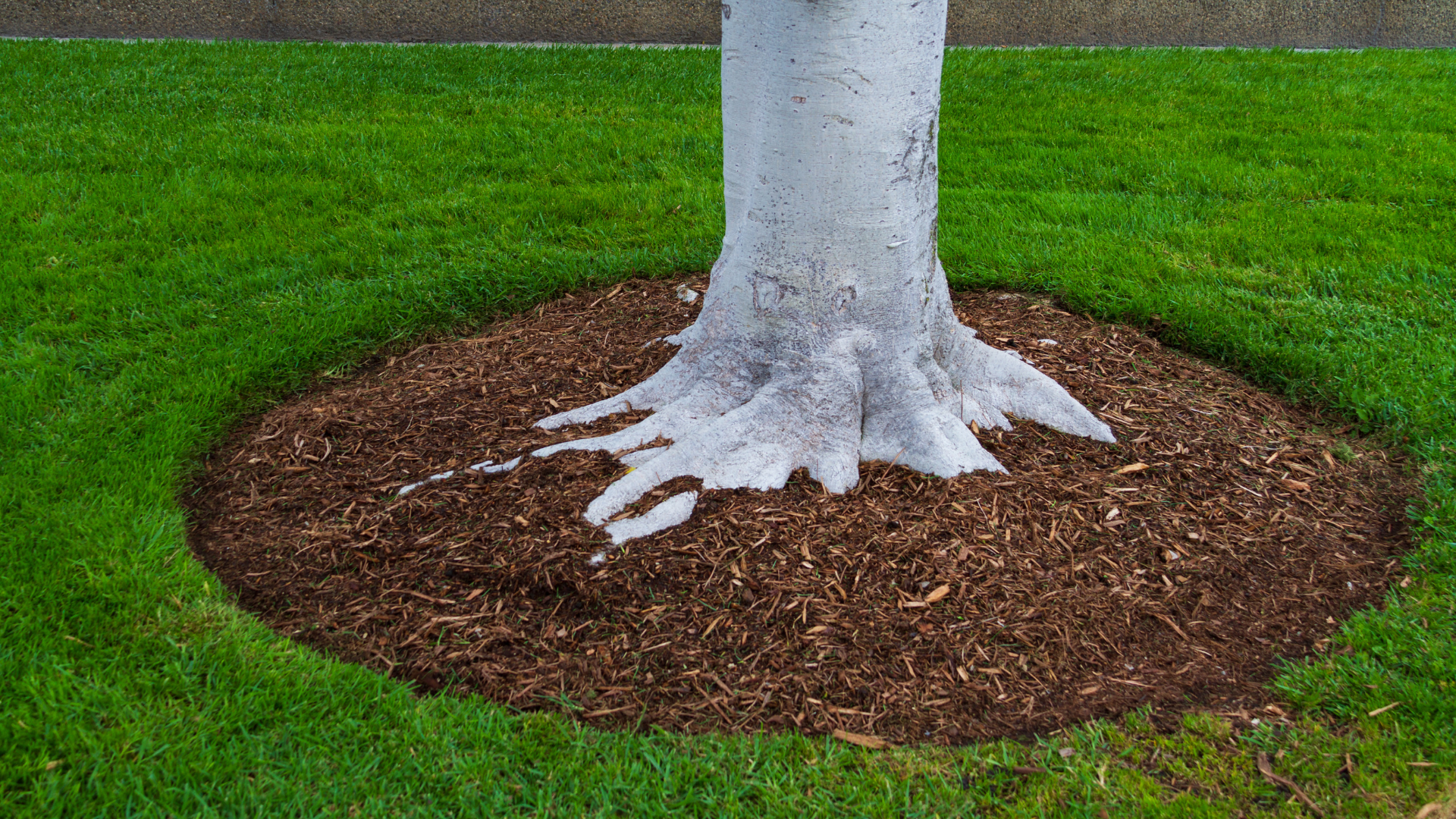
Compacted soil, poor drainage, root damage, drought, overwatering, or construction activity can all place stress on a tree’s root system. When roots are unable to absorb enough water and nutrients, the tree may begin reducing growth in parts of the canopy.
Smaller twigs and outer branches may die first because the tree can no longer support all of its existing growth.
This is one reason sudden
branch dieback should not automatically be treated as a pruning issue alone.

Insects Can Interrupt Water Movement
Certain insects damage the tissues responsible for moving water and nutrients through the tree.
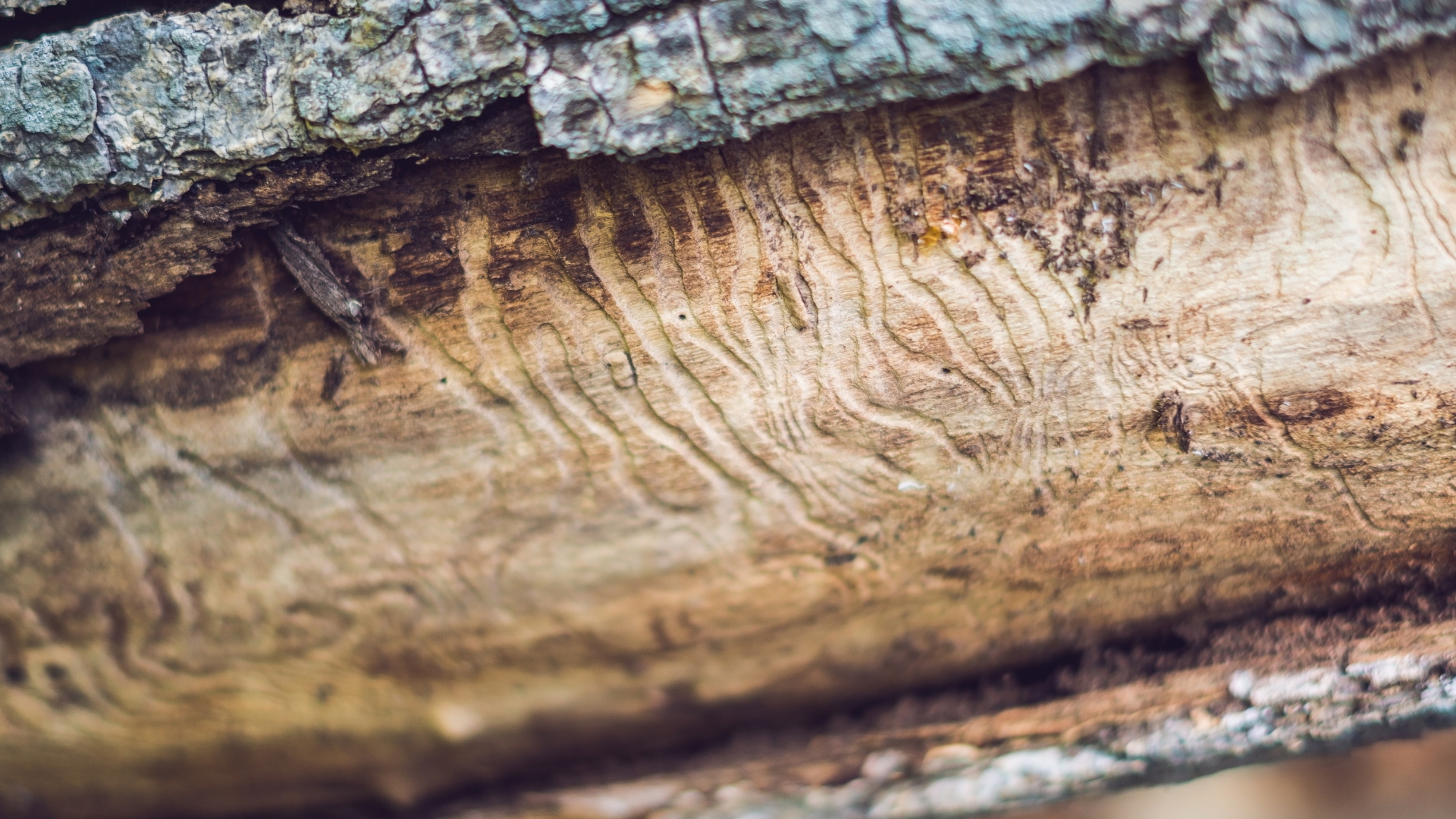
Borers are a good example. Some species tunnel beneath the bark and disrupt vascular tissue, weakening branches or entire sections of the canopy. Emerald ash borer, two-lined chestnut borer, and various bark beetles can all cause dieback in susceptible trees.
The pattern of damage can provide useful clues.
Small exit holes, thinning foliage, bark splitting, unusual sawdust-like material, or increased woodpecker activity may indicate insect activity.
Correct identification is important because treatment options differ considerably depending on the pest involved.

Disease Can Kill Individual Branches
Fungal and bacterial diseases can also cause sections of a tree to decline.
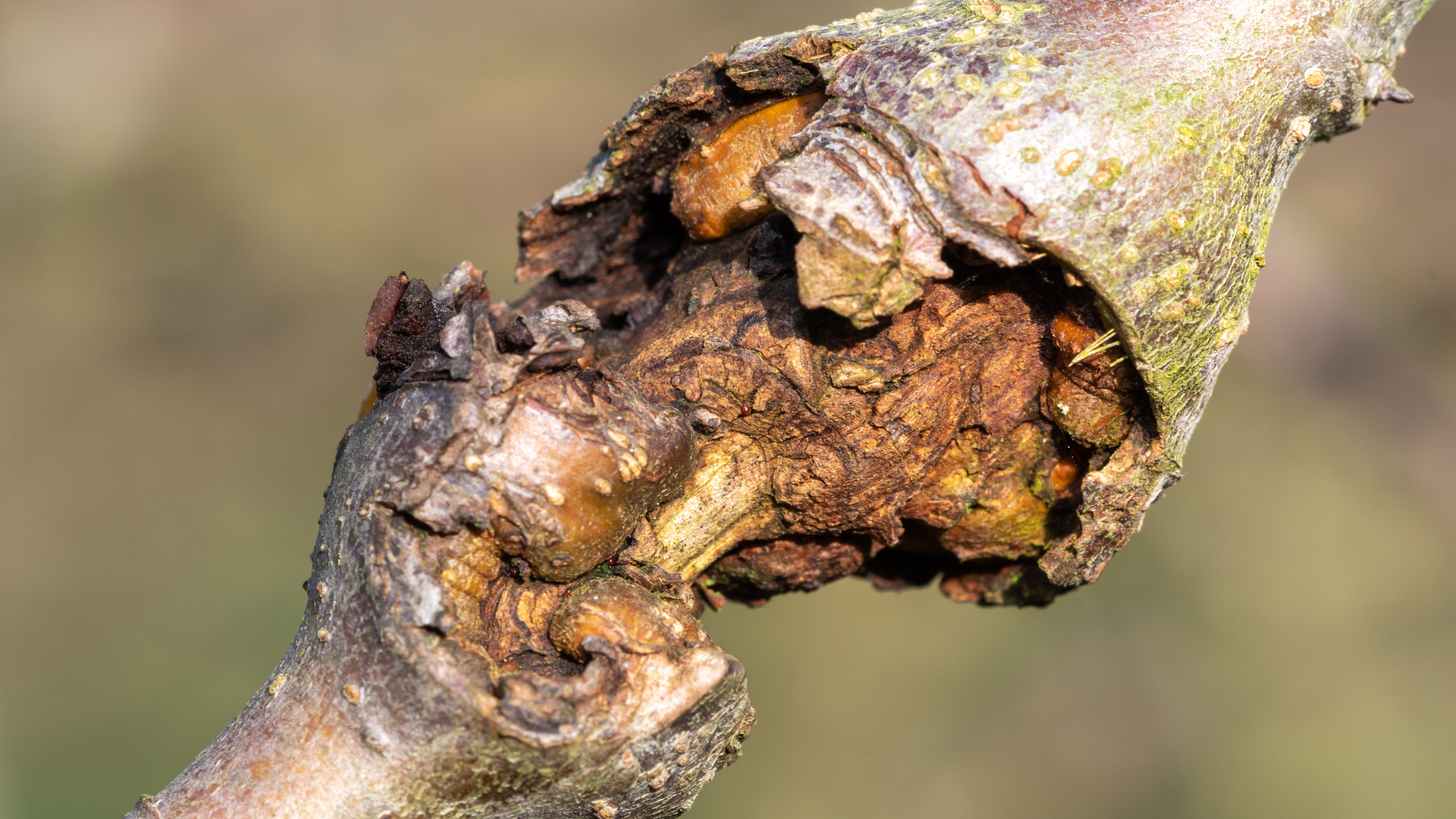
Cankers may damage bark and underlying tissues, eventually cutting off water movement to everything beyond the affected area. Some vascular diseases can interfere with water transport inside the tree and cause leaves or branches to wilt rapidly.
In other cases, disease progresses slowly and produces scattered dieback over several seasons.
Because symptoms can overlap with drought, root damage, or insect problems, diagnosis should be based on the whole tree rather than one dead branch.

Physical Damage May Be the Cause
Branches can also die because of injuries.
Storm damage, previous pruning cuts, rubbing branches, equipment strikes, or cracks at branch unions may interrupt the flow of water and nutrients.
Some structural injuries remain hidden for a long time before foliage begins to decline.
A branch that dies after a major storm may have suffered internal damage even if it never broke completely. Likewise, branches with weak attachments may slowly decline after repeated movement in wind.

Look at Where the Dieback Appears
The location of dead branches can help narrow the possibilities.
Dieback scattered throughout the canopy may point toward a broad stress affecting the entire tree, such as drought, root decline, or soil problems.
Damage concentrated on one side may suggest localized root injury, construction activity, trunk damage, or environmental exposure.
A single dead limb may simply be the result of an isolated injury, while rapid dieback across multiple large branches deserves closer attention.
Patterns matter.

Dead Branches Can Become a Safety Concern
Once a branch dies, the wood gradually loses strength.
Dead limbs can eventually break during wind, storms, or even calm conditions. The risk becomes more important when branches extend over homes, driveways, sidewalks, play areas, or other frequently used spaces.
Professional deadwood removal can reduce that immediate hazard, but removing the branch does not necessarily solve the underlying health problem.
If the cause of the dieback remains active, additional branches may decline later.

Early Evaluation Can Help Protect the Tree
Sudden branch dieback does not always mean a tree needs to be removed.
In some cases, correcting soil conditions, addressing pests or disease, improving pruning, or reducing other sources of stress may help preserve the remaining tree.
In other situations, extensive decay, vascular disease, severe root damage, or widespread decline may make removal the safer long-term option.
The earlier the cause is identified, the more options may be available.

Find the Cause Before the Problem Spreads
Dead branches are a symptom, not a diagnosis. Root stress, insects, disease, structural damage, drought, and other factors can all produce similar visible results.
Midwest Tree Surgeons provides professional tree health evaluations, pruning, pest and disease assessment, risk evaluation, and tree removal when necessary. If a tree on your property has suddenly developed dead or dying branches, contact Midwest Tree Surgeons for an evaluation. Identifying the reason behind the dieback can help determine whether the tree needs targeted care, corrective pruning, monitoring, or removal.