Why Fungal Growth on the Trunk Deserves Attention
Mushrooms or other fungal growth on a tree trunk can look harmless, especially if the tree still has a full canopy.
But fungal growth can sometimes be a sign that wood inside the tree is beginning to decay.
That does not mean every mushroom automatically makes a tree dangerous. It does mean the tree deserves a closer look, particularly when the fungus is growing directly from the trunk, root flare, or a large structural root.
For homeowners, recognizing that warning sign early can make it easier to evaluate the tree before a hidden problem becomes more serious.
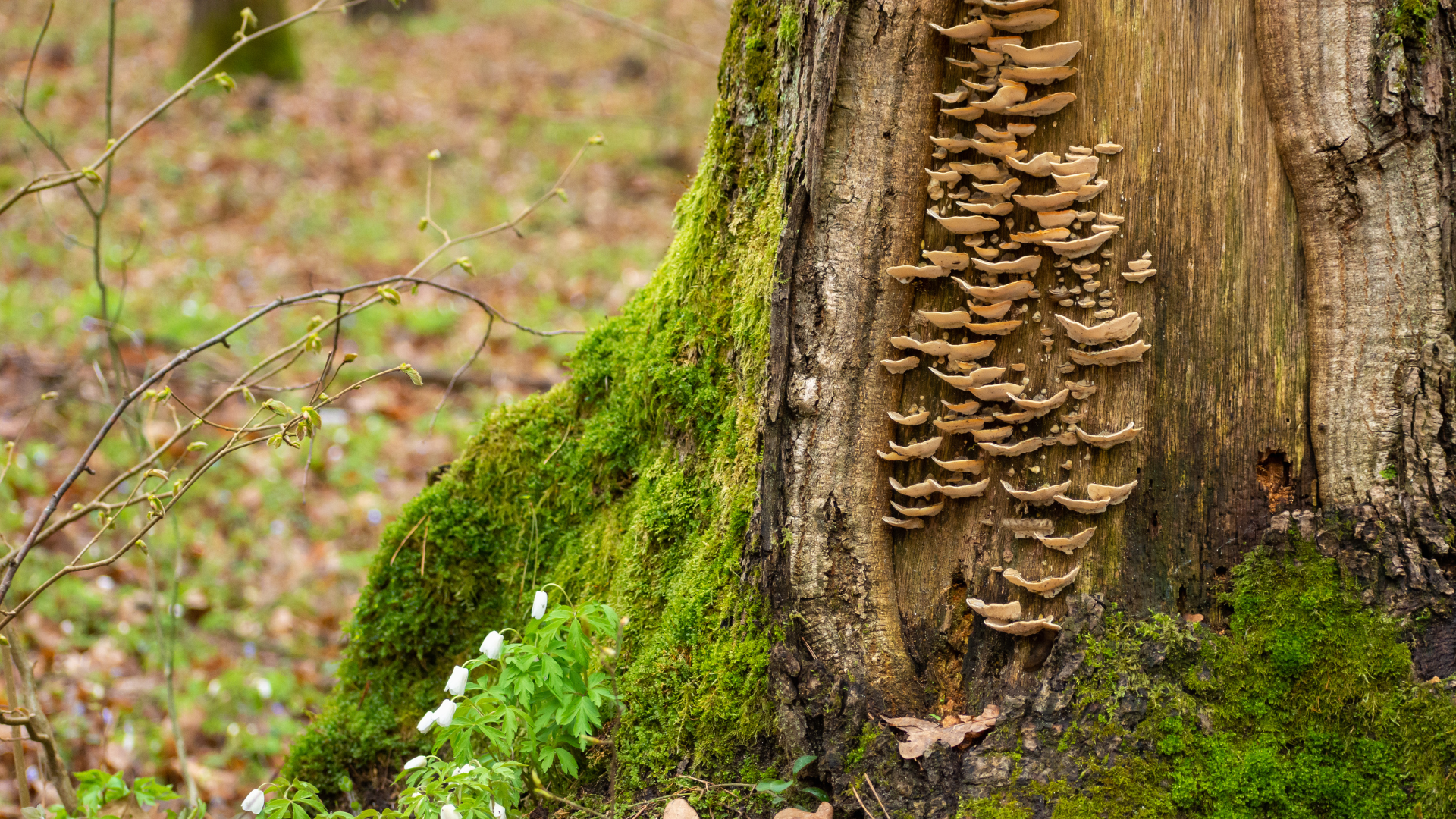
Fungi Often Grow Where Wood Is Breaking Down
Many fungi feed on dead or decaying organic material.
When fungal structures appear on a living tree, they may indicate that part of the wood has already been compromised.
The visible mushroom, conk, or bracket is only the reproductive structure. Much of the fungus may be developing inside the wood where it cannot be seen.
That is one reason simply removing the visible growth does not solve the underlying issue.
The more important question is what is happening inside the trunk or roots.
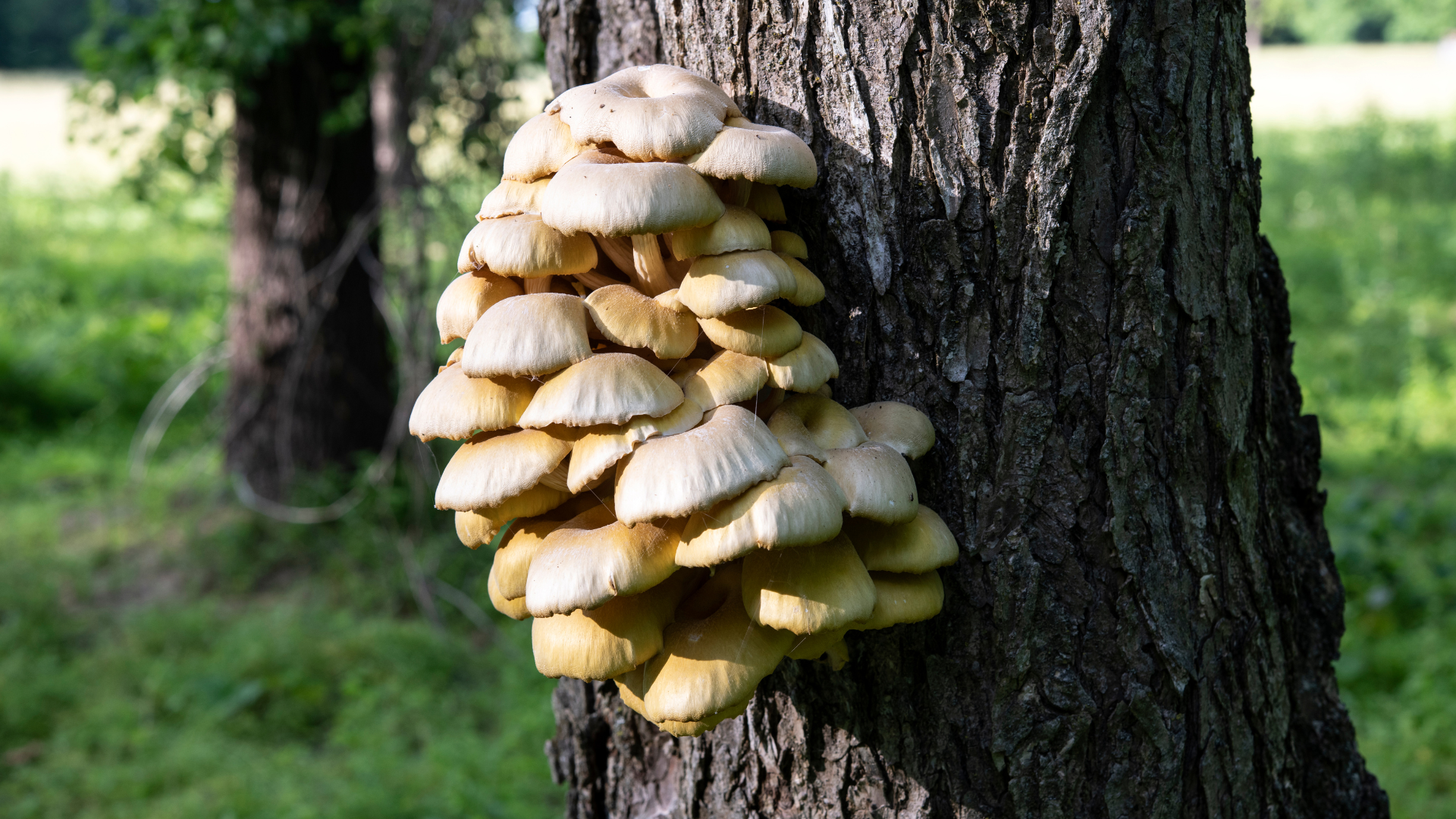
Location Matters
Where the fungus appears can provide useful clues.
Growth around the root flare or base of the trunk may raise concerns about root or lower-stem decay.
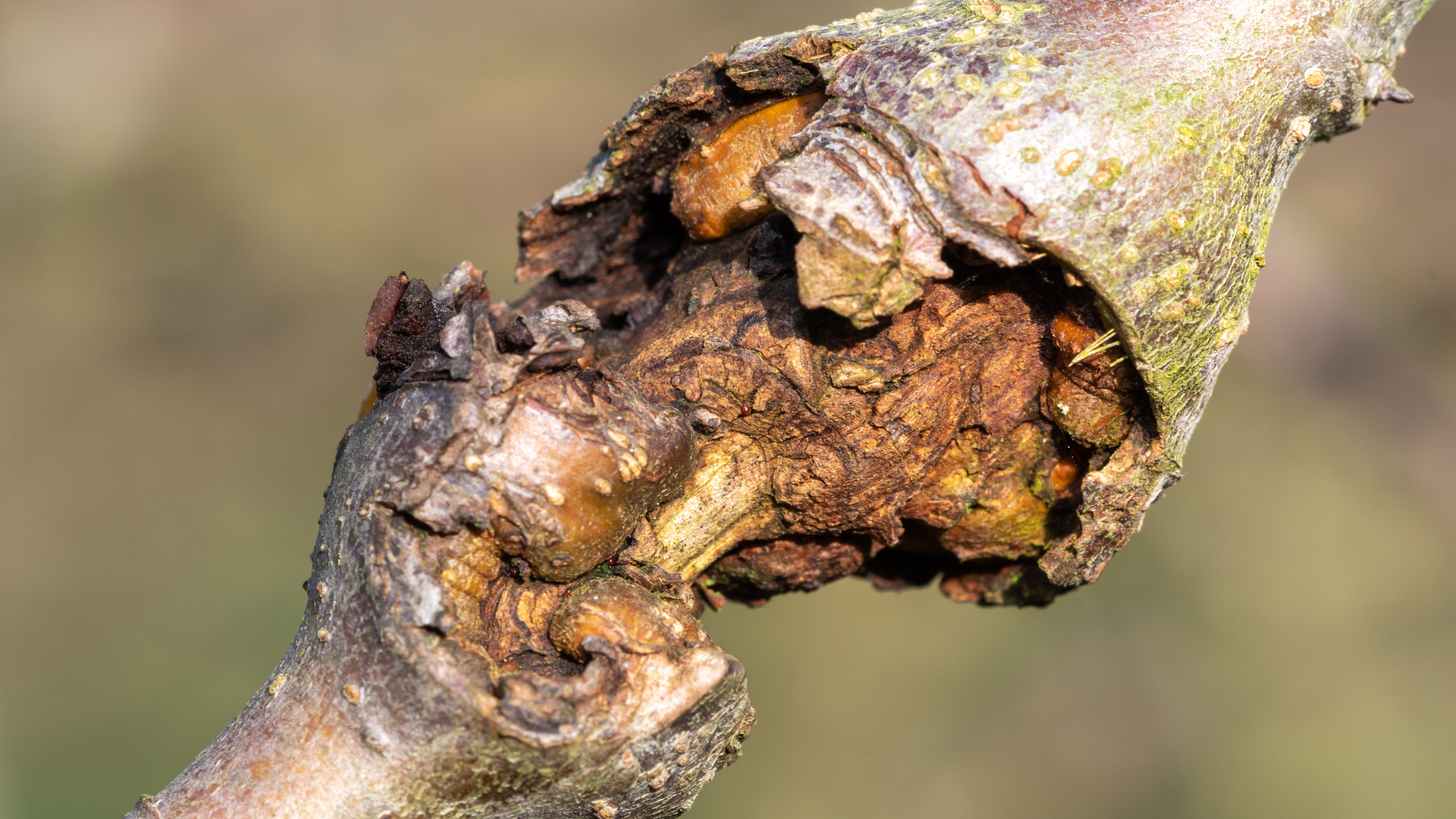
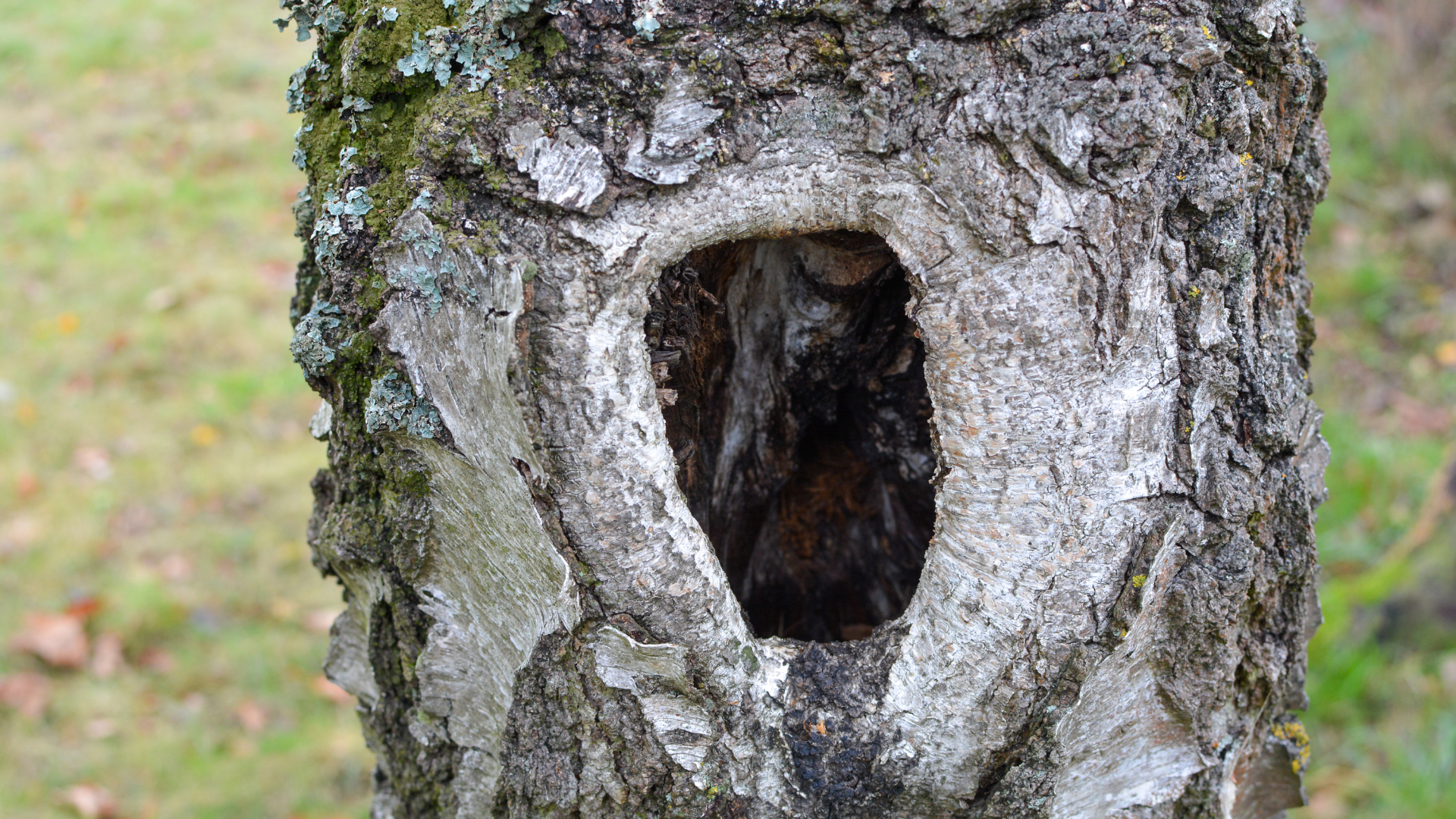
Fungal growth emerging from an old pruning wound, cavity, or damaged section of trunk may point toward localized decay.
Conks appearing higher on the trunk or on a large branch can indicate deterioration in that particular area.
The location, species of fungus, tree species, and overall condition of the tree all matter when evaluating risk.
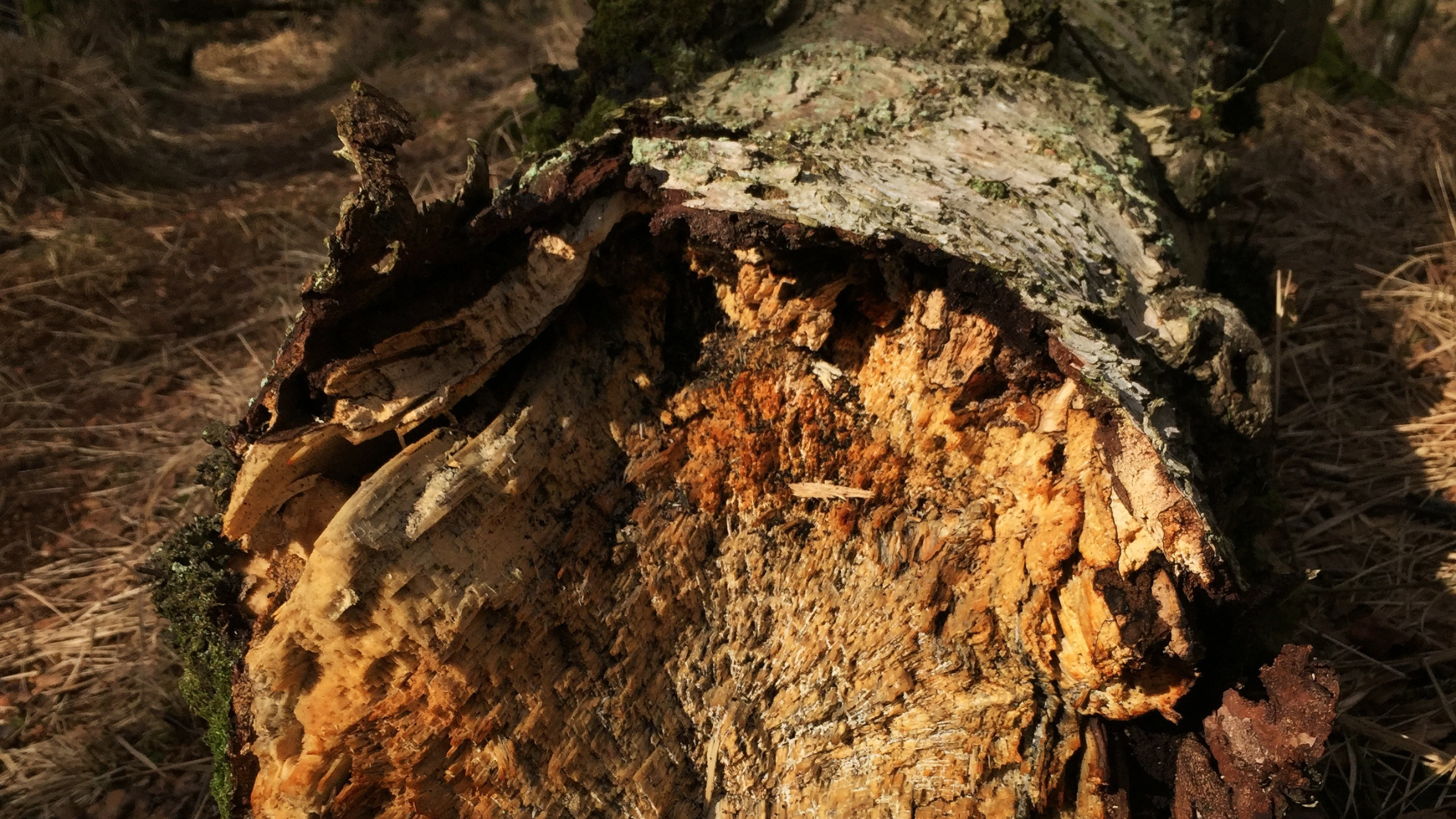
Decay Can Affect Structural Strength
Trees can continue to produce leaves even when internal wood is deteriorating.
That is what makes decay difficult to judge from appearance alone.
The outer living tissues may still be functioning while the structural wood inside the trunk is weakening.
Over time, decay can reduce the amount of sound wood available to support the weight of the tree.
If the affected area is near the base, a major branch union, or another structural point, the concern may be greater.
Wind, snow, or saturated soil can then place additional stress on a weakened tree.
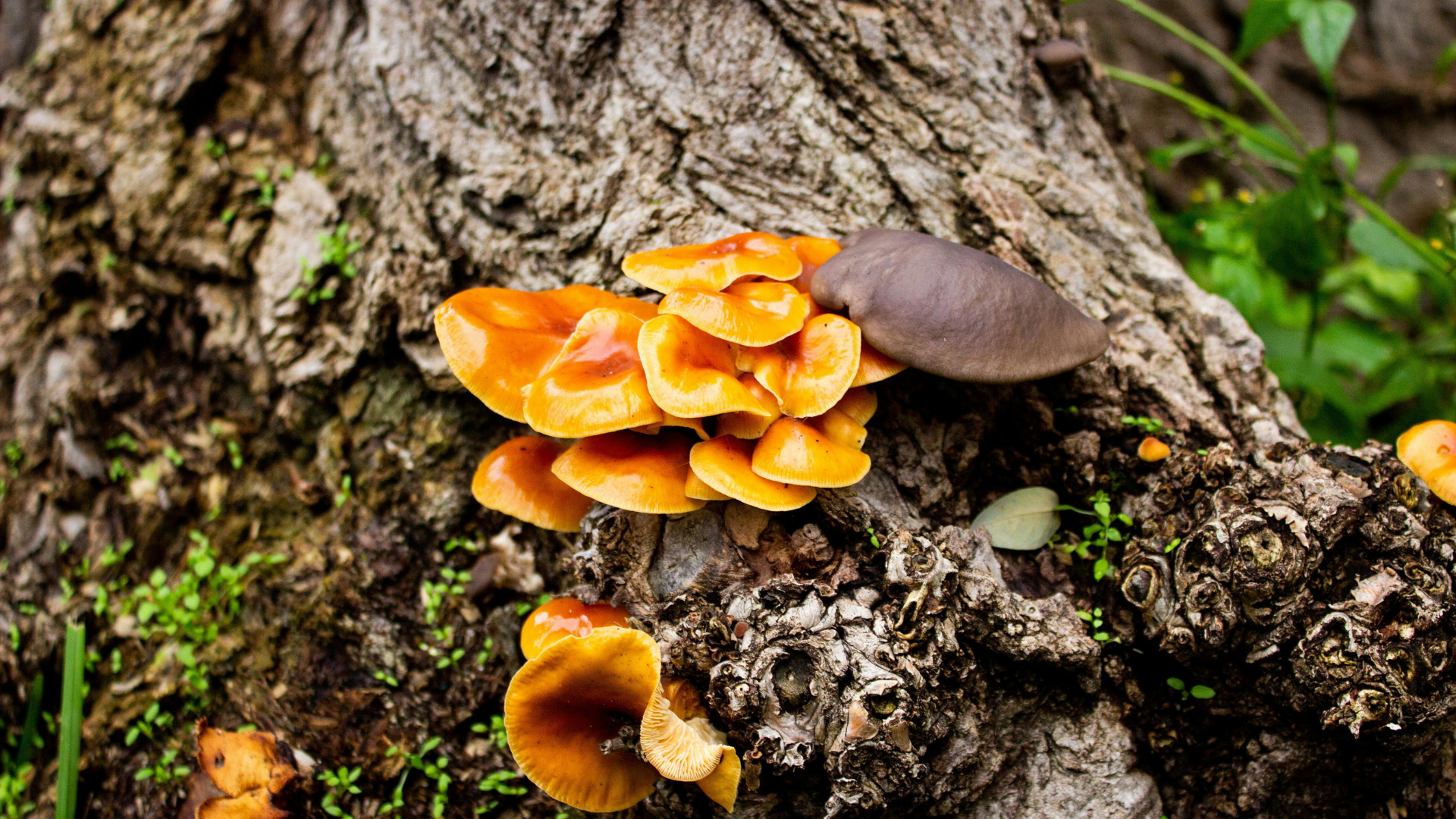
Not Every Fungus Means Immediate Removal
Seeing mushrooms on a tree does not automatically mean it needs to come down.
Some fungal growth is associated with dead surface tissue, old wounds, or decaying roots that may not immediately threaten the entire tree.
A mature tree with localized decay may still have years of useful life depending on its structure and condition.
This is where professional assessment becomes important.
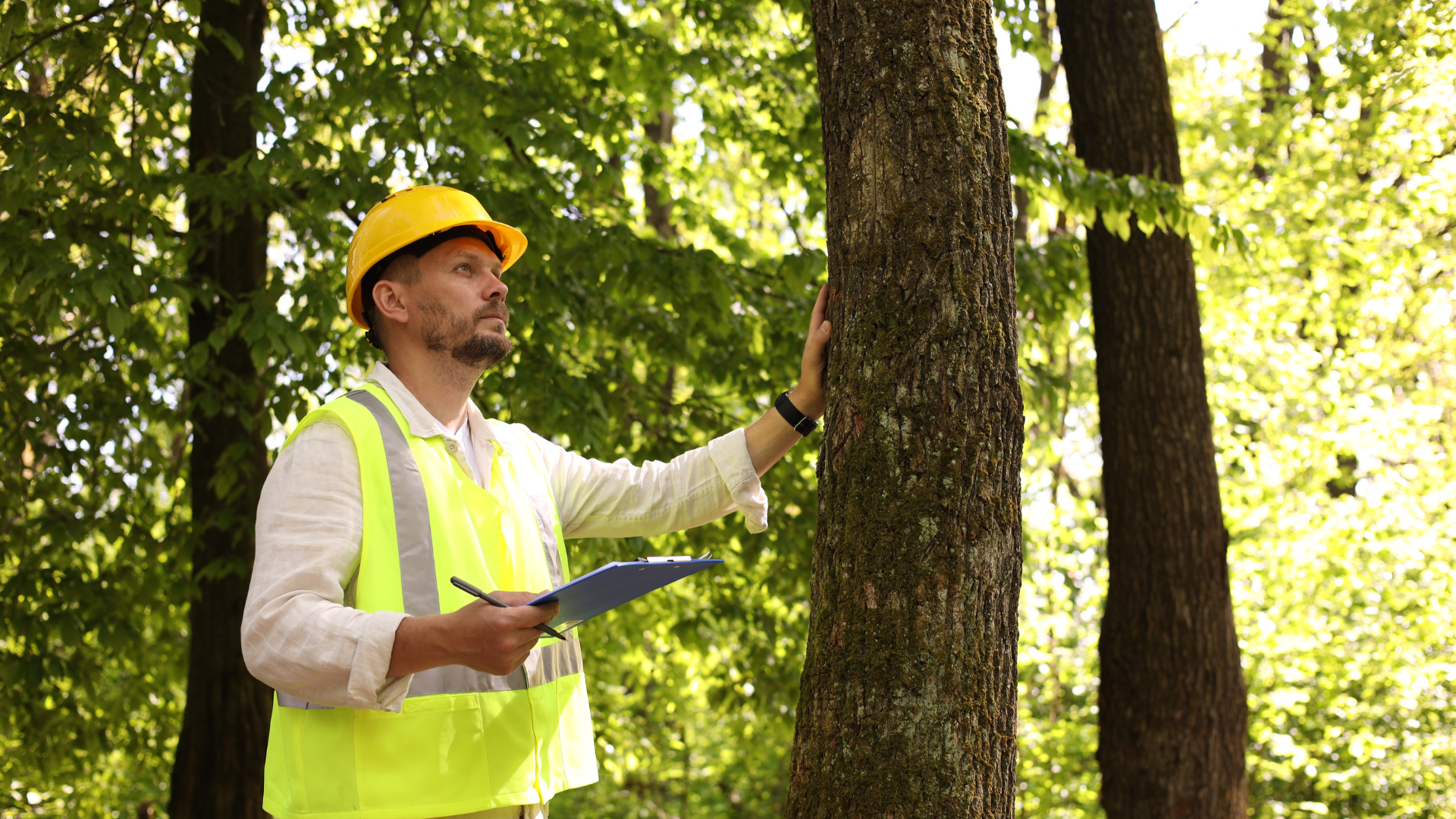
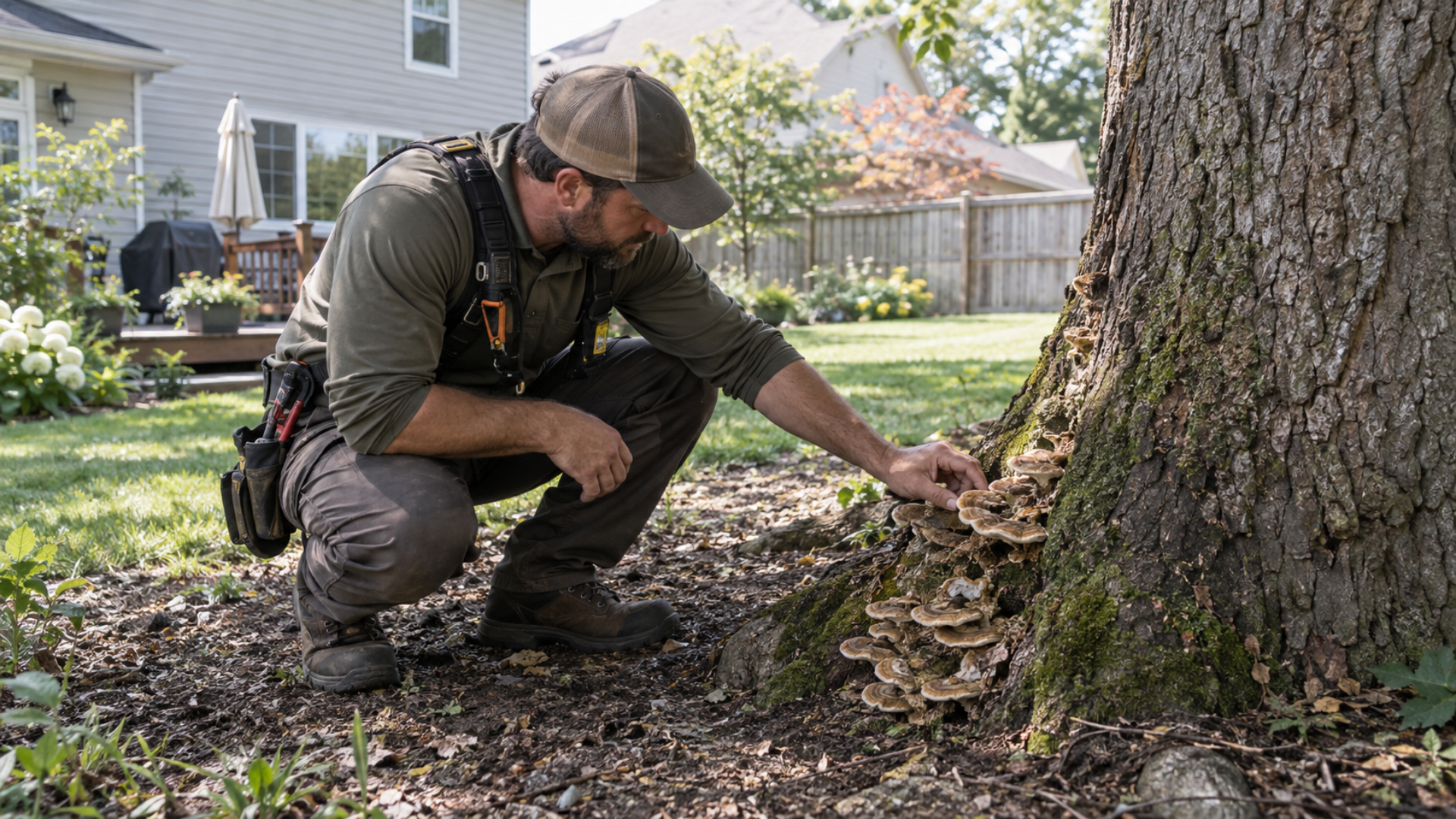
An experienced arborist can look at the extent of decay, remaining sound wood, canopy condition, root stability, trunk defects, and the potential consequences if part of the tree fails.
The goal should be to understand the level of risk, not assume the worst.
Other Warning Signs Should Be Considered
Fungal growth becomes more concerning when it appears alongside other symptoms.
Those may include:
- Cracks in the trunk
- Hollow areas or cavities
- Loose or peeling bark
- Significant deadwood
- Sudden canopy thinning
- Root damage
- A new or increasing lean
- Soil lifting near the base
- Large dead branches
Several warning signs occurring together may indicate a broader structural or health problem.
Timing Can Make a Difference
Fungal growth may appear only during certain weather conditions.
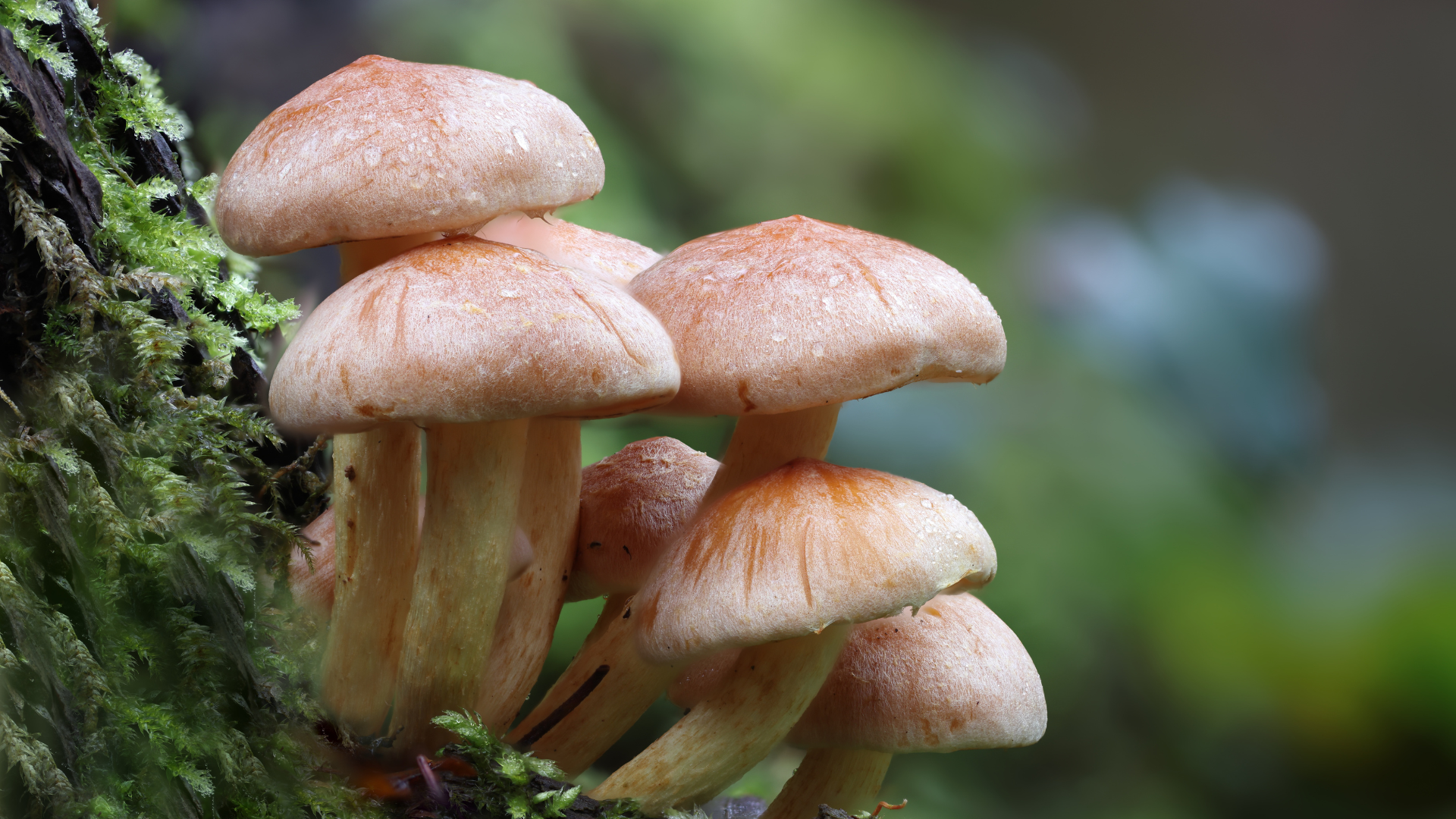
Mushrooms can emerge after wet periods and disappear quickly, which means homeowners may miss them.
If you notice unusual fungi growing from a trunk or root area, take photographs before they disappear.
Those photos can be useful during a later evaluation and may help with identification.
Seasonal inspections can also help track whether the condition is changing over time.
Have Suspicious Growth Evaluated
Fungal growth on a tree should not automatically cause panic, but it should not be ignored either.
It can be one of the few visible clues that hidden decay is developing beneath the surface.
Midwest Tree Surgeons provides professional tree care, pruning, removals, and risk assessment to help property owners understand what is happening before making major decisions.
If you notice mushrooms, conks, or unusual fungal growth on the trunk or roots of a tree, contact Midwest Tree Surgeons for an evaluation. A closer inspection can help determine whether the issue is minor, manageable, or a sign that the tree needs additional attention.