Why Some Trees Live for Hundreds of Years
Standing beneath a towering oak or sycamore, it is easy to appreciate a tree’s size. What is less obvious is its age. Many of the mature trees found throughout Missouri and the greater American Midwest have been growing for generations, quietly enduring changing weather, shifting landscapes, and the passage of time. While no tree lives forever, some species possess remarkable longevity, allowing them to become living landmarks that connect communities with their natural history.
Understanding why certain trees live for centuries can help property owners appreciate the importance of proper tree care and preservation.
Built for the Long Haul
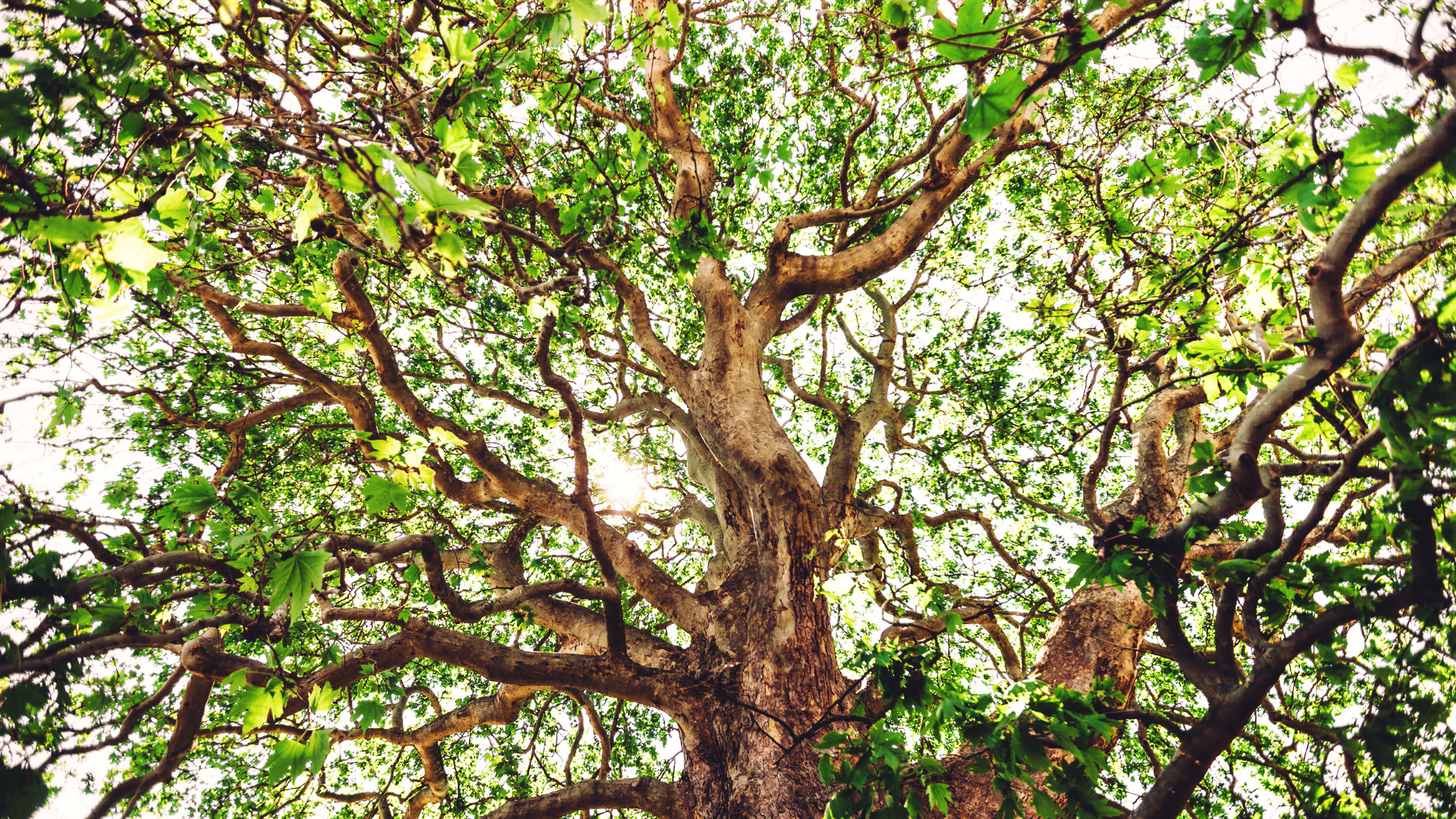
A tree’s lifespan depends on a combination of genetics, environmental conditions, and ongoing care. Some species simply grow more slowly and invest more energy in building dense, durable wood that resists decay and structural failure over time.
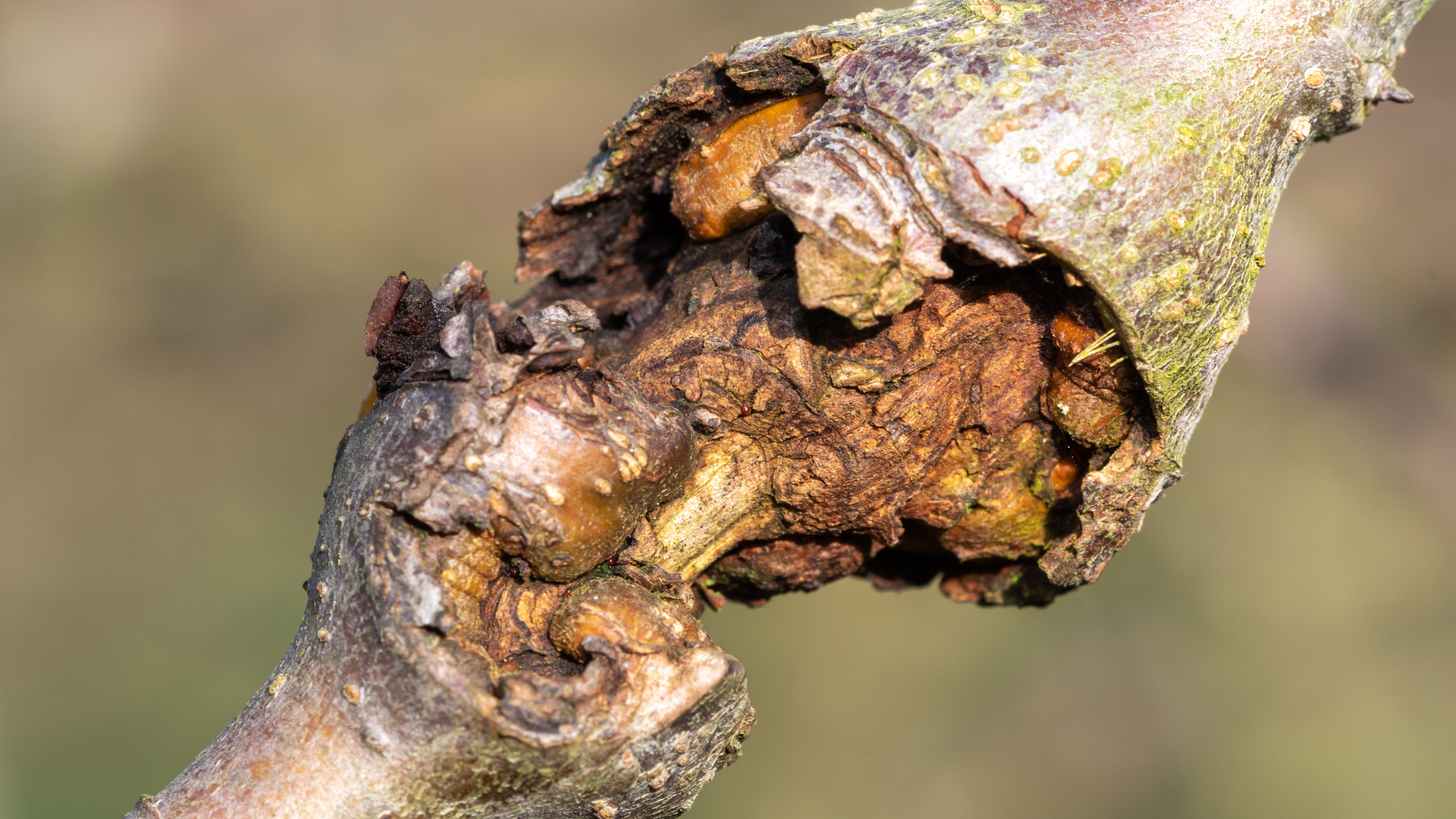
Healthy trees also benefit from strong root systems, balanced growth, and the ability to compartmentalize injuries. Rather than “healing” damaged wood the way people heal skin, trees isolate damaged or decaying tissue behind specialized barriers, helping prevent decay from spreading into healthy wood. This natural defense system allows many mature trees to survive injuries that might otherwise prove fatal.
The Midwest’s Longest-Living Trees
The American Midwest is home to several tree species capable of reaching extraordinary ages under favorable conditions.
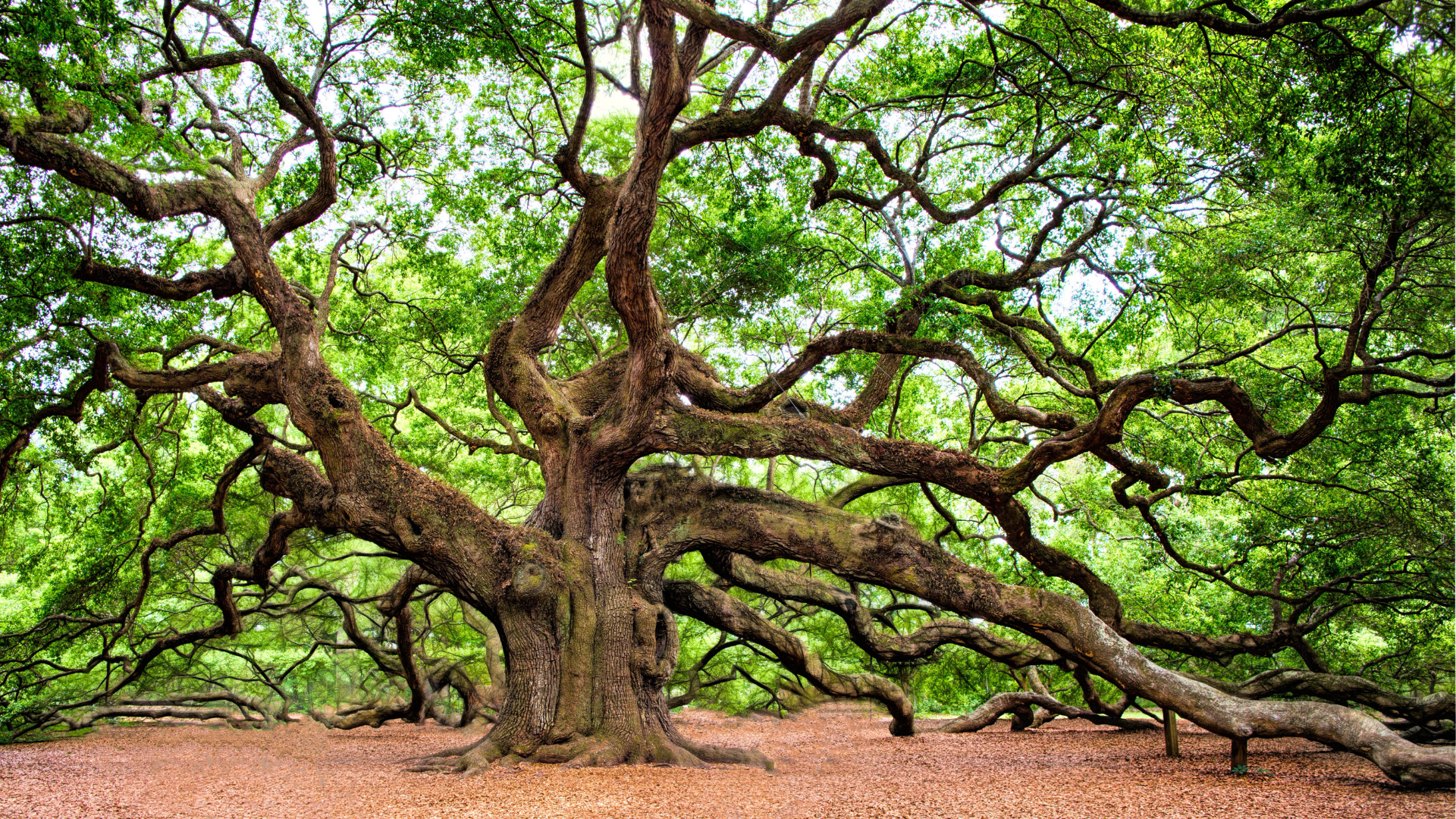
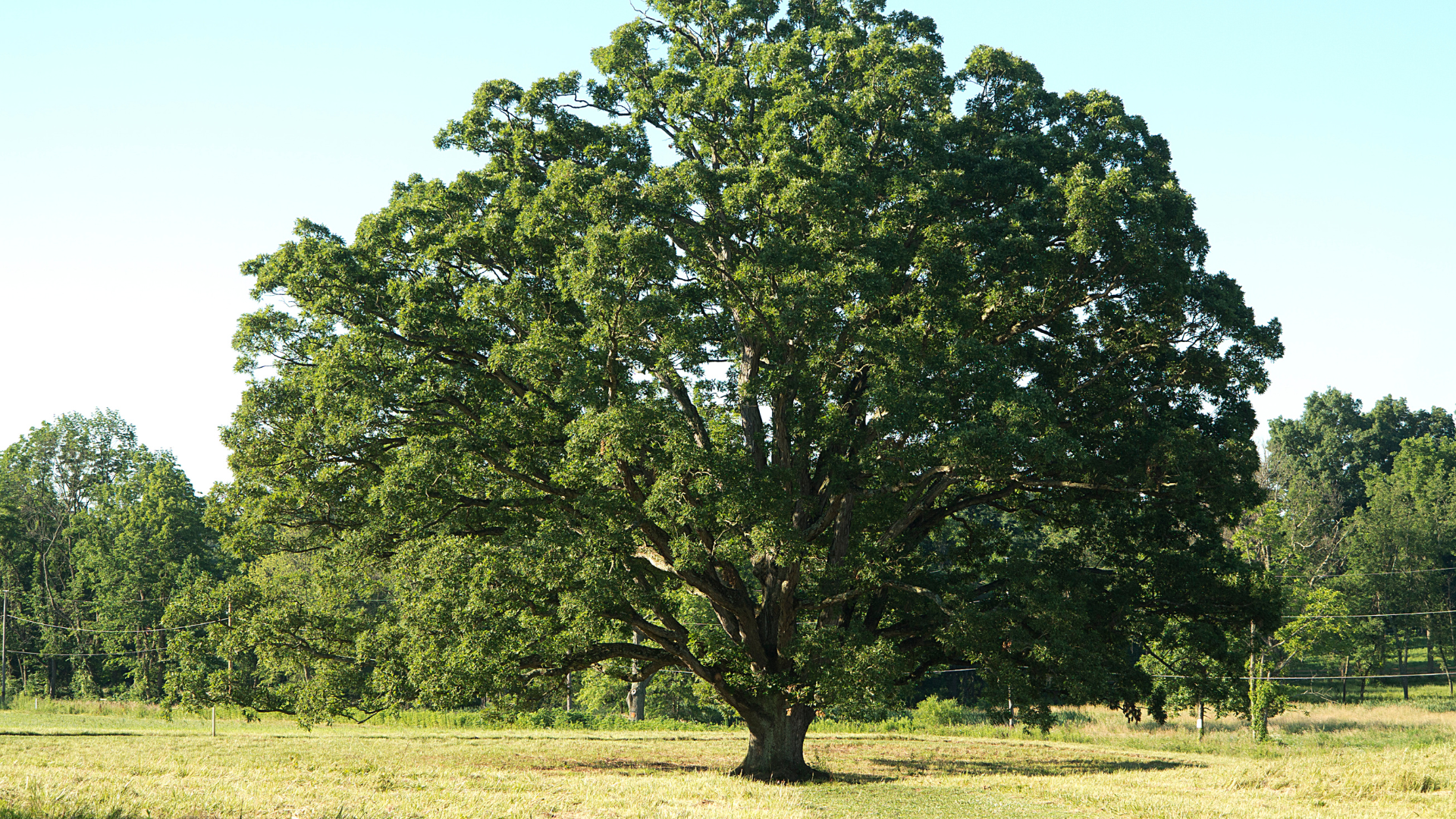
White oaks are among the region’s most iconic long-lived trees. It is not uncommon for healthy white oaks to live 300 to 500 years, with exceptional specimens surviving even longer. Many of the massive white oaks found throughout Missouri began growing long before modern cities and highways existed.
Bur oaks are another impressive example. Known for their thick bark and exceptional tolerance of drought, fire, and changing weather conditions, these hardy trees can also live for several centuries. Their resilience has helped them thrive across the Midwest’s diverse landscapes for generations.
Eastern cottonwoods, while fast-growing, generally have shorter lifespans than oaks. In contrast, bald cypress trees—found naturally in portions of southern Missouri and neighboring states—can survive for many hundreds of years when growing in suitable wetland environments. Some bald cypress specimens in the central United States are believed to be more than 1,000 years old, making them among the oldest living trees in the broader Midwest region.
American sycamores also deserve mention. Although they may not routinely match the longevity of white oaks or bald cypress, healthy sycamores can live well beyond two centuries while developing the massive trunks that make them one of Missouri’s most recognizable native trees.
What Threatens Long-Lived Trees?
Even trees with extraordinary life spans face numerous challenges.
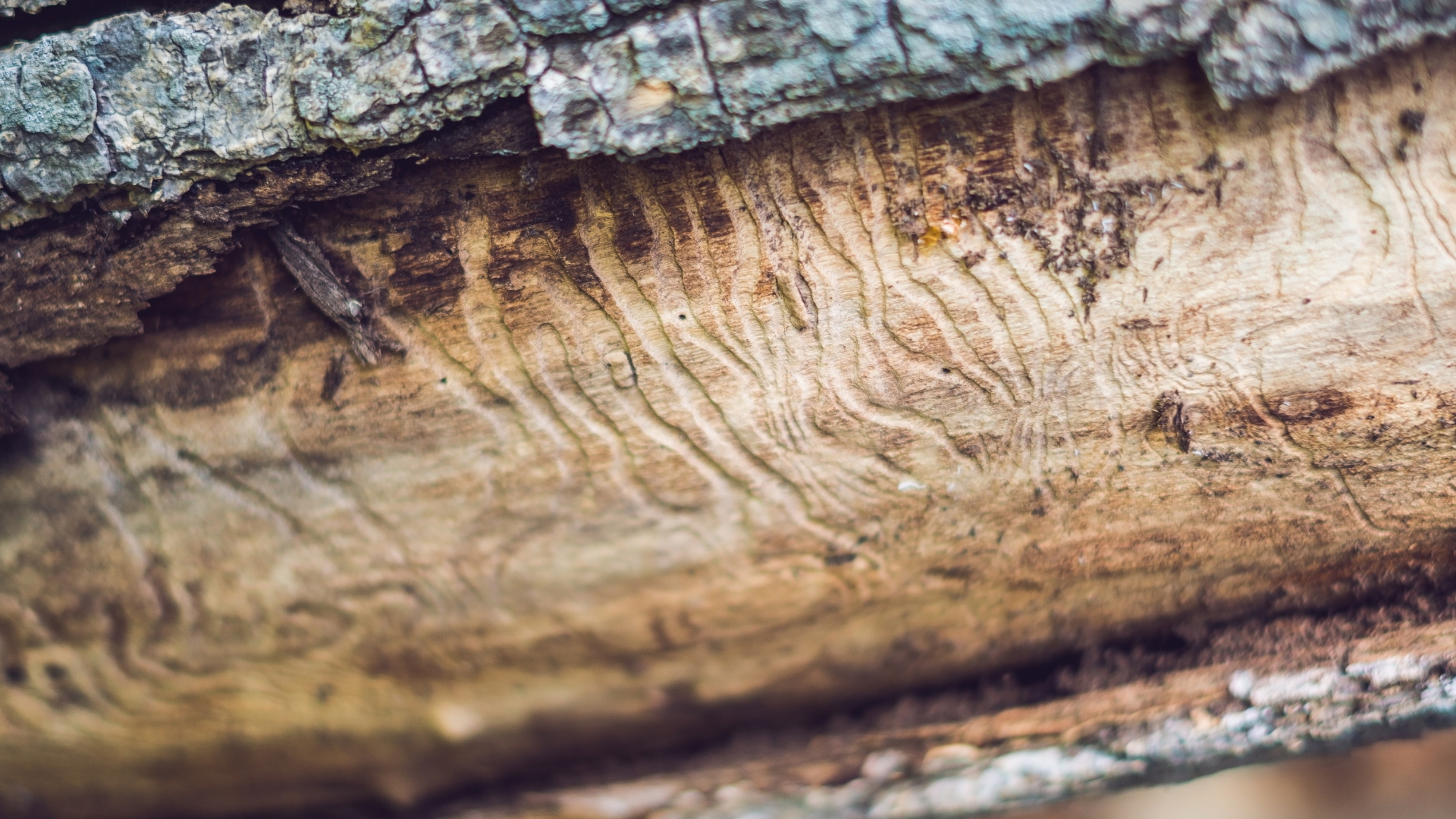
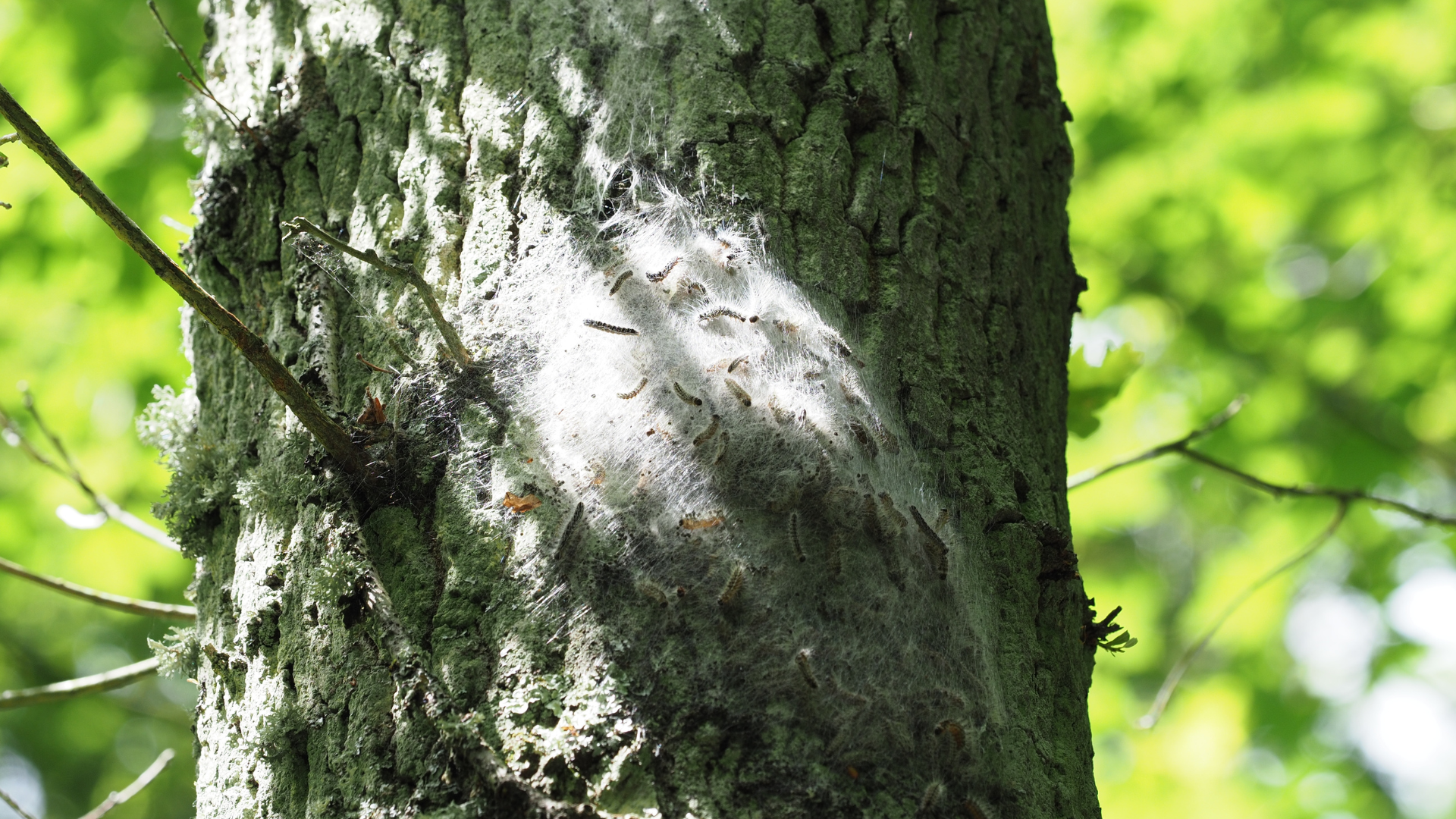
Construction damage, soil compaction, drought, invasive insects, fungal diseases, severe storms, and improper pruning can all shorten a tree’s life. Damage to a tree’s root zone is particularly concerning because roots provide both stability and access to water and nutrients.
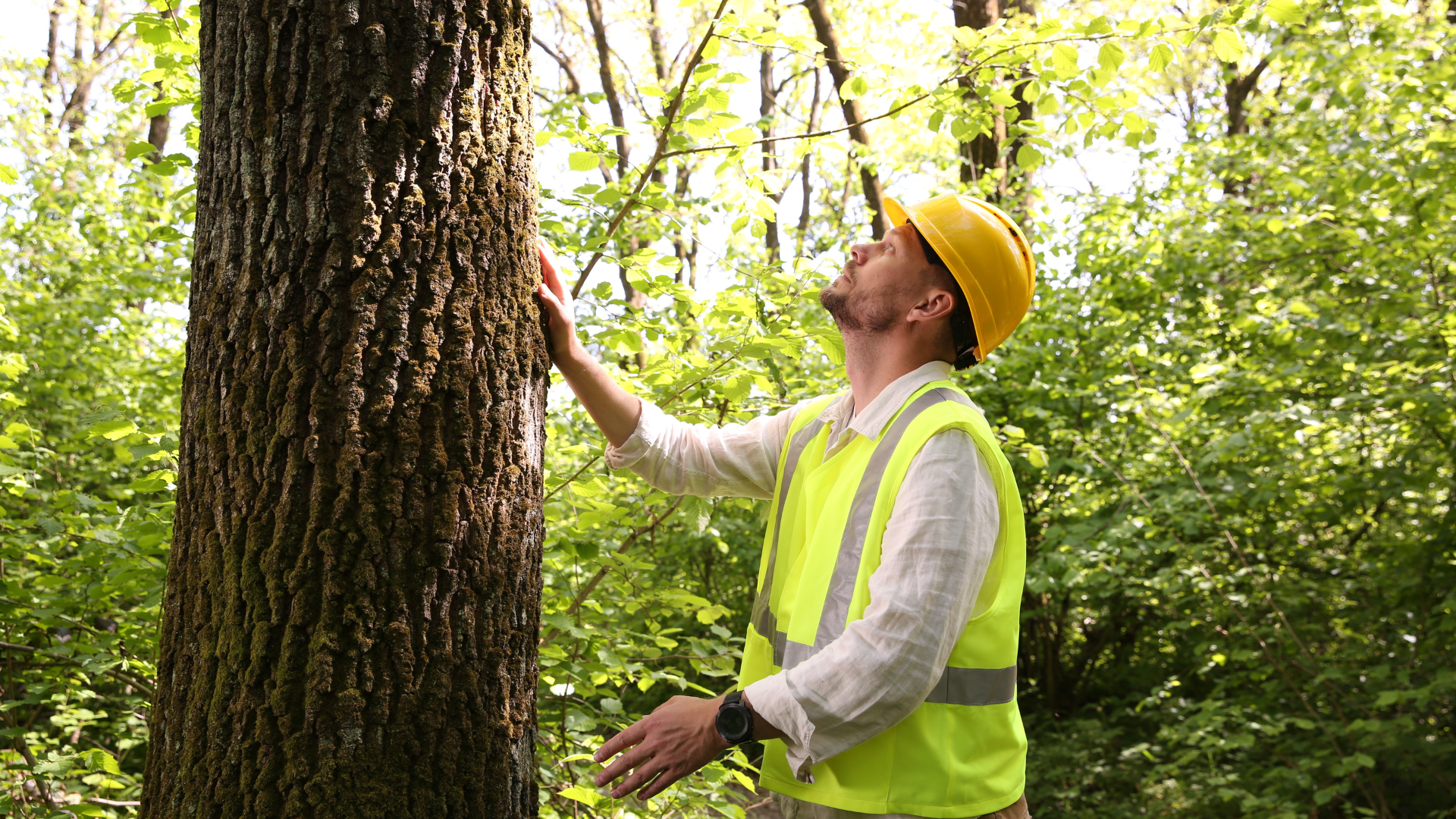
Fortunately, many problems can be identified before they become severe. Regular evaluations by certified arborists allow declining conditions to be recognized early, giving valuable trees the best opportunity to remain healthy for decades to come.
Caring for Trees That May Outlive Us
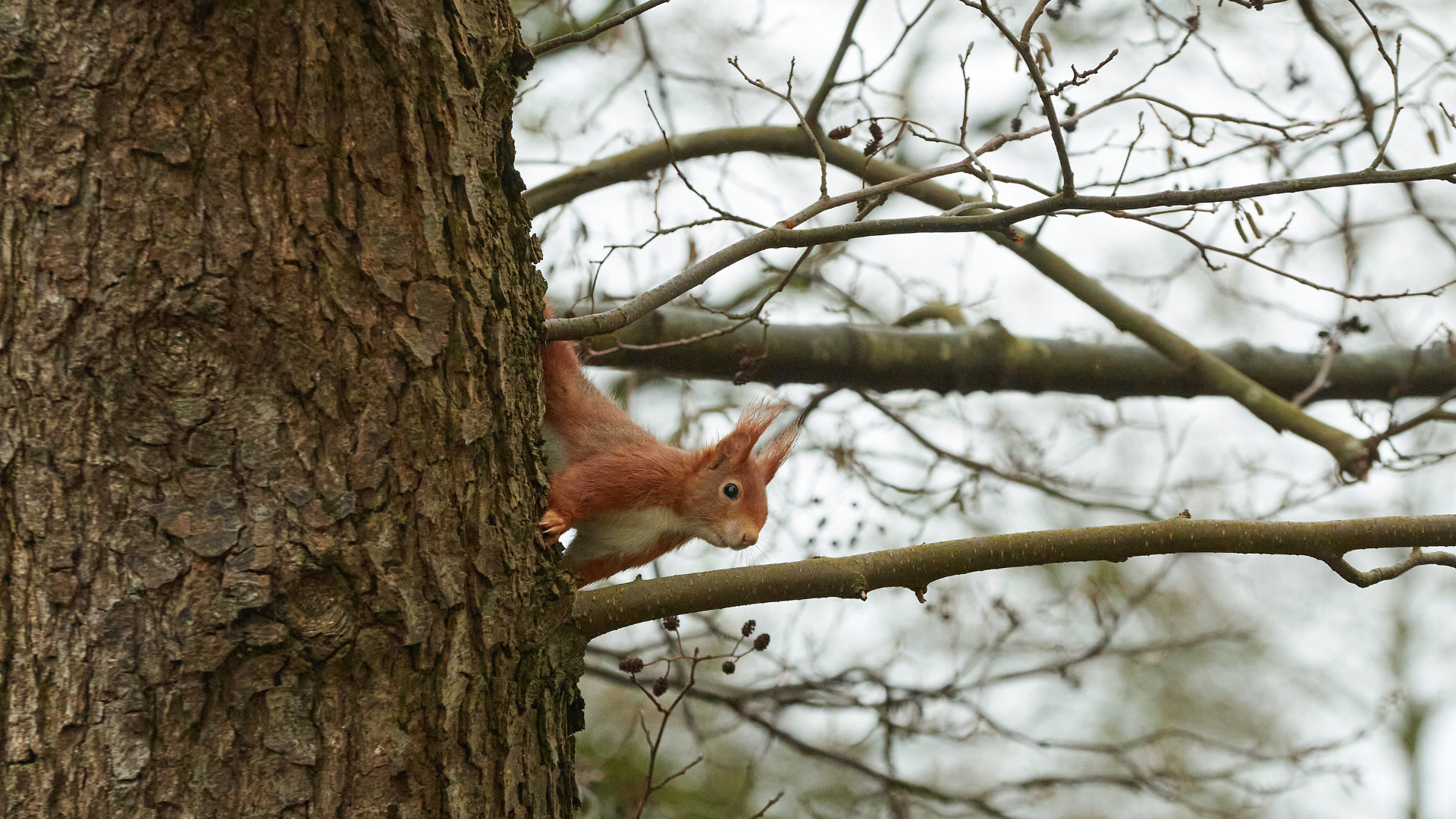
One of the most remarkable aspects of mature trees is that they often outlive the people who plant them. A healthy oak established today may continue providing shade, wildlife habitat, and beauty for centuries.
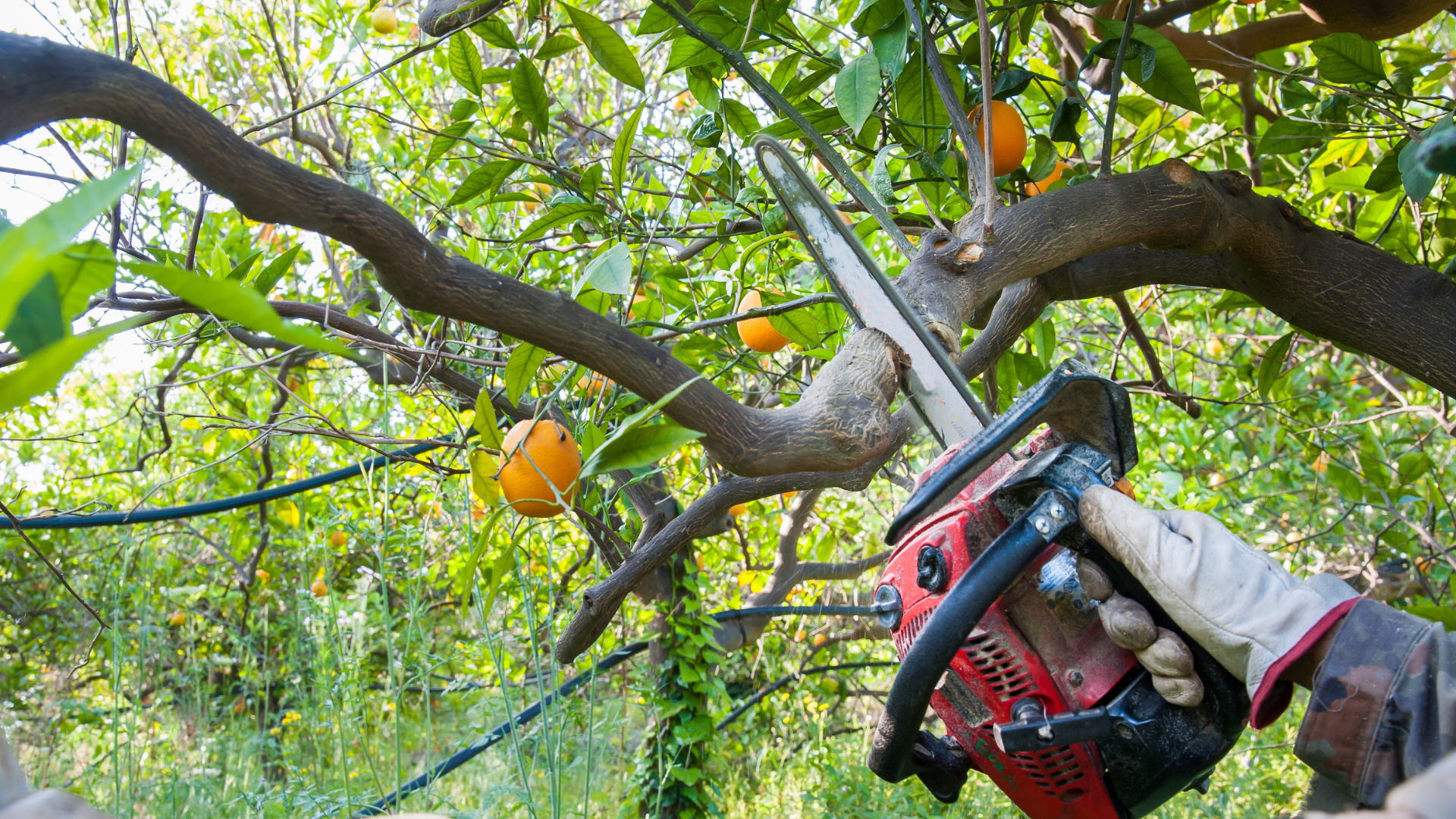
Protecting these trees requires thoughtful care throughout every stage of their lives. Proper pruning, adequate watering during periods of drought, protecting root systems during construction projects, and monitoring for signs of disease or structural concerns all contribute to long-term health.
Preserving Living History
Some of the oldest trees in the American Midwest have witnessed centuries of history while continuing to strengthen the landscapes around them. Their remarkable longevity reminds us that healthy trees are more than landscape features—they are living investments that benefit future generations.
At Midwest Tree Surgeons, our certified arborists are committed to helping homeowners preserve healthy, mature trees whenever possible. Whether you have a centuries-old oak, a stately sycamore, or another valued tree on your property, we can evaluate its health, recommend appropriate care, and help it continue thriving for years to come. Contact Midwest Tree Surgeons today to schedule a professional tree assessment.