How to Check Trees Before Holiday Guests and Winter Weather Arrive
The weeks leading up to the holidays are a good time to look beyond decorating, travel plans, and winter preparation inside the house.
Trees around the property deserve attention too.
As leaves fall and branches become easier to see, structural problems that were hidden during summer may become more obvious. At the same time, winter brings wind, snow, ice, saturated soil, and freezing conditions that can place additional stress on weak limbs and older trees.
A simple seasonal tree check can help identify concerns before holiday guests arrive or severe weather creates an emergency.
Look for Dead or Hanging Branches
Dead limbs are one of the easiest warning signs to spot once the canopy thins out.
They may have missing bark, no buds, visible decay, or a different color and texture than healthy branches. Some may already be broken and hanging in the canopy.
Pay particular attention to branches above driveways, sidewalks, patios, parking areas, and entrances. These are places where family members, delivery drivers, and holiday visitors may spend more time during the season.
A large dead branch does not need a major storm to fall. Wind, snow, ice, or simple deterioration can be enough to bring it down.
Check Major Branch Unions
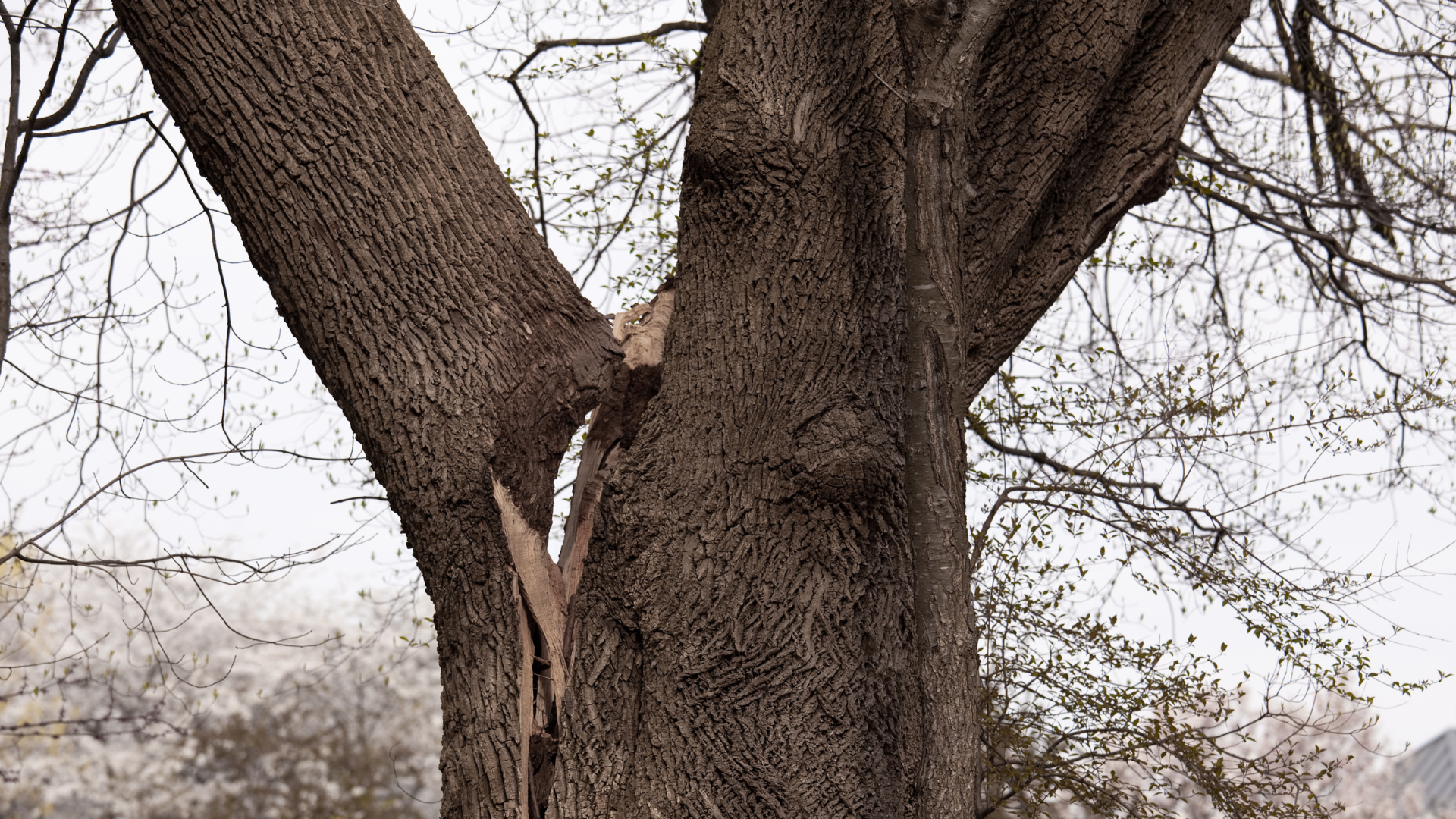
Where large limbs connect to the trunk, look for cracks, splits, cavities, or seams that seem to be opening.
Some branch unions are naturally stronger than others. Narrow attachments with included bark can be more vulnerable because the connection may not have developed as much supporting wood between the limbs.
If two large trunks or branches appear to be pulling apart, that deserves professional evaluation.
Midwest Tree Surgeons can assess whether pruning, monitoring, support, or removal may be appropriate depending on the tree and the condition.
Pay Attention to New Leaning or Soil Movement
A tree that has always leaned slightly is different from one that has recently shifted.
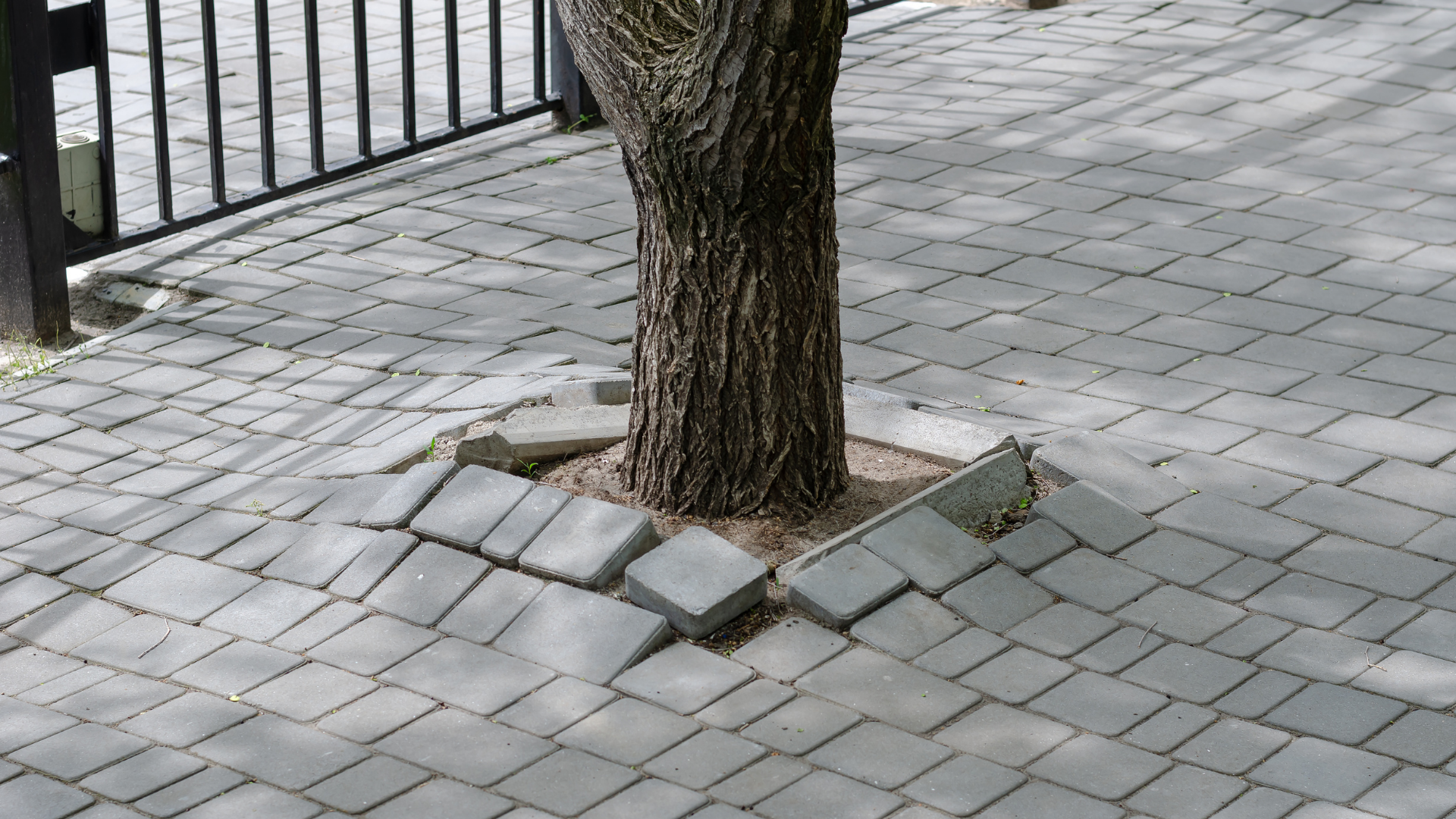
If the trunk seems more tilted than before, or if the soil around the base is cracking, lifting, or heaving, the root system may have been disturbed.
This can be especially important after periods of heavy rain, when saturated soil may reduce root stability.
Do not try to straighten or brace a large mature tree yourself. A new lean can indicate a significant structural problem that should be evaluated promptly.

Inspect the Base of the Trunk
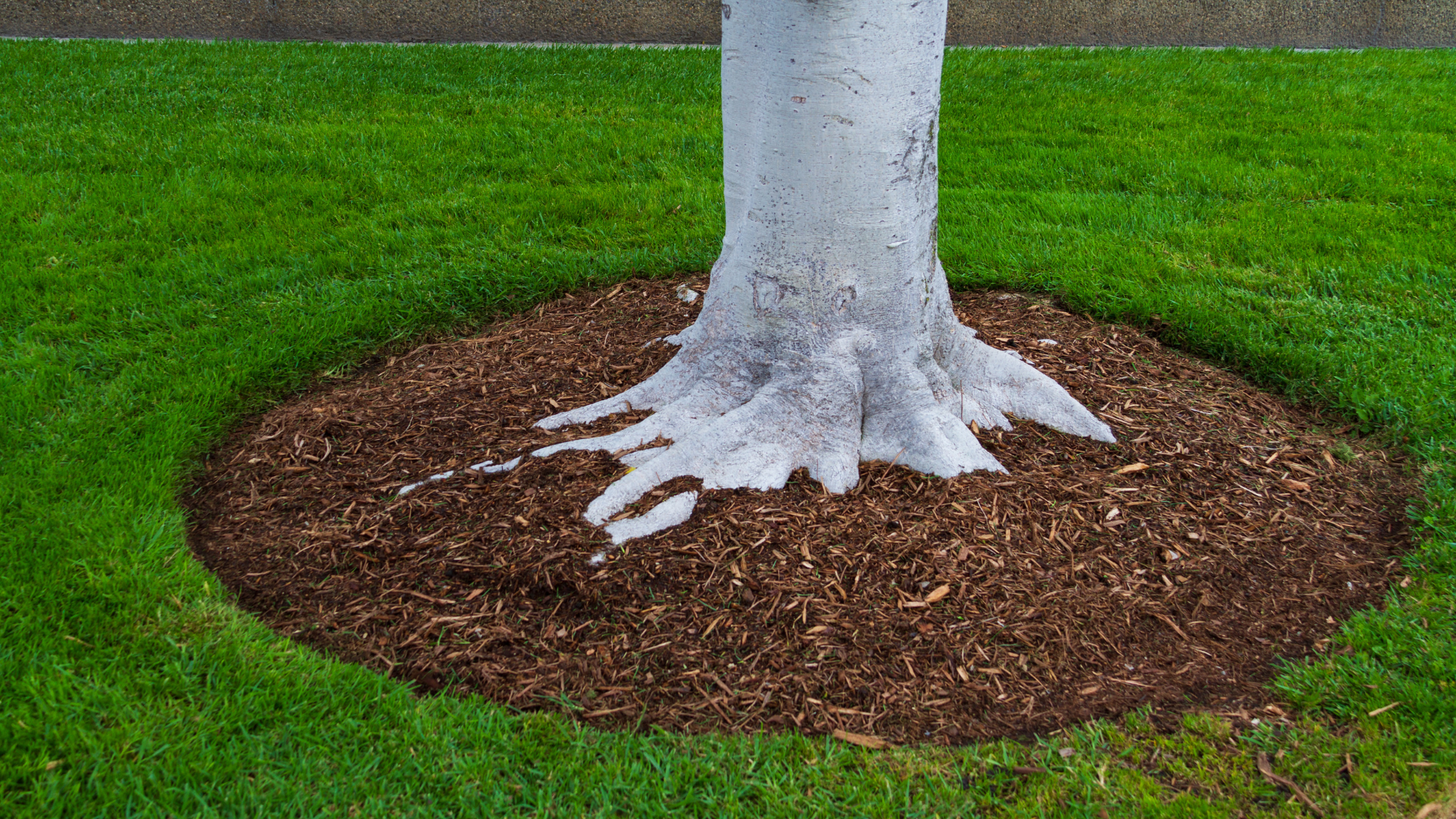
Walk around the tree and look closely at the root flare and lower trunk.
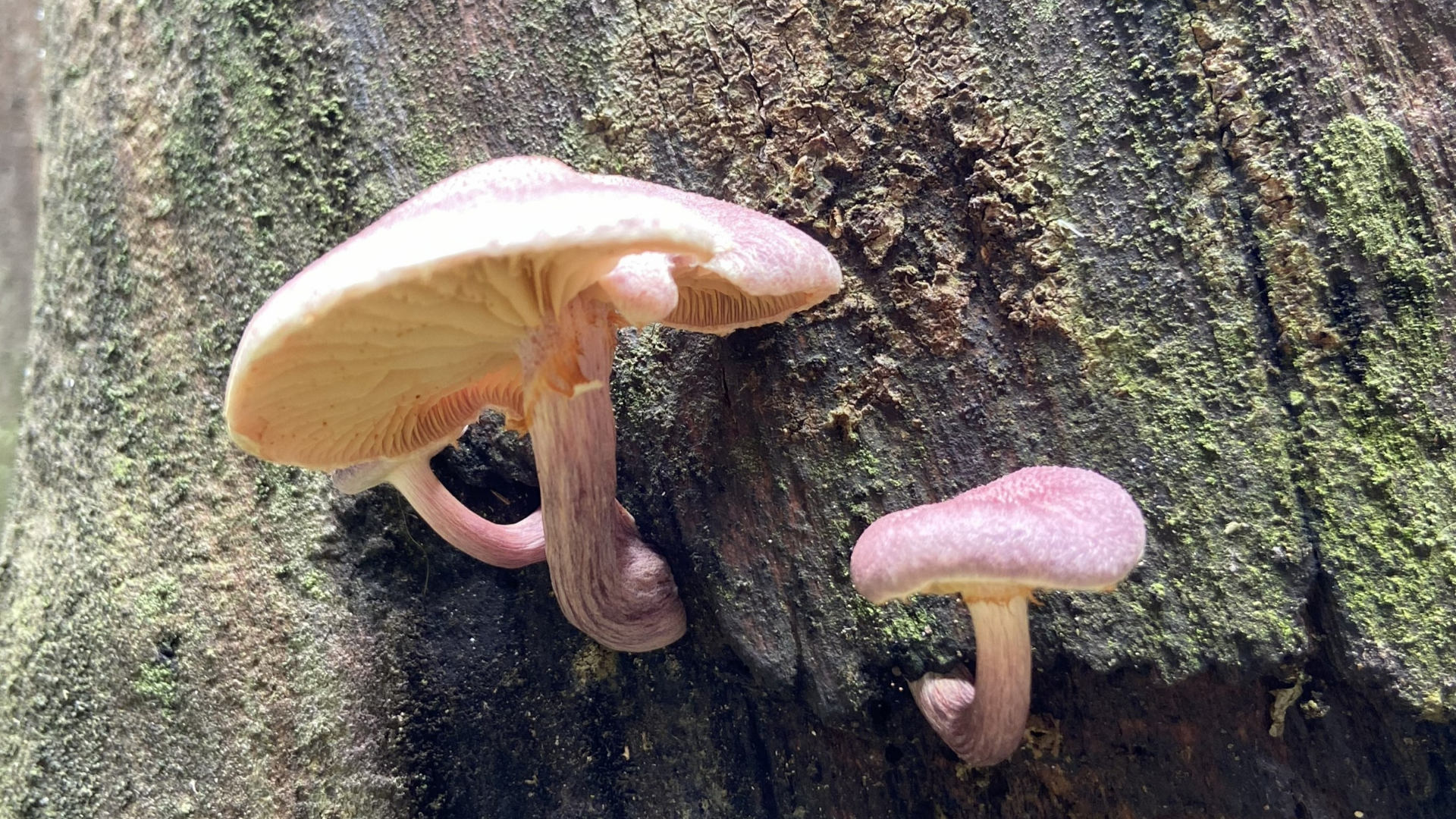
Mushrooms or fungal growth near the base can sometimes be associated with decaying wood or roots. Cavities, soft areas, loose bark, cracks, or sections that sound hollow may also deserve attention.
Not every cavity or mushroom means a tree must be removed. Mature trees can sometimes be managed safely despite visible defects.
The important part is understanding how much sound wood and root support remain.
Keep Holiday Decorations From Creating New Problems
Outdoor lights and decorations can add seasonal character, but they should be installed carefully.
Avoid driving nails, screws, or other hardware into living trunks and branches. Wires and cords should not be wrapped so tightly that they restrict growth or damage bark.
For larger trees, avoid climbing onto weak limbs simply to hang decorations. If the branch looks questionable before lights go up, it is better to leave it alone and have the tree assessed.
Holiday decorating should never create a new tree-care problem.
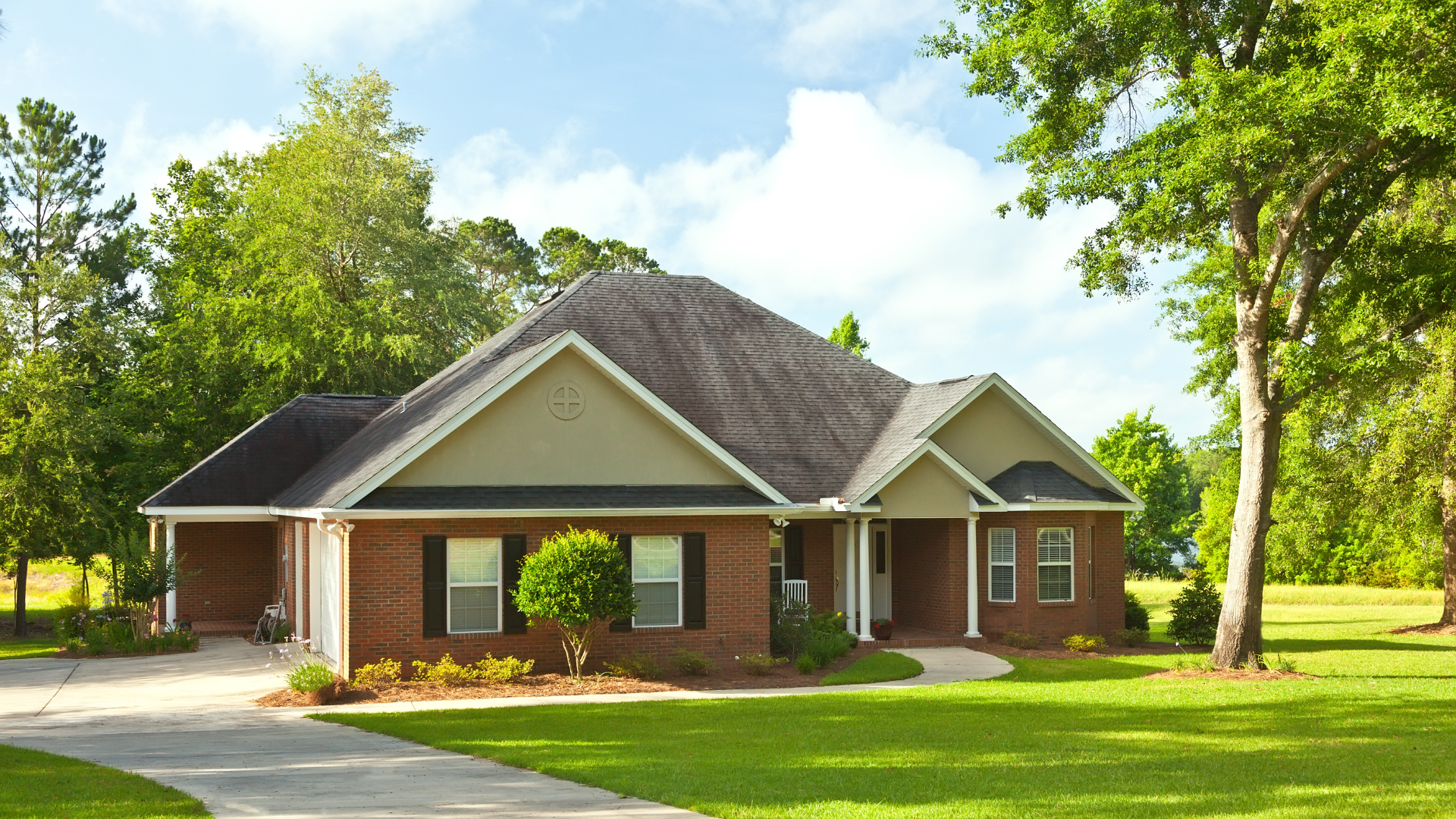
Think About Where People Will Gather
Seasonal tree safety is partly about location.
A questionable limb over an unused corner of the yard may present a different level of concern than the same limb hanging over a driveway, fire pit, walkway, or front entrance.
Before guests arrive, think about where cars will park, where children may play, and where people will be walking after dark.
That can help determine which trees or branches deserve priority.
Schedule Work Before the Weather Turns
Winter emergency tree work is often more complicated than planned maintenance.
Snow, ice, wind, darkness, and blocked access can make an already difficult situation more challenging.
If a tree shows obvious deadwood, cracks, hanging limbs, root movement, or other concerns, addressing the issue before severe weather arrives may reduce the chance of an emergency later.
Make Tree Safety Part of Holiday Preparation
Holiday preparation usually focuses on what is happening inside the home, but the property around it matters too.
A few minutes spent looking at trees can reveal dead branches, weak unions, root movement, or other issues that may become more important during winter weather.
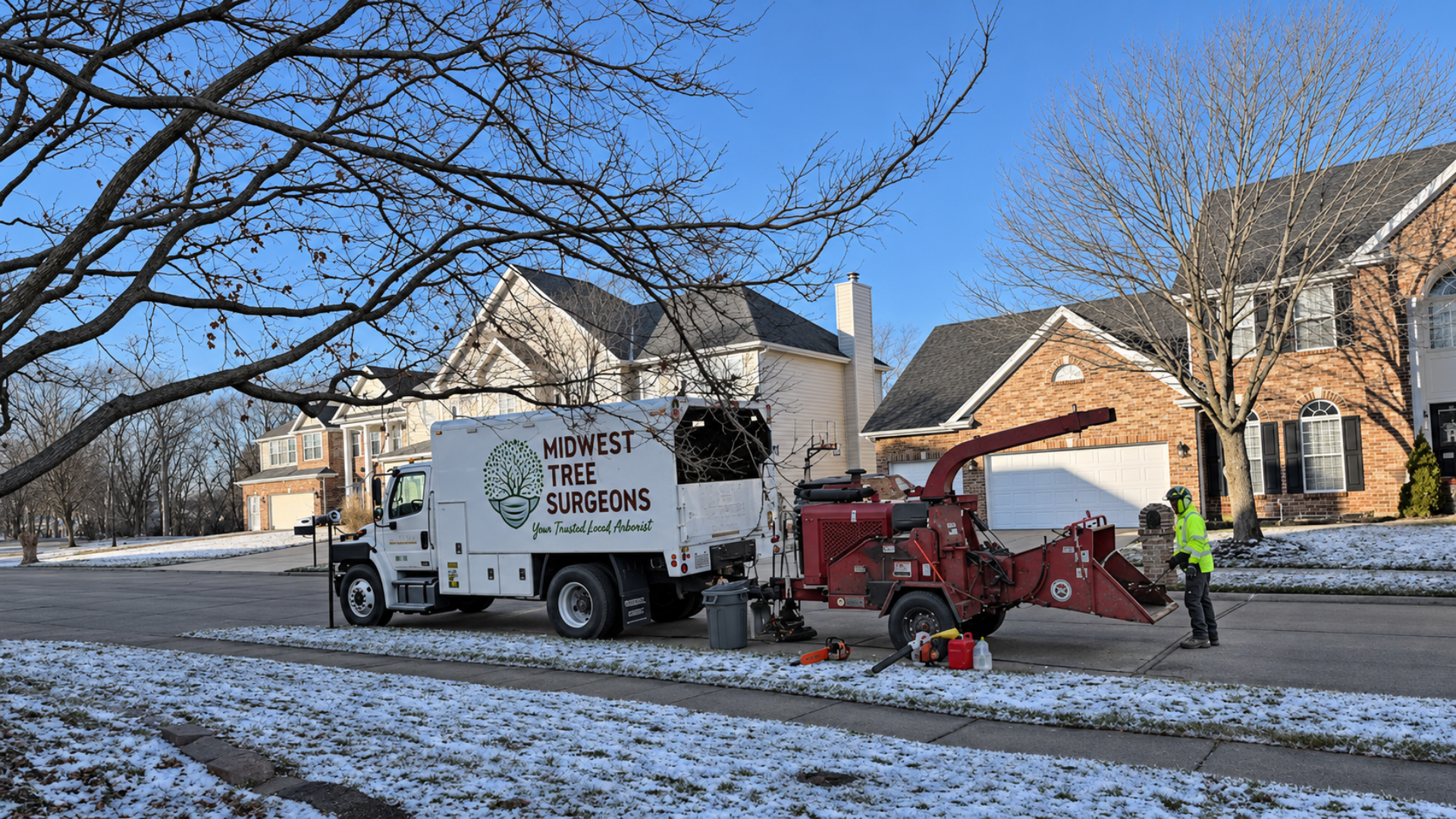
Midwest Tree Surgeons provides professional tree pruning, removal, risk assessment, and plant-health care throughout Indiana. If something around your trees looks different, damaged, or unstable before the holidays, having it evaluated early can help protect the property and the people using it all season long.