BLOG
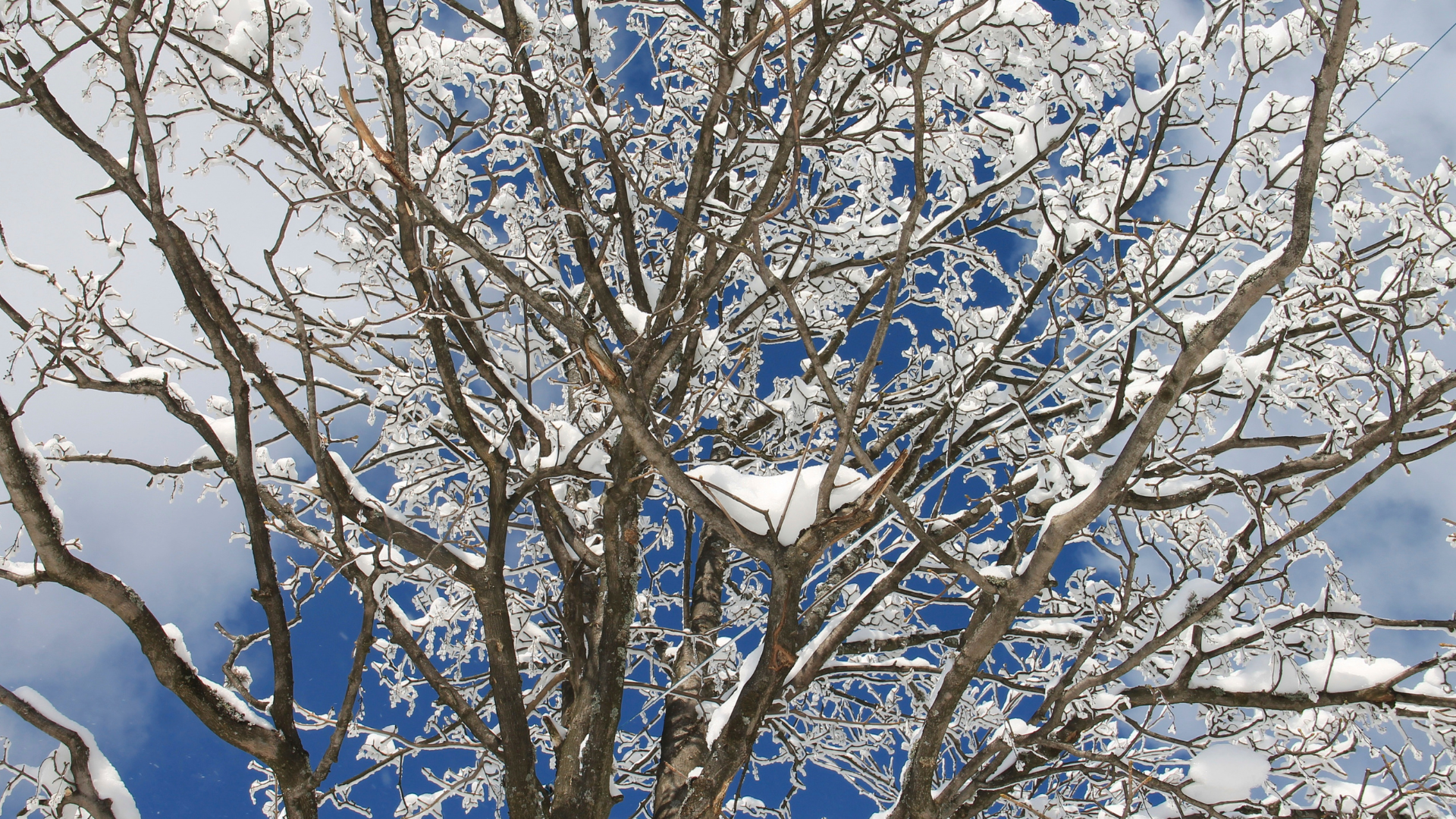
Trees are built to withstand changing seasons, but repeated environmental stress can gradually affect their health and stability. One of the most significant seasonal stressors in many regions is the freeze-thaw cycle. While it may seem like a normal part of winter weather, this constant fluctuation between freezing and thawing can place long-term strain on trees in ways that are not always immediately visible. Understanding how freeze-thaw cycles affect trees helps explain why early summer is an ideal time for a professional tree inspection.
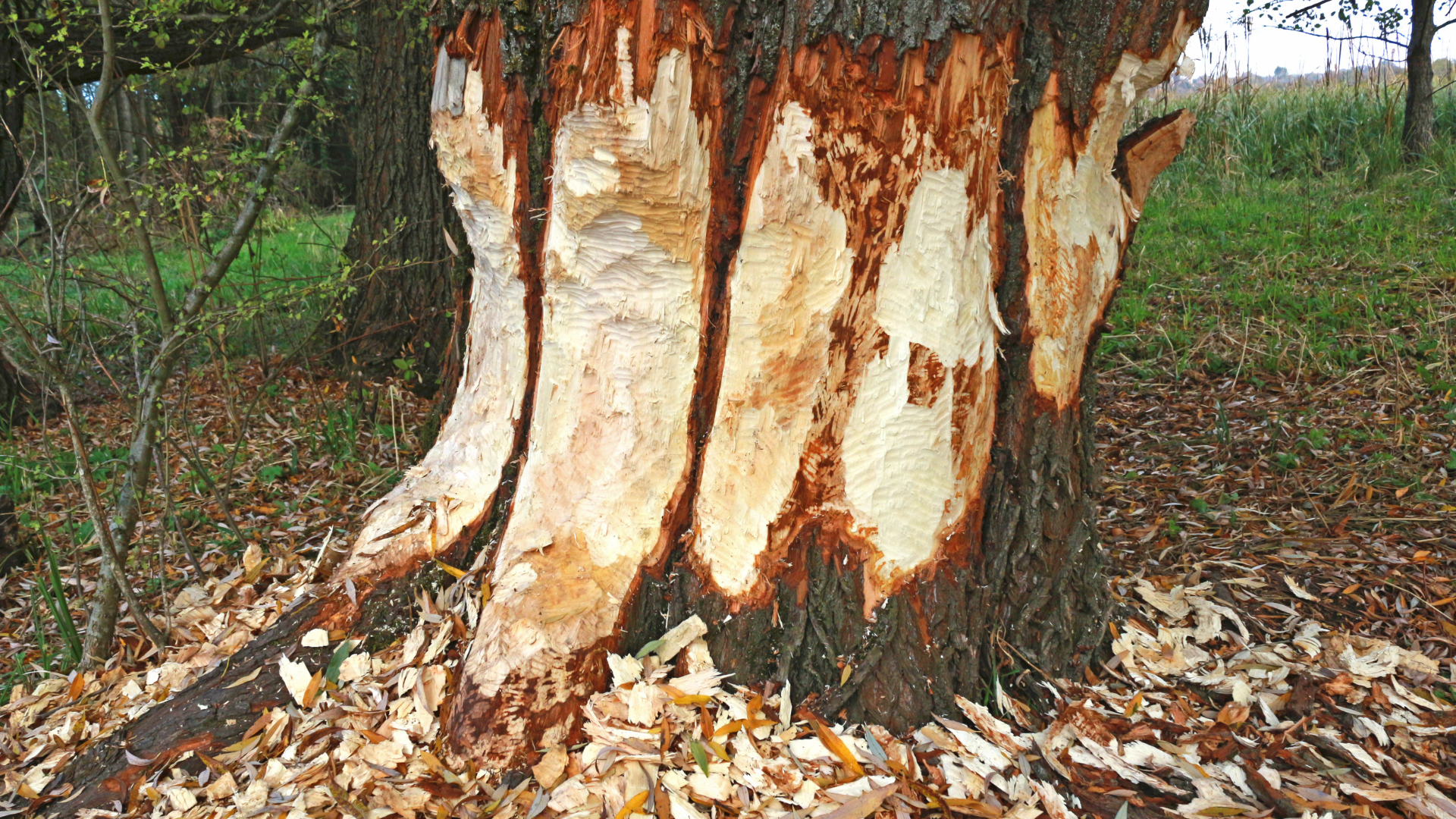
Trees are often perceived as resilient and self-sustaining, capable of withstanding years of environmental stress. While this is true to an extent, injuries to a tree can initiate internal processes that are not visible from the outside. Understanding what happens inside a tree after it is injured helps explain why some trees decline over time, even when they appear stable at first. At Midwest Tree Surgeons, evaluating these hidden processes is an important part of maintaining long-term tree health and property safety.
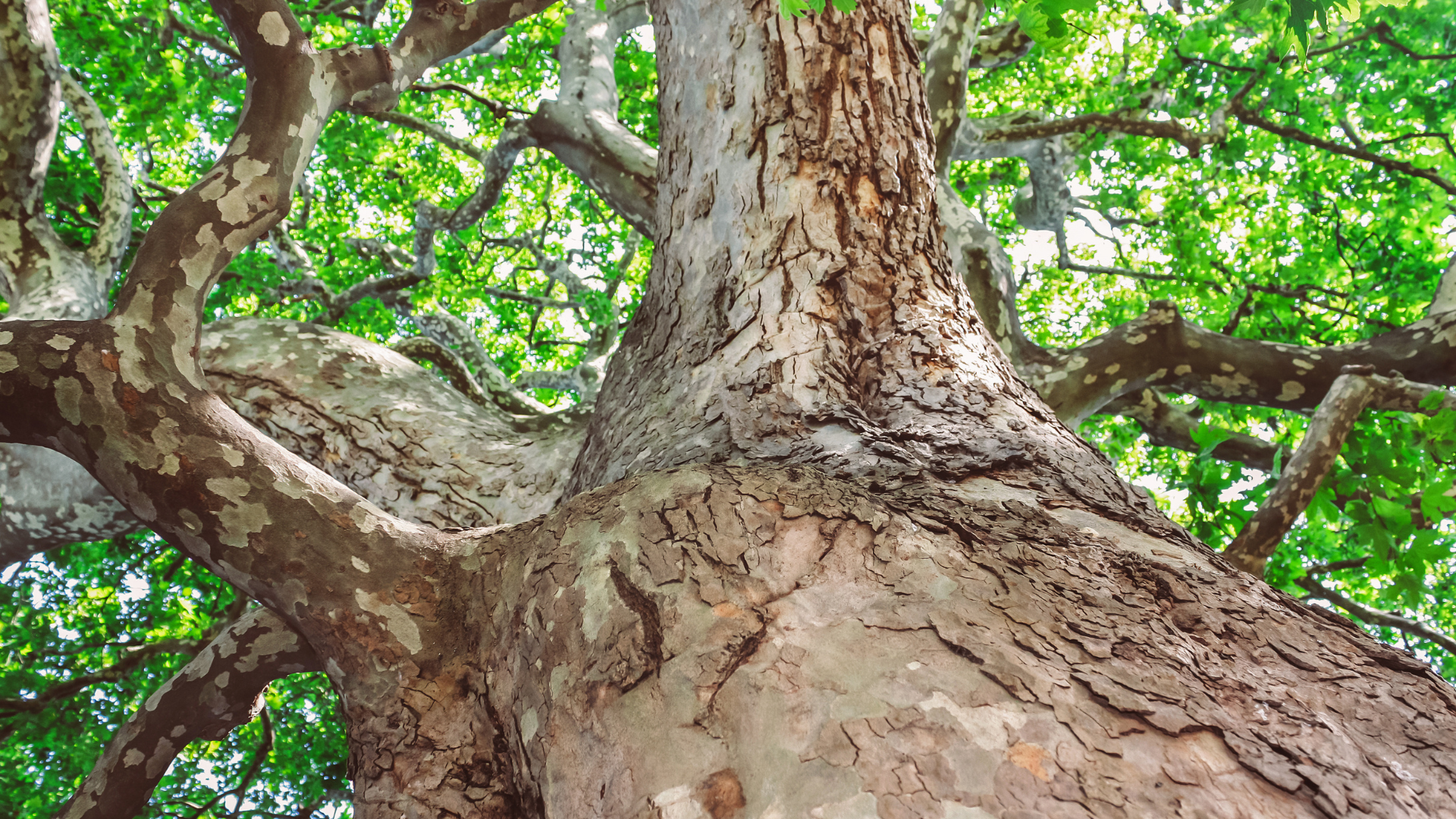
Mature trees are often seen as stable, established features of a property. Their size and presence can create a sense of permanence, leading many homeowners to assume they are less likely to fail. In reality, mature trees can carry a unique set of risks that are not always visible at first glance. Understanding these overlooked risk factors is essential for maintaining both tree health and property safety.
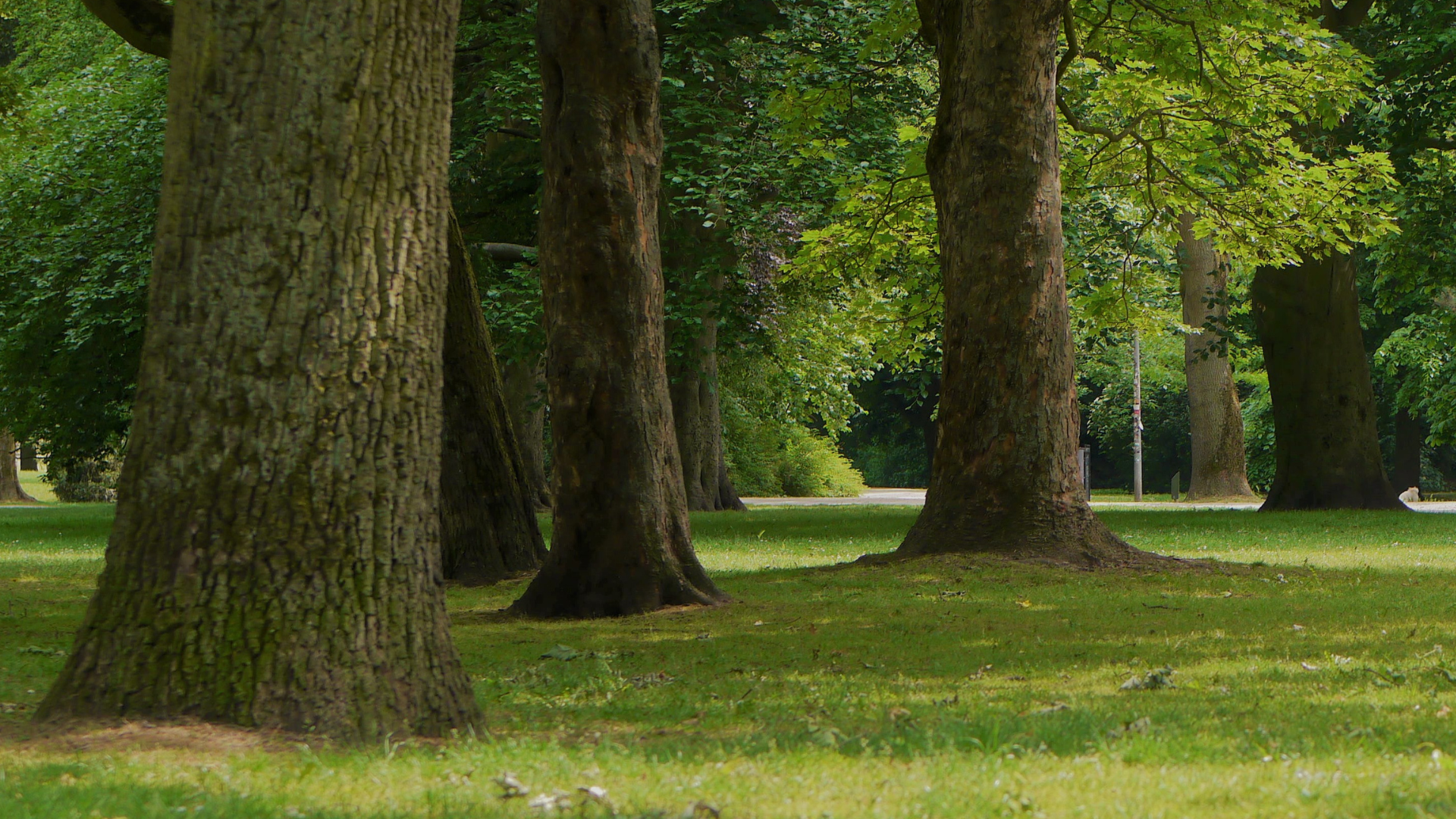
Tree decline rarely happens all at once. In most cases, it follows a gradual and largely hidden progression that unfolds over time. From the outside, a tree may appear stable, even healthy, while underlying changes begin to affect its structure and resilience. This is what makes tree decline difficult to recognize and, in many cases, easy to overlook. Understanding this “invisible timeline” can help property owners identify early warning signs and take action before more serious issues develop.
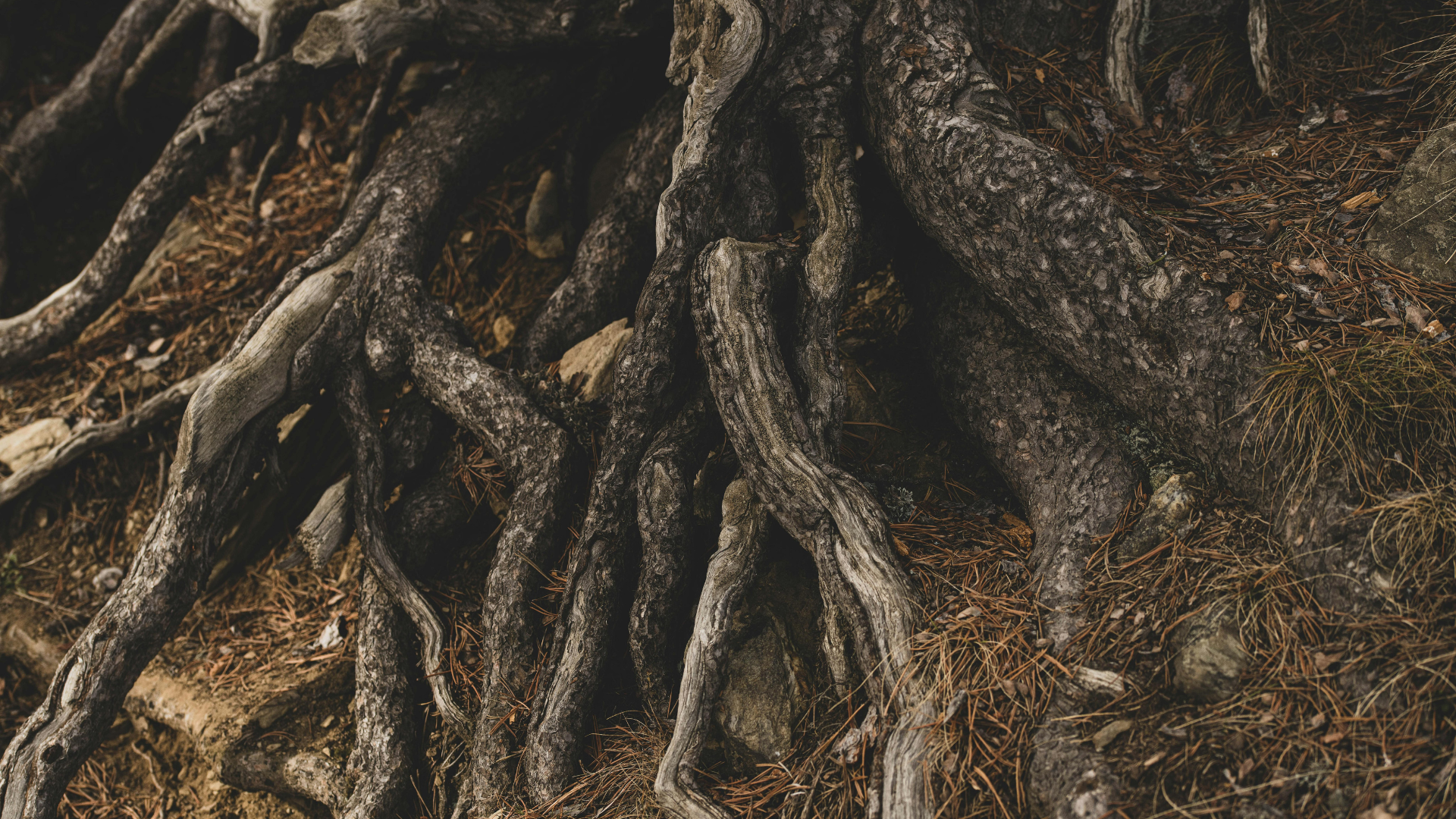
When homeowners think about tree stability, the focus is often on what is visible above ground. Branch structure, trunk size, and overall appearance tend to receive the most attention. However, one of the most important factors affecting a tree’s stability is hidden below the surface. Soil conditions play a central role in how well a tree is anchored, how it grows, and how it responds to environmental stress. Understanding this relationship can help property owners better assess risk and make more informed decisions about tree care.
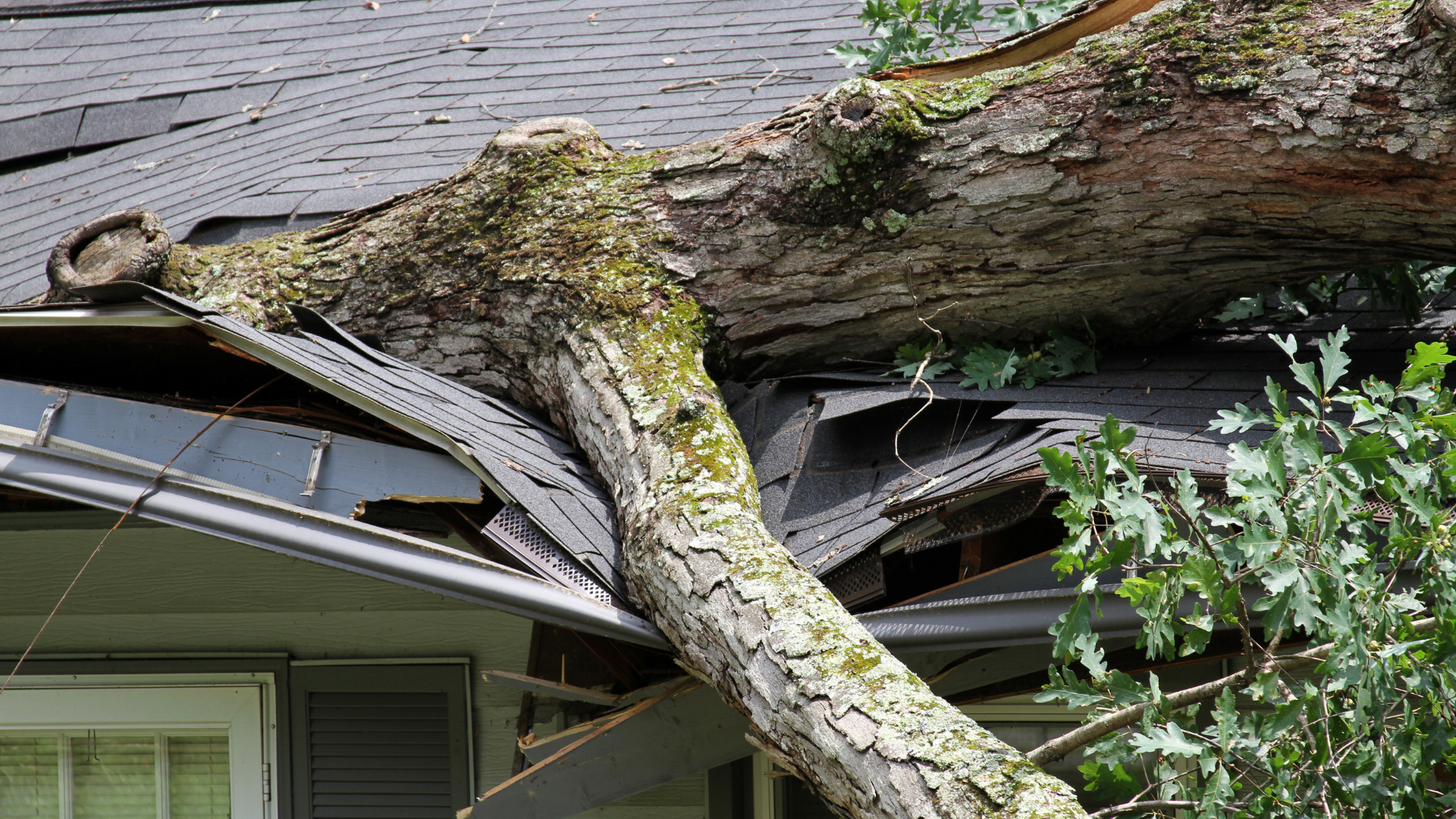
Deadwood is often dismissed as a minor issue. It may appear as a few dry branches or small sections of a tree that no longer produce leaves. Because it does not always affect the entire tree, many homeowners overlook it. However, deadwood can present a significant safety risk, particularly in residential settings. Understanding why deadwood forms, how it behaves, and how it progresses over time can help prevent avoidable property damage and injury.
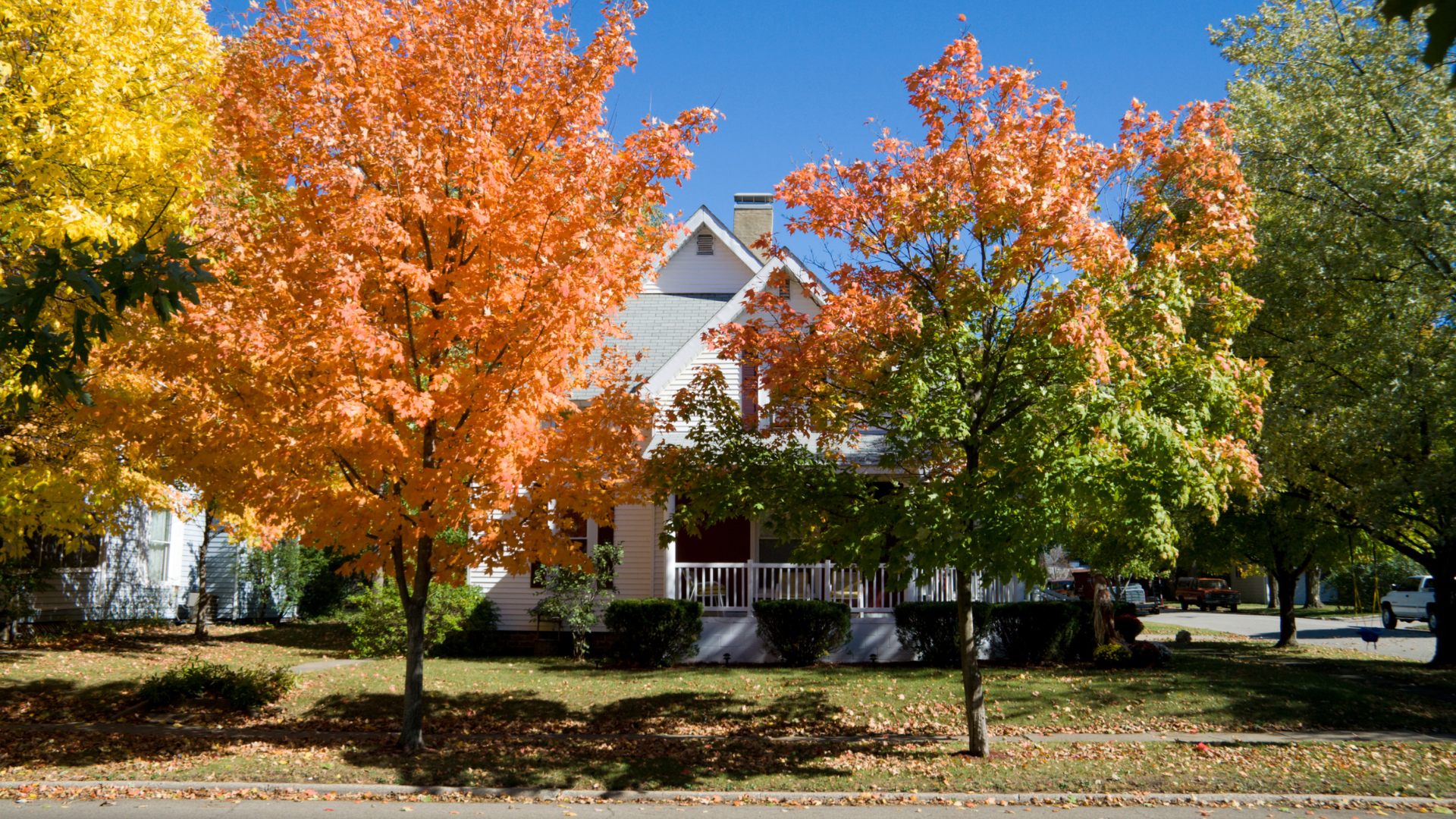
Trees are often one of the most valuable features of a residential property . They provide shade, improve curb appeal, and contribute to the overall health of the environment. However, when multiple trees share the same space, they do not simply coexist without interaction. Trees compete with one another for essential resources such as water, sunlight, and nutrients. Over time, this competition can influence how trees grow, how healthy they remain, and how stable they become. Understanding how trees compete for resources can help homeowners make better decisions about planting, spacing, and long-term tree care. With proper planning and maintenance, it is possible to create a landscape where trees thrive rather than struggle against one another.
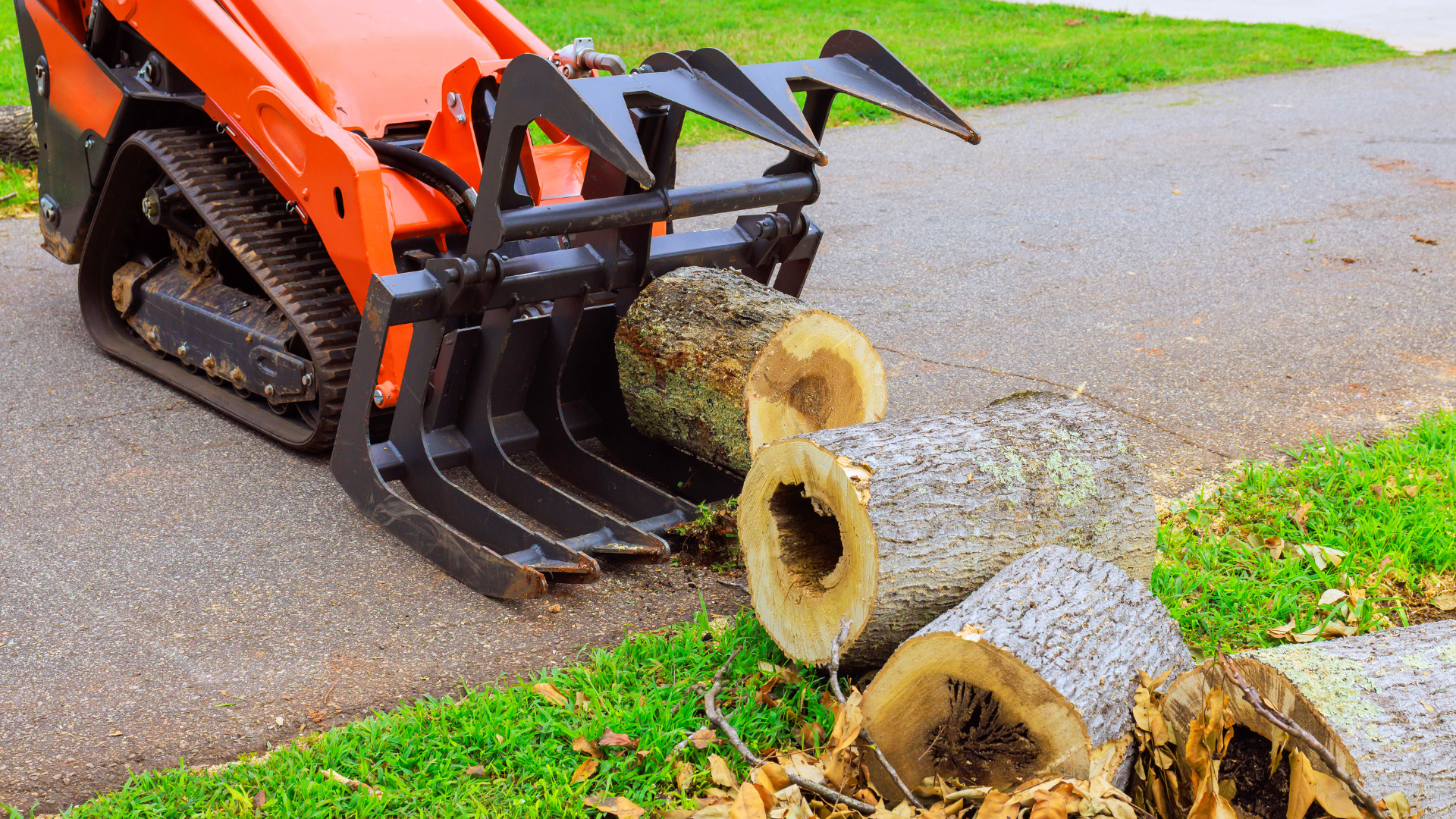
Trees add beauty, shade, and value to a property, but there are situations where keeping a tree is no longer the safest or most practical choice. Many homeowners prefer to preserve trees whenever possible , and in many cases, proper care and maintenance can extend a tree’s lifespan. However, when a tree becomes structurally compromised, diseased, or poses a risk to people and property, removal may be the most responsible decision. Understanding when tree removal is necessary can help prevent accidents, reduce property damage, and protect the overall health of a landscape.
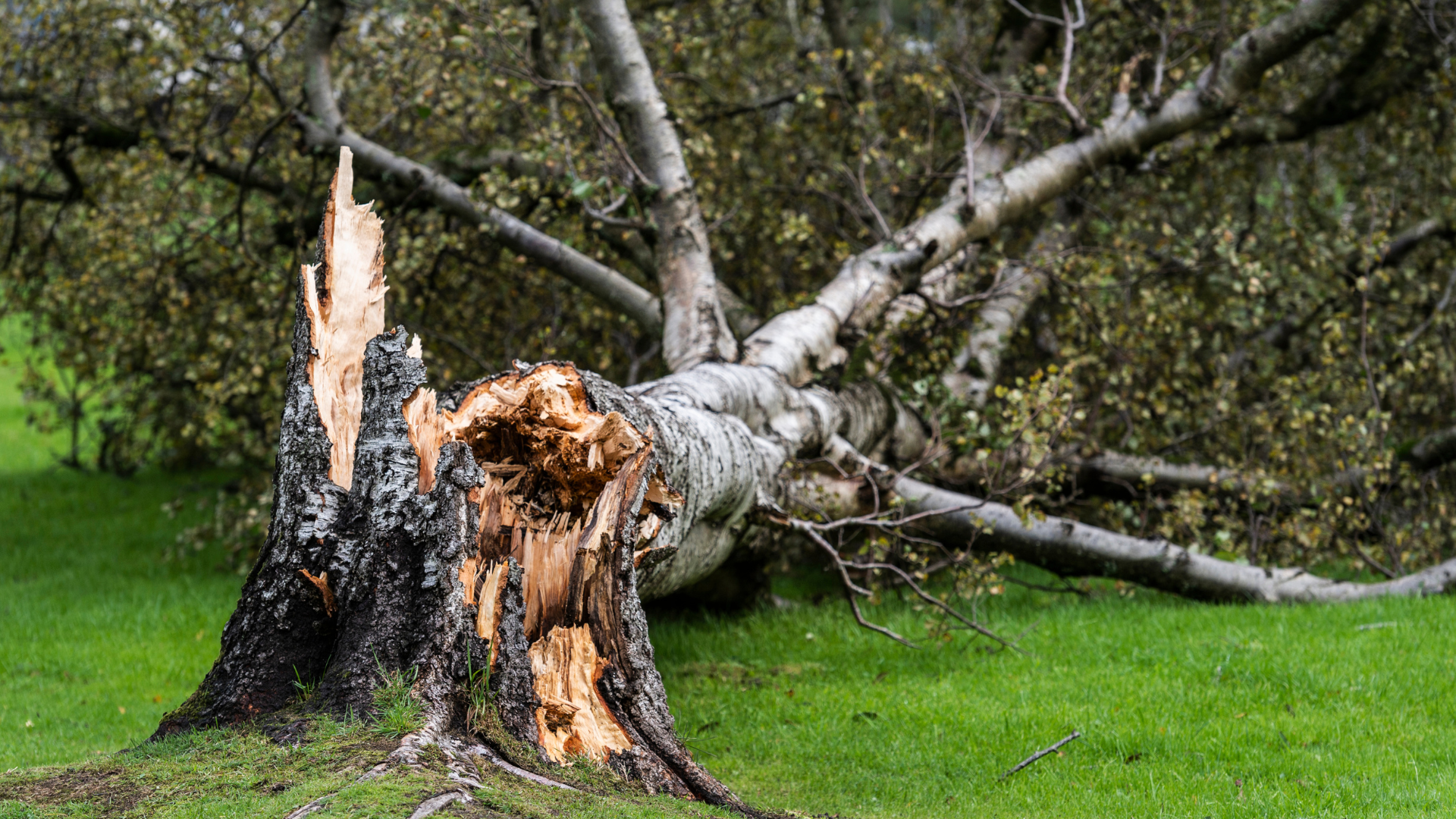
Severe storms can cause significant damage to trees and surrounding property. After strong winds or heavy storms pass through a neighborhood, it is common to see some trees still standing strong while others have lost major limbs or fallen entirely. This often leads homeowners to wonder why certain trees survive while others fail under the same weather conditions. The answer usually involves a combination of factors including tree structure, root stability, species characteristics, and long-term maintenance. Understanding these factors can help property owners take steps to reduce the risk of storm damage and protect both their landscape and their homes.
GET IN TOUCH
Fill out our contact form below, and we will reach out as soon as possible!