Why Improper Pruning Causes Long Term Structural Problems in Trees
Pruning is often viewed as a routine maintenance task, but when it is done incorrectly, it can create lasting structural problems that compromise a tree’s health and stability. While improper pruning may not show immediate consequences, the damage it causes can take years to fully appear. By the time issues become visible, corrective options may be limited.
Understanding how improper pruning affects tree structure helps property owners make informed decisions about long term tree care.
Pruning Influences How a Tree Grows
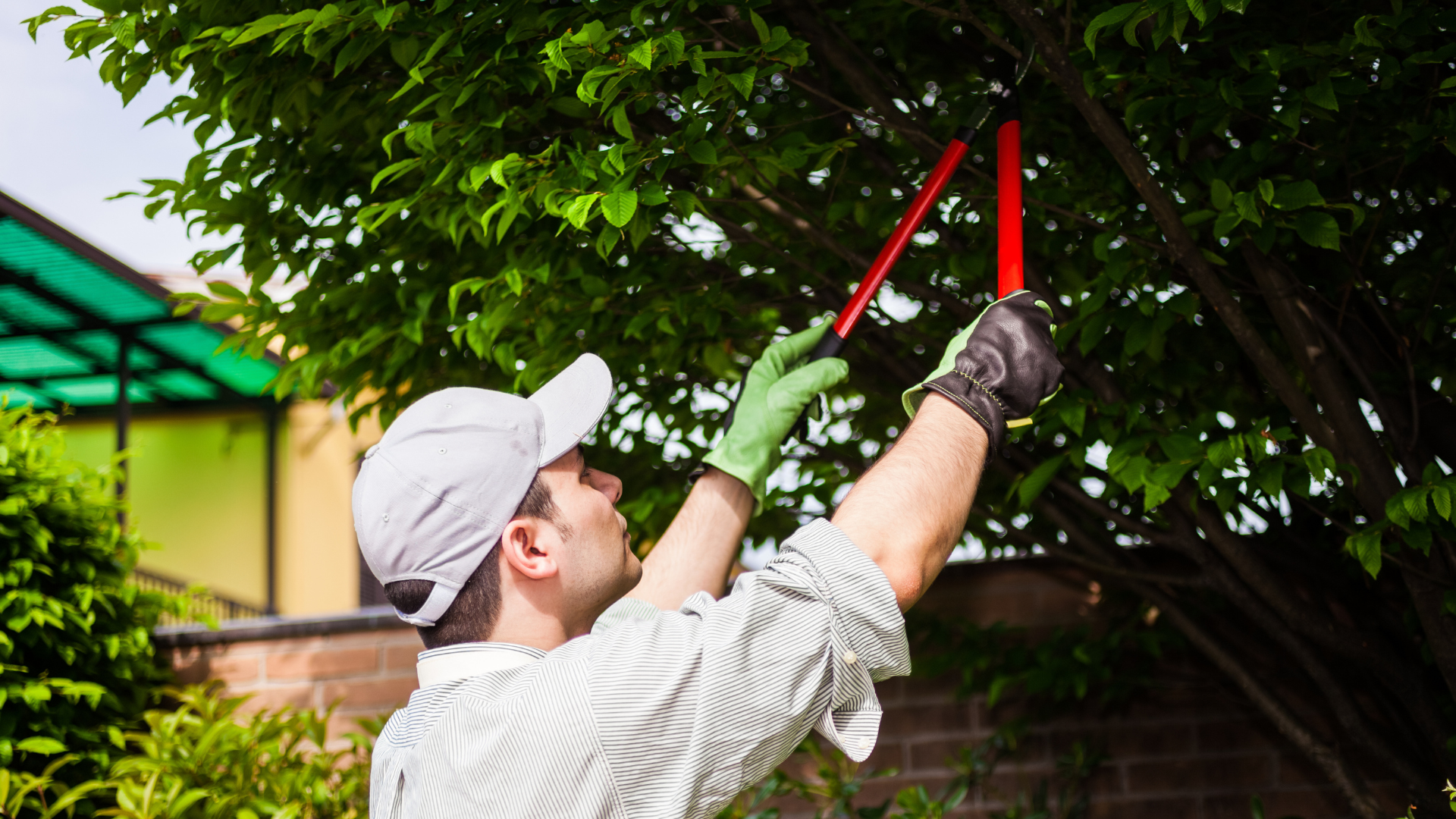
Trees respond to pruning by redirecting energy to new growth. When cuts are made correctly, this response supports balanced development and strong branch structure. When cuts are made poorly, growth patterns can become uneven or weak.
Improper pruning often removes too much foliage at once or targets the wrong branches. This disrupts the tree’s natural growth habits and can encourage rapid, poorly attached regrowth. Over time, these weak attachments become failure points.
Topping and Over Reduction Create Structural Weakness
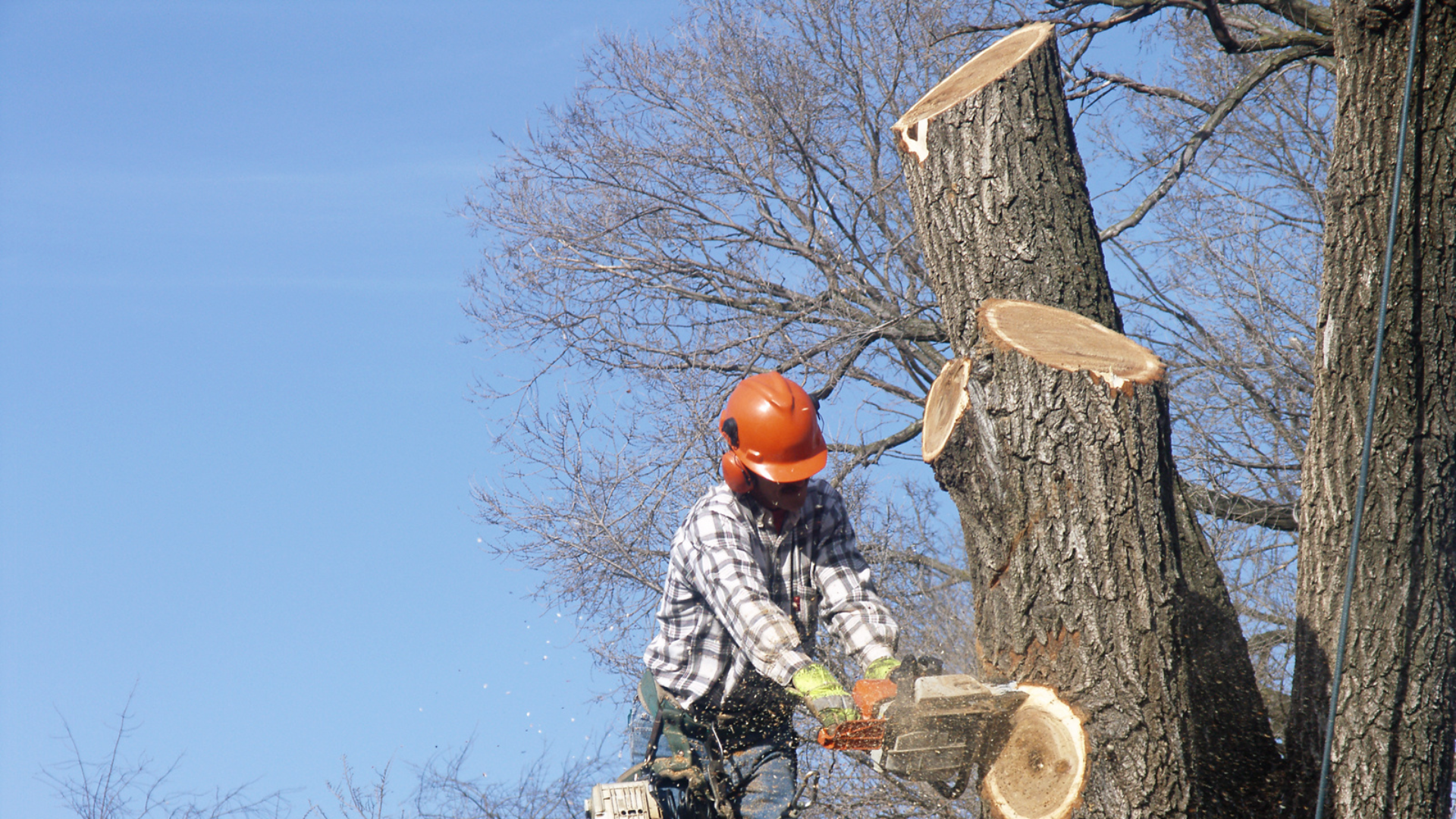
One of the most damaging pruning practices is topping, which involves cutting large branches back to stubs or removing the upper canopy entirely. This practice deprives the tree of energy producing foliage and forces it to respond with aggressive new shoots.
These shoots grow quickly but lack strong attachment to the trunk or remaining branches. As they increase in size, they add weight without structural support. This combination significantly increases the risk of breakage during storms or high winds.
Poor Cuts Lead to Decay
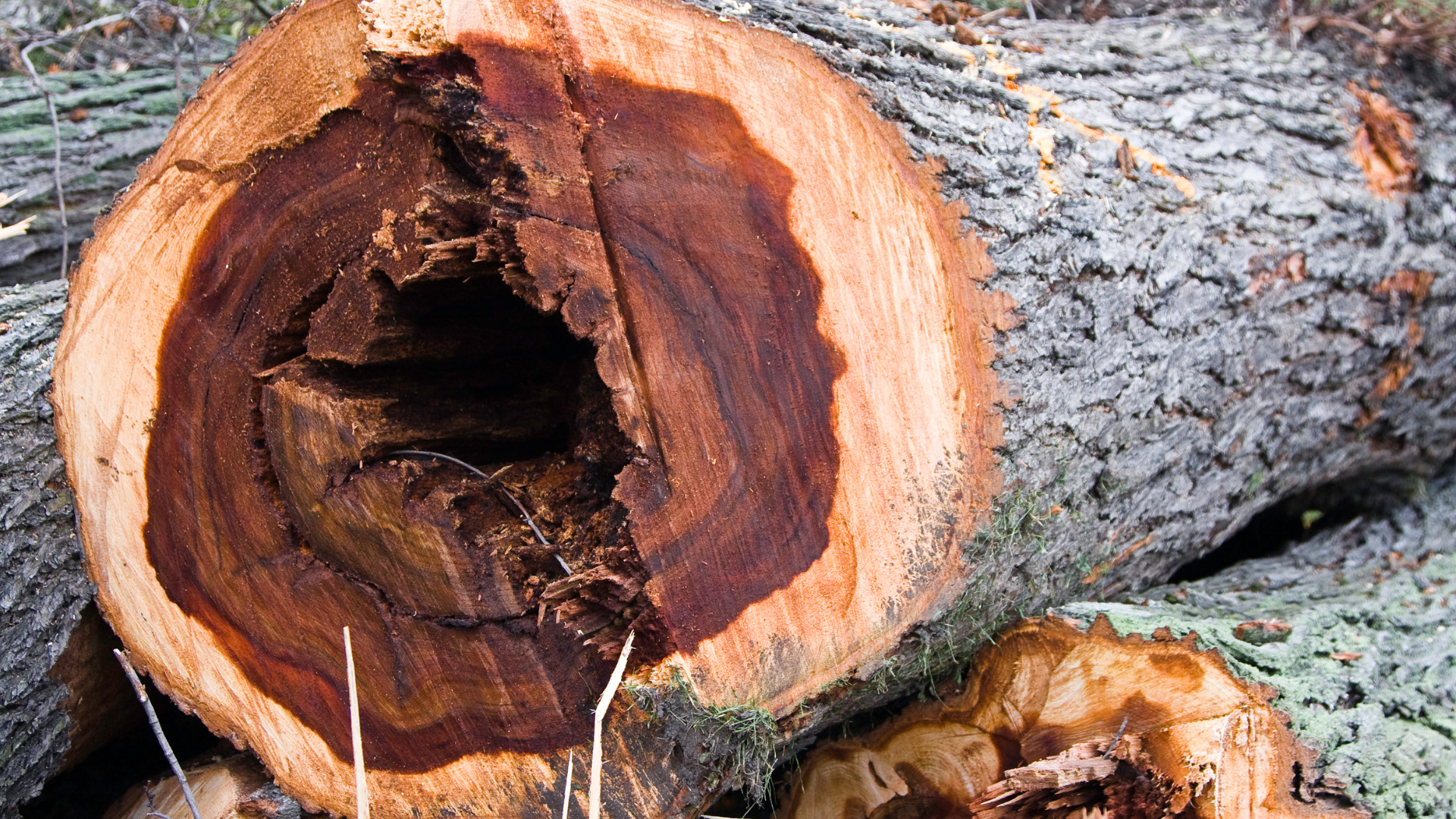
Improper pruning cuts often leave large wounds that the tree struggles to seal. Flush cuts, torn bark, or cuts made too close to the trunk damage protective tissues that help prevent decay.
Once decay organisms enter the wood, internal deterioration can spread slowly and unnoticed. Over time, this internal damage weakens the tree’s core structure, making failure more likely even if the exterior appears healthy.
Imbalanced Canopies Increase Stress
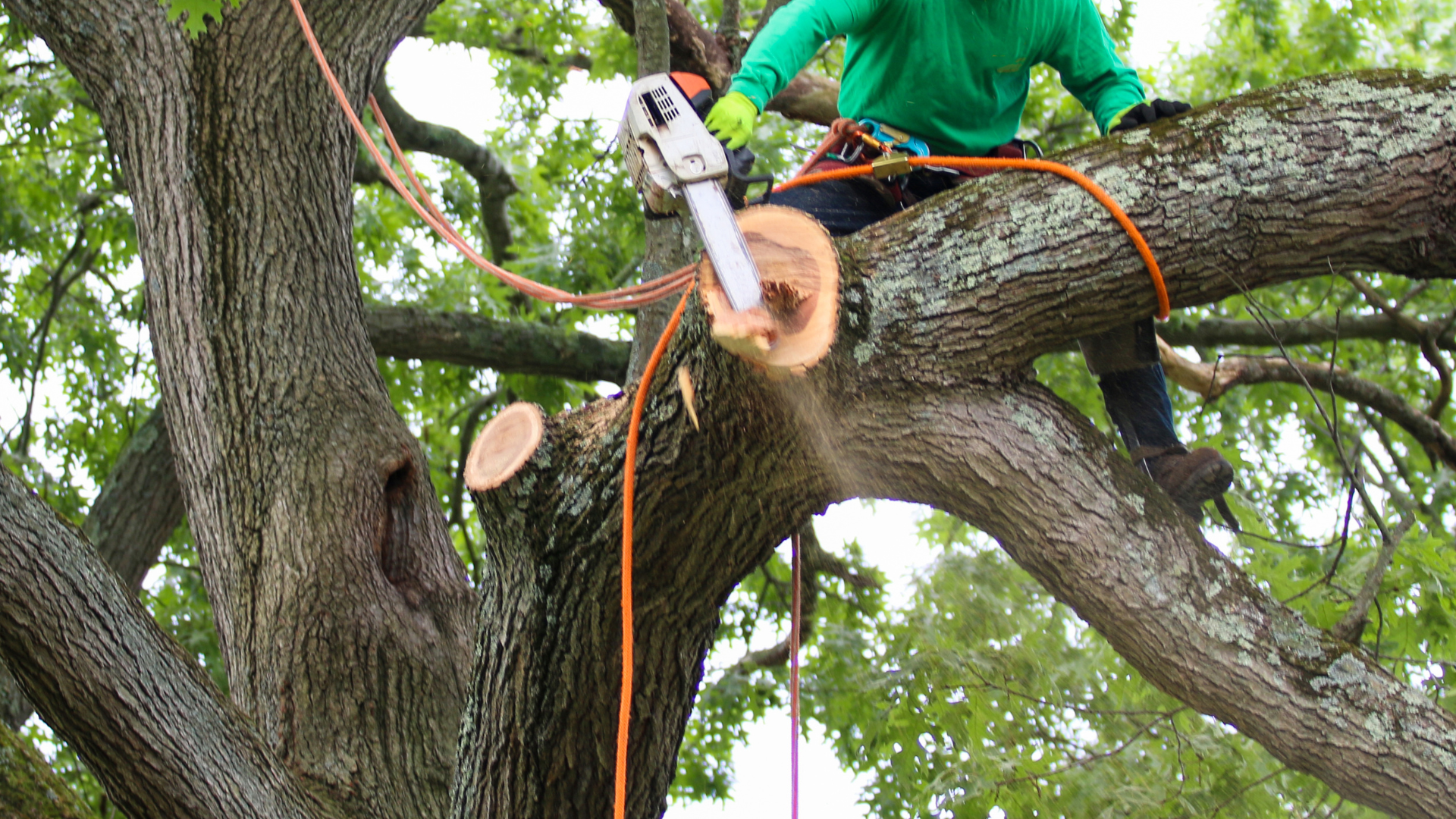
Removing branches unevenly can shift a tree’s center of gravity. When weight is concentrated on one side, the tree experiences increased mechanical stress. This stress affects the trunk, roots, and remaining branches.
Trees with imbalanced canopies are more vulnerable to leaning, root plate failure, and branch breakage. These issues often develop gradually, making them difficult to detect without professional evaluation.
Improper Timing Can Compromise Strength
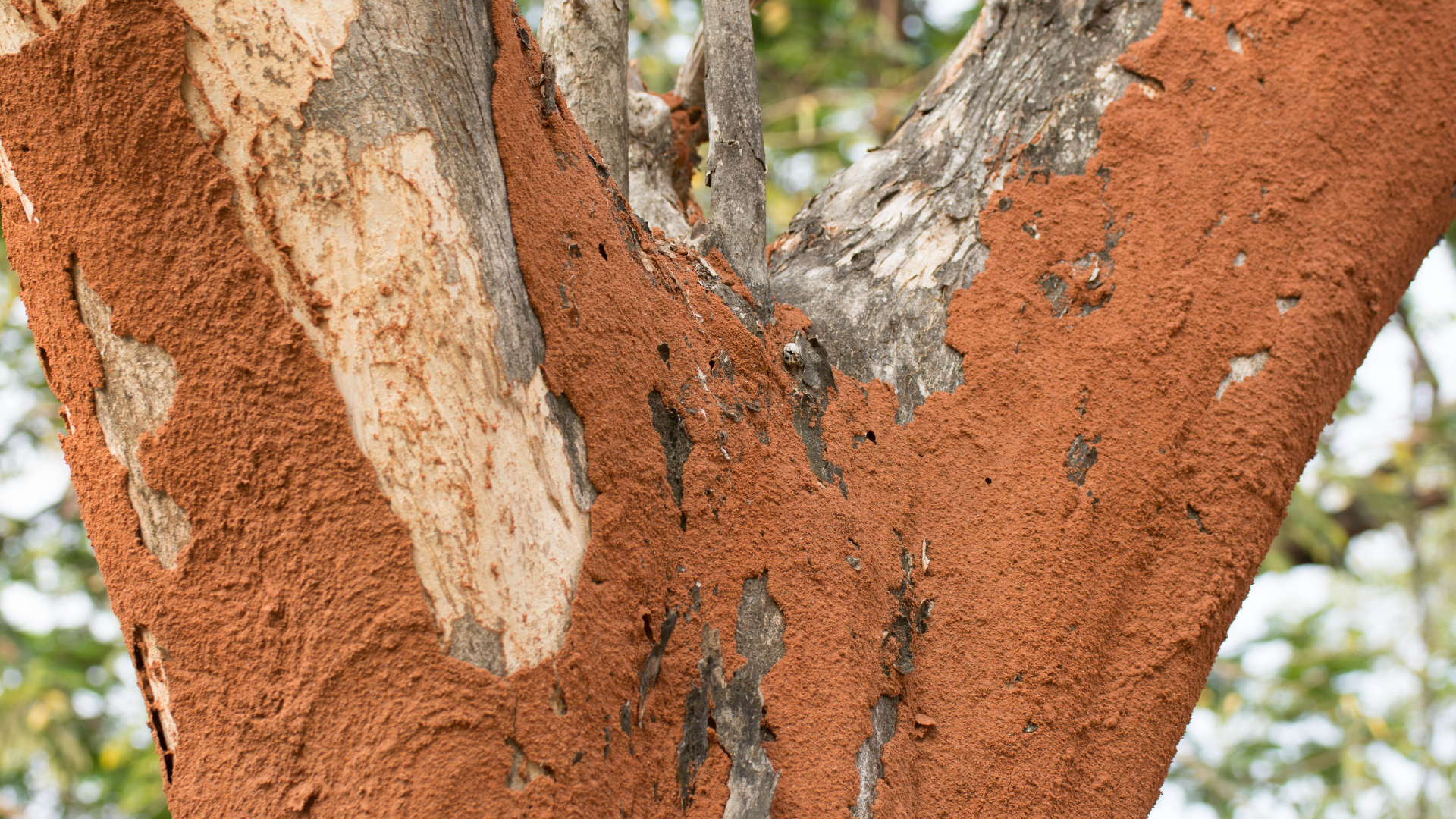
Pruning at the wrong time of year can also affect structural integrity. Removing branches during periods of active growth or environmental stress may weaken the tree’s ability to recover.
Poor timingcan increase susceptibility to pests and disease, further undermining strength. Repeated improper pruning compounds these effects over time.
Long Term Risks to Property and Safety
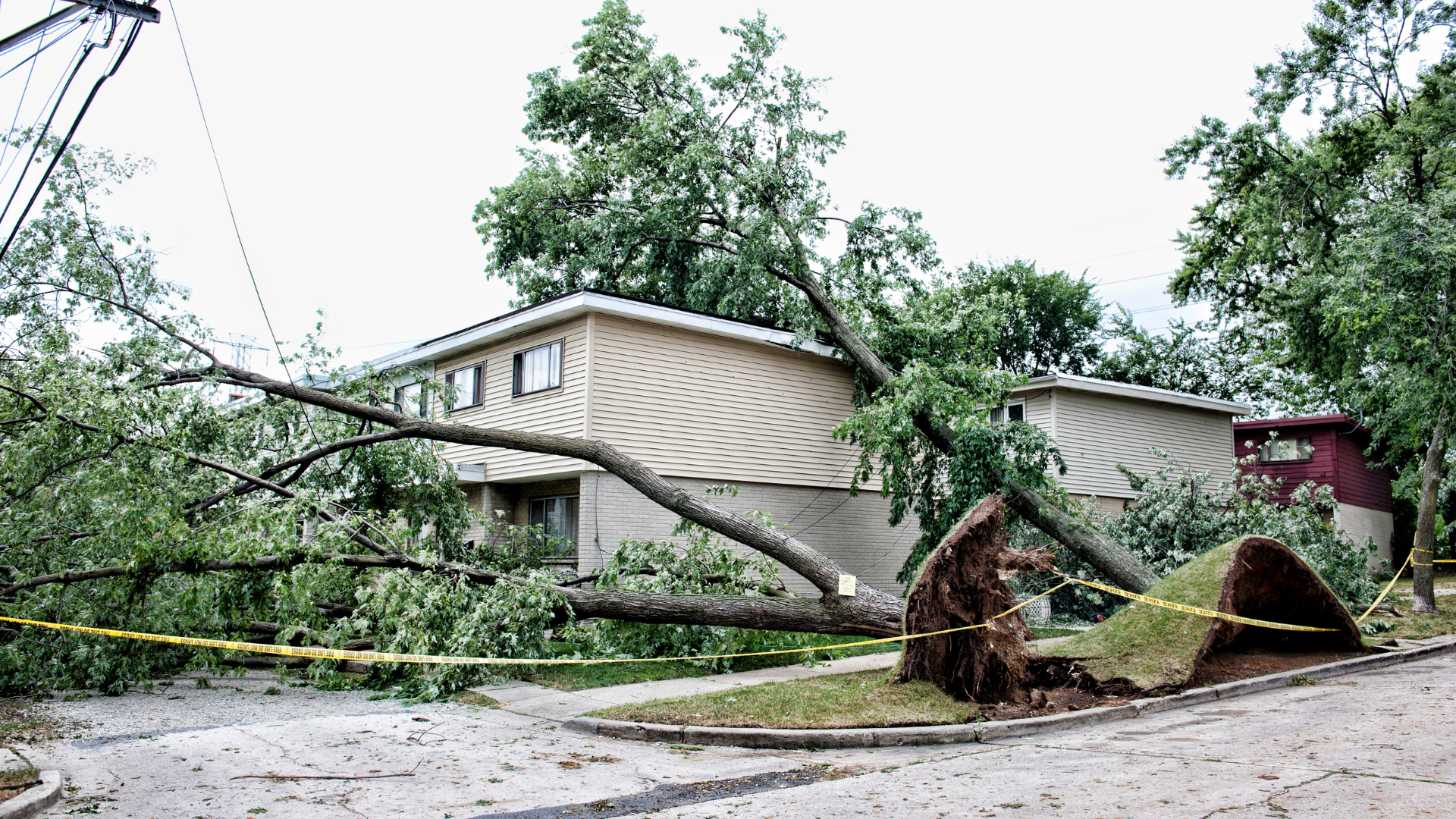
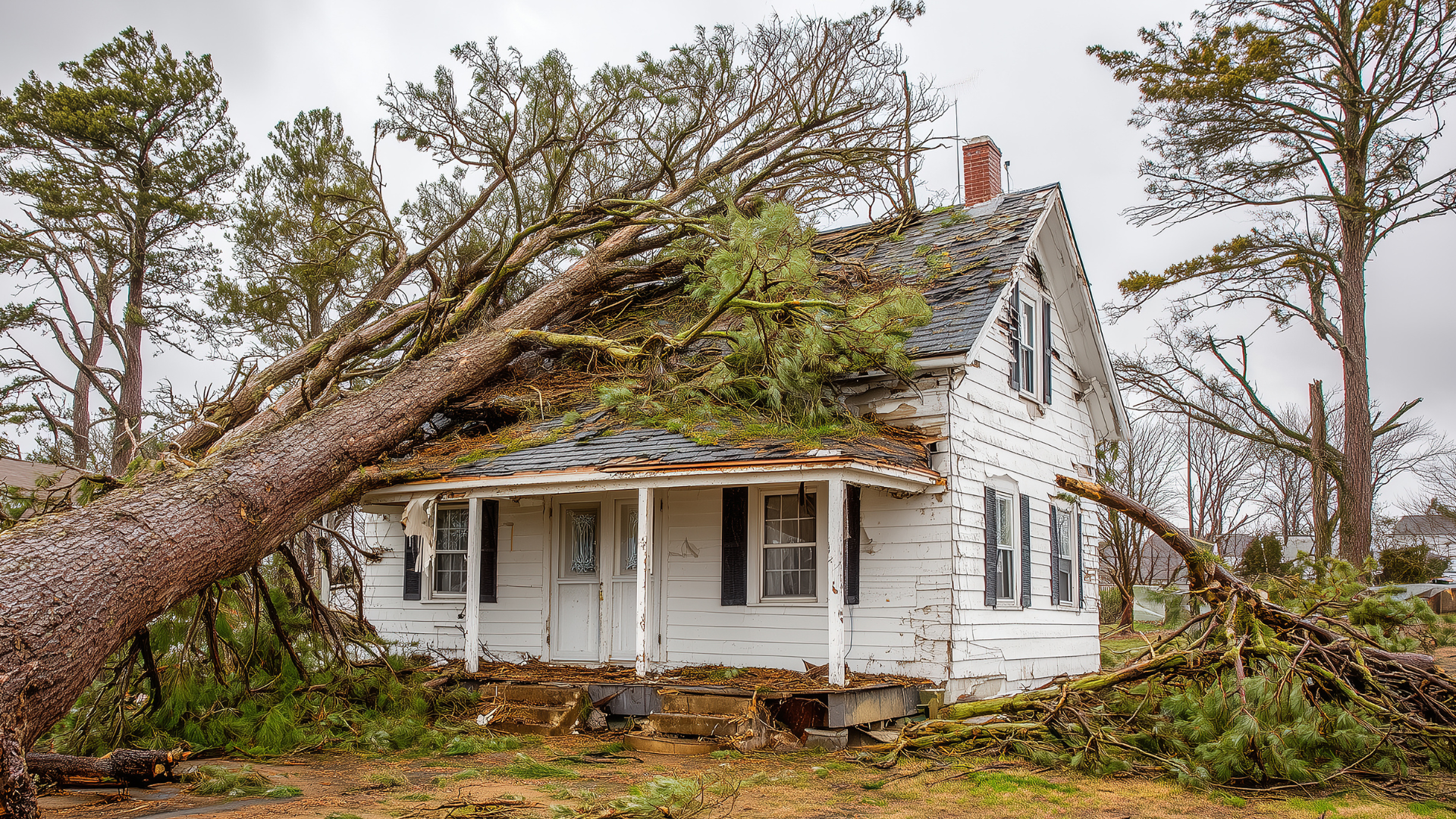
Structural problems caused by improper pruning increase the likelihood of branch failure and whole tree collapse. These events pose risks to homes, vehicles, power lines, and people.
What begins as a cosmetic issue can become a safety concern years later. Property owners may not associate a fallen branch with pruning performed long ago, but the connection is often direct.
The Value of Professional Pruning
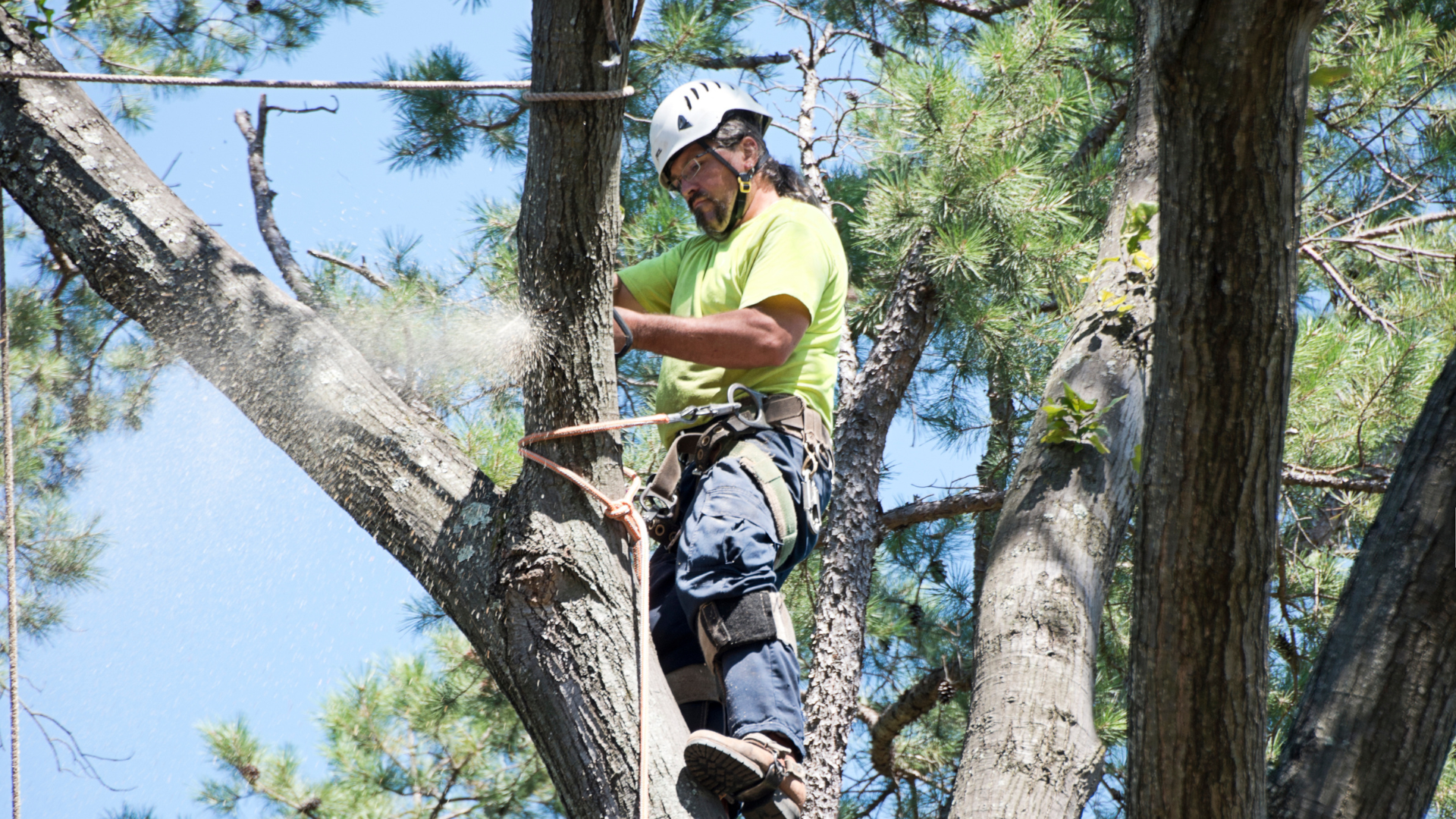
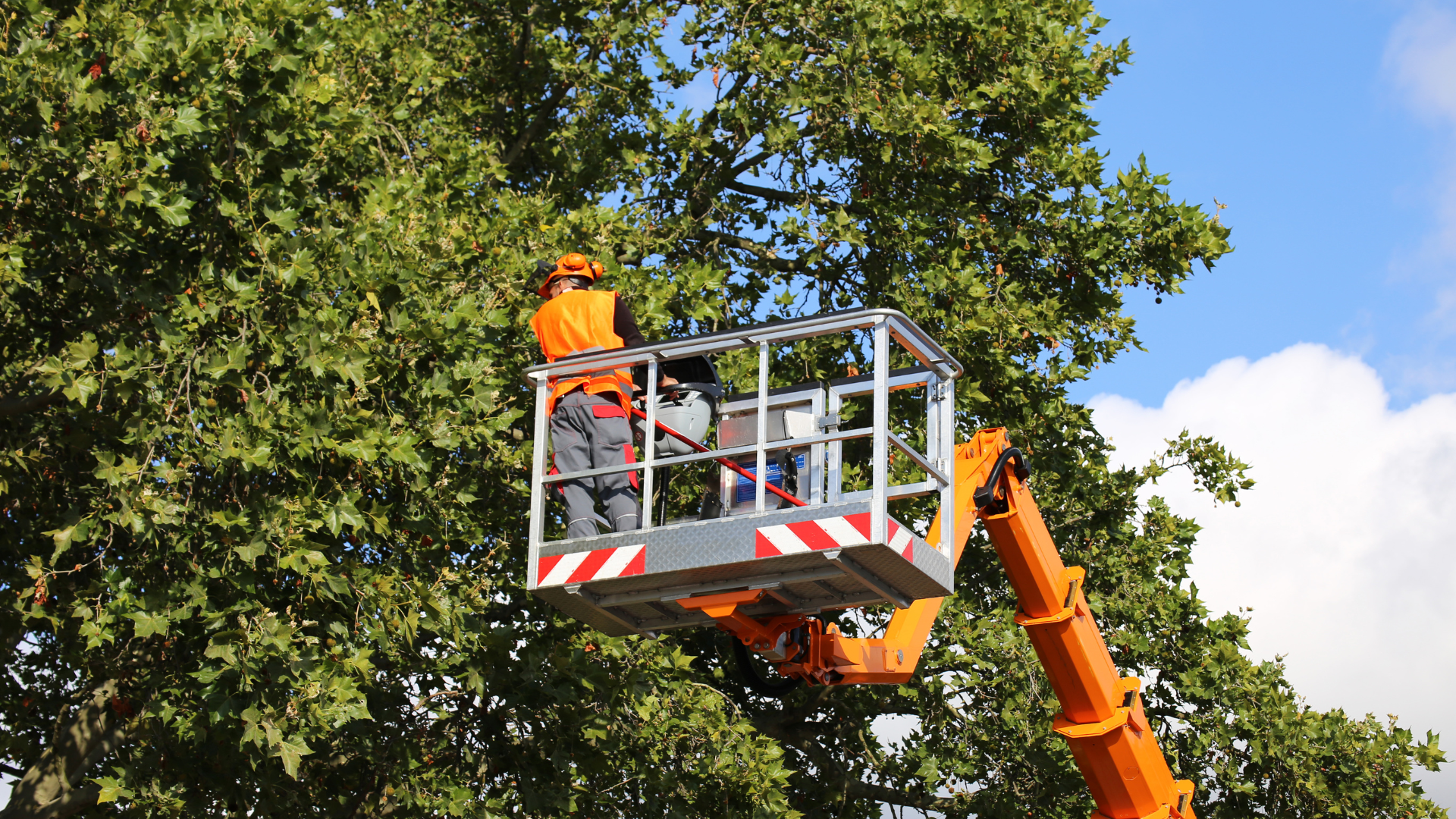
Professional pruning focuses on preserving structural integrity while managing size and shape. Certified arborists understand tree biology, growth patterns, and proper cutting techniques. They evaluate branch attachment, weight distribution, and long term development before making decisions.
This approach supports strong architecture and reduces the likelihood of future failure. Proper pruning is not about quick results. It is about guiding growth in a way that protects both the tree and the surrounding property.
Protecting Trees Through Informed Care
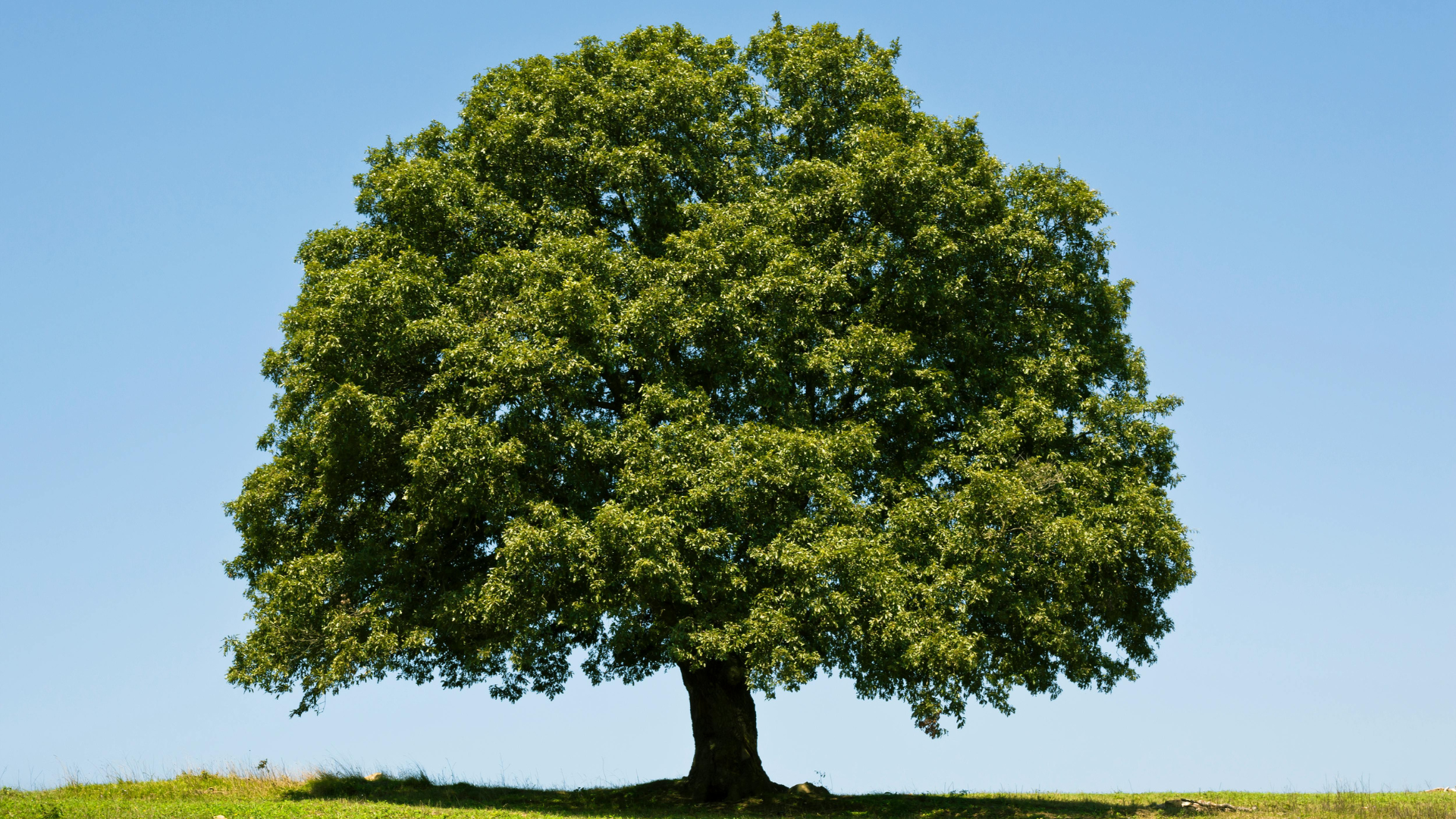
Trees are long lived organisms that reflect the care they receive over time. Improper pruning can create hidden weaknesses that only become apparent when conditions are unfavorable.
At Midwest Tree Surgeons, pruning is approached as a long term investment in tree health and safety. Thoughtful, professional care helps trees develop strong structure, withstand environmental stress, and remain assets rather than liabilities for years to come.