Storm Recovery 101: What to Do When Trees Fall on Your Property

October 15, 2025

Severe storms can arrive with little warning, bringing high winds, heavy rain, and lightning that can cause significant damage to trees. When a tree or large branch falls on your property, it can be overwhelming and even dangerous to handle. Knowing what steps to take in the hours immediately following the incident can make the recovery process safer and more efficient. At Midwest Tree Surgeons, we specialize in storm damage cleanup and emergency tree removal, helping homeowners and property managers restore safety and peace of mind quickly after a storm.
Step One: Stay Safe and Assess from a Distance

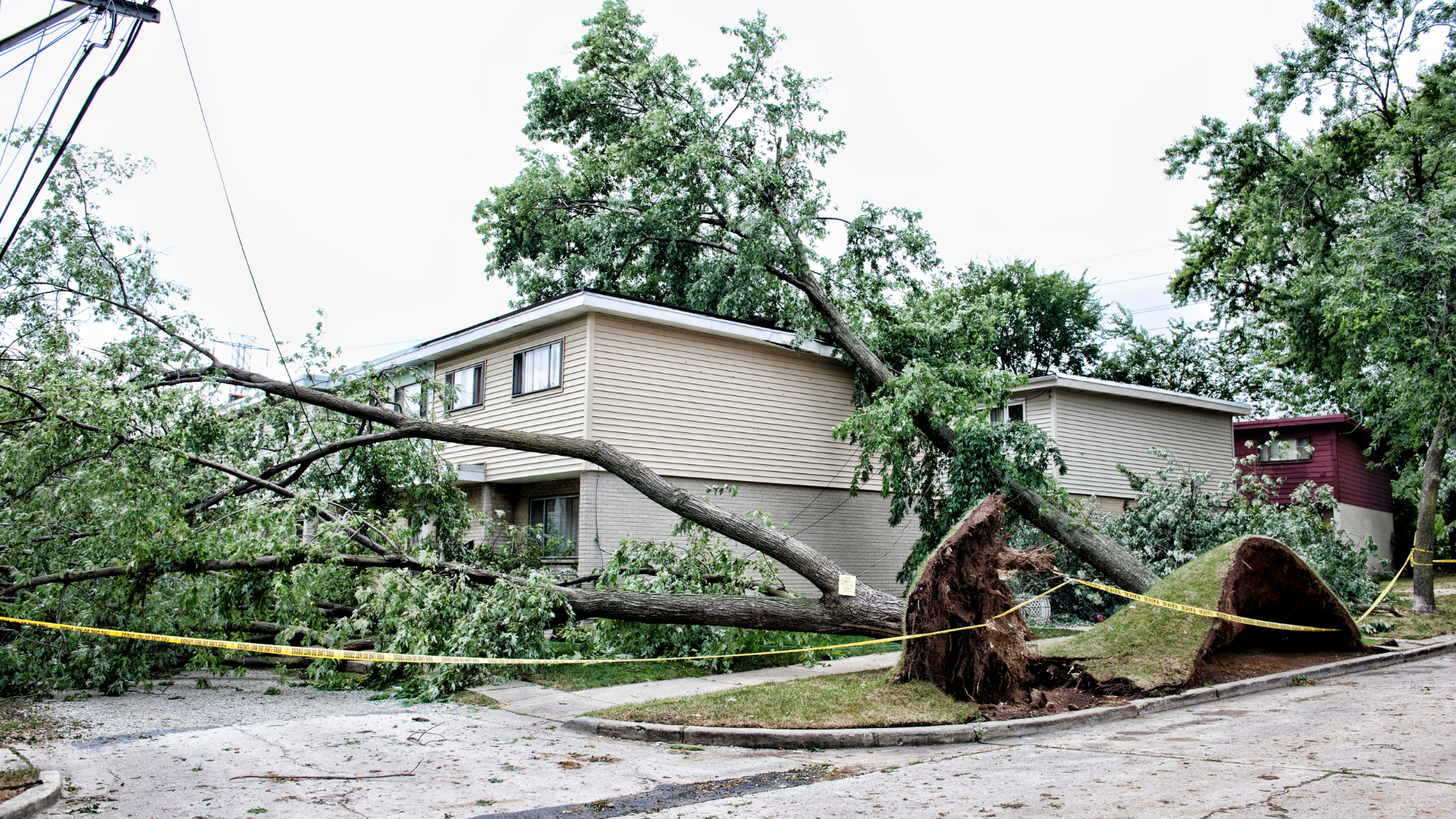
Safety must always come first. If a tree has fallen near a power line or utility pole, do not approach it under any circumstances. Downed lines can remain energized and pose a severe risk of electrocution. Contact your utility company immediately to report any potential hazards.


Even when no power lines are involved, it is important to approach cautiously. Fallen trees may have hidden tension points where branches or trunks can shift unexpectedly. Loose soil, sharp limbs, and unstable root systems can all create dangerous conditions. Assess the situation from a safe distance before making any decisions.
Step Two: Document the Damage

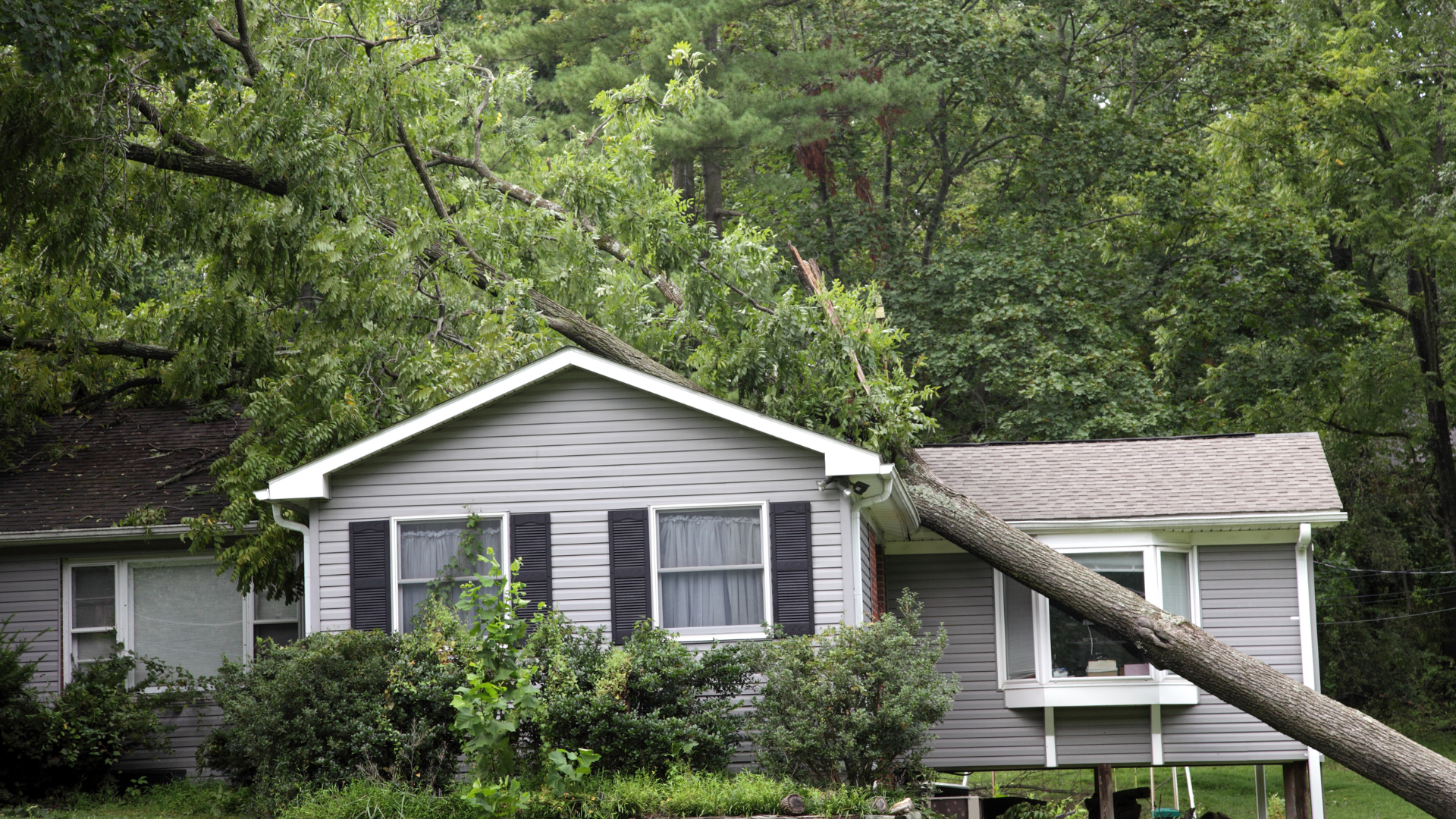
Once it is safe to do so, take photographs of the fallen tree and any damage to structures, fences, or vehicles. These images are valuable for insurance claims and will help both your insurance provider and your tree care professionals understand the full extent of the situation. Be sure to include multiple angles, showing where the tree originated and how it impacted the surrounding area.


If your property is insured, contact your insurance company as soon as possible. Most policies cover storm-related damage, including tree removal, particularly when the fallen tree caused harm to covered structures. Your insurer may require an inspection before work begins, so documentation is key.
Step Three: Call a Professional Tree Service

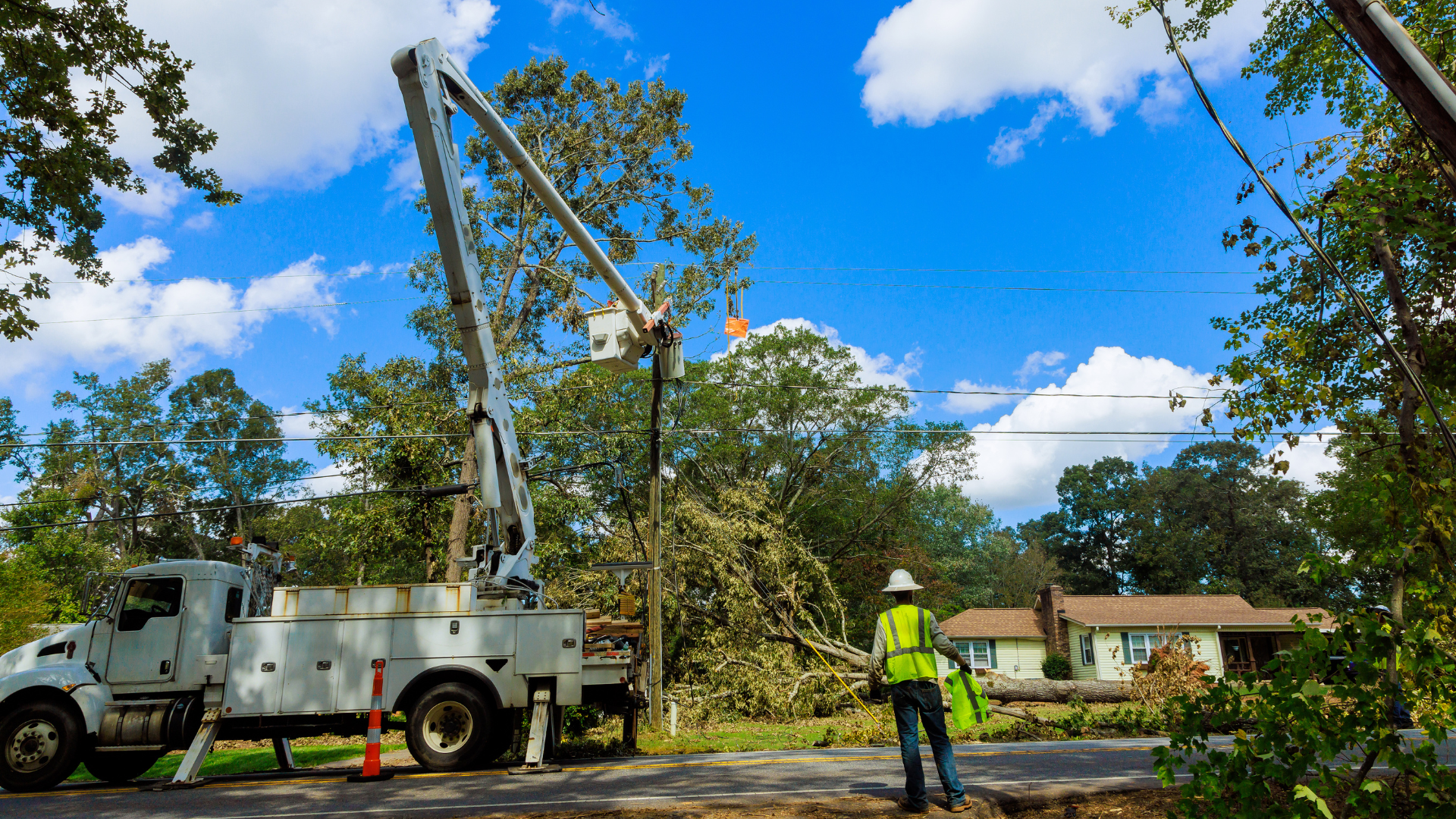
Removing a fallen or partially fallen tree is a task that should always be handled by trained professionals. Attempting to cut or move large limbs without proper equipment or experience can result in serious injury or further property damage. As Certified Arborists, we have the tools, training, and experience to safely remove storm-damaged trees and debris.


Our team uses specialized equipment to stabilize unstable trunks, section large trees carefully, and prevent additional impact to structures or landscaping. We also perform a complete safety inspection of the remaining trees to identify potential hazards that could pose future risks.
Step Four: Prevent Additional Damage

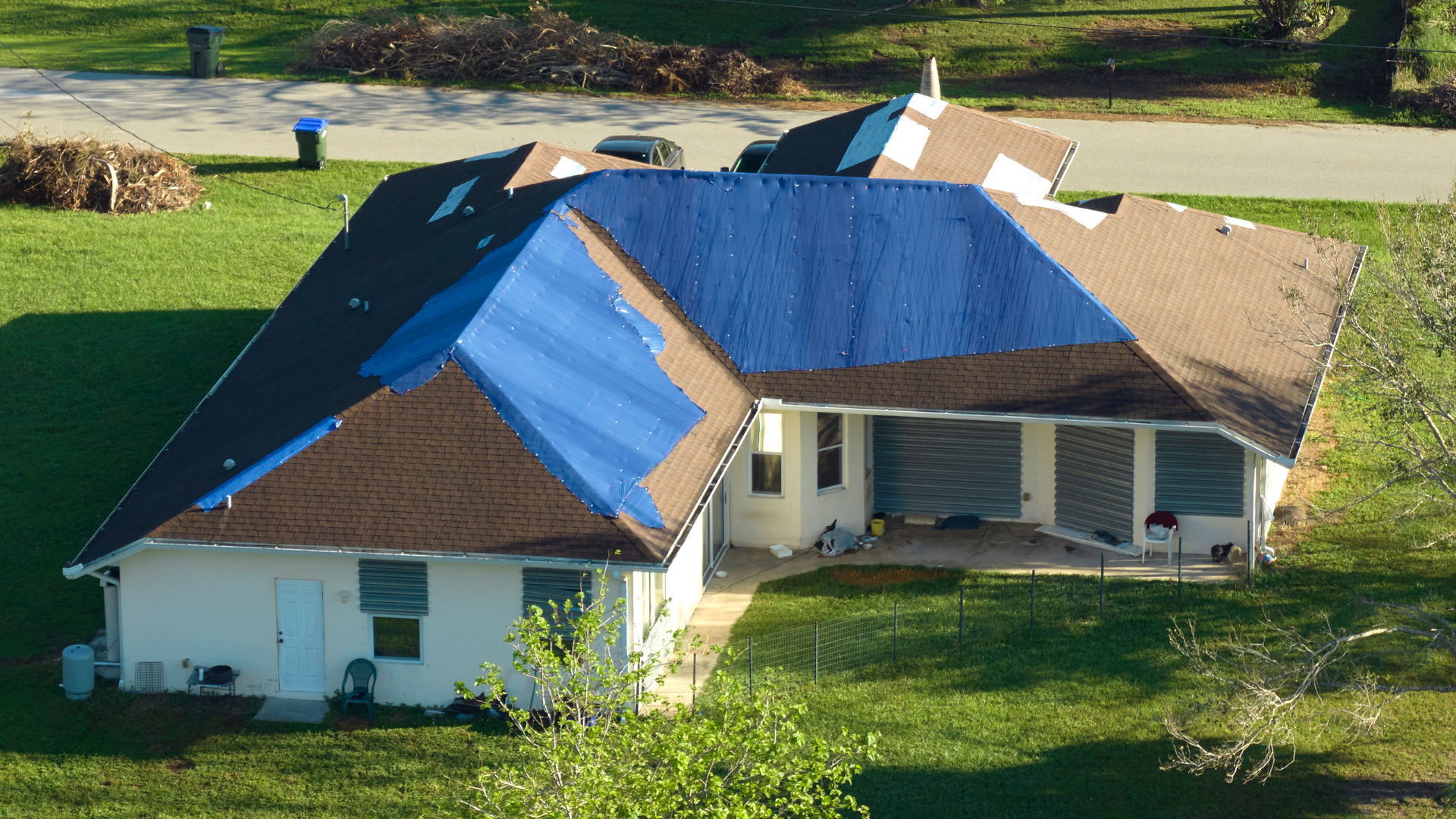
If the fallen tree has damaged your roof, siding, or fencing, it is important to secure the area as soon as possible. Temporary measures such as tarps or fencing can help protect your home from rain or further structural issues while you wait for full repairs.


Professional tree removal services also help prevent secondary problems such as pest infestations or rot. When fallen trees are left unattended, moisture buildup can attract insects and create conditions for decay, which can spread to nearby healthy trees. Prompt cleanup ensures that your property remains safe and your landscape continues to thrive.
Step Five: Schedule a Post-Storm Tree Inspection

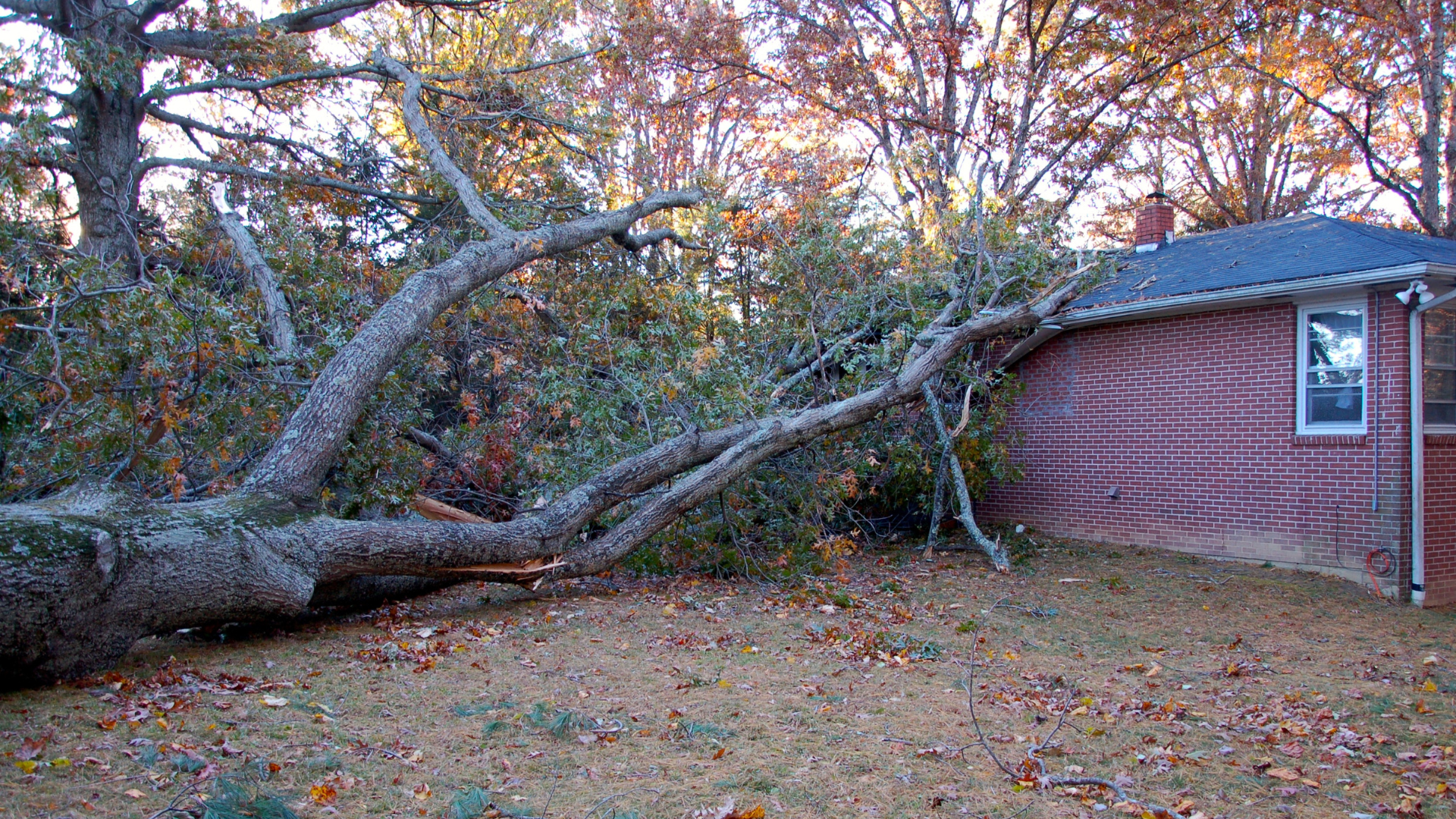
After major storms, even trees that appear unharmed may have internal cracks, root instability, or hidden damage. Scheduling a professional inspection with certified arborists can identify weaknesses early and prevent future hazards.


At Midwest Tree Surgeons, our post-storm assessments include evaluating soil conditions, checking for structural imbalance, and recommending pruning or removal when necessary. We help homeowners understand which trees are at risk and which can be preserved through careful maintenance.
Restoring Safety and Peace of Mind

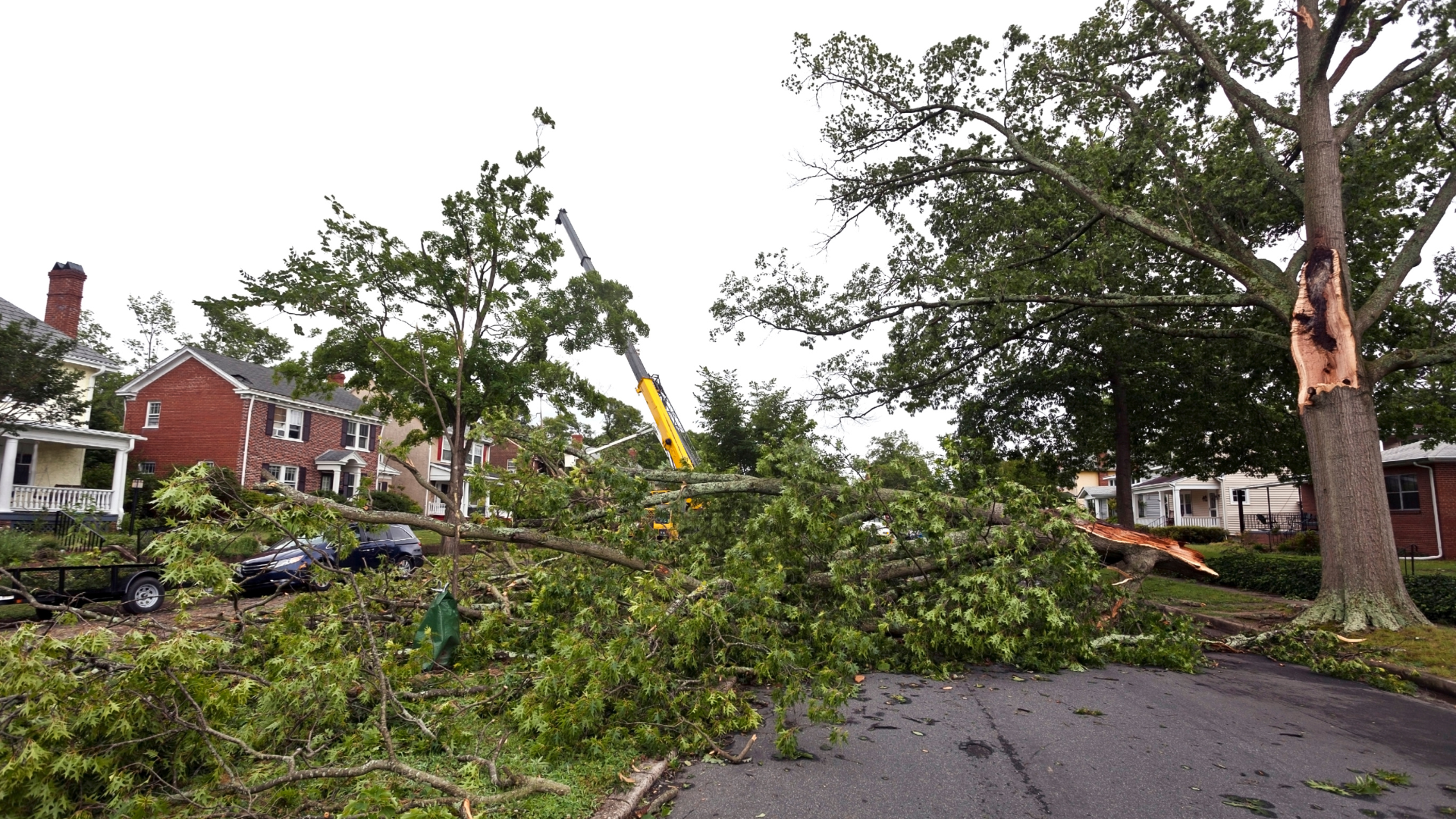
Storm damage can be stressful, but with the right steps and professional help, your property can be restored safely and efficiently. The key is to act quickly, prioritize safety, and trust experienced professionals who know how to handle complex removals.


At Midwest Tree Surgeons, we take pride in providing emergency response and storm recovery services throughout the region. Our commitment to safety, environmental responsibility, and quality workmanship ensures that every property we serve is left secure, clean, and ready to recover.


If a storm has left you with fallen or damaged trees, contact our team for immediate assistance. We will handle the cleanup so you can focus on what matters most—getting life back to normal.
September 23, 2026
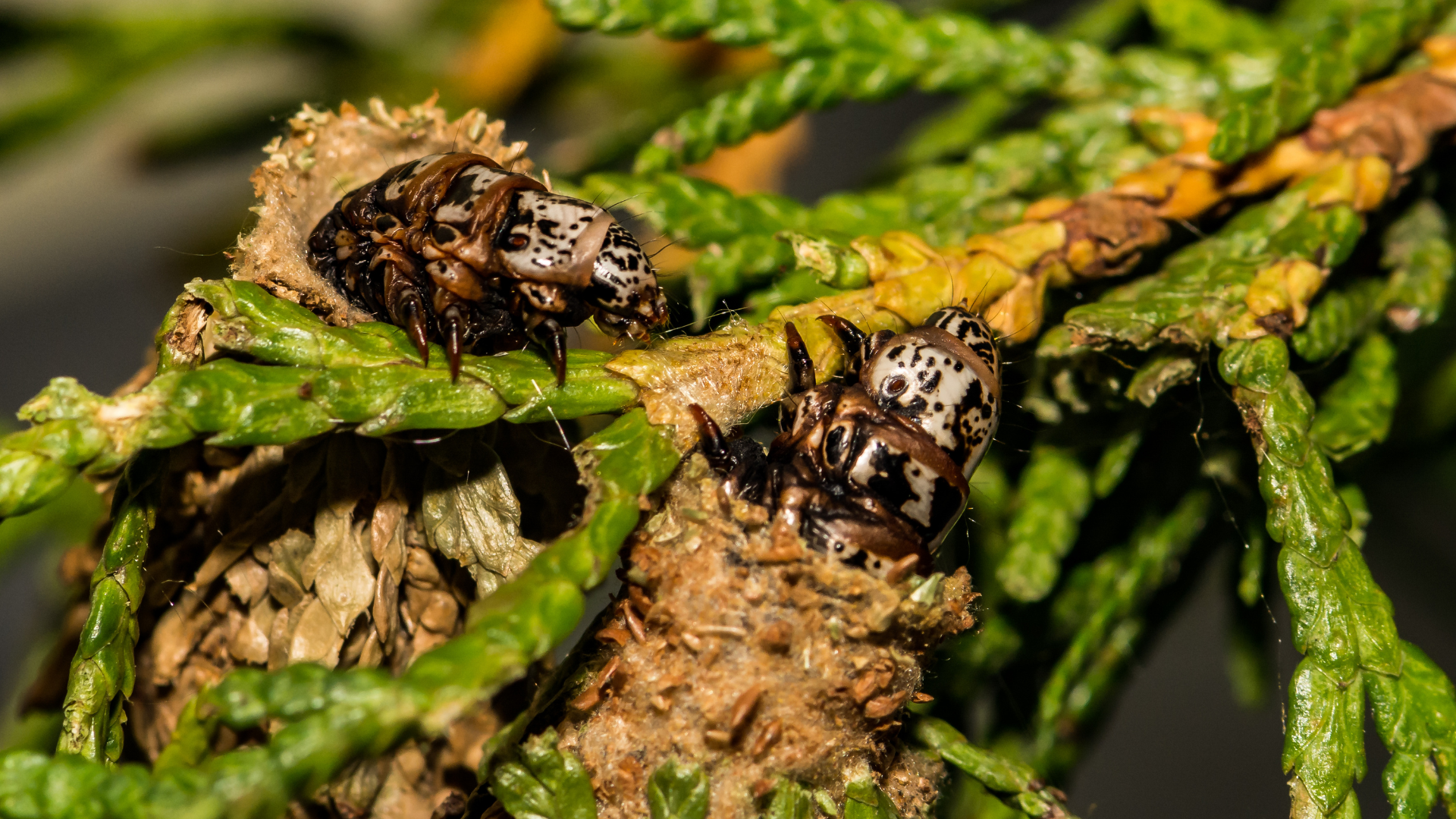
Evergreens are often valued because they provide year-round color, screening, and structure in the landscape. When sections of an arborvitae, juniper, spruce, or similar evergreen suddenly begin turning brown or losing foliage, however, bagworms may be responsible. Bagworms are caterpillars that construct protective bags from silk and pieces of the plants they are feeding on. Because those bags blend into surrounding foliage, an infestation can become significant before the insects attract much attention. Understanding how bagworms feed and when they are easiest to control can help protect valuable trees and shrubs from unnecessary damage. The Bags Can Be Easy to Miss Bagworms get their name from the portable cases they build around themselves. As the larvae feed , they add pieces of needles, leaves, and twigs to the outside of the bag. This camouflage can make them difficult to recognize, particularly when populations are still relatively small. The bags may look like small brown cones or pieces of dried vegetation hanging from the branches. Penn State Extension notes that bagworms can become serious pests on arborvitae, juniper, spruce, fir, and other conifers because substantial feeding damage can occur before the infestation becomes obvious.
September 18, 2026
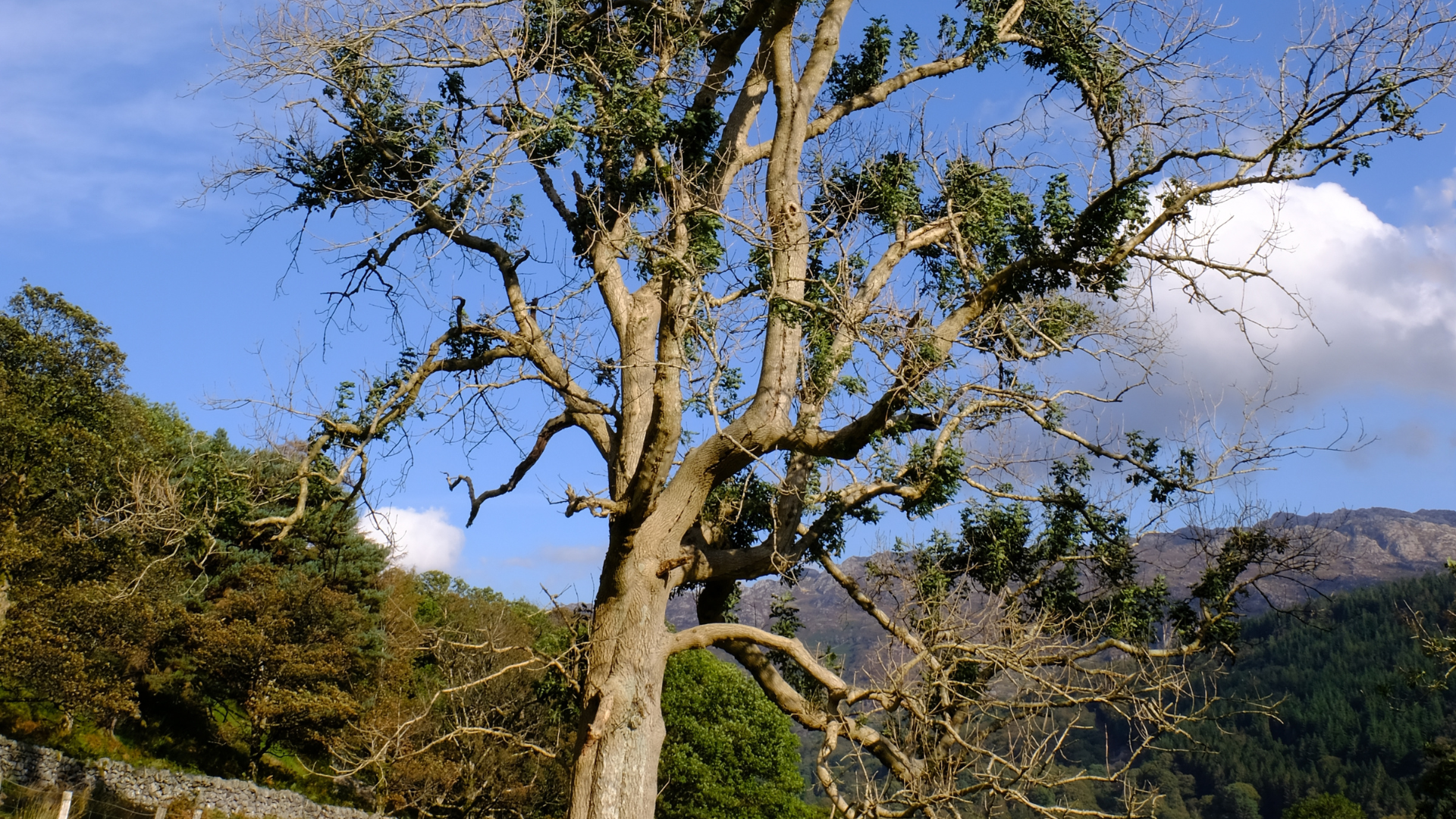
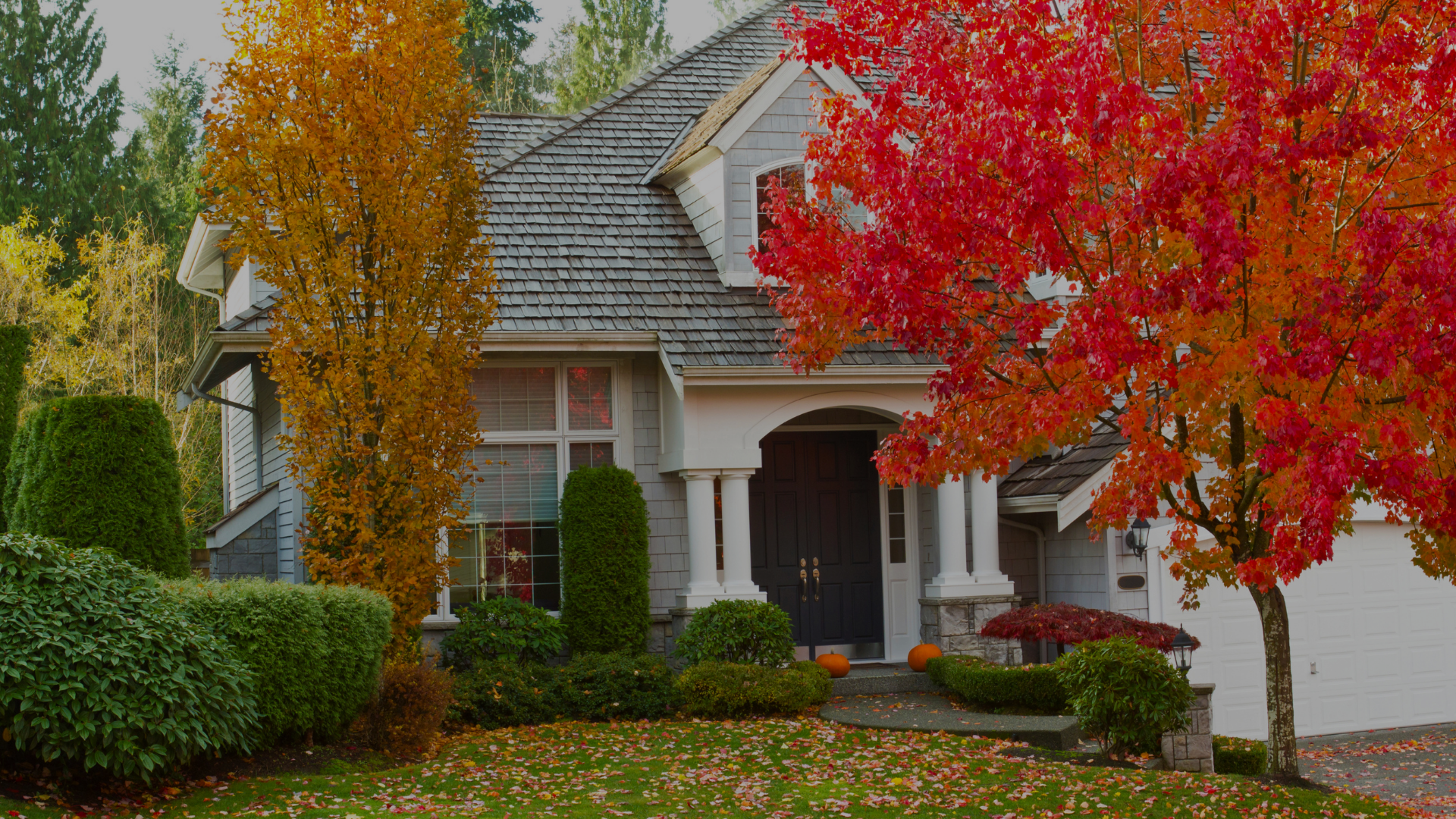
Fall is an especially useful time to take a closer look at the structure of mature trees . As leaves begin to thin and eventually drop, branches, unions, cracks, cavities, and other structural features become easier to see.  That makes autumn a practical season for identifying problems that may be harder to spot during summer. It also gives homeowners time to address weak limbs or other concerns before winter snow, ice, and wind place additional stress on the canopy.
September 10, 2026
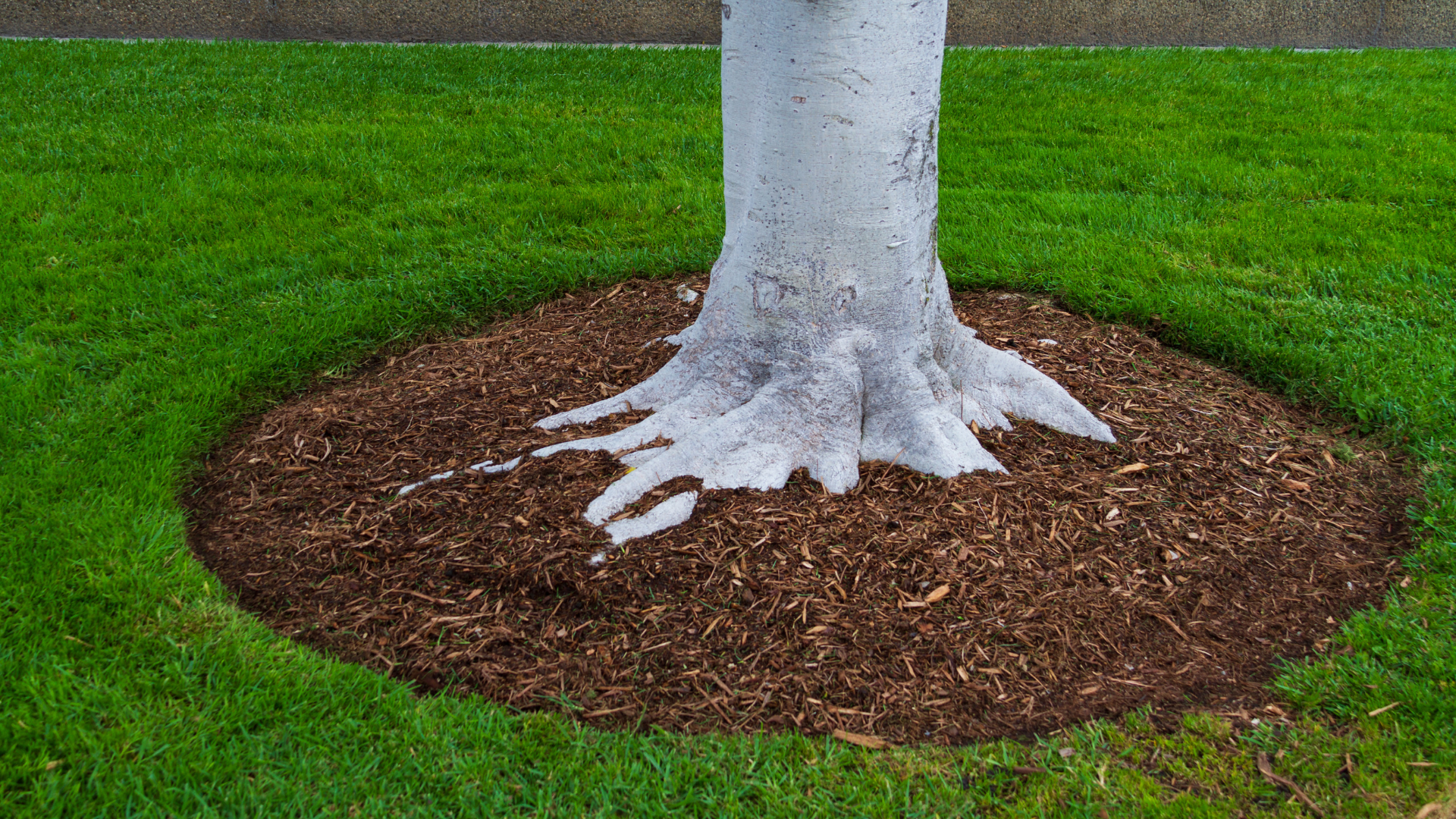
A healthy tree should not look like a telephone pole entering the ground. Near the base of the trunk, the tree should widen where the major roots begin to spread outward. This area is known as the root flare, and it can reveal a great deal about whether a tree was planted at the correct depth.  When the root flare is buried under soil, mulch, or landscaping material, the tree may face long-term problems that are easy to miss at first. Looking at the base of the trunk is one of the simplest ways to spot a planting issue before it becomes more serious.
September 2, 2026
A tree can appear healthy overall and still develop a section of dead or dying branches. When branch dieback appears suddenly, especially in one part of the canopy, it can be a sign that something is interfering with the tree’s ability to move water and nutrients where they are needed.  For homeowners, the important question is not simply whether a branch is dead, but why it died. Midwest Tree Surgeons evaluates tree health, structure, pests , disease, and site conditions to help determine what may be causing the change.
August 25, 2026
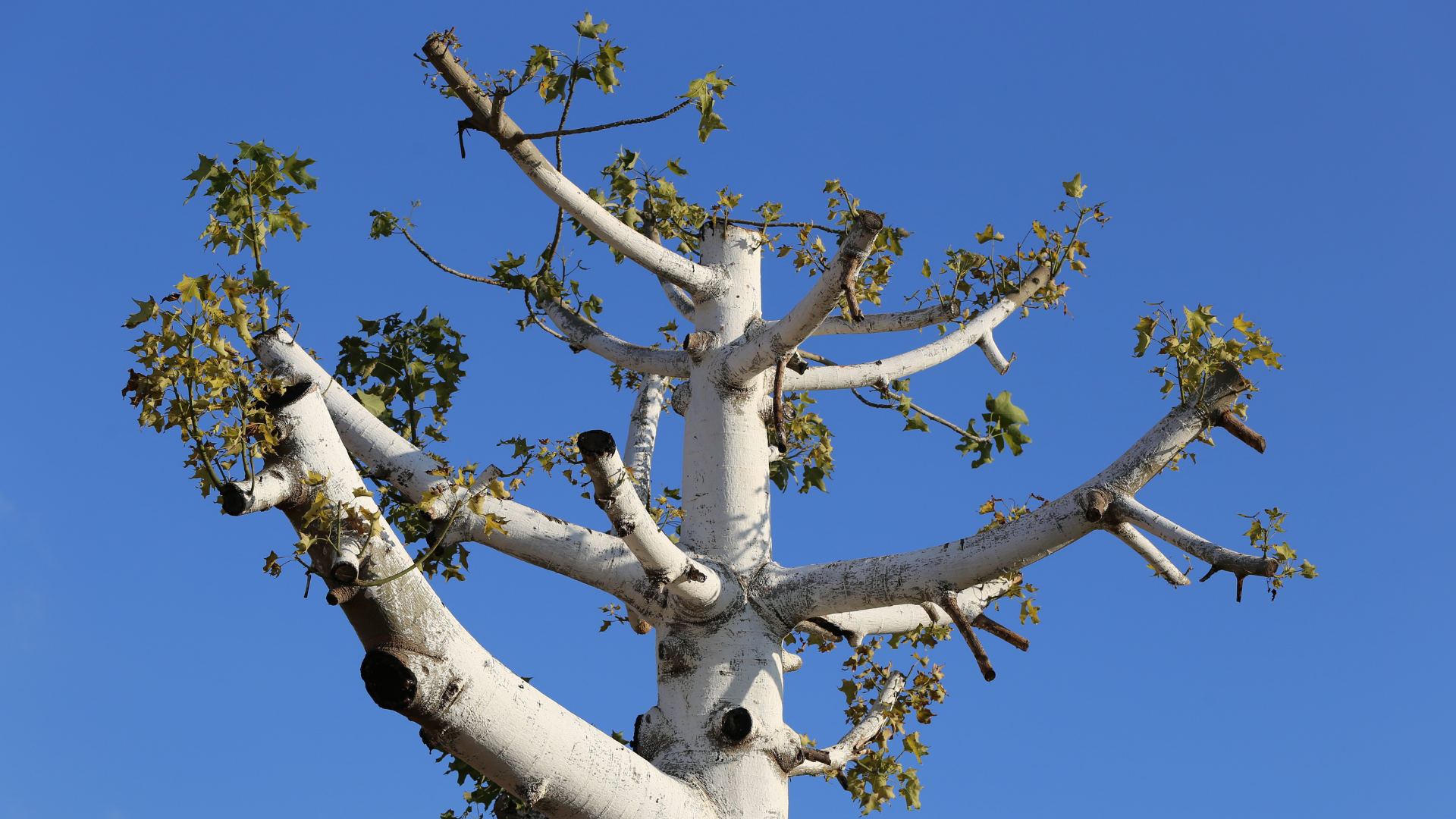
When a tree grows too large for its surroundings, removing the upper portion of the canopy may seem like a quick solution. This practice, commonly called tree topping, involves cutting major branches or leaders back to stubs or lateral branches that are too small to assume the terminal role.  Although topping can immediately reduce a tree’s height, it can also create lasting structural and health problems. For homeowners concerned about an oversized or potentially hazardous tree, professional pruning is generally a better approach.
August 18, 2026
When insects begin damaging a tree, the first instinct may be to treat the problem as quickly as possible. But not every insect requires the same response, and some insects that look harmful may not be the actual cause of the decline. Applying the wrong treatment can waste time, money, and potentially put additional stress on the tree.  Midwest Tree Surgeons takes a diagnosis-first approach to tree care. Correct pest identification helps determine whether treatment is needed, which method is appropriate, and whether the real problem may involve disease, environmental stress, or another underlying issue.
August 11, 2026
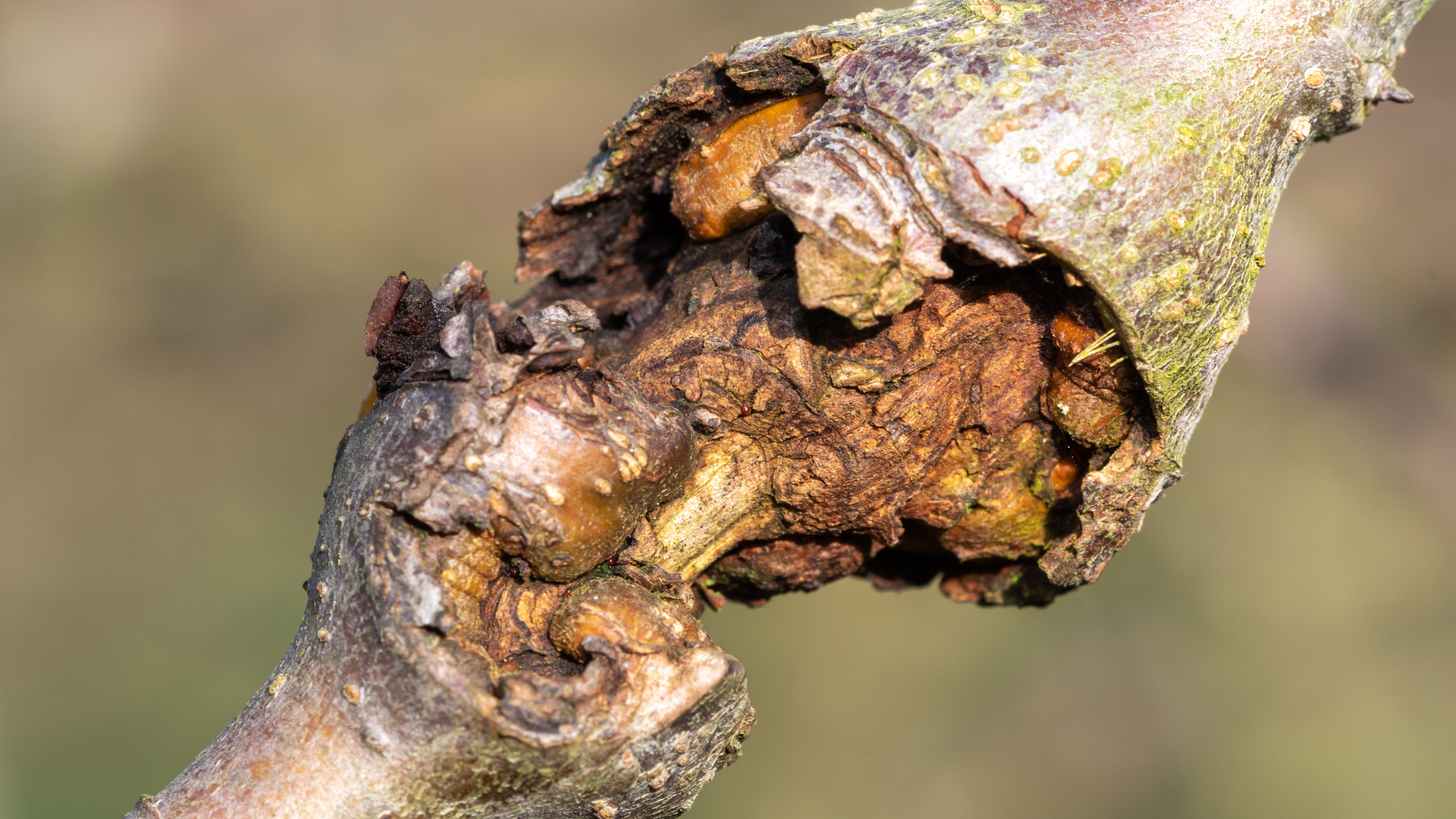
Trees often show signs of trouble long before they experience major decline. One warning sign that deserves attention is the appearance of a canker—a localized area of dead or damaged bark that develops on a trunk, branch, or stem. Cankers can be caused by fungi, bacteria, environmental injury, or a combination of stress factors, and they often reveal that a tree is struggling to defend itself.  While not every canker means a tree is doomed, these lesions can provide valuable clues about underlying health problems. Midwest Tree Surgeons helps property owners evaluate symptoms such as bark damage, dieback, discoloration, and structural weakness so that appropriate care can begin before problems become more severe.
August 6, 2026
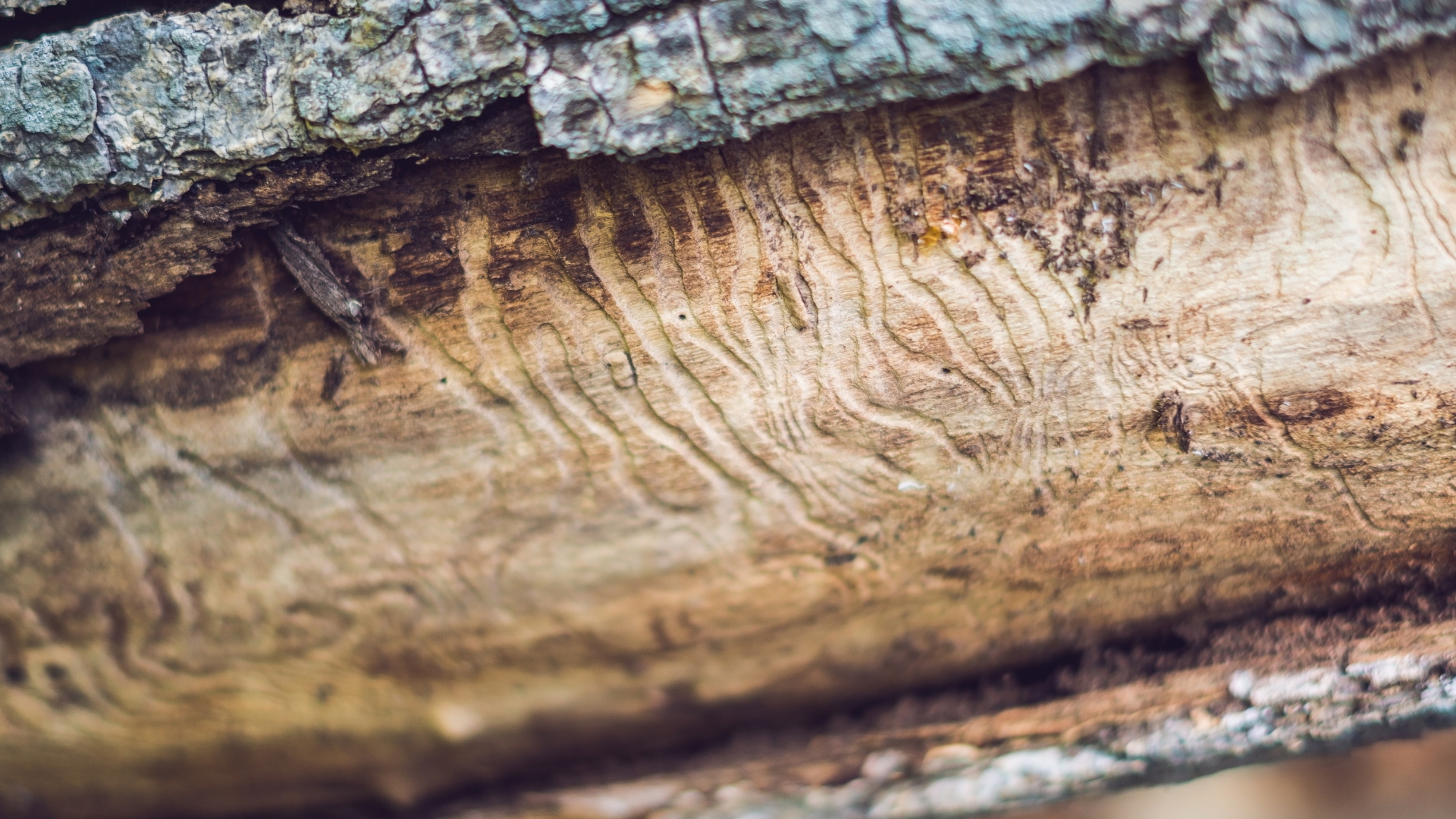
Pine trees are valued throughout the Midwest for their year-round beauty, wind protection, and ecological importance. Although these evergreens are generally hardy, they can become vulnerable to insect pests when stressed by drought, storm damage, construction activity, or disease. One group of insects that deserves particular attention is the pine bark beetle . While these beetles are small, their activity can have significant consequences for individual trees and, in some situations, entire stands of pines.  Recognizing the early signs of bark beetle activity allows property owners to respond before damage becomes more extensive. Professional evaluation is often the best way to determine whether a tree can be preserved or whether additional management measures are appropriate.
July 28, 2026
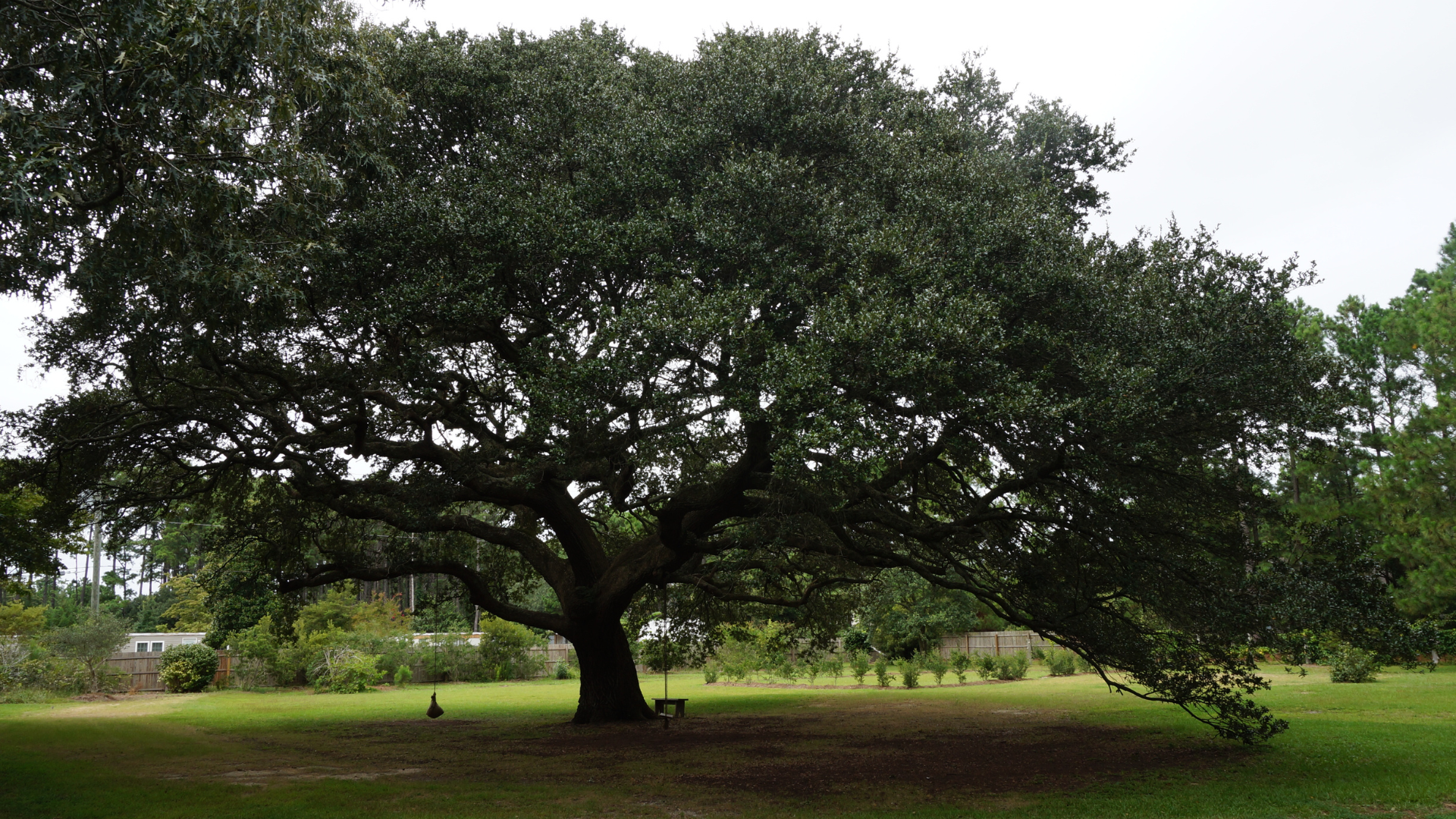
Standing beneath a towering oak or sycamore, it is easy to appreciate a tree’s size. What is less obvious is its age. Many of the mature trees found throughout Missouri and the greater American Midwest have been growing for generations, quietly enduring changing weather, shifting landscapes, and the passage of time. While no tree lives forever, some species possess remarkable longevity, allowing them to become living landmarks that connect communities with their natural history.  Understanding why certain trees live for centuries can help property owners appreciate the importance of proper tree care and preservation.
July 21, 2026
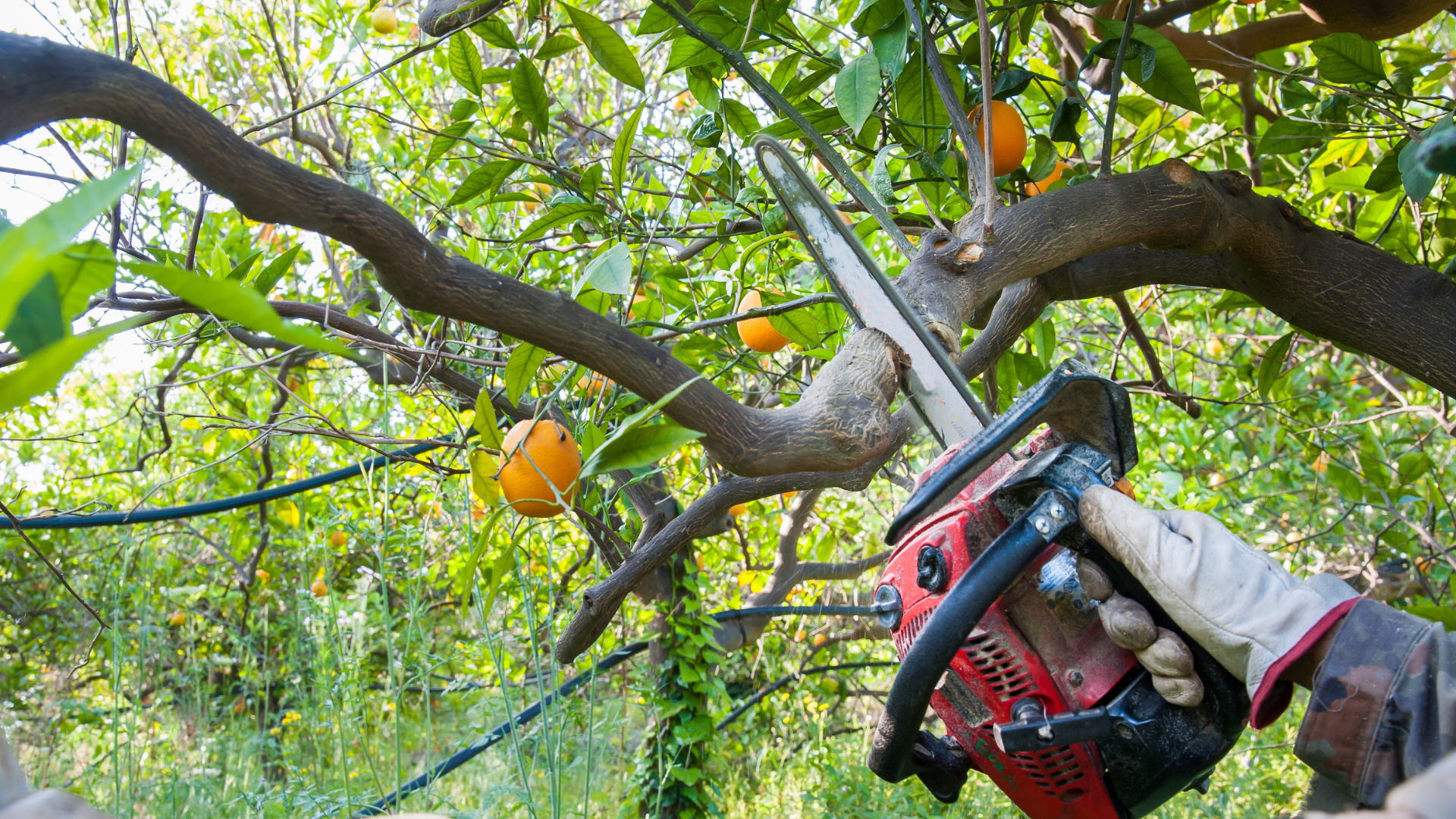
Pruning is one of the most valuable services a professional arborist can provide, yet it is often misunderstood. Some homeowners worry that removing healthy branches may harm a tree, while others assume pruning is only necessary when limbs become hazardous. In reality, proper pruning is a proactive practice that supports tree health, improves structure, and helps trees adapt to changing environmental conditions.  When performed correctly and at the appropriate time, pruning works with a tree’s natural biological processes, allowing it to continue growing safely and efficiently for years to come.
More Posts