How Arborists Help Extend the Life of Valuable Trees

July 14, 2026

Trees are among the longest-living features on any property. A mature oak, maple, or other established tree may take decades to reach its full size, providing shade, beauty, wildlife habitat, and increased property value along the way. Because of the time and environmental benefits they represent, preserving healthy trees whenever possible is often a worthwhile investment.


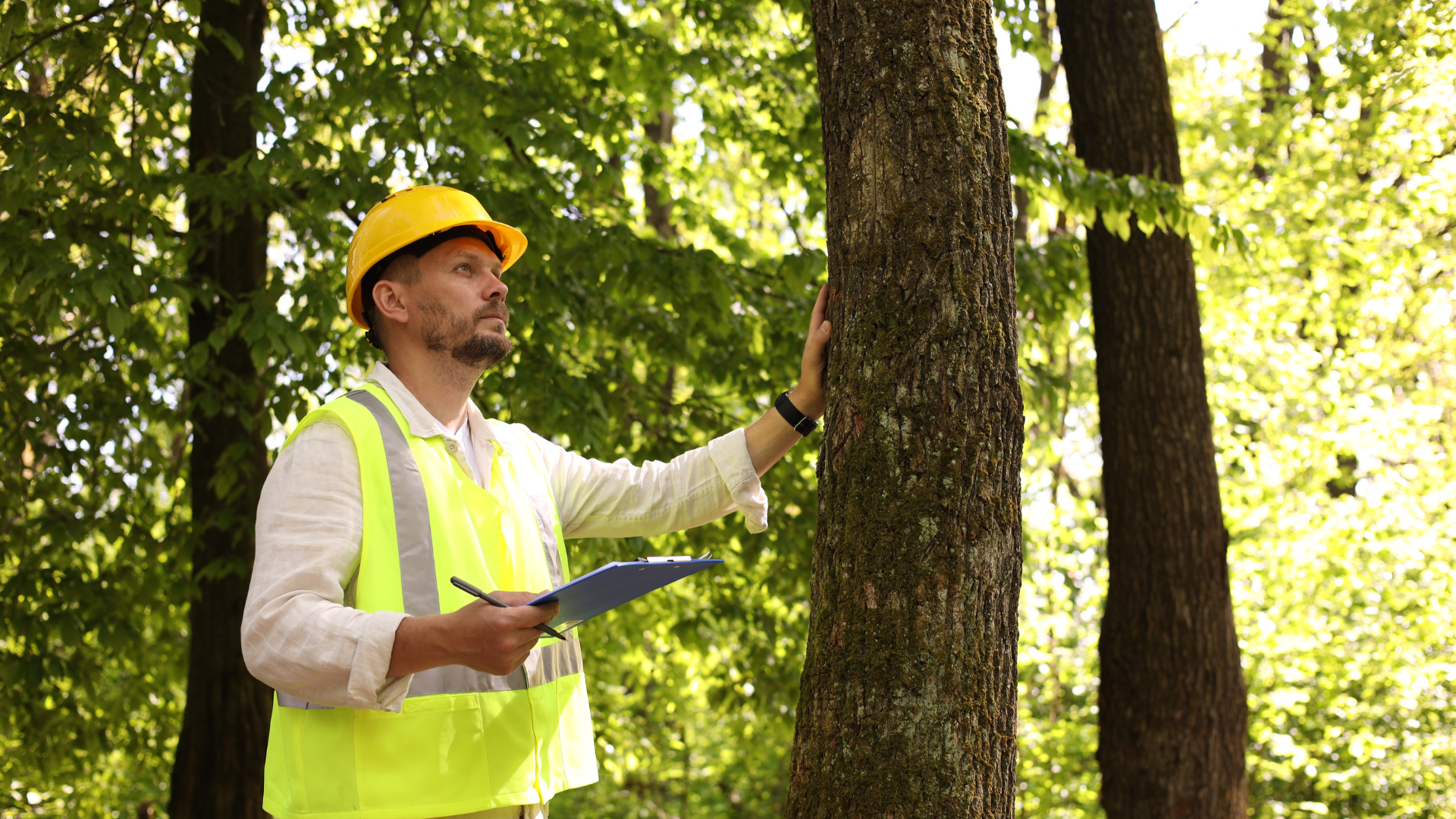
Professional arborists play an important role in helping trees remain healthy, structurally sound, and capable of thriving for many years. Through regular evaluations and proactive care, they can identify potential problems early and recommend treatments that support long-term tree health.
Looking Beyond What Is Visible

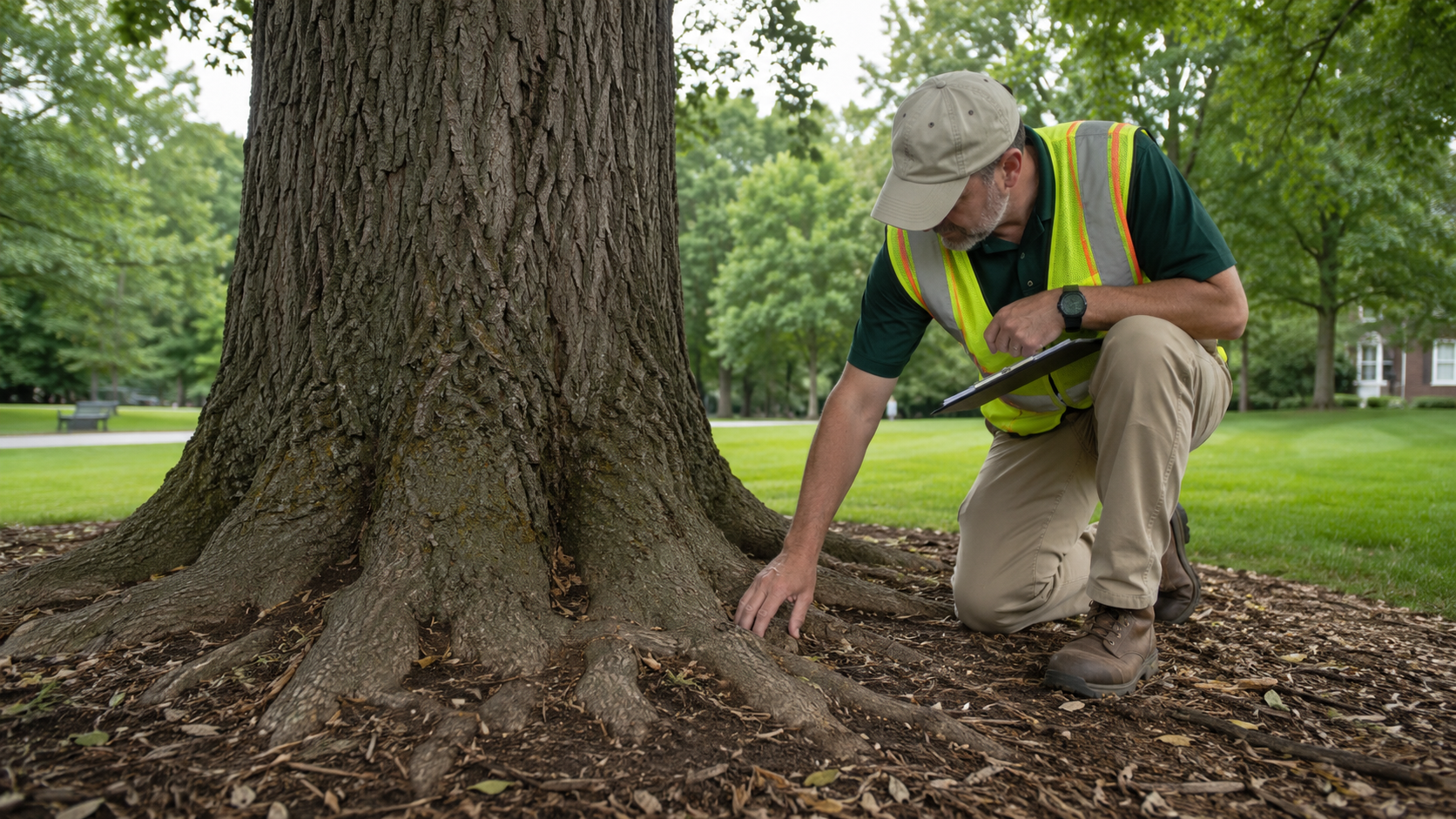
A tree may appear healthy from a distance while experiencing problems that are not immediately obvious.


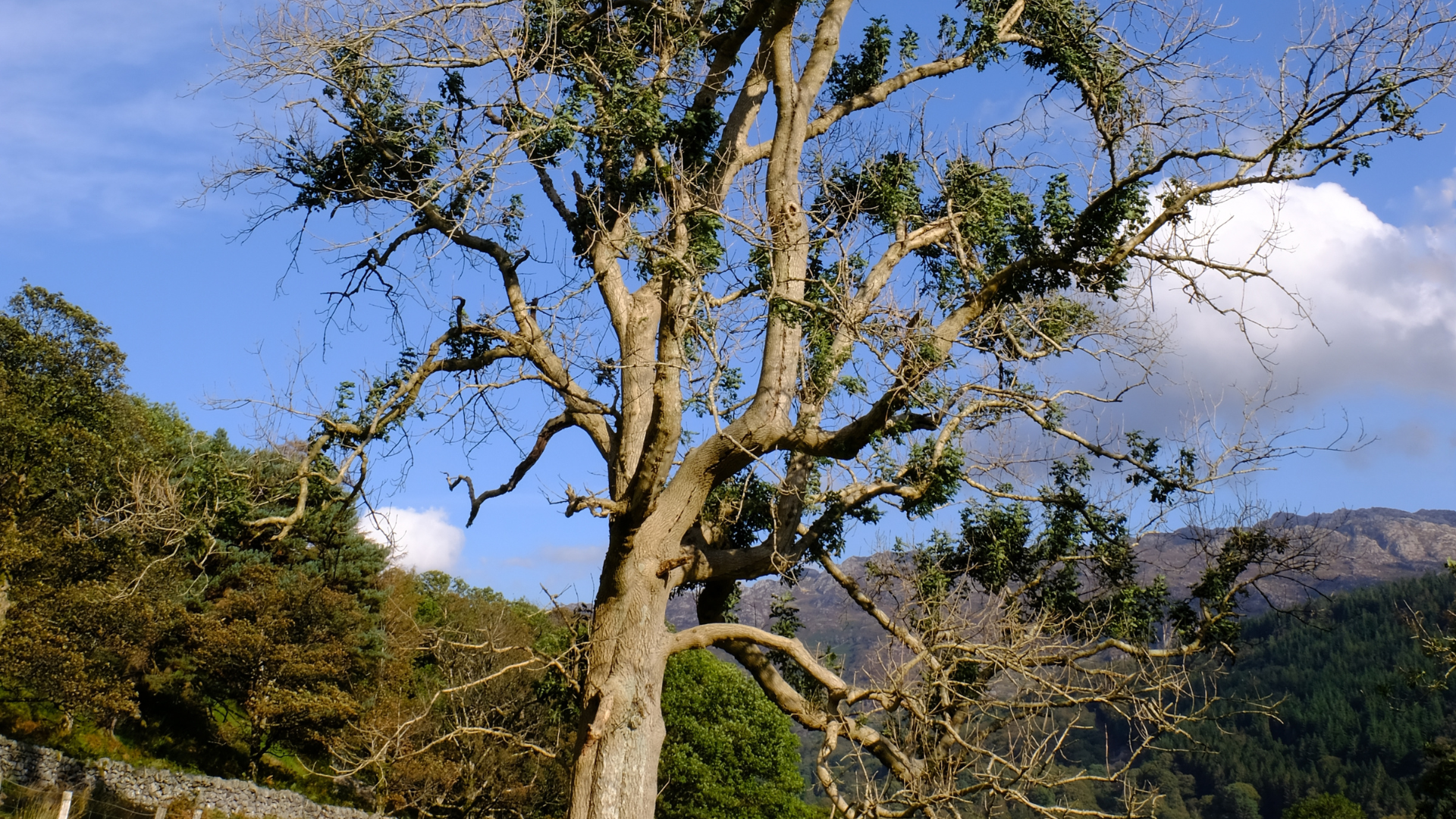
Professional arborists are trained to evaluate the entire tree, including its canopy, trunk, branches, root flare, and surrounding soil conditions. Signs such as dead limbs, fungal growth, cracks, insect activity, poor leaf development, or structural defects may indicate underlying issues that deserve attention.


Early detection often provides more management options than waiting until visible decline becomes severe.
Pruning Supports Long-Term Health

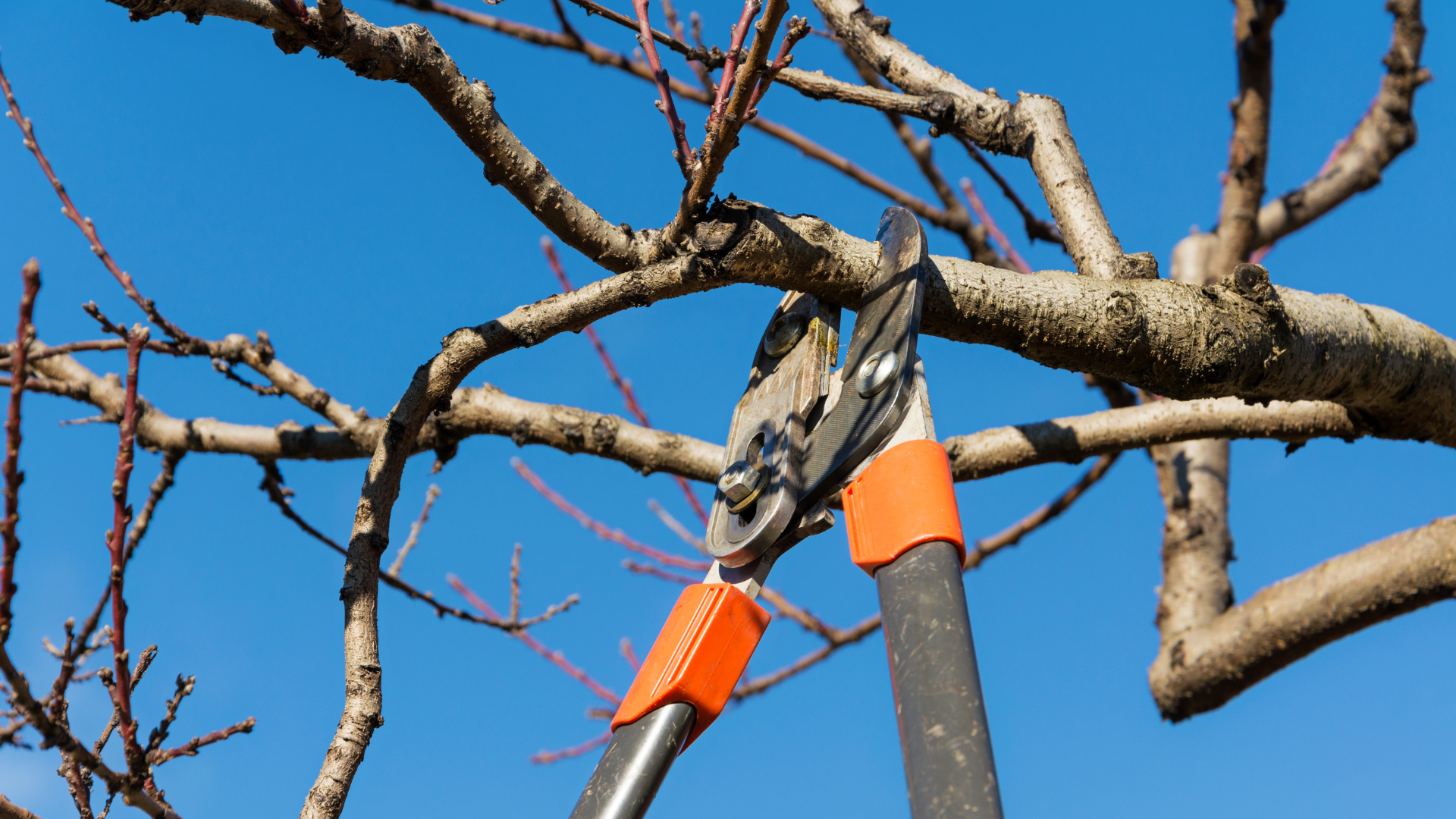
Proper pruning is one of the most valuable services an arborist can provide.


Removing dead, damaged, or poorly attached branches helps reduce stress on the tree while improving its overall structure. Strategic pruning can also improve airflow through the canopy, reduce the likelihood of branch failure during storms, and encourage healthy future growth.


Professional pruning focuses on preserving the tree’s natural form rather than simply removing large amounts of foliage. Every cut is made with the tree’s long-term health in mind.
Monitoring Structural Stability

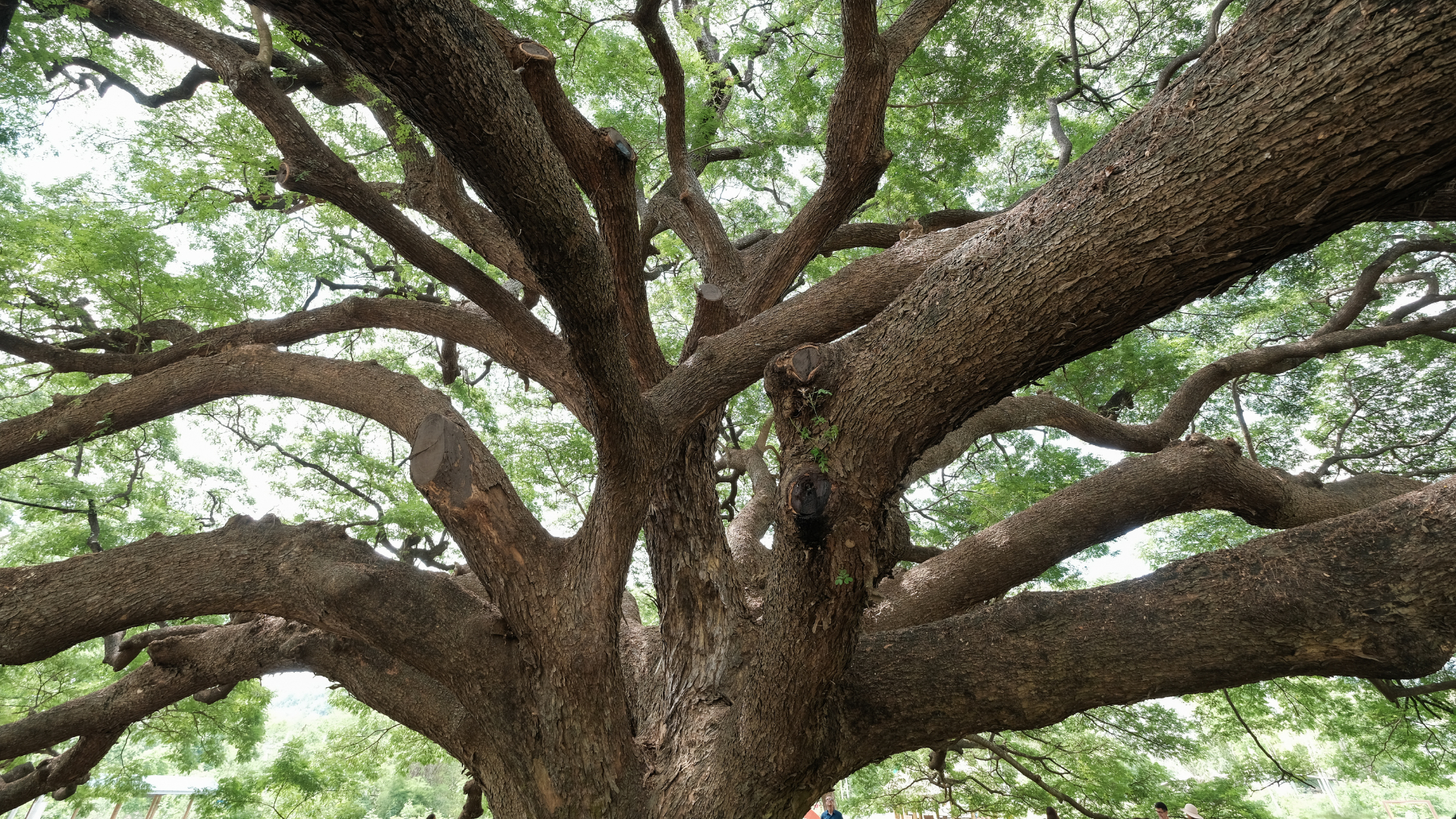
As trees mature, they may develop structural weaknesses that increase the risk of branch or trunk failure.


Multiple trunks, included bark, large cavities, storm damage, and heavy limbs are just a few of the conditions that arborists evaluate during an inspection. Identifying these issues early allows property owners to address concerns before they become safety hazards.


In many cases, proactive maintenance can reduce risk while preserving a tree that still has many healthy years ahead.
Caring for the Root System

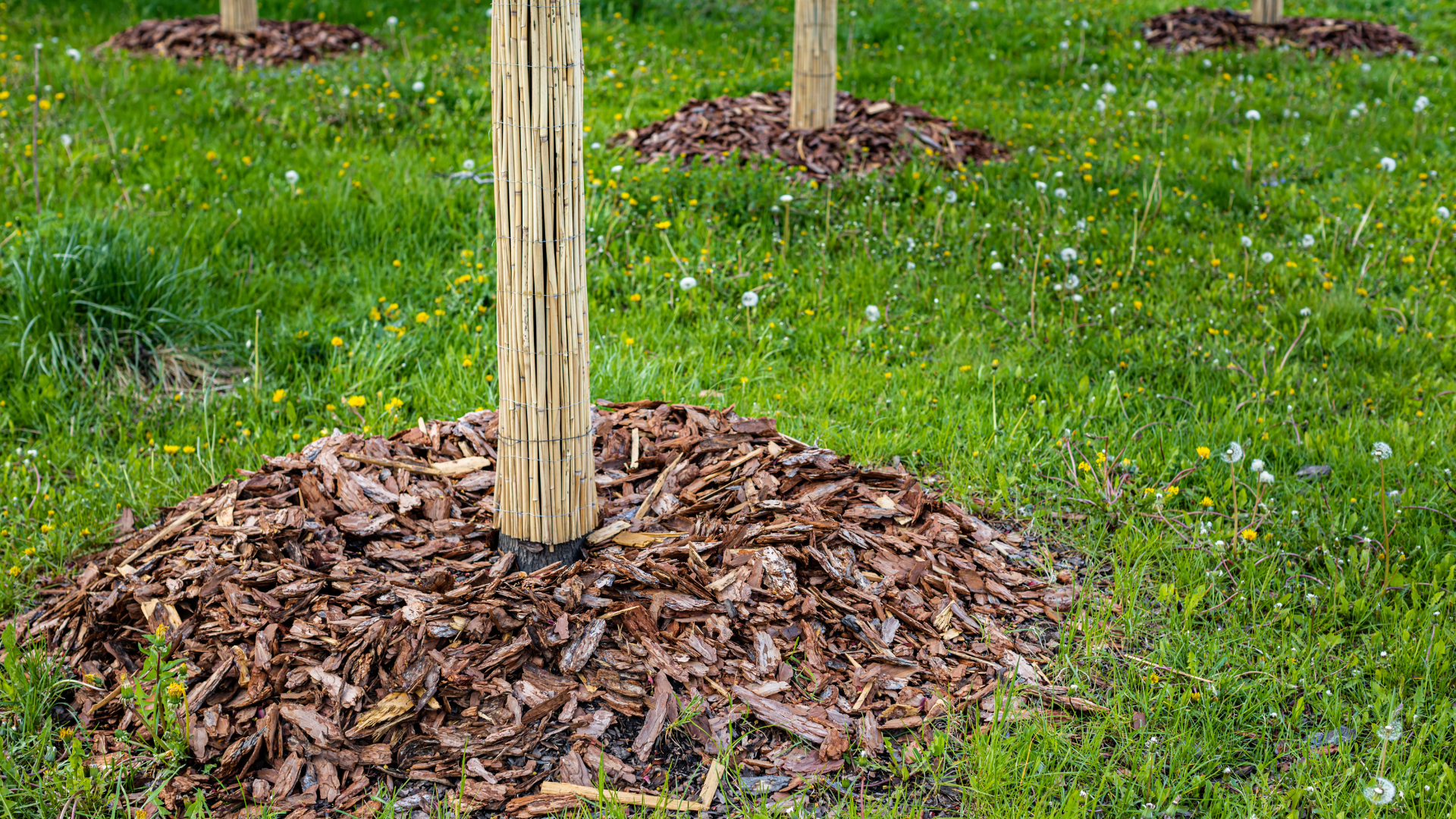
Much of a tree’s health depends on what happens below ground.


Compacted soil, construction activity, poor drainage, and root damage can all affect a tree’s ability to absorb water and nutrients. Because these problems are often hidden, they may go unnoticed until the tree begins to decline.


Professional arborists consider the condition of the root zone when evaluating tree health and may recommend practices that support healthier growing conditions over time.
Preservation Is Often the Best Solution

Tree removal is sometimes necessary, particularly when a tree has become hazardous or has declined beyond recovery.


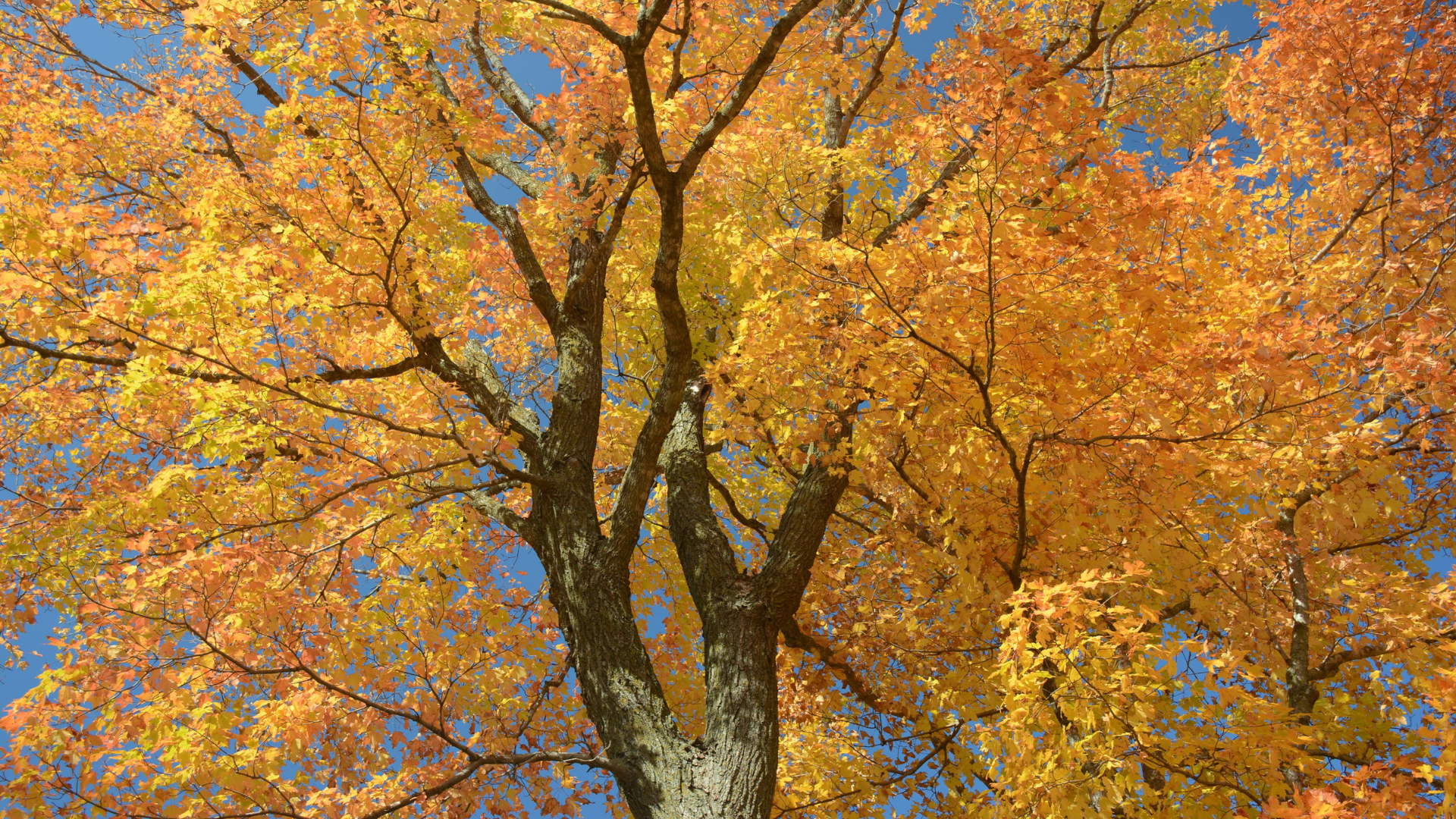
However, many trees can continue providing value when they receive appropriate care. Preventive maintenance, routine inspections, and timely pruning often allow mature trees to remain safe and healthy for many additional years.


Preserving established trees also helps maintain the character of a landscape while avoiding the long wait required for newly planted trees to mature.
A Long-Term Investment in Your Property

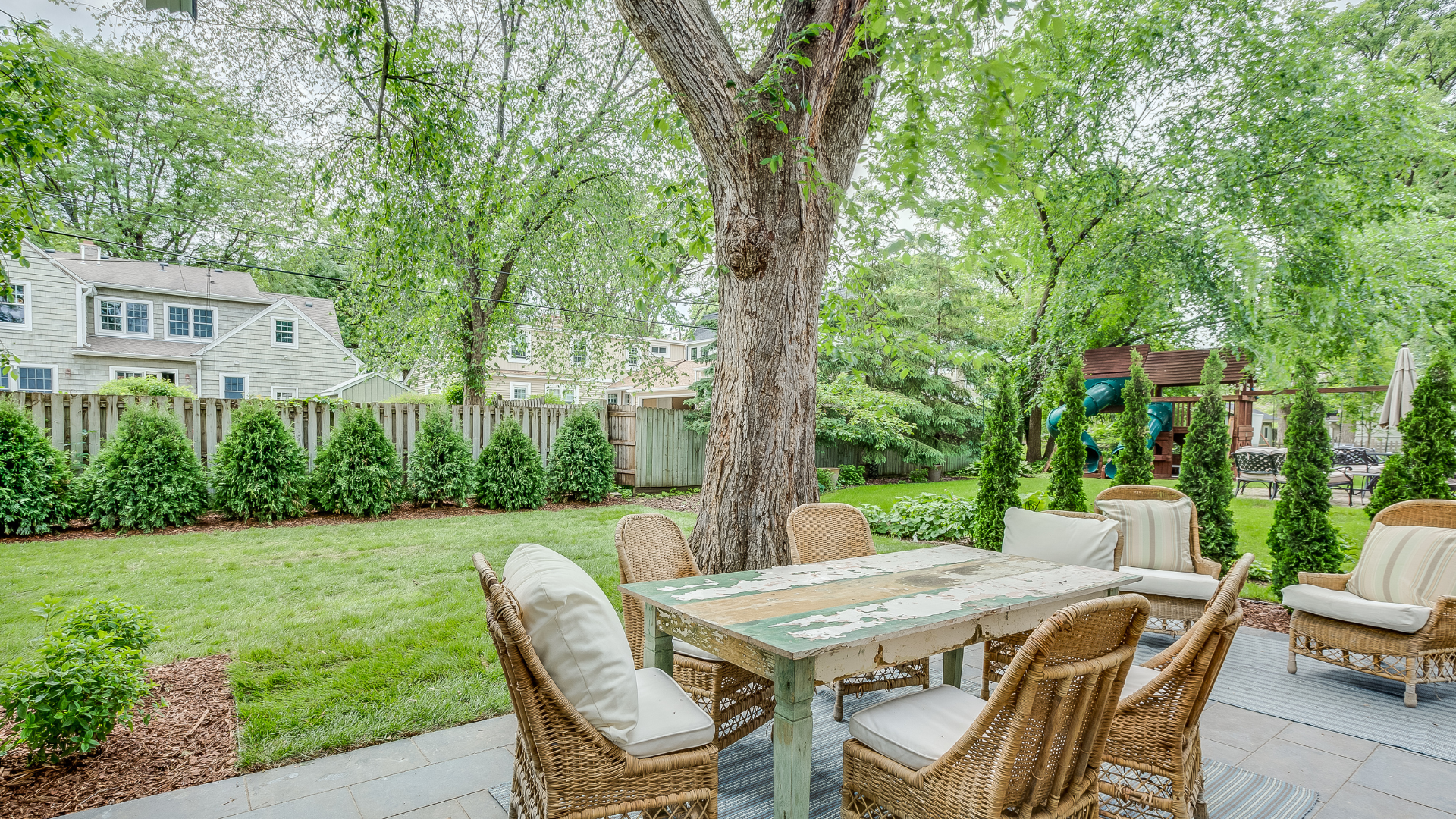
Healthy trees contribute beauty, shade, energy savings, privacy, and environmental benefits that increase with age. Protecting these valuable assets requires expertise, careful observation, and a commitment to long-term care rather than short-term solutions.


At Midwest Tree Surgeons, our experienced arborists are dedicated to helping property owners preserve and protect the trees that make their landscapes unique. Through comprehensive tree evaluations, professional pruning, risk assessments, and proactive maintenance, we work to extend the life of healthy trees whenever possible while helping clients make informed decisions when removal becomes necessary.


Whether you have a single mature shade tree or an entire landscape filled with valuable specimens, investing in professional arboricultural care today can help those trees continue enhancing your property for decades to come. Contact Midwest Tree Surgeons to schedule a professional tree evaluation and learn how expert care can help protect one of your property’s most valuable natural resources.
October 13, 2026
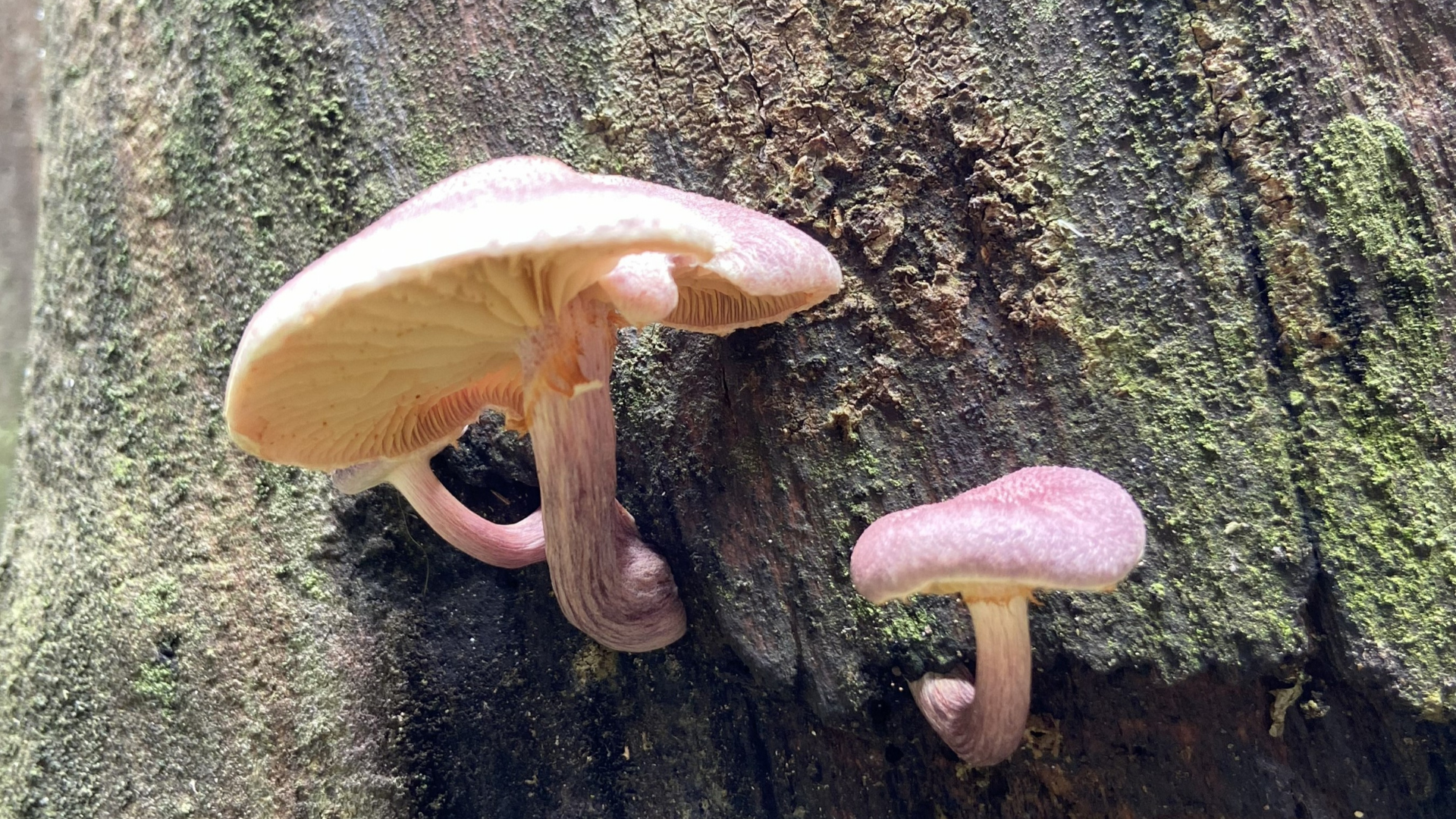
Mushrooms or other fungal growth on a tree trunk can look harmless, especially if the tree still has a full canopy. But fungal growth can sometimes be a sign that wood inside the tree is beginning to decay. That does not mean every mushroom automatically makes a tree dangerous. It does mean the tree deserves a closer look, particularly when the fungus is growing directly from the trunk, root flare, or a large structural root. For homeowners, recognizing that warning sign early can make it easier to evaluate the tree before a hidden problem becomes more serious.
October 9, 2026
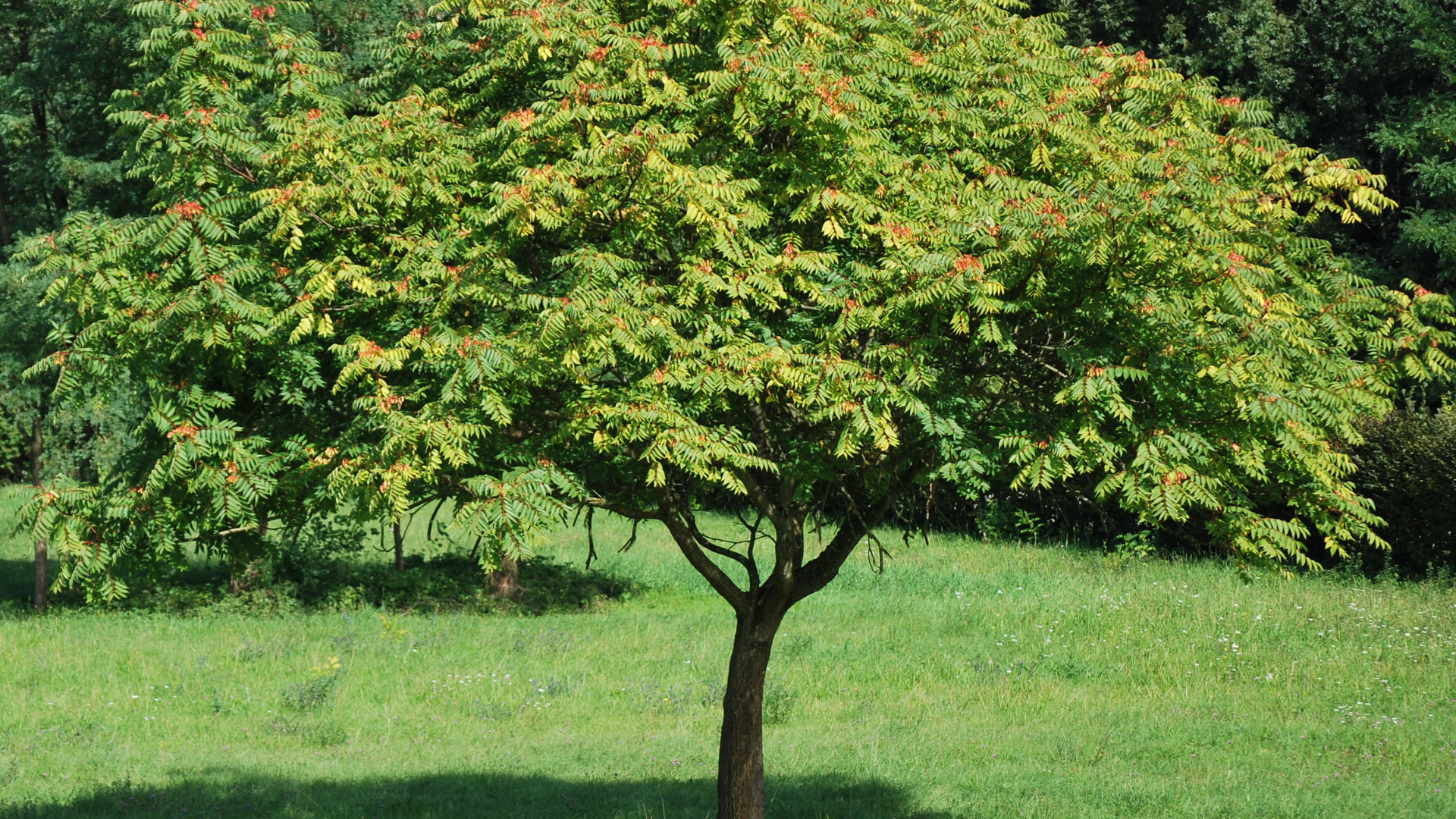
Tree-of-heaven sounds harmless, but Ailanthus altissima is an aggressive invasive tree that has become established throughout much of the United States, including the Midwest. Originally native to China and Taiwan, tree-of-heaven was introduced to the United States in the late 1700s as an ornamental tree. Its ability to tolerate poor soil, pollution, disturbed ground, and difficult urban conditions helped it spread far beyond cultivated landscapes. Today, it can be found along roadsides, rail corridors, vacant lots, woodland edges, and other disturbed areas throughout the Midwest. Knowing how to recognize it is important because removing it incorrectly can actually make the infestation worse. Look Closely at the Leaves Tree-of-heaven has very large compound leaves made up of numerous individual leaflets. A single leaf can contain roughly 10 to 40 or more leaflets arranged along a central stem. Near the base of each leaflet are distinctive glandular teeth or notches that can help separate tree-of-heaven from similar-looking native species. Crushing the foliage is another useful clue. The leaves can produce a strong, unpleasant odor that has sometimes been compared to rancid or burnt peanut butter.
September 29, 2026
Winter can place significant stress on trees, especially when heavy snow, ice, strong winds, and rapid temperature changes arrive together. A tree that appears stable in mild weather may react very differently once branches are loaded with snow or the soil freezes. That is why late fall is a useful time for homeowners to look for warning signs before severe winter weather begins. A careful inspection can help identify weak branches, structural defects, and other concerns that may become more dangerous during a storm.
September 23, 2026
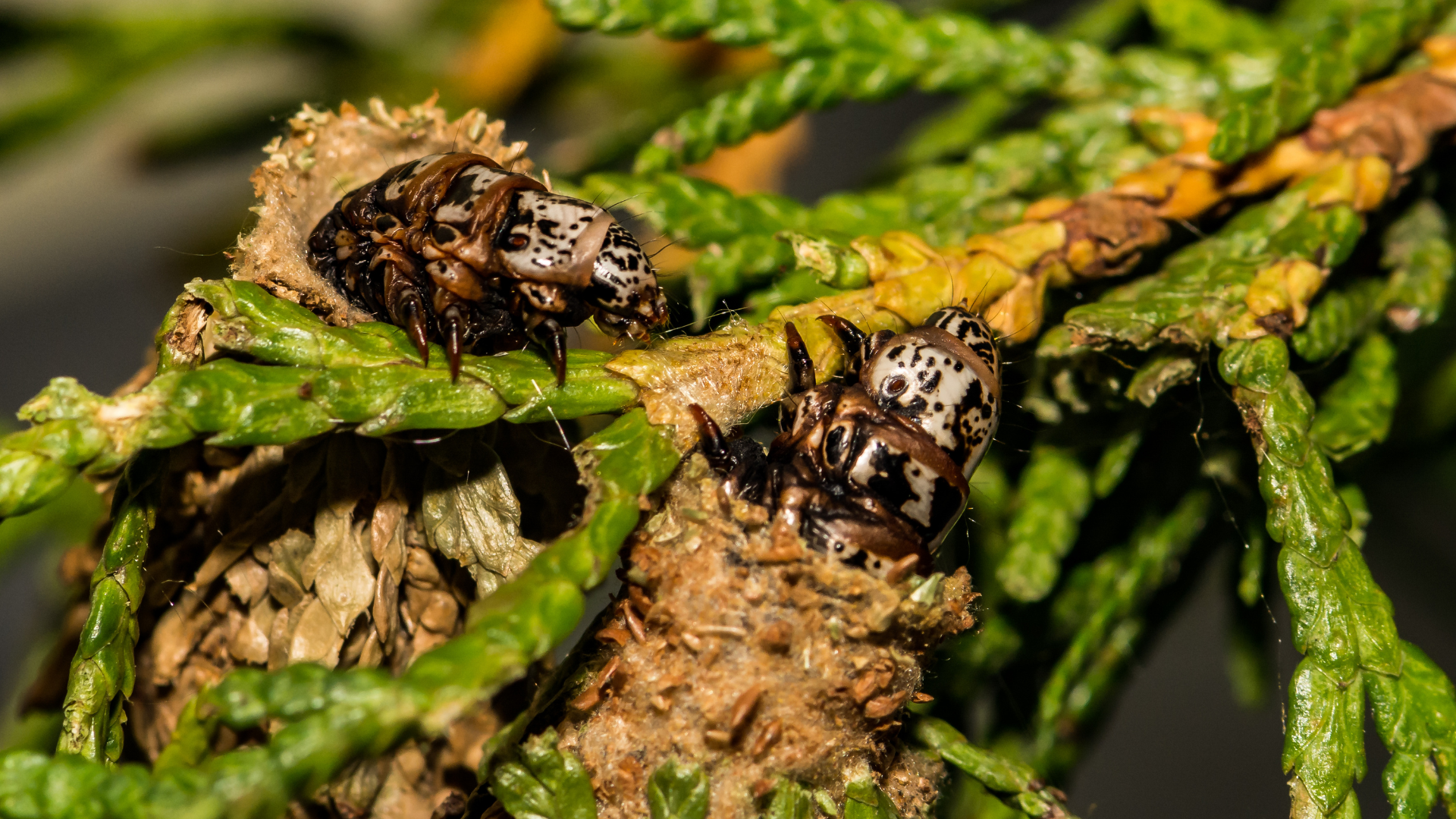
Evergreens are often valued because they provide year-round color, screening, and structure in the landscape. When sections of an arborvitae, juniper, spruce, or similar evergreen suddenly begin turning brown or losing foliage, however, bagworms may be responsible. Bagworms are caterpillars that construct protective bags from silk and pieces of the plants they are feeding on. Because those bags blend into surrounding foliage, an infestation can become significant before the insects attract much attention. Understanding how bagworms feed and when they are easiest to control can help protect valuable trees and shrubs from unnecessary damage. The Bags Can Be Easy to Miss Bagworms get their name from the portable cases they build around themselves. As the larvae feed , they add pieces of needles, leaves, and twigs to the outside of the bag. This camouflage can make them difficult to recognize, particularly when populations are still relatively small. The bags may look like small brown cones or pieces of dried vegetation hanging from the branches. Penn State Extension notes that bagworms can become serious pests on arborvitae, juniper, spruce, fir, and other conifers because substantial feeding damage can occur before the infestation becomes obvious.
September 18, 2026
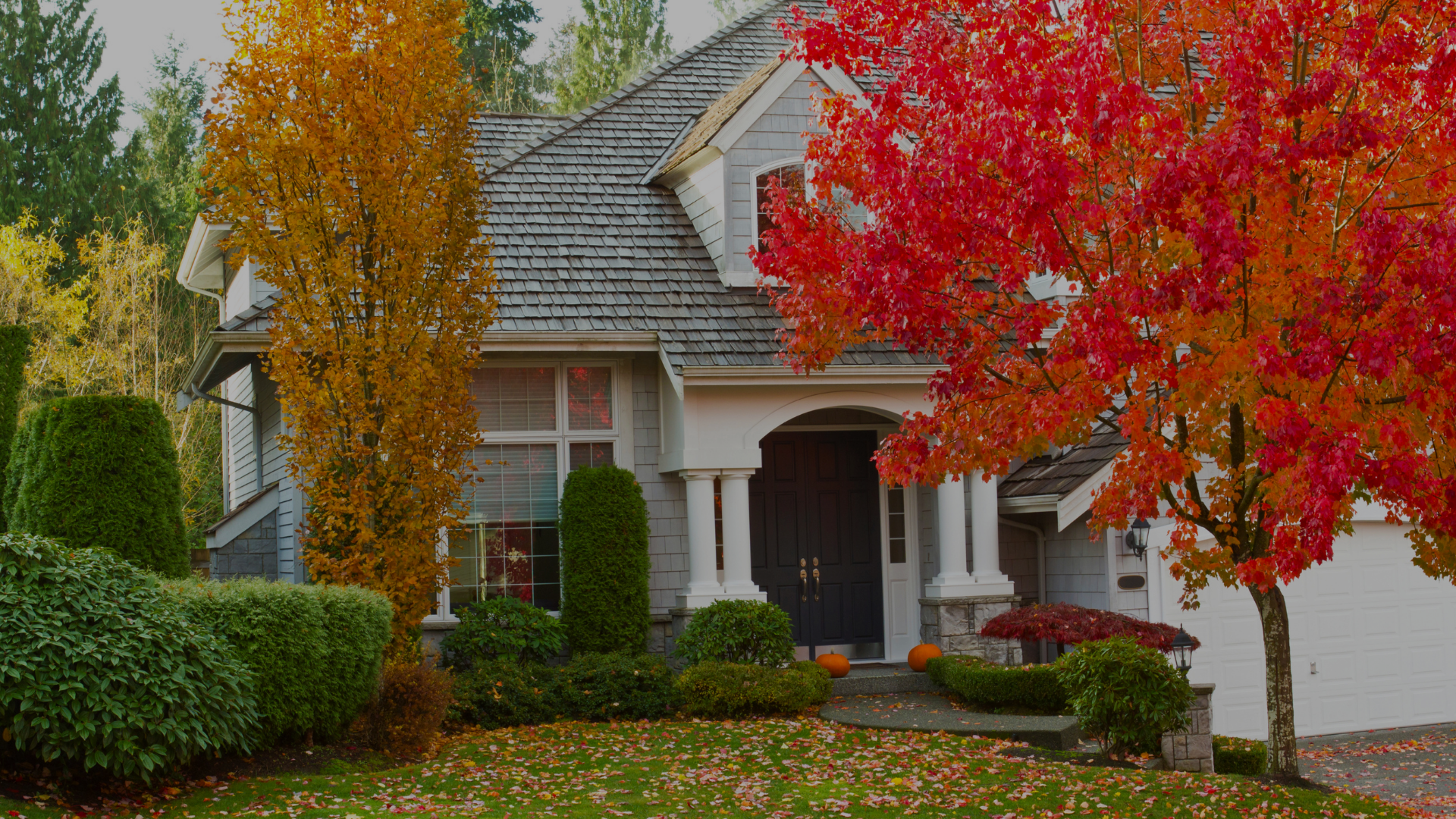
Fall is an especially useful time to take a closer look at the structure of mature trees . As leaves begin to thin and eventually drop, branches, unions, cracks, cavities, and other structural features become easier to see.  That makes autumn a practical season for identifying problems that may be harder to spot during summer. It also gives homeowners time to address weak limbs or other concerns before winter snow, ice, and wind place additional stress on the canopy.
September 10, 2026
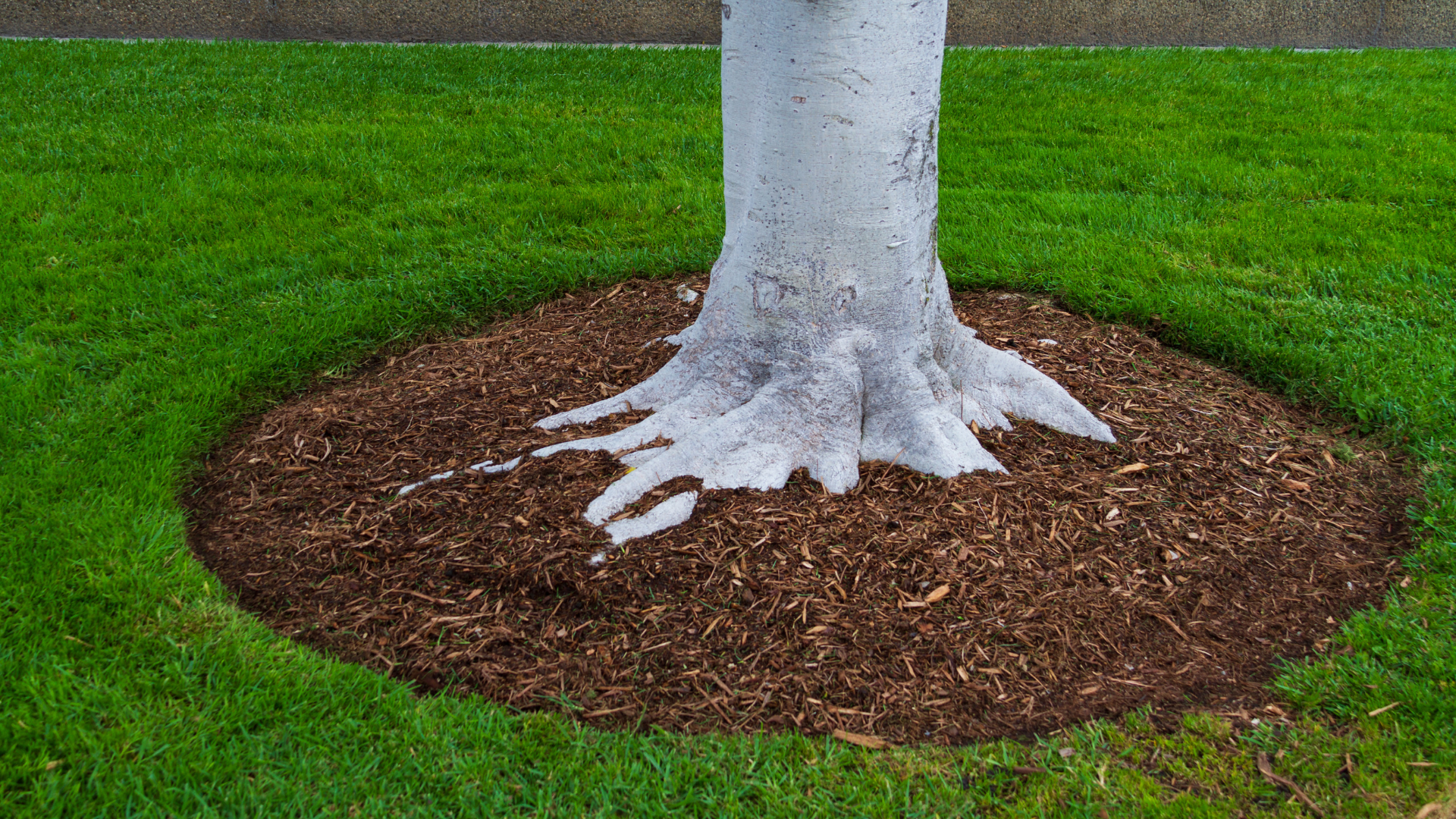
A healthy tree should not look like a telephone pole entering the ground. Near the base of the trunk, the tree should widen where the major roots begin to spread outward. This area is known as the root flare, and it can reveal a great deal about whether a tree was planted at the correct depth.  When the root flare is buried under soil, mulch, or landscaping material, the tree may face long-term problems that are easy to miss at first. Looking at the base of the trunk is one of the simplest ways to spot a planting issue before it becomes more serious.
September 2, 2026
A tree can appear healthy overall and still develop a section of dead or dying branches. When branch dieback appears suddenly, especially in one part of the canopy, it can be a sign that something is interfering with the tree’s ability to move water and nutrients where they are needed.  For homeowners, the important question is not simply whether a branch is dead, but why it died. Midwest Tree Surgeons evaluates tree health, structure, pests , disease, and site conditions to help determine what may be causing the change.
August 25, 2026
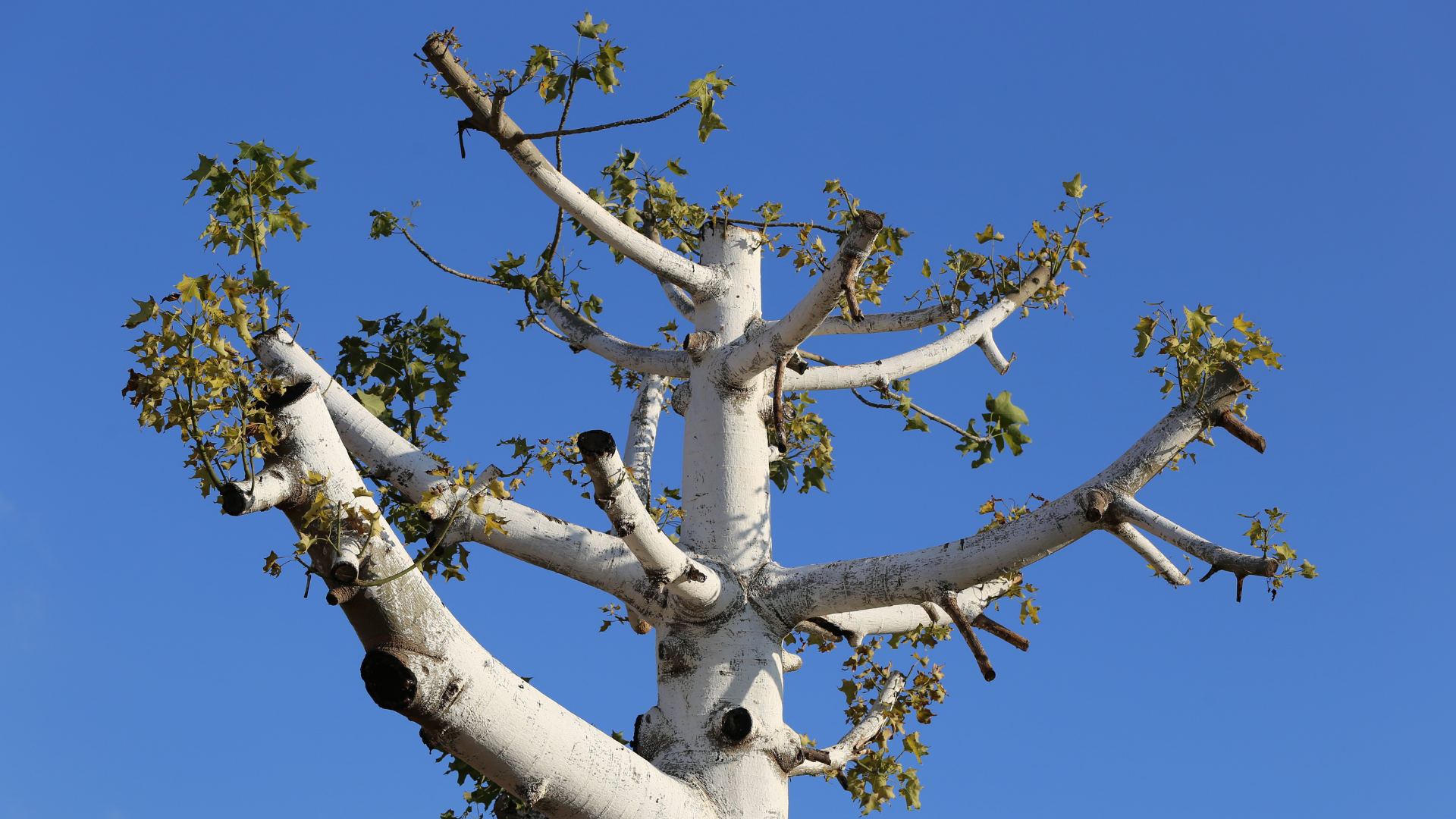
When a tree grows too large for its surroundings, removing the upper portion of the canopy may seem like a quick solution. This practice, commonly called tree topping, involves cutting major branches or leaders back to stubs or lateral branches that are too small to assume the terminal role.  Although topping can immediately reduce a tree’s height, it can also create lasting structural and health problems. For homeowners concerned about an oversized or potentially hazardous tree, professional pruning is generally a better approach.
August 18, 2026
When insects begin damaging a tree, the first instinct may be to treat the problem as quickly as possible. But not every insect requires the same response, and some insects that look harmful may not be the actual cause of the decline. Applying the wrong treatment can waste time, money, and potentially put additional stress on the tree.  Midwest Tree Surgeons takes a diagnosis-first approach to tree care. Correct pest identification helps determine whether treatment is needed, which method is appropriate, and whether the real problem may involve disease, environmental stress, or another underlying issue.
August 11, 2026
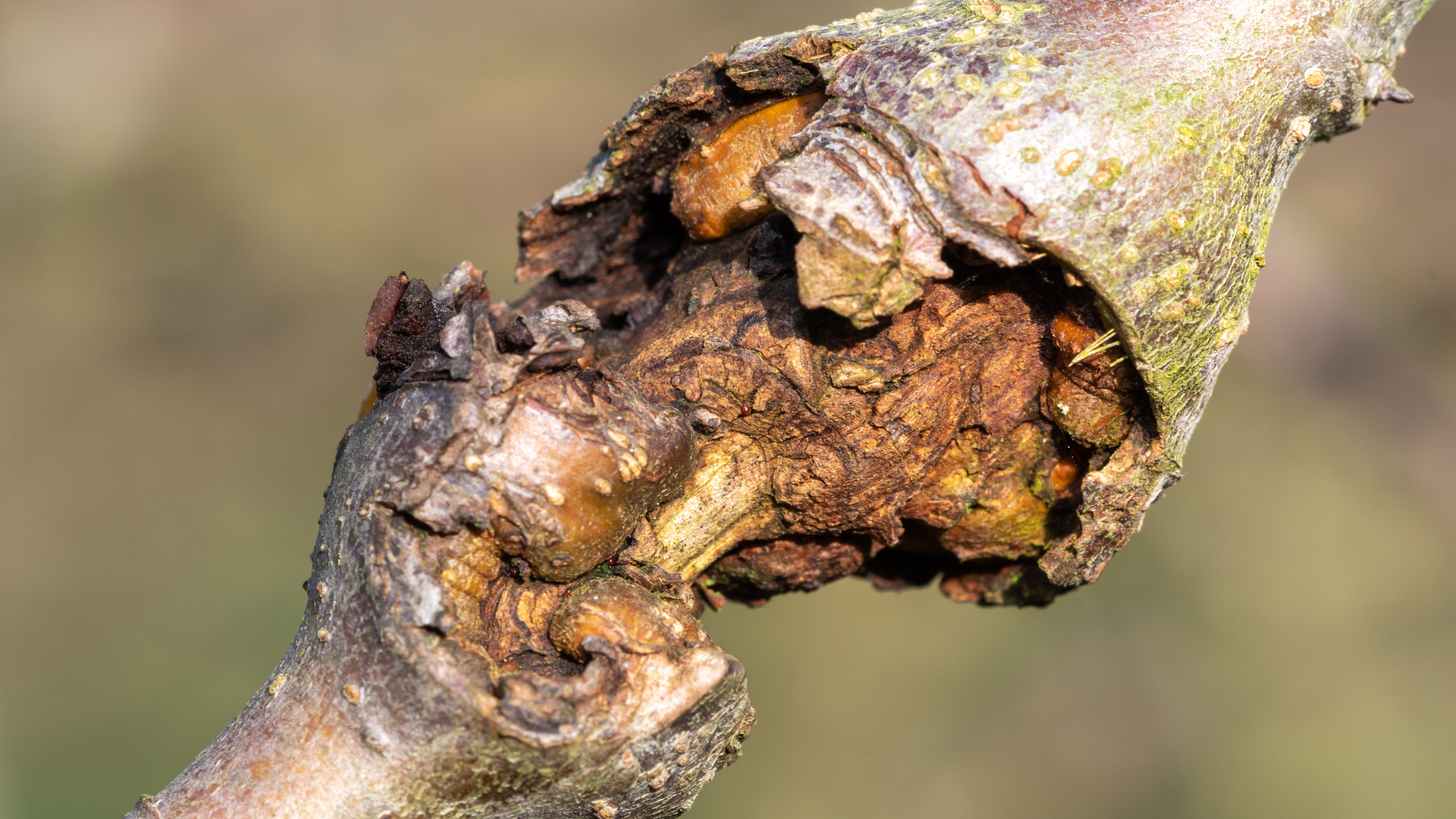
Trees often show signs of trouble long before they experience major decline. One warning sign that deserves attention is the appearance of a canker—a localized area of dead or damaged bark that develops on a trunk, branch, or stem. Cankers can be caused by fungi, bacteria, environmental injury, or a combination of stress factors, and they often reveal that a tree is struggling to defend itself.  While not every canker means a tree is doomed, these lesions can provide valuable clues about underlying health problems. Midwest Tree Surgeons helps property owners evaluate symptoms such as bark damage, dieback, discoloration, and structural weakness so that appropriate care can begin before problems become more severe.
More Posts