What Does It Mean to Be a Certified Arborist?

July 11, 2025

Expert Tree Care Starts Here

When it comes to tree care, not all professionals are created equal. A chainsaw and a truck do not make someone qualified to assess the health, safety, and structure of a tree. That distinction belongs to certified arborists—tree care specialists who are trained, tested, and held to rigorous professional standards.


At Midwest Tree Surgeons, we take pride in providing expert tree care delivered by certified professionals. But what exactly does “certified arborist” mean? And why should it matter to homeowners and property managers?


Let’s take a closer look at what this credential entails and why it’s a crucial factor in responsible, long-term tree care.
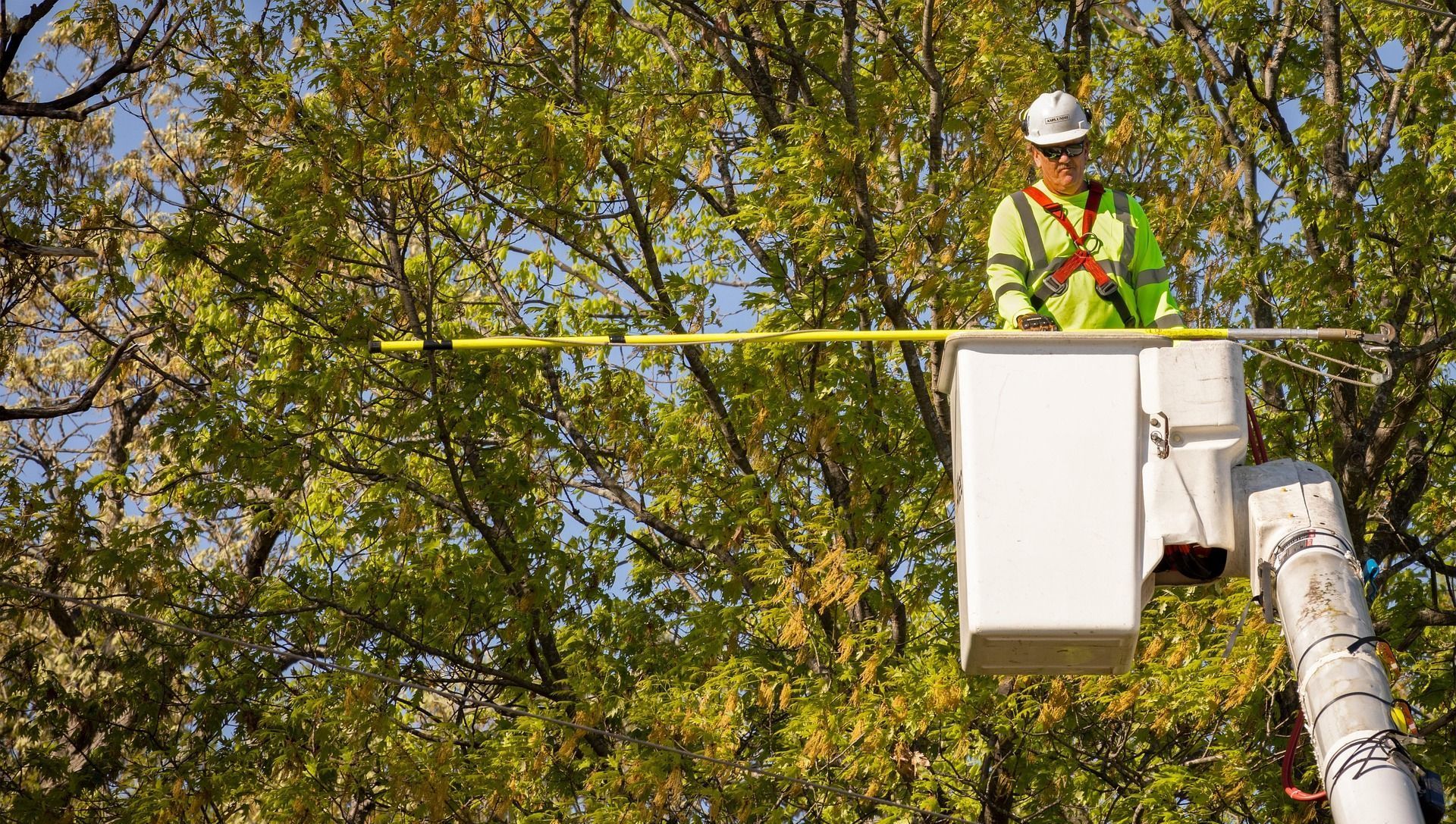
A man is sitting in a bucket truck measuring a tree.

The Meaning Behind the Certification

A certified arborist is a tree care professional who has earned credentials from a recognized authority, most commonly the International Society of Arboriculture (ISA). This is not a casual license or a weekend course — it requires documented experience, formal education, and the successful completion of a comprehensive exam covering a wide range of arboricultural knowledge.


To become certified through the ISA, arborists must demonstrate mastery in areas such as:

  • Tree biology and identification
  • Tree pruning and removal techniques
  • Soil and water management
  • Disease and pest diagnosis
  • Cabling, bracing, and risk assessment
  • Safe and proper use of tree care equipment


The certification must be renewed every few years, which requires continuing education. This means certified arborists are constantly staying up to date on new research, safety practices, and environmental standards in the tree care industry.
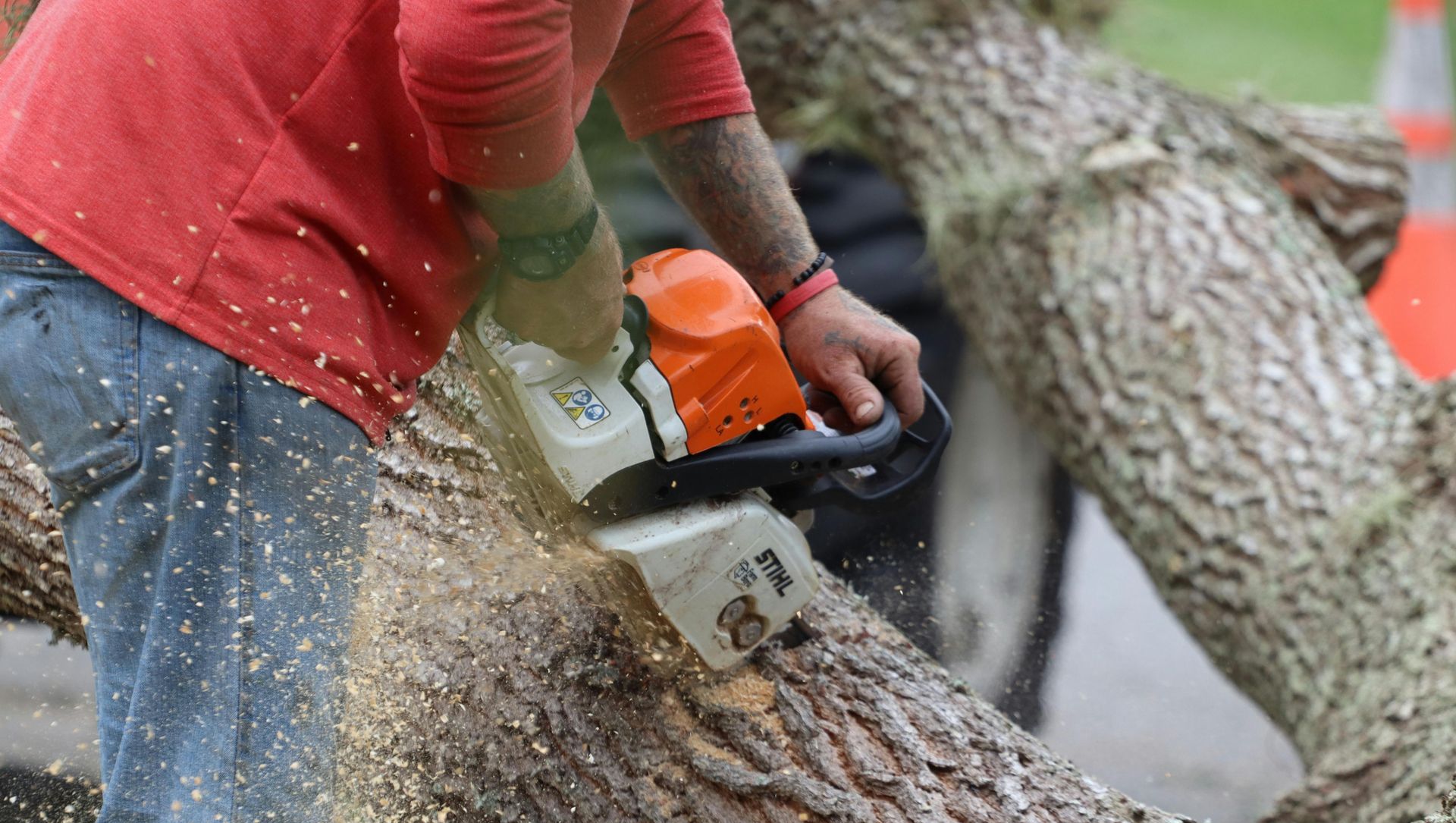
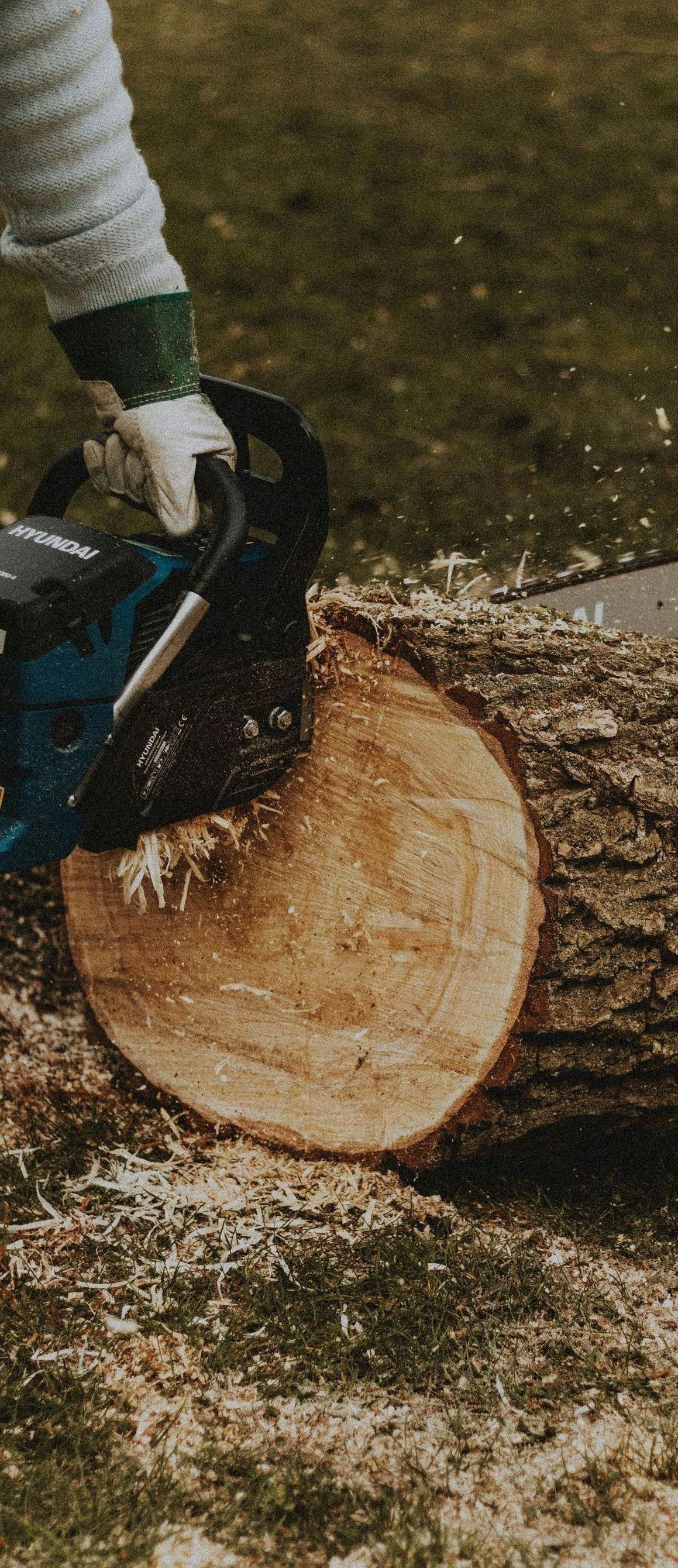
A man is cutting a tree branch with a chainsaw.

Why This Matters for Your Property

Hiring a certified arborist gives you more than just peace of mind — it ensures your trees are cared for with the health of the tree and the safety of your property in mind.


Here’s what certified arborists bring to the job:


1. Accurate Assessments

Whether you’re concerned about a dead limb or a tree leaning over your roof, certified arborists can make informed decisions based on science, not guesswork. They understand which trees can be saved, which are at risk, and what steps are appropriate.


2. Safe and Legal Practices

Tree removal and pruning can be dangerous, especially when working near structures or power lines. Certified arborists follow OSHA standards and local regulations, minimizing risk to people and property.
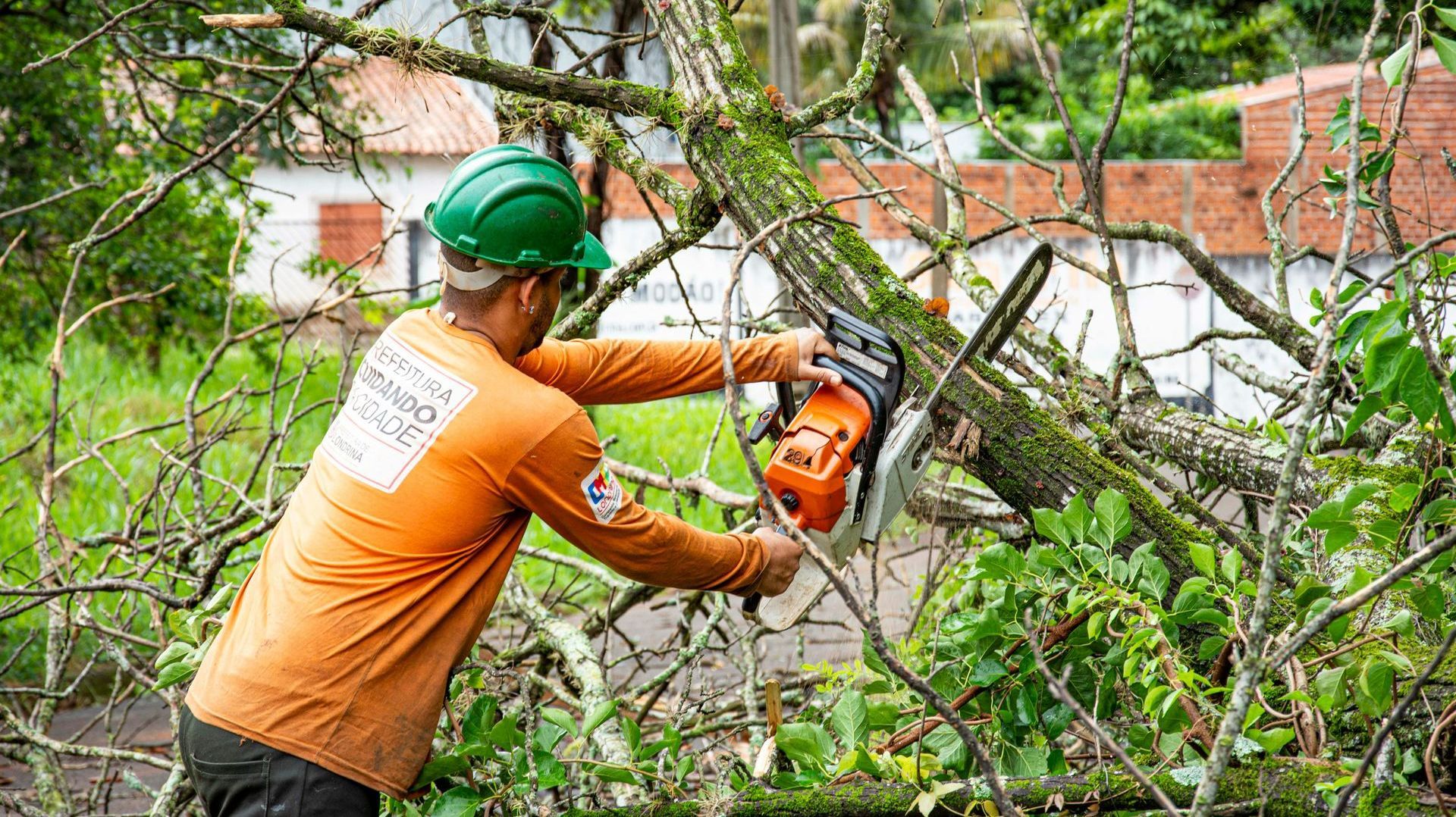
A man is cutting a tree with a chainsaw.

3. Long-Term Tree Health

Certified arborists don’t just remove trees — they know how to preserve them. From proper pruning to root zone protection and disease management, they help extend the life and vitality of your trees.


4. Professional Integrity

Certified arborists are bound by a Code of Ethics. This means they won’t push unnecessary removals or shortcuts just to close a job. Their goal is sustainable, responsible tree care based on your needs and the condition of the tree.


How to Verify Certification

If someone claims to be a certified arborist, you can verify their credentials through the ISA’s searchable database. At Midwest Tree Surgeons, we’re always happy to provide certification details up front — transparency and trust are part of how we do business.
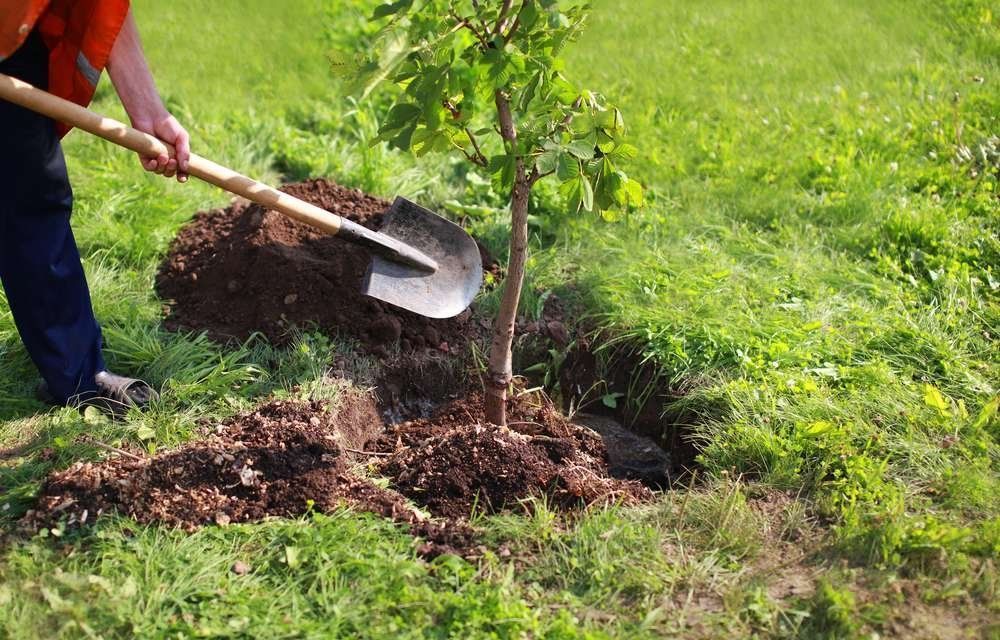
A person is planting a tree in the ground with a shovel.

Why We Prioritize Certification at Midwest Tree Surgeons

We’ve built our reputation on safe, professional, and ethical tree care. Our team includes certified arborists because we believe expertise matters — especially when the health of your trees and the safety of your property are on the line.


Whether you need a risk assessment, a strategic pruning plan, or advice on tree preservation, you deserve guidance from a professional who knows the science — not just someone who can operate a saw.

Need expert tree care from a certified team?


Contact Midwest Tree Surgeons today to schedule a consultation. We’ll evaluate your trees with the professionalism, safety, and knowledge your property deserves.
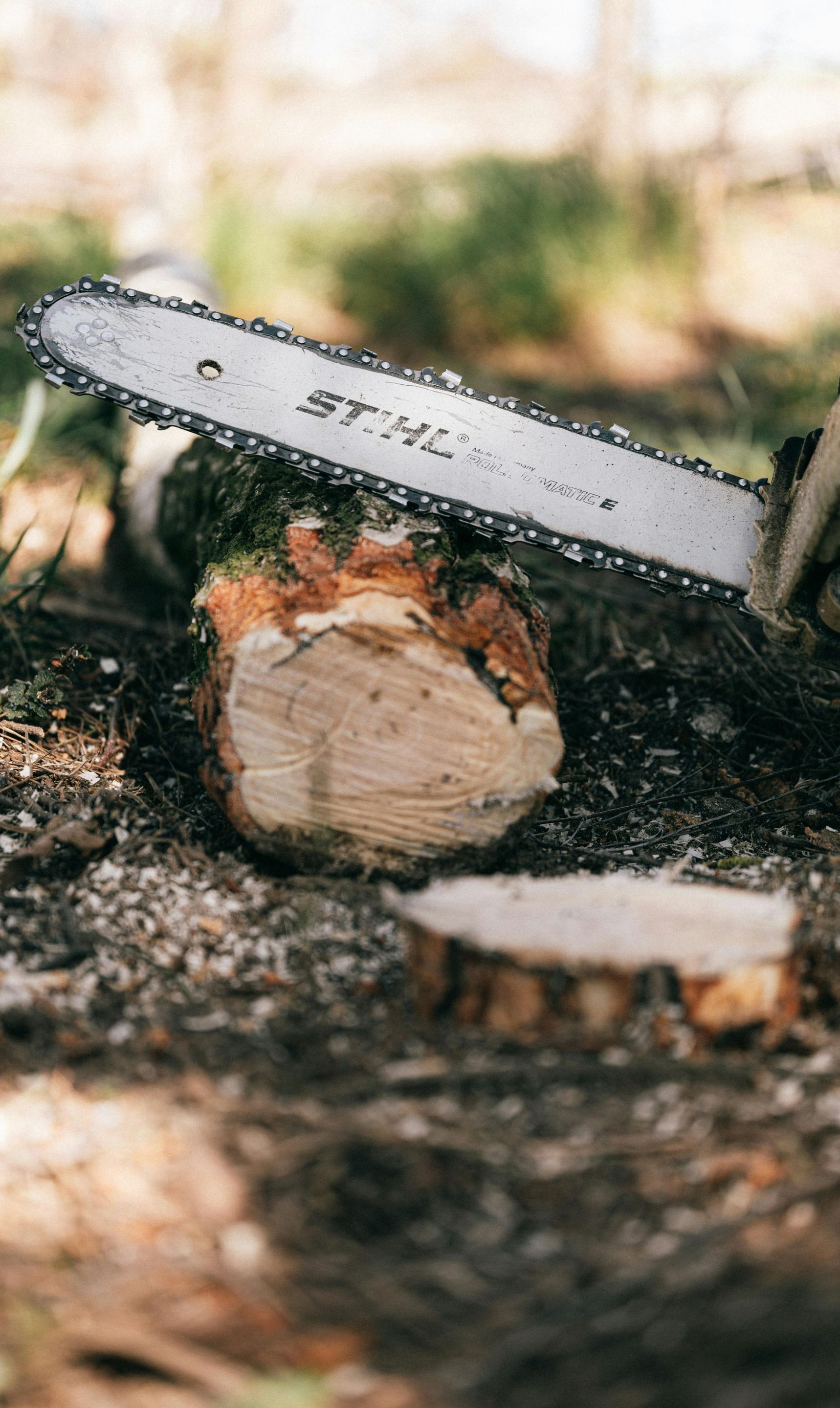
A chainsaw is cutting a piece of wood on the ground.
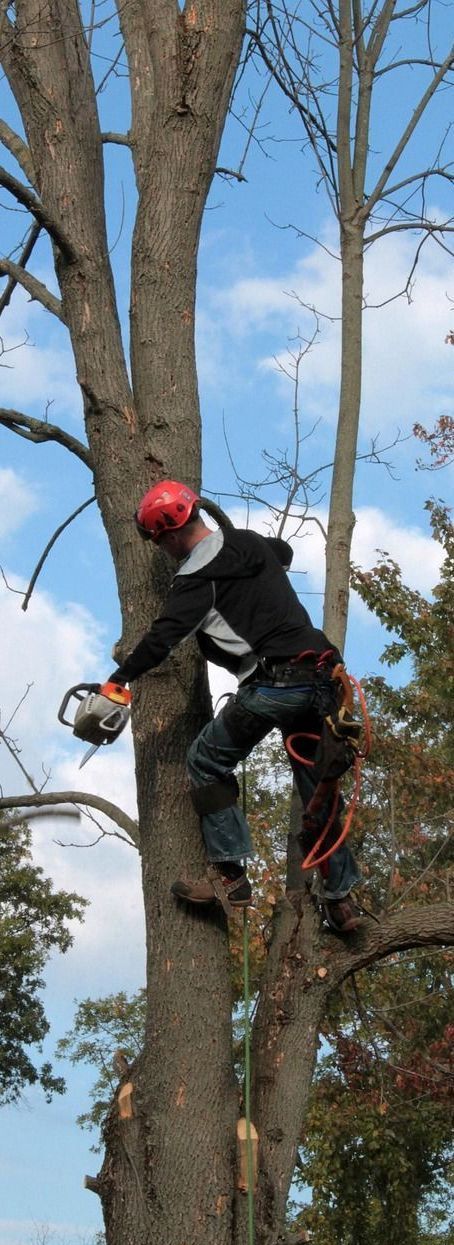
A man is climbing a tree with a chainsaw.
A person is cutting a log with a chainsaw.
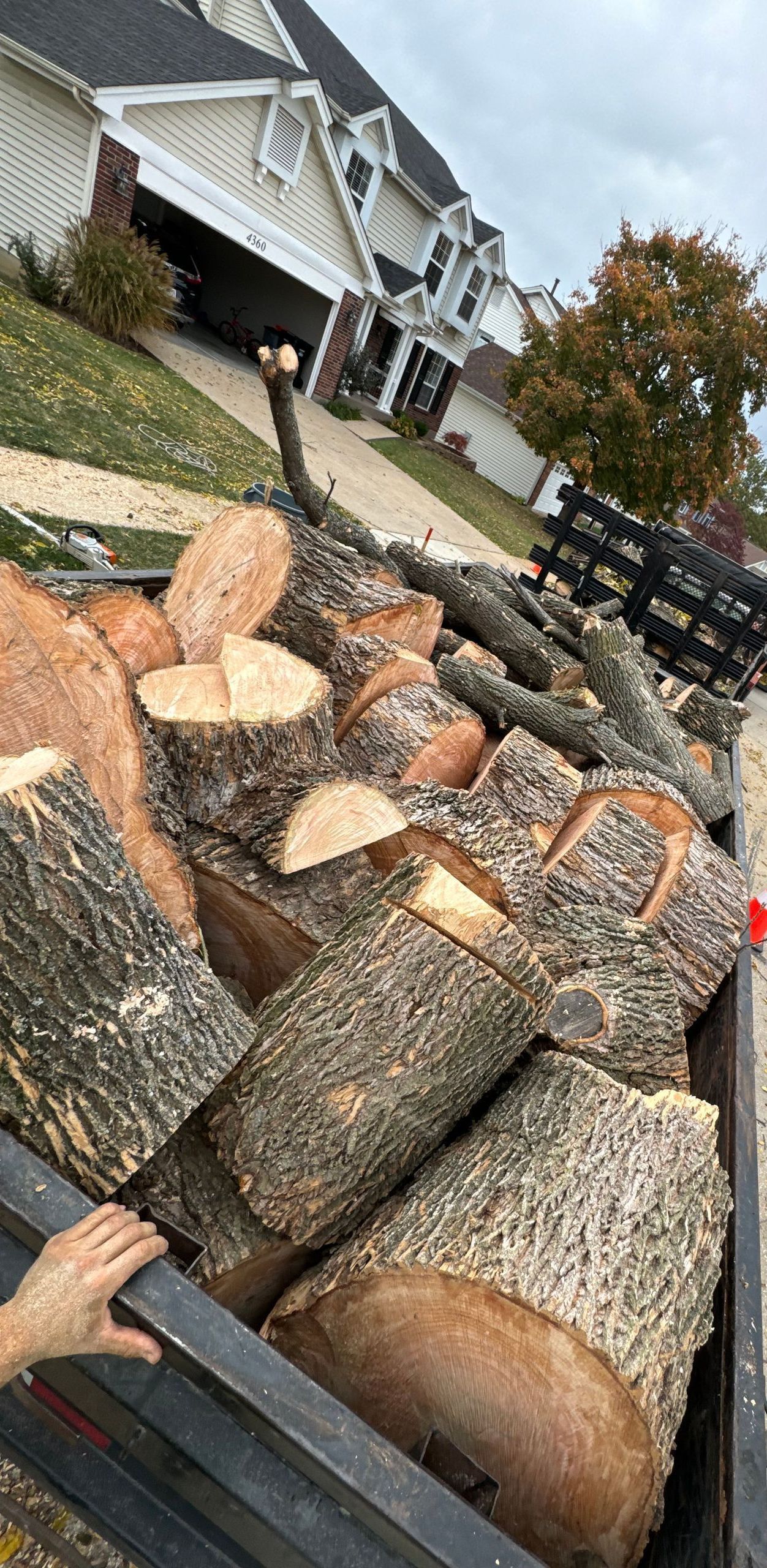
A truck filled with logs is parked on the side of the road.
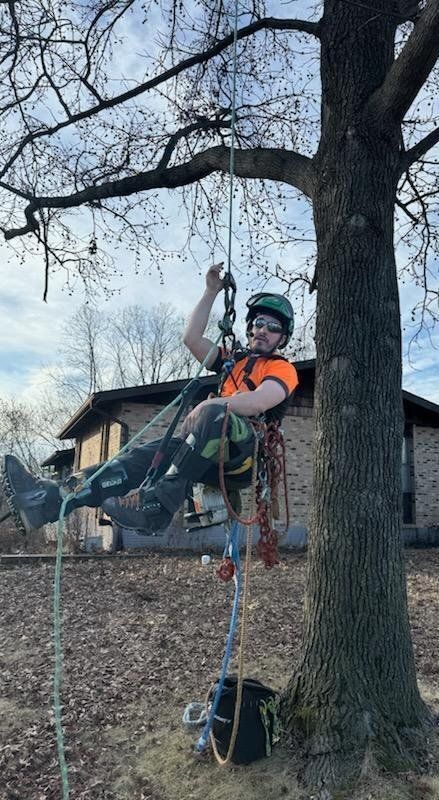
A man is climbing a tree with a rope.
May 19, 2026
When people think about drought conditions, they usually picture dry grass, dusty soil, and immediate signs of heat stress. Trees, however, often respond differently. Unlike lawns or smaller plants, mature trees may continue looking relatively healthy during periods of dry weather, even while internal stress is developing beneath the surface.  One of the most challenging aspects of drought-related tree damage is that symptoms are frequently delayed. In many cases, trees begin showing visible decline months after the drought itself has passed. At Midwest Tree Surgeons, we regularly help homeowners identify delayed drought stress before it progresses into larger structural or health problems.
May 13, 2026
Trees are built to withstand changing seasons, but repeated environmental stress can gradually affect their health and stability. One of the most significant seasonal stressors in many regions is the freeze-thaw cycle. While it may seem like a normal part of winter weather, this constant fluctuation between freezing and thawing can place long-term strain on trees in ways that are not always immediately visible.  Understanding how freeze-thaw cycles affect trees helps explain why early summer is an ideal time for a professional tree inspection.
May 5, 2026
Trees are often perceived as resilient and self-sustaining, capable of withstanding years of environmental stress. While this is true to an extent, injuries to a tree can initiate internal processes that are not visible from the outside. Understanding what happens inside a tree after it is injured helps explain why some trees decline over time, even when they appear stable at first.  At Midwest Tree Surgeons, evaluating these hidden processes is an important part of maintaining long-term tree health and property safety.
April 28, 2026
Mature trees are often seen as stable, established features of a property. Their size and presence can create a sense of permanence, leading many homeowners to assume they are less likely to fail. In reality, mature trees can carry a unique set of risks that are not always visible at first glance.  Understanding these overlooked risk factors is essential for maintaining both tree health and property safety.
April 21, 2026
Tree decline rarely happens all at once. In most cases, it follows a gradual and largely hidden progression that unfolds over time. From the outside, a tree may appear stable, even healthy, while underlying changes begin to affect its structure and resilience. This is what makes tree decline difficult to recognize and, in many cases, easy to overlook.  Understanding this “invisible timeline” can help property owners identify early warning signs and take action before more serious issues develop.
April 14, 2026
When homeowners think about tree stability, the focus is often on what is visible above ground. Branch structure, trunk size, and overall appearance tend to receive the most attention. However, one of the most important factors affecting a tree’s stability is hidden below the surface.  Soil conditions play a central role in how well a tree is anchored, how it grows, and how it responds to environmental stress. Understanding this relationship can help property owners better assess risk and make more informed decisions about tree care.
April 8, 2026
Deadwood is often dismissed as a minor issue. It may appear as a few dry branches or small sections of a tree that no longer produce leaves. Because it does not always affect the entire tree, many homeowners overlook it. However, deadwood can present a significant safety risk, particularly in residential settings.  Understanding why deadwood forms, how it behaves, and how it progresses over time can help prevent avoidable property damage and injury.
April 1, 2026
Trees are often one of the most valuable features of a residential property . They provide shade, improve curb appeal, and contribute to the overall health of the environment. However, when multiple trees share the same space, they do not simply coexist without interaction. Trees compete with one another for essential resources such as water, sunlight, and nutrients. Over time, this competition can influence how trees grow, how healthy they remain, and how stable they become.  Understanding how trees compete for resources can help homeowners make better decisions about planting, spacing, and long-term tree care. With proper planning and maintenance, it is possible to create a landscape where trees thrive rather than struggle against one another.
March 25, 2026
Trees add beauty, shade, and value to a property, but there are situations where keeping a tree is no longer the safest or most practical choice. Many homeowners prefer to preserve trees whenever possible , and in many cases, proper care and maintenance can extend a tree’s lifespan. However, when a tree becomes structurally compromised, diseased, or poses a risk to people and property, removal may be the most responsible decision.  Understanding when tree removal is necessary can help prevent accidents, reduce property damage, and protect the overall health of a landscape.
March 18, 2026
Severe storms can cause significant damage to trees and surrounding property. After strong winds or heavy storms pass through a neighborhood, it is common to see some trees still standing strong while others have lost major limbs or fallen entirely. This often leads homeowners to wonder why certain trees survive while others fail under the same weather conditions.  The answer usually involves a combination of factors including tree structure, root stability, species characteristics, and long-term maintenance. Understanding these factors can help property owners take steps to reduce the risk of storm damage and protect both their landscape and their homes.
More Posts