Tree Removal Isn’t a DIY Job: Here’s Why

July 3, 2025

The Hidden Dangers of Cutting Down Your Own Tree

Cutting down a tree might seem like a straightforward task—especially with online videos making it look simple—but in reality, it’s one of the most dangerous jobs you can attempt on your property. At Midwest Tree Surgeons, we routinely get called in to finish or fix failed DIY removals, and the risk is rarely worth the gamble.


This article will walk through the dangers of DIY tree removal, the specialized knowledge required to do it safely, and why hiring a certified arborist is the right move for protecting your property and your safety.
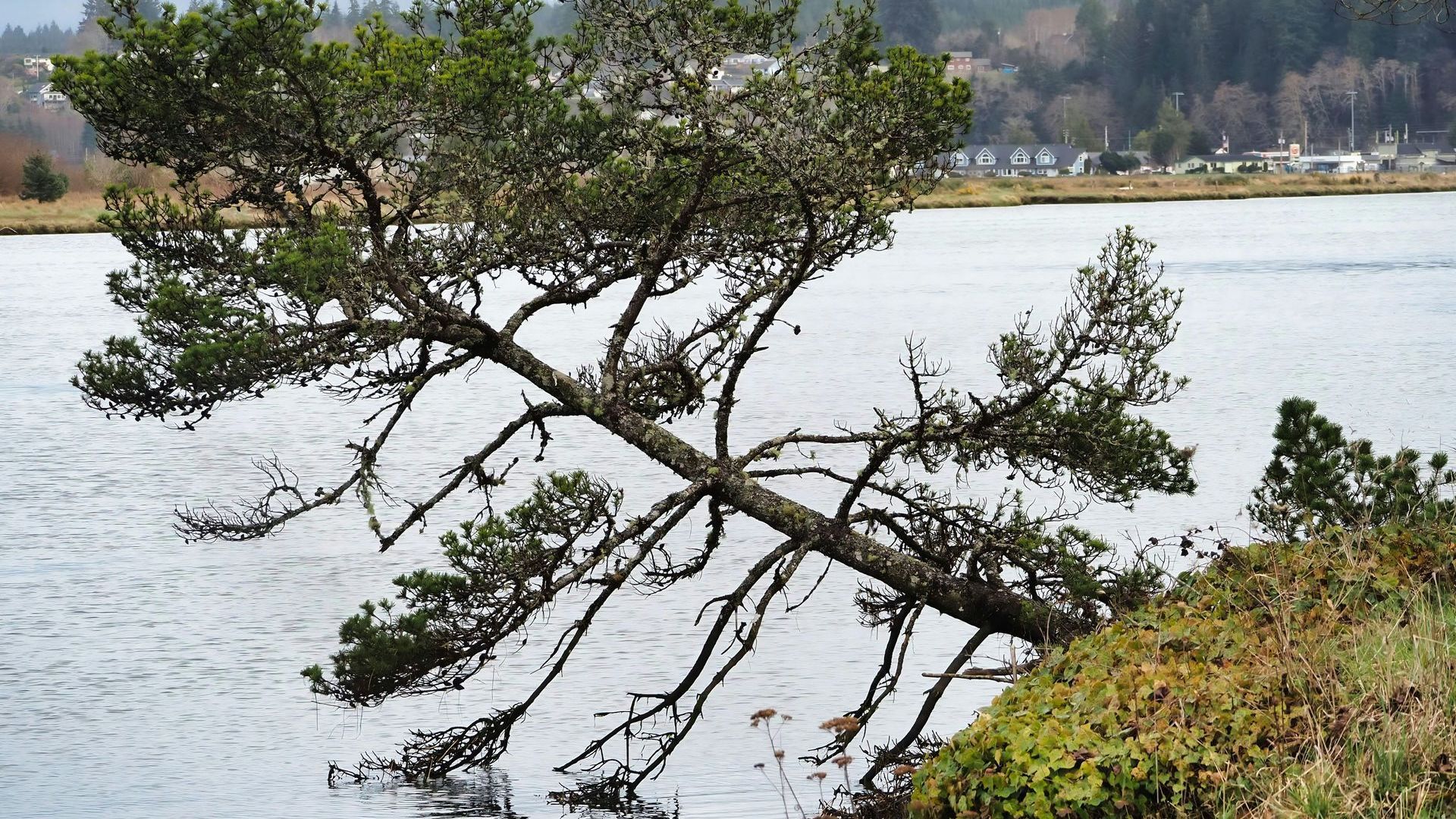
A tree is leaning over a body of water

Why Homeowners Try DIY Tree Removal

Most people attempt to remove trees themselves for one reason: to save money. Maybe a tree looks like it’s leaning, dead, or dropping limbs, and it seems like something a chainsaw and ladder can solve. But what looks manageable from the ground can become unpredictable in seconds once a cut is made.


Some believe that a small or medium-sized tree won’t pose much of a challenge—but even a tree with a six-inch trunk can weigh thousands of pounds. If it’s near a structure, utility line, driveway, or fence, the risk of costly damage skyrockets.

A close up of a tree branch with white flowers.

The Real Risks of DIY Tree Removal

1. Injury

Tree removal is consistently ranked among the most hazardous jobs in the U.S. Falls from ladders, chainsaw injuries, and being struck by falling limbs cause thousands of emergency room visits annually. Even trained professionals follow strict safety protocols to minimize these risks.

2. Property Damage

Without the right rigging equipment and drop zone control, a tree can fall in unexpected directions. Misjudging even a few degrees can lead to a branch or trunk crashing onto your roof, your car, or a neighbor’s property—damage that may not be covered by insurance if the work was done improperly.
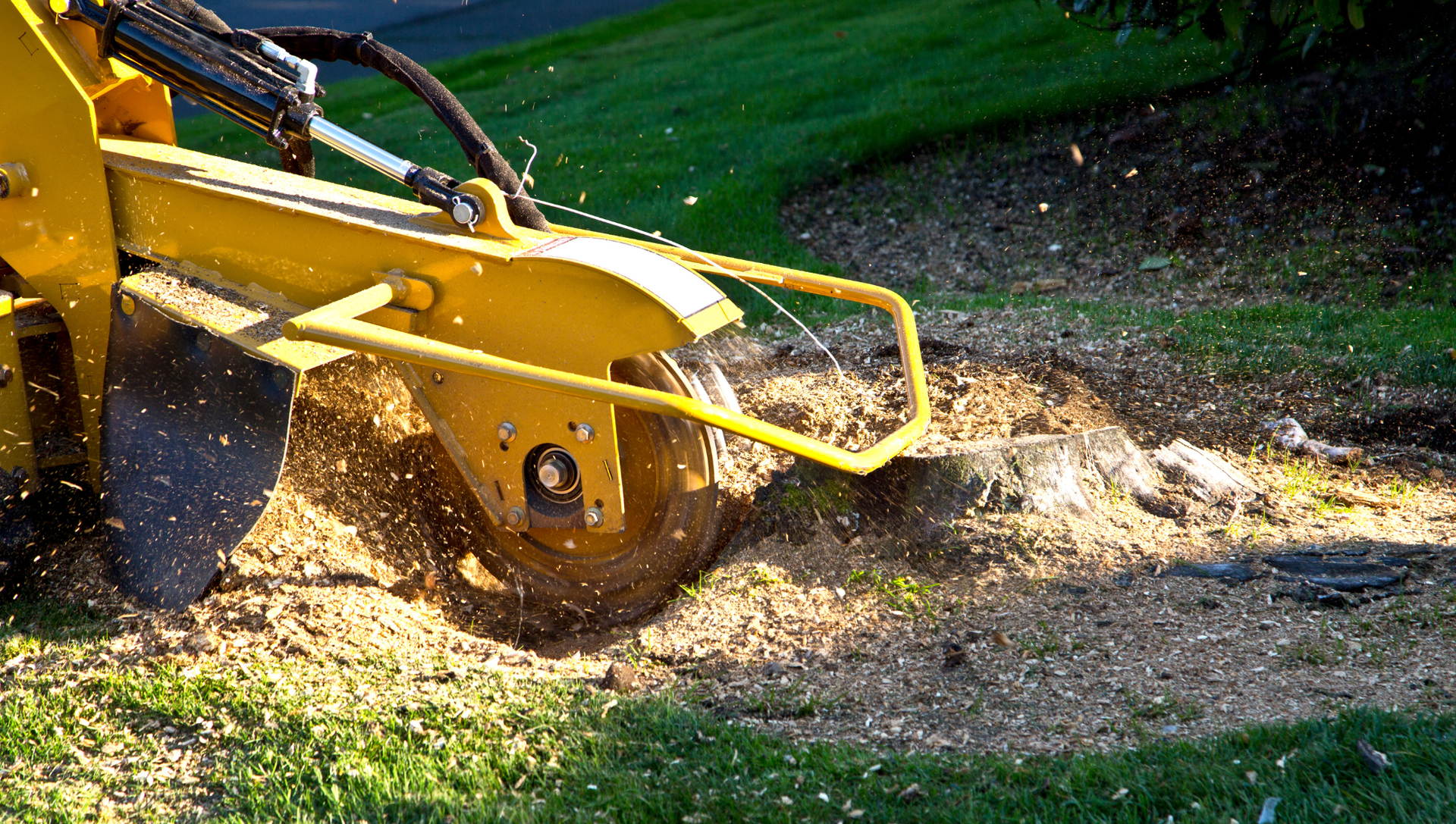
A yellow stump grinder is cutting a tree stump in the grass.

3. Electrical Hazards

Trees often grow near or through power lines. Cutting into or near a live electrical wire puts you at serious risk of electrocution and can cause local outages. Tree work near utility lines should only be handled by professionals with proper training and clearance.


4. Legal and Municipal Liability

Many municipalities have ordinances governing tree removal—especially in urban areas or historic districts. Removing a tree without a permit or in violation of local codes can result in fines or legal consequences. Certified arborists like those at Midwest Tree Surgeons are familiar with regional regulations and can help handle permit requirements when needed.

oak leaves

What Certified Arborists Bring to the Job

Hiring professionals is not just about safety—it’s about doing the job correctly, efficiently, and with as little disruption to your property as possible. Here’s what we provide:

  • Assessment of Tree Health and Stability: Sometimes a tree that looks dead may be salvageable. Sometimes a tree with green leaves has a hollow trunk. Knowing the difference matters.
  • Precision Equipment: We use rigging systems, cranes, and stump grinders to control the fall, minimize mess, and remove stumps fully without tearing up your lawn.
  • Insurance and Licensing: Our work is fully insured, giving you peace of mind. If something goes wrong (which is rare), you’re protected—unlike with DIY or unlicensed labor.
  • Cleanup and Haul-Away: We remove debris, grind stumps, and leave your property in better shape than we found it.
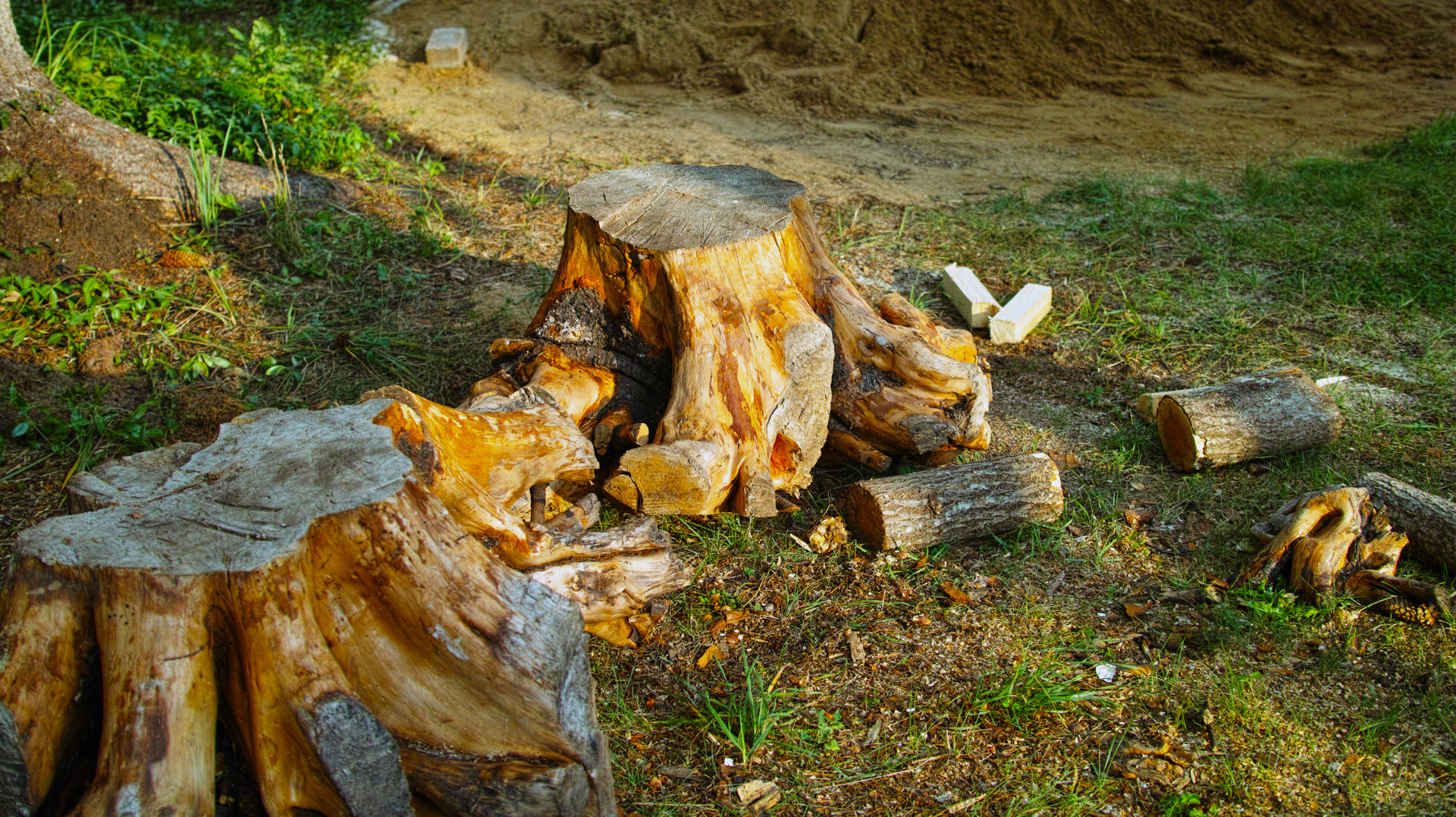
A pile of tree stumps sitting on top of a lush green field.

When to Call Midwest Tree Surgeons

If you’re dealing with any of the following, it’s time to call in the pros:

  • A leaning or uprooted tree
  • Large dead limbs overhanging your home or driveway
  • Trees touching or growing into power lines
  • Trees that have been damaged in a storm
  • Stumps or root systems that need full removal


Whether you’re managing a single tree or a full property assessment, Midwest Tree Surgeons has the training, equipment, and experience to do it right.


Tree removal is not a weekend project—it’s a high-risk job that demands expertise. Trying to cut corners by doing it yourself may cost you far more in the long run, both financially and physically.


If you suspect a tree on your property may need to come down, reach out to the team at Midwest Tree Surgeons. We’ll evaluate the situation, recommend the safest course of action, and handle the work with the professionalism your property deserves.


Contact us today to schedule a consultation.
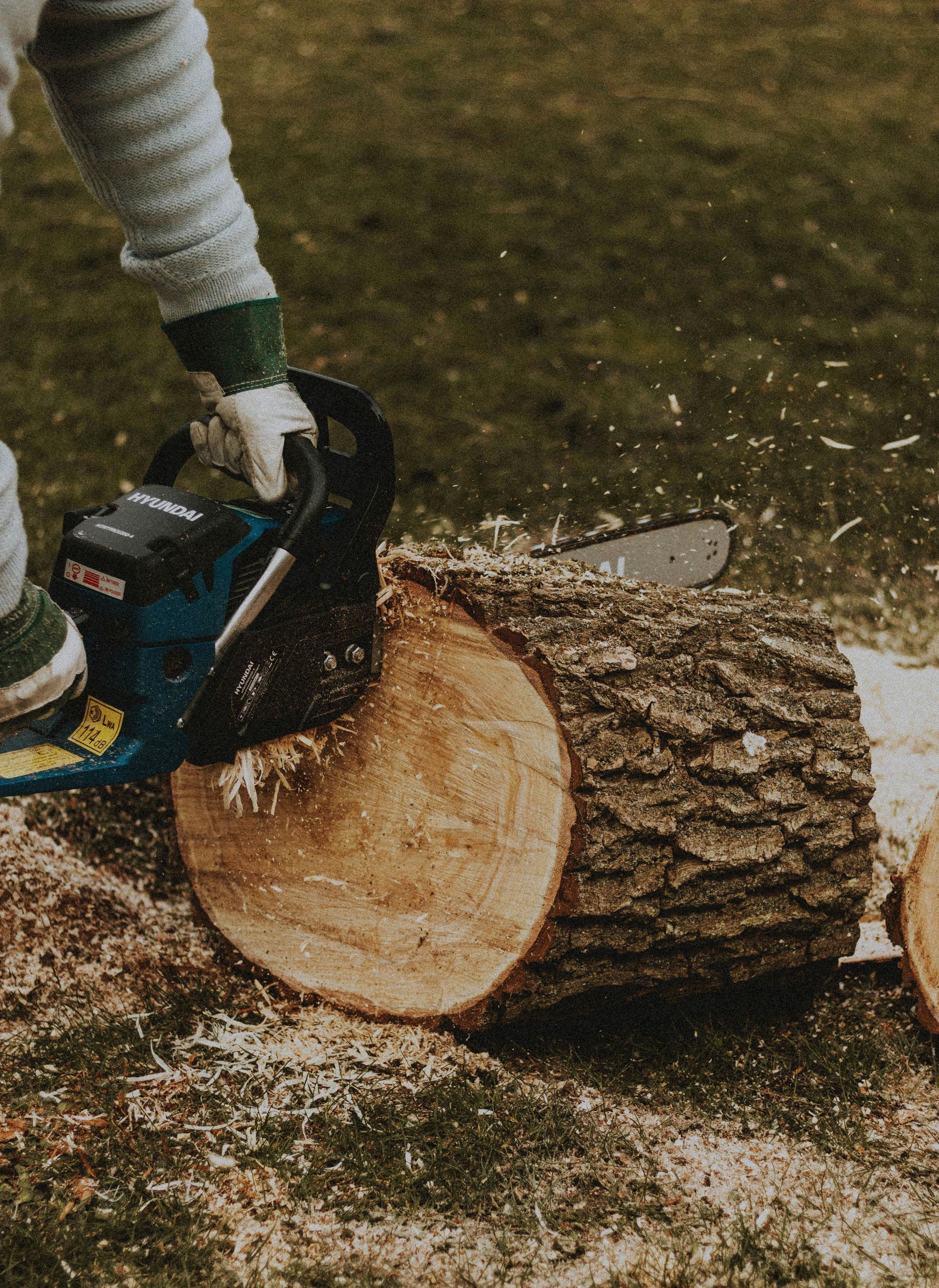
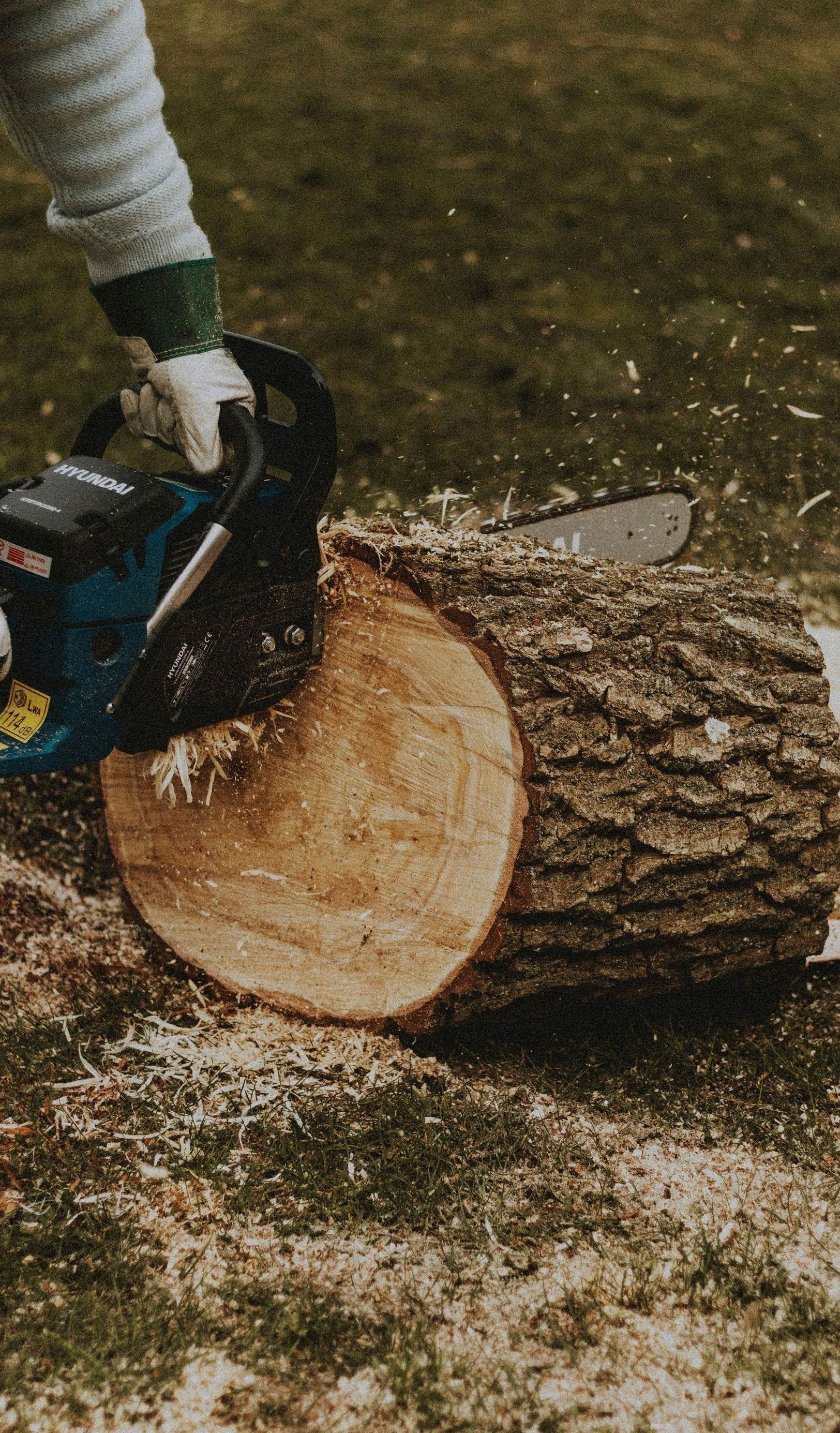
A person is using a chainsaw to cut a tree stump.
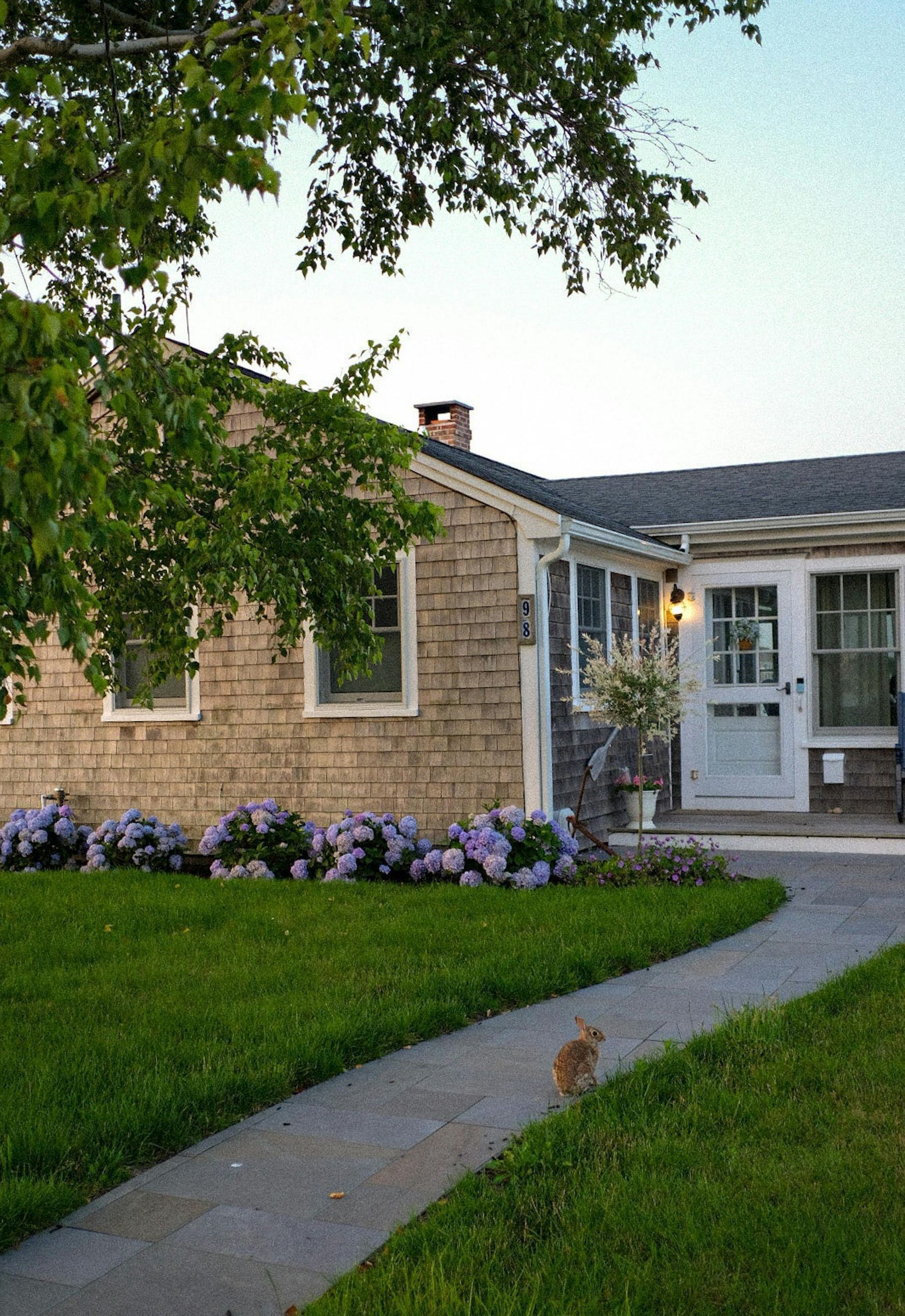
A house with a cat standing in front of it
A person is cutting a log with a chainsaw.
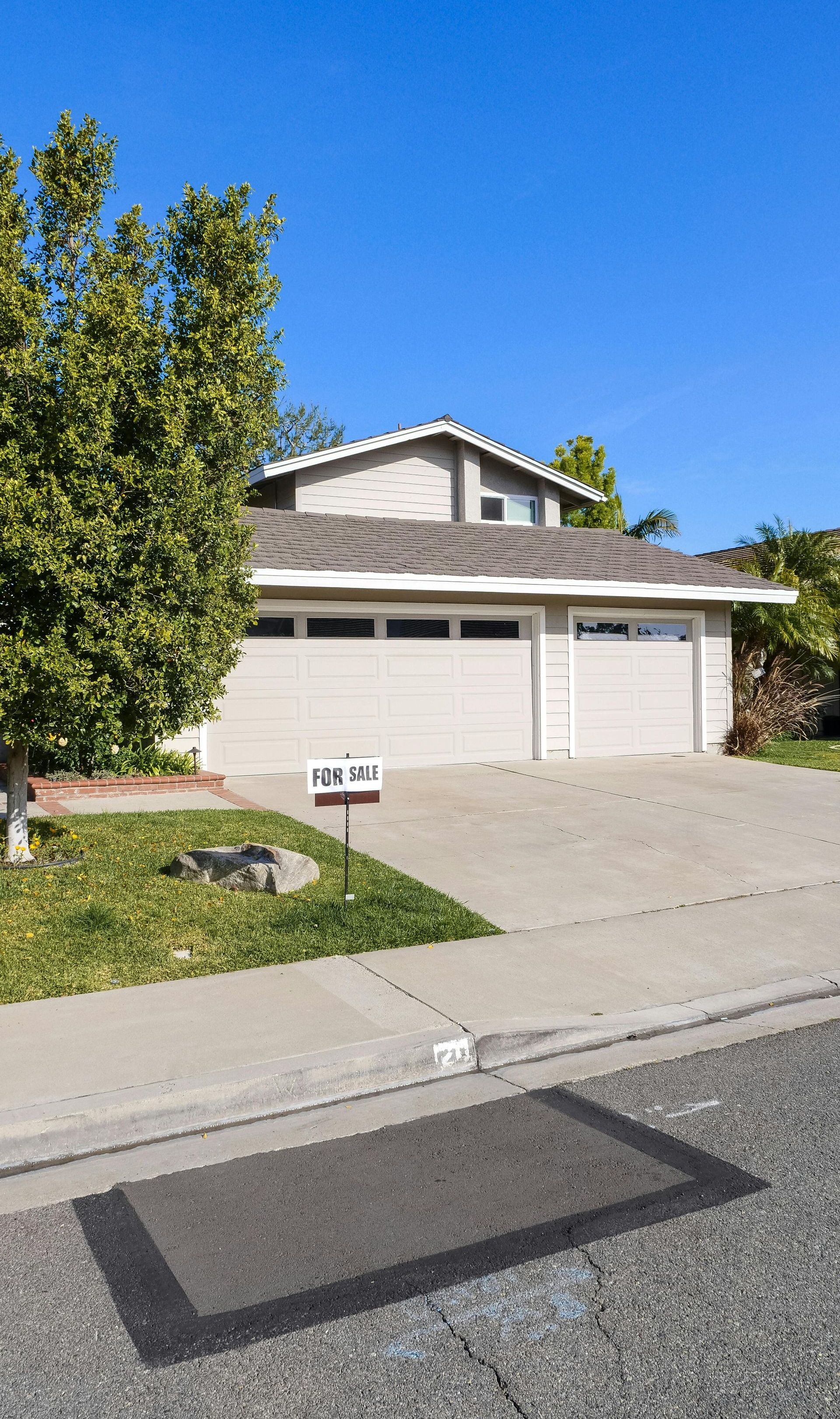
A white house with a driveway and a tree in front of it.
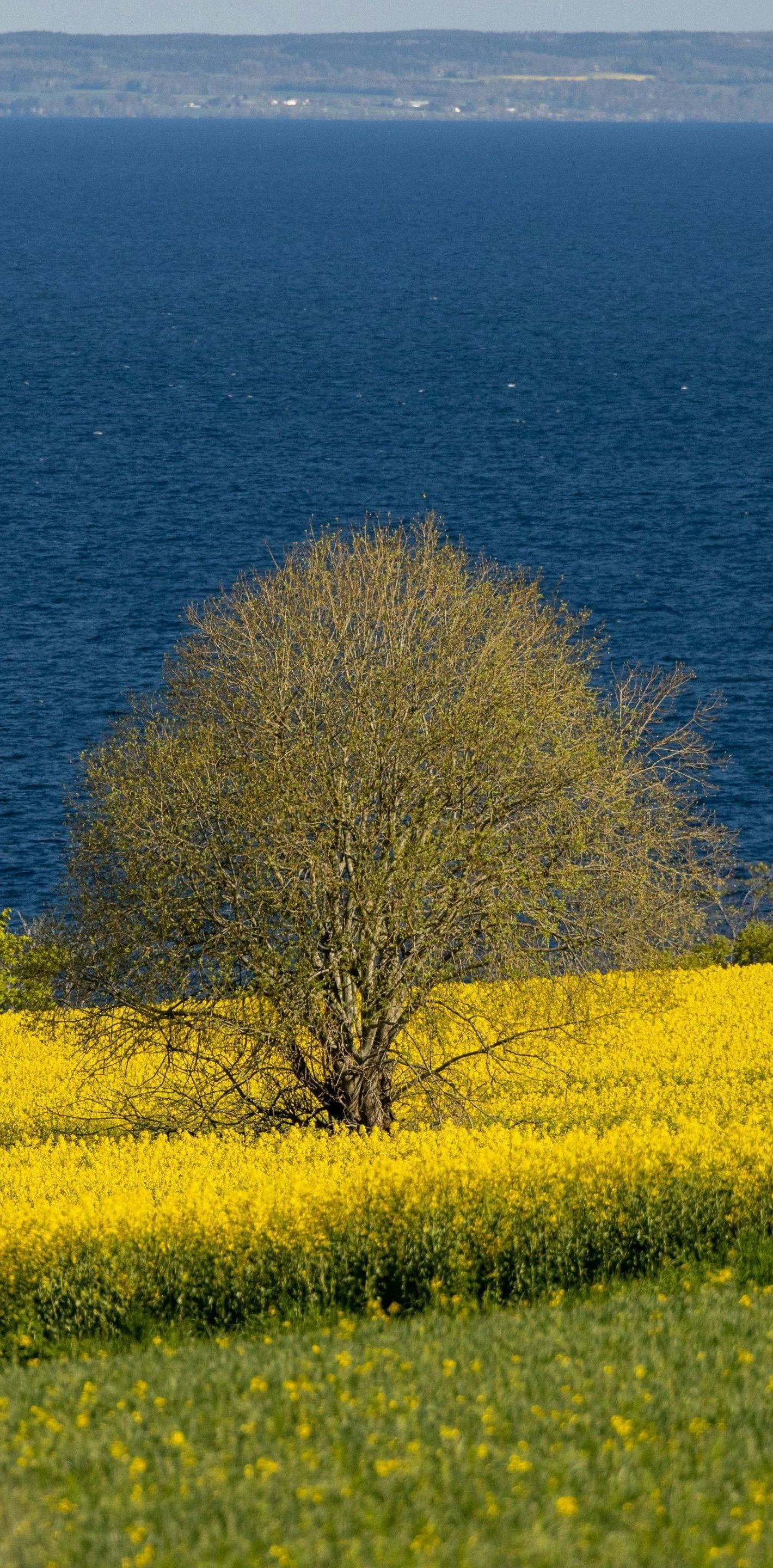
There is a tree in the middle of a field of yellow flowers.
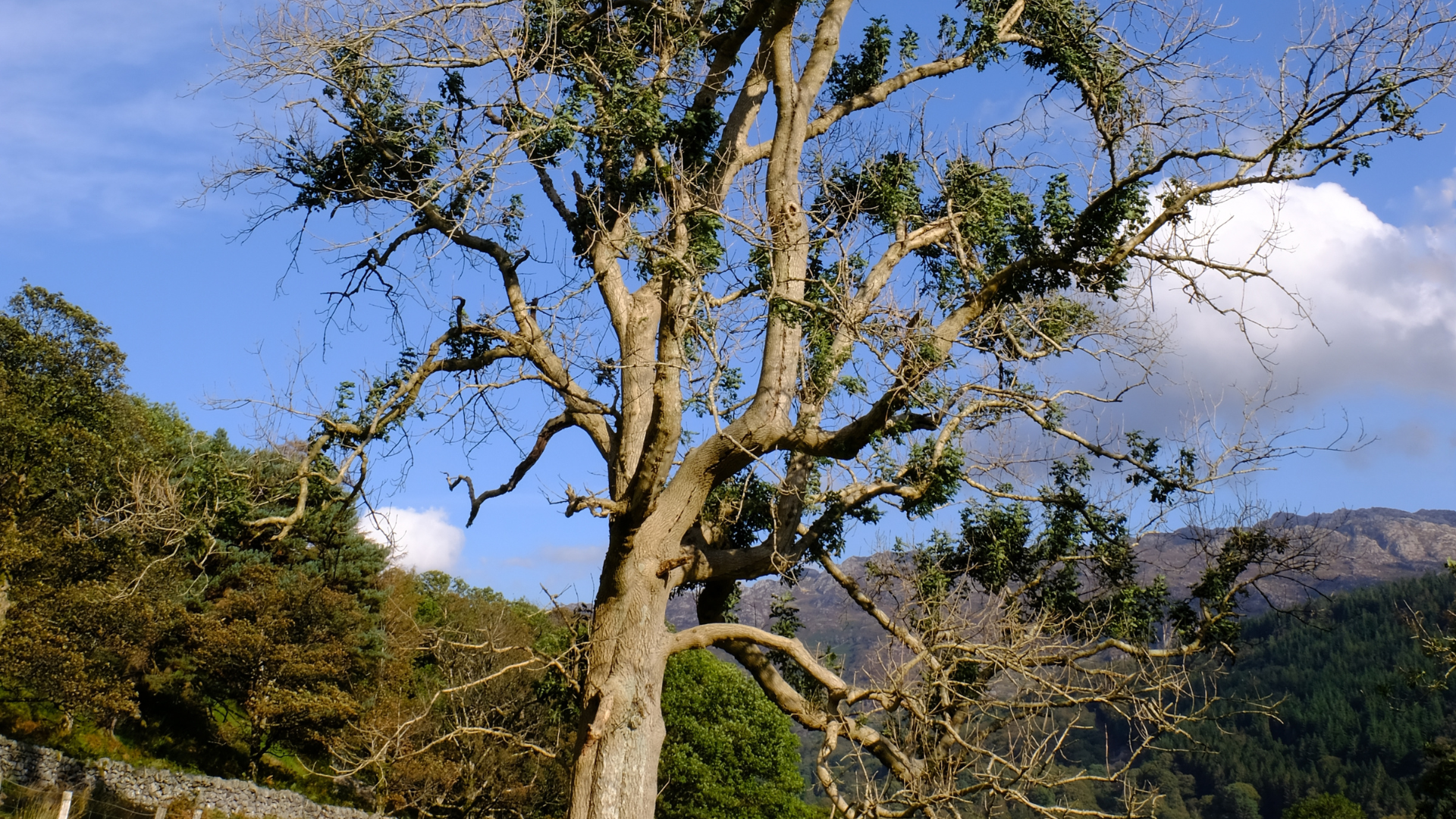
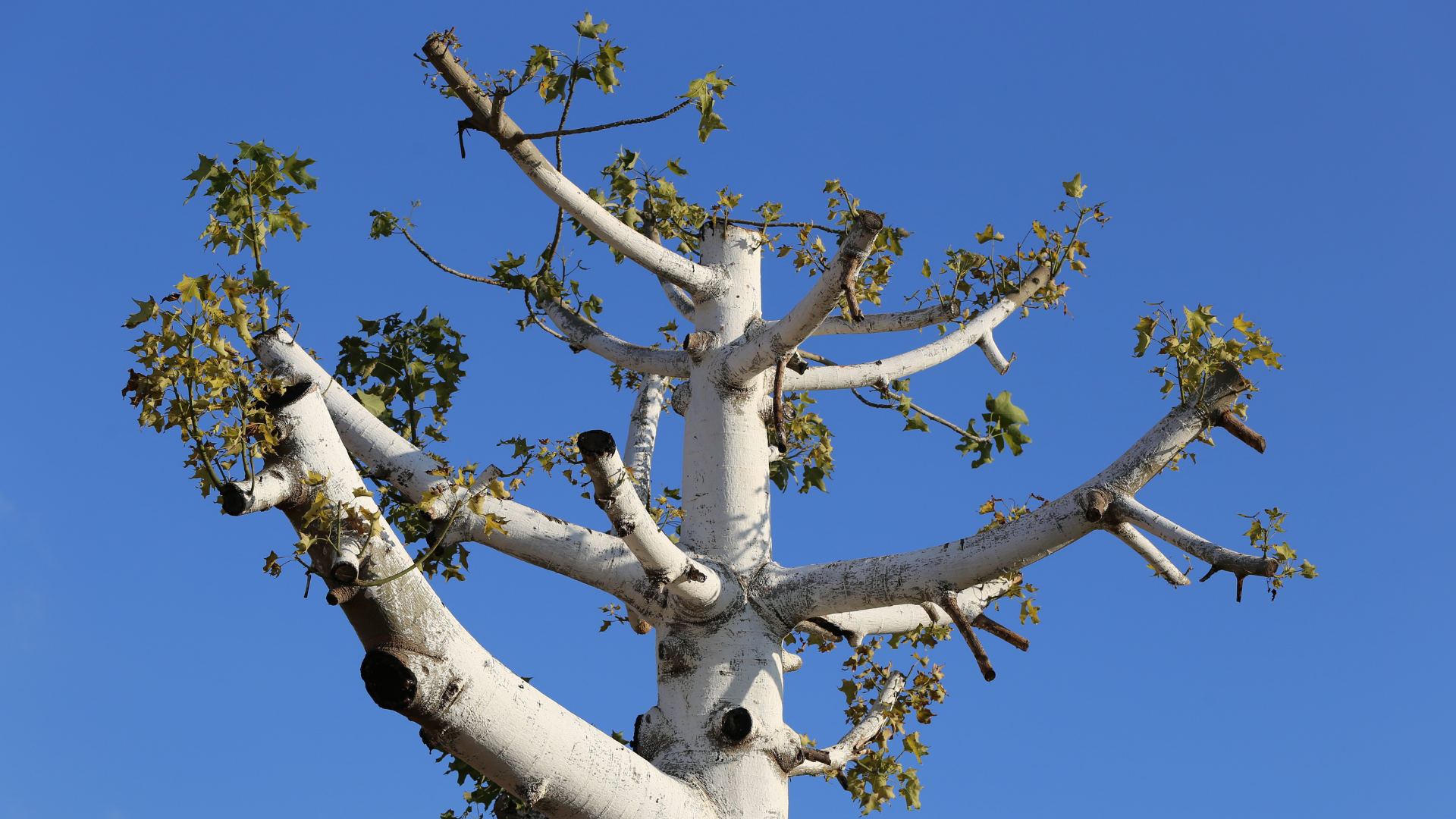
A tree without leaves against a blue sky
August 18, 2026
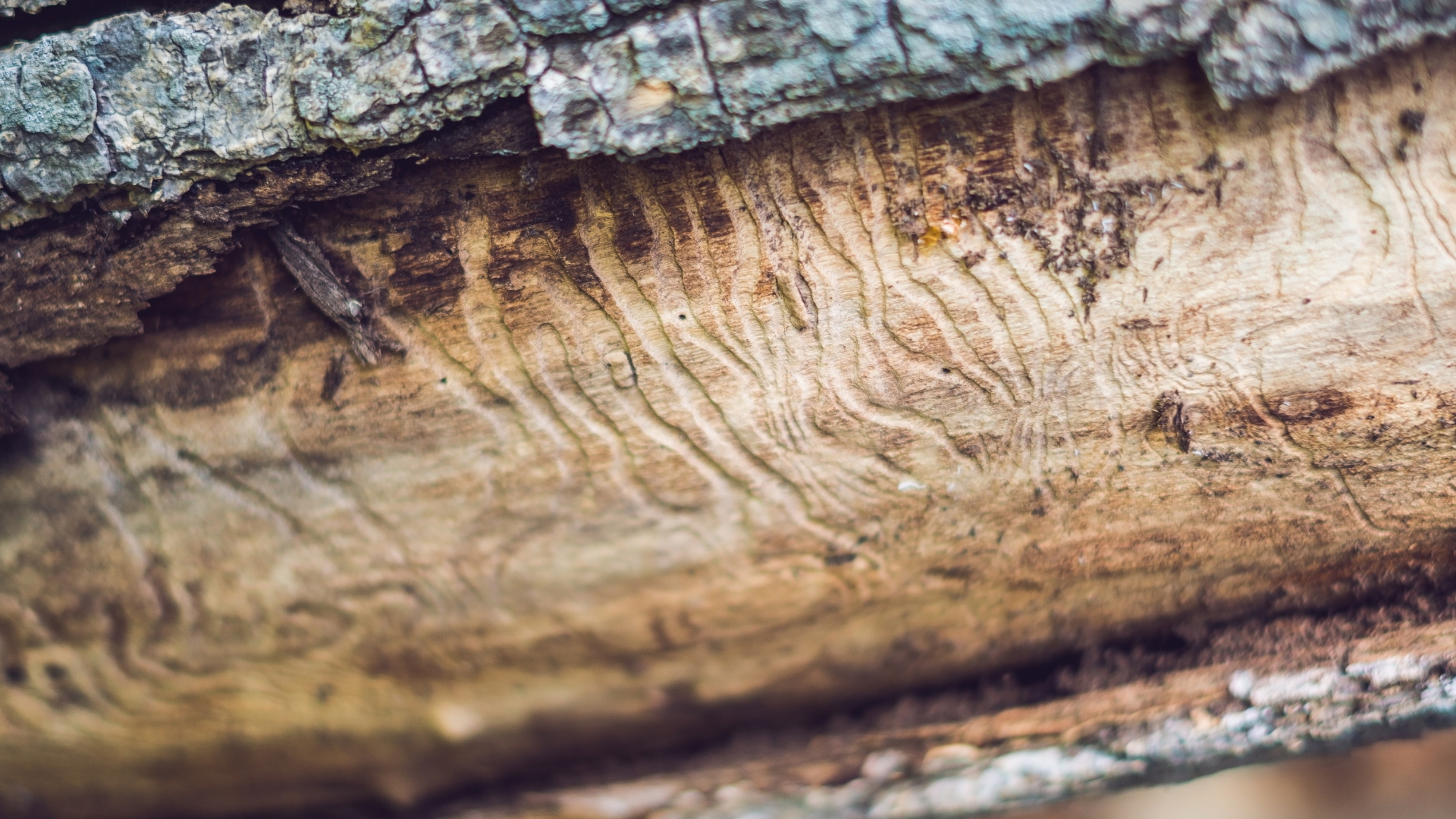
When insects begin damaging a tree, the first instinct may be to treat the problem as quickly as possible. But not every insect requires the same response, and some insects that look harmful may not be the actual cause of the decline. Applying the wrong treatment can waste time, money, and potentially put additional stress on the tree.  Midwest Tree Surgeons takes a diagnosis-first approach to tree care. Correct pest identification helps determine whether treatment is needed, which method is appropriate, and whether the real problem may involve disease, environmental stress, or another underlying issue.
August 11, 2026
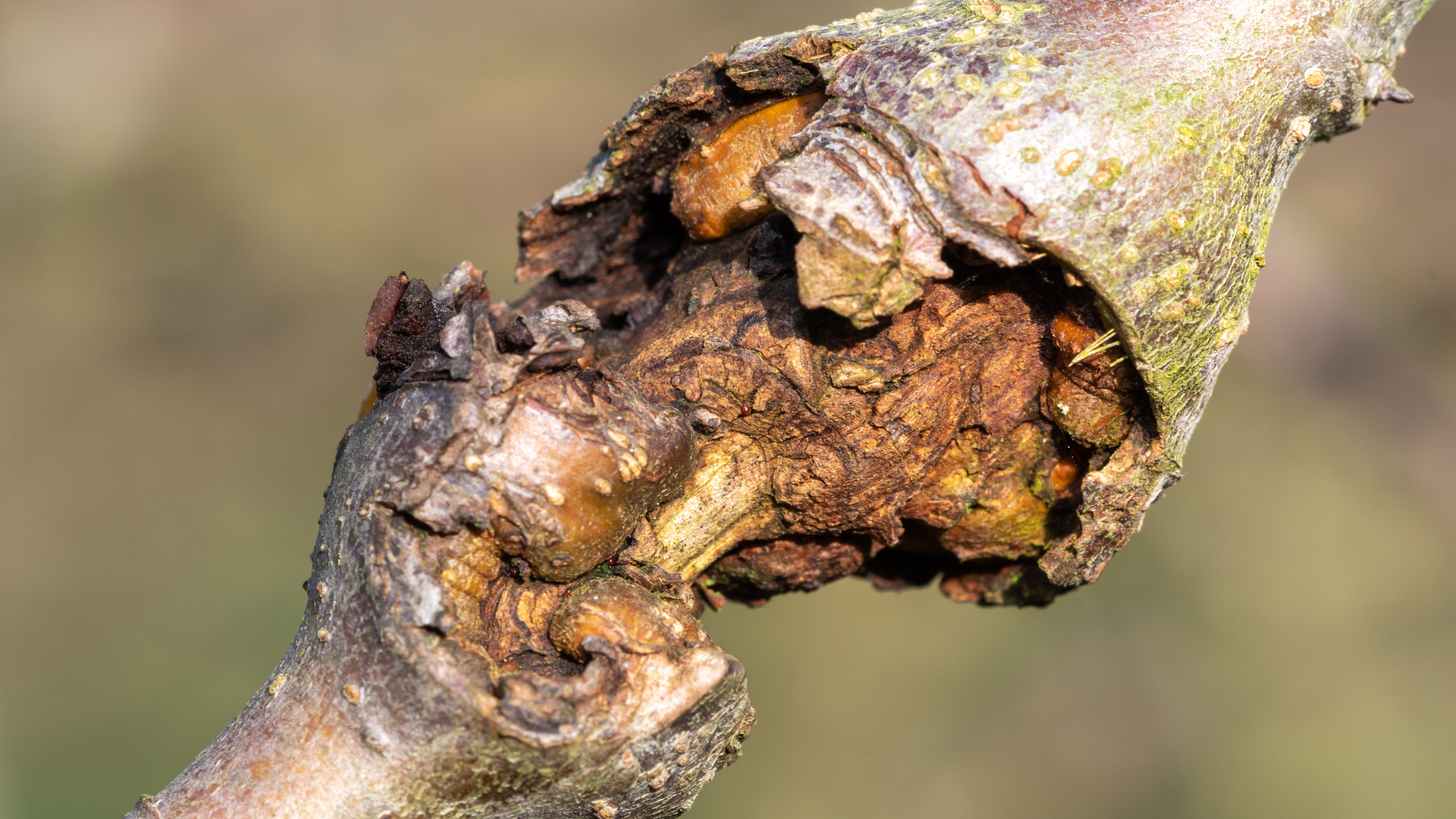
Trees often show signs of trouble long before they experience major decline. One warning sign that deserves attention is the appearance of a canker—a localized area of dead or damaged bark that develops on a trunk, branch, or stem. Cankers can be caused by fungi, bacteria, environmental injury, or a combination of stress factors, and they often reveal that a tree is struggling to defend itself.  While not every canker means a tree is doomed, these lesions can provide valuable clues about underlying health problems. Midwest Tree Surgeons helps property owners evaluate symptoms such as bark damage, dieback, discoloration, and structural weakness so that appropriate care can begin before problems become more severe.
August 6, 2026
Pine trees are valued throughout the Midwest for their year-round beauty, wind protection, and ecological importance. Although these evergreens are generally hardy, they can become vulnerable to insect pests when stressed by drought, storm damage, construction activity, or disease. One group of insects that deserves particular attention is the pine bark beetle . While these beetles are small, their activity can have significant consequences for individual trees and, in some situations, entire stands of pines.  Recognizing the early signs of bark beetle activity allows property owners to respond before damage becomes more extensive. Professional evaluation is often the best way to determine whether a tree can be preserved or whether additional management measures are appropriate.
July 28, 2026
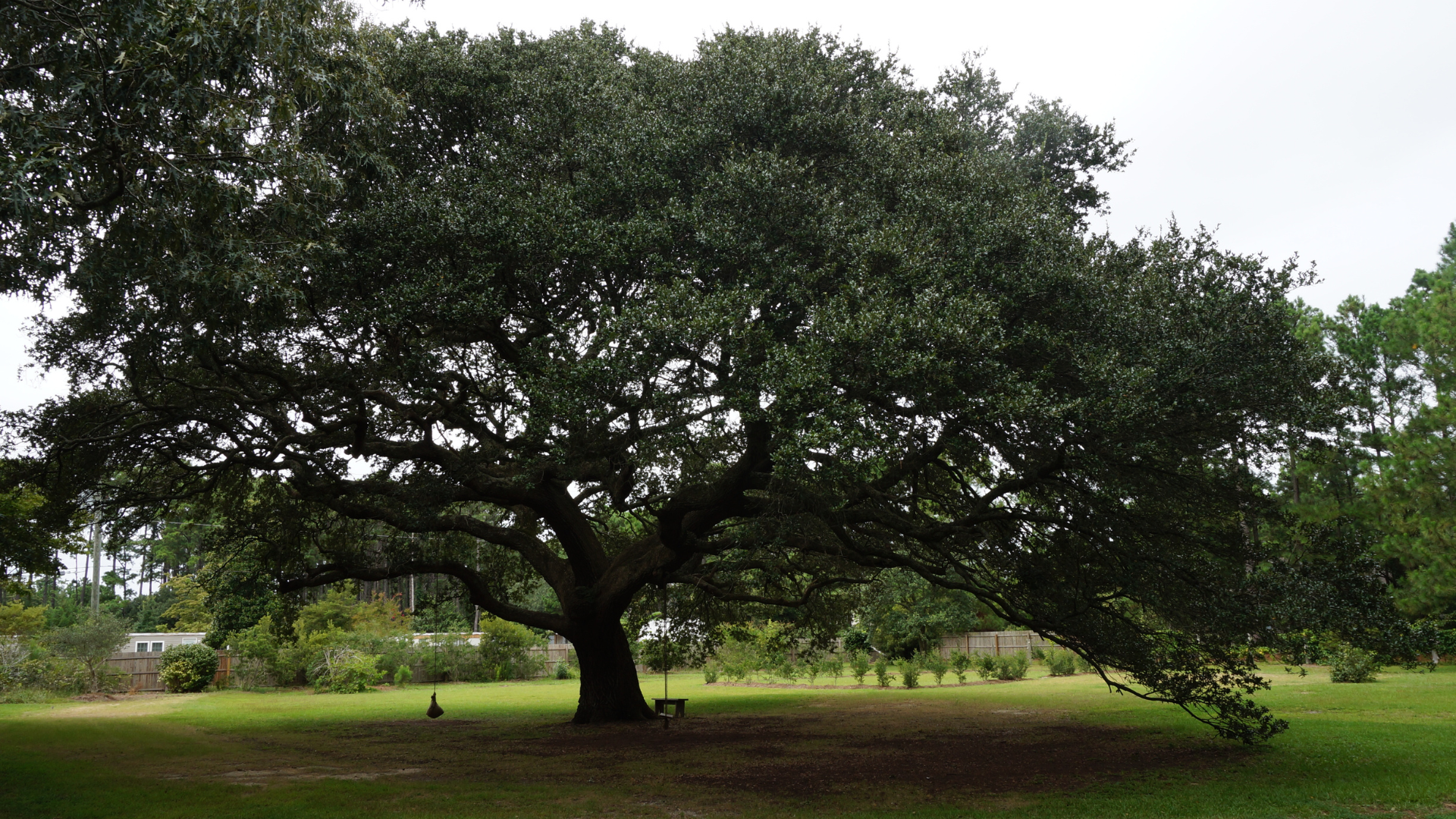
Standing beneath a towering oak or sycamore, it is easy to appreciate a tree’s size. What is less obvious is its age. Many of the mature trees found throughout Missouri and the greater American Midwest have been growing for generations, quietly enduring changing weather, shifting landscapes, and the passage of time. While no tree lives forever, some species possess remarkable longevity, allowing them to become living landmarks that connect communities with their natural history.  Understanding why certain trees live for centuries can help property owners appreciate the importance of proper tree care and preservation.
July 21, 2026
Pruning is one of the most valuable services a professional arborist can provide, yet it is often misunderstood. Some homeowners worry that removing healthy branches may harm a tree, while others assume pruning is only necessary when limbs become hazardous. In reality, proper pruning is a proactive practice that supports tree health, improves structure, and helps trees adapt to changing environmental conditions.  When performed correctly and at the appropriate time, pruning works with a tree’s natural biological processes, allowing it to continue growing safely and efficiently for years to come.
July 14, 2026
Trees are among the longest-living features on any property. A mature oak, maple, or other established tree may take decades to reach its full size, providing shade, beauty, wildlife habitat , and increased property value along the way. Because of the time and environmental benefits they represent, preserving healthy trees whenever possible is often a worthwhile investment.  Professional arborists play an important role in helping trees remain healthy, structurally sound, and capable of thriving for many years. Through regular evaluations and proactive care, they can identify potential problems early and recommend treatments that support long-term tree health.
July 8, 2026
Trees do much more than provide shade and enhance the beauty of a landscape. They are living ecosystems that support a remarkable variety of wildlife throughout every season. From nesting birds in the spring to sheltering mammals during the winter, healthy trees provide food, protection, and habitat for countless species.  For homeowners and property managers , understanding the connection between trees and wildlife offers another reason to invest in professional tree care. Proper maintenance not only helps preserve the health and appearance of trees but also supports the many forms of life that depend on them.
June 30, 2026
Trees add beauty, shade, and value to residential and commercial properties, but like any living organism, they change over time. While many trees remain healthy for decades, others may develop structural weaknesses that increase the likelihood of branch failure or even complete tree failure.  Identifying these concerns is not always straightforward. A tree may appear healthy on the outside while hiding internal defects, or it may display subtle warning signs that only a trained professional can recognize. That is why professional tree risk assessments are an important part of responsible property management. Certified arborists evaluate much more than whether a tree looks healthy. Their goal is to determine how likely a tree is to fail, what the consequences of that failure could be, and whether any corrective action is appropriate.
June 24, 2026
When planning a landscape, homeowners often focus on appearance, growth rate, shade potential, or seasonal color. While these factors certainly matter, another important consideration is whether a tree is native to the region.  Native trees have evolved alongside local soils, weather conditions, wildlife, and ecosystems for thousands of years. As a result, they often play a critical role in maintaining healthy landscapes and supporting the natural environment. Although non-native species can sometimes thrive in residential settings, native trees continue to provide unique benefits that make them valuable additions to properties and communities alike. Understanding why native trees remain important can help property owners make informed decisions about their landscapes.
June 17, 2026
Summer brings plenty of activity to the landscape , but not all of it is beneficial. While homeowners often focus on watering, mowing, and maintaining their outdoor spaces during the warmer months, another seasonal visitor can create significant problems for trees and plants: the Japanese beetle.  Japanese beetles are among the most recognizable insect pests found throughout much of the Midwest. Their metallic green bodies and copper-colored wings make them easy to identify, but the damage they leave behind is often what attracts the most attention. During peak summer months, large populations of these insects can feed on a variety of trees and ornamental plants, affecting both appearance and overall plant health. Understanding how Japanese beetles impact trees can help homeowners recognize potential problems and determine when professional assistance may be beneficial.
More Posts