Why Tree Risk Assessments Are Essential for Property Owners in the Midwest

May 21, 2025

From Asset to Liability

In the heart of the American Midwest, trees are more than just part of the landscape—they are essential components of residential, commercial, and agricultural environments. Mature specimens like the white oak, sugar maple, and American elm offer beauty, shade, and property value. But without proper oversight, these same trees can become liabilities. Tree risk assessments are not optional—they are essential for responsible property management.
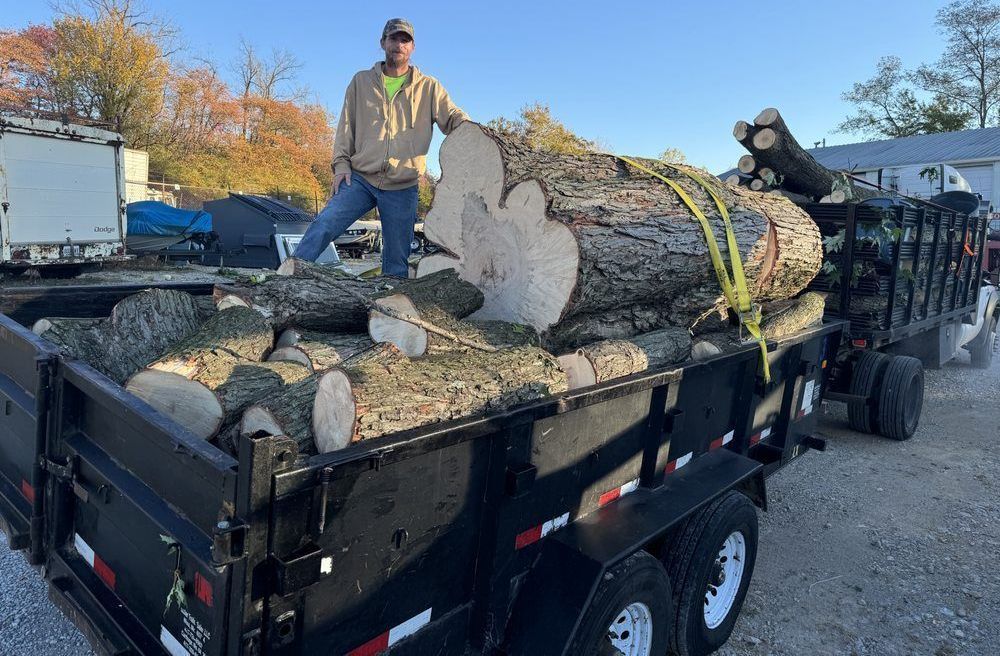
A man is standing on a trailer filled with logs.

What Is a Tree Risk Assessment?

A tree risk assessment is a systematic evaluation performed by a certified arborist to determine the likelihood of a tree—or part of a tree—failing and causing damage or injury. These assessments are guided by industry standards set forth by the International Society of Arboriculture (ISA), and they are a core service offered by Midwest Tree Surgeons.


The process includes an inspection of the tree’s structural integrity, overall health, species-specific behavior, and environmental factors like soil condition and wind exposure. Arborists then classify the risk level and offer tailored recommendations—ranging from minor pruning to full removal.
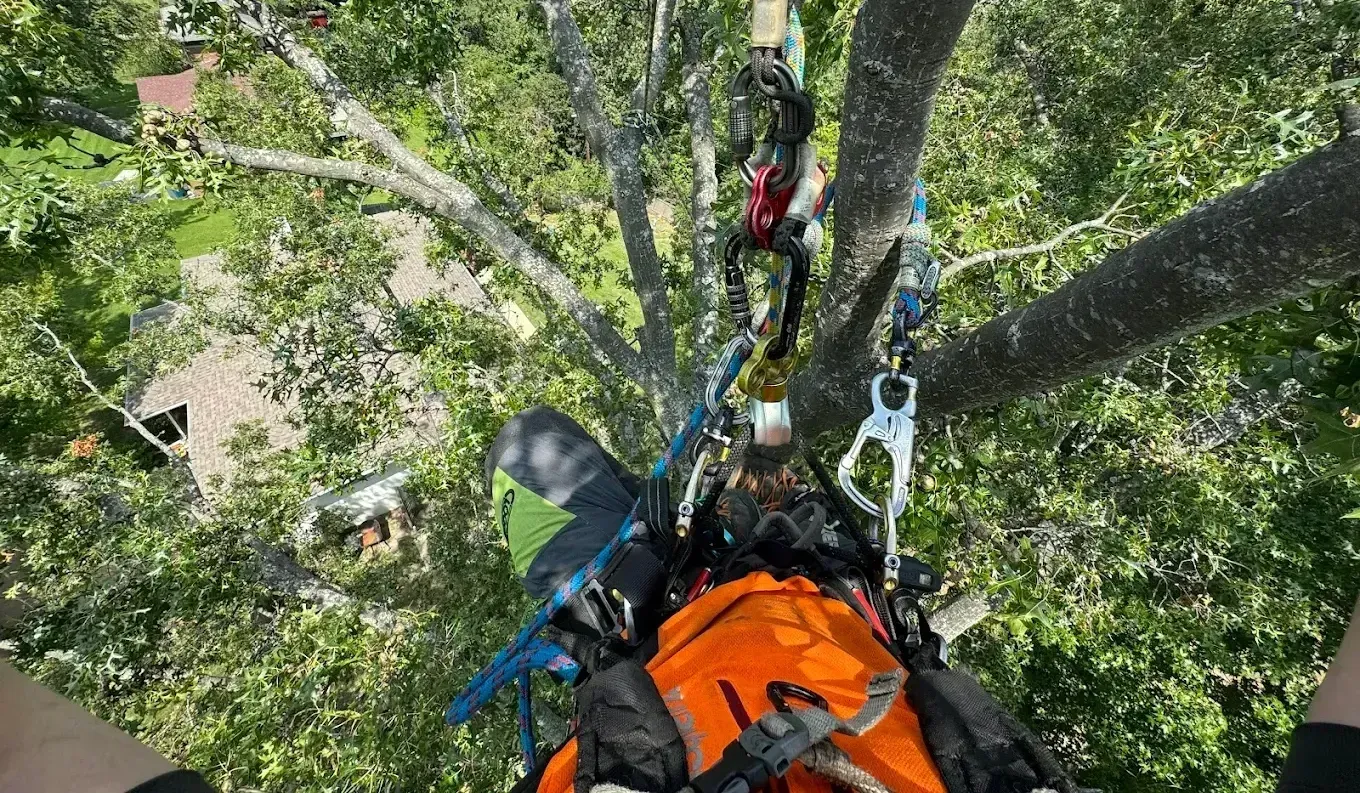
A person is climbing a tree with a backpack on their back.

Why Midwestern Property Owners Need Them

In the Midwest, the tree population includes many large, long-lived species. While this is a benefit for biodiversity and aesthetics, it also introduces structural challenges—especially as trees age. Native species like the bur oak or eastern cottonwood are known for their towering size, but they are also vulnerable to windthrow, internal rot, and storm damage.


The Midwest experiences a broad spectrum of weather conditions, from ice storms in Illinois to tornados in Missouri and prolonged droughts in parts of Iowa and Indiana. These conditions place additional stress on even healthy trees. A single windstorm can take down a limb from a seemingly strong hackberry or silver maple, potentially damaging a home, power line, or vehicle.


Tree risk assessments identify such vulnerabilities in advance—before the damage occurs.
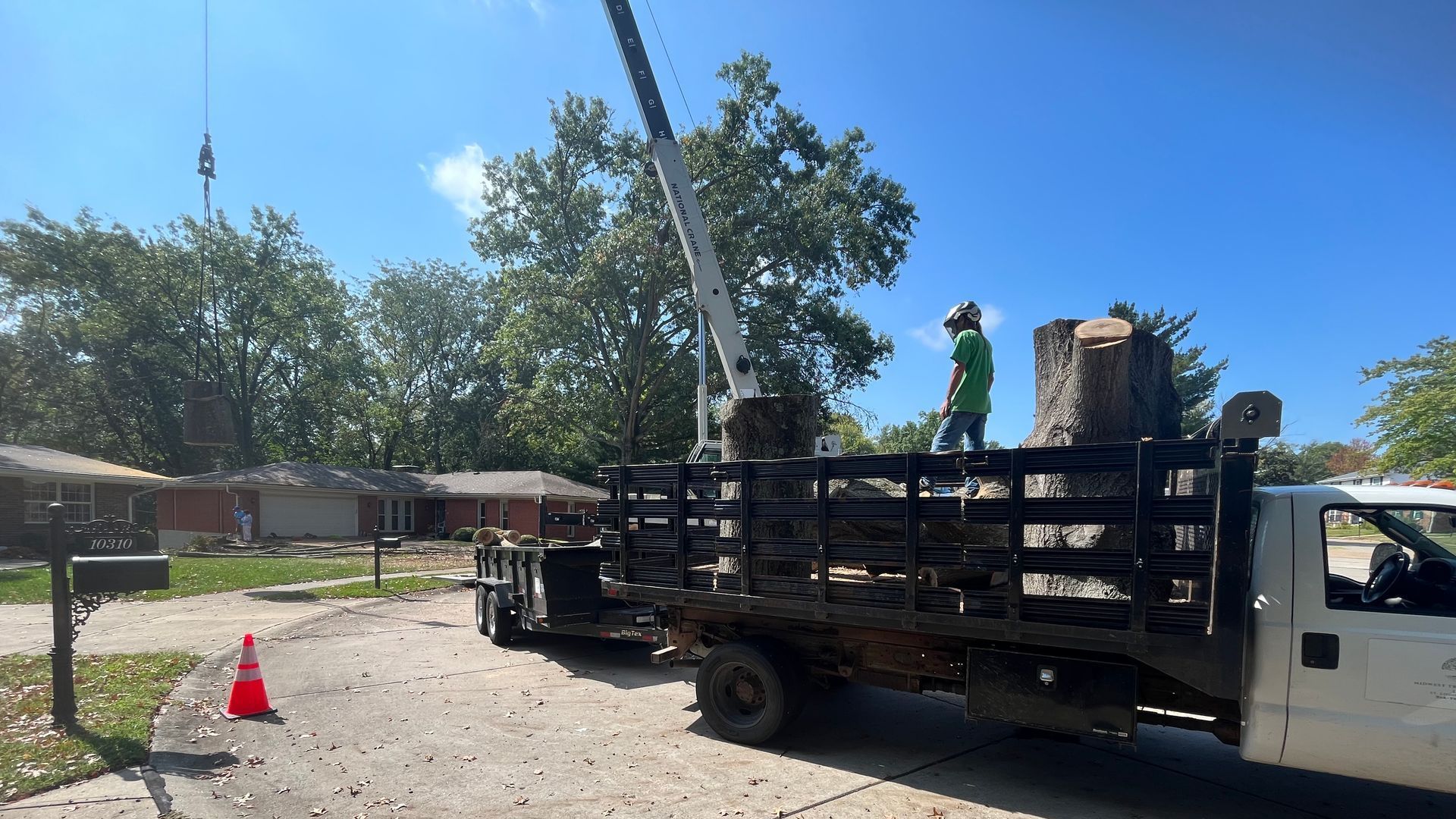
A white truck with a crane on the back of it is parked in front of a house.

Real Risk, Real Liability

Many homeowners assume their trees are stable simply because they have “been there forever.” Unfortunately, age does not equal strength. Internal decay, root girdling, insect infestations, and fungal infections often remain invisible to the untrained eye. Trees may still leaf out and appear healthy while hollow on the inside.


If a tree falls and causes damage—and it is determined that the hazard was foreseeable—property owners can be held legally and financially responsible. A tree risk assessment, especially one performed by a certified arborist, is often considered due diligence in both insurance and legal contexts.
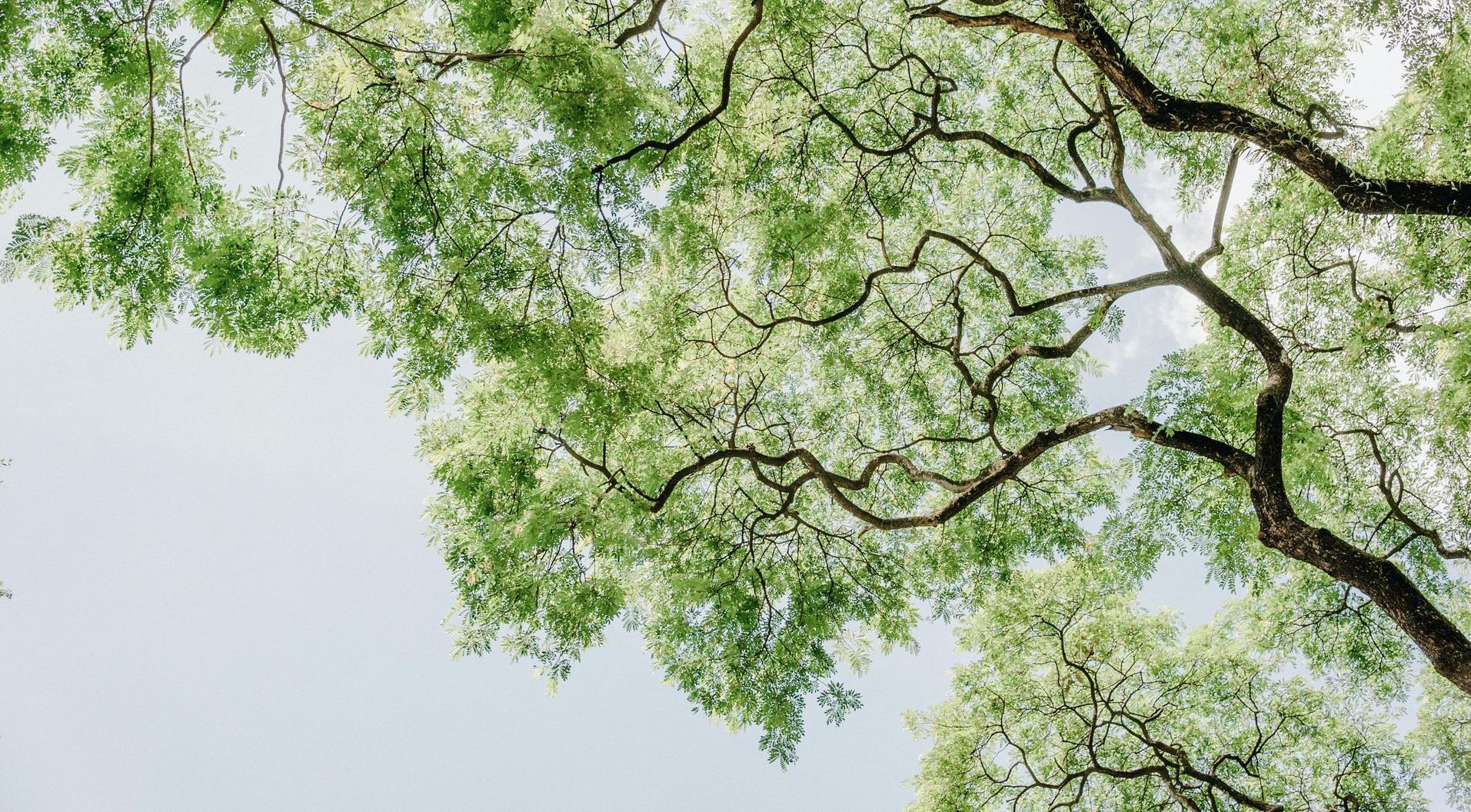
Looking up at the branches of a tree with lots of green leaves against a blue sky.

What Assessments Look For

When Midwest Tree Surgeons performs a tree risk assessment, we evaluate the following:


  • Root and trunk stability: Signs of decay, cracks, or previous failure points.
  • Branch structure: Weak unions, excessive weight, or previous storm damage.
  • Species behavior: Some trees, like the fast-growing boxelder, are naturally prone to limb drop.
  • Environmental context: Proximity to structures, foot traffic, utilities, or drainage issues.
  • Pest and disease presence: Emerald ash borer, anthracnose, or fungal rot common in local species.


Using tools such as resistographs and soil probes—combined with visual inspection—we deliver a detailed report with our findings and recommendations.
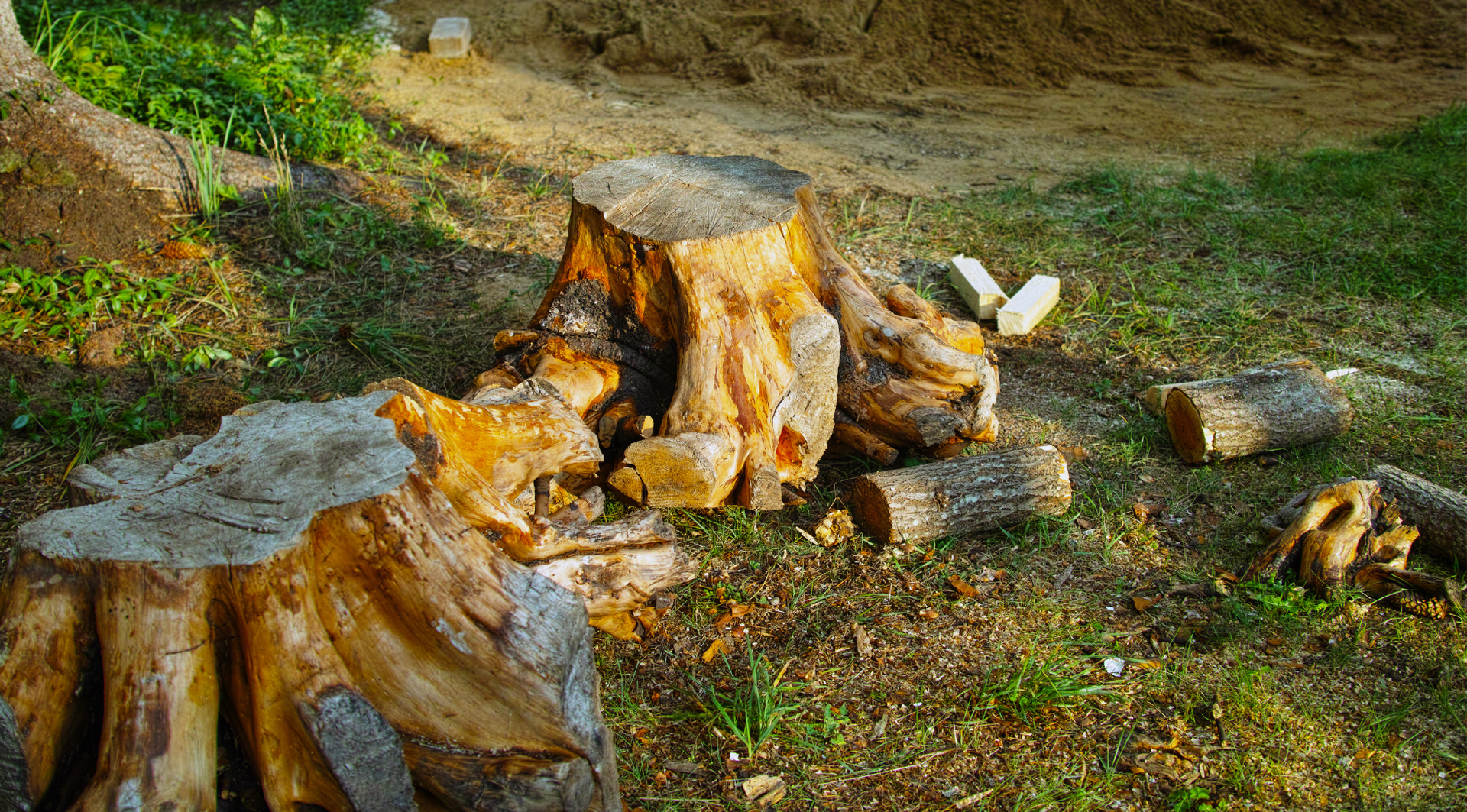
A pile of logs and stump in the grass.

Preventive Care Saves Money

A comprehensive assessment may recommend something as simple as targeted pruning to reduce weight on a large limb of a red oak, or cabling to support a split-trunk linden. These low-cost interventions can prevent high-cost outcomes like emergency removals, property repairs, or lawsuits.


For trees that pose a severe threat, removal may be necessary. In such cases, early identification ensures a safe, controlled removal under proper conditions—not a rushed response during a storm cleanup.
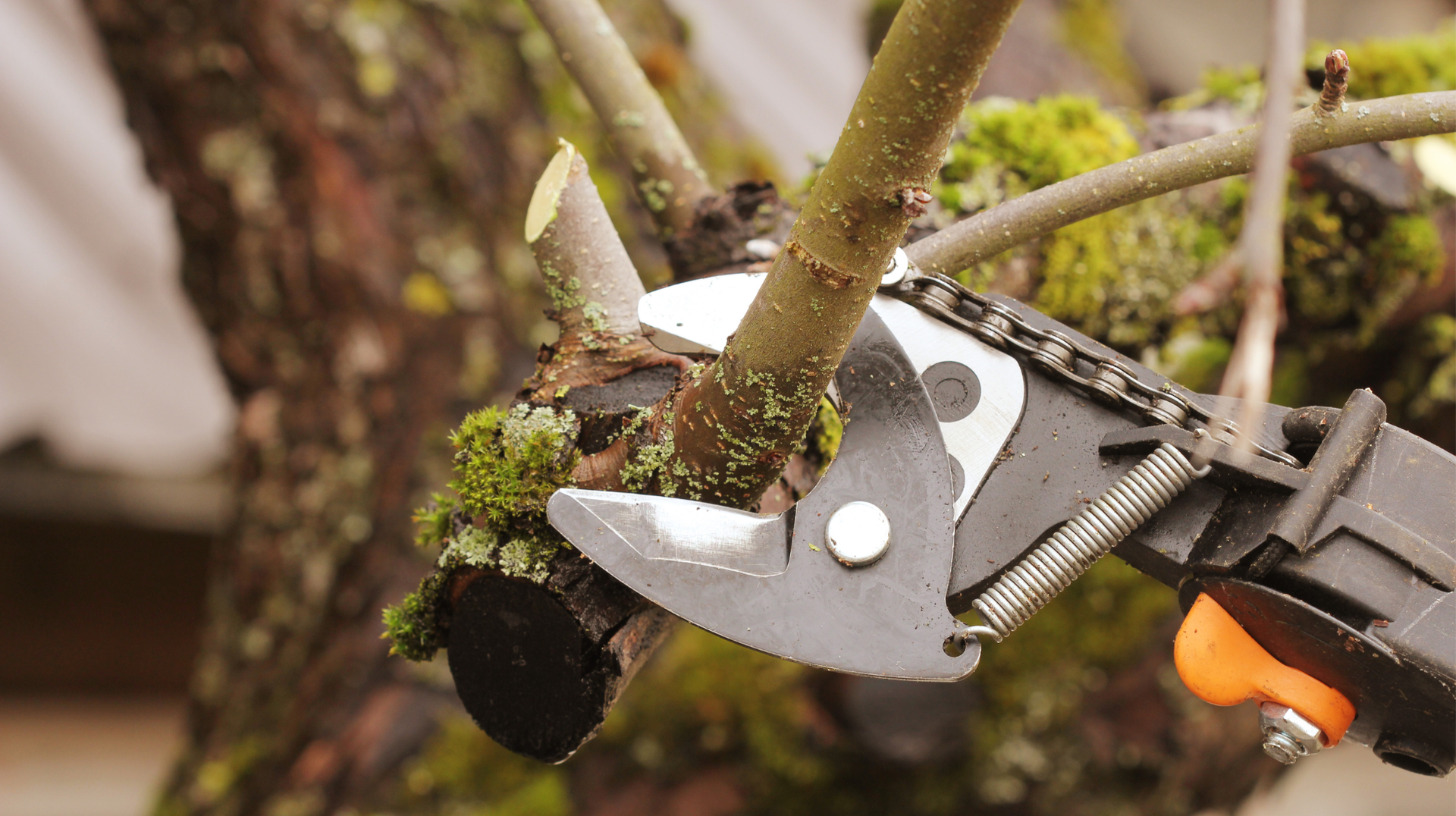
A person is cutting a tree branch with a pair of scissors.

Protect Your Property—and Your Peace of Mind

Whether you own a single-family home in Warren County or manage a commercial lot in greater St. Louis, a tree risk assessment provides clarity. It turns uncertainty into action and transforms potential liabilities into managed assets.


At Midwest Tree Surgeons, our ISA Certified Arborists are trained to identify risks with scientific accuracy and decades of field experience. We understand the native trees of the Midwest because we work with them every day.


Do not wait for nature to force your hand. Schedule a professional tree risk assessment and take a proactive step toward protecting your property, your investment, and the people who live or work beneath your canopy.
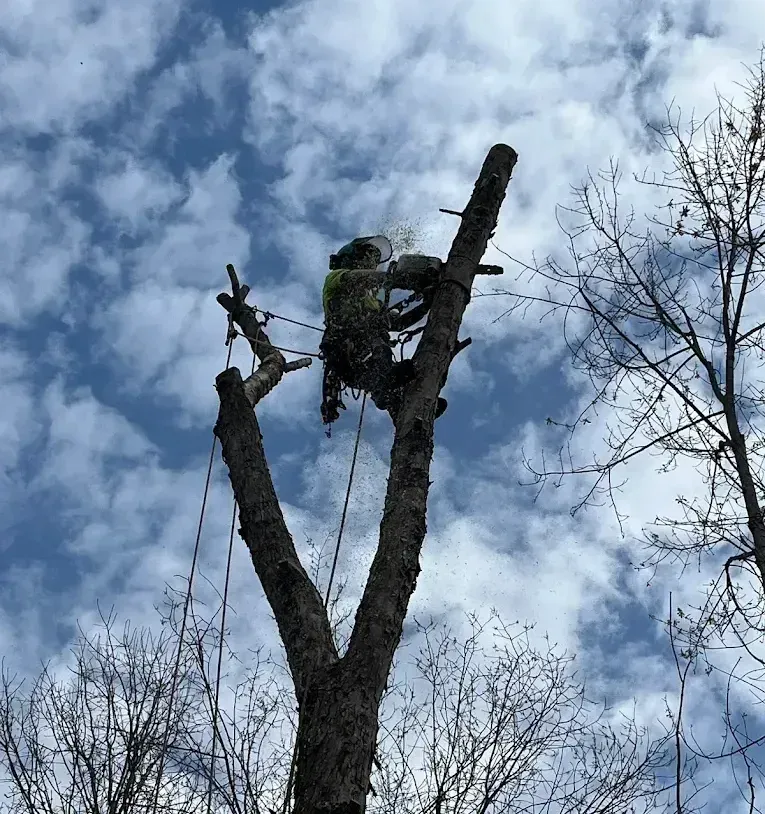
A man is climbing a tree with a blue sky in the background
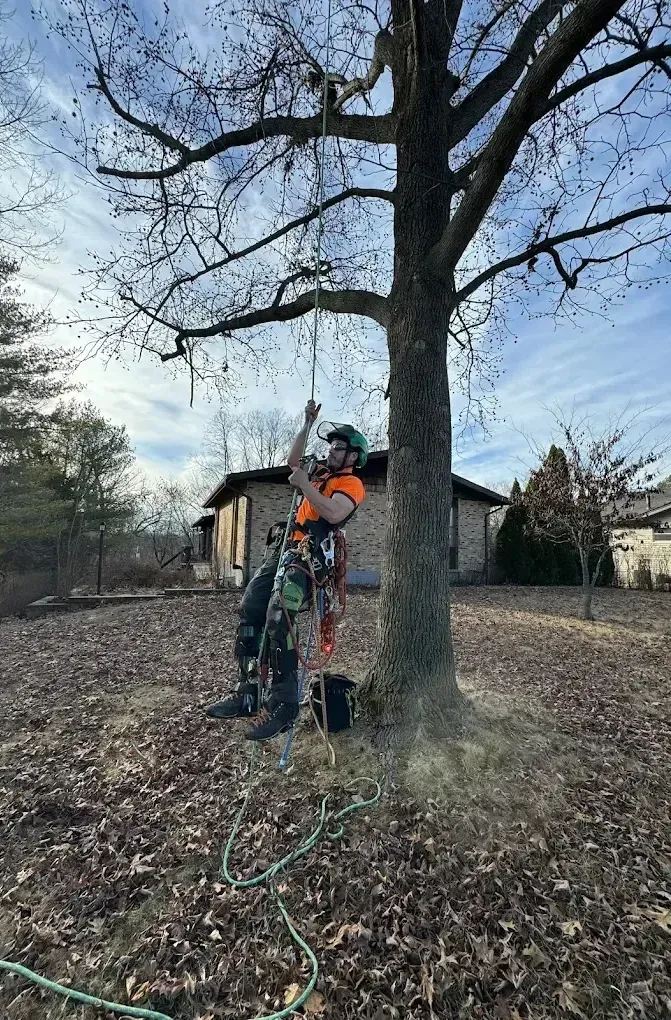
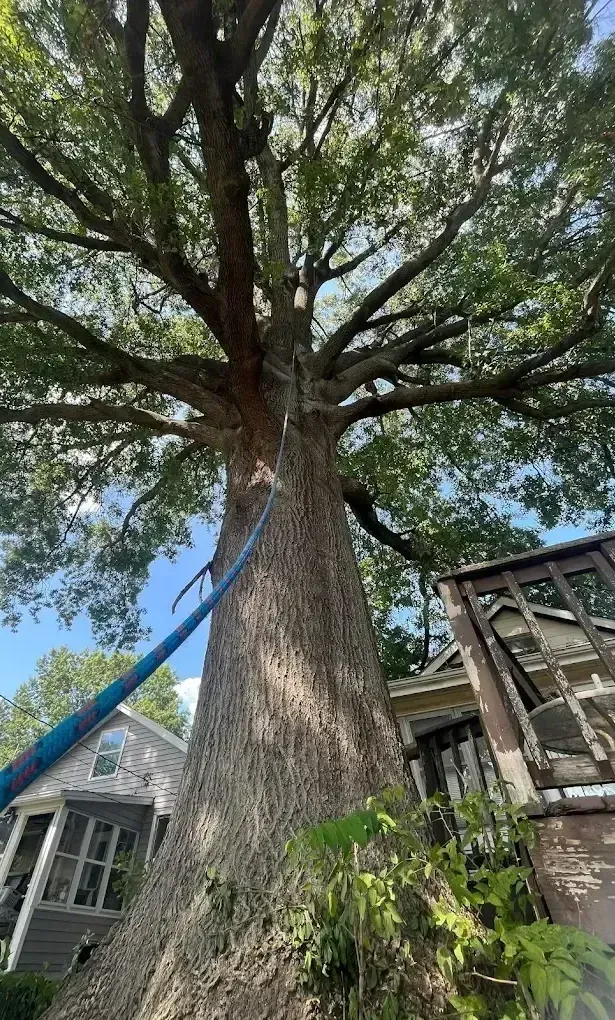
A large tree with a blue hose attached to it is in front of a house.
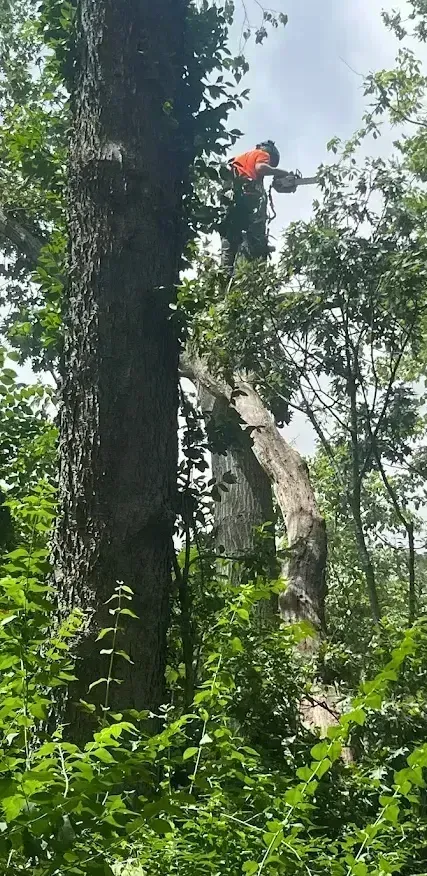
A man is cutting down a tree in the woods with a chainsaw.
A man is climbing a tree with a chainsaw.
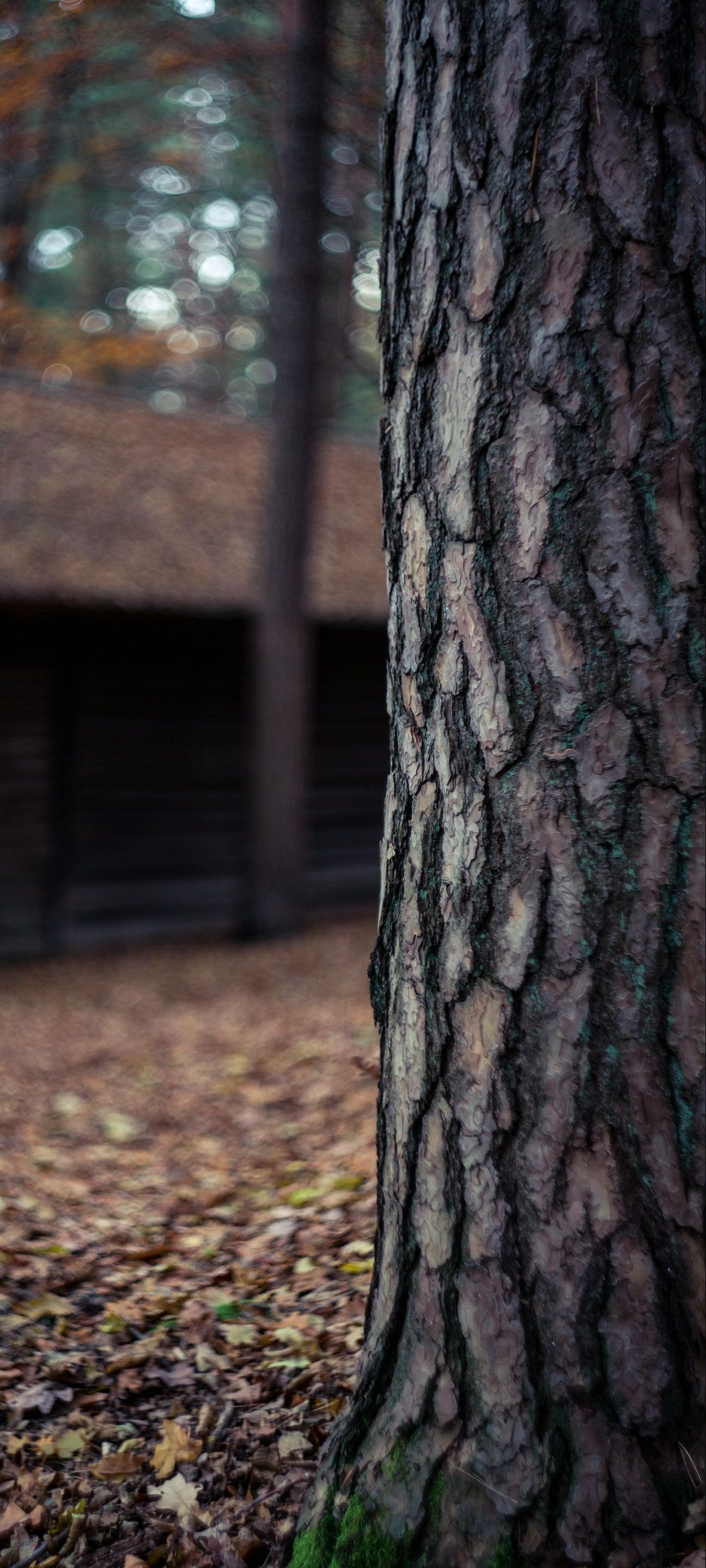
A close up of a tree trunk in the woods with leaves on the ground.
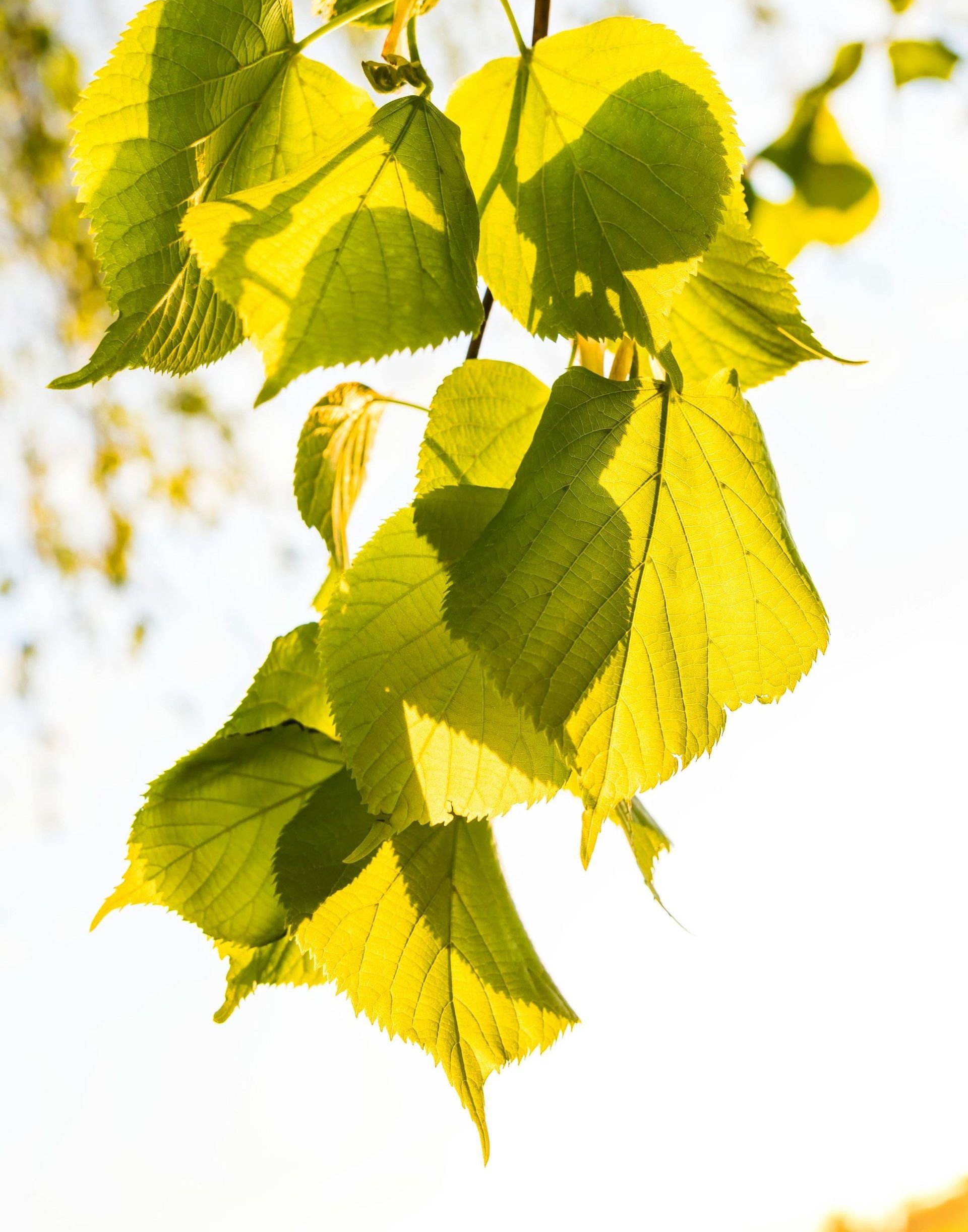
A close up of a tree branch with yellow leaves
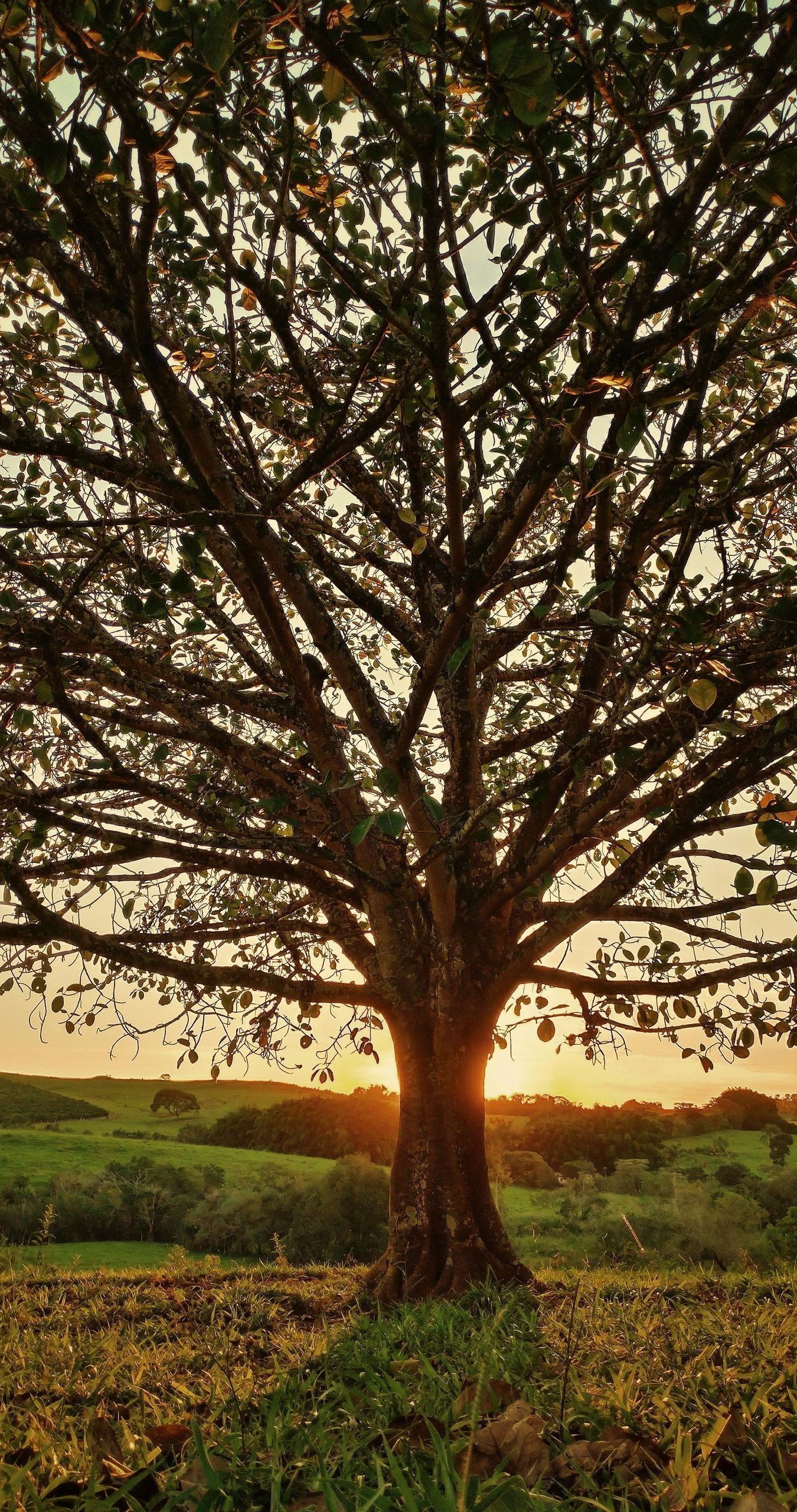
The sun is shining through the branches of a tree in a field.
May 19, 2026
When people think about drought conditions, they usually picture dry grass, dusty soil, and immediate signs of heat stress. Trees, however, often respond differently. Unlike lawns or smaller plants, mature trees may continue looking relatively healthy during periods of dry weather, even while internal stress is developing beneath the surface.  One of the most challenging aspects of drought-related tree damage is that symptoms are frequently delayed. In many cases, trees begin showing visible decline months after the drought itself has passed. At Midwest Tree Surgeons, we regularly help homeowners identify delayed drought stress before it progresses into larger structural or health problems.
May 13, 2026
Trees are built to withstand changing seasons, but repeated environmental stress can gradually affect their health and stability. One of the most significant seasonal stressors in many regions is the freeze-thaw cycle. While it may seem like a normal part of winter weather, this constant fluctuation between freezing and thawing can place long-term strain on trees in ways that are not always immediately visible.  Understanding how freeze-thaw cycles affect trees helps explain why early summer is an ideal time for a professional tree inspection.
May 5, 2026
Trees are often perceived as resilient and self-sustaining, capable of withstanding years of environmental stress. While this is true to an extent, injuries to a tree can initiate internal processes that are not visible from the outside. Understanding what happens inside a tree after it is injured helps explain why some trees decline over time, even when they appear stable at first.  At Midwest Tree Surgeons, evaluating these hidden processes is an important part of maintaining long-term tree health and property safety.
April 28, 2026
Mature trees are often seen as stable, established features of a property. Their size and presence can create a sense of permanence, leading many homeowners to assume they are less likely to fail. In reality, mature trees can carry a unique set of risks that are not always visible at first glance.  Understanding these overlooked risk factors is essential for maintaining both tree health and property safety.
April 21, 2026
Tree decline rarely happens all at once. In most cases, it follows a gradual and largely hidden progression that unfolds over time. From the outside, a tree may appear stable, even healthy, while underlying changes begin to affect its structure and resilience. This is what makes tree decline difficult to recognize and, in many cases, easy to overlook.  Understanding this “invisible timeline” can help property owners identify early warning signs and take action before more serious issues develop.
April 14, 2026
When homeowners think about tree stability, the focus is often on what is visible above ground. Branch structure, trunk size, and overall appearance tend to receive the most attention. However, one of the most important factors affecting a tree’s stability is hidden below the surface.  Soil conditions play a central role in how well a tree is anchored, how it grows, and how it responds to environmental stress. Understanding this relationship can help property owners better assess risk and make more informed decisions about tree care.
April 8, 2026
Deadwood is often dismissed as a minor issue. It may appear as a few dry branches or small sections of a tree that no longer produce leaves. Because it does not always affect the entire tree, many homeowners overlook it. However, deadwood can present a significant safety risk, particularly in residential settings.  Understanding why deadwood forms, how it behaves, and how it progresses over time can help prevent avoidable property damage and injury.
April 1, 2026
Trees are often one of the most valuable features of a residential property . They provide shade, improve curb appeal, and contribute to the overall health of the environment. However, when multiple trees share the same space, they do not simply coexist without interaction. Trees compete with one another for essential resources such as water, sunlight, and nutrients. Over time, this competition can influence how trees grow, how healthy they remain, and how stable they become.  Understanding how trees compete for resources can help homeowners make better decisions about planting, spacing, and long-term tree care. With proper planning and maintenance, it is possible to create a landscape where trees thrive rather than struggle against one another.
March 25, 2026
Trees add beauty, shade, and value to a property, but there are situations where keeping a tree is no longer the safest or most practical choice. Many homeowners prefer to preserve trees whenever possible , and in many cases, proper care and maintenance can extend a tree’s lifespan. However, when a tree becomes structurally compromised, diseased, or poses a risk to people and property, removal may be the most responsible decision.  Understanding when tree removal is necessary can help prevent accidents, reduce property damage, and protect the overall health of a landscape.
March 18, 2026
Severe storms can cause significant damage to trees and surrounding property. After strong winds or heavy storms pass through a neighborhood, it is common to see some trees still standing strong while others have lost major limbs or fallen entirely. This often leads homeowners to wonder why certain trees survive while others fail under the same weather conditions.  The answer usually involves a combination of factors including tree structure, root stability, species characteristics, and long-term maintenance. Understanding these factors can help property owners take steps to reduce the risk of storm damage and protect both their landscape and their homes.
More Posts