Why Some Trees Survive Storms While Others Fail
Severe storms can cause significant damage to trees and surrounding property. After strong winds or heavy storms pass through a neighborhood, it is common to see some trees still standing strong while others have lost major limbs or fallen entirely. This often leads homeowners to wonder why certain trees survive while others fail under the same weather conditions.
The answer usually involves a combination of factors including tree structure, root stability, species characteristics, and long-term maintenance. Understanding these factors can help property owners take steps to reduce the risk of storm damage and protect both their landscape and their homes.
The Importance of Tree Structure
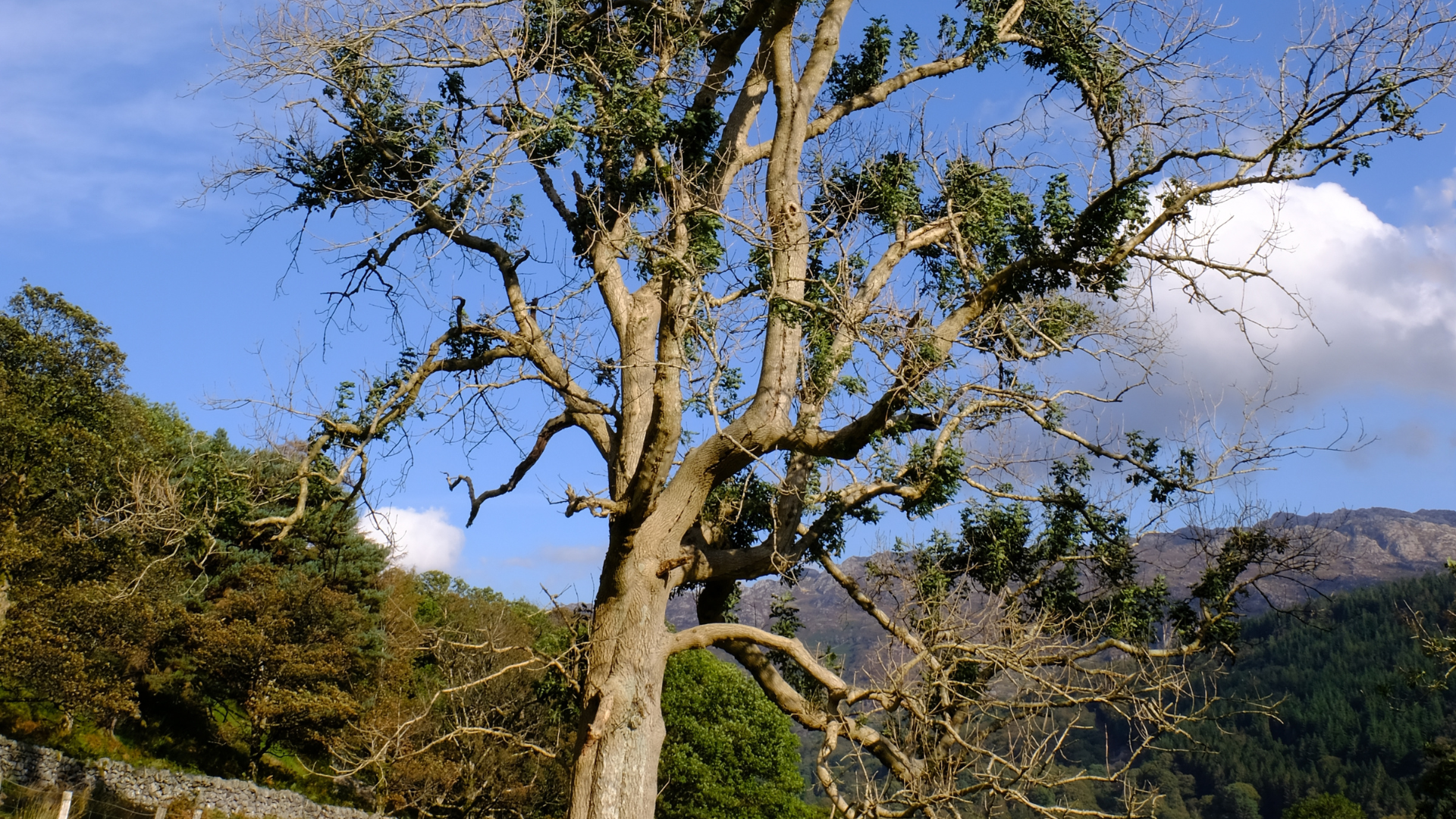
One of the most important factors in storm resistance is the structural strength of the tree itself. Trees with well-balanced branch systems are generally better able to withstand strong winds.
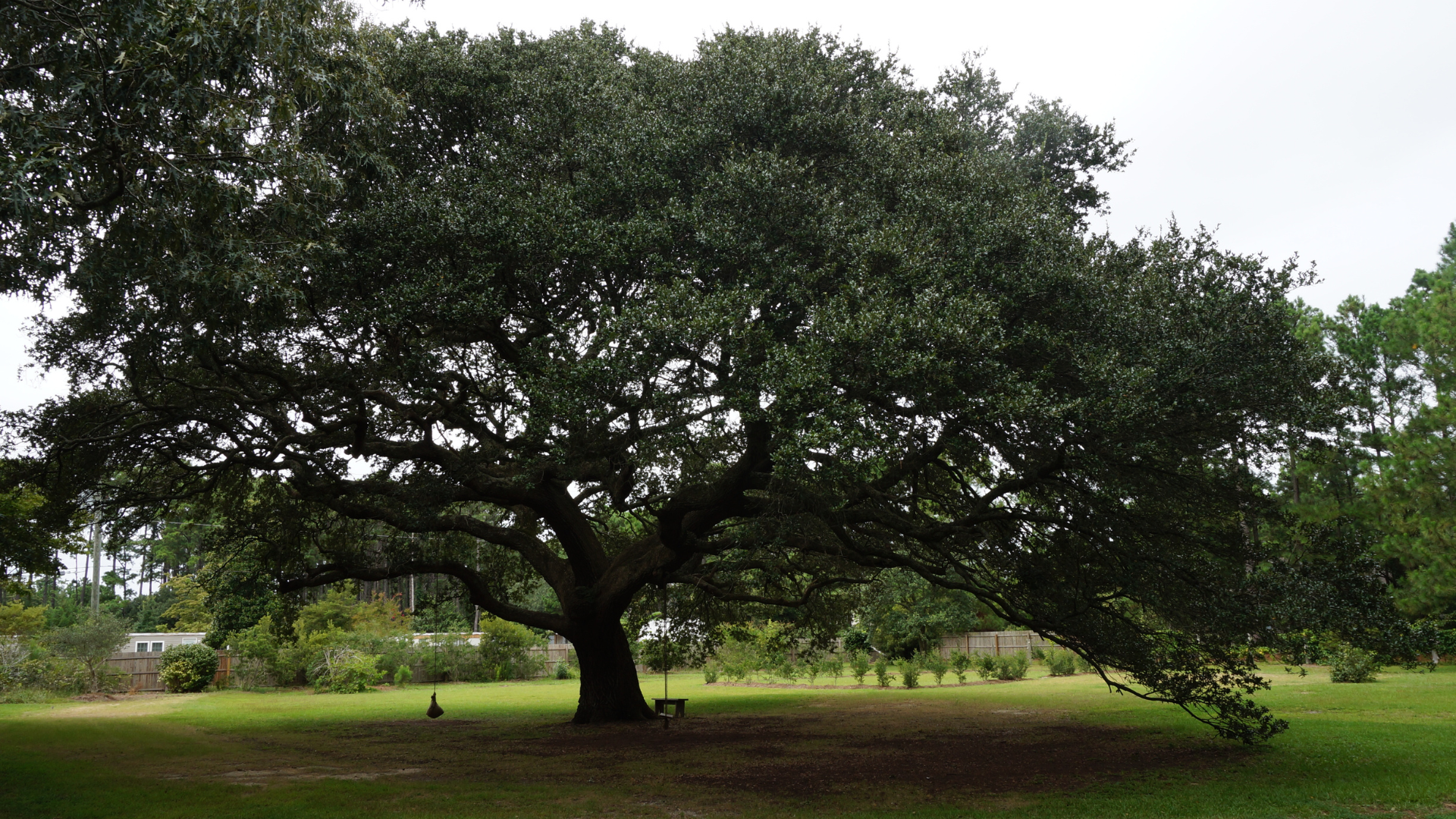
When branches grow in balanced patterns, the canopy allows wind to pass through more evenly. This reduces the amount of pressure placed on individual limbs. Trees with uneven growth or heavy branches concentrated on one side may struggle to handle strong gusts of wind.
Structural weaknesses can also occur when multiple trunks grow from the same point on a tree. These “co-dominant stems” may appear stable at first but can split apart during severe weather.
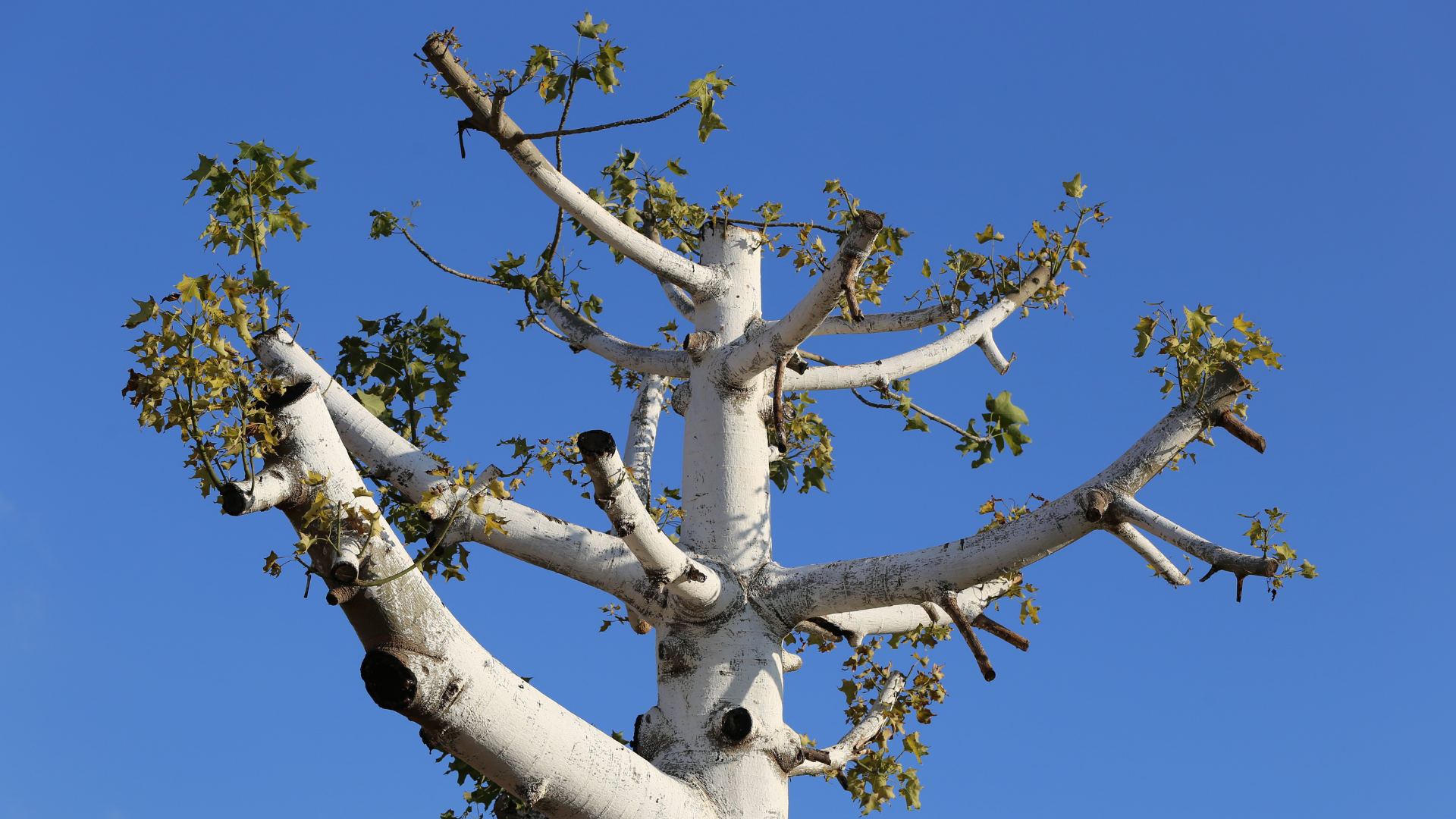
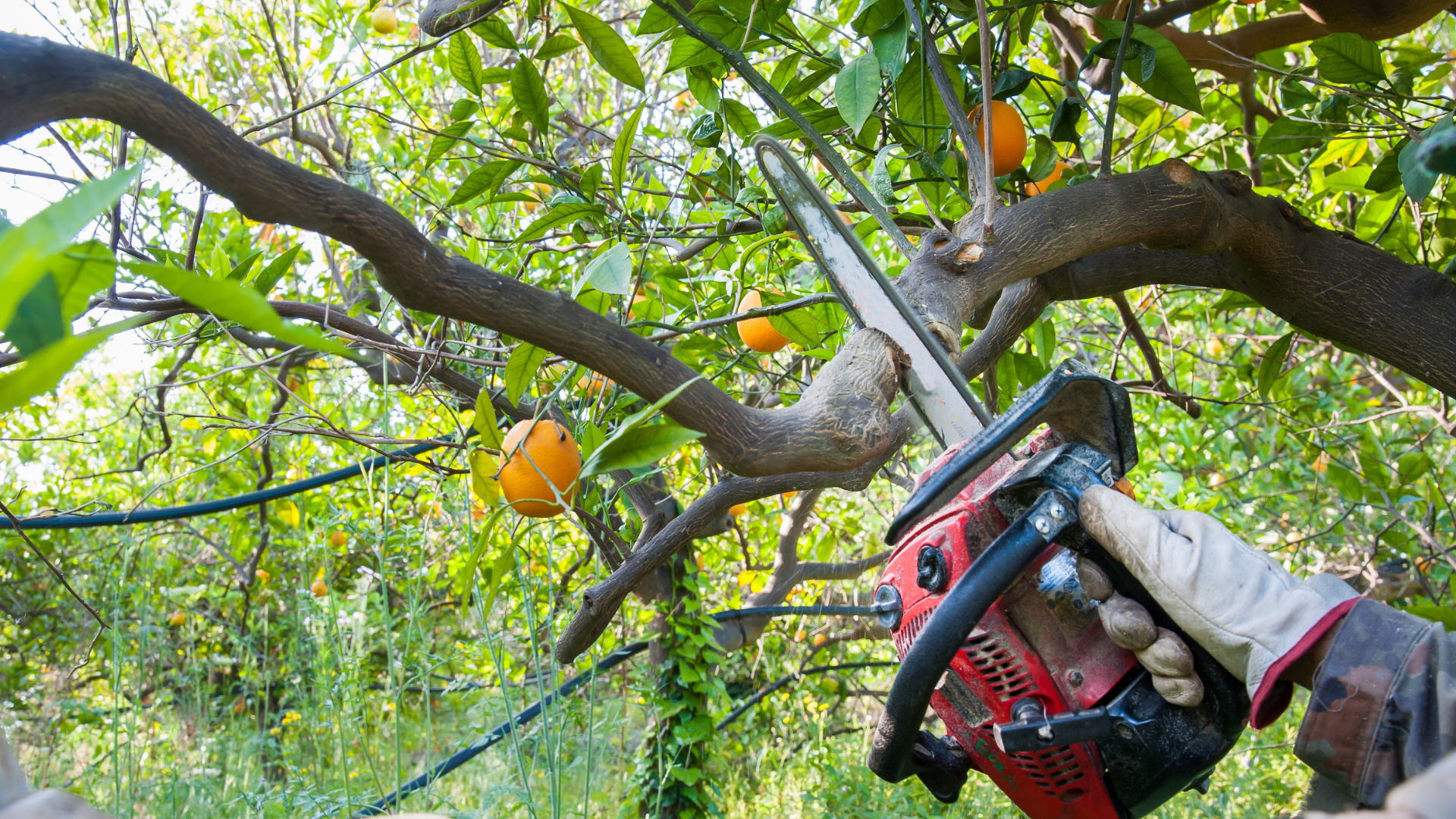
Professional pruning can help correct these structural issues by removing weak limbs and encouraging balanced growth.
Root Systems and Stability
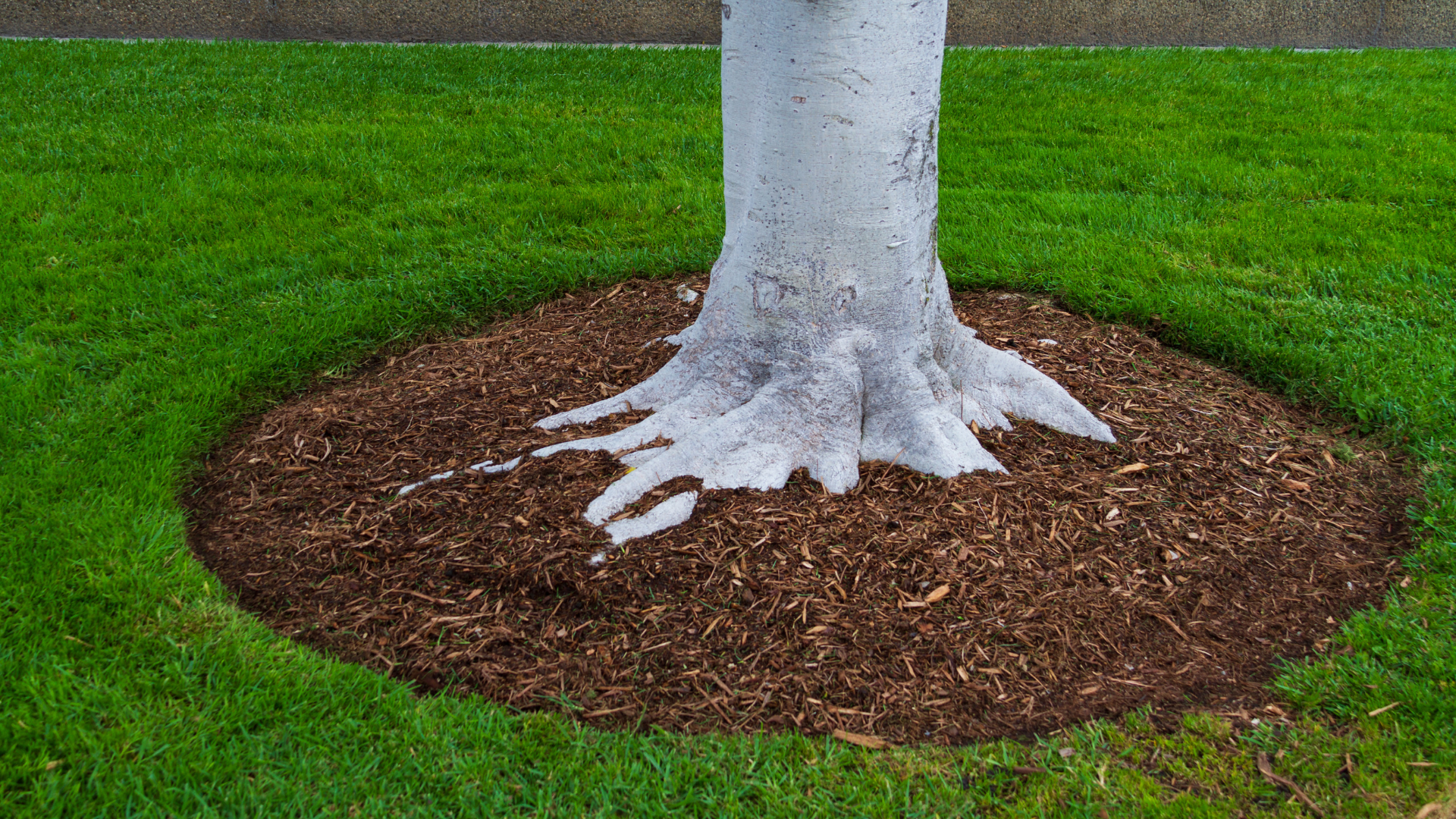
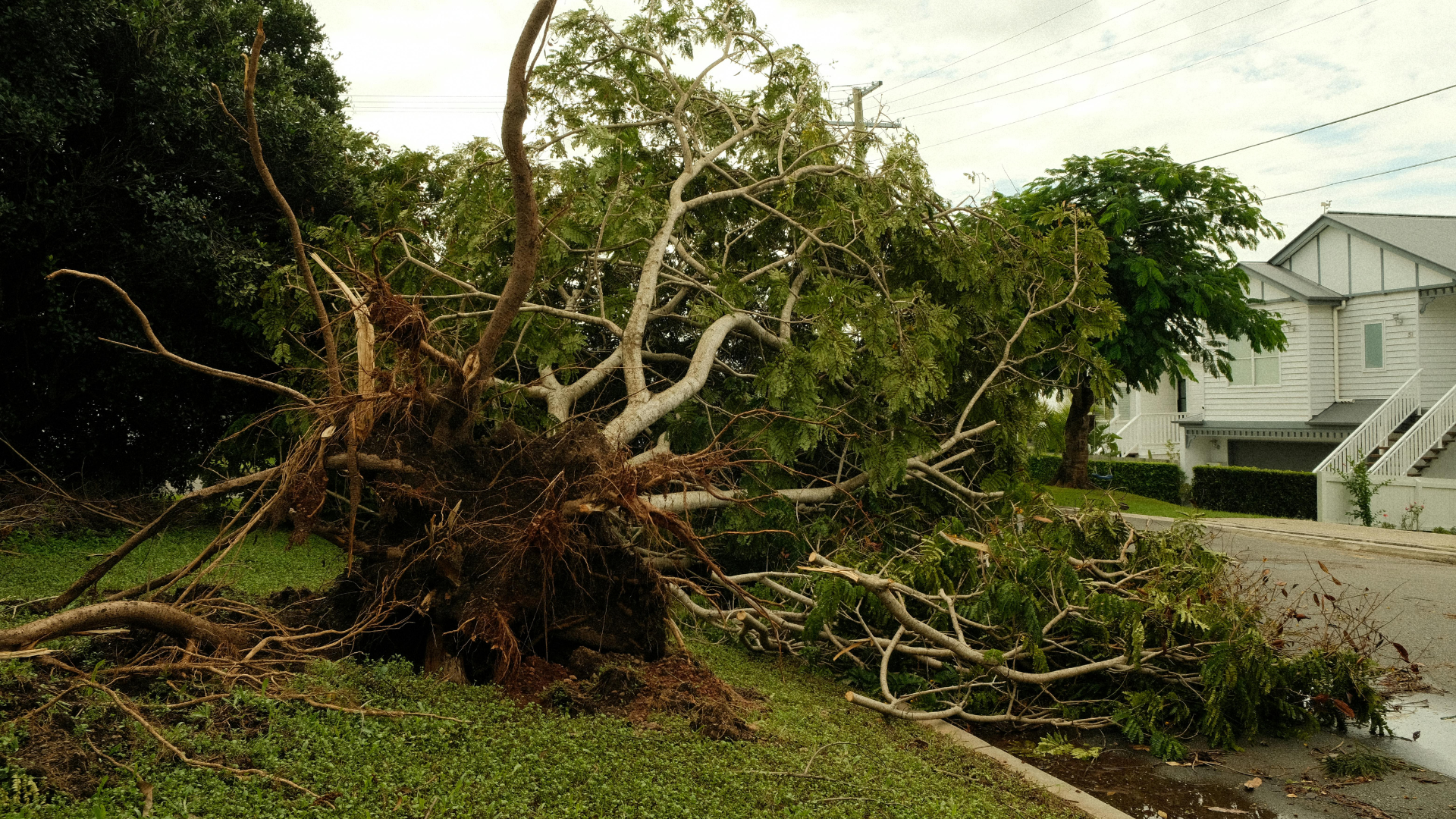
A tree’s root system plays a major role in determining whether it will remain standing during a storm. Healthy roots anchor the tree firmly in the soil and provide the stability needed to resist strong winds.
However, roots can be compromised by several conditions. Soil compaction, poor drainage, construction activity, and restricted growing space can all weaken root systems. When roots cannot expand properly, the tree may become more vulnerable to uprooting.
Trees growing in shallow soil or areas with frequent water saturation may also struggle to develop strong anchoring roots.
Because root problems often occur underground, they can go unnoticed until a storm exposes the weakness.
Tree Species and Natural Strength
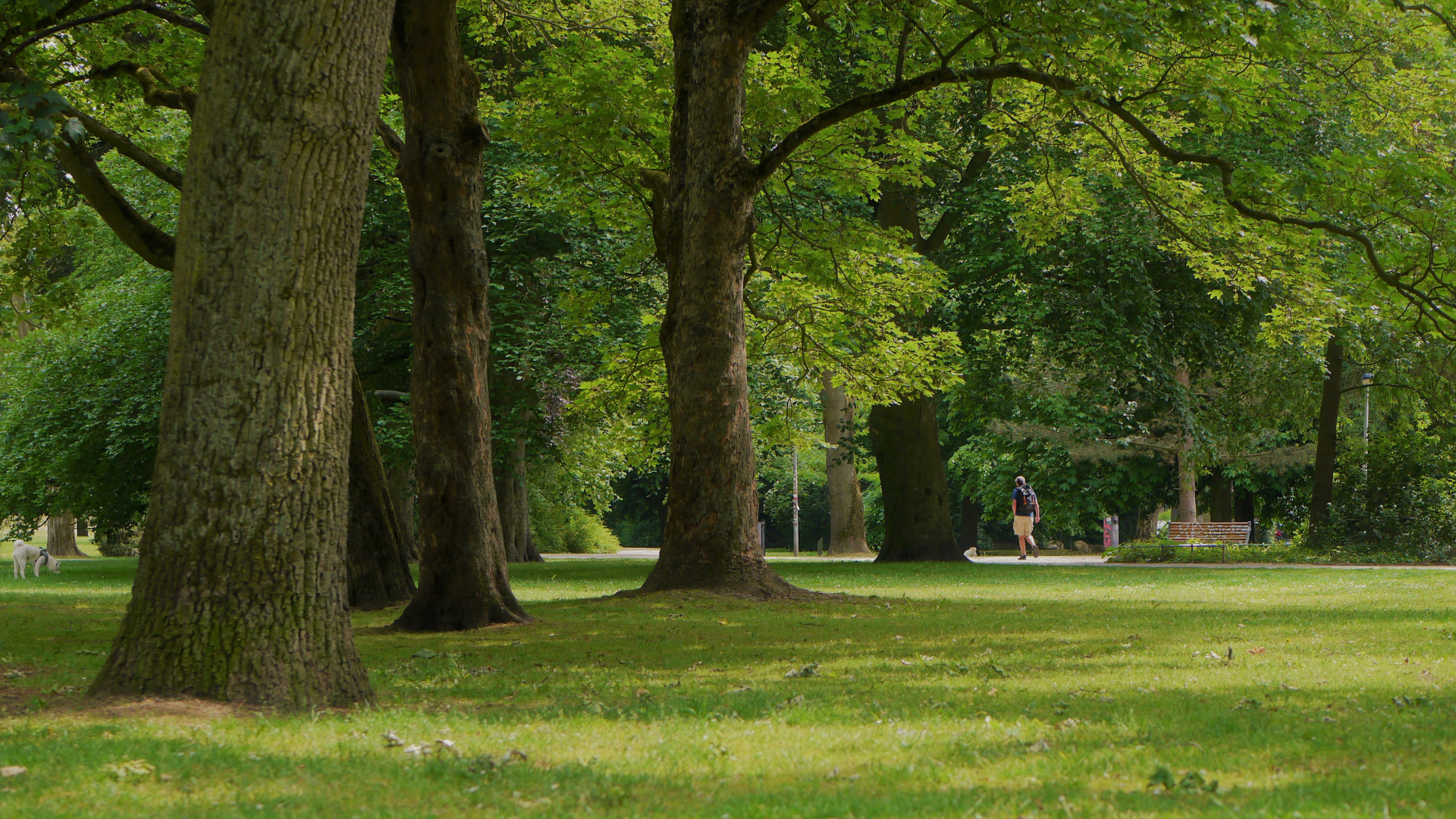
Different tree species have varying levels of natural storm resistance. Some species are known for their strong wood and flexible branches, while others are more brittle and prone to breakage.
For example, trees with dense, heavy wood often resist wind damage better than species with lighter or more brittle wood structures. Flexible branches can bend with the wind rather than snapping under pressure.
In addition, certain species naturally develop deeper root systems that provide better anchoring during storms.
Choosing the right species when planting new trees can significantly improve storm resilience over the long term.
The Impact of Tree Health
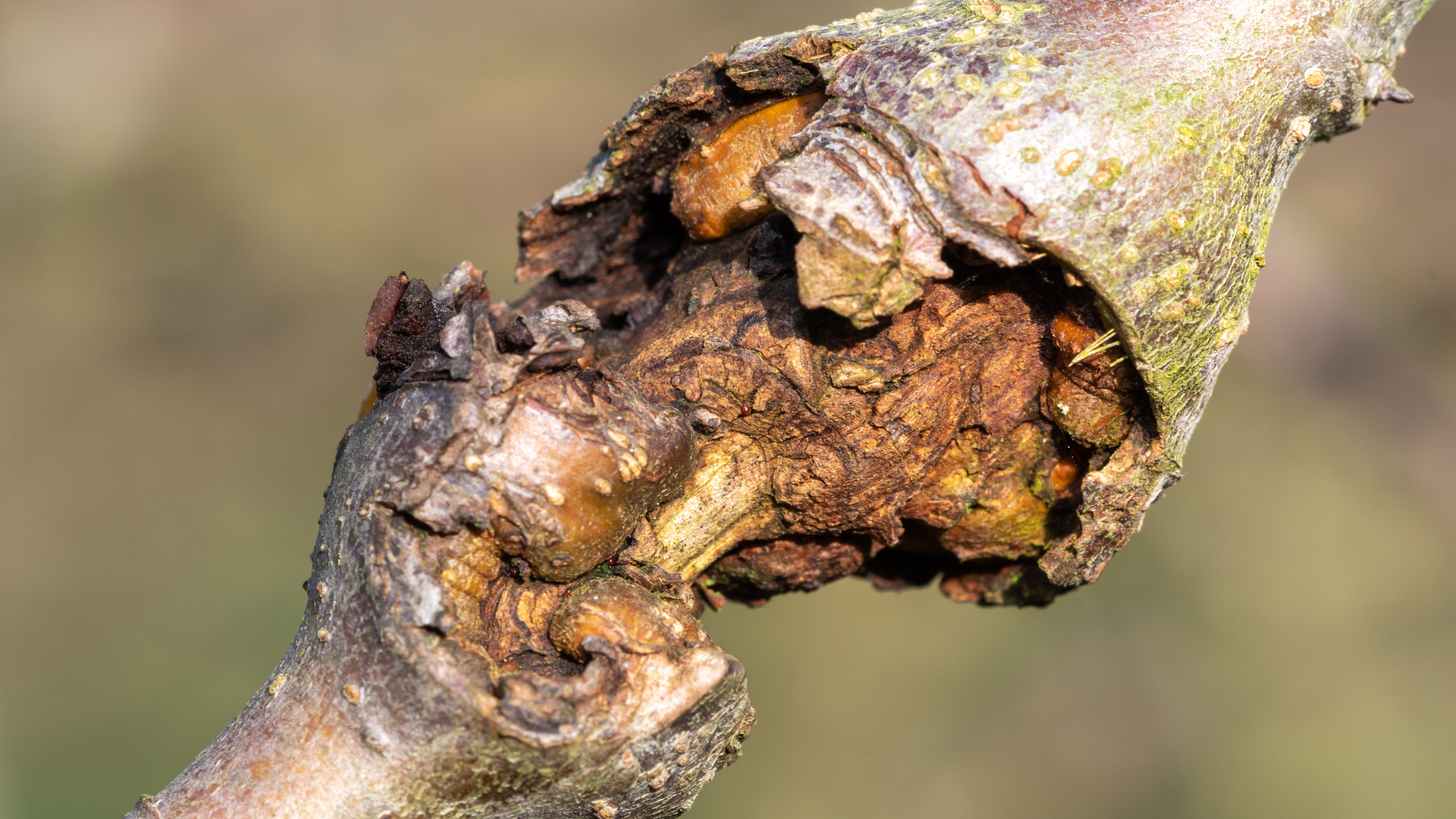
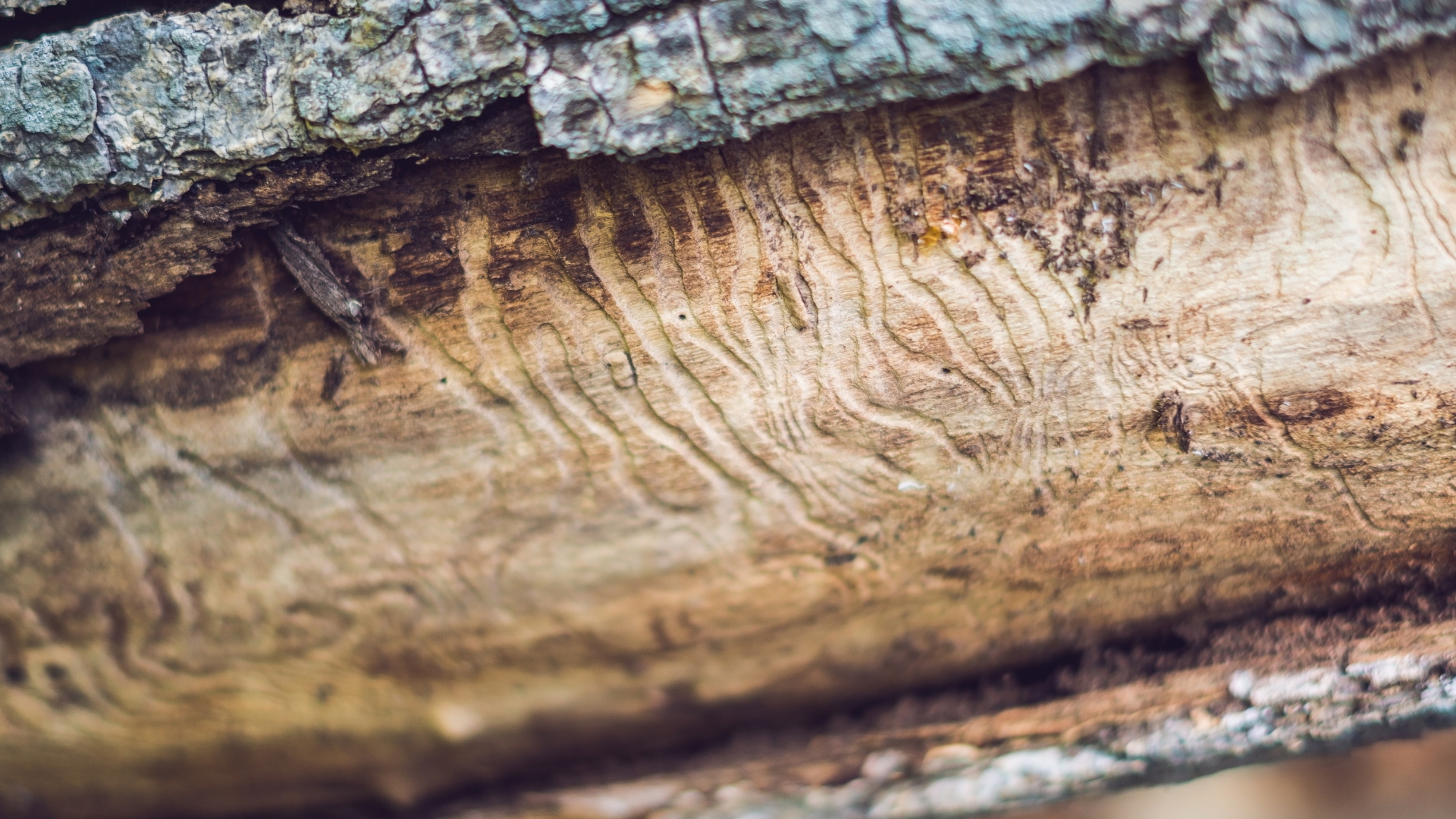
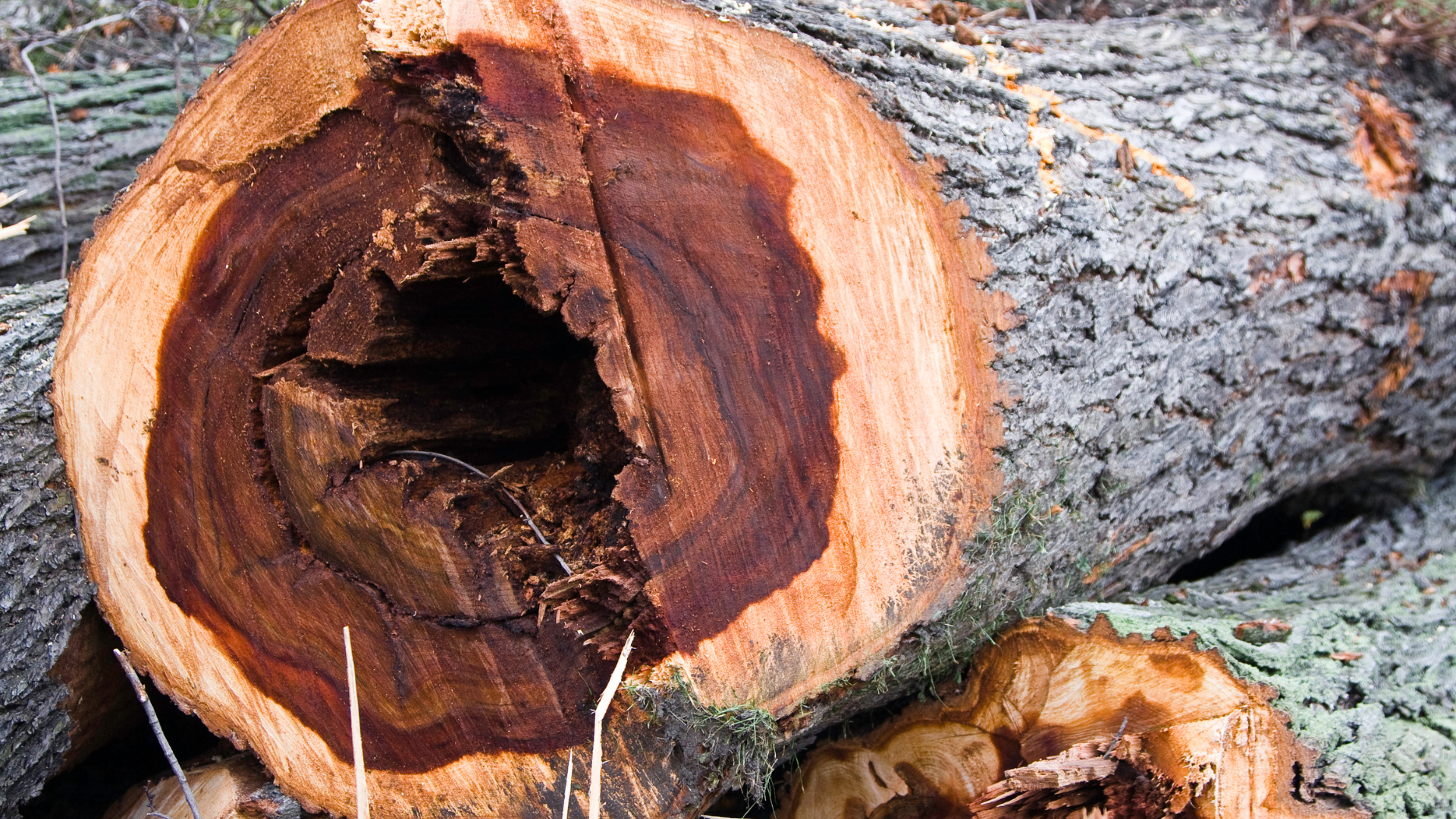
A healthy tree is much more likely to survive severe weather than a weakened one. Disease, insect damage, and internal decay can reduce the strength of branches and trunks.
Decay inside the trunk or major limbs may not always be visible from the outside. However, weakened wood is more likely to fail when subjected to strong winds or heavy rain.
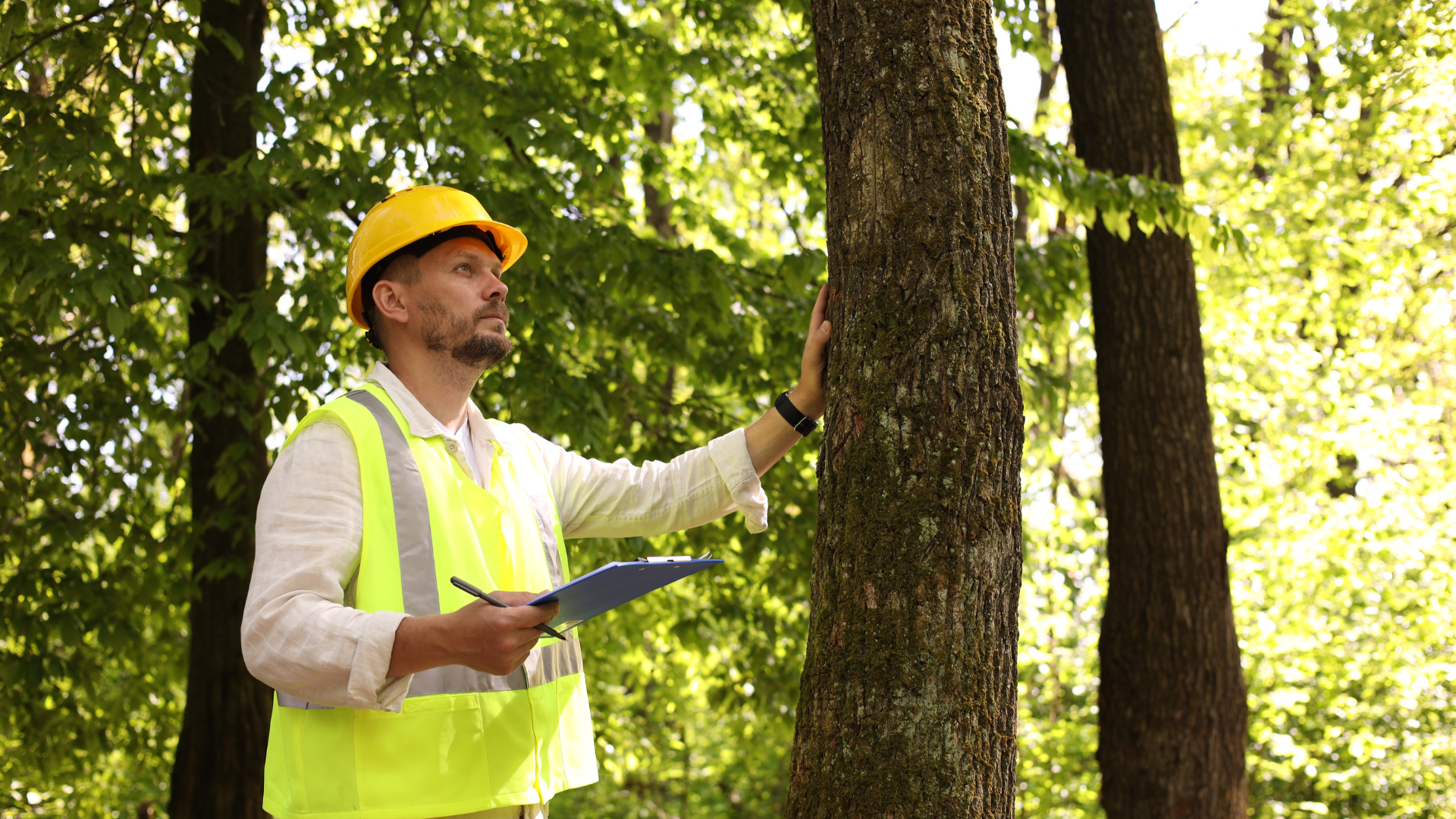
Regular inspections can help identify these issues early. Professional arborists can evaluate a tree’s overall condition and recommend appropriate care or removal if necessary.
The Role of Preventative Maintenance
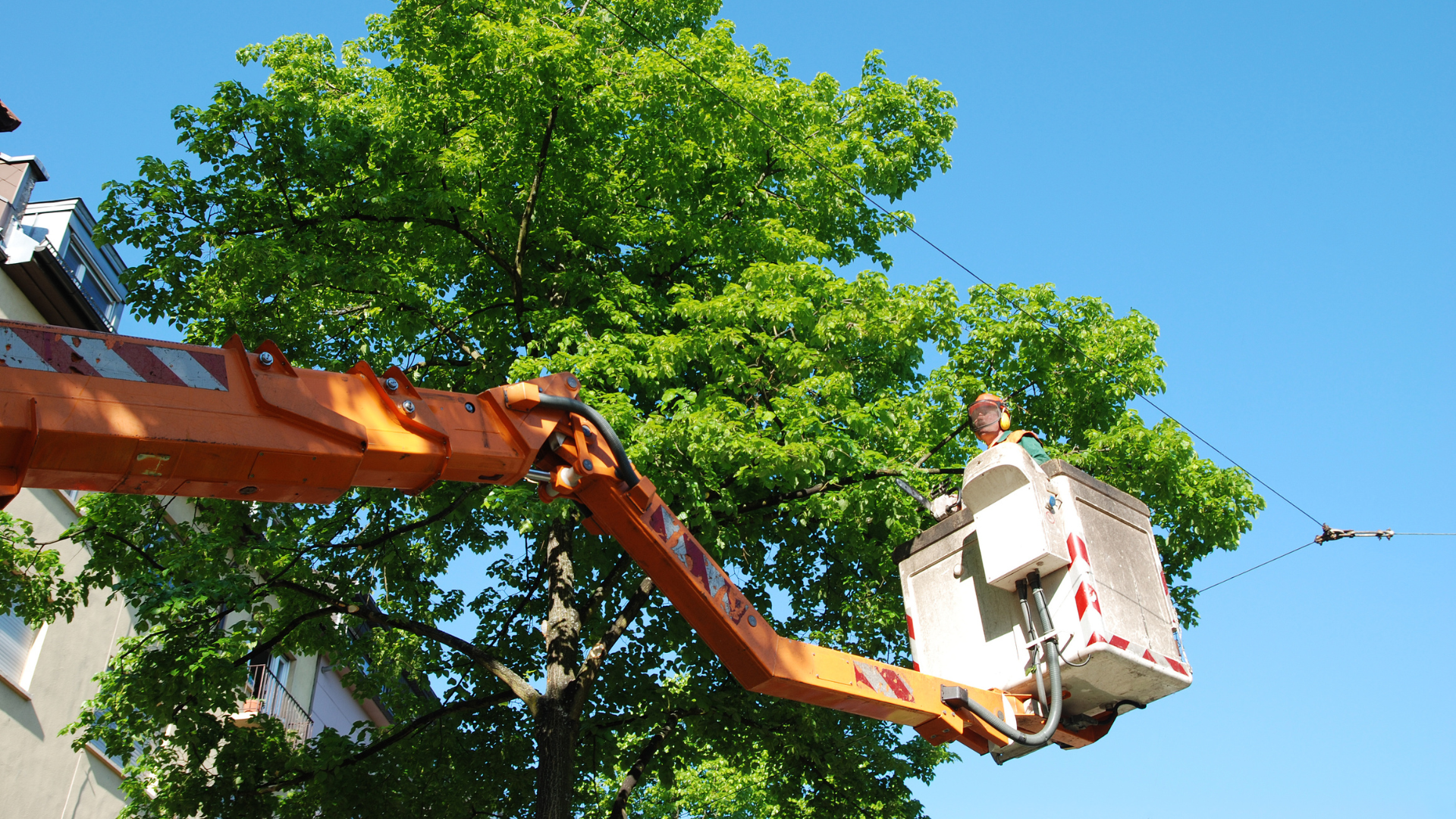
Proper maintenance is one of the most effective ways to reduce storm damage risks. Regular pruning removes dead or weak branches that could break during severe weather. It also helps maintain a balanced canopy that distributes wind forces more evenly.
In some cases, cabling or bracing systems can be installed to support structurally weak trees and reduce the risk of splitting.
Routine tree care also allows arborists to monitor signs of disease, decay, or root instability before those issues lead to failure.
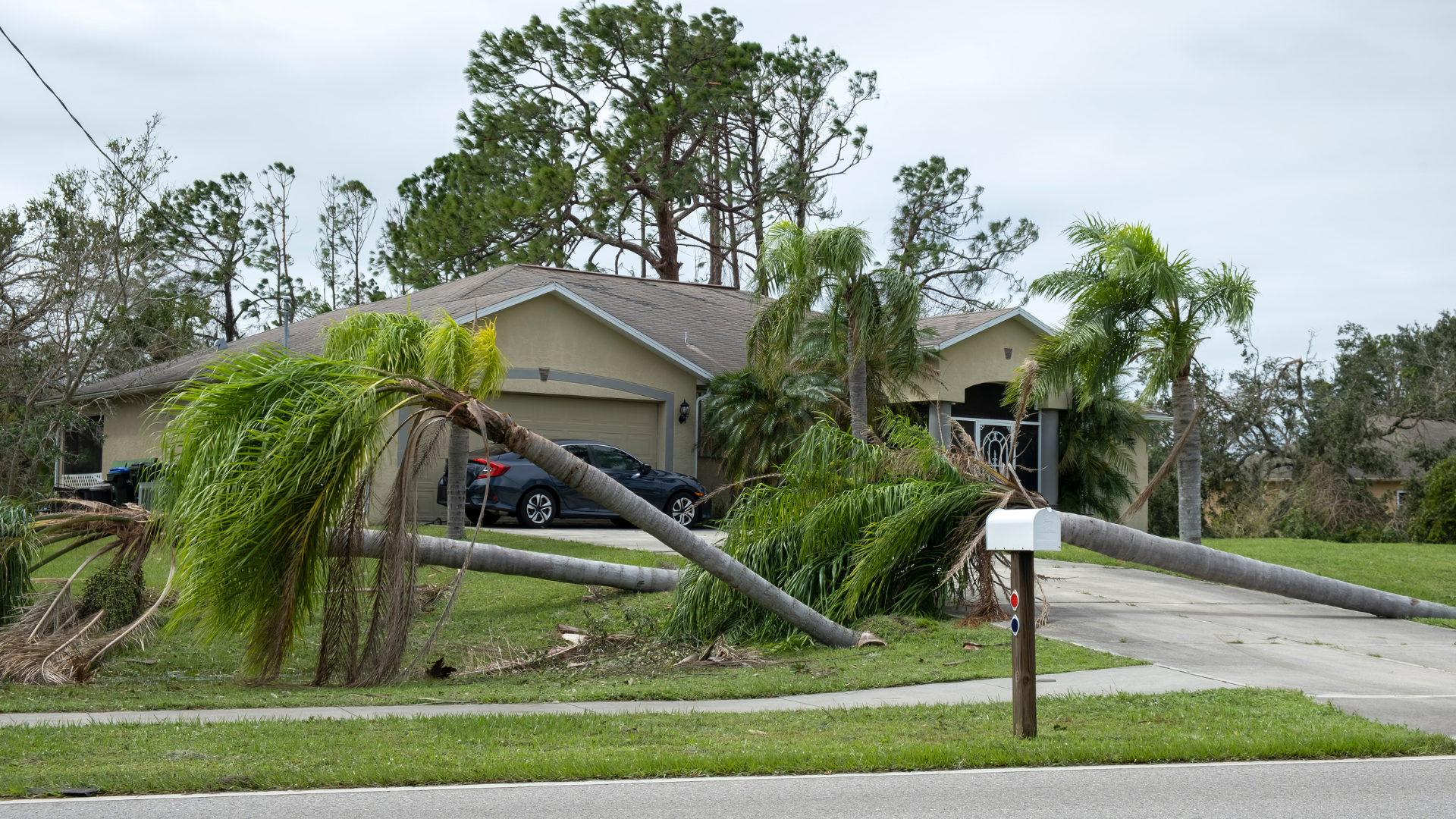
Protecting Your Landscape from Storm Damage
Storms are unpredictable, but property owners can take steps to reduce potential damage by maintaining healthy, structurally sound trees. Proactive tree care helps strengthen trees so they are better prepared to handle severe weather.
At Midwest Tree Surgeons, we specialize in evaluating tree health, correcting structural issues, and providing professional pruning services that improve storm resistance. Our team works with property owners to identify potential hazards and maintain the long-term health of their trees.
If you have concerns about how your trees may respond to severe weather, a professional inspection can provide valuable insight. With proper care and maintenance, many trees can remain strong and stable even when storms pass through the area.