Fungal Diseases That Commonly Affect Midwest Landscapes

March 3, 2026

Trees are one of the most valuable features of any Midwest property. They provide shade, reduce energy costs, improve curb appeal, and contribute to environmental health. However, the Midwest climate, with its humid summers, fluctuating temperatures, and seasonal rainfall, creates ideal conditions for fungal diseases to develop. Understanding common fungal threats is essential for protecting tree health and preventing long-term structural damage.


At Midwest Tree Surgeons, we regularly diagnose and treat fungal infections that threaten residential and commercial landscapes. Early identification and professional intervention often make the difference between saving a tree and losing it.
Why Fungal Diseases Are So Common in the Midwest

Fungi thrive in moist, warm environments. Midwest weather patterns, particularly during late spring and summer, provide consistent humidity and rainfall. Wet leaves, saturated soil, and poor air circulation create favorable conditions for spores to spread.


Fungal diseases often begin subtly. By the time visible symptoms appear, internal damage may already be underway. That is why routine inspections are so important.
Oak Wilt

Oak wilt is one of the most aggressive fungal diseases affecting Midwest landscapes. It primarily targets red oak species but can also affect white oaks.


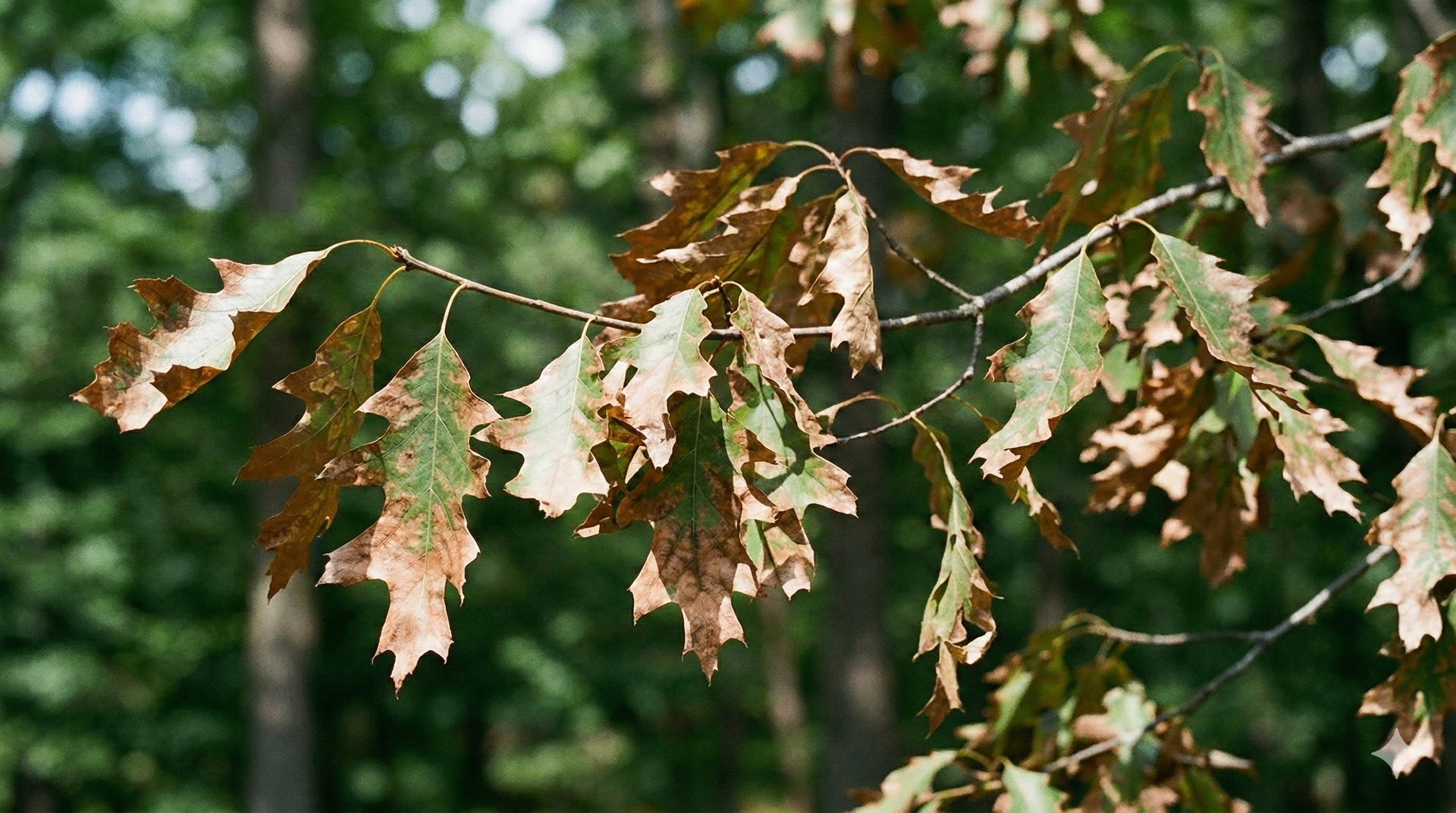
This disease spreads through root grafts between neighboring trees and through beetles that carry fungal spores. Symptoms include:

  • Sudden leaf discoloration

  • Premature leaf drop

  • Wilting during the growing season

  • Rapid canopy decline

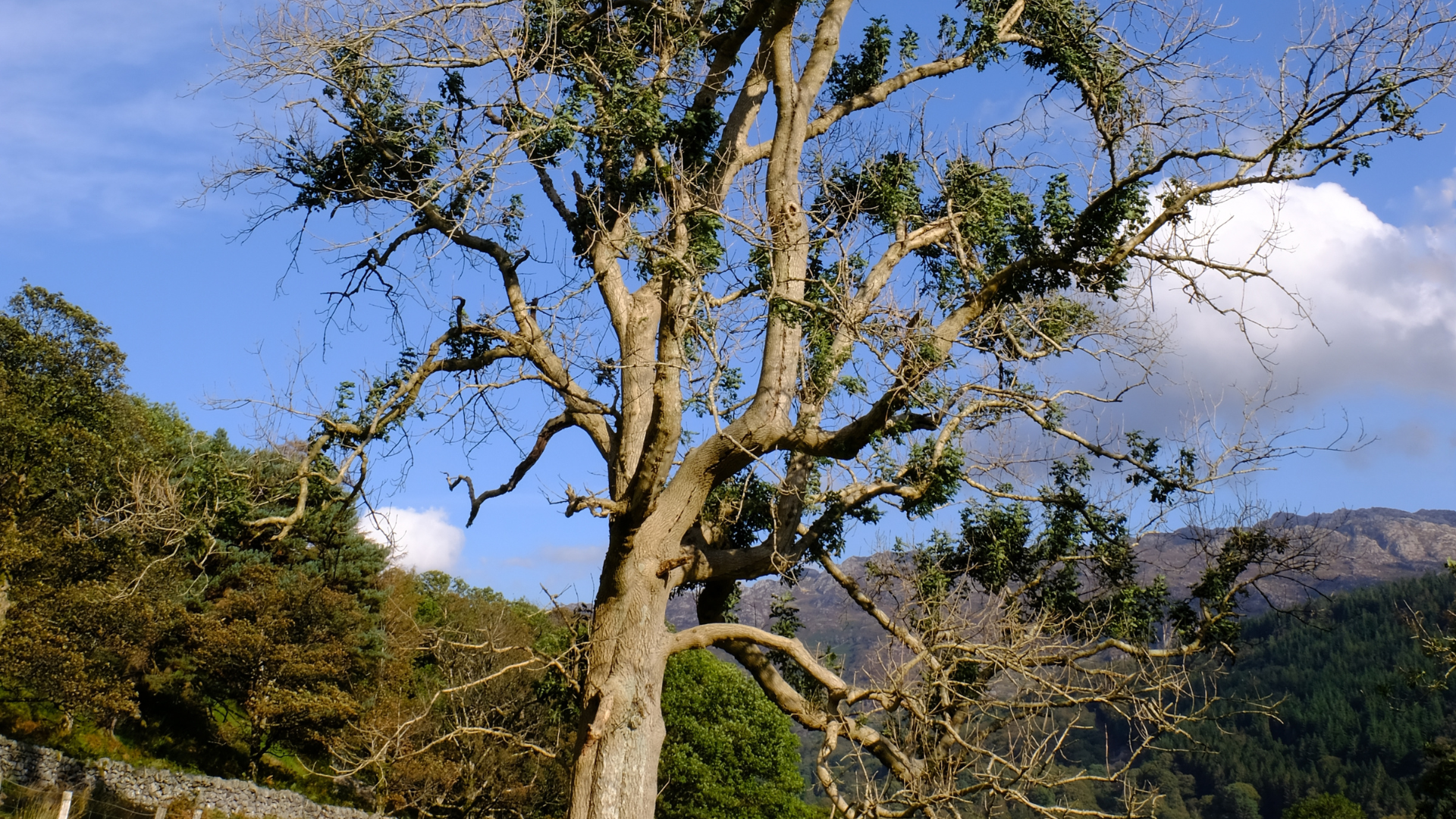
In red oaks, oak wilt can be fatal within a single season. Early detection is critical to contain spread, often requiring trenching to disrupt root connections and prevent transmission to nearby trees.
Anthracnose

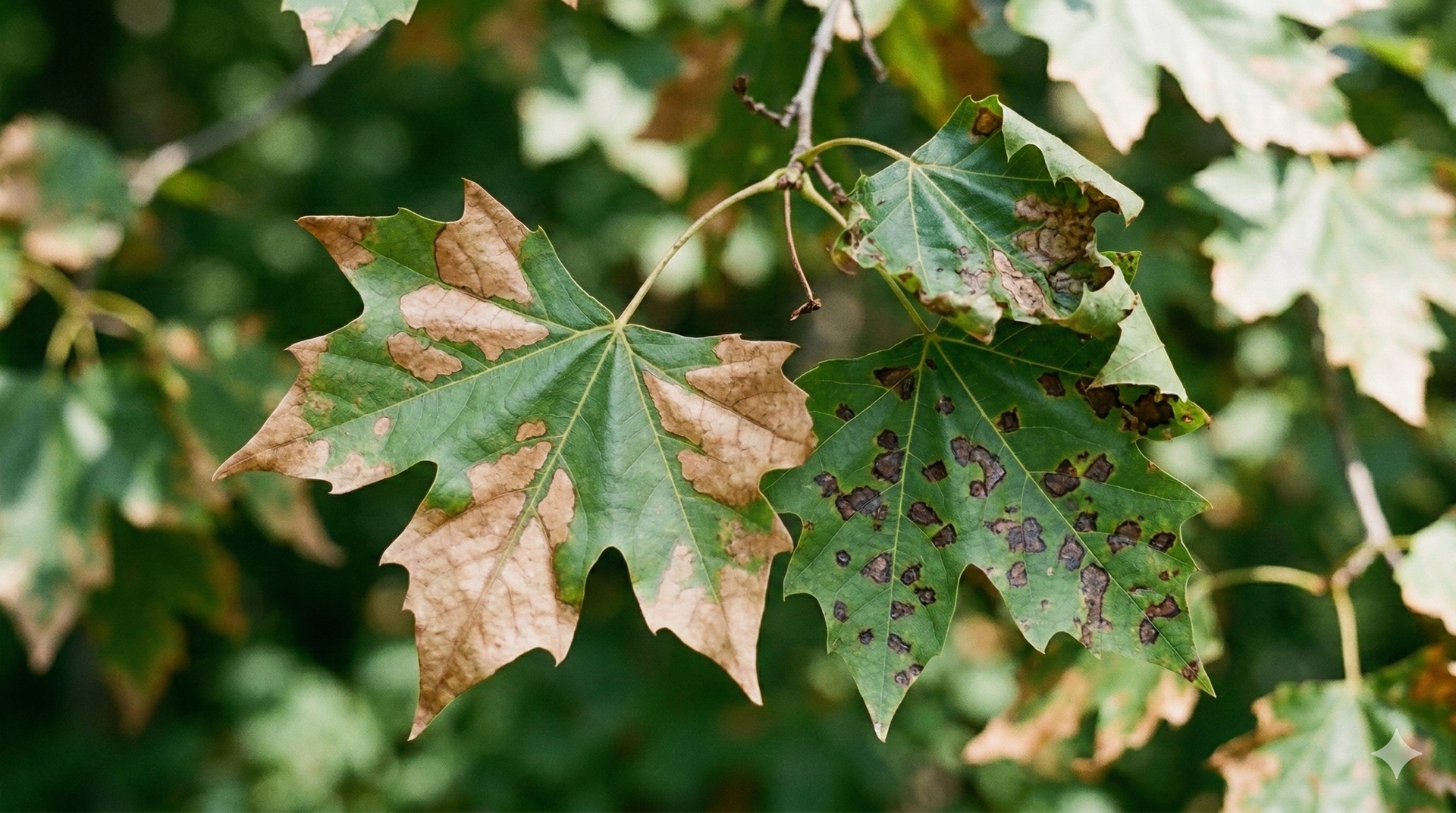
Anthracnose is a common fungal disease that affects a wide variety of tree species, including sycamore, maple, oak, and ash. It typically appears during cool, wet spring conditions.

Symptoms include:

  • Irregular brown or black leaf spots

  • Leaf curling or distortion

  • Premature defoliation

  • Twig dieback

While anthracnose is rarely fatal on mature trees, repeated infections can weaken the tree over time. Proper pruning to improve airflow and remove infected branches is often part of management.
Apple Scab

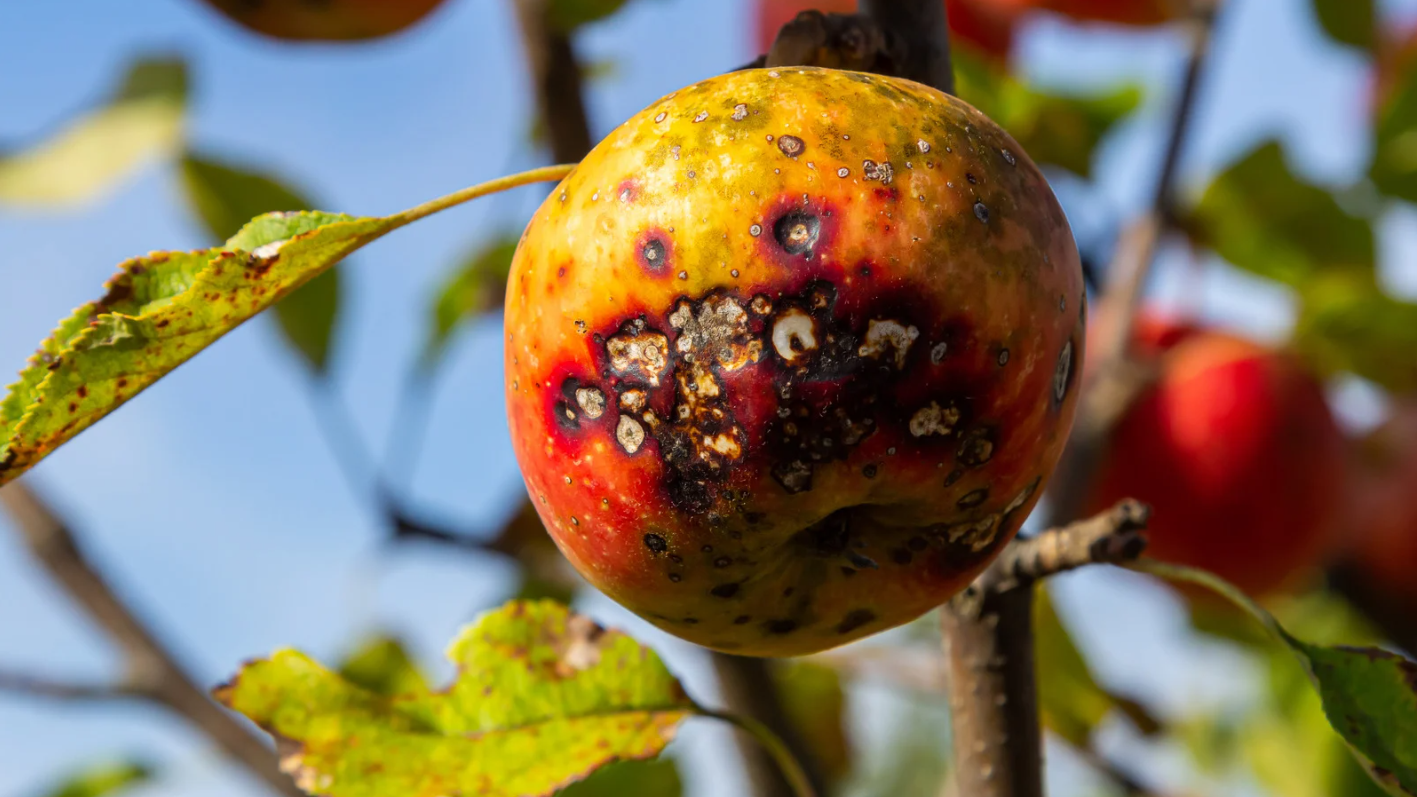
Apple scab frequently affects ornamental crabapple trees, which are popular throughout Midwest landscapes. This fungal disease thrives in wet spring conditions.

Signs of apple scab include:

  • Olive-green or dark spots on leaves

  • Leaf yellowing and drop

  • Deformed or blemished fruit

Although it may not kill a mature tree, apple scab significantly impacts aesthetic value and can stress the tree year after year if left untreated.
Powdery Mildew

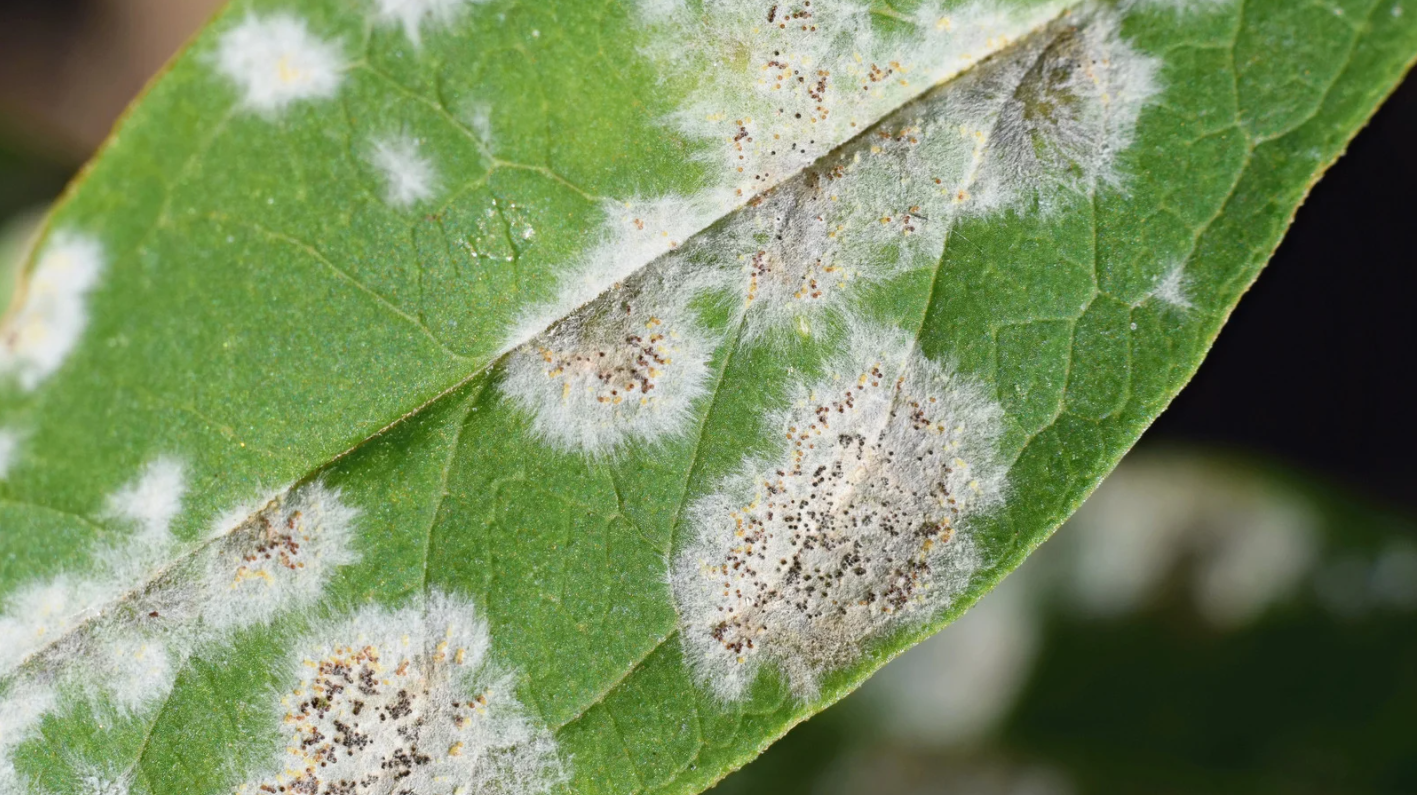
Powdery mildew is easily identified by its white or gray powder-like coating on leaves and young shoots. Unlike many fungi, powdery mildew can develop even in relatively dry conditions, provided humidity is high.


Commonly affected species include lilac, maple, and oak. While usually not fatal, powdery mildew can reduce photosynthesis and stunt new growth.
Root Rot

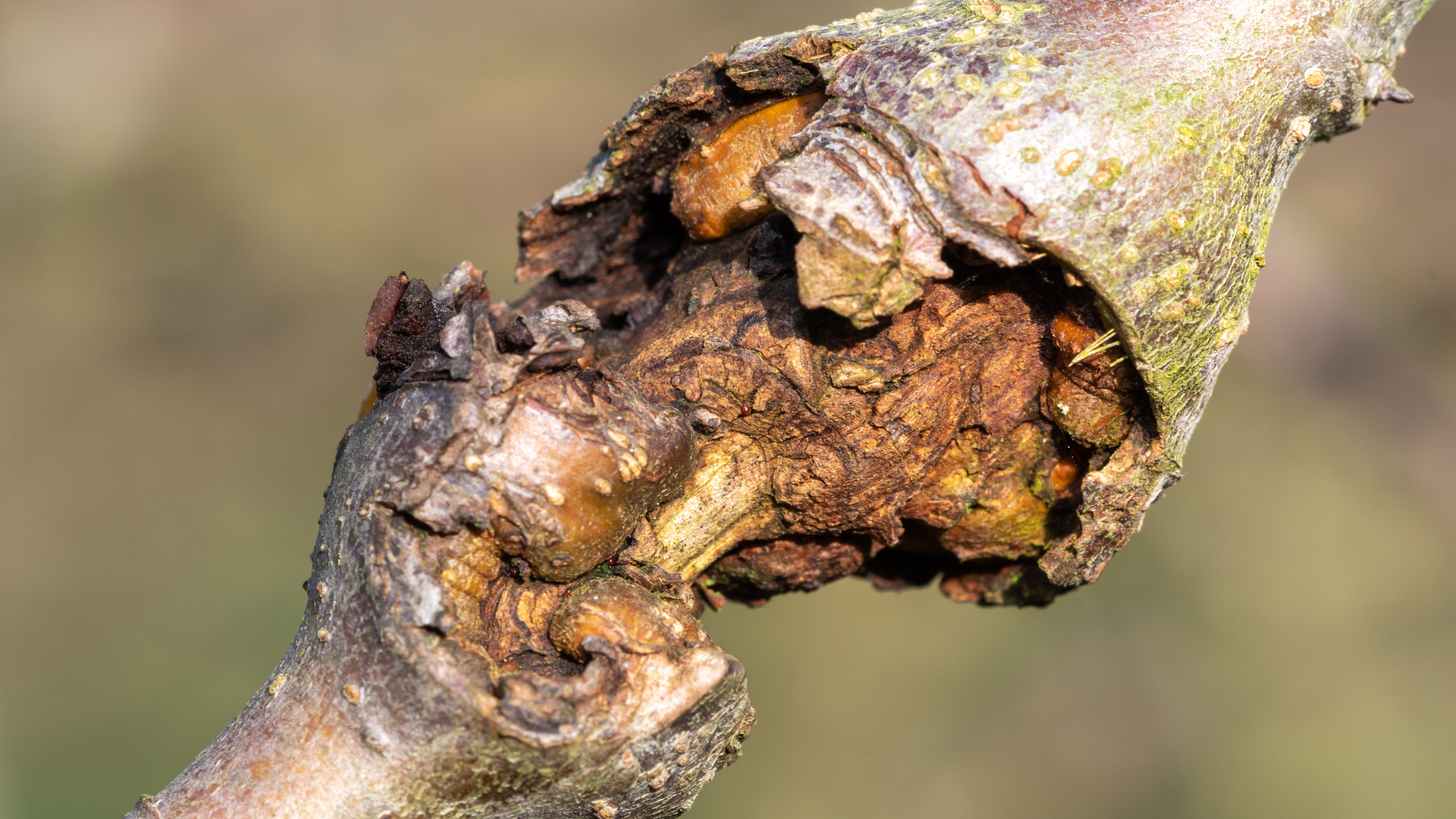
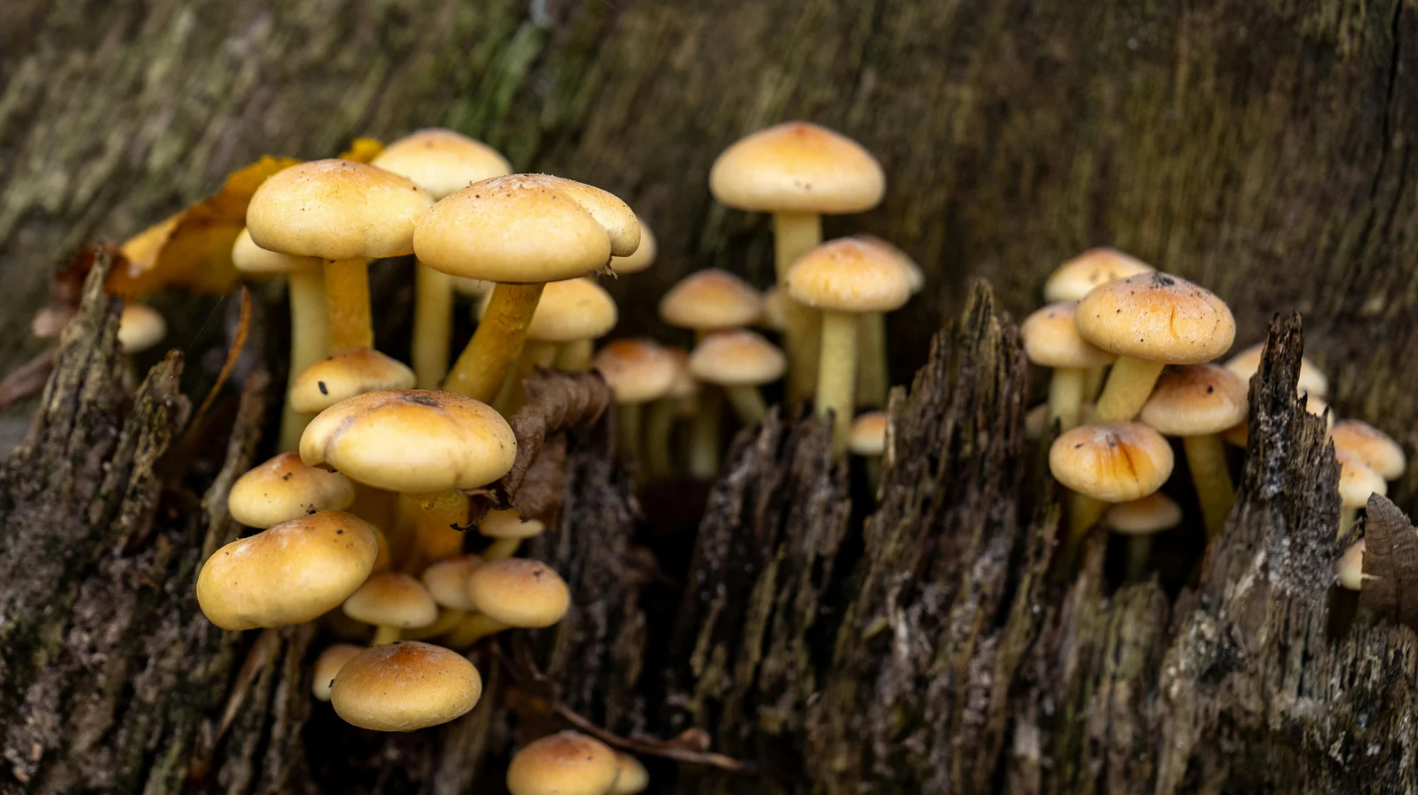
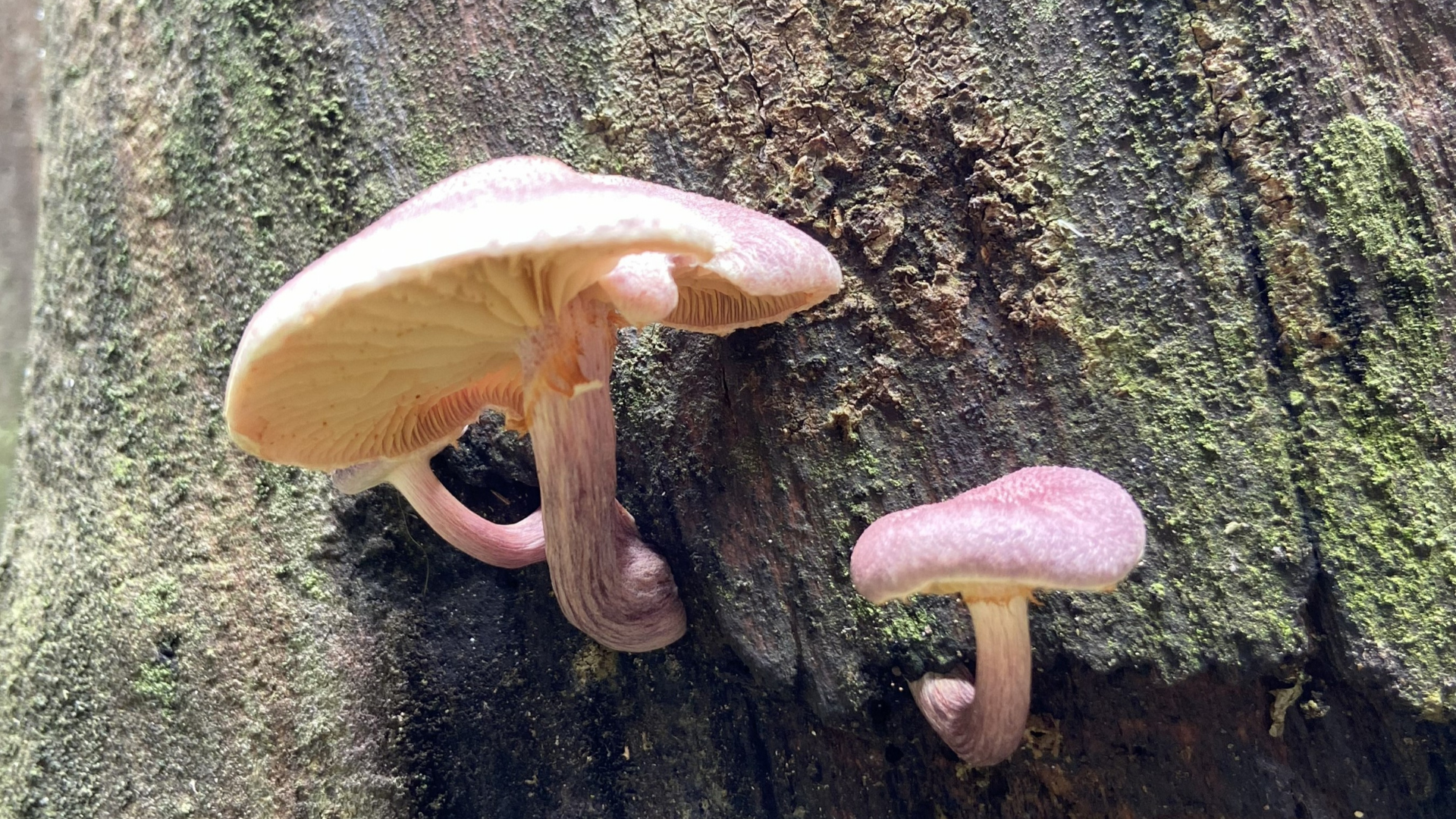
Root rot fungi, such as Armillaria, attack the root system and are especially dangerous because damage occurs below ground. Trees suffering from root rot may exhibit:

  • Thinning canopy

  • Stunted growth

  • Sudden branch dieback

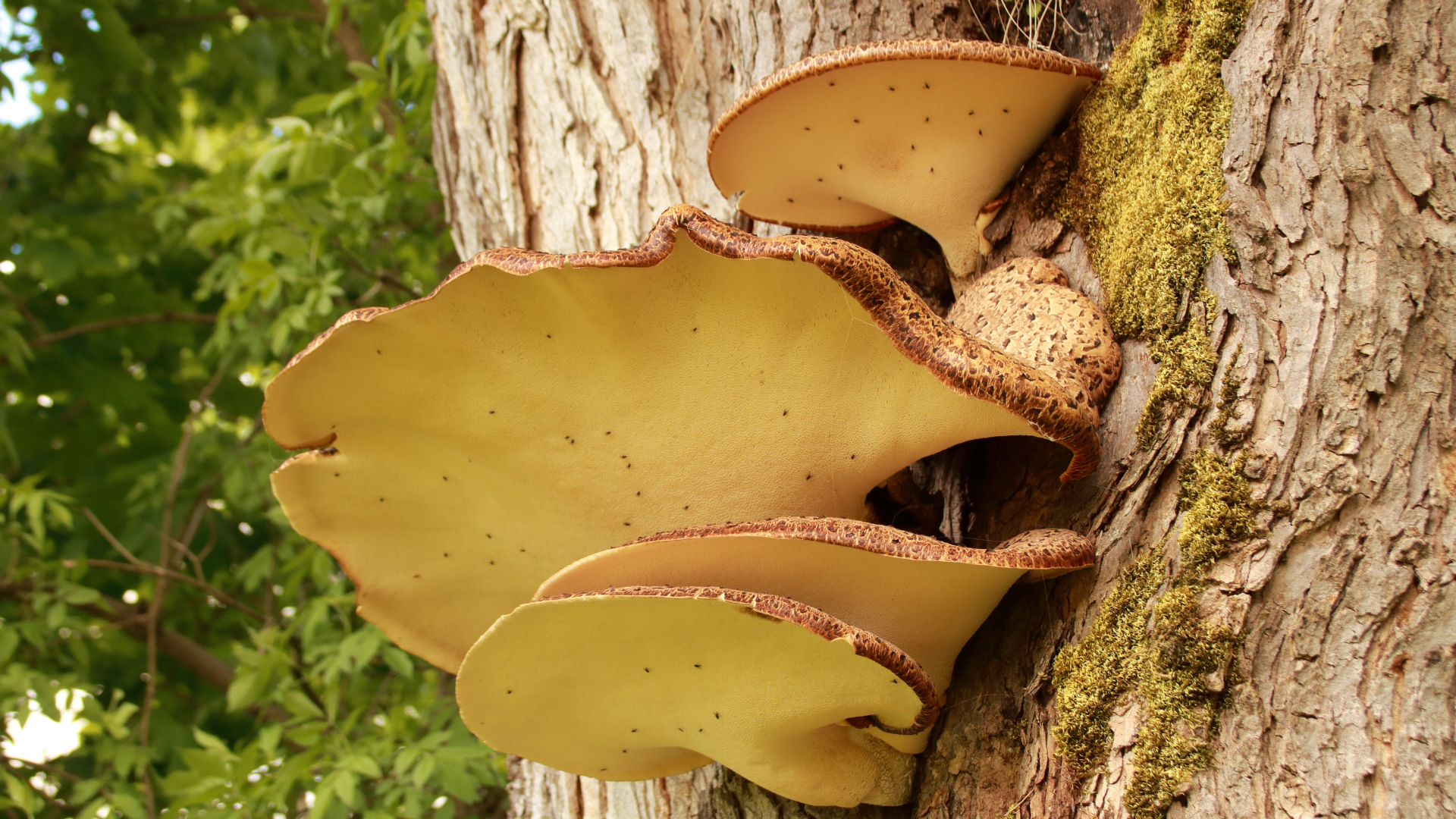
  • Mushroom growth near the base

Because root rot compromises structural stability, infected trees can become hazardous. Professional assessment is essential to determine whether removal is necessary.
The Importance of Early Diagnosis

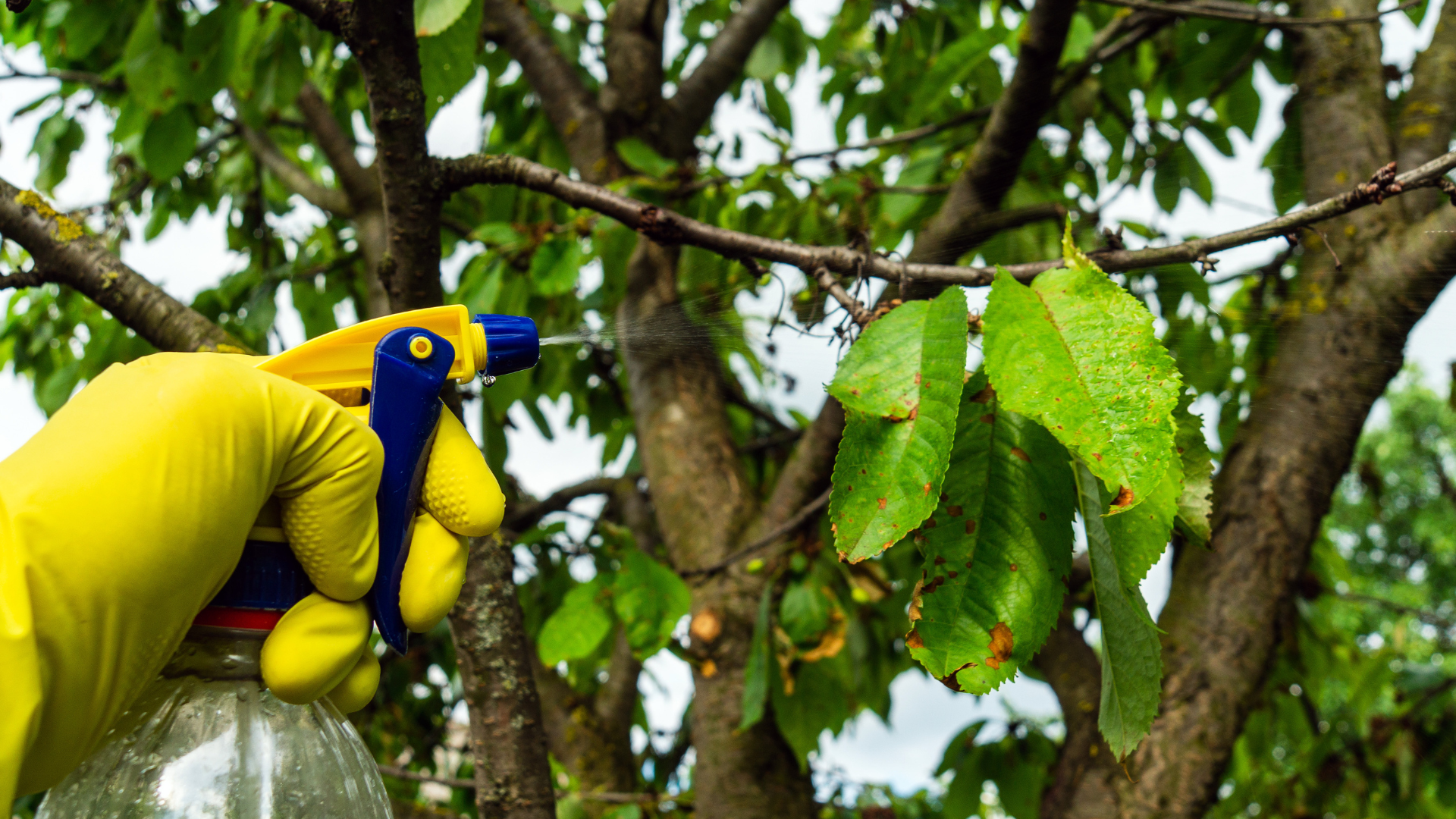
Fungal diseases often mimic other issues, including nutrient deficiencies or insect damage. Accurate diagnosis requires understanding species-specific vulnerabilities, environmental conditions, and disease progression patterns.

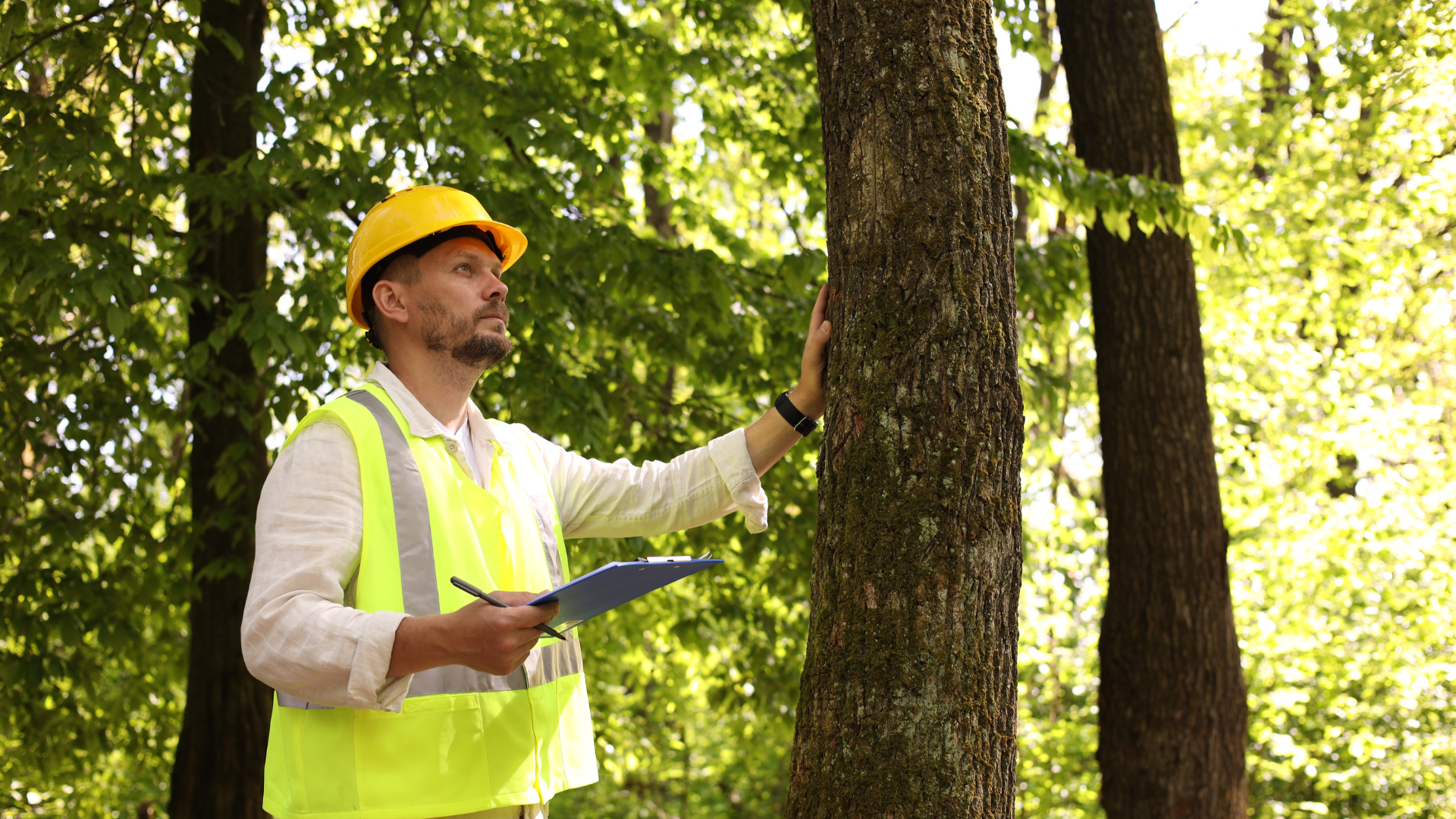
At Midwest Tree Surgeons, we conduct thorough evaluations to determine the cause of symptoms before recommending treatment. Management strategies may include:

  • Strategic pruning

  • Soil improvement

  • Fungicide applications when appropriate

  • Improving drainage

Monitoring and preventative car
Protecting Your Landscape Long Term

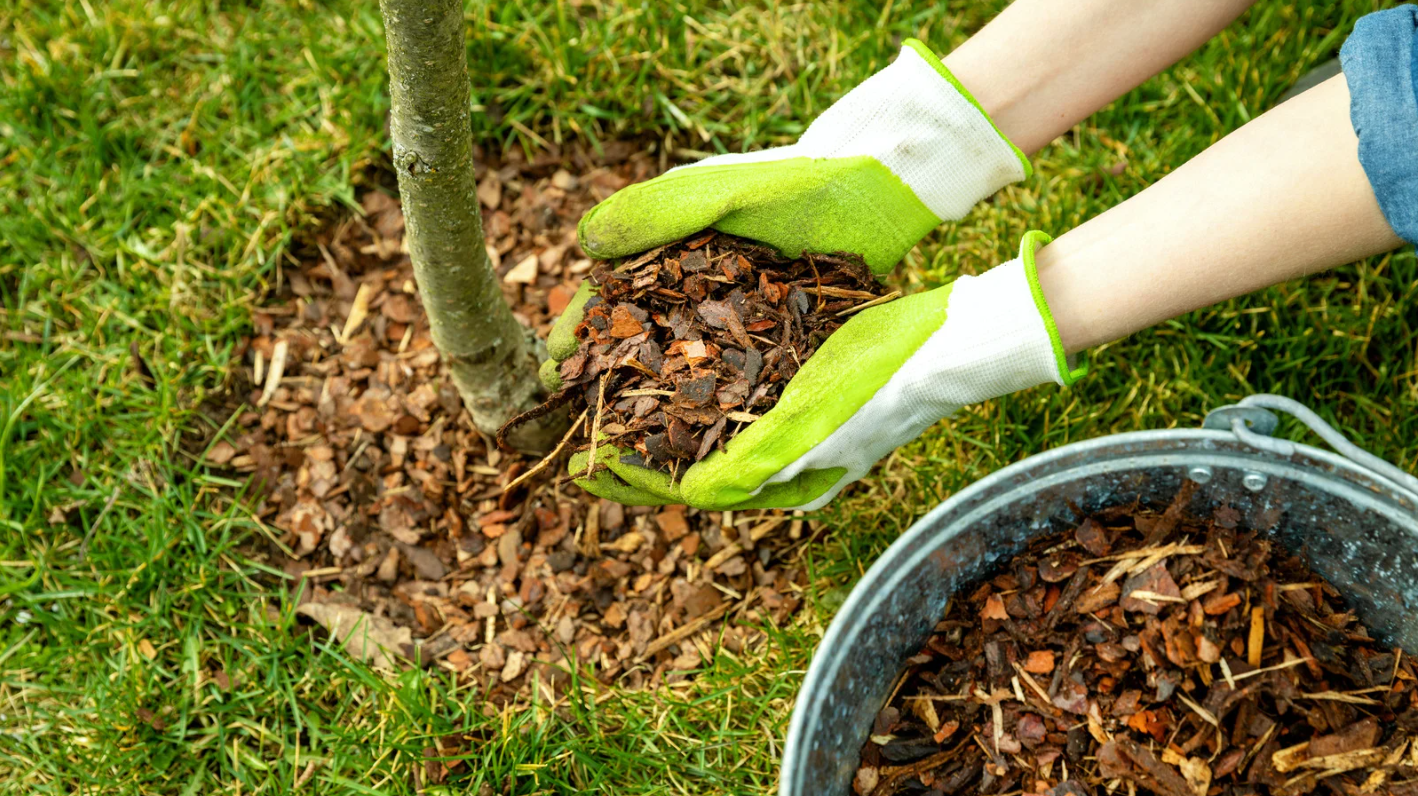
Healthy trees are more resistant to fungal infection. Proper watering, mulching, pruning, and soil care strengthen natural defenses. Avoiding unnecessary trunk injuries and soil compaction also reduces vulnerability.


Fungal diseases are common in the Midwest, but they do not have to result in permanent loss. With timely inspection and professional care, many infections can be managed effectively.


If you notice unusual leaf spotting, wilting, or canopy thinning, do not wait for the problem to escalate. Contact Midwest Tree Surgeons for a professional evaluation. Proactive care today can preserve the health, safety, and beauty of your trees for years to come.
February 25, 2026
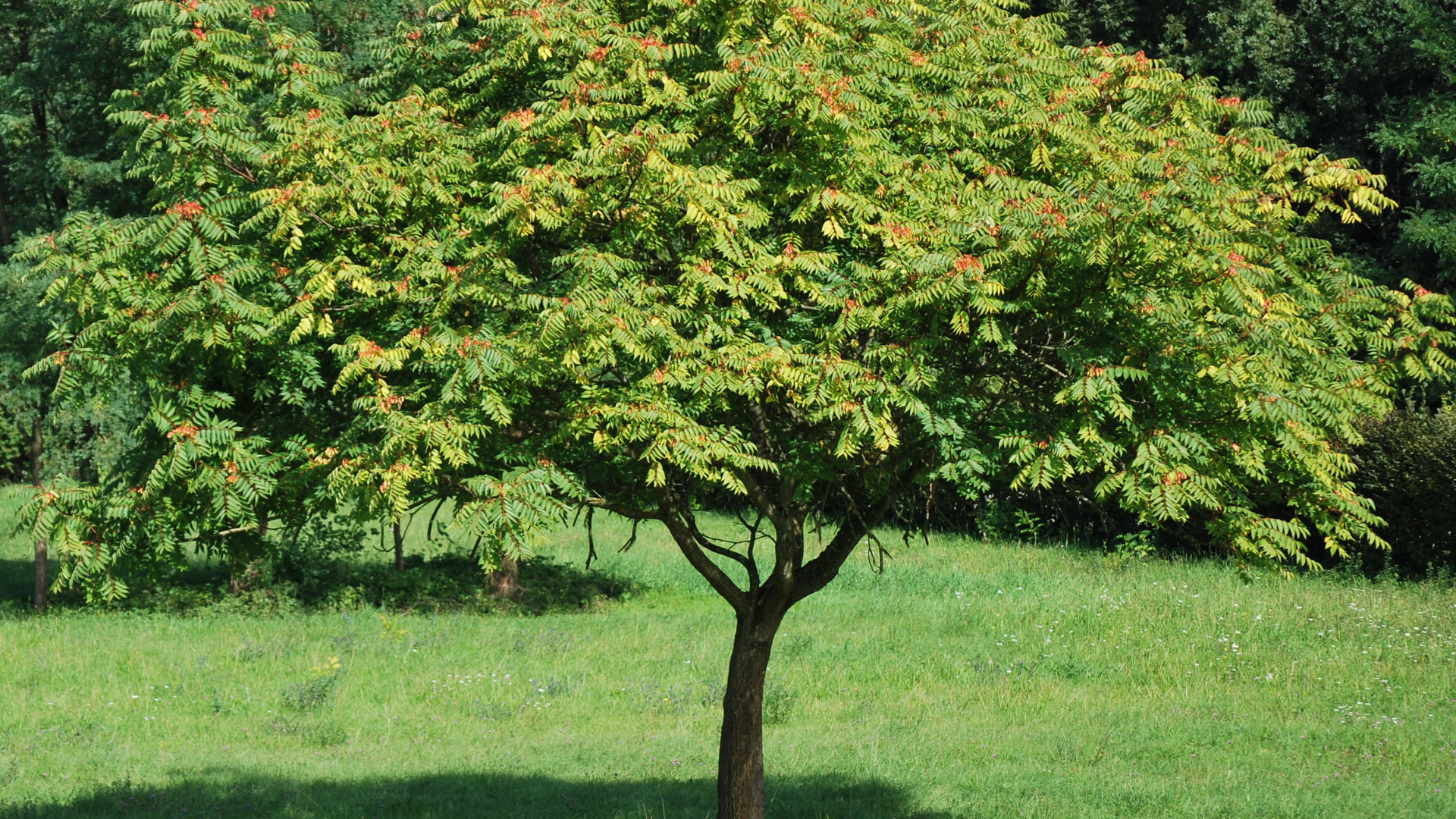
In recent years, the spotted lanternfly has emerged as one of the most concerning invasive pests affecting trees and landscapes across parts of the United States. Originally detected in Pennsylvania in 2014 , this invasive insect has steadily expanded its range. For property owners in the Midwest, awareness and early intervention are becoming increasingly important.  At Midwest Tree Surgeons, we emphasize proactive monitoring and professional tree care to help protect native trees from invasive threats like the spotted lanternfly.
February 18, 2026
Mature trees are often appreciated for the shade they provide during hot summer months, but their value extends far beyond cooling comfort. Established trees are long-term assets that contribute to property value, environmental stability, and overall landscape health. For homeowners and property managers alike, understanding the broader benefits of mature trees can influence how they approach tree care and long-term planning.
February 11, 2026
Pruning is often viewed as a routine maintenance task, but when it is done incorrectly, it can create lasting structural problems that compromise a tree’s health and stability. While improper pruning may not show immediate consequences, the damage it causes can take years to fully appear. By the time issues become visible, corrective options may be limited.  Understanding how improper pruning affects tree structure helps property owners make informed decisions about long term tree care.
February 4, 2026
Construction projects often focus on what is being built, but the impact on existing trees is frequently overlooked. Whether the work involves a home addition, driveway replacement, utility installation, or commercial development, construction activity can place significant stress on mature trees . Understanding how these projects affect trees helps property owners protect valuable landscape assets and avoid long term safety and health issues.
January 29, 2026
Major weather changes can place significant stress on trees, even when no obvious damage is visible. In the Midwest, trees regularly experience rapid shifts in temperature, heavy rain, high winds, ice, snow, and freeze-thaw cycles. While trees are resilient by nature, these conditions can weaken their structure and health over time.  Evaluating tree health after major weather events is an important step in protecting both the trees themselves and the surrounding property.
January 21, 2026
Trees add beauty, shade, and value to a property, but they also carry responsibility. When a tree fails and causes damage or injury, homeowners are often surprised to learn that liability can become a serious issue. Understanding how tree failure occurs and how responsibility is determined helps property owners take proactive steps to protect both people and property.
January 15, 2026
As winter fades and warmer temperatures return, spring becomes one of the most important seasons for proactive tree care. Trees begin a new growth cycle , pests become active, and issues that developed during winter storms or freezing conditions often start to reveal themselves. Planning ahead for spring tree care helps protect tree health, improve safety, and set the stage for strong growth throughout the year.
January 7, 2026
Deadwood accumulation is one of the most common and overlooked safety concerns in mature trees. While a tree may appear healthy at a glance, dead branches within the canopy can present serious risks to people and property below. At Midwest Tree Surgeons, we frequently encounter situations where deadwood has gone unnoticed until it causes damage or creates a dangerous condition. Understanding how deadwood develops and why it poses increasing hazards over time is essential for responsible property ownership.
December 30, 2025
The start of a new year is a natural time to think about safety, preparedness, and long term planning for your property. Many homeowners focus on interior projects or general maintenance goals, but one of the most important aspects of property safety is often overlooked. Tree care plays a critical role in protecting homes, vehicles, and the people who live there. At Midwest Tree Surgeons, we encourage property owners to make tree care part of their New Year planning.
December 26, 2025
The Christmas season is often associated with reflection, preparation, and planning for the year ahead. While many homeowners focus on indoor projects or holiday travel, winter is also an important time to think about the health and safety of trees on the property. At Midwest Tree Surgeons, we frequently see that proactive winter planning helps homeowners enter the new year with greater peace of mind and fewer unexpected tree related concerns.
More Posts