The Growing Threat of Spotted Lanternfly to Midwest Landscapes
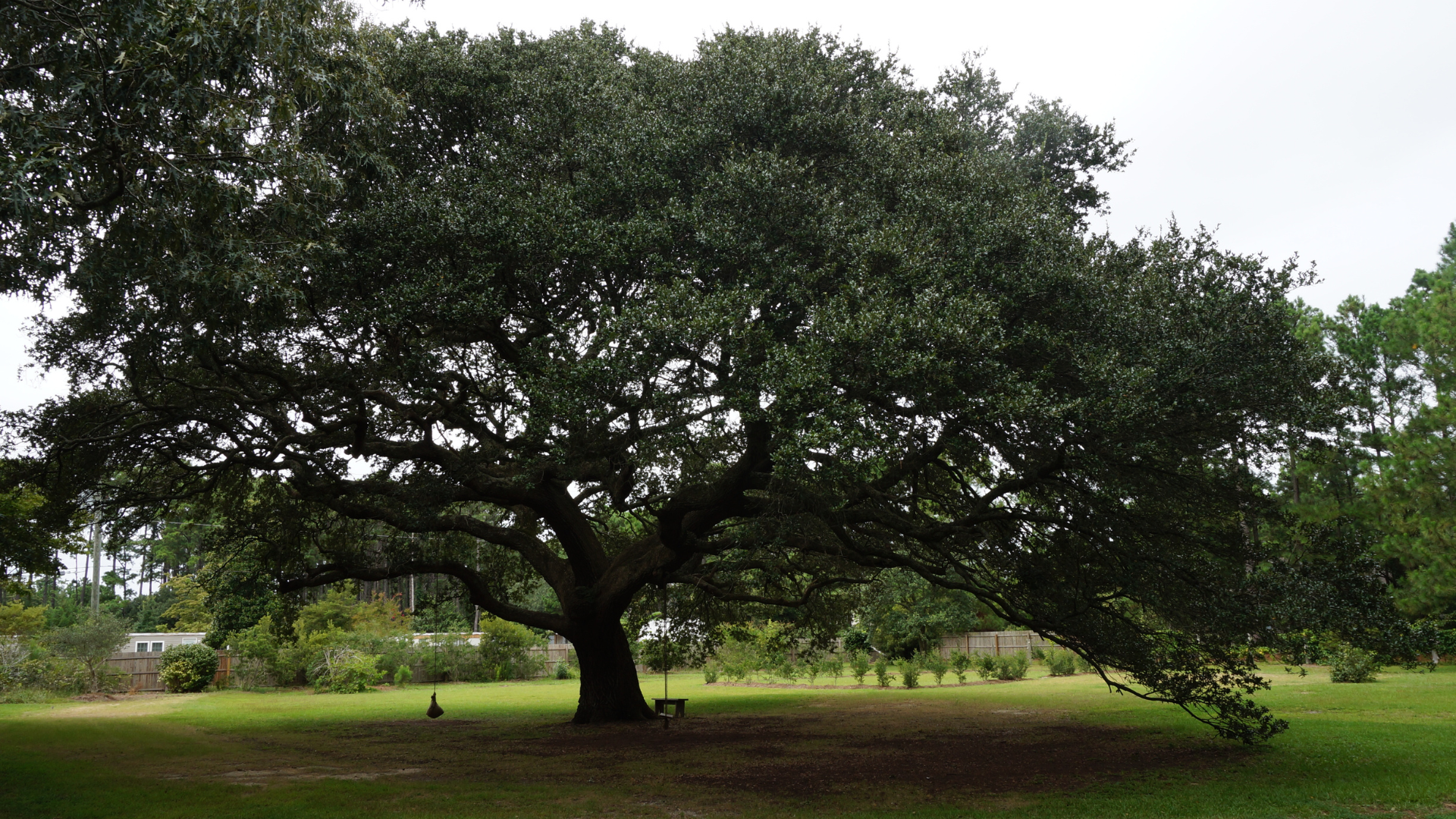
In recent years, the spotted lanternfly has emerged as one of the most concerning invasive pests affecting trees and landscapes across parts of the United States. Originally detected in Pennsylvania in 2014, this invasive insect has steadily expanded its range. For property owners in the Midwest, awareness and early intervention are becoming increasingly important.
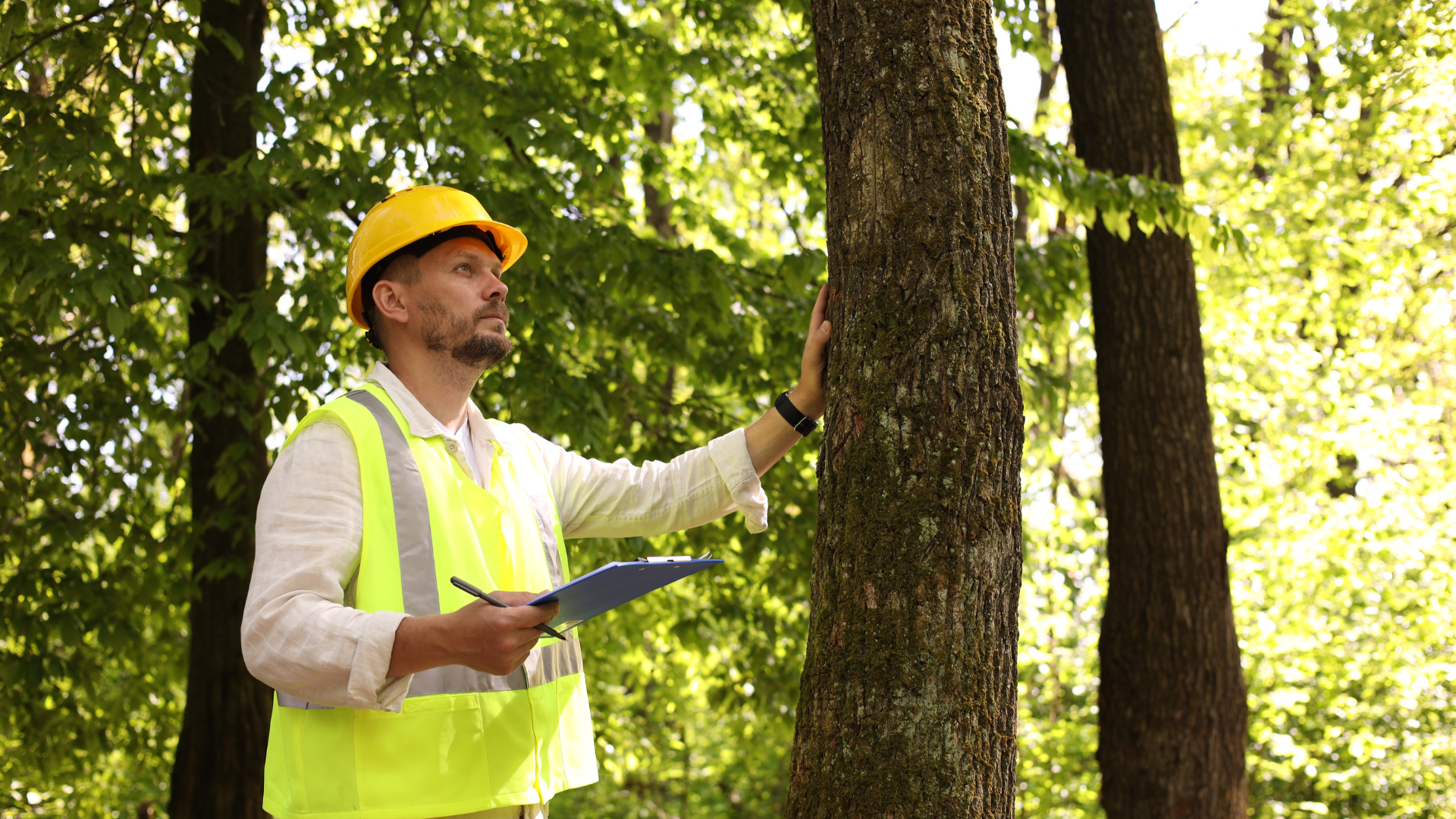
At Midwest Tree Surgeons, we emphasize proactive monitoring and professional tree care to help protect native trees from invasive threats like the spotted lanternfly.
What Is the Spotted Lanternfly?
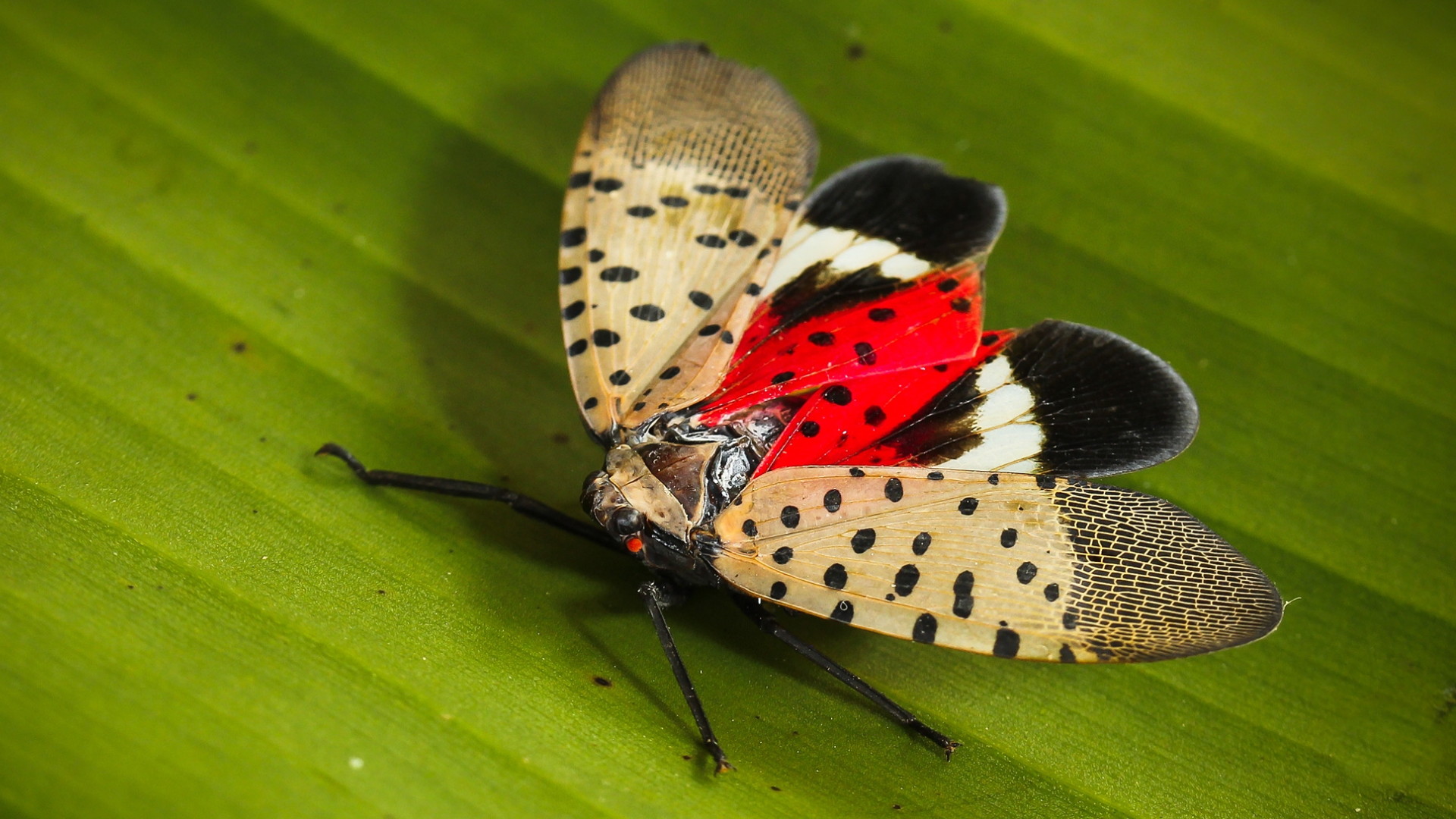
The spotted lanternfly is a planthopper native to Asia. Although it may appear visually striking with its spotted wings and bright underwings, it poses a significant threat to both ornamental and native plant species. The insect feeds by piercing plant tissue and extracting sap, weakening the host plant over time.
While spotted lanternflies do not typically kill healthy, mature trees immediately, heavy infestations
can cause serious stress. Repeated feeding reduces a tree’s vigor and may make it more susceptible to secondary pests and disease.
Host Trees and Vulnerable Species
One of the primary host plants for the spotted lanternfly is the invasive Tree of Heaven, but the insect also feeds on a wide range of other species. Maples, black walnut, birch, willow, and grapevines are among the known hosts. In residential settings, this broad appetite increases the risk to diverse landscapes.
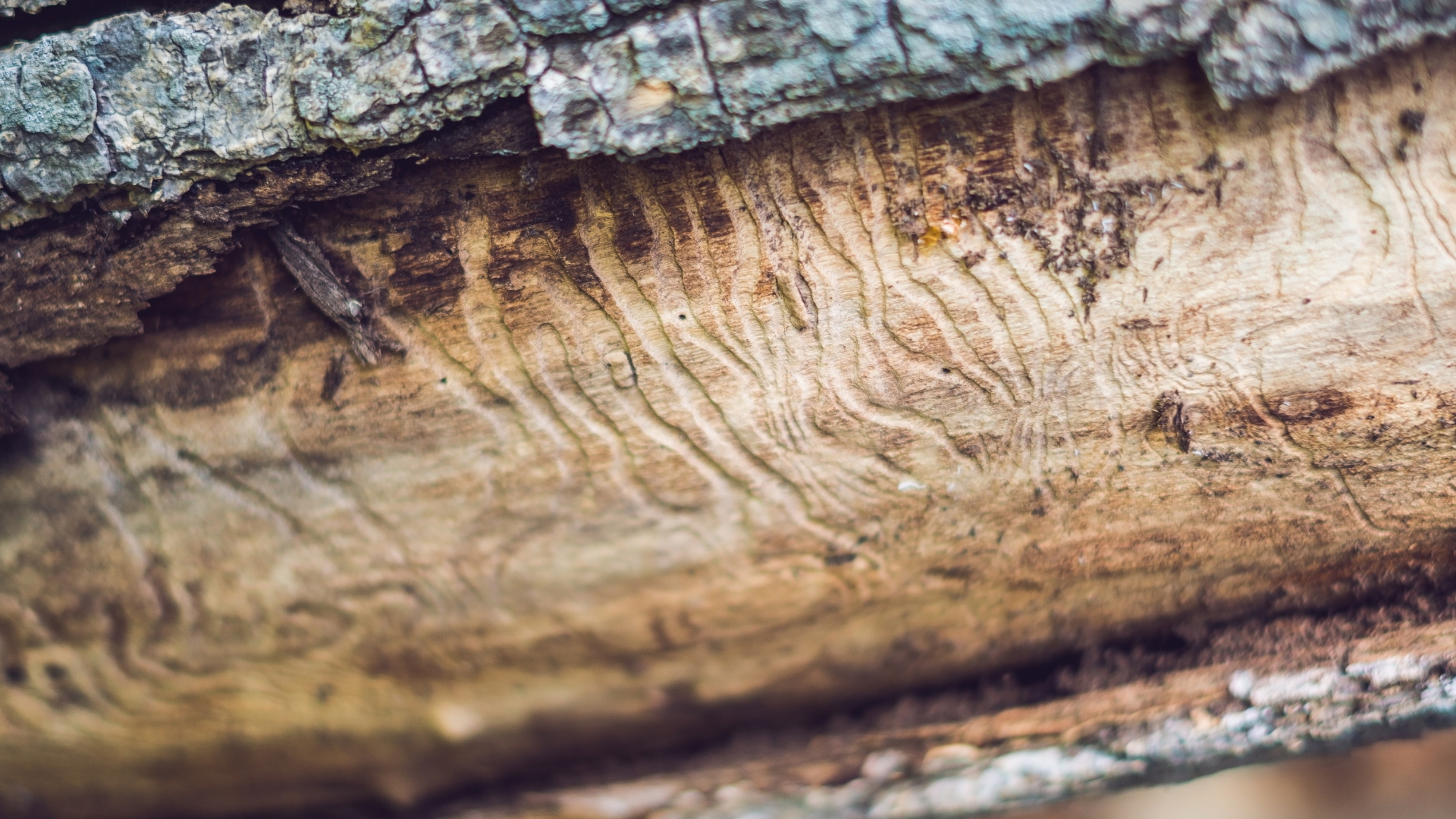
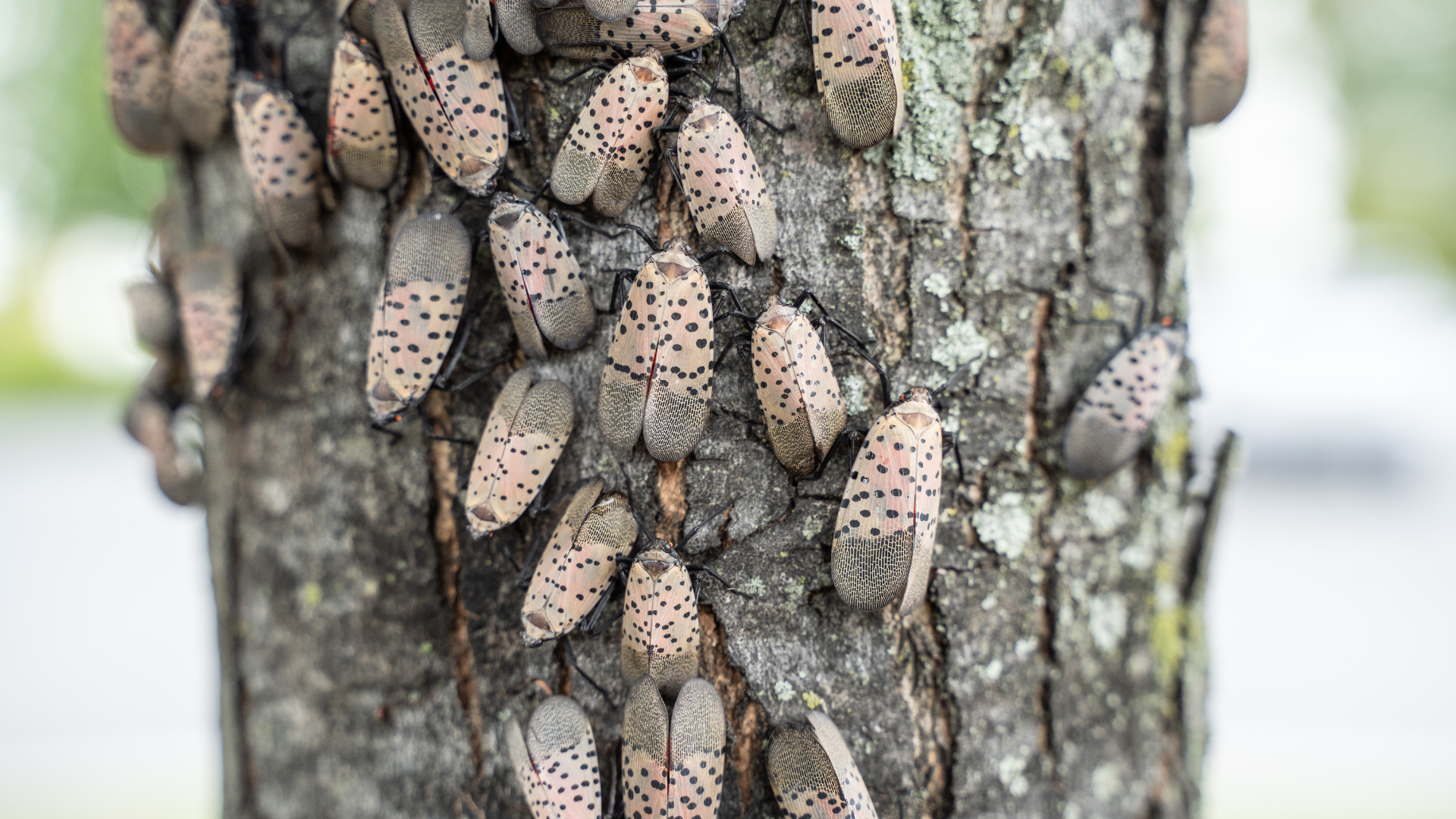
When large numbers of lanternflies gather on trunks and branches, they excrete a sticky substance known as honeydew. This residue promotes the growth of sooty mold, which can blacken bark and leaves. Although sooty mold does not directly infect the tree, it can interfere with photosynthesis and diminish aesthetic value.
Signs of Infestation
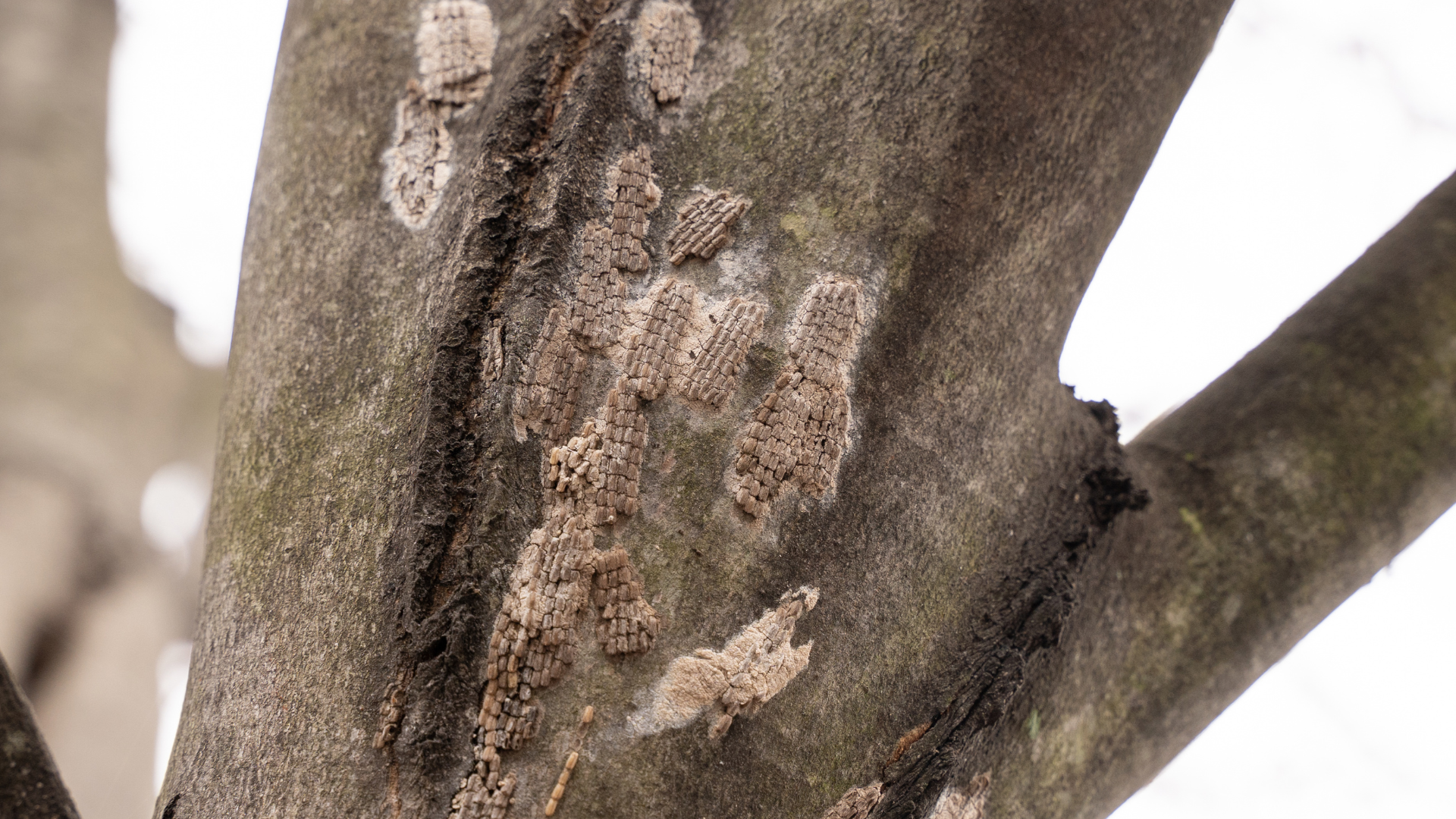
Early detection is critical. Property owners should watch for clusters of insects on tree trunks, sap oozing from feeding sites, and accumulations of honeydew beneath affected trees. Egg masses may appear as gray, mud-like patches on tree bark, outdoor furniture, or other surfaces.
Because the insect’s life cycle includes distinct stages, professional identification may be necessary to confirm an infestation. Monitoring in late summer and early fall is particularly important, as populations can increase rapidly.
Why Professional Intervention Matters
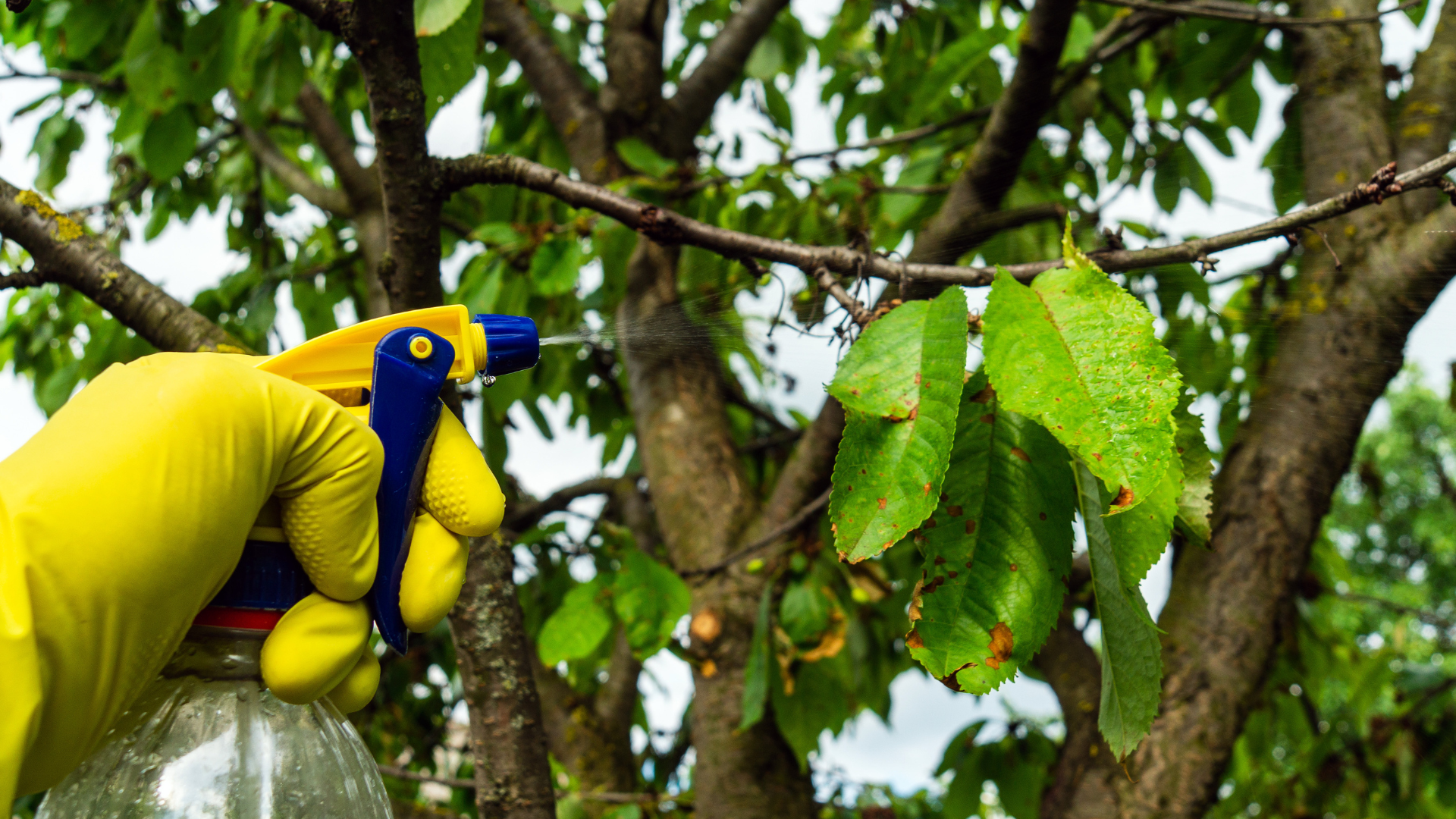
Managing spotted lanternfly populations can be challenging. Over-the-counter treatments may not address large infestations effectively, and improper application of chemicals can harm beneficial insects or surrounding plants.
Professional tree care providers can assess the severity of infestation and determine appropriate management strategies. In some cases, targeted treatments may be recommended. In others, removal of heavily infested host trees, particularly invasive Tree of Heaven, may reduce breeding grounds.
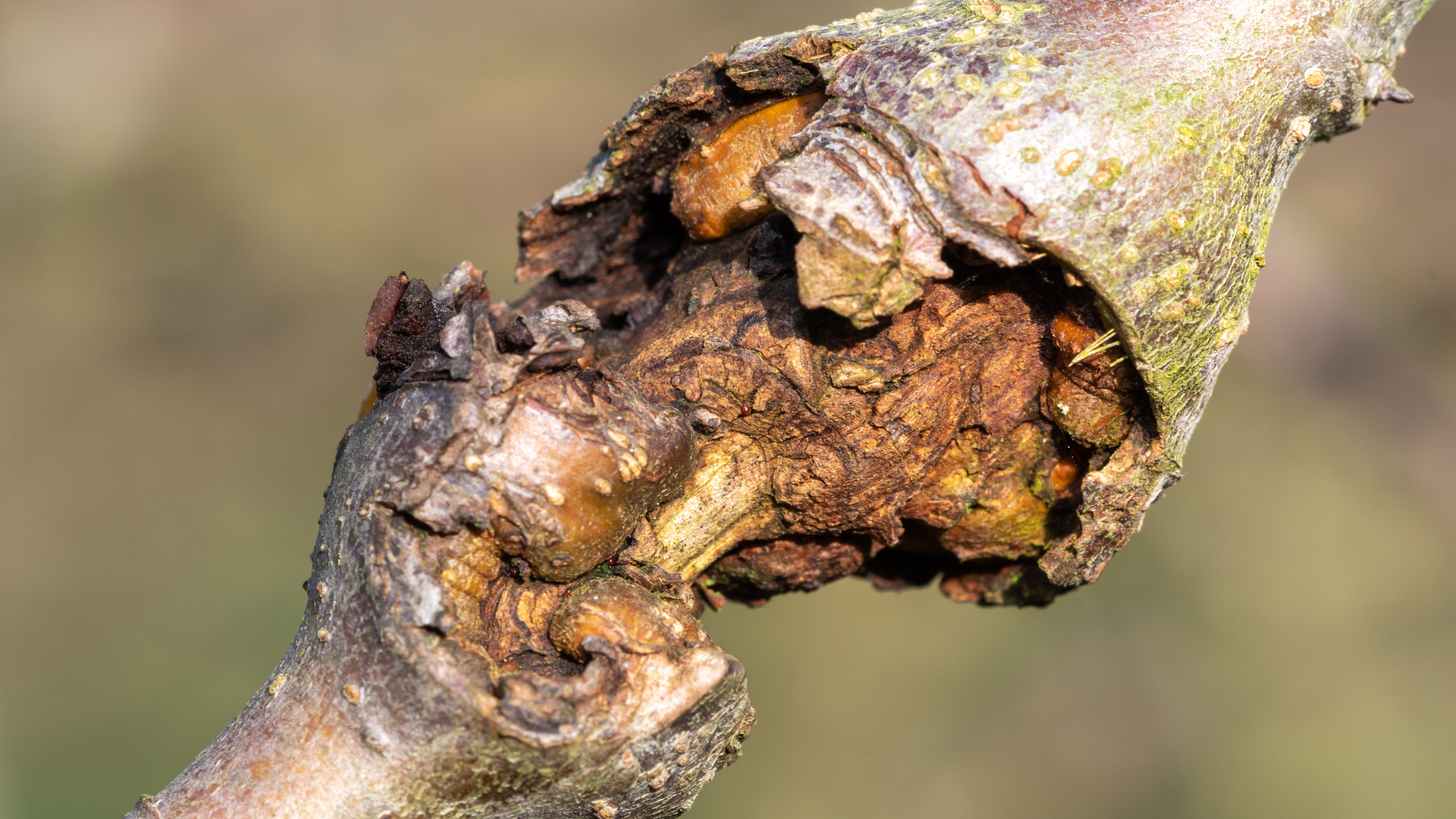
Regular tree inspections also help identify stress symptoms early. Trees already weakened by drought, compaction, or other pests are more vulnerable to additional damage.
Protecting Native Landscapes
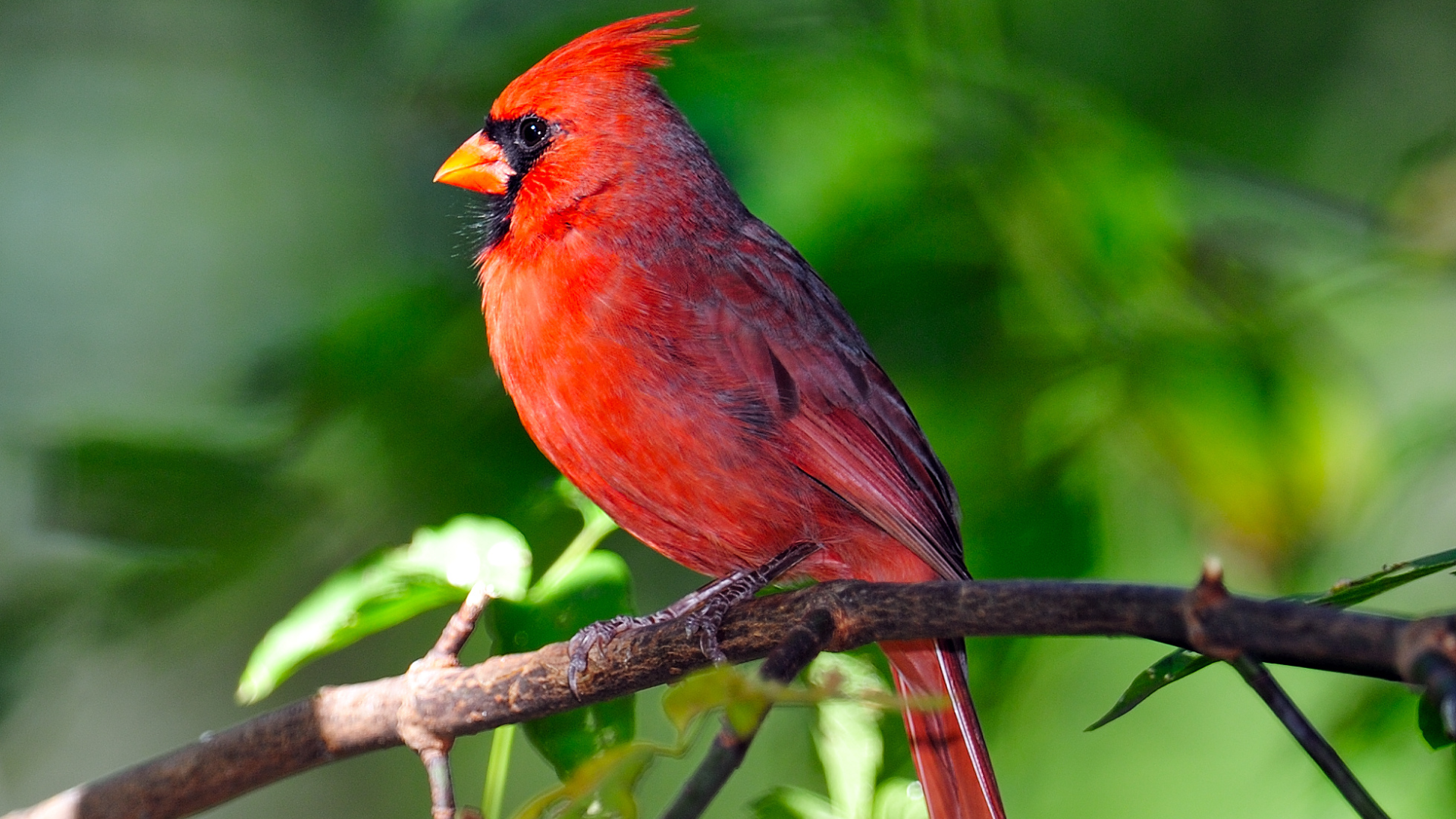
Invasive pests disrupt ecological balance. When native trees decline, the surrounding ecosystem may suffer. Birds, pollinators, and other wildlife rely on healthy trees for habitat and food sources. Preventing long-term stress from invasive insects helps preserve landscape stability.
Homeowners can take preventive steps by avoiding transport of firewood from infested areas and reporting suspected sightings to local agricultural authorities. Staying informed about regional advisories supports broader containment efforts.
A Proactive Approach to Tree Health
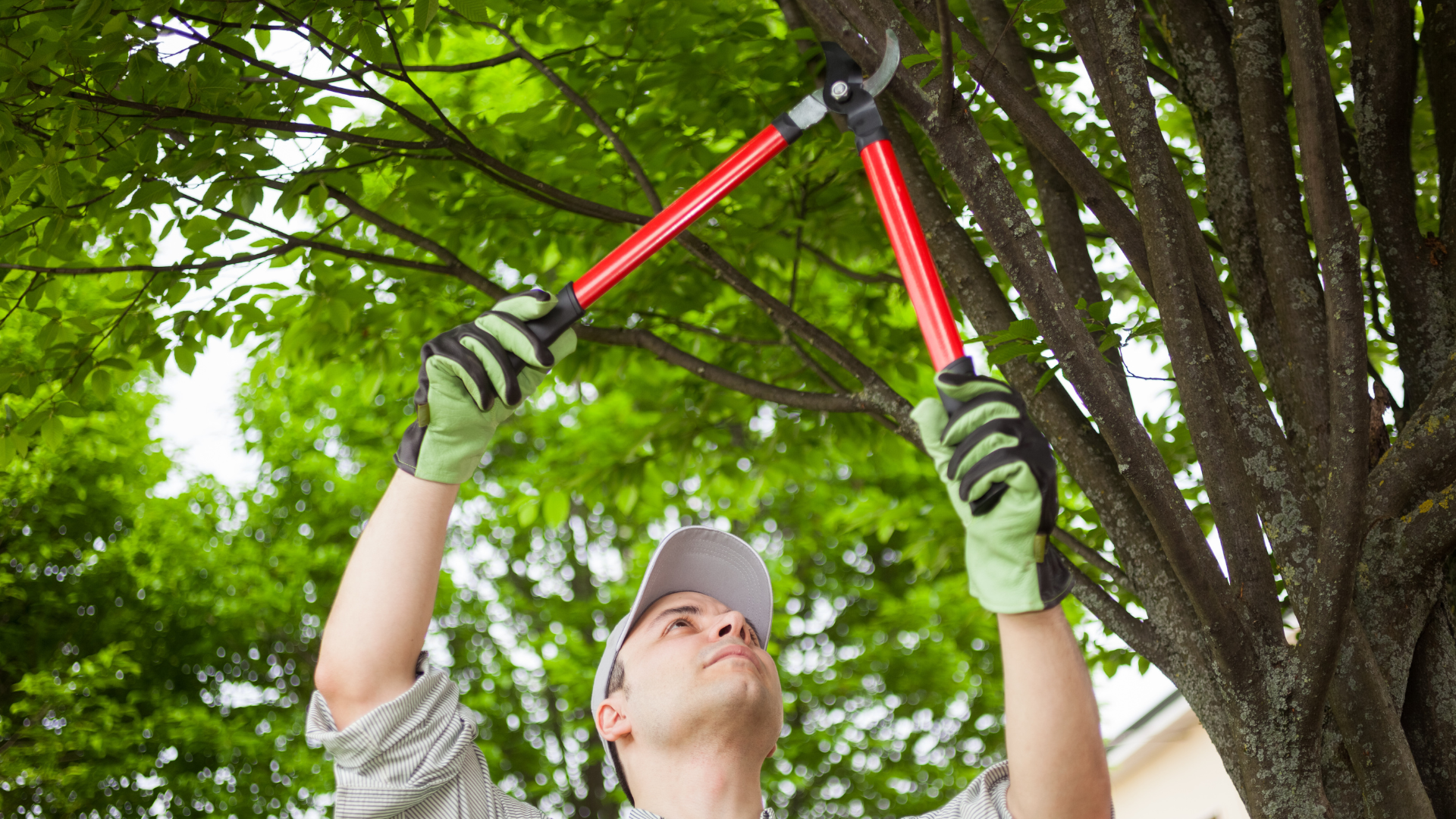
The spread of spotted lanternfly underscores the importance of routine tree care. Healthy trees are generally more resilient to pest pressure. Proper pruning, soil management, and monitoring contribute to overall vitality.
At Midwest Tree Surgeons, we work with property owners to evaluate tree health and address invasive pest concerns before damage becomes severe. Early detection, professional assessment, and strategic intervention can reduce long-term impact.
Invasive species like the spotted lanternfly represent an evolving challenge. By staying vigilant and seeking expert guidance when needed, homeowners can help protect their landscapes and preserve the health of native trees for years to come.