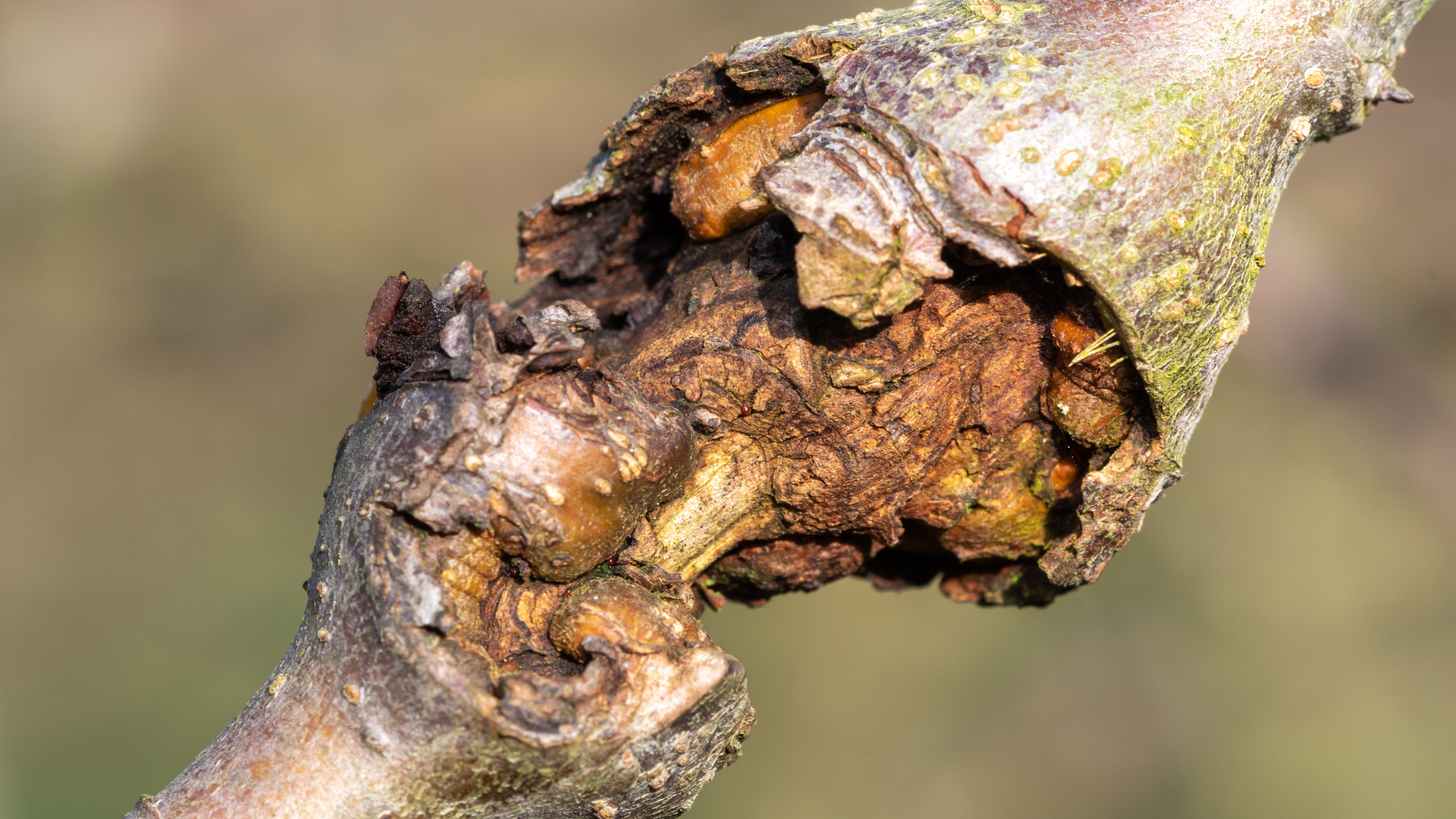
How Soil Conditions Influence Tree Stability
When homeowners think about tree stability, the focus is often on what is visible above ground. Branch structure, trunk size, and overall appearance tend to receive the most attention. However, one of the most important factors affecting a tree’s stability is hidden below the surface.
Soil conditions play a central role in how well a tree is anchored, how it grows, and how it responds to environmental stress. Understanding this relationship can help property owners better assess risk and make more informed decisions about tree care.
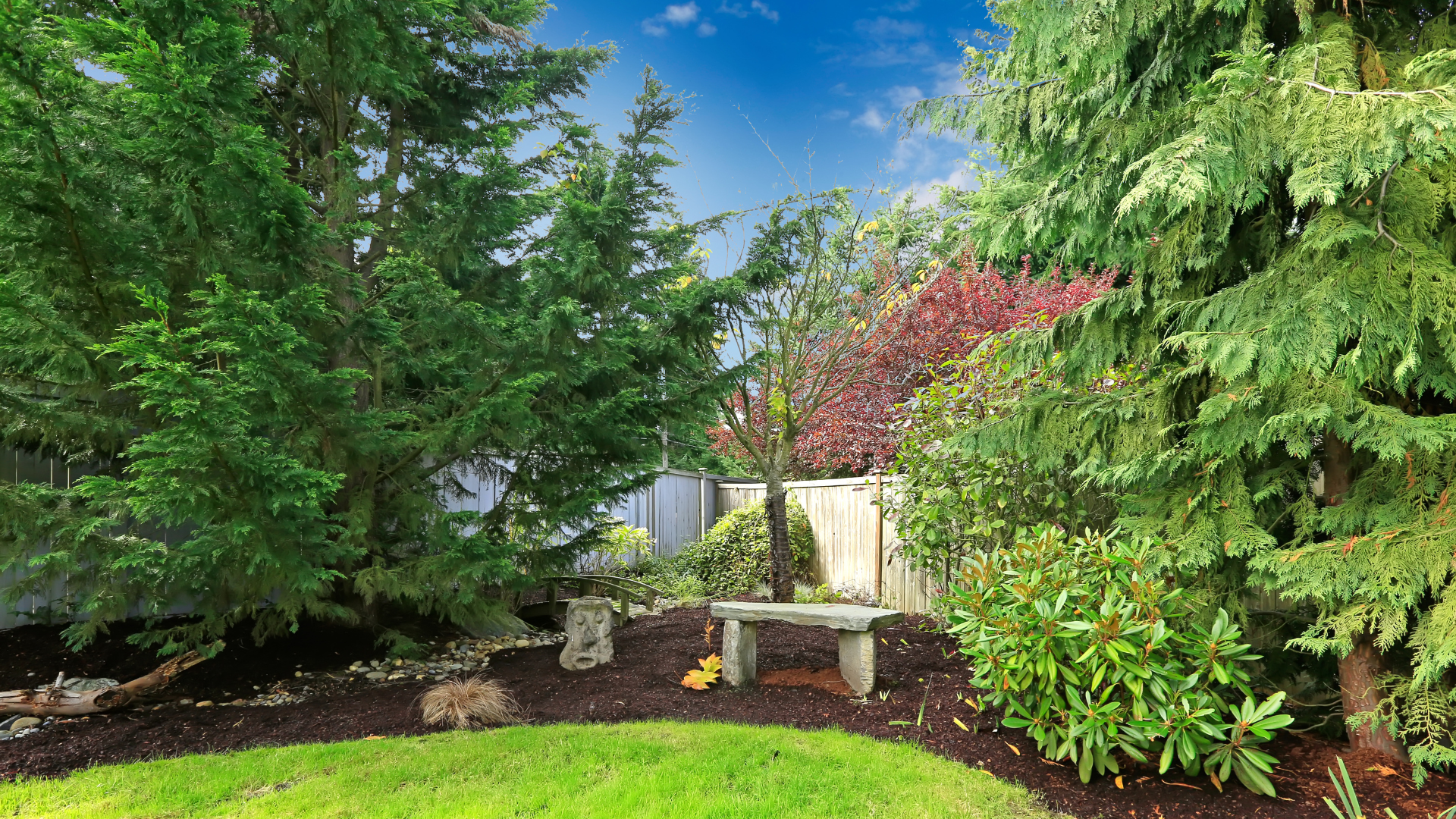
The Foundation of Tree Stability
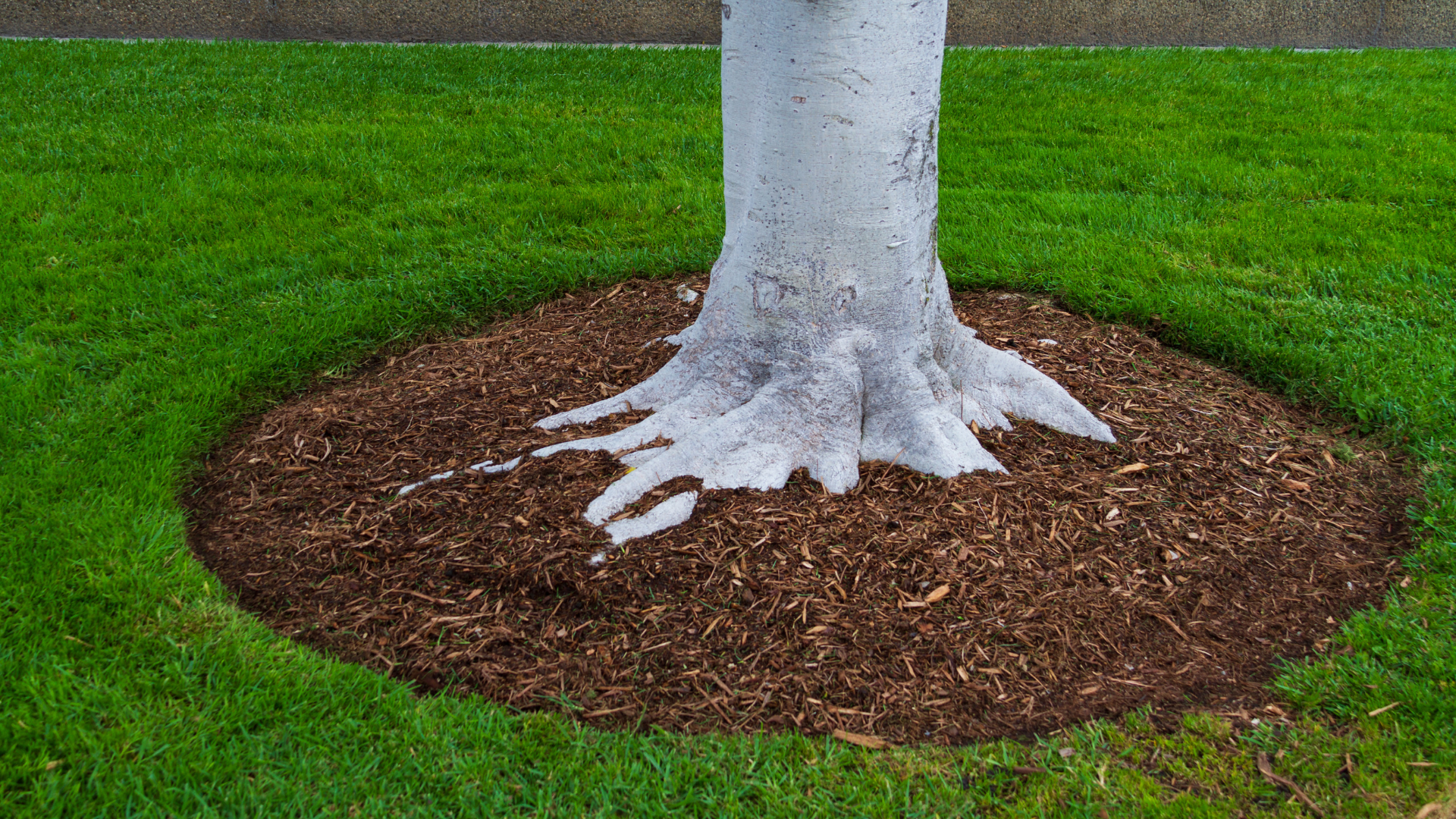
A tree’s root system depends on soil for both support and nourishment. Healthy soil allows roots to expand, anchor the tree, and access the water and nutrients needed for growth.
When soil conditions are ideal, roots can:
- Extend outward and downward effectively
- Establish strong anchoring points
- Adapt to changes in moisture and weather
This creates a stable foundation that helps the tree withstand wind and other external forces.
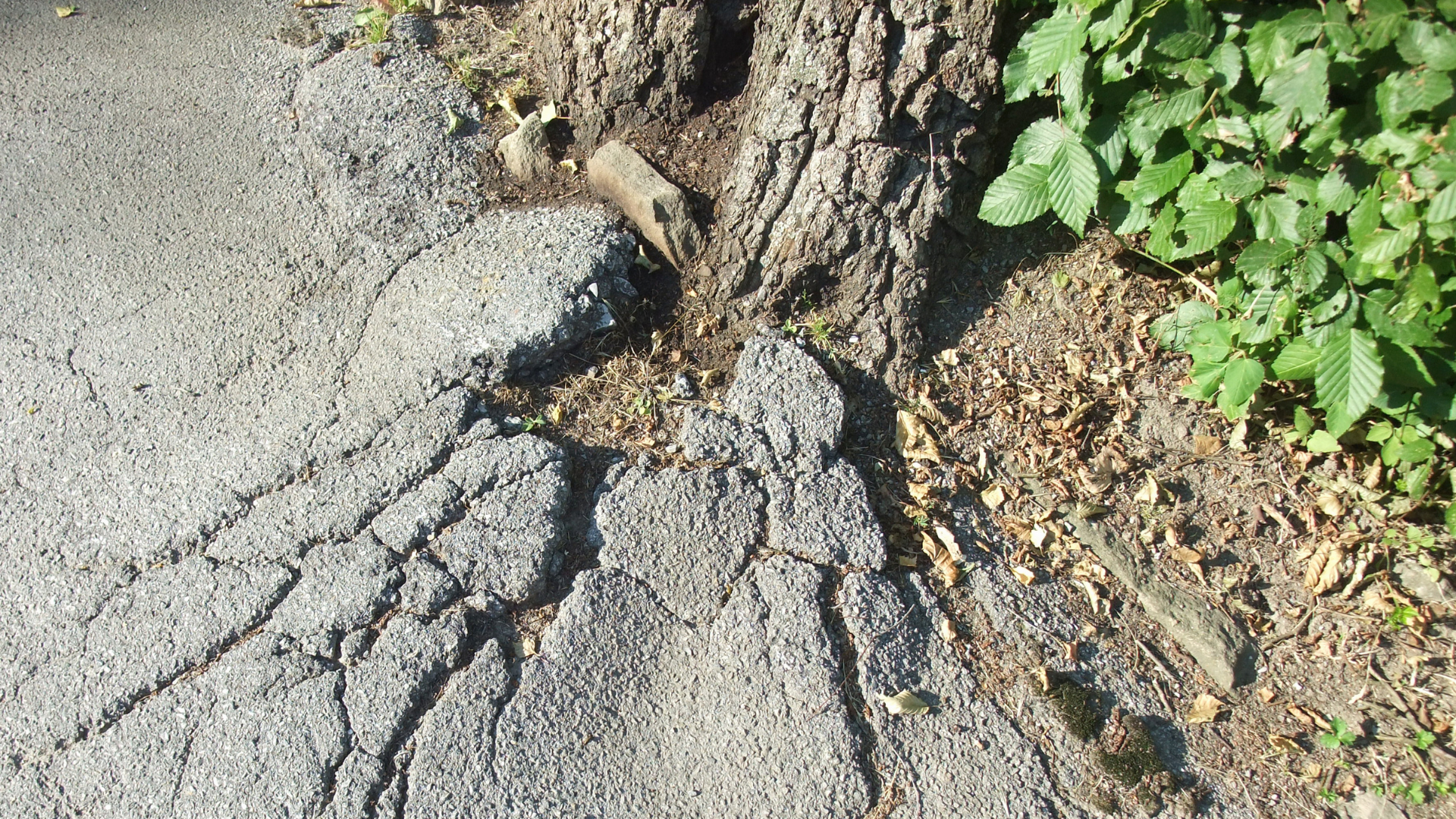
Compacted Soil and Limited Root Growth
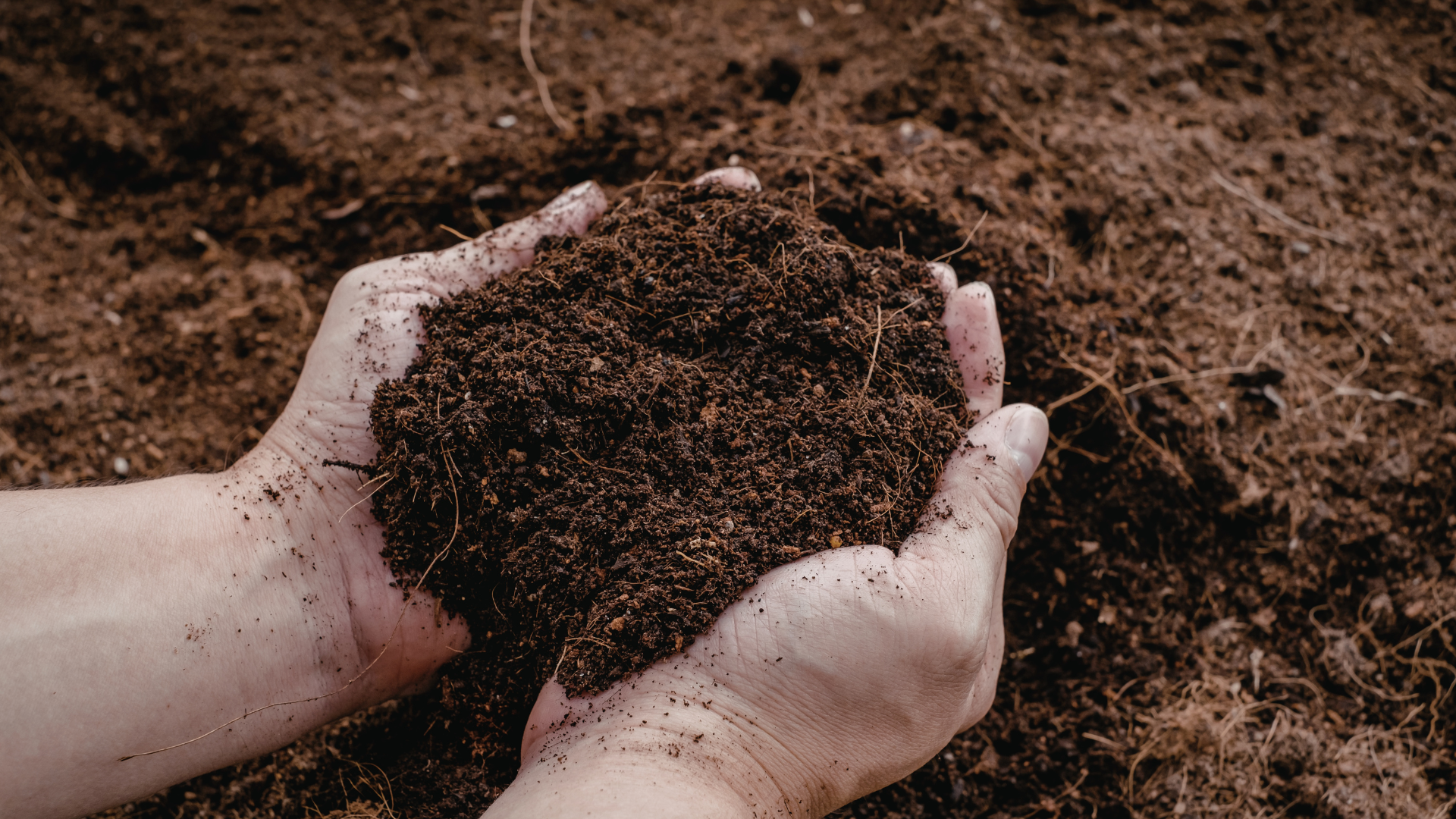
One of the most common issues affecting soil is compaction. This occurs when soil is compressed, reducing the space between particles. Compaction can result from foot traffic, construction activity, or heavy equipment.
When soil becomes compacted:
- Roots have difficulty expanding
- Water may not penetrate effectively
- Oxygen levels in the soil can decrease
These conditions limit root development, which can reduce the tree’s ability to remain stable over time. A tree may appear healthy above ground while lacking the support it needs below.
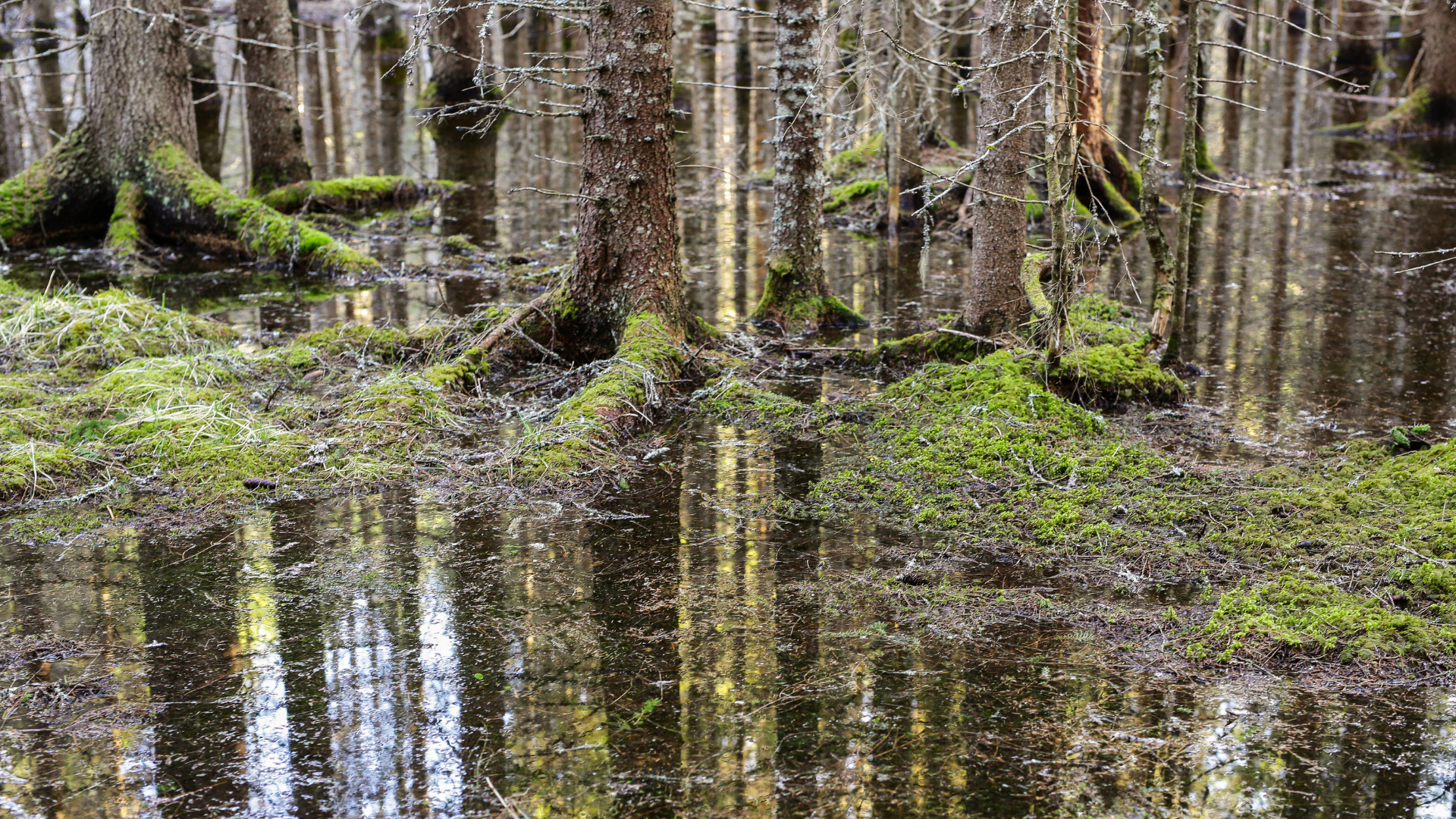
The Impact of Excess Moisture
Soil that retains too much water can also affect stability. While trees require moisture, oversaturated soil can weaken the structure that holds roots in place.
Excess moisture may lead to:
- Reduced soil strength
- Increased risk of
root rot
- Loosening of the root system
In these conditions, even moderate wind can cause a tree to shift or lean, increasing the likelihood of failure.
Dry Soil and Reduced Support
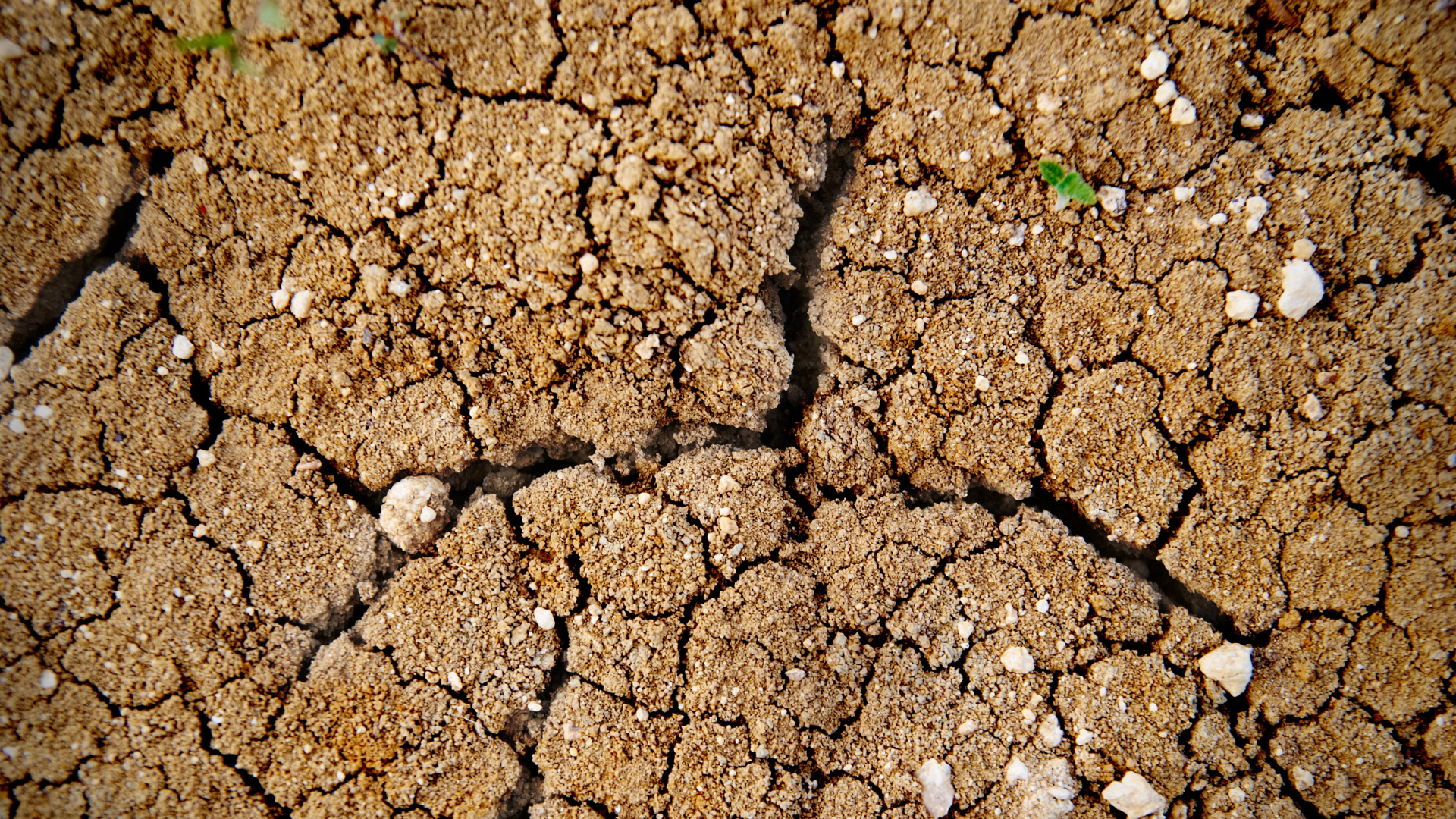
At the opposite extreme, dry soil can present its own challenges. When soil lacks adequate moisture, it can become loose and less cohesive.
This may result in:
- Reduced grip around the root system
- Limited nutrient availability
- Increased stress on the tree
Over time, these factors can weaken the overall structure of the tree, making it more vulnerable to environmental pressures.
Soil Composition Matters
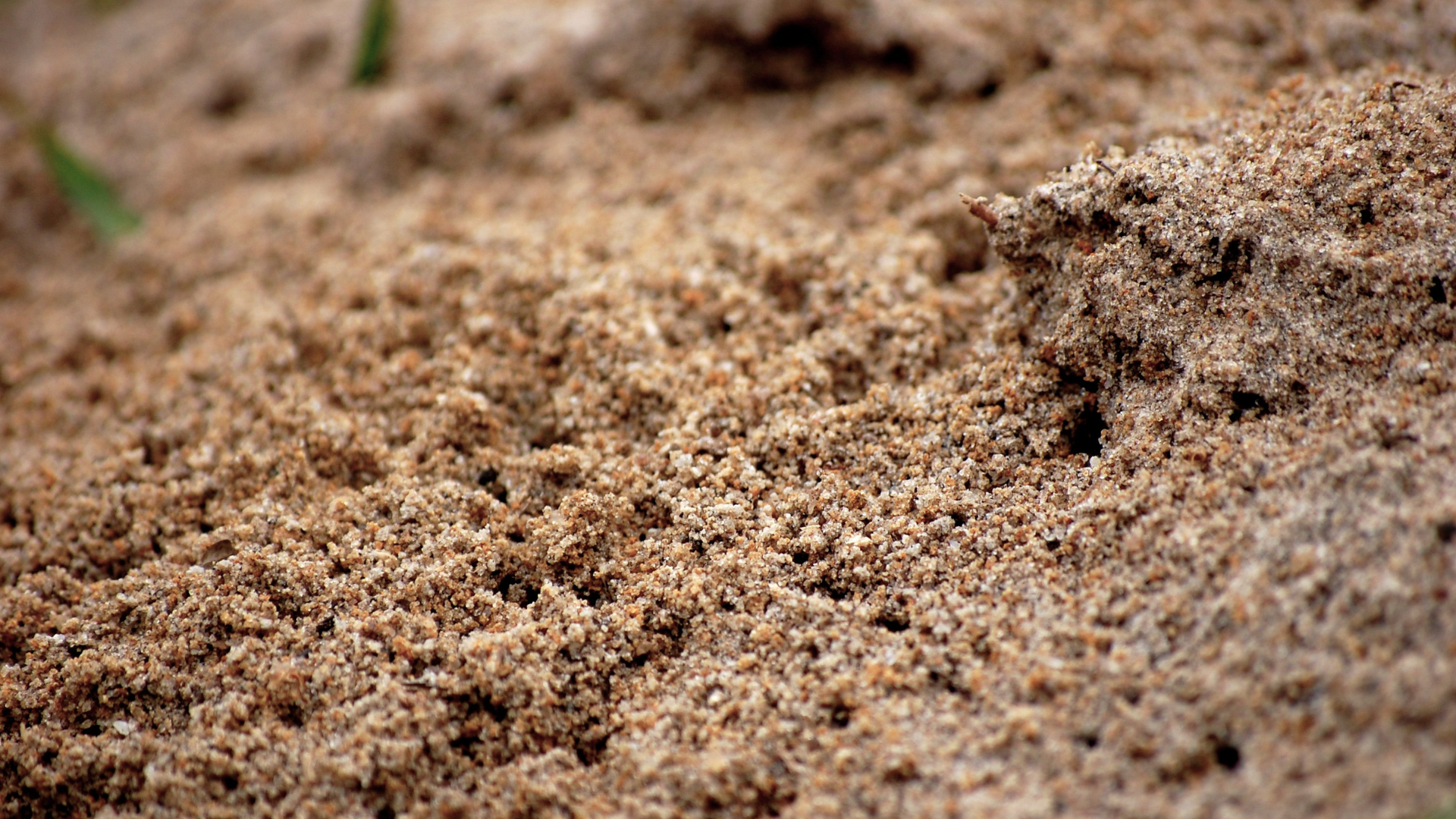
Not all soil types provide the same level of support. The composition of soil, including the balance of sand, silt, and clay, influences how well it can support a tree.
For example:
- Sandy soils drain quickly but may not provide strong anchoring
- Clay soils retain moisture but can become dense and restrictive
- Loamy soils often provide a balance of drainage and support
Understanding soil composition helps explain why some trees remain stable while others in similar conditions may struggle.
Changes Over Time
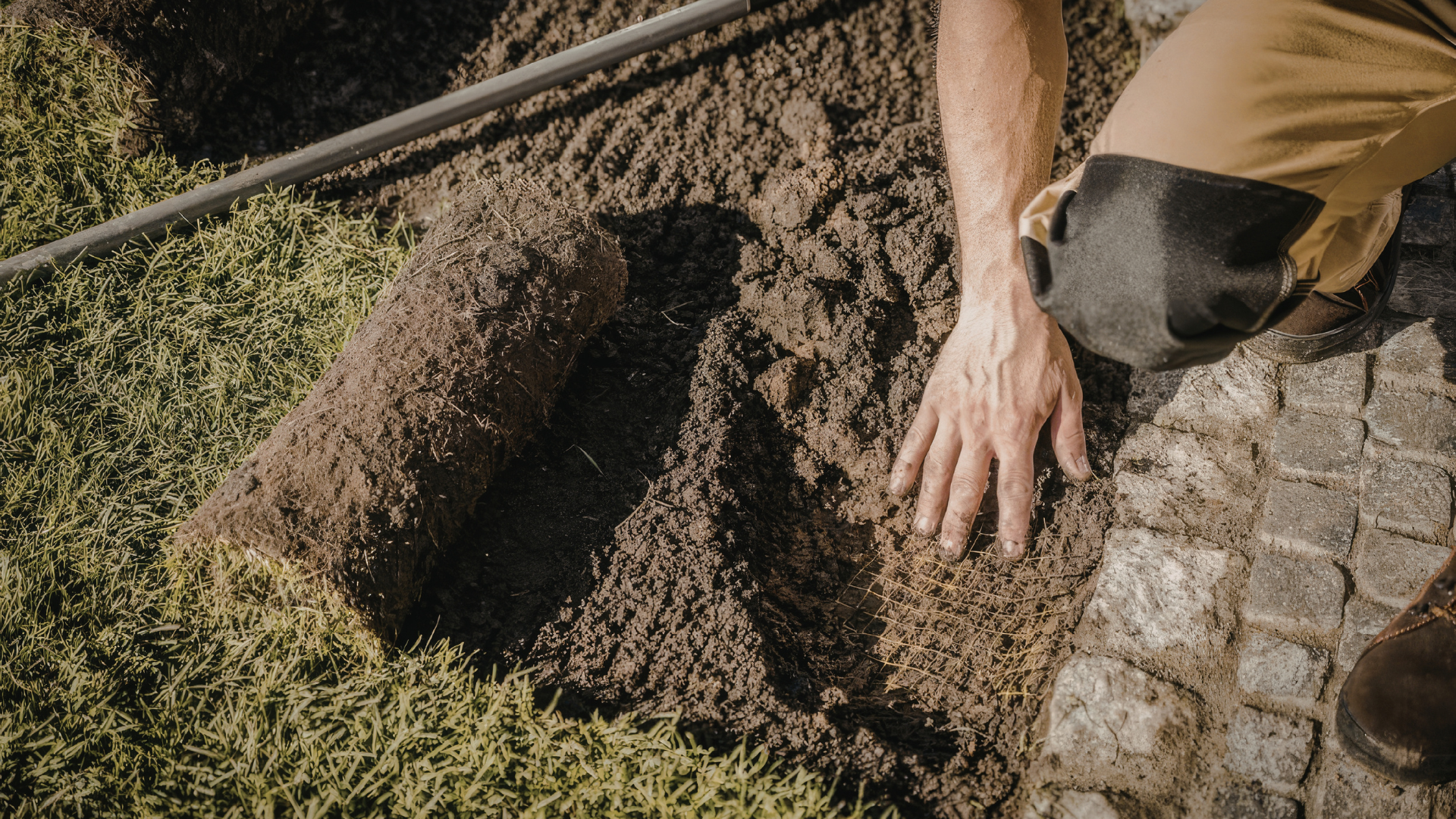
Soil conditions are not static. They can change due to weather patterns, landscaping activities, or natural settling. These changes can affect tree stability gradually, often without immediate visible signs.
For instance:
- Heavy rainfall can alter soil structure
- Construction can disrupt root systems
- Seasonal changes can shift moisture levels
Because these changes occur over time, the impact on stability may not be immediately noticeable.
Why Soil Issues Are Easy to Miss
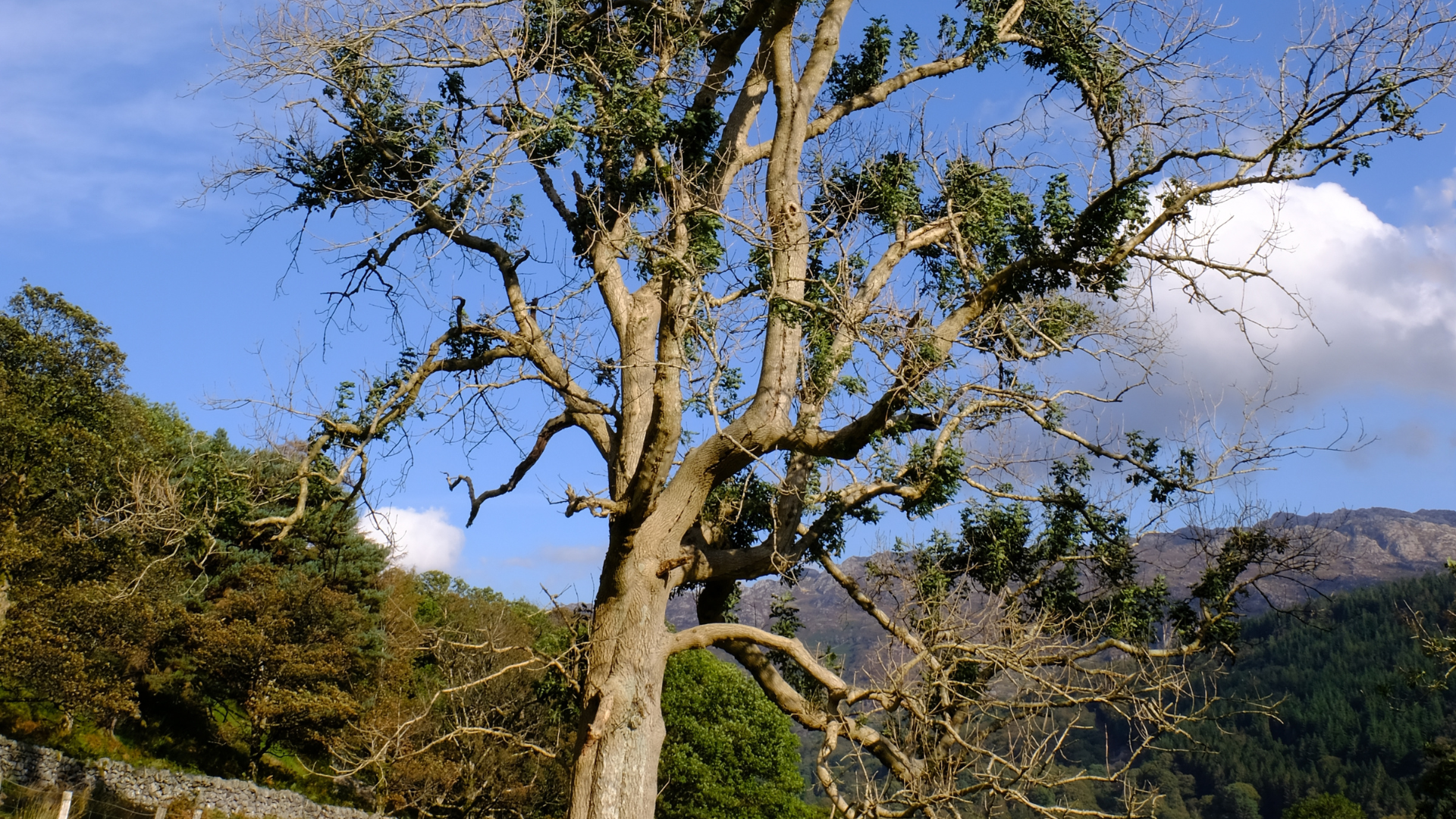
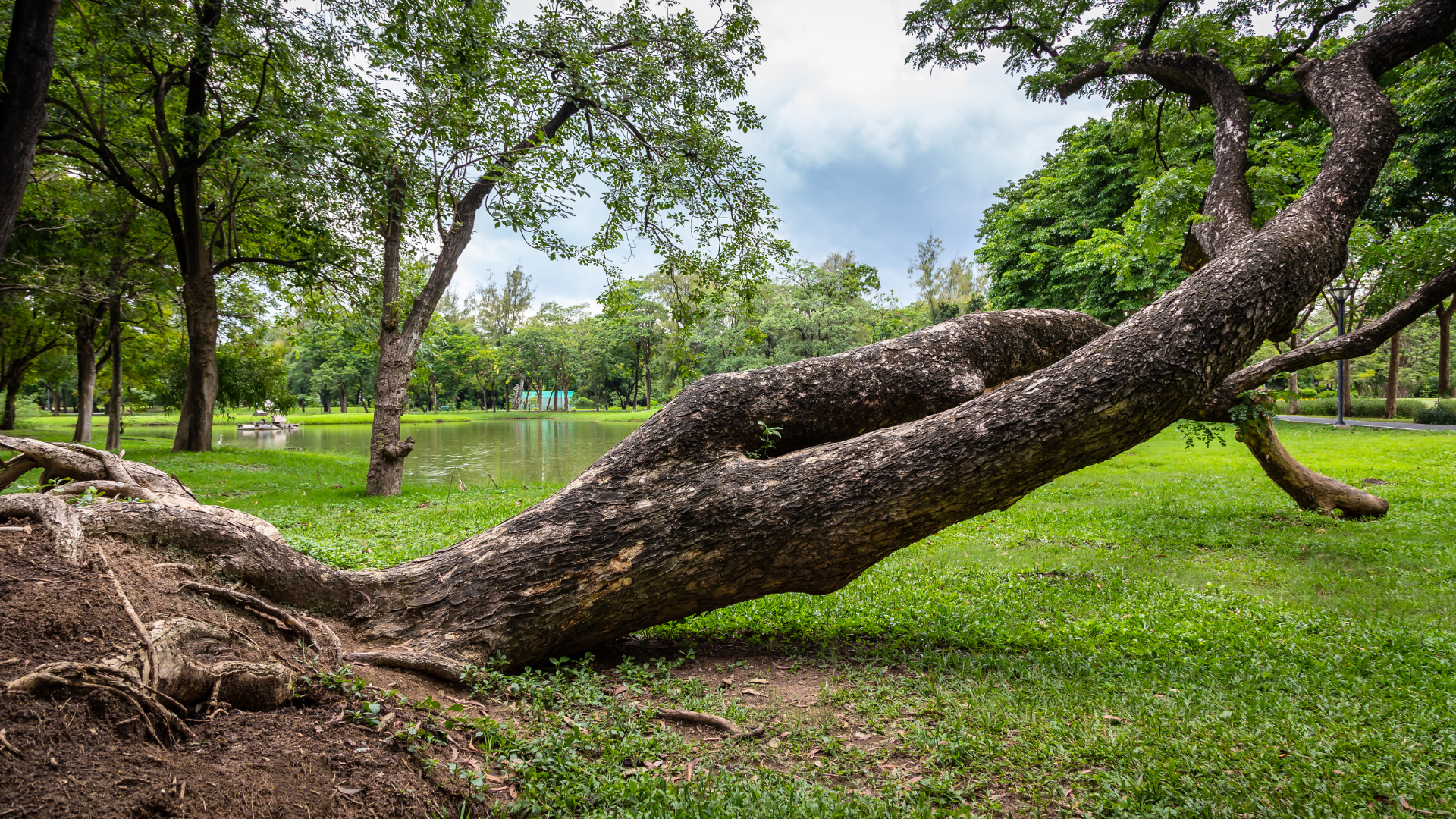
Unlike visible damage to branches or trunks, soil-related problems are often hidden. A tree may look full and healthy while experiencing underlying instability.
This can lead to a false sense of security, particularly in residential settings where trees are assumed to be stable if they appear intact.
Without a closer assessment, these risks can go unnoticed until a failure occurs.
The Importance of Professional Evaluation
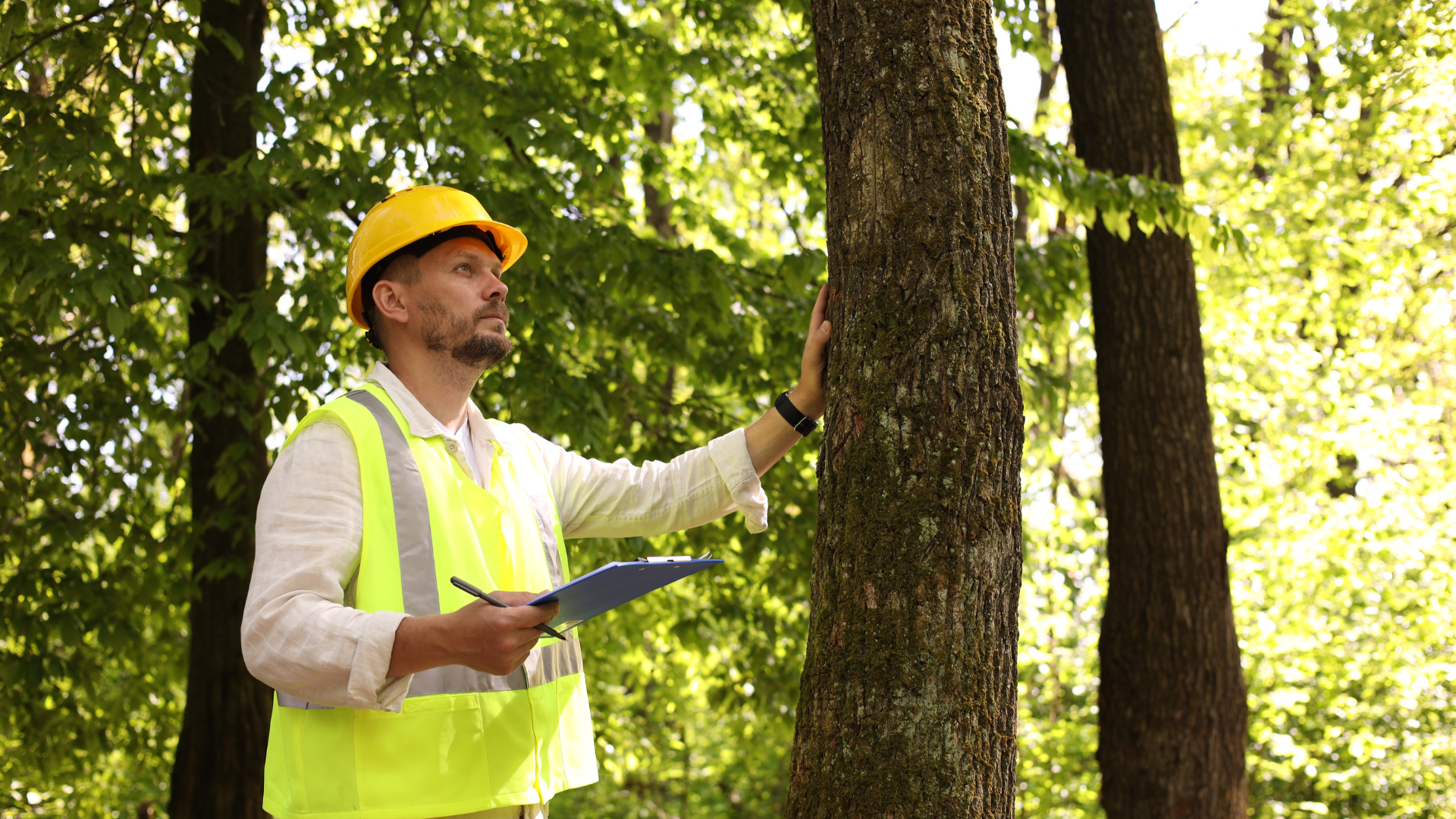
Assessing soil conditions requires more than a surface-level inspection. It involves understanding how the soil interacts with the root system and how both respond to environmental factors.
Professional evaluation can help:
- Identify compaction or drainage issues
- Assess root stability
- Determine whether corrective action is needed
Addressing these factors early can reduce the risk of unexpected tree failure.
A Strong Foundation Supports Long-Term Stability
Tree stability begins below ground. While above-ground appearance is important, the condition of the soil ultimately determines how well a tree can withstand external forces.
By understanding and addressing soil-related factors, property owners can take a more proactive approach to tree care.
Midwest Tree Surgeons provides expert evaluation and tree care services designed to identify hidden risks and improve overall stability. If you are concerned about the condition of your trees or the soil supporting them, contact Midwest Tree Surgeons to schedule an assessment and protect your property with a more informed approach.