What Happens Inside a Tree After It Is Injured
Trees are often perceived as resilient and self-sustaining, capable of withstanding years of environmental stress. While this is true to an extent, injuries to a tree can initiate internal processes that are not visible from the outside. Understanding what happens inside a tree after it is injured helps explain why some trees decline over time, even when they appear stable at first.
At Midwest Tree Surgeons, evaluating these hidden processes is an important part of maintaining long-term tree health and property safety.
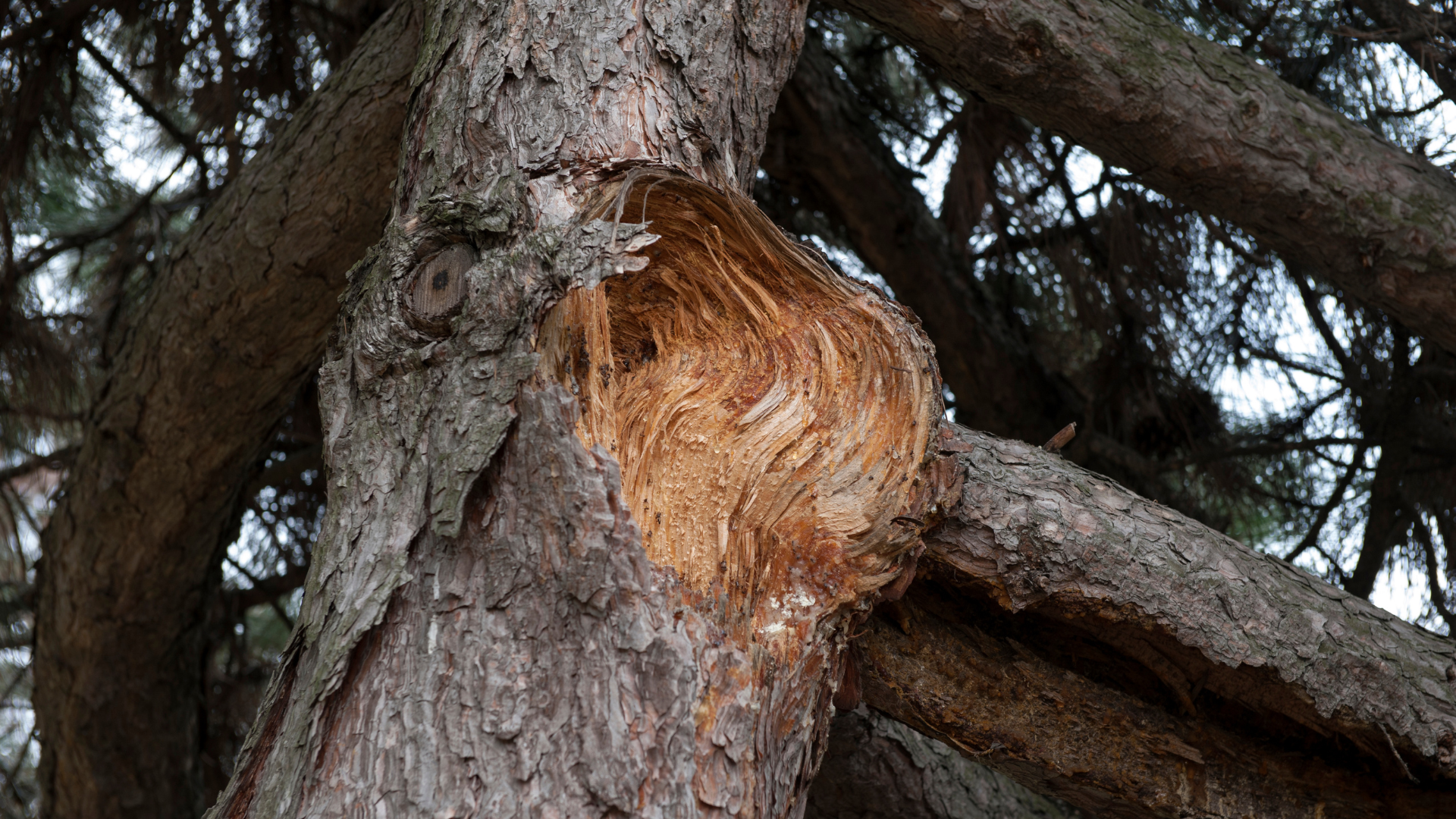
The Immediate Response to Injury
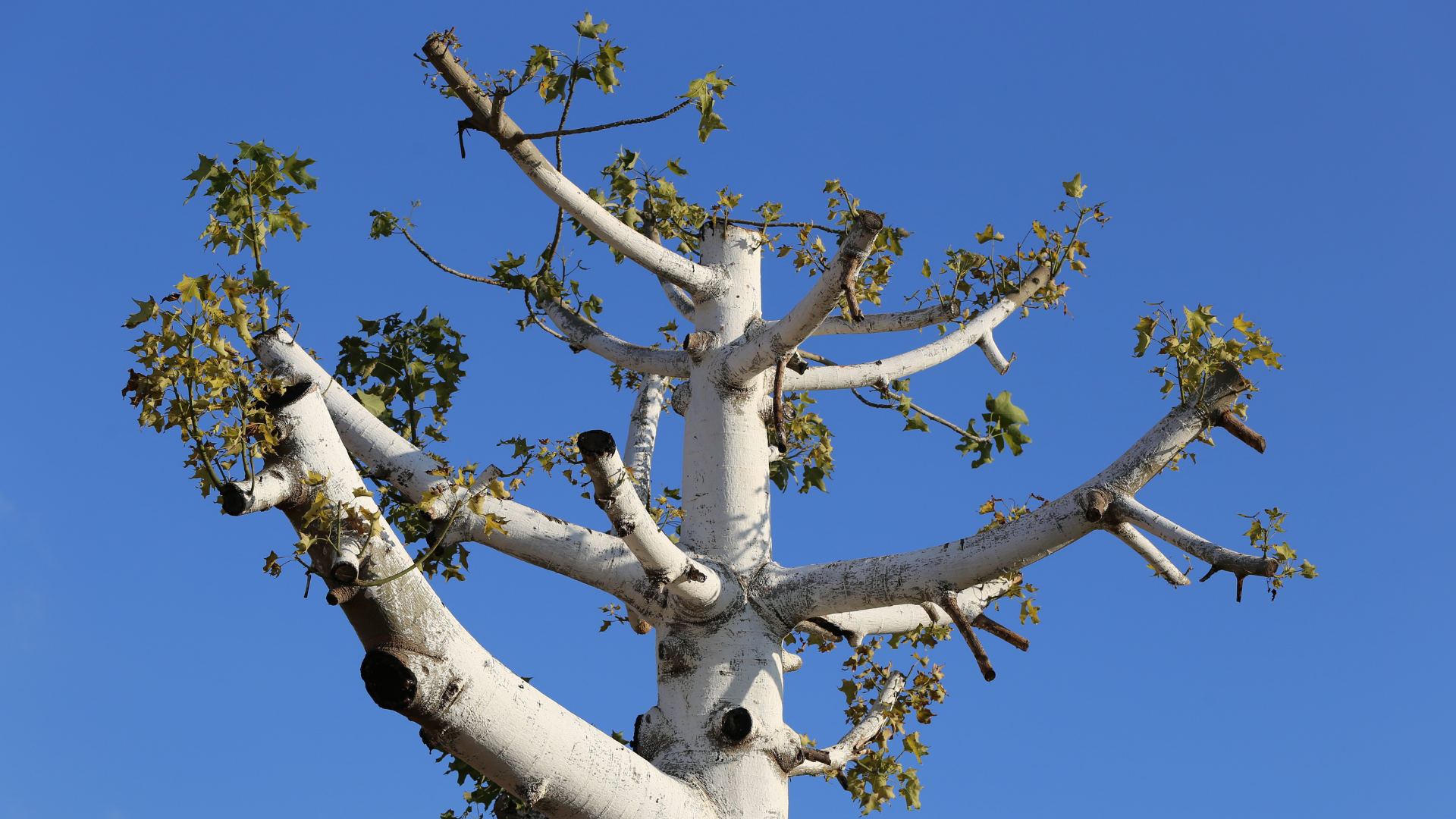
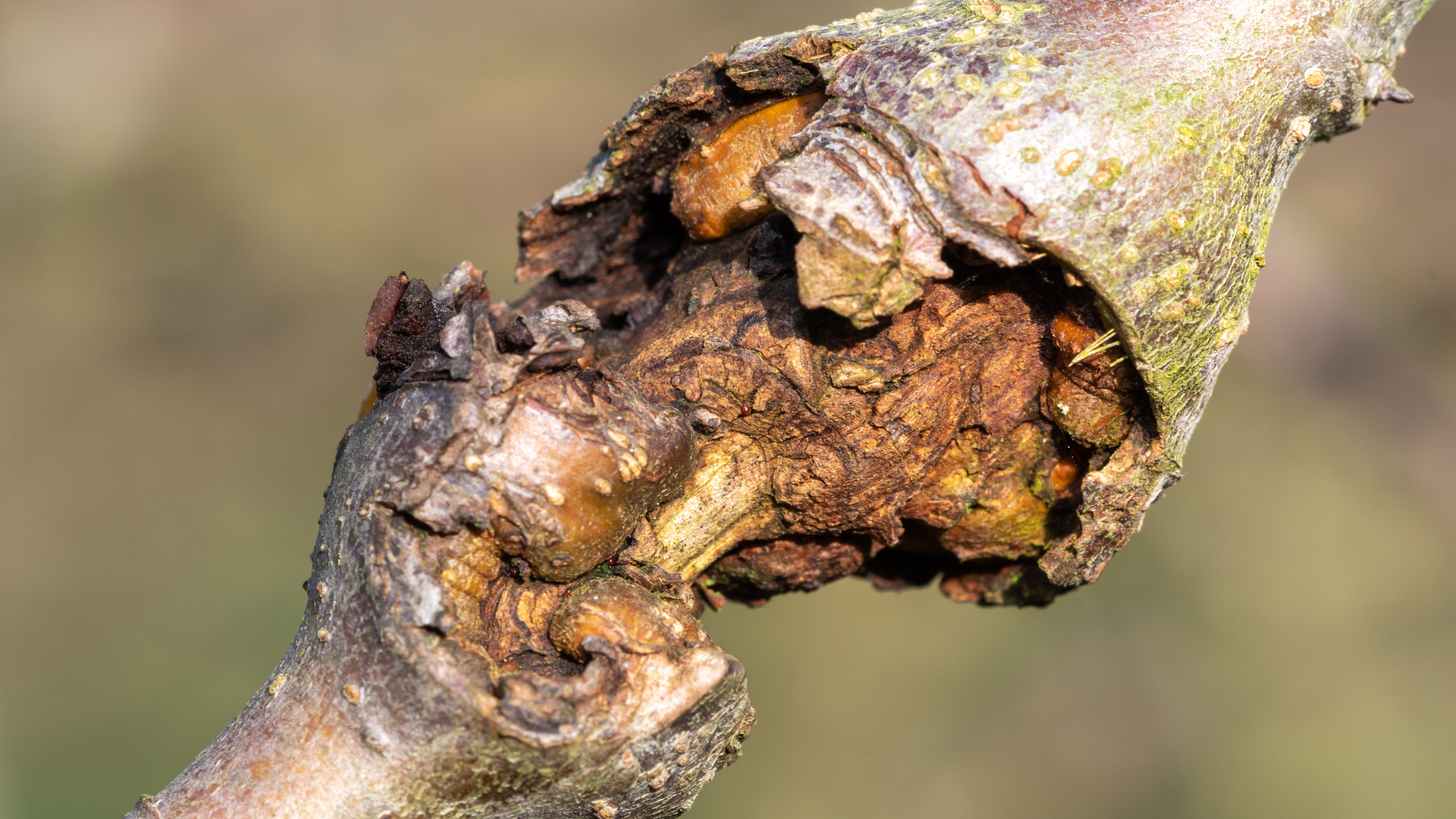
When a tree is injured, whether by storm damage, improper pruning, or physical impact, it does not heal in the same way as human tissue. Instead of repairing damaged cells, a tree works to isolate the affected area.
This process begins almost immediately. The tree redirects its resources to protect the surrounding healthy tissue. It attempts to limit the spread of damage rather than reverse it. While this response is effective in many cases, it depends heavily on the severity of the injury and the overall health of the tree.
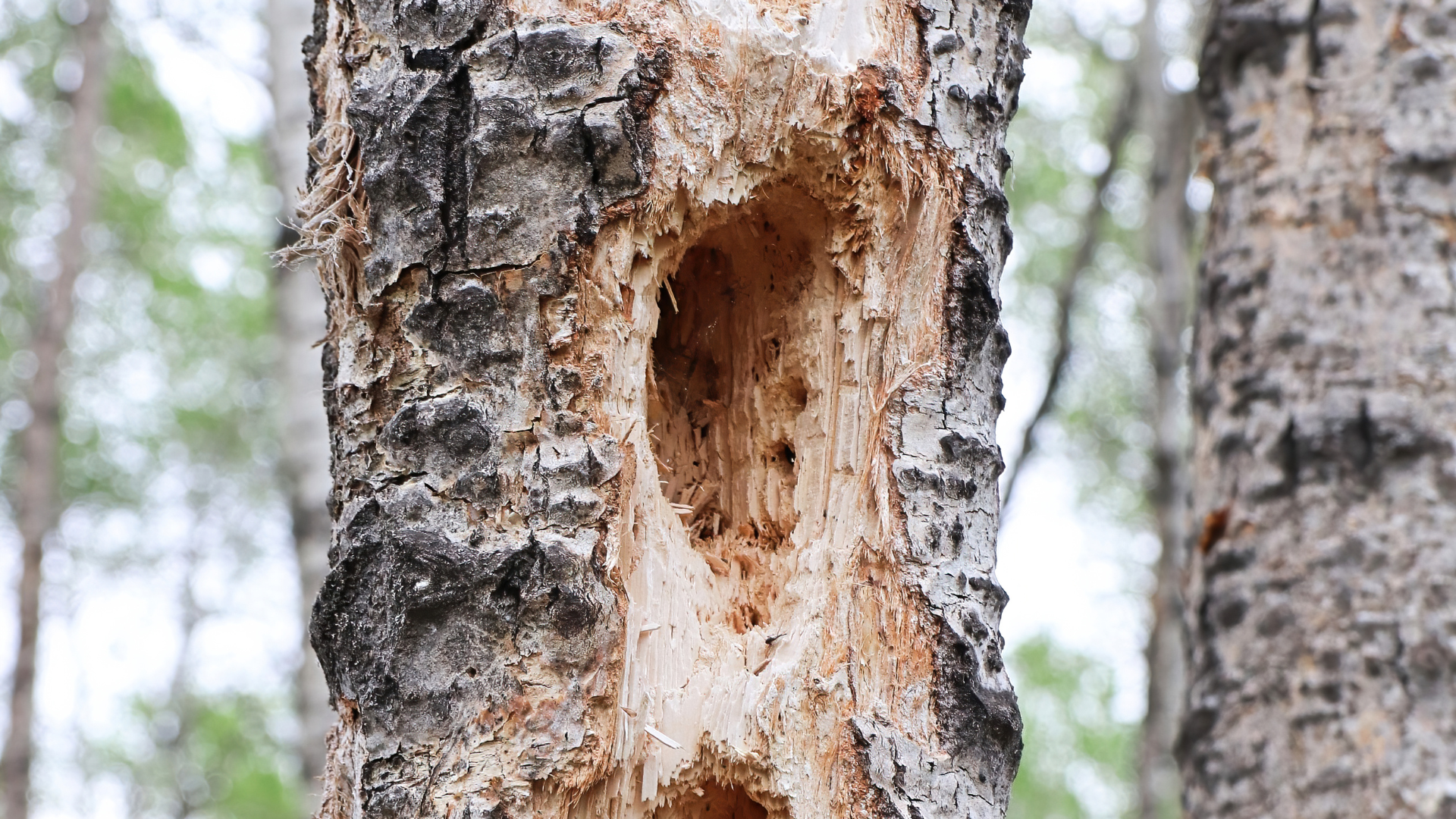
Compartmentalization of Damage
One of the most important internal processes following injury is compartmentalization. This is the tree’s method of containing damage within a defined area. By creating barriers within its structure, the tree separates the injured section from healthy wood.
This process helps prevent the spread of decay, but it is not always complete. If the injury is extensive or if the tree is already under stress, the barriers may not fully contain the damage. Additionally, certain trees compartmentalize decay better than others. Over time, this can allow decay to expand within the structure.
Because compartmentalization occurs internally, it may not be visible during a surface inspection.
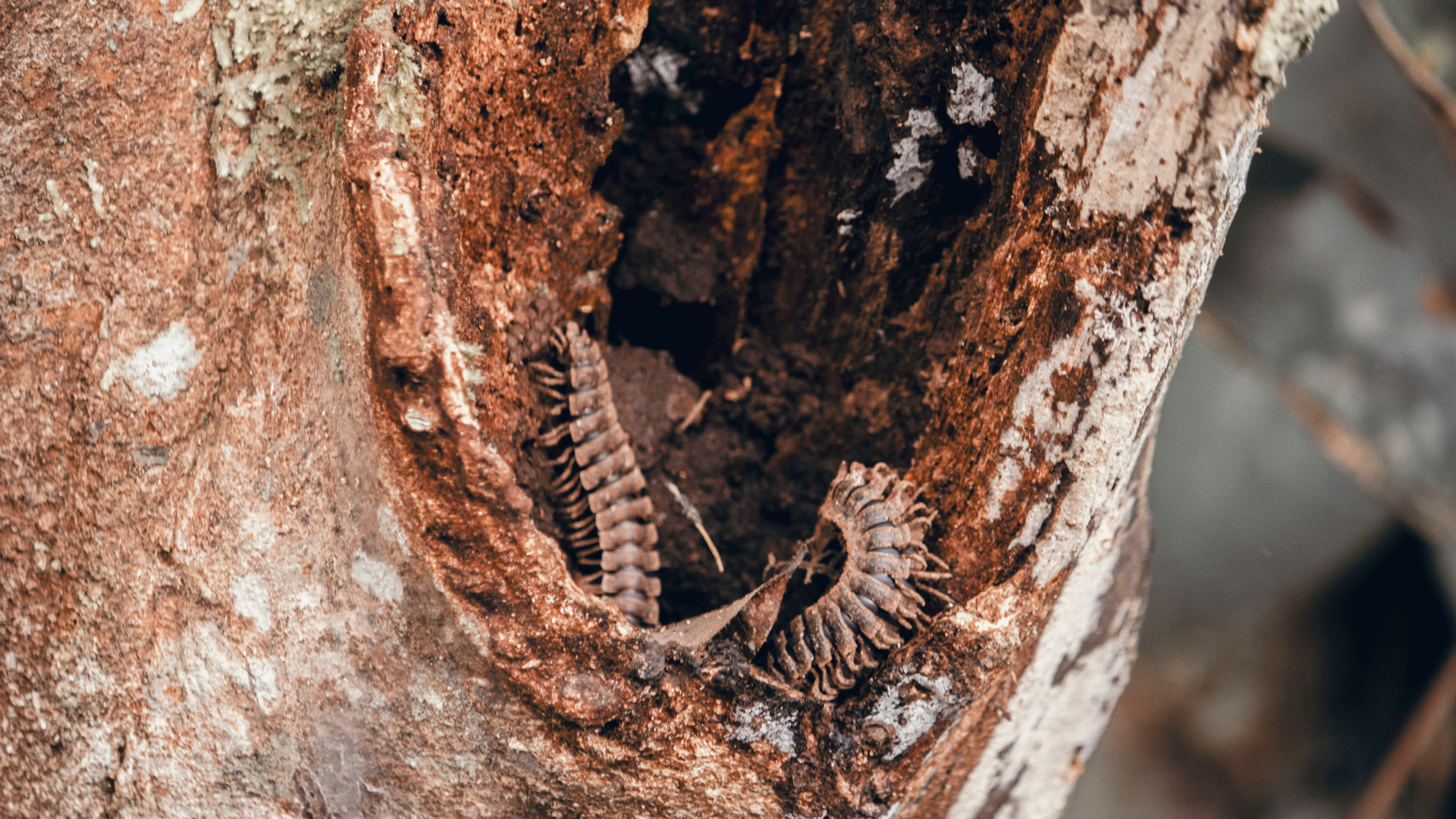
The Development of Internal Decay
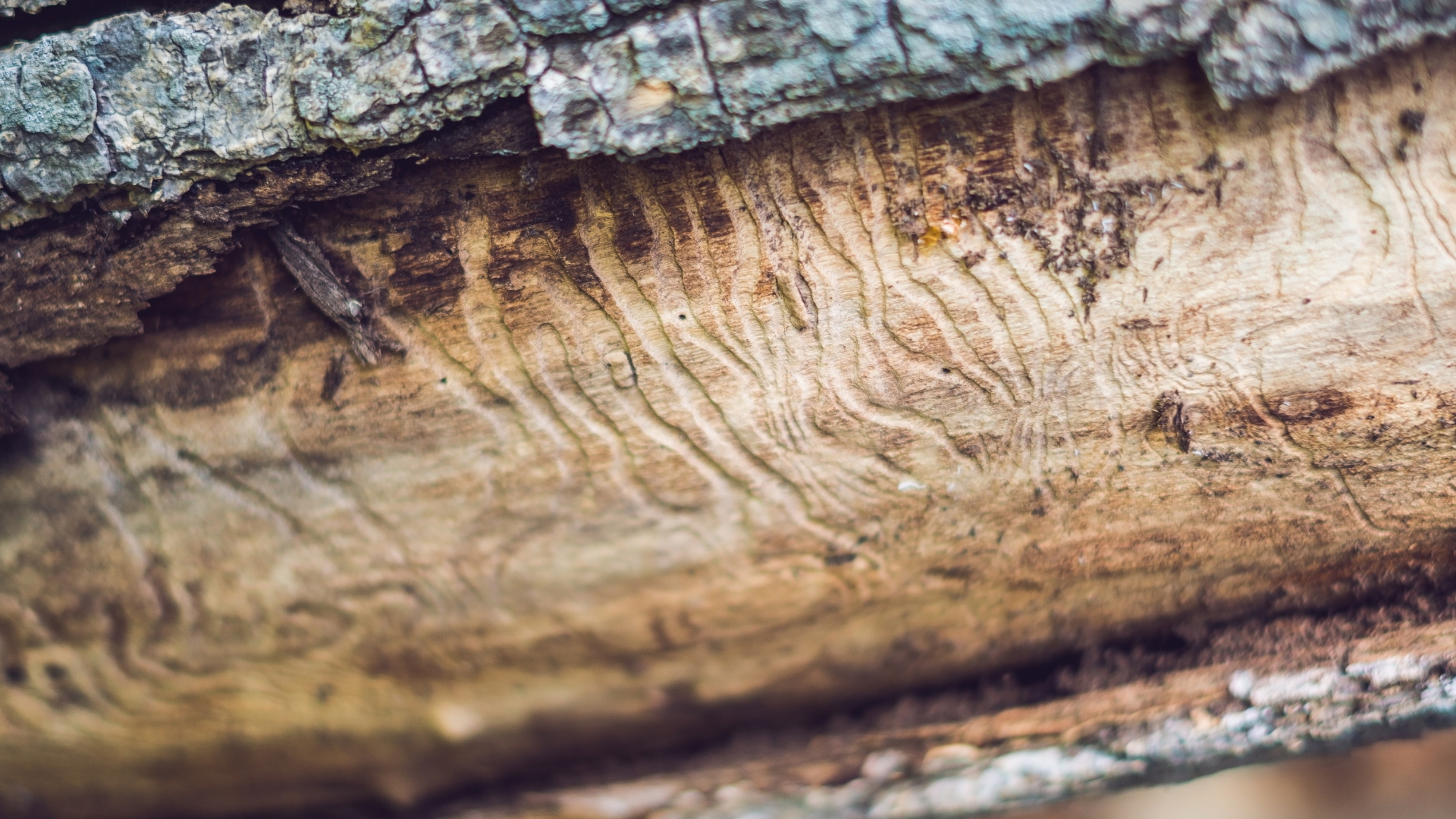
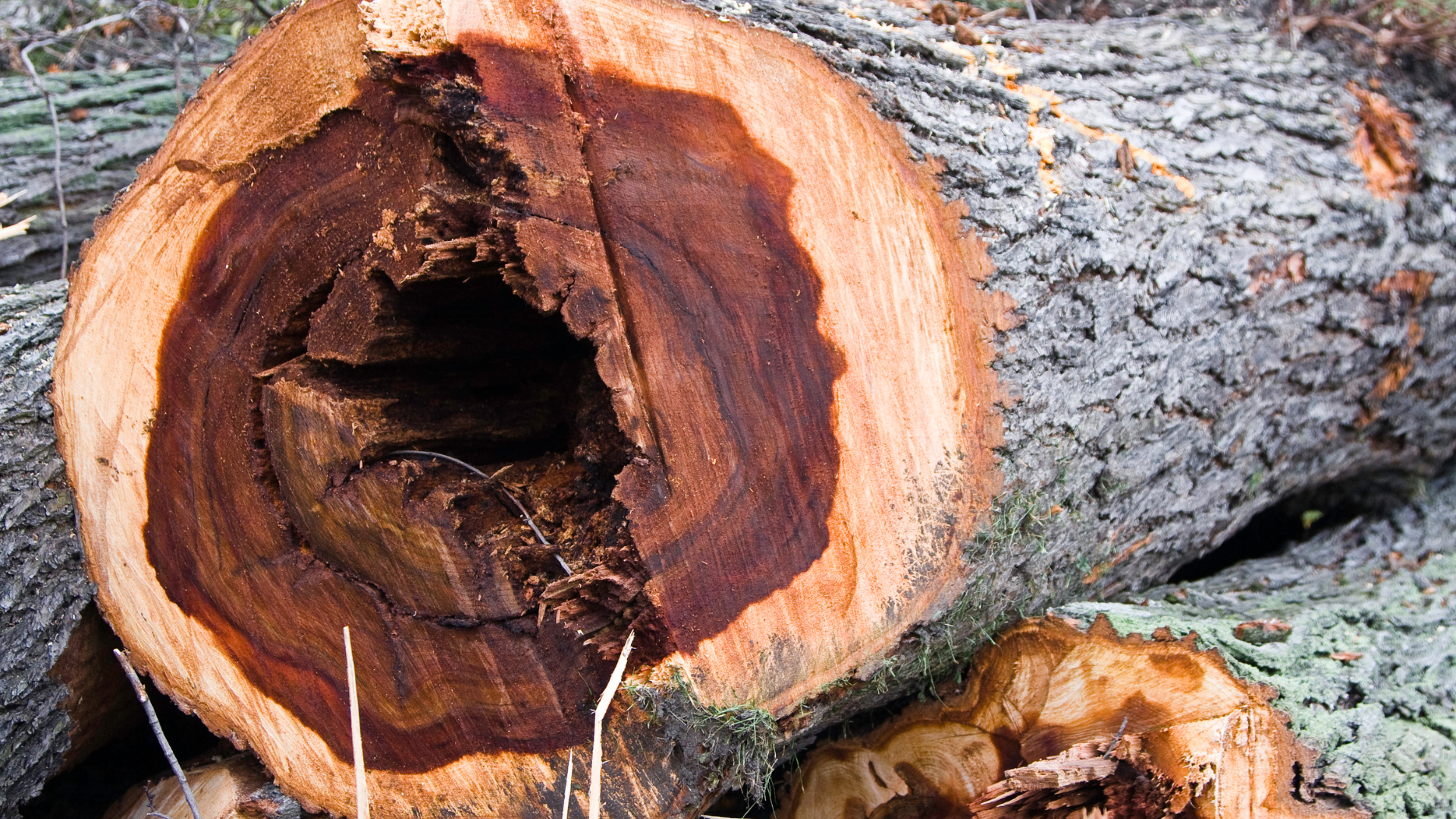
Once a tree has been injured, it becomes more vulnerable to decay. Fungi and microorganisms can enter through the damaged area and begin to break down the wood. This process often develops slowly, which is why it can go unnoticed for extended periods.
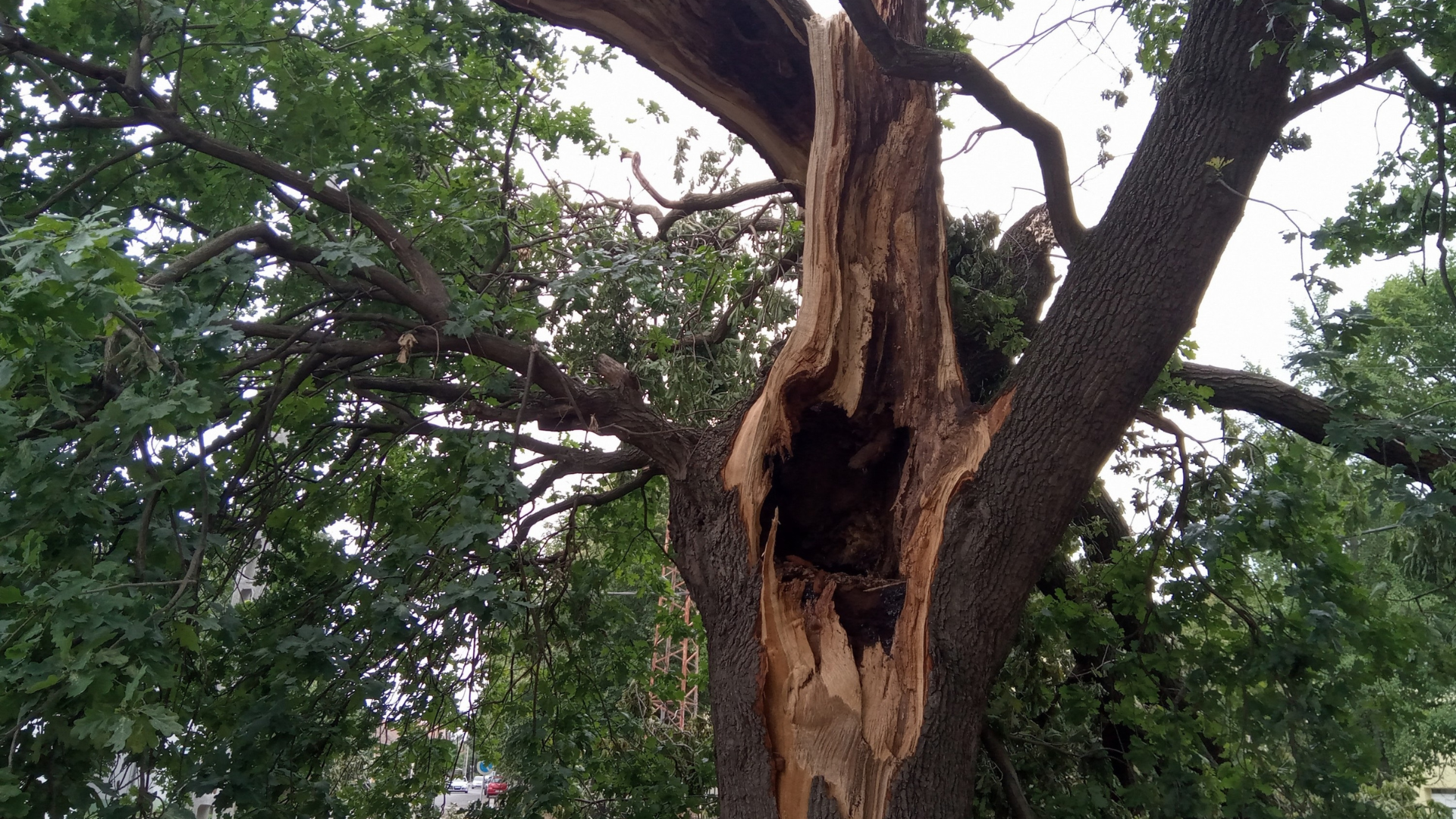
As decay progresses, it weakens the structural integrity of the tree. The affected areas may lose strength, even if the outer surface appears intact. This is one of the reasons trees can fail unexpectedly, particularly during stress events such as high winds or heavy snow.
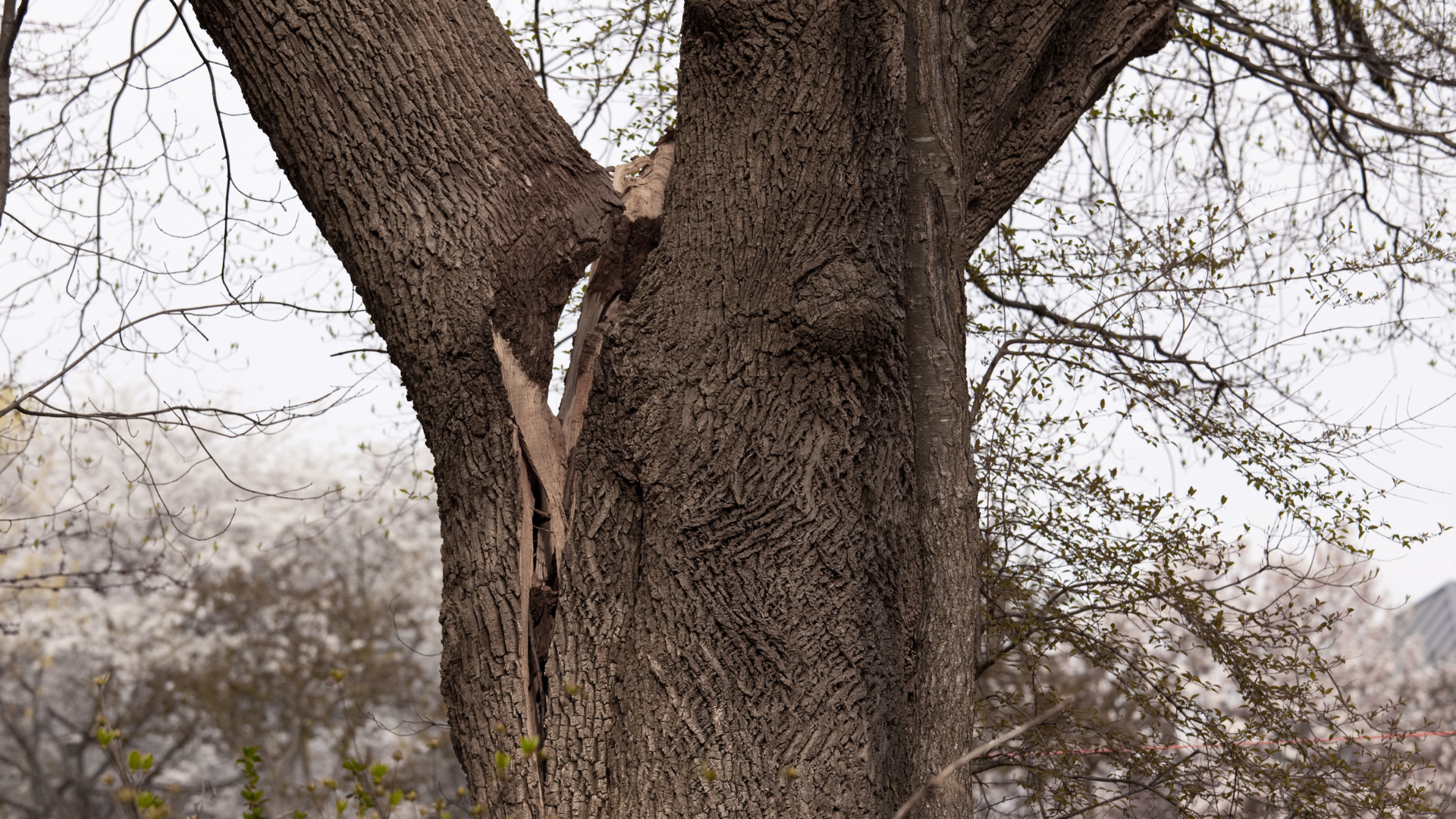
Changes in Structural Strength
Injury does not only affect the damaged area. It can also influence how the tree distributes weight and manages stress throughout its structure. As internal decay develops, the tree may compensate by shifting weight to other areas.
This redistribution can create additional strain on branches or sections that were not previously under significant stress. Over time, these changes can increase the likelihood of failure, especially in mature trees with larger canopies.
Because these adjustments happen gradually, they are often not recognized until a visible issue appears.
The Role of External Appearance
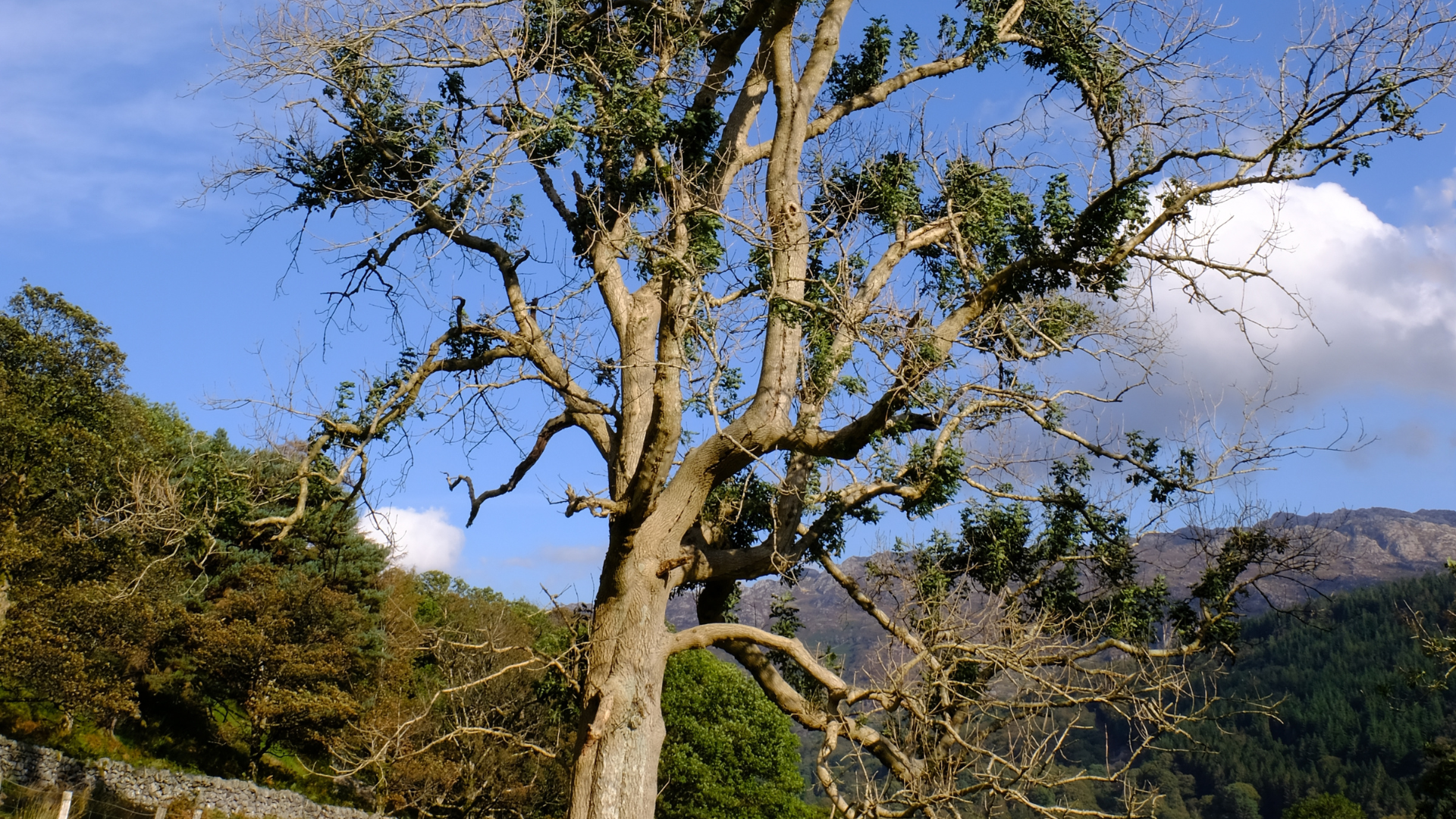
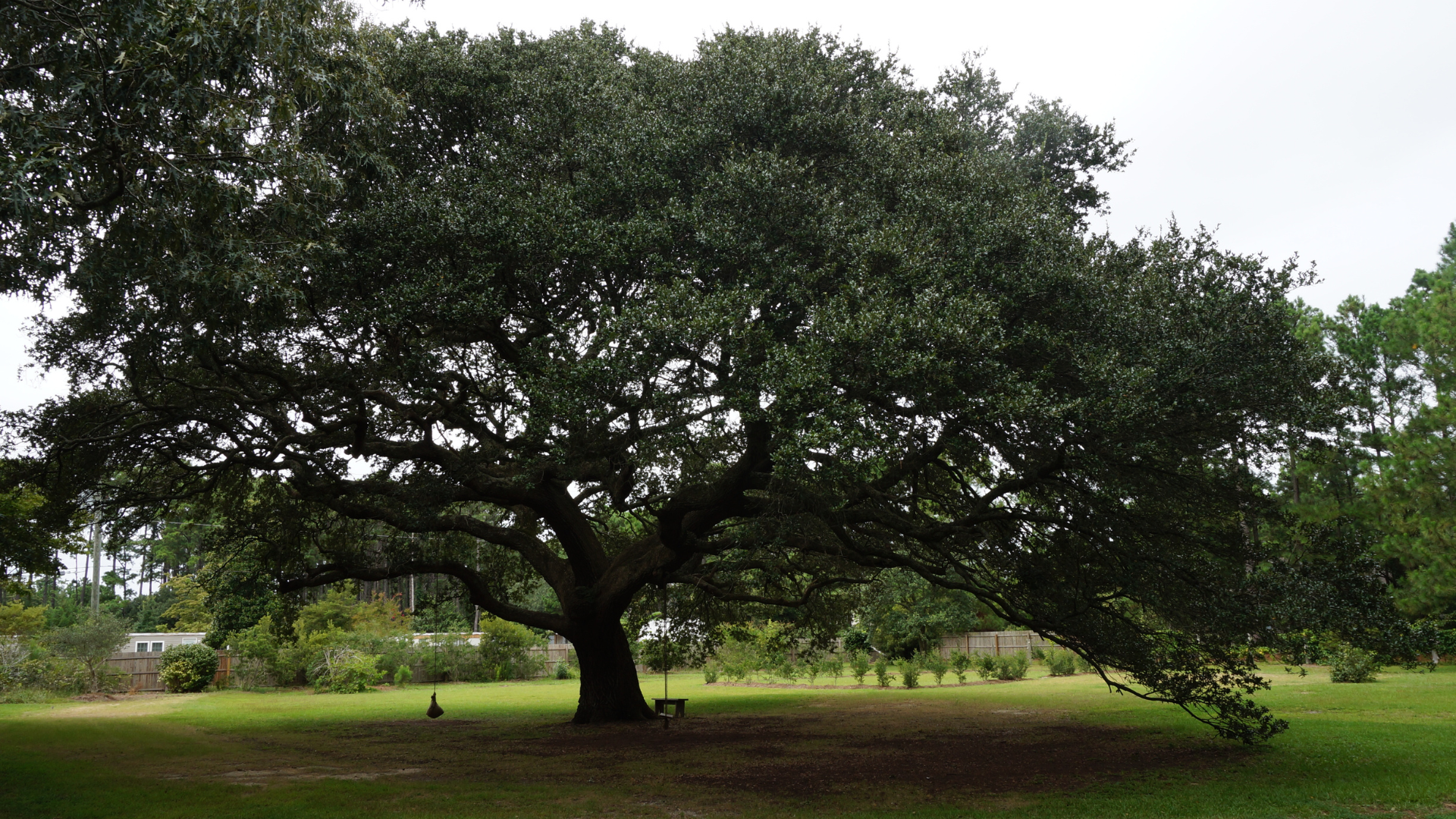
One of the most challenging aspects of tree injury is that the external appearance does not always reflect internal conditions. A tree may continue to produce leaves and appear healthy while significant changes are occurring beneath the surface.
This can create a false sense of security. Property owners may assume that the tree has recovered, when in reality, internal processes are still affecting its stability.
Recognizing the limitations of visual inspection is an important part of proper tree care.
Long-Term Impact of Injury
The effects of a tree injury can persist for years. Even if the tree remains standing, the internal structure may continue to change over time. Decay can expand, structural strength can decrease, and the tree’s ability to withstand environmental stress may be reduced.
In some cases, these changes lead to gradual decline. In others, they result in sudden failure when the tree is no longer able to support itself.
Understanding this timeline helps explain why early evaluation and ongoing monitoring are important.
A More Informed Approach to Tree Care
Tree injuries are not always immediately apparent, but their effects can be significant. By understanding how trees respond internally, it becomes possible to take a more proactive approach to care.
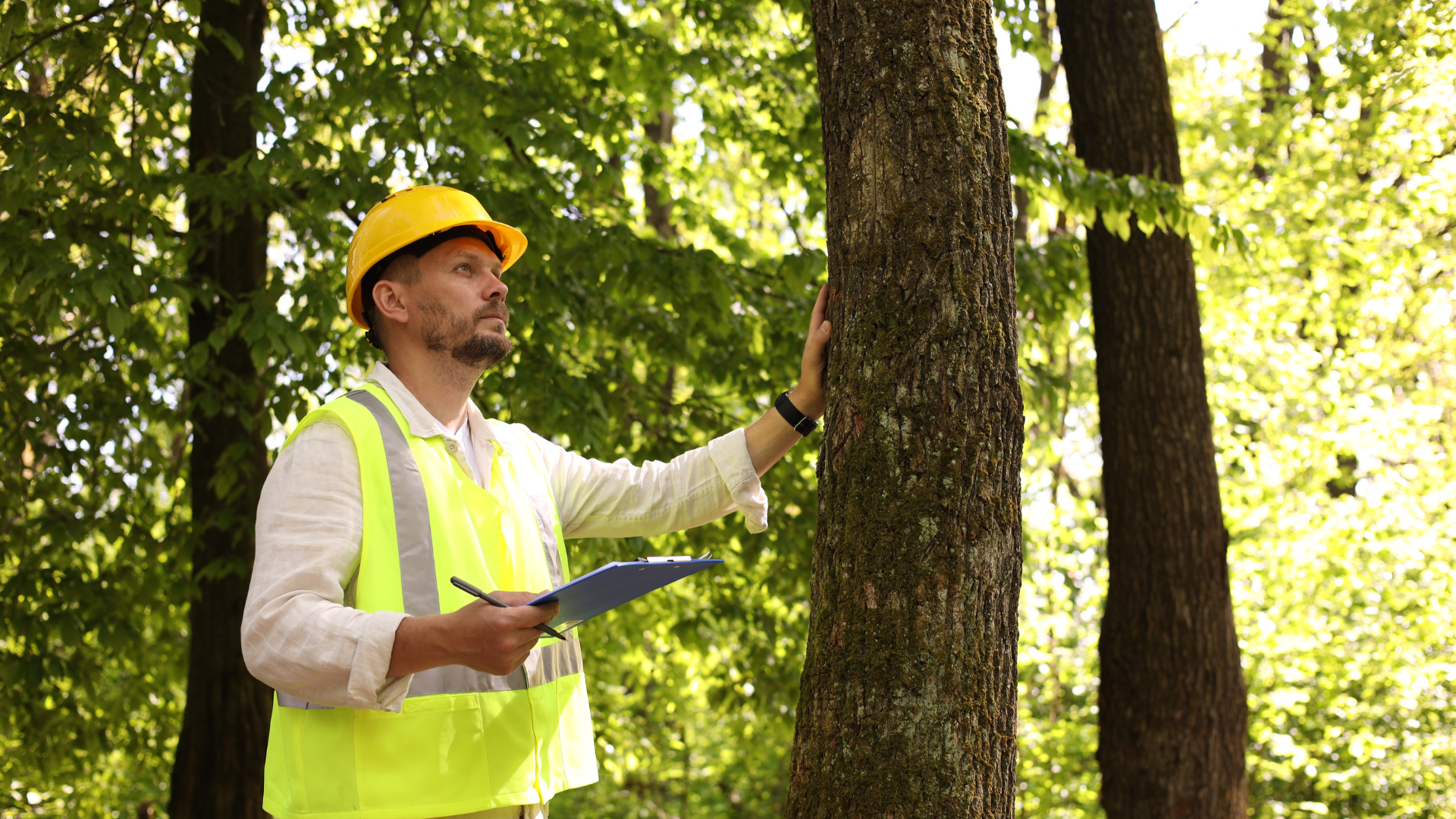
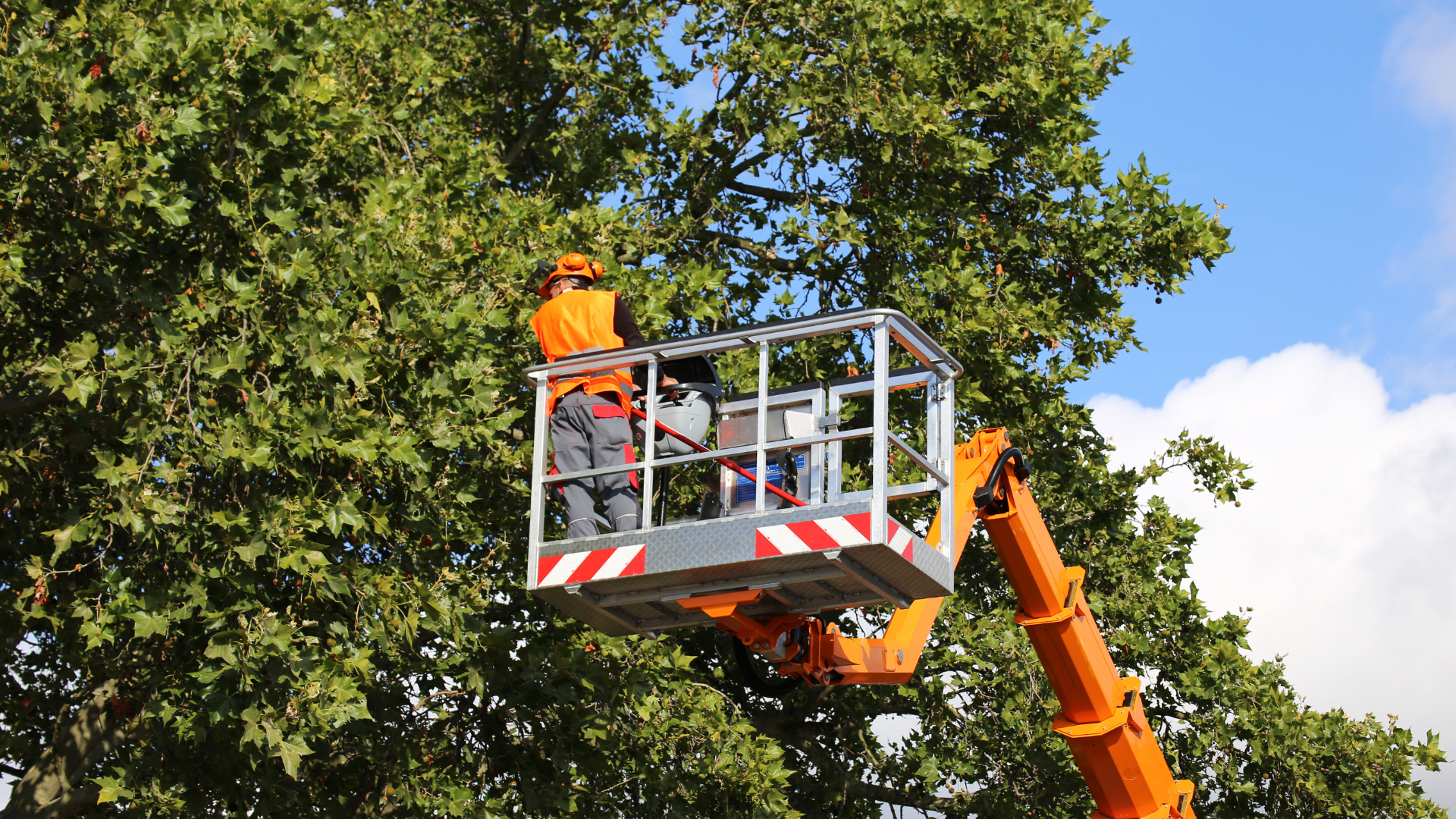
Midwest Tree Surgeons provides professional assessments that go beyond surface-level observations. By identifying internal risks and evaluating structural integrity, the team helps property owners make informed decisions about maintenance and safety.
If a tree on your property has been damaged or you are unsure of its condition, contact Midwest Tree Surgeons to schedule an evaluation and ensure that hidden issues are addressed before they become larger concerns.