Why Tree Removal Is Sometimes the Safest Option
Trees add beauty, shade, and value to a property, but there are situations where keeping a tree is no longer the safest or most practical choice. Many homeowners prefer to preserve trees whenever possible, and in many cases, proper care and maintenance can extend a tree’s lifespan. However, when a tree becomes structurally compromised, diseased, or poses a risk to people and property, removal may be the most responsible decision.
Understanding when tree removal is necessary can help prevent accidents, reduce property damage, and protect the overall health of a landscape.
Structural Instability and Risk of Failure
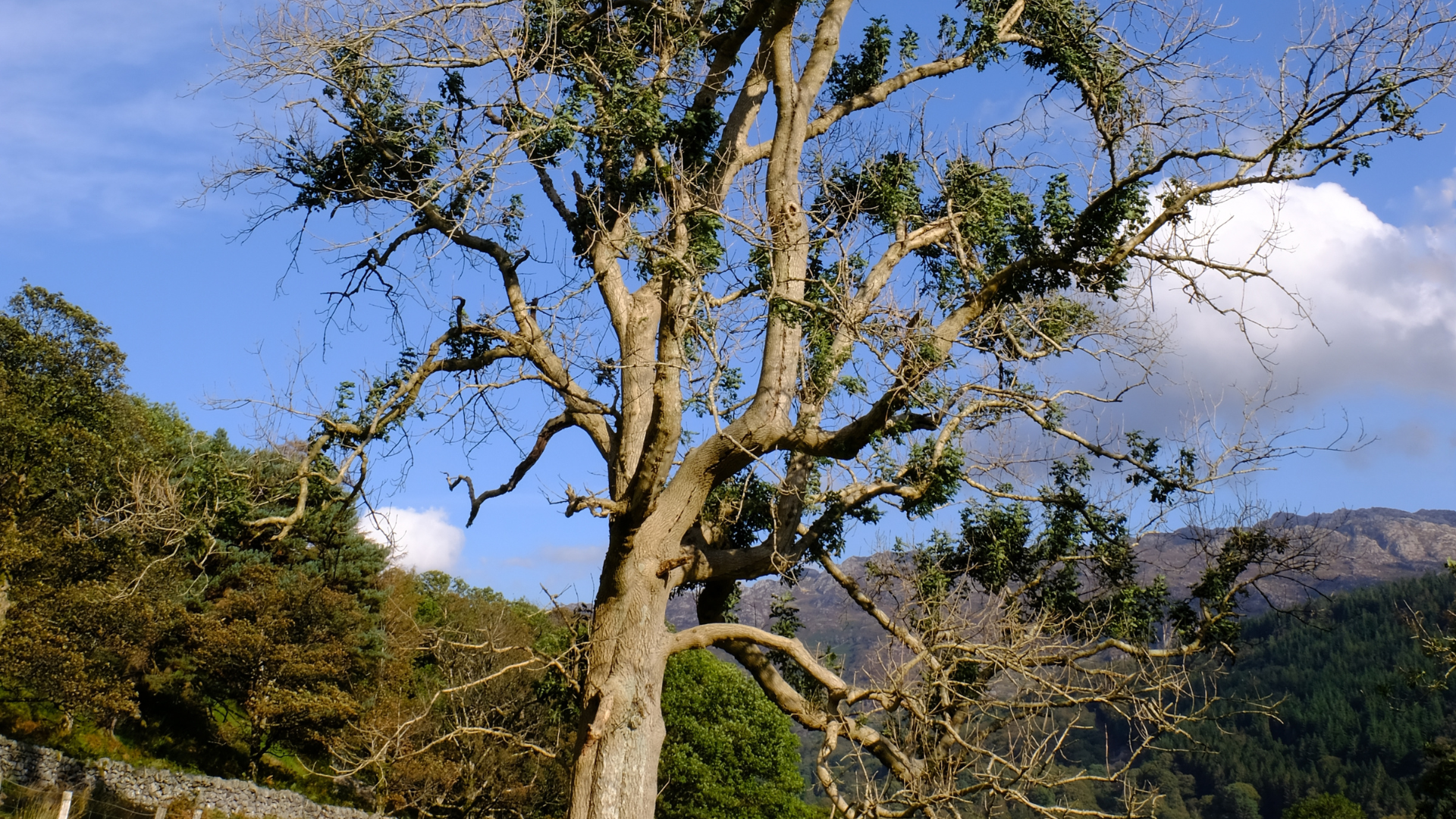
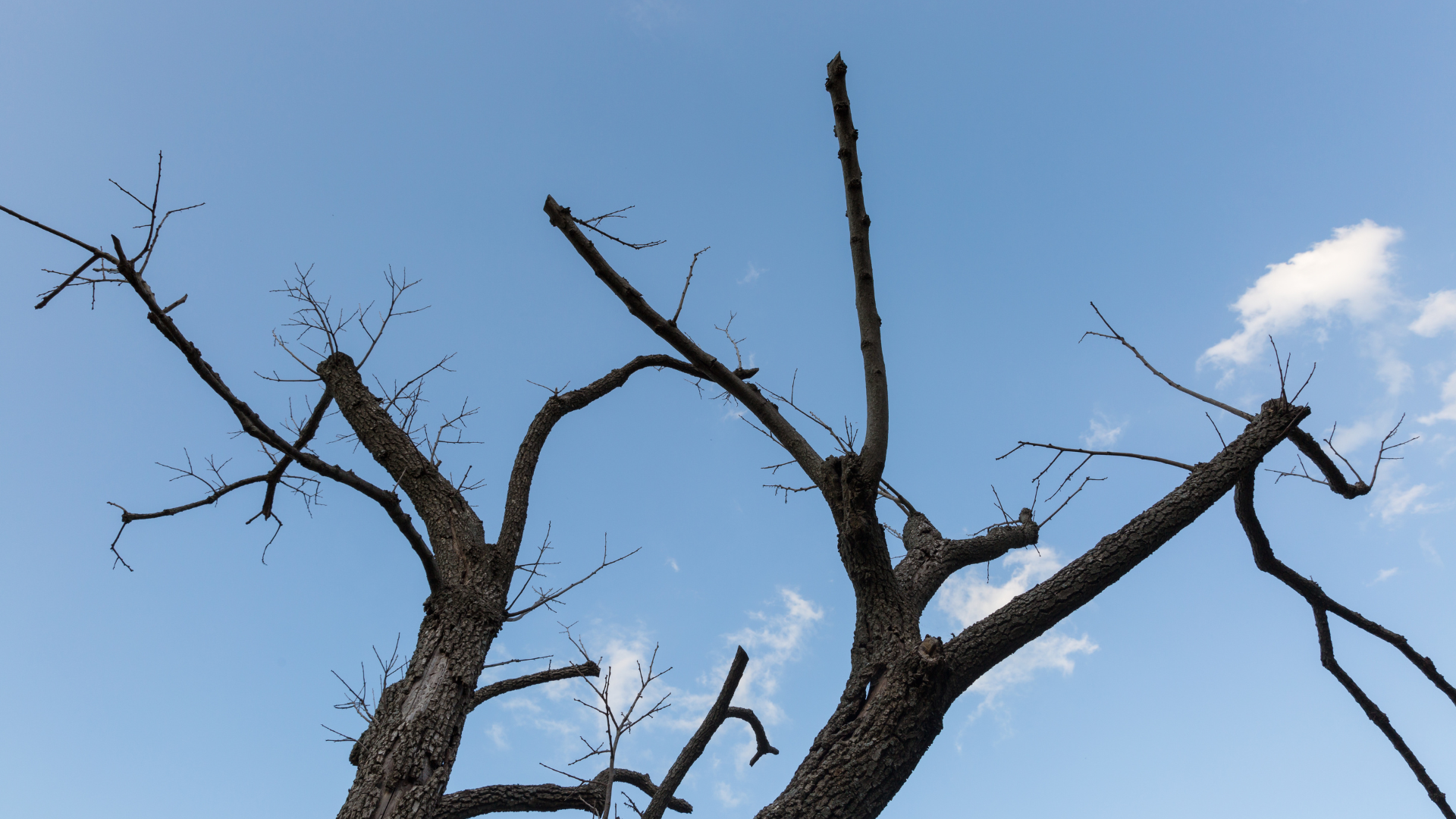
One of the most common reasons for tree removal is structural instability. Trees can develop weaknesses over time due to age, storm damage, or poor growth patterns. Cracks in the trunk, large dead limbs, or multiple trunks growing from a single base can all indicate potential failure points.
These structural issues may not always be obvious from a distance, but they can significantly increase the likelihood of a tree or large branch falling. When a tree is located near a home, driveway, or other high-traffic area, this risk becomes more serious.
Removing a structurally compromised tree helps eliminate the possibility of unexpected
failure, especially during storms or high winds.
Disease and Decay
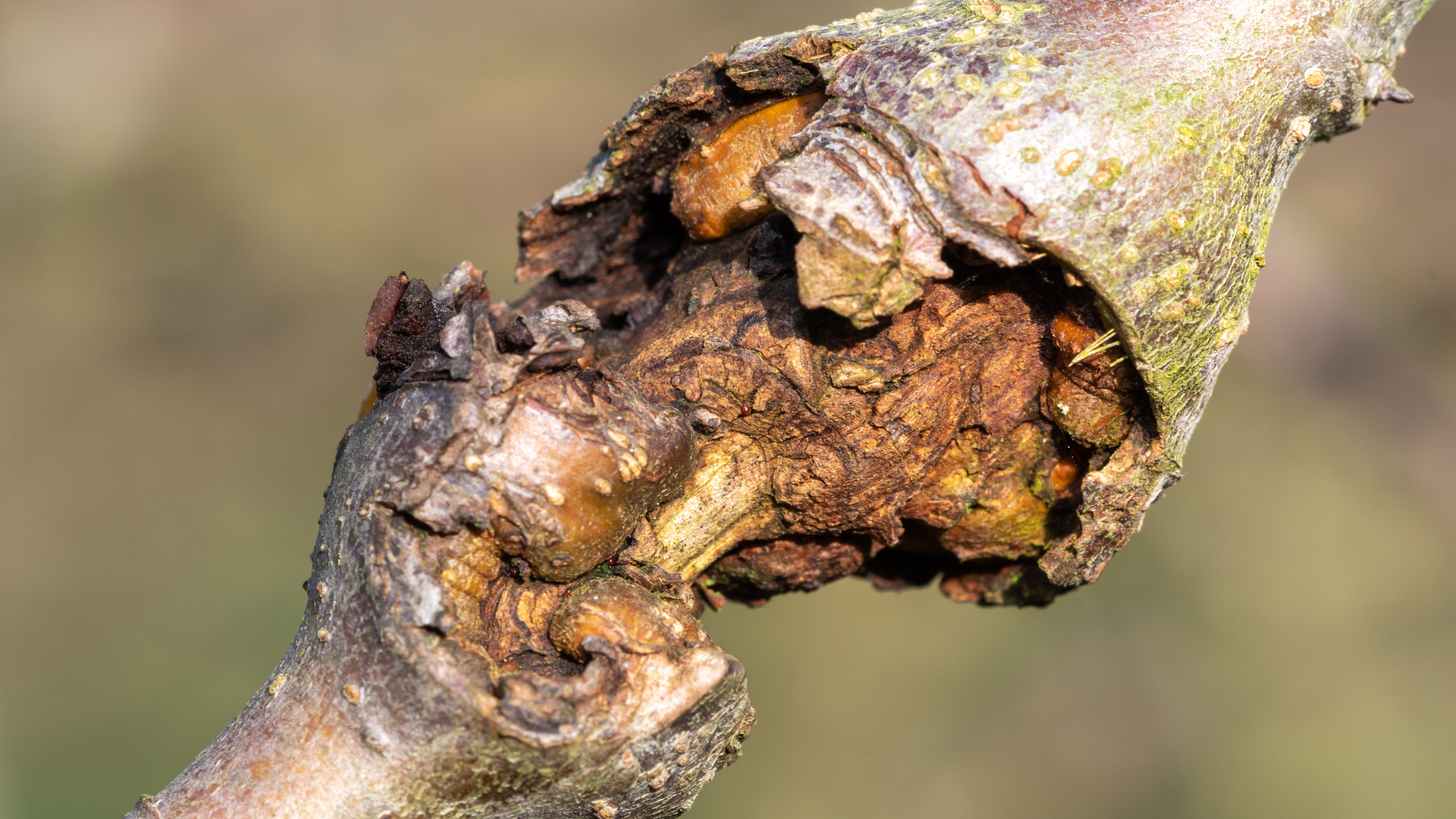
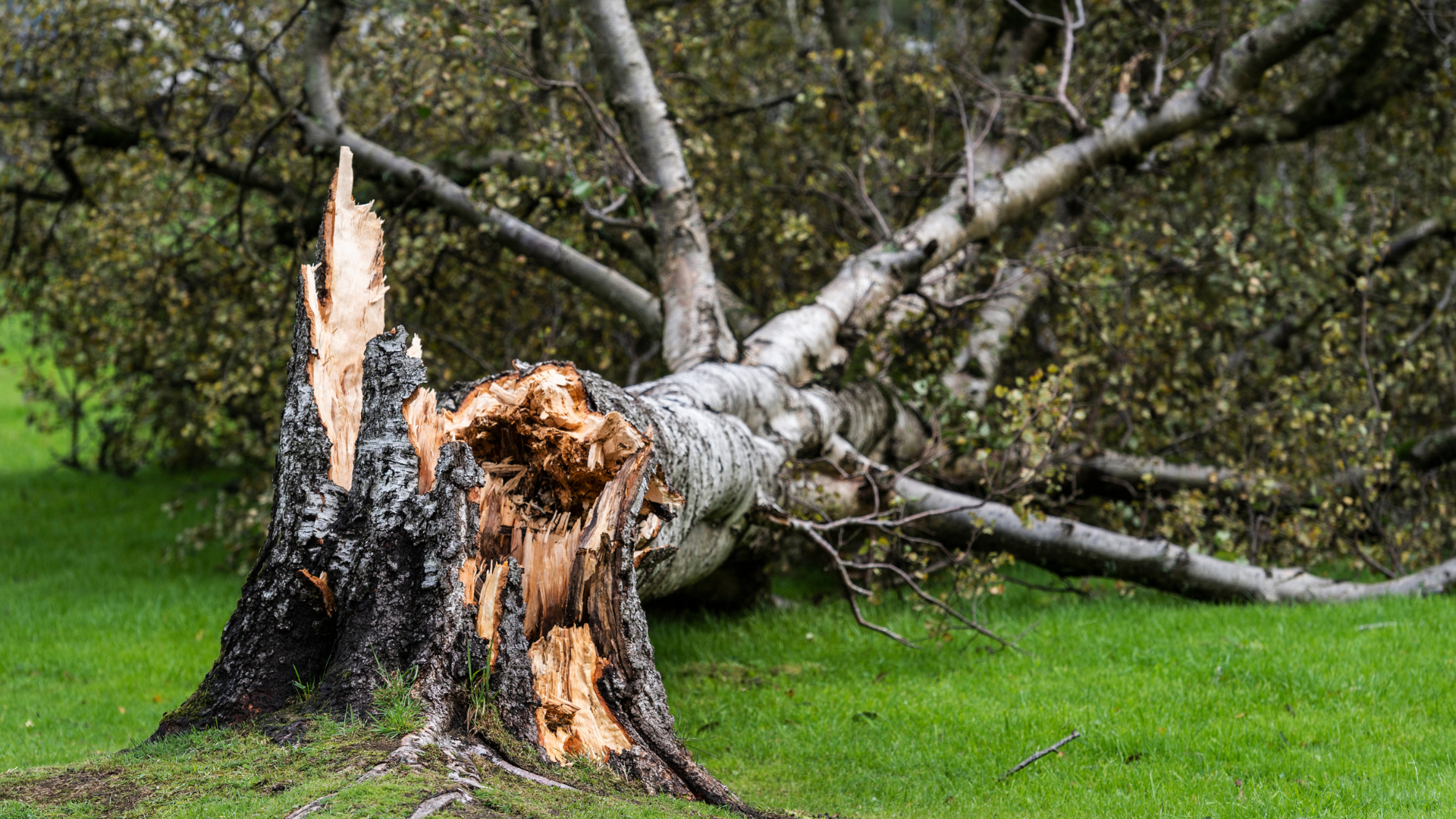
Trees can also be affected by diseases that weaken their internal structure. Fungal infections, rot, and other forms of decay often begin inside the tree and may not be immediately visible from the outside.
As decay progresses, the wood becomes less stable and more prone to breaking. In advanced stages, even a healthy-looking tree may be at risk of collapse.
In some cases, treatment may be possible if the issue is detected early. However, when a tree is severely compromised, removal is often the safest course of action to prevent further risk.
Proximity to Structures
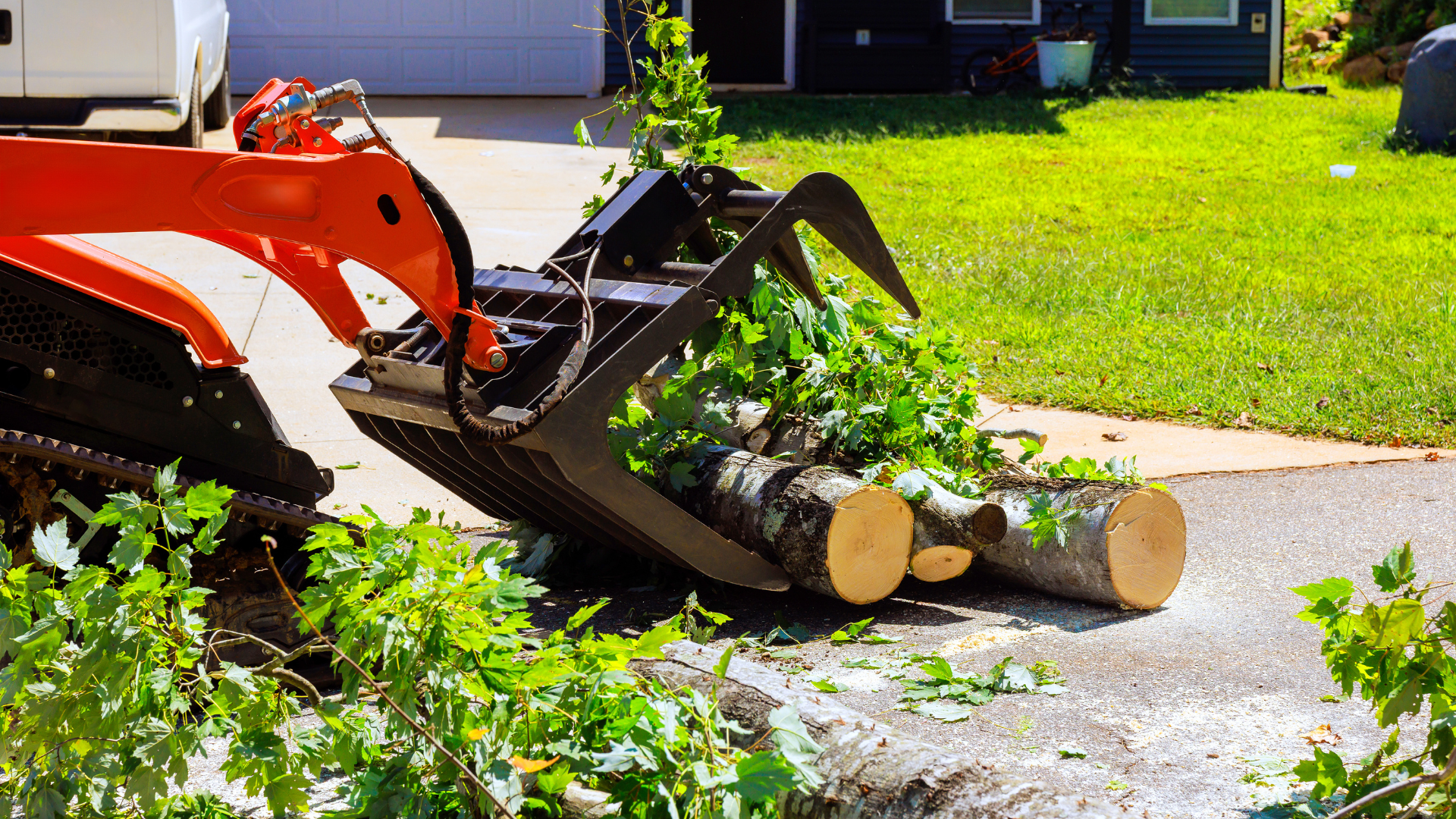
Location is another important factor when evaluating tree safety. Trees that grow too close to homes, garages, or power lines can create hazards over time.
Roots may interfere with foundations, sidewalks, or underground utilities. Branches can extend over roofs, increasing the risk of damage during storms. In some cases, trees may grow into power lines, creating both safety and electrical hazards.
When a tree’s location presents ongoing risks that cannot be managed through pruning or maintenance, removal may be necessary to protect surrounding structures.
Storm Damage and Long-Term Effects
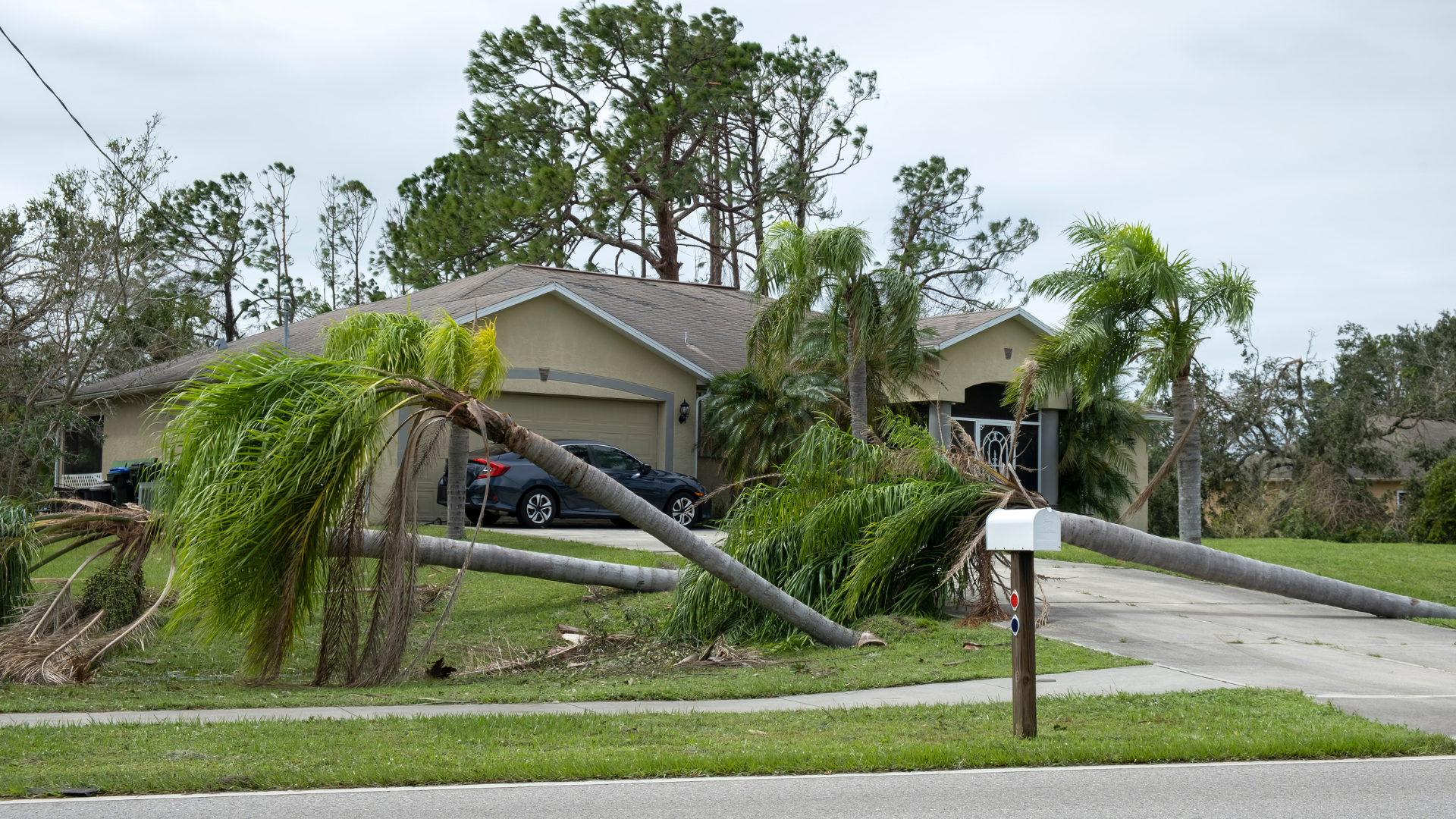
Severe weather can significantly impact tree stability. High winds, heavy rain, and lightning strikes can weaken trees even if they do not fall immediately.
After a storm, a tree may appear intact but still have internal damage or compromised root systems. These hidden issues can increase the risk of future failure.
Professional inspections following major storms can help determine whether a tree can be saved or if removal is the safer option.
Protecting Surrounding Trees and Landscape Health
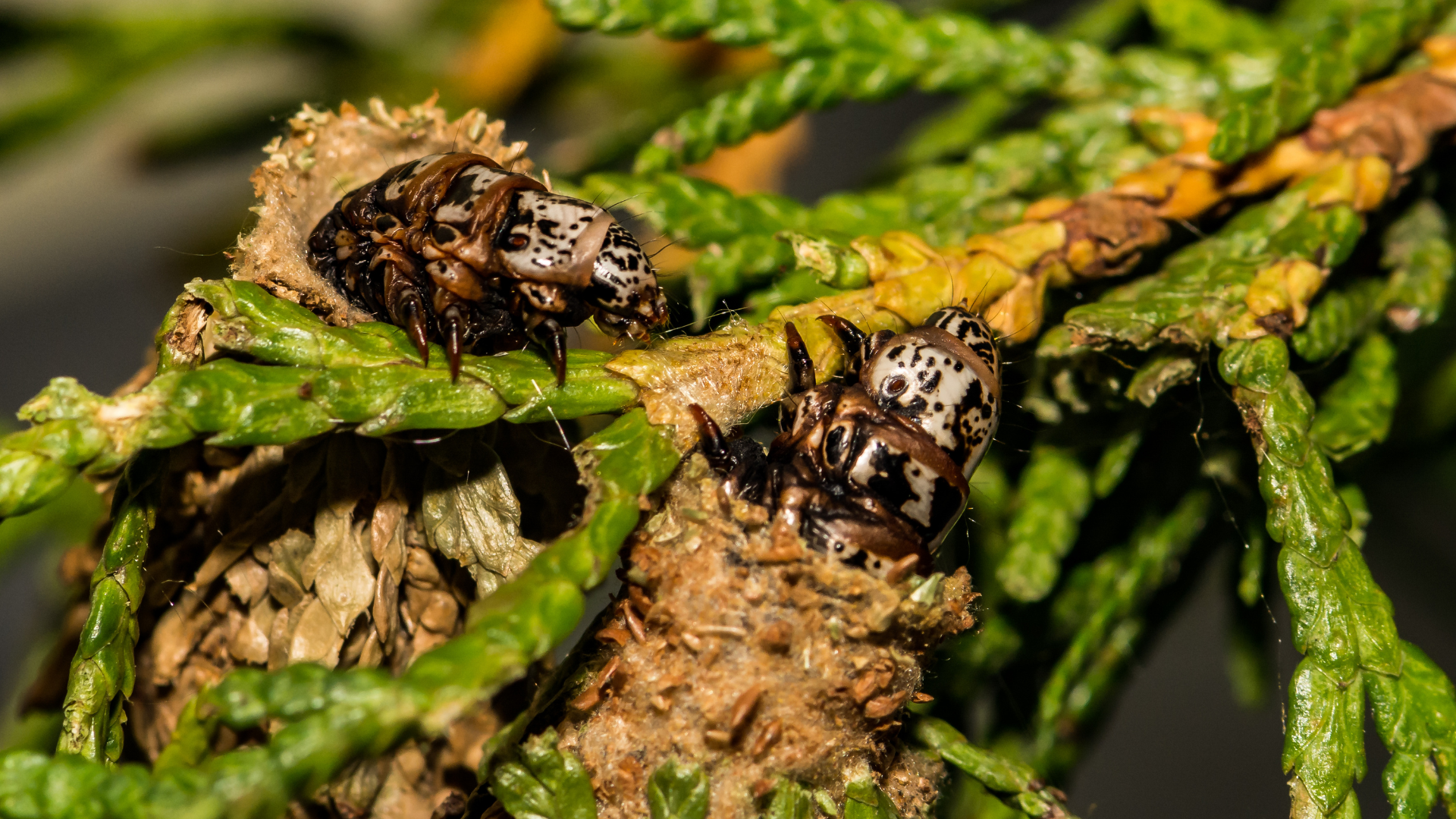
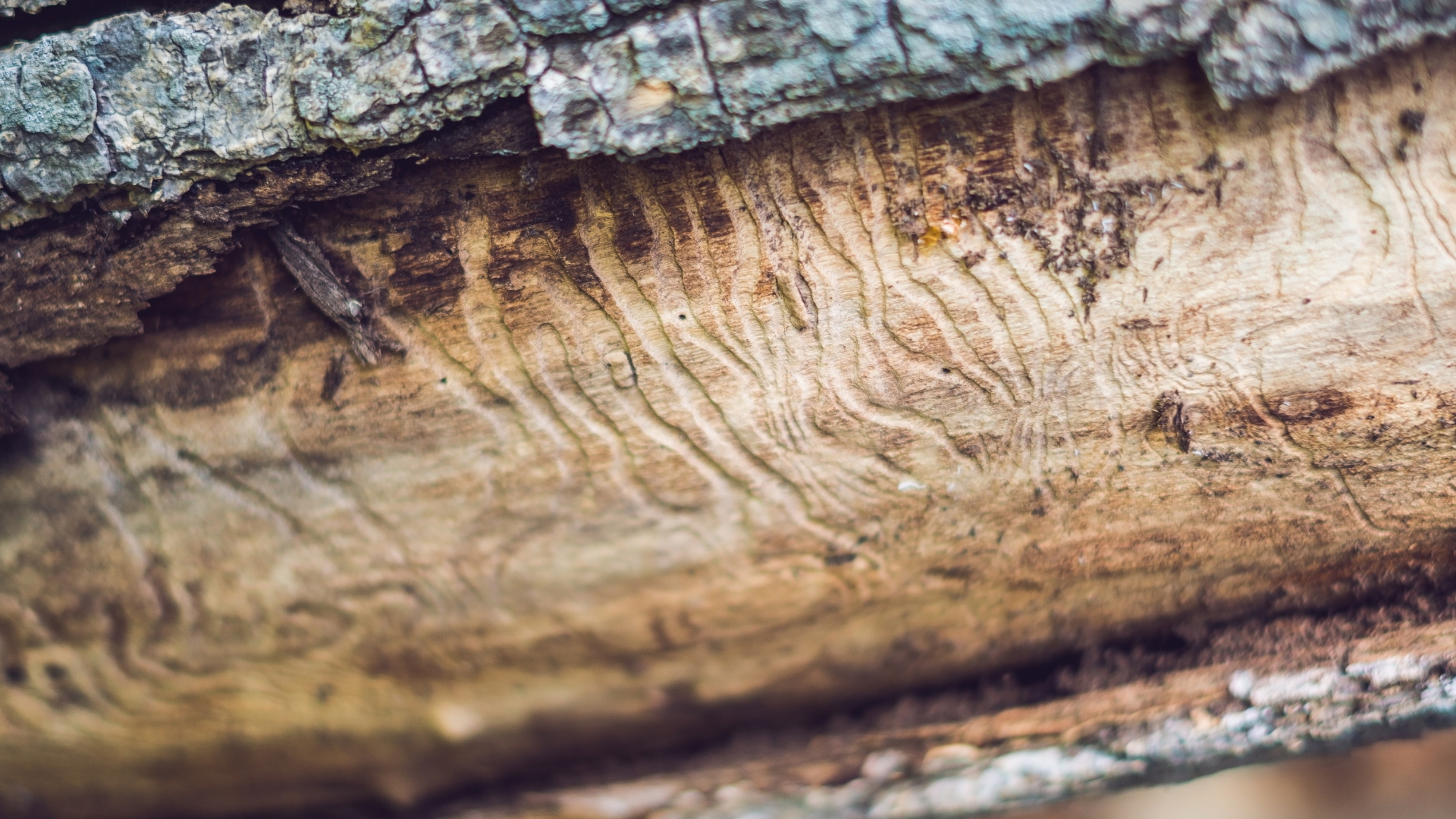
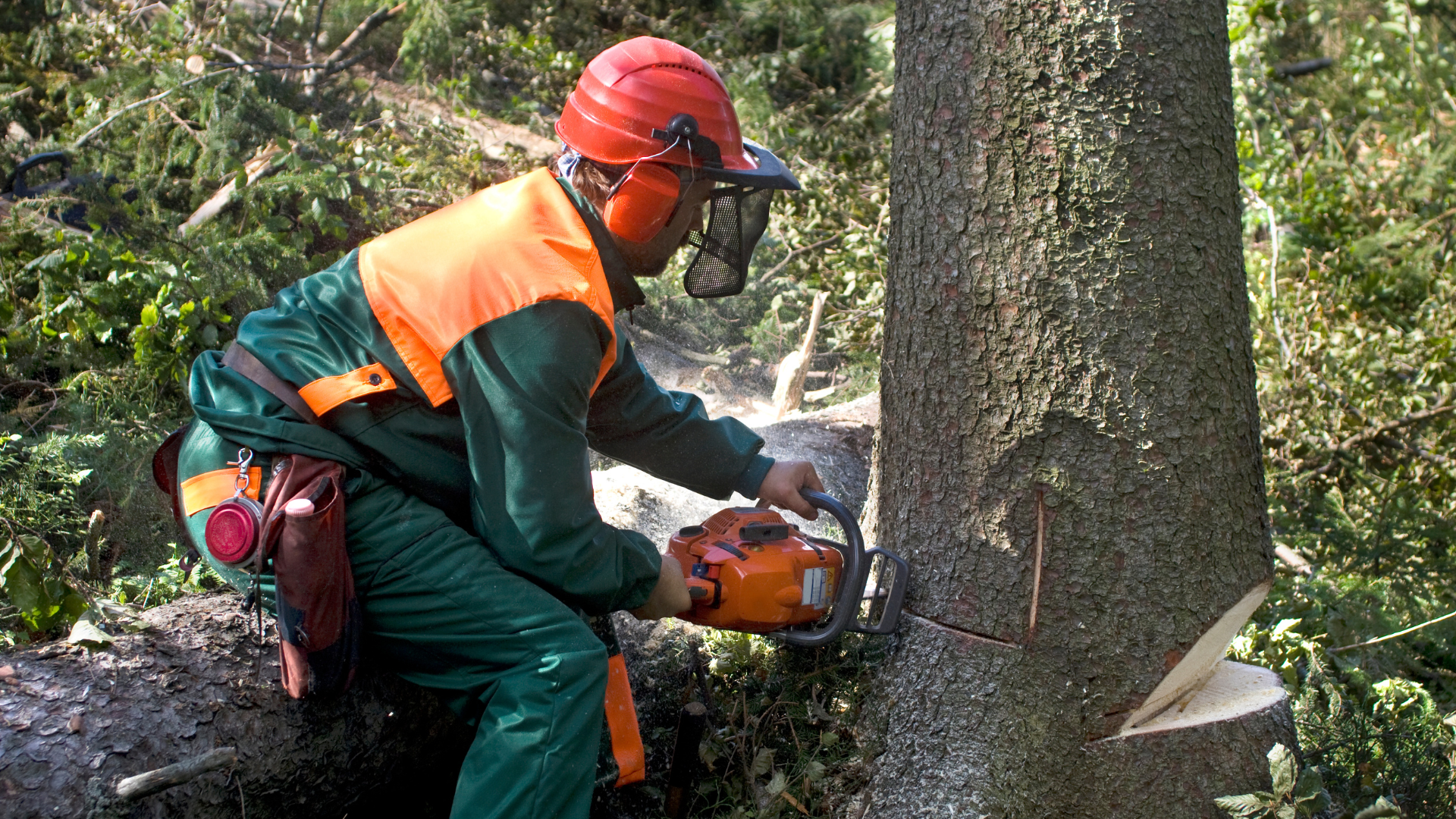
In some situations, removing one tree can benefit the overall health of the landscape. Diseased or dying trees may spread pests or infections to nearby plants. Removing the affected tree can help protect the surrounding vegetation.
Additionally, overcrowded areas may limit access to sunlight, water, and nutrients. Strategic removal can improve growing conditions for healthier trees and plants.
When Maintenance Is No Longer Enough
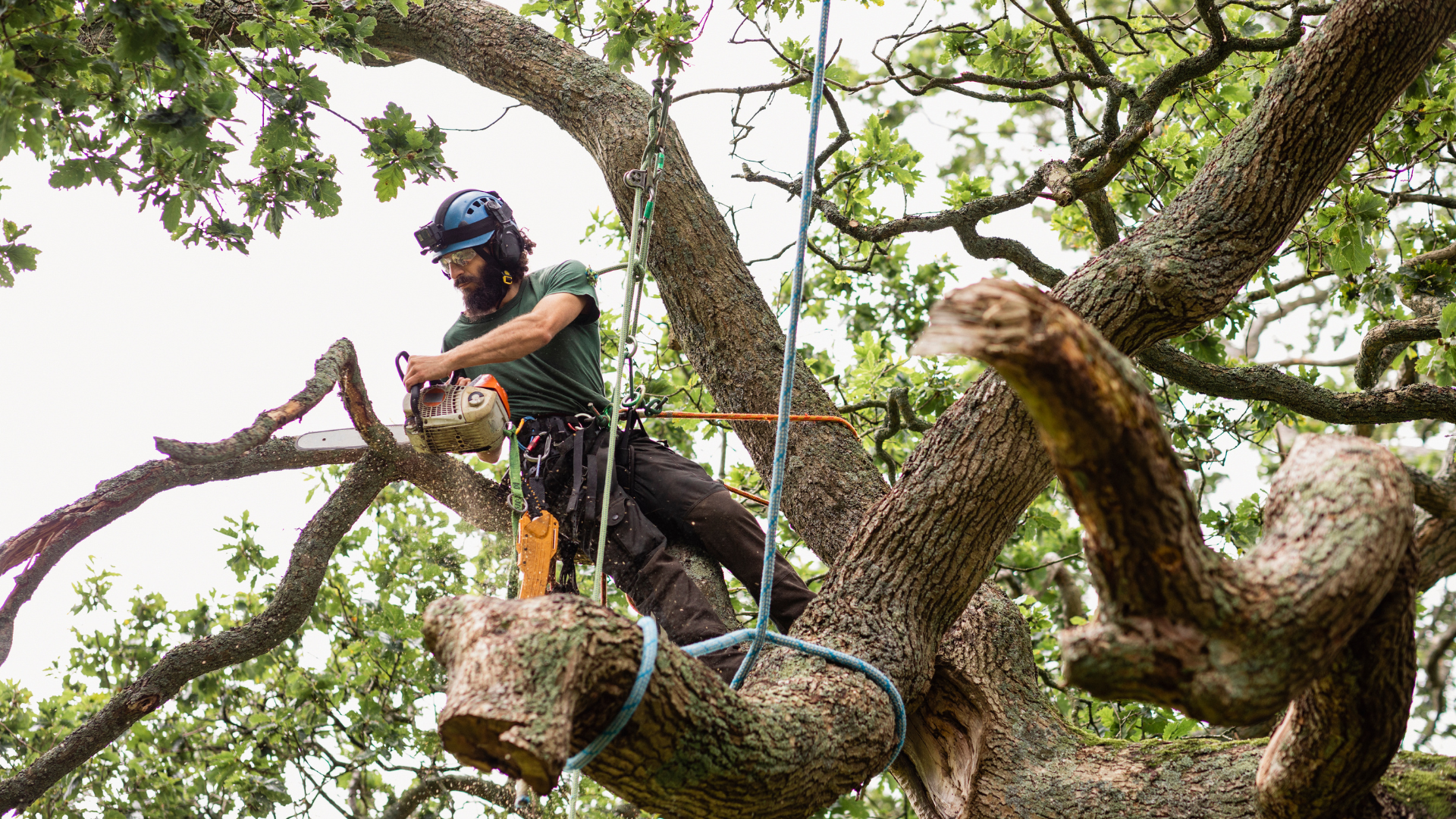
Tree care services such as pruning, trimming, and treatment can often address many issues. However, there comes a point when maintenance is no longer sufficient to ensure safety.
When a tree presents a clear risk due to structural weakness, disease, or location, removal becomes a proactive solution rather than a last resort. Acting early can prevent more serious problems later.
Professional Tree Evaluation
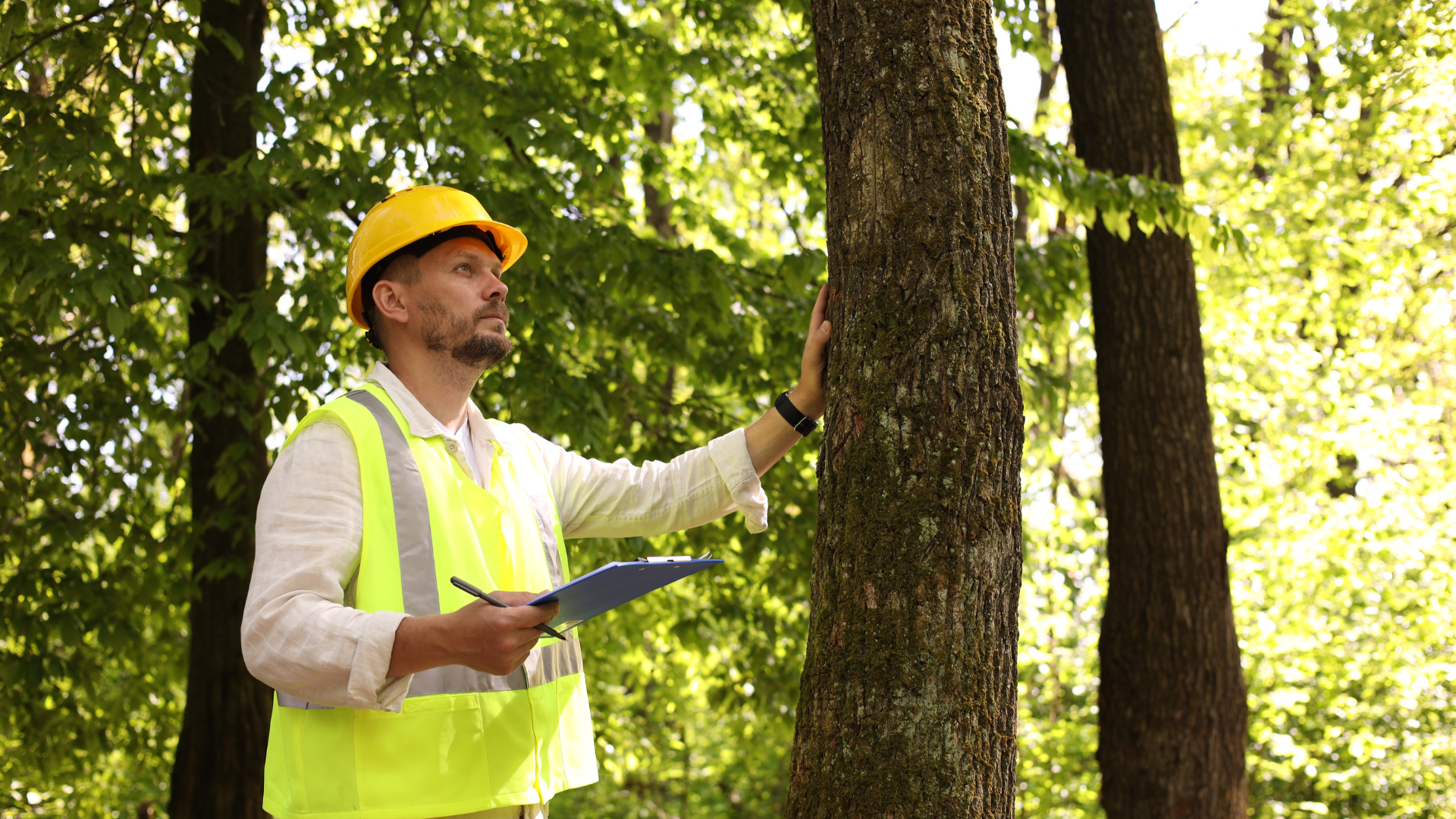
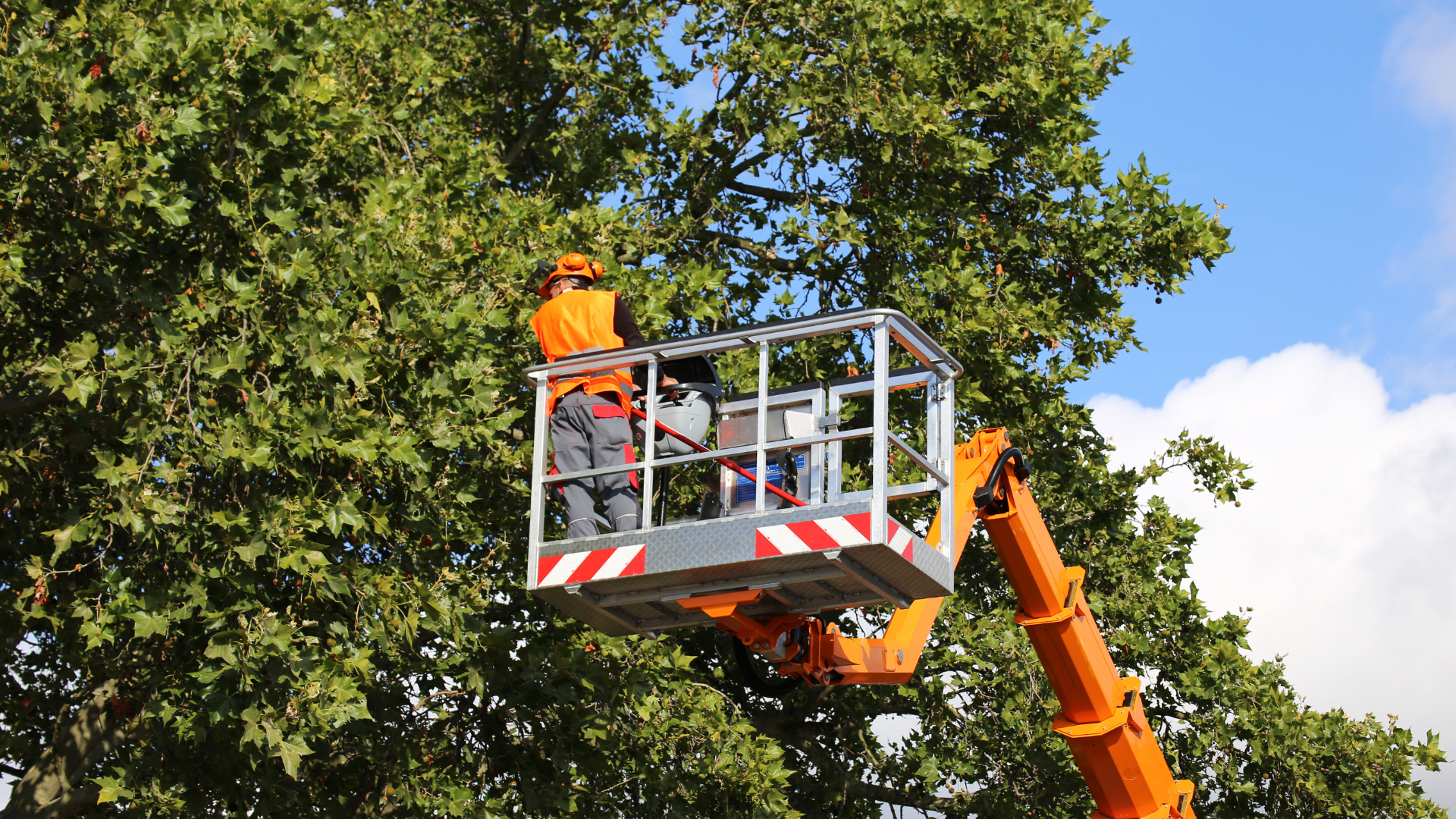
Determining whether a tree should be removed requires careful evaluation. Professional arborists can assess the condition of a tree, identify potential risks, and recommend appropriate action.
At Midwest Tree Surgeons, we help homeowners make informed decisions about tree care and safety. Our team evaluates structural integrity, health conditions, and environmental factors to determine the best course of action for each property.
Making the Right Decision
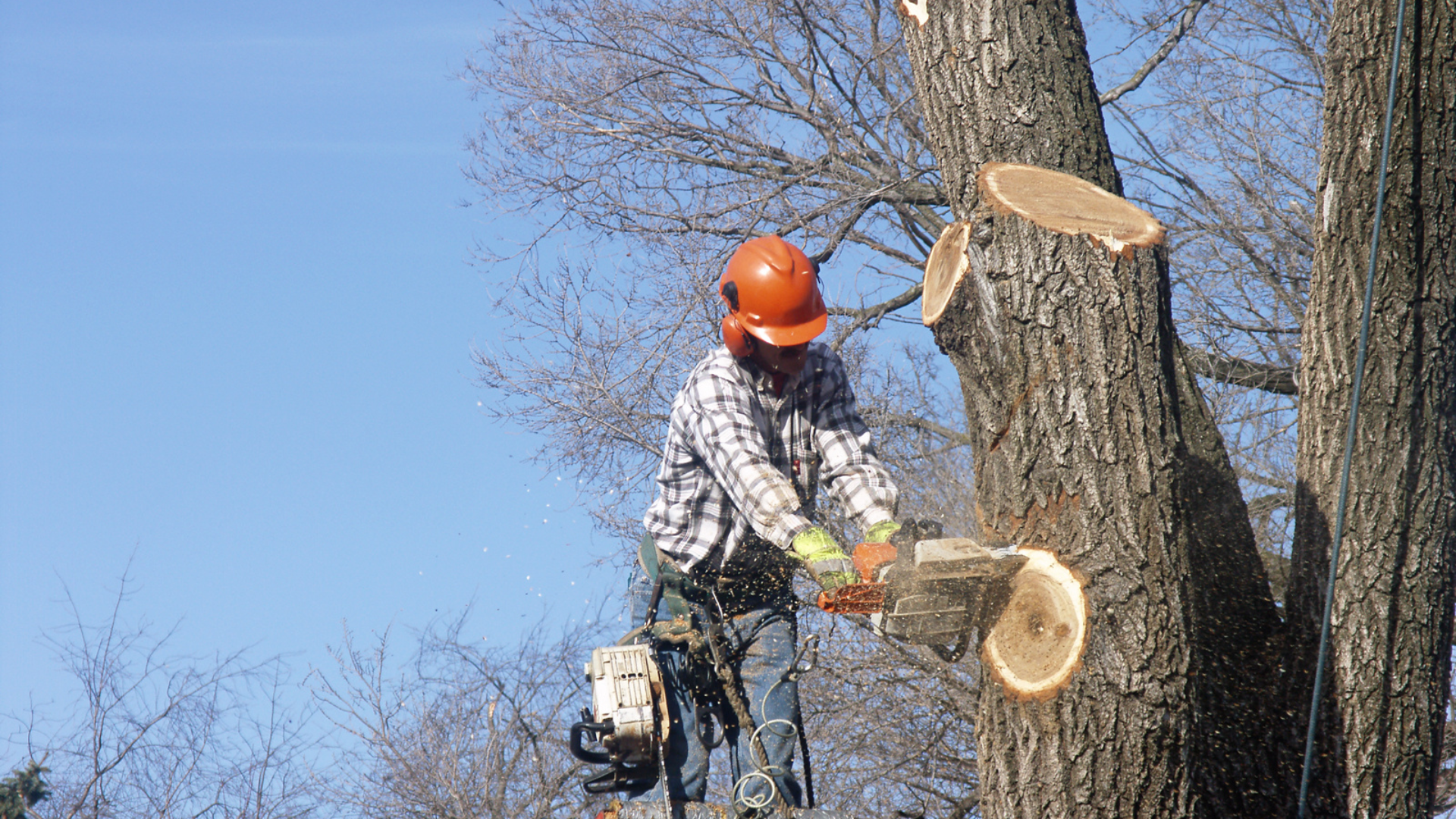
Tree removal is not always the first choice, but in certain situations, it is the safest and most responsible one. Addressing hazardous trees before they fail can protect homes, prevent injuries, and maintain the long-term health of a landscape.
By recognizing warning signs and seeking professional guidance, homeowners can ensure that their property remains both safe and well maintained.