How Trees Compete for Resources in Residential Landscapes
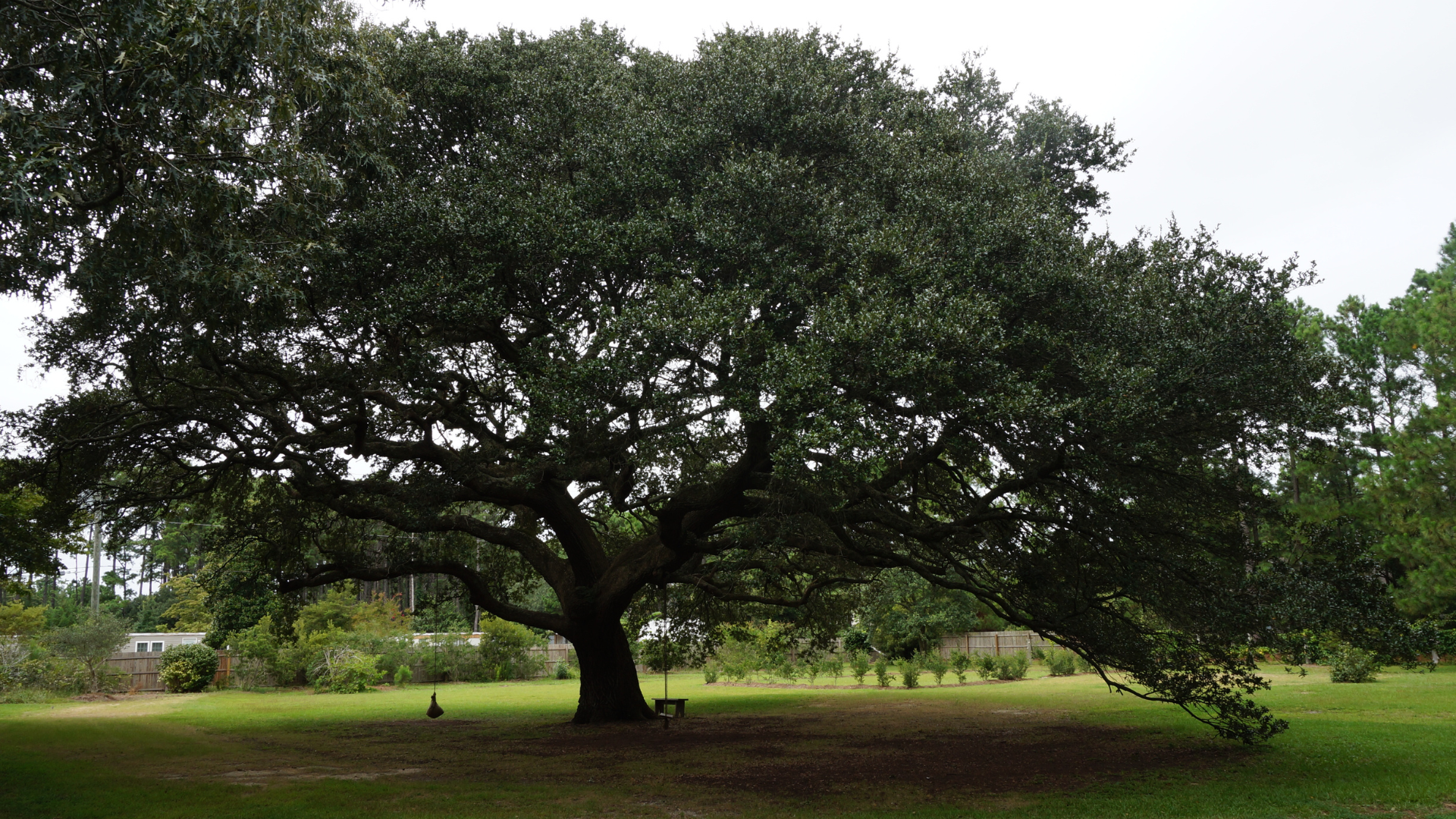
Trees are often one of the most valuable features of a residential property. They provide shade, improve curb appeal, and contribute to the overall health of the environment. However, when multiple trees share the same space, they do not simply coexist without interaction. Trees compete with one another for essential resources such as water, sunlight, and nutrients. Over time, this competition can influence how trees grow, how healthy they remain, and how stable they become.
Understanding how trees compete for resources can help homeowners make better decisions about planting, spacing, and long-term tree care. With proper planning and maintenance, it is possible to create a landscape where trees thrive rather than struggle against one another.
Competition for Sunlight
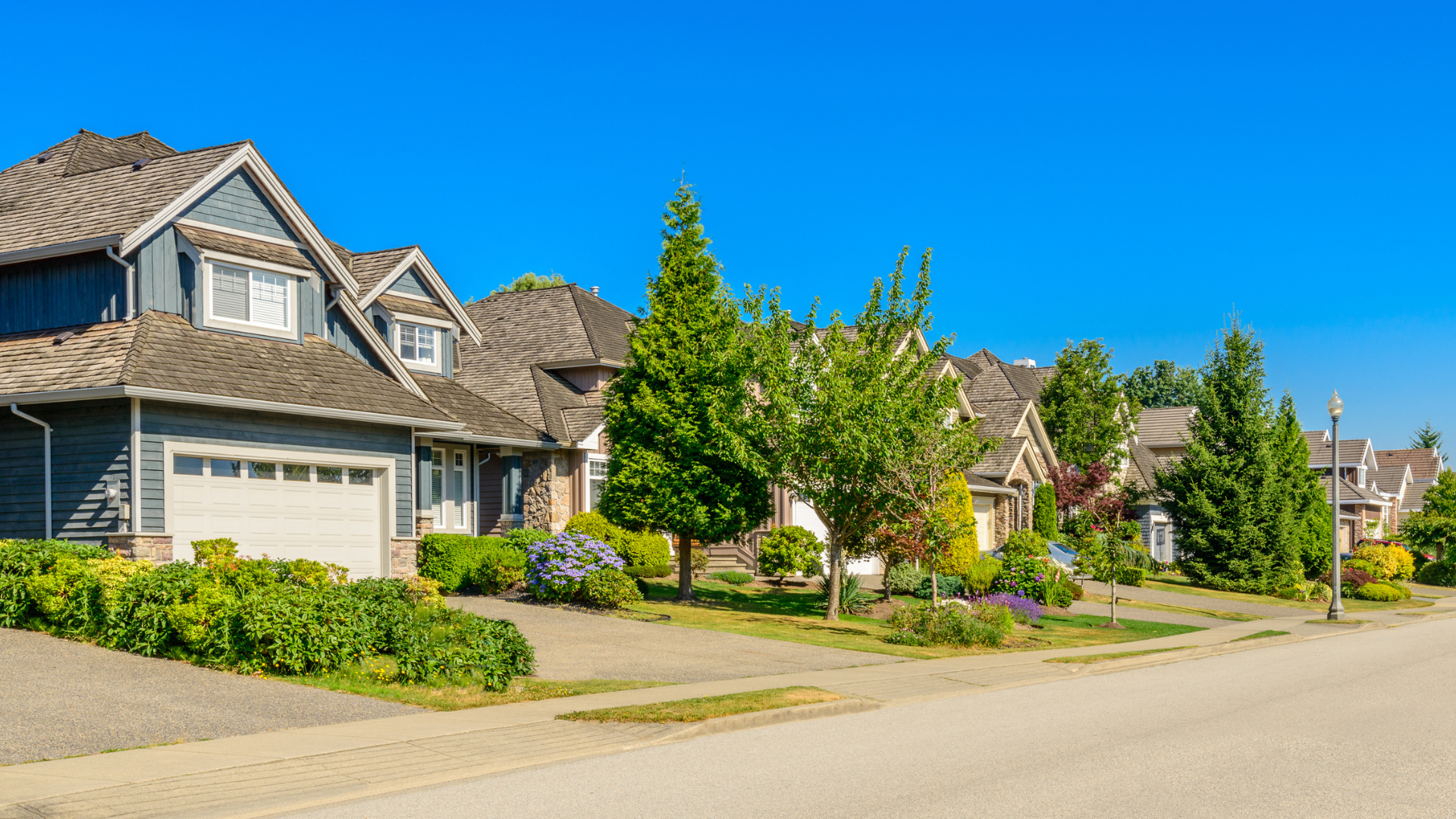
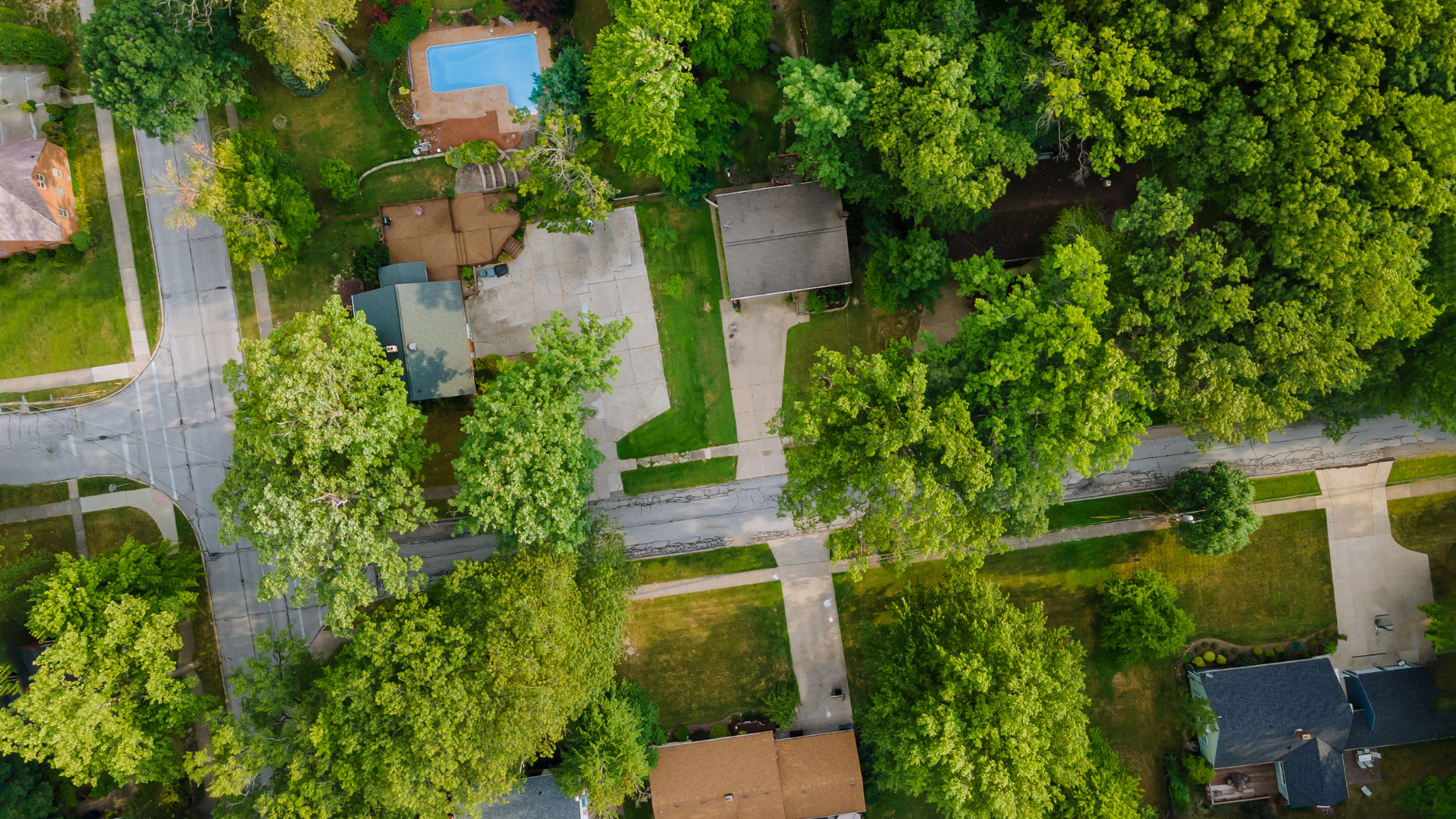
Sunlight is one of the most important resources for any tree. Through photosynthesis, trees convert sunlight into energy that supports growth and overall health. In residential landscapes where trees are planted close together, taller trees often block sunlight from reaching smaller or younger trees.
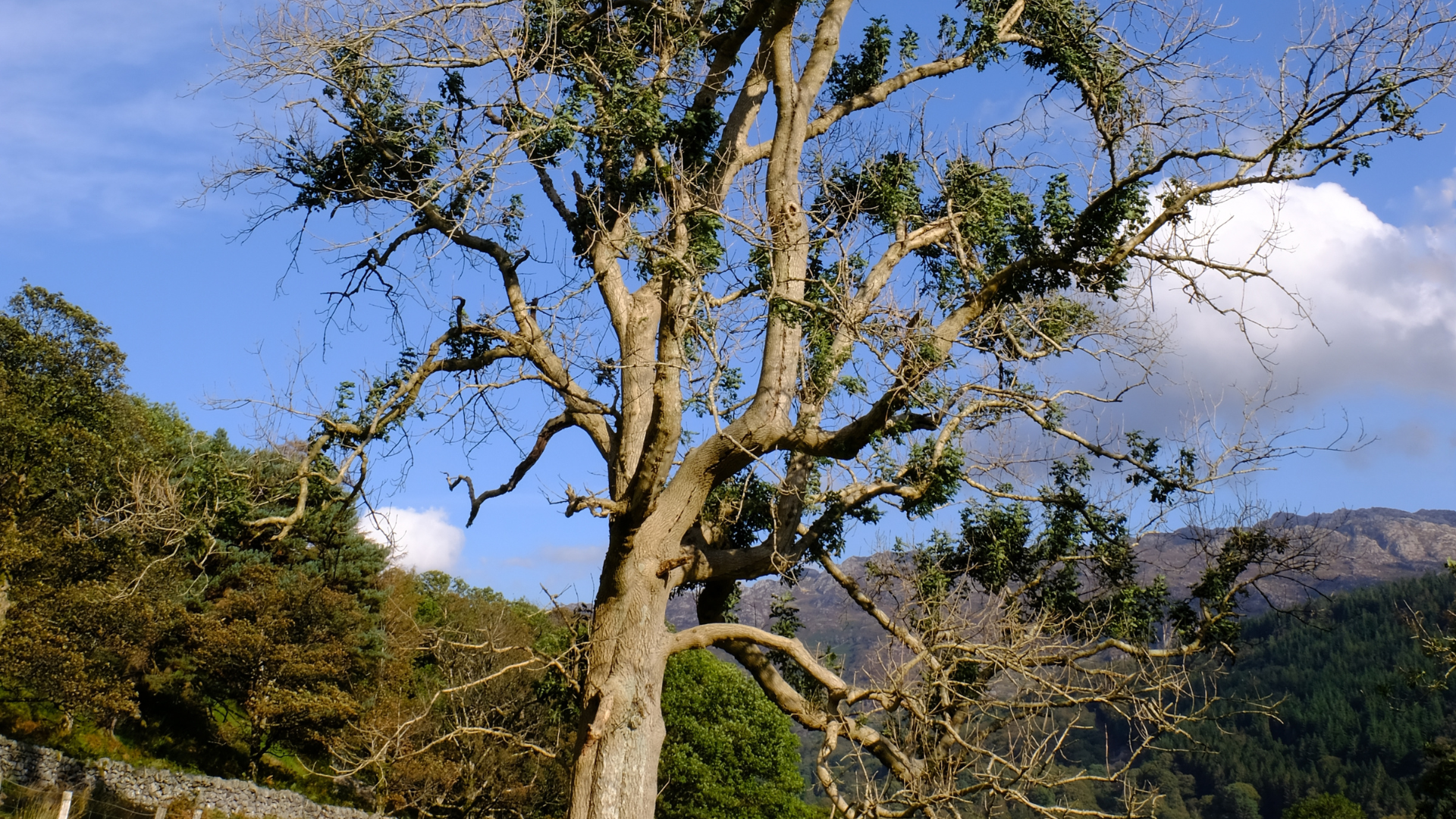
When a tree does not receive enough sunlight, it may develop uneven growth patterns as it stretches toward available light. This can result in weaker branch structures and a less stable canopy. Over time, reduced sunlight exposure can slow growth and increase the tree’s vulnerability to stress and disease.
Proper spacing between trees allows each one to receive adequate sunlight, promoting balanced and healthy growth.
Competition for Water
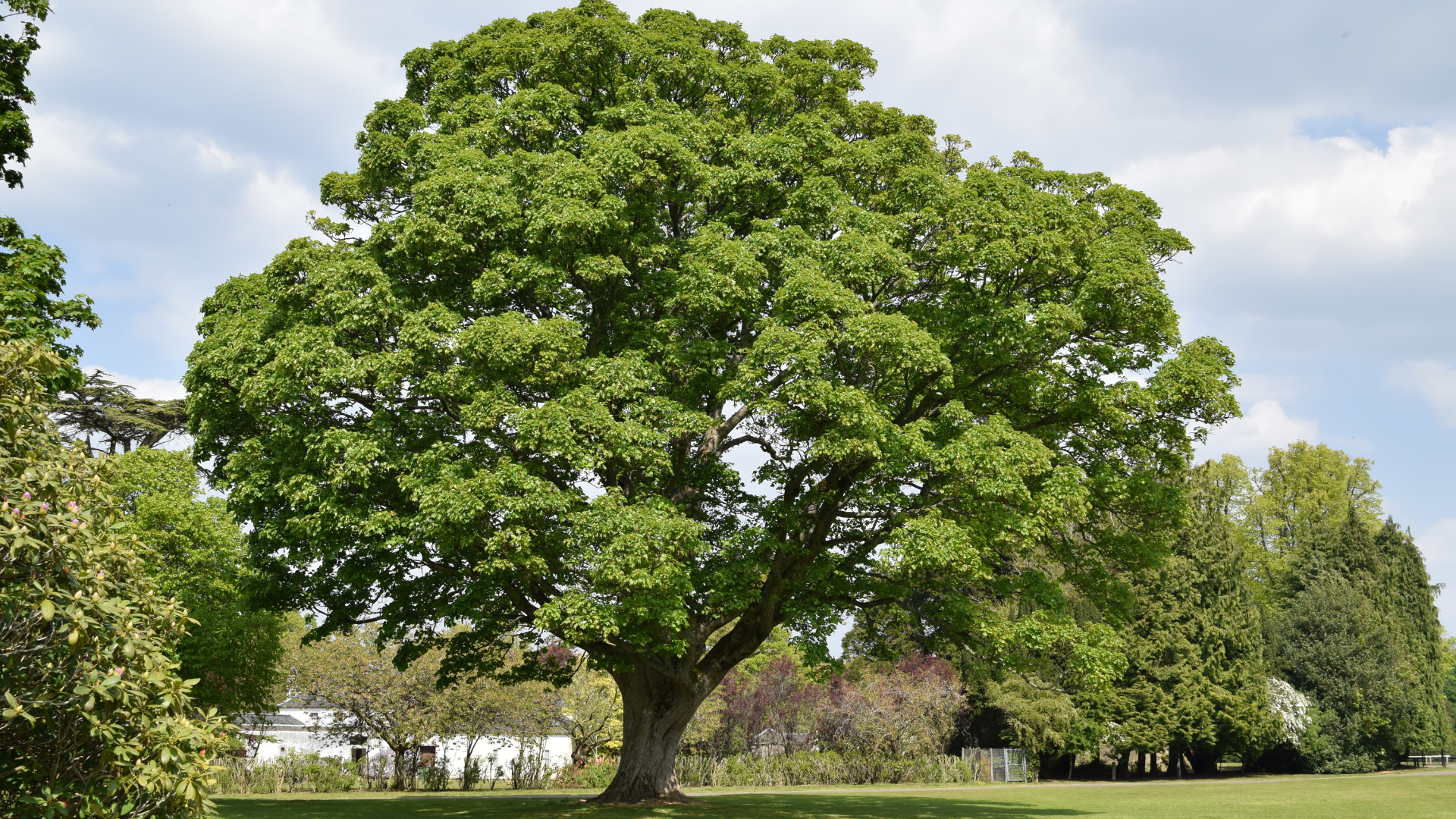
Water is another critical resource that trees must share. Tree roots extend through the soil in search of moisture, and when multiple trees occupy the same area, their root systems often overlap.
During dry periods, this competition becomes more noticeable. Larger or more established trees may absorb a greater share of available water, leaving smaller trees with limited access. As a result, some trees may experience drought stress even when water is present in the soil.
Signs of water competition can include wilting leaves, slowed growth, or early leaf drop. Managing this issue may involve adjusting irrigation practices or evaluating whether certain trees are too closely spaced.
Nutrient Competition in the Soil
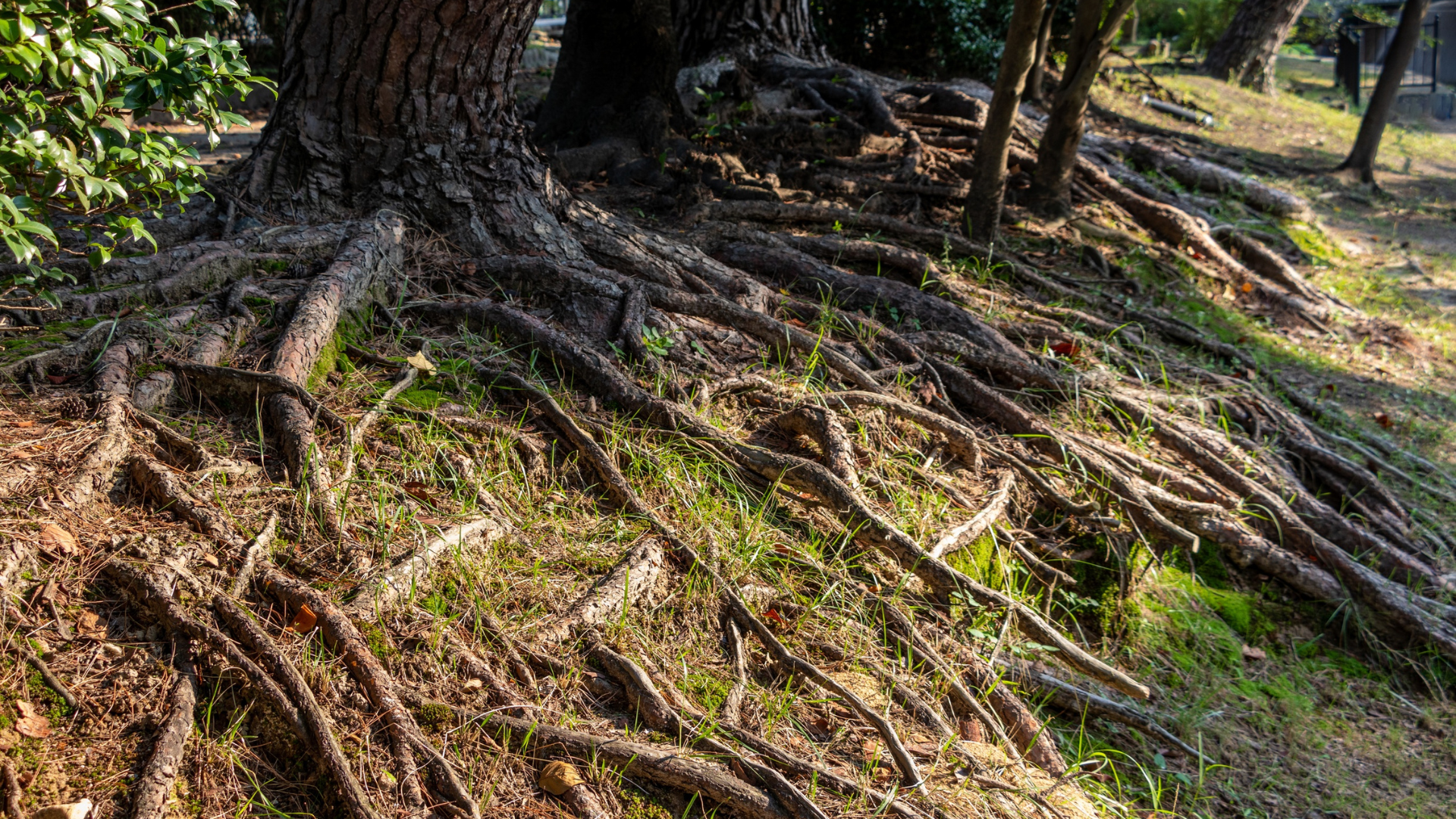
In addition to water, trees rely on nutrients in the soil to support growth. Essential nutrients such as nitrogen, phosphorus, and potassium are absorbed through the root system. When multiple trees compete in the same area, these nutrients can become limited.
Soil that lacks sufficient nutrients may lead to reduced growth, poor leaf development, and increased susceptibility to pests and disease. Over time, nutrient competition can weaken trees and affect their overall appearance.
Soil testing and proper fertilization can help address nutrient deficiencies, but spacing and plant selection also play an important role in preventing excessive competition.
Root System Interactions
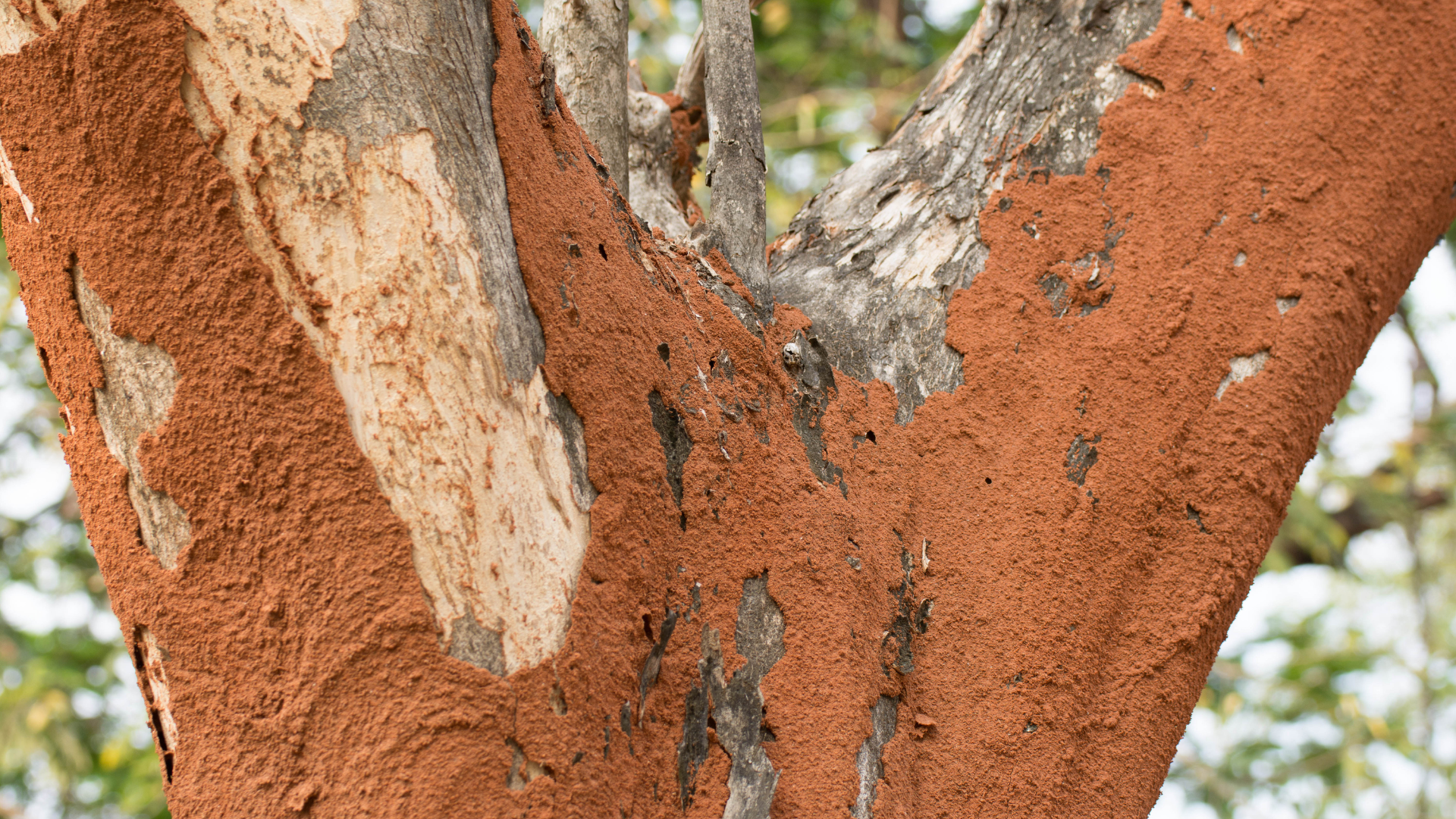
Tree roots are often overlooked because they are hidden beneath the surface. However, they play a major role in how trees compete and interact with one another. Root systems can extend far beyond the visible canopy and may intertwine with those of neighboring trees.
When roots compete for space and resources, it can limit how effectively each tree anchors itself in the ground. This may affect stability, especially during storms or high winds.
In some cases,
aggressive root systemsfrom certain species can dominate an area, making it difficult for other trees or plants to thrive nearby.
Effects on Tree Health and Stability
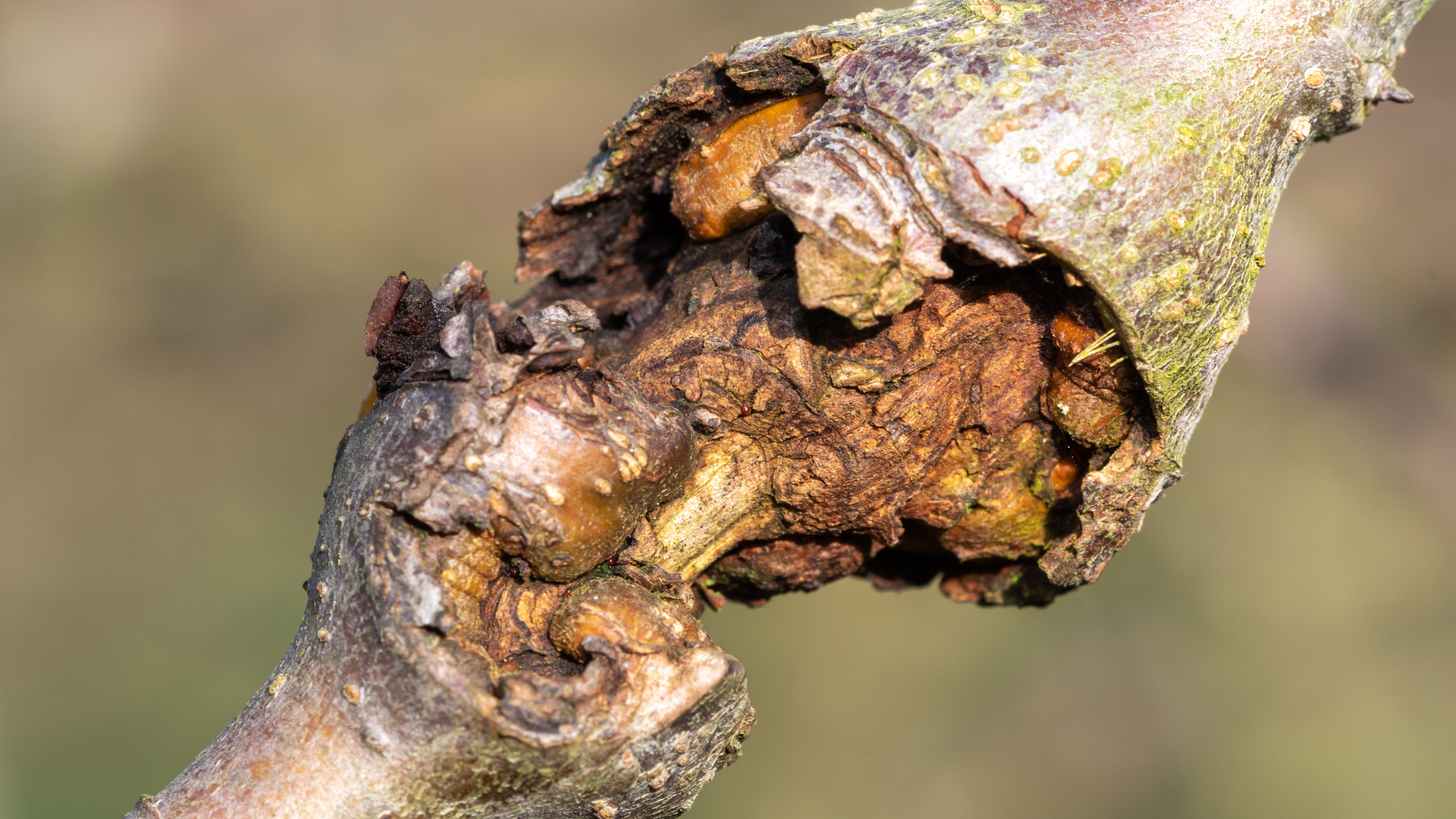
Competition for resources can lead to a variety of long-term issues. Trees that do not receive enough sunlight, water, or nutrients may become stressed. This stress can weaken their natural defenses, making them more vulnerable to pests, disease, and environmental damage.
In addition, uneven growth caused by competition can result in structural imbalances. Trees that grow toward light or struggle to access resources may develop weaker branches or unstable forms.
These conditions increase the likelihood of branch failure or tree decline over time.
Creating a Balanced Landscape
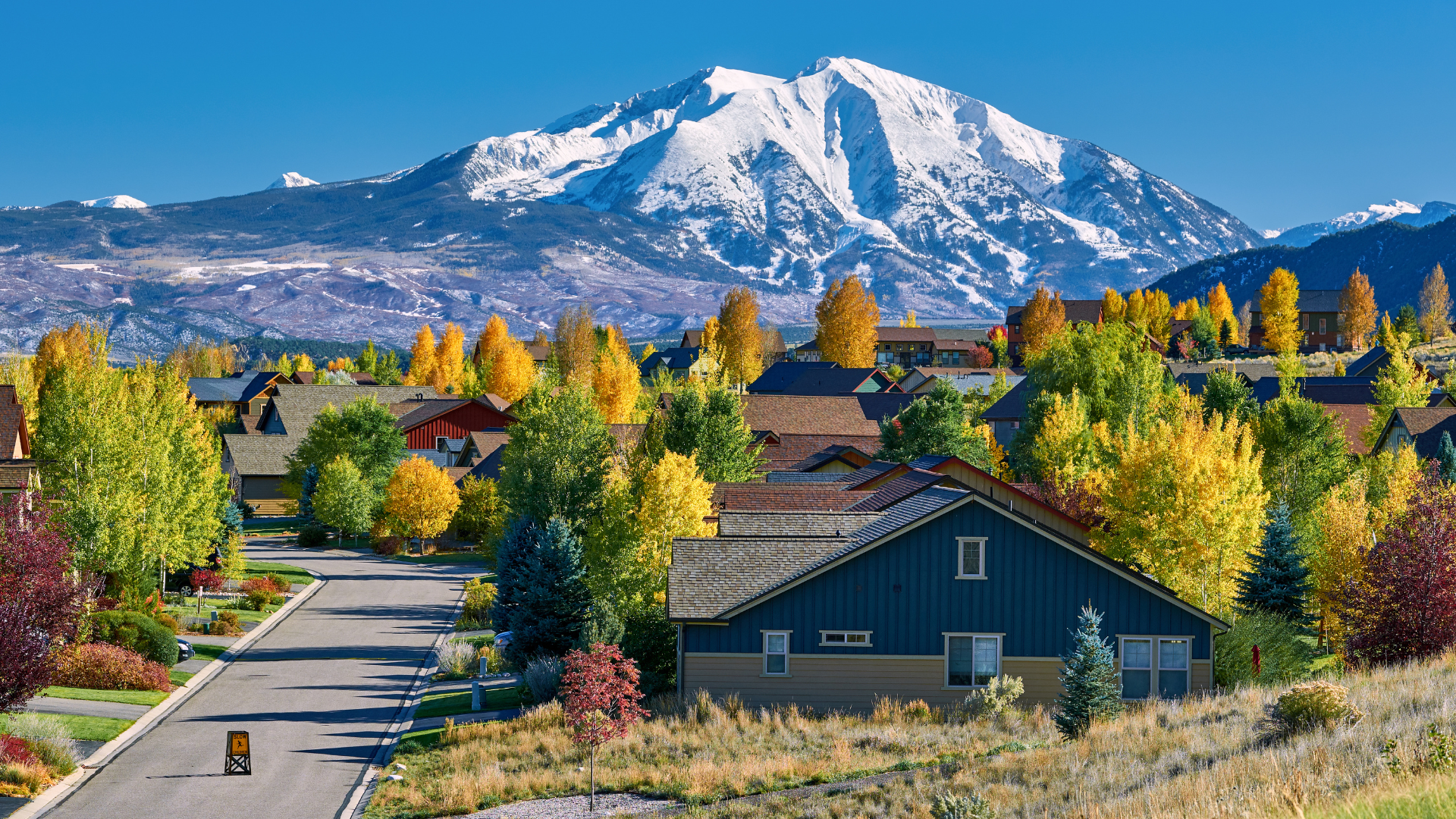
Managing tree competition begins with thoughtful planning. Selecting appropriate tree species and allowing adequate spacing between plantings can help reduce competition from the start.
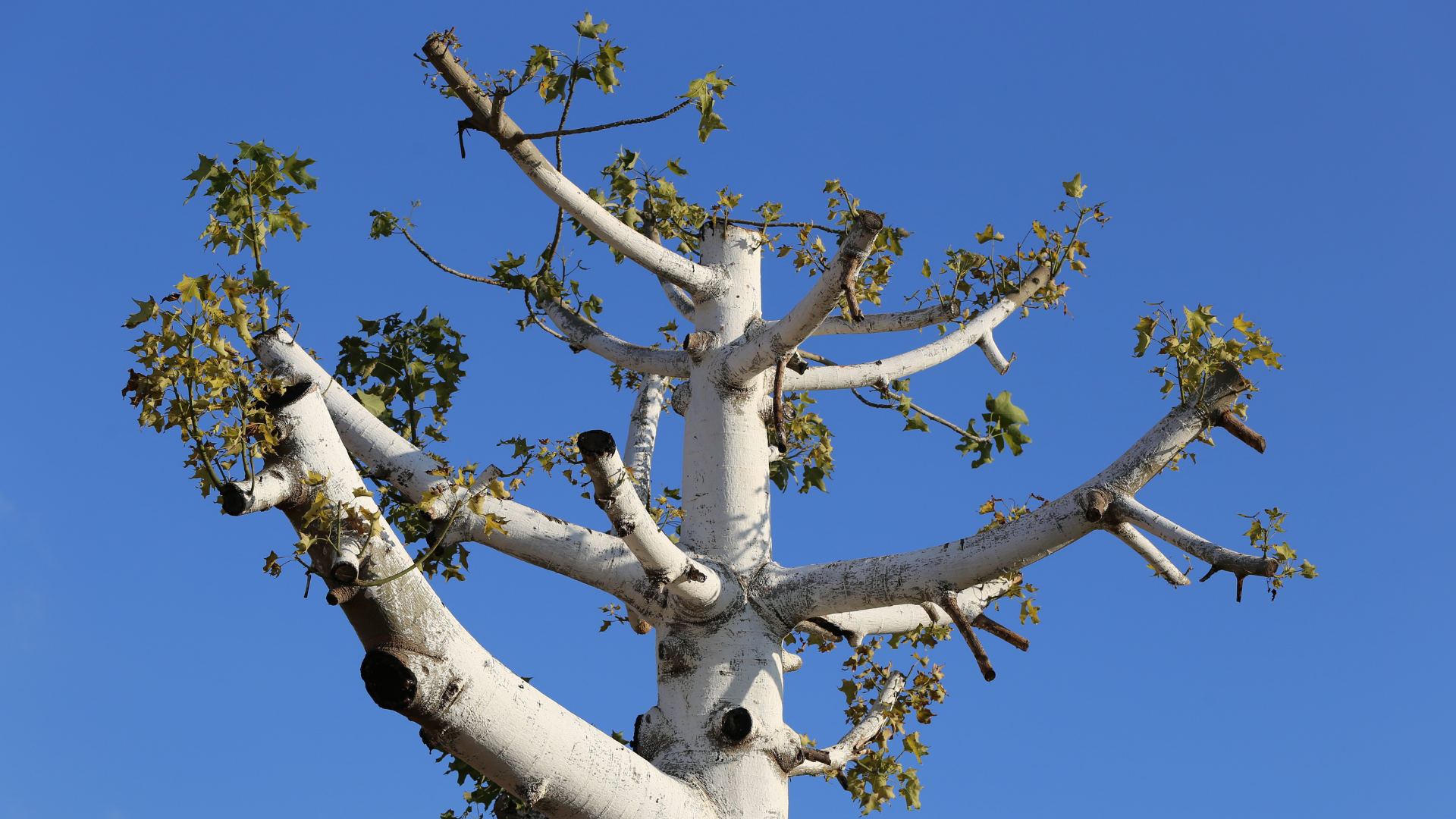
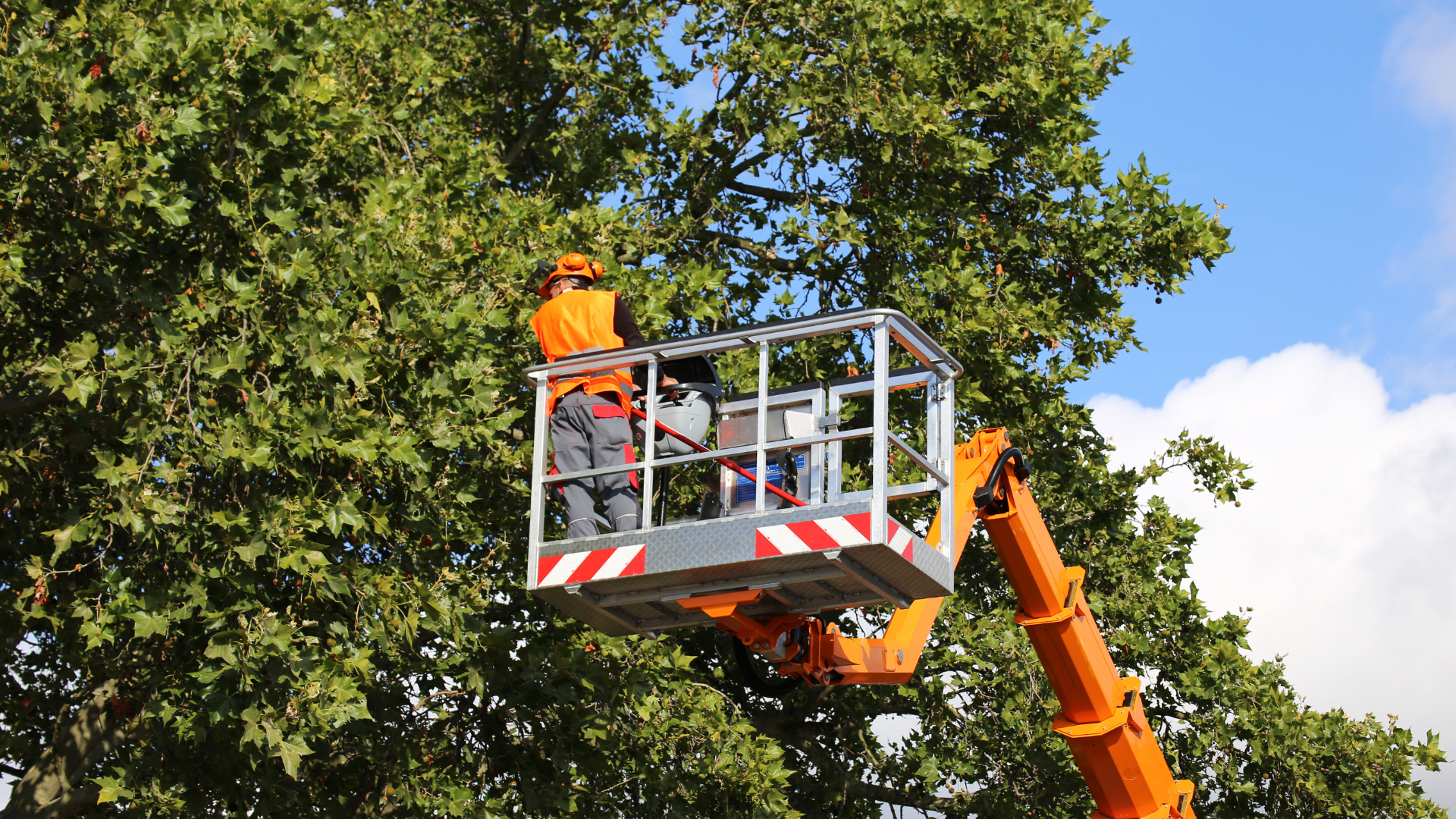
For existing landscapes, professional tree care can improve conditions. Pruning can help increase sunlight penetration, while selective tree removal may reduce overcrowding and improve resource availability for remaining trees.
Proper watering and soil management also support healthier growth and reduce the effects of competition.
Professional Tree Care Solutions
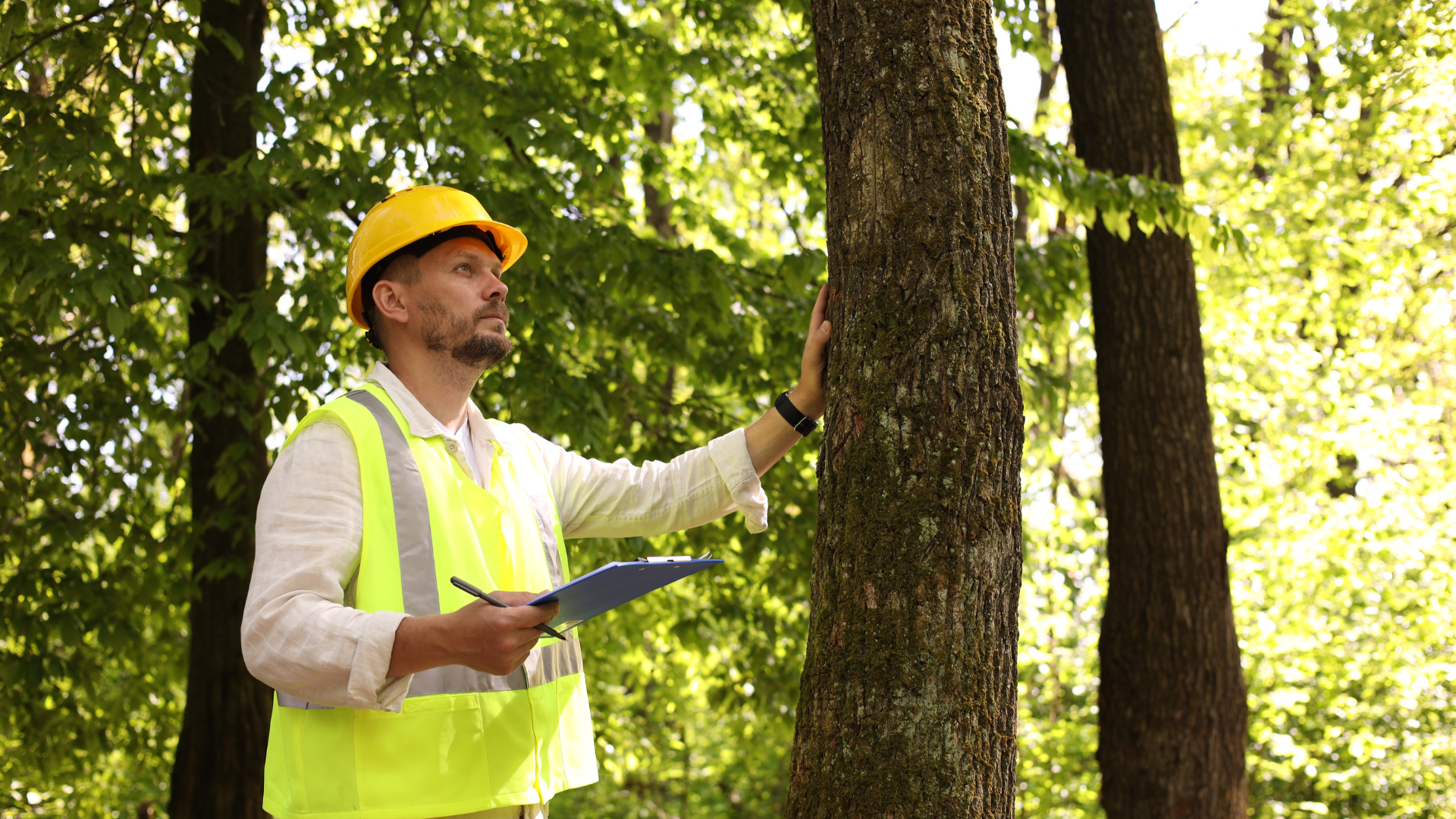
Understanding how trees interact beneath the surface is essential for maintaining a healthy landscape. At Midwest Tree Surgeons, we help homeowners evaluate tree placement, identify signs of competition, and implement solutions that promote long-term health.
By managing how trees share resources, it is possible to create a landscape where each tree has the opportunity to grow strong and stable. With the right approach, residential properties can support thriving trees that enhance both safety and visual appeal for years to come.