Why Deadwood Is More Dangerous Than Most Homeowners Realize

April 8, 2026

Deadwood is often dismissed as a minor issue. It may appear as a few dry branches or small sections of a tree that no longer produce leaves. Because it does not always affect the entire tree, many homeowners overlook it. However, deadwood can present a significant safety risk, particularly in residential settings.


Understanding why deadwood forms, how it behaves, and how it progresses over time can help prevent avoidable property damage and injury.
What Is Deadwood?

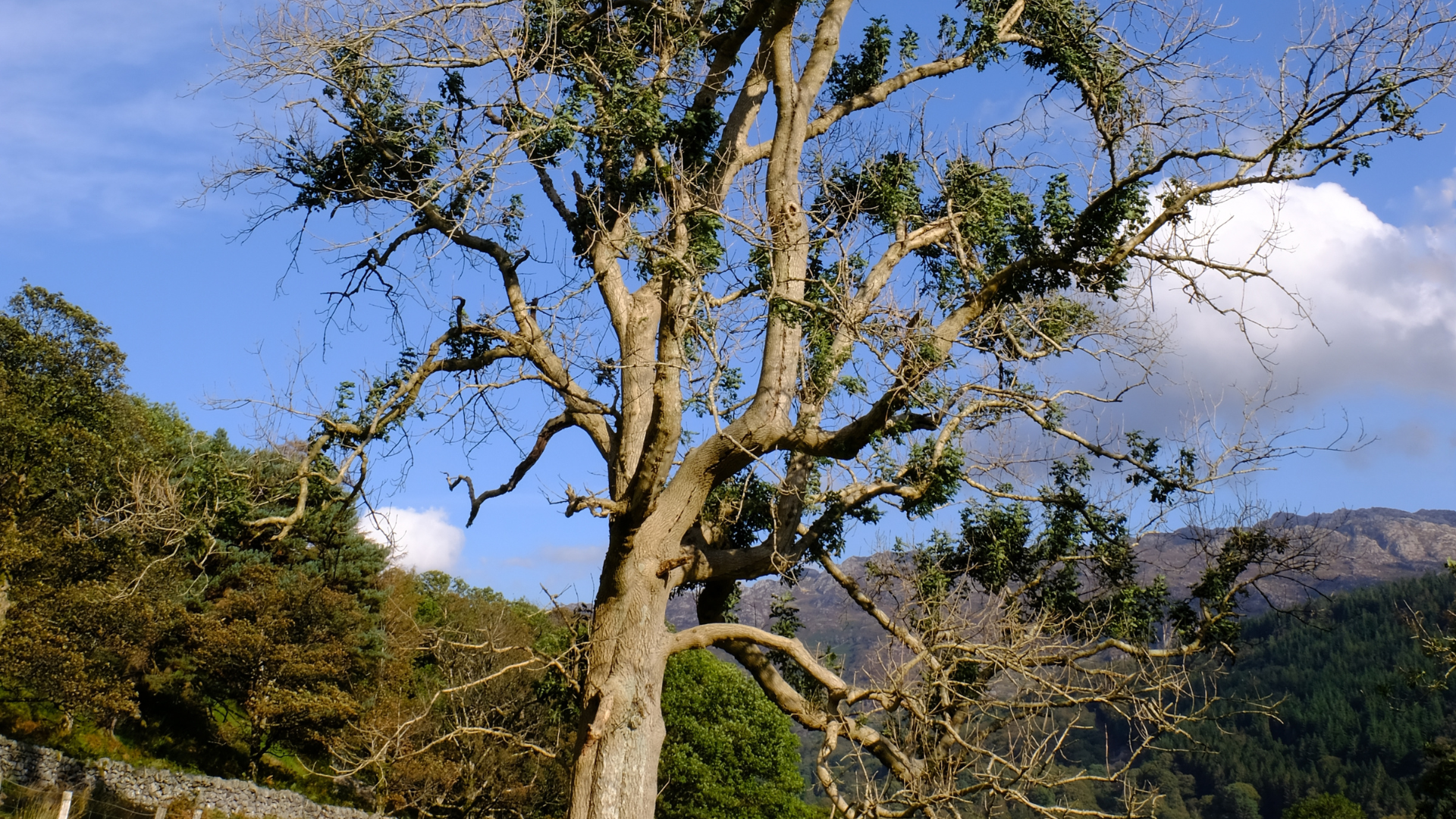
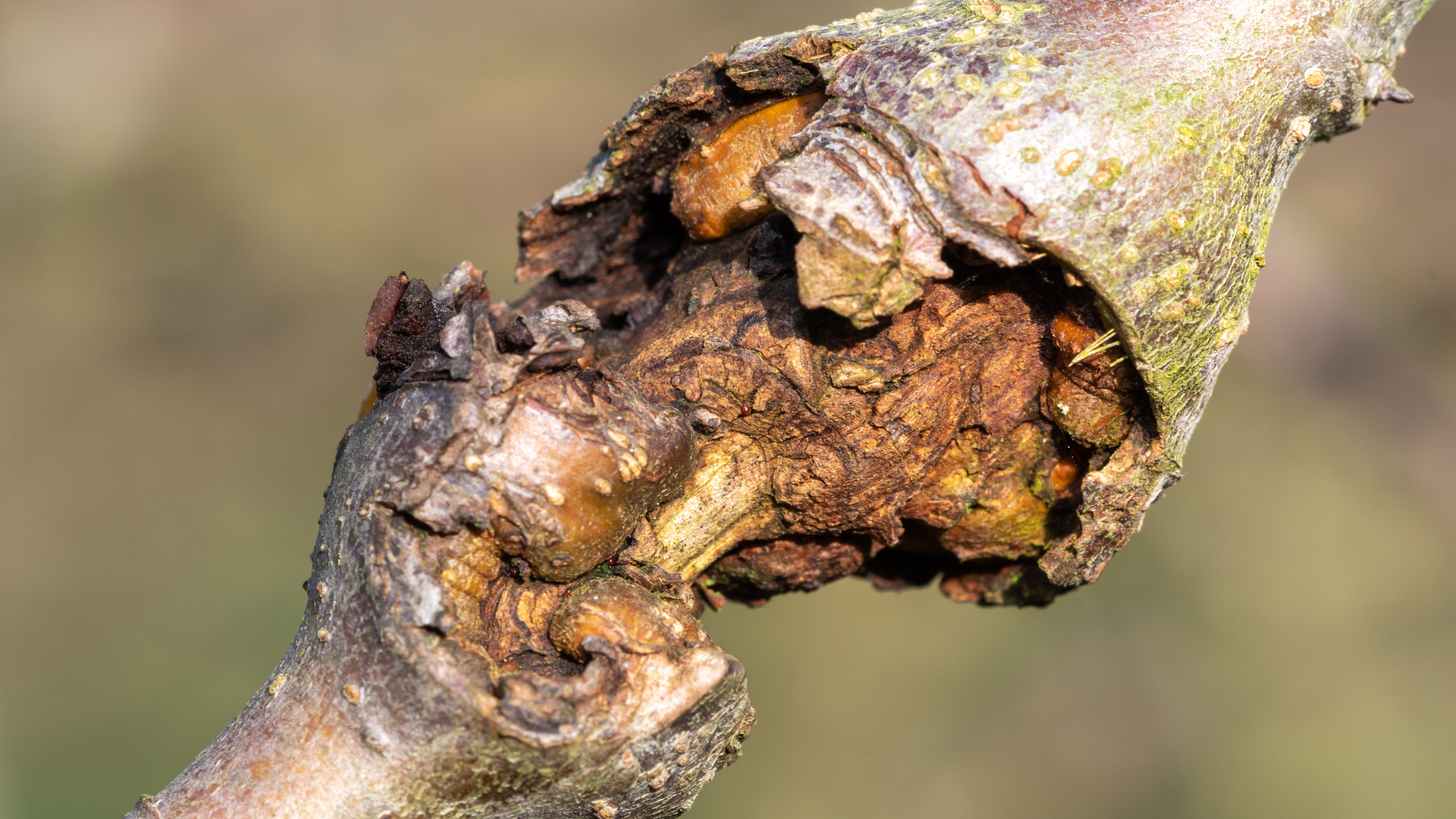
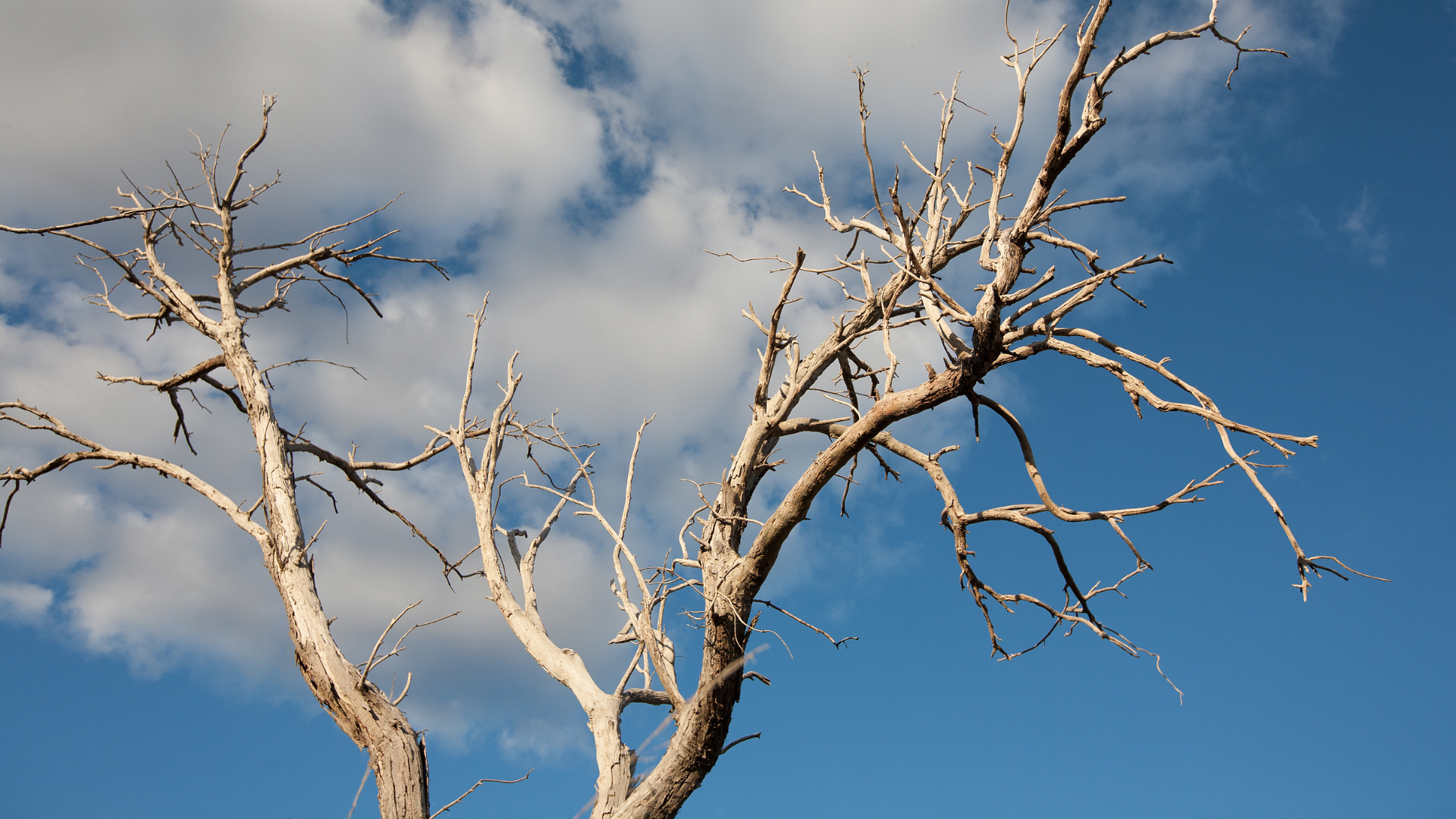
Deadwood refers to branches or limbs that have died but remain attached to the tree. Though they can serve an important ecological niche in woodlands, these sections no longer receive nutrients or moisture, which means they gradually become brittle and structurally weak.


Common causes of deadwood include:

  • Natural aging of branches
  • Storm damage
  • Disease or pest activity
  • Environmental stress

While some deadwood is a normal part of a tree’s life cycle, excessive accumulation increases risk. Trees naturally shed smaller dead branches over time, but larger limbs can remain suspended for extended periods, creating potential hazards.
Why Deadwood Becomes Hazardous

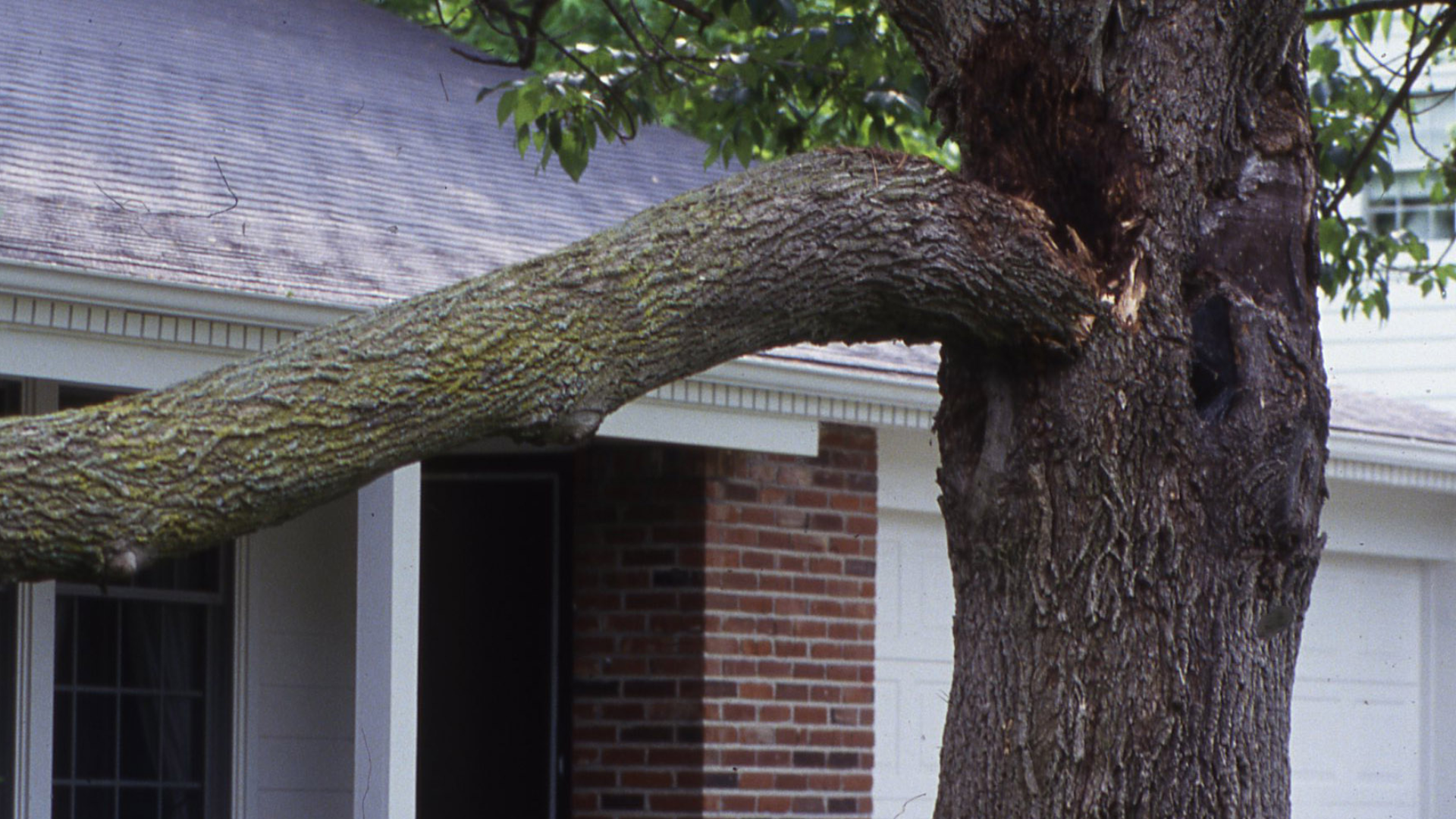
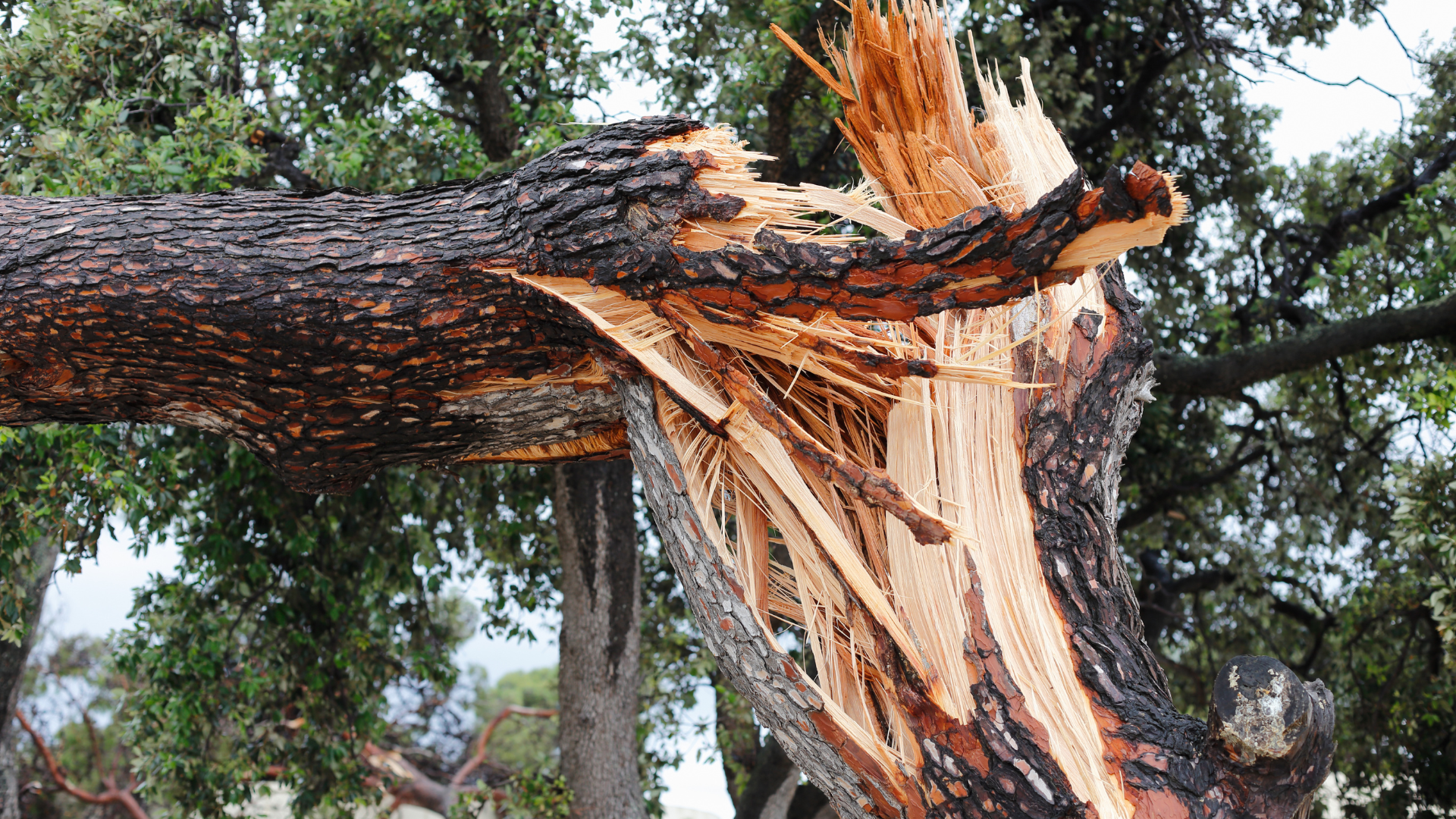
The primary concern with deadwood is unpredictability. Unlike healthy branches, dead limbs lose flexibility and strength. As they dry out, they become more prone to sudden failure.


Deadwood is more susceptible to:

  • Sudden snapping during mild wind
  • Falling due to its own weight
  • Detaching after minor disturbances
  • Cracking under temperature changes

Because these failures can occur without severe weather, the risk is not always obvious. A calm day does not eliminate the possibility of falling debris. In fact, many incidents involving deadwood occur when conditions appear stable.


Deadwood positioned above driveways, walkways, patios, or roofs presents a particularly elevated hazard, as these are areas where people and property are frequently present.
The Risk to Property and Safety

Falling branches can cause damage that ranges from minor to severe. The height of the tree and the size of the limb both influence the potential impact.


Common consequences include:

  • Roof and gutter damage
  • Broken windows
  • Damage to vehicles
  • Fence or structural damage
  • Injury to individuals nearby

Even smaller branches can cause harm when falling from height. Larger limbs can create significant structural damage and may require costly repairs.


Homeowners often underestimate this risk because deadwood does not always appear urgent. However, the absence of immediate symptoms does not indicate safety. A branch that has remained in place for months or even years can still fail unexpectedly.
Why Deadwood Is Often Overlooked

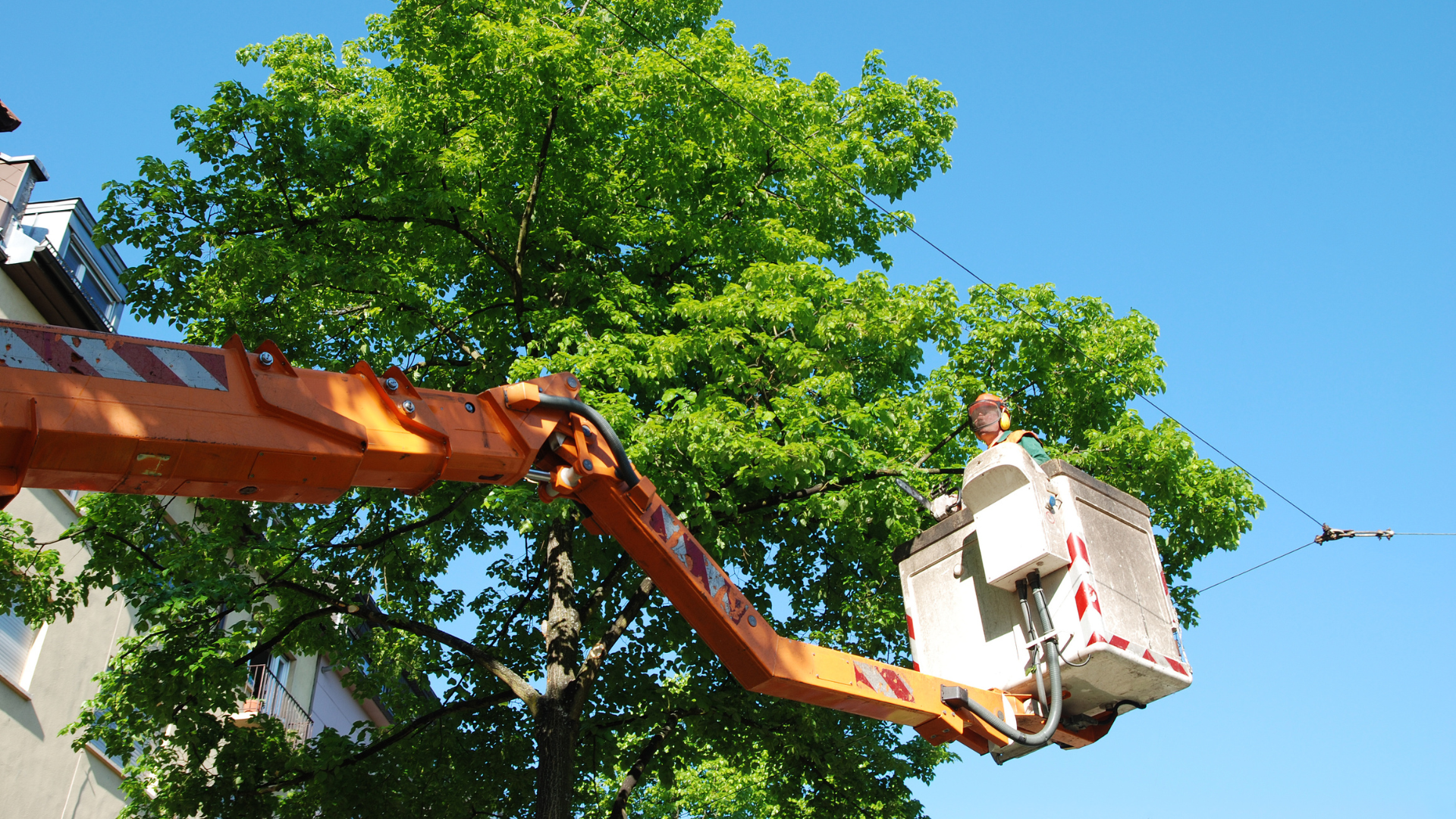
Deadwood can blend into the canopy, especially in mature trees. During certain seasons, particularly late fall or winter, it may not be easily distinguishable from healthy branches.


Additionally, homeowners may assume that if a tree is standing and appears full, it is structurally sound. This assumption can delay necessary maintenance.


Other factors that contribute to deadwood being overlooked include:

  • Limited visibility in dense canopies
  • Difficulty assessing taller trees from the ground
  • Lack of obvious warning signs before failure

Routine visual inspections may not always identify all deadwood, particularly in larger or more complex tree structures.
The Role of Weather and Time

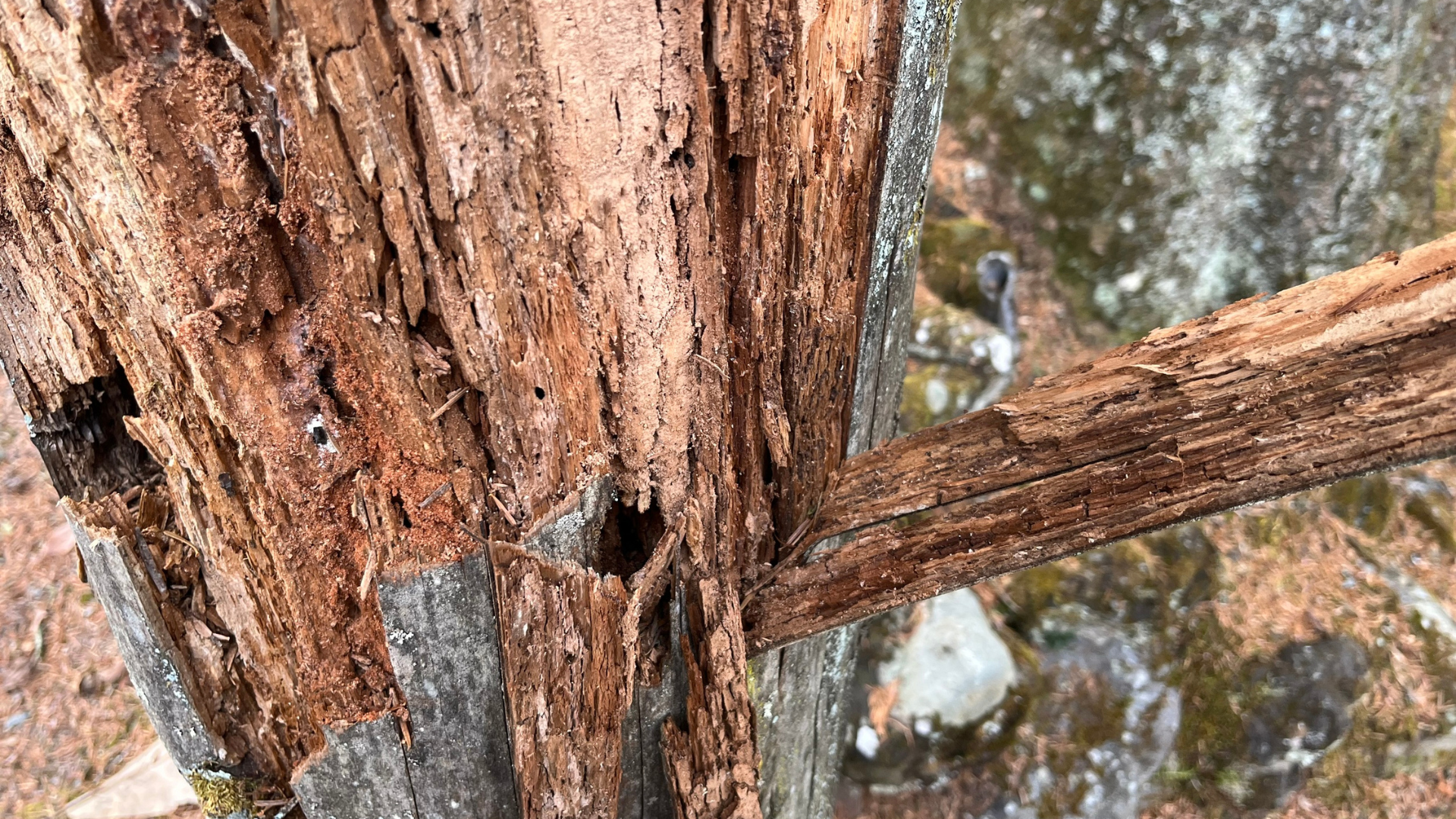
Deadwood does not remain static. Over time, exposure to the elements can weaken it further. Sun, wind, rain, and temperature fluctuations all contribute to the breakdown of the branch.


For example:

  • Repeated wind movement can loosen attachment points
  • Moisture can accelerate internal decay
  • Temperature changes can cause cracking and splitting

These factors increase the likelihood that a branch will eventually fall. As time passes, the risk associated with deadwood generally increases rather than decreases.
The Importance of Professional Removal

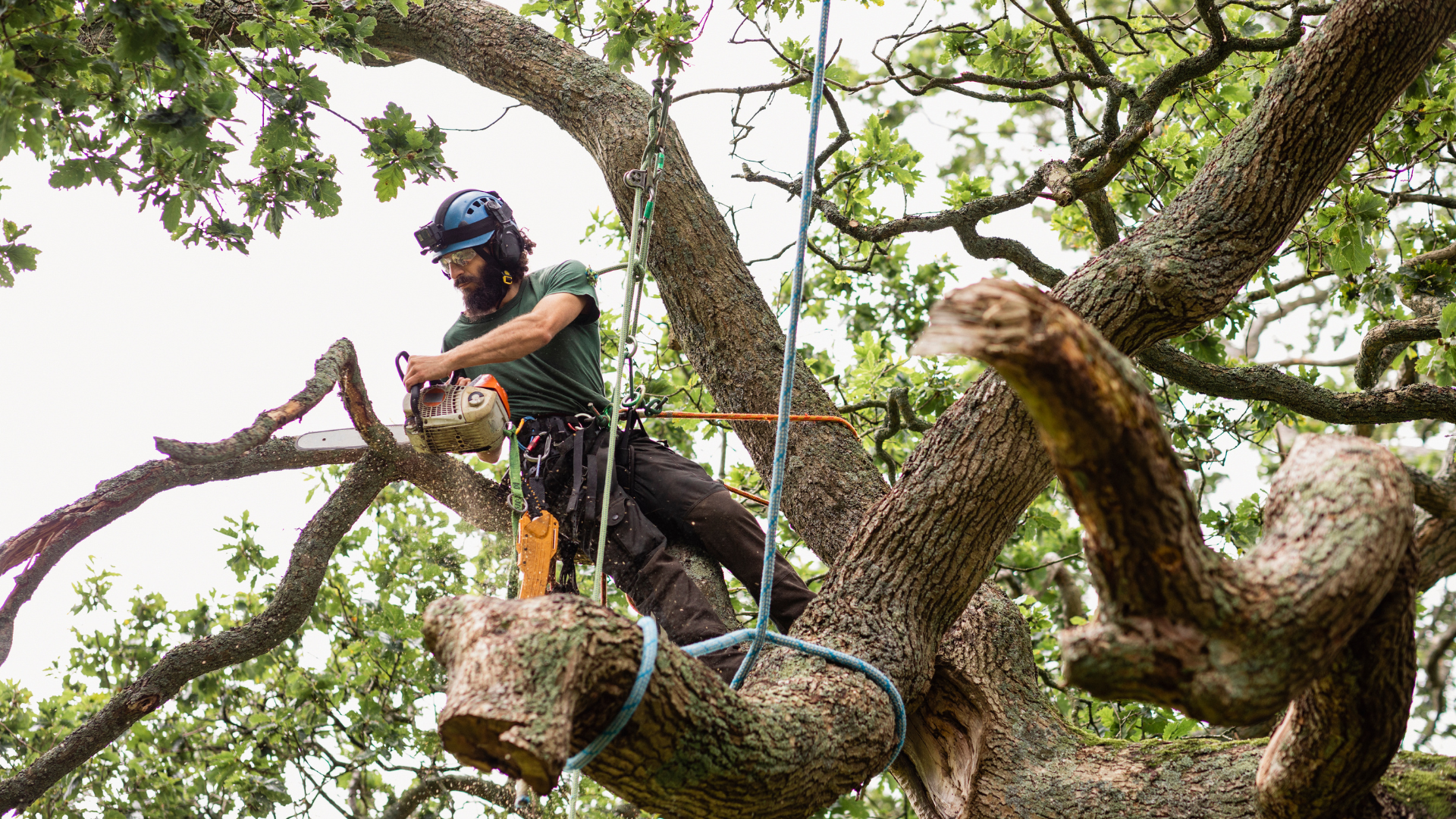
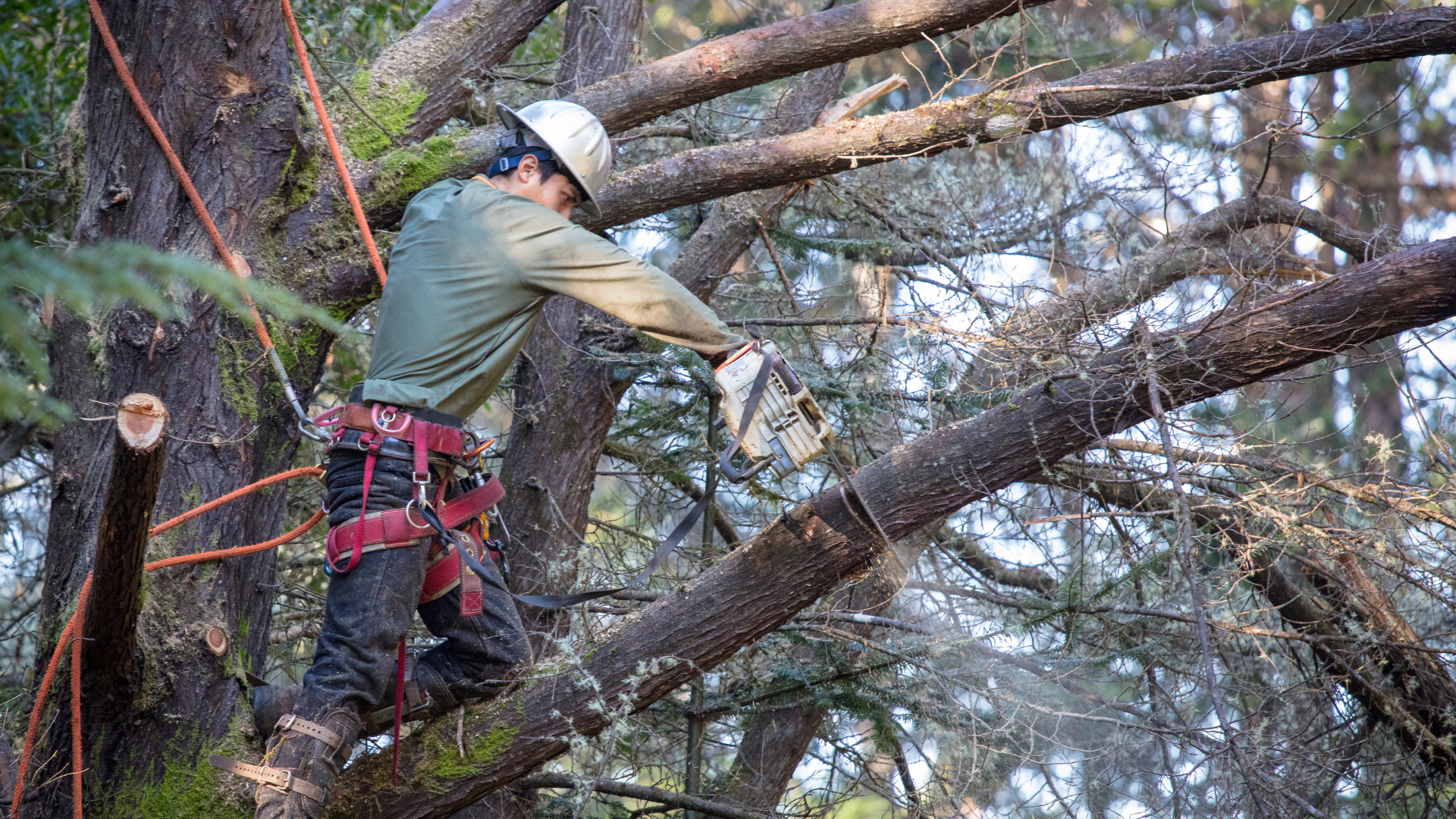
Removing deadwood is not simply a matter of cutting visible branches. It requires an understanding of tree structure, weight distribution, and proper pruning techniques to ensure that removal does not create additional stress or imbalance.


Professional deadwood removal focuses on:

  • Identifying compromised branches throughout the canopy
  • Removing hazardous limbs without damaging healthy growth
  • Maintaining overall tree stability
  • Improving airflow and structure within the tree

This process not only improves safety but may also support the long-term condition of the tree by reducing unnecessary strain.
A Proactive Approach to Tree Safety

Deadwood may seem minor, but it is often one of the most common sources of preventable tree-related damage. Recognizing and addressing it early can significantly reduce risk while preserving the overall appearance and structure of your trees.


Midwest Tree Surgeons provides professional deadwood removal and tree care services designed to improve both safety and tree health. If you have noticed dead branches or are unsure about the condition of your trees, contact Midwest Tree Surgeons to schedule an evaluation and take a proactive step toward protecting your property.
April 1, 2026
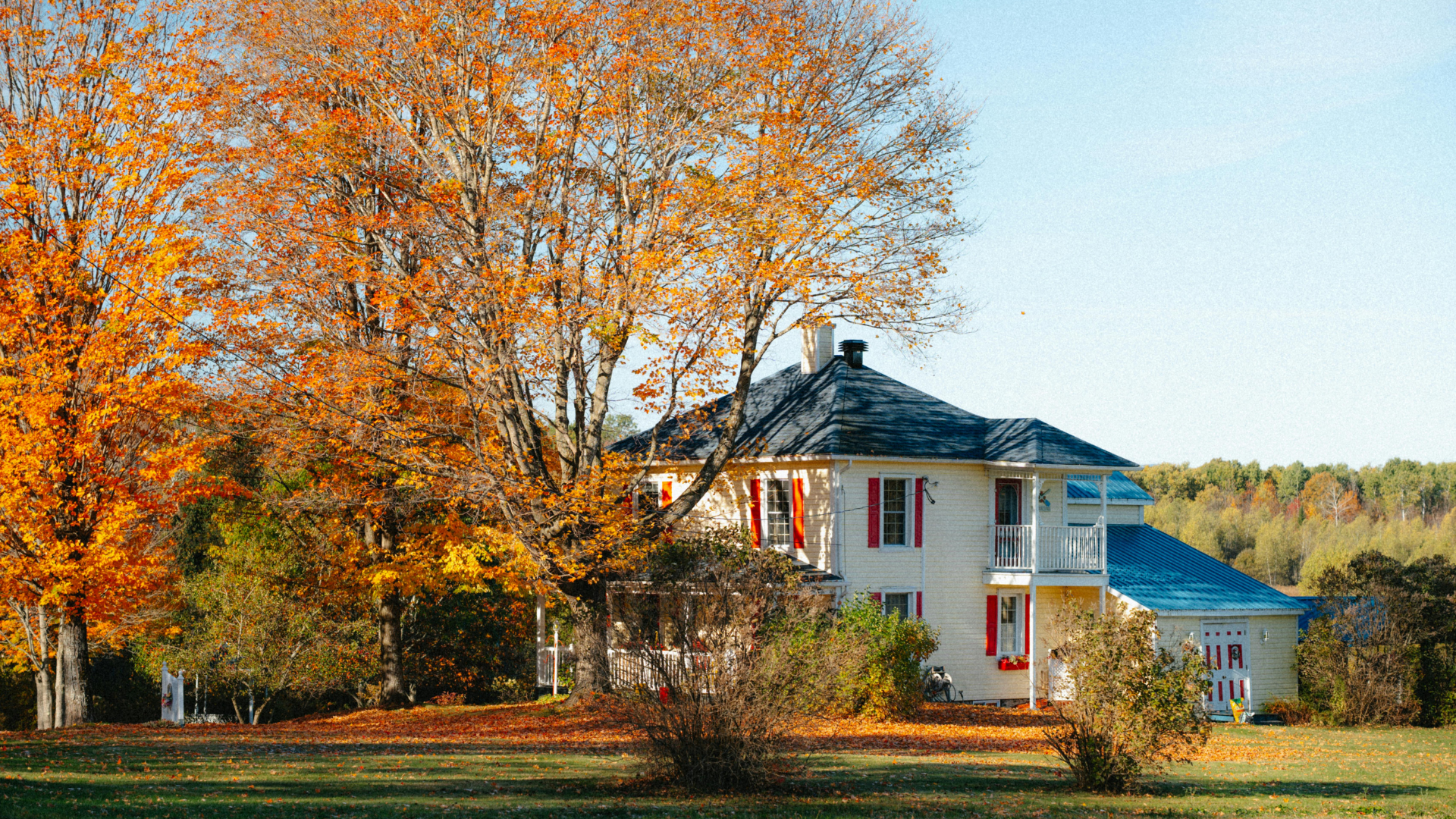
Trees are often one of the most valuable features of a residential property . They provide shade, improve curb appeal, and contribute to the overall health of the environment. However, when multiple trees share the same space, they do not simply coexist without interaction. Trees compete with one another for essential resources such as water, sunlight, and nutrients. Over time, this competition can influence how trees grow, how healthy they remain, and how stable they become.  Understanding how trees compete for resources can help homeowners make better decisions about planting, spacing, and long-term tree care. With proper planning and maintenance, it is possible to create a landscape where trees thrive rather than struggle against one another.
March 25, 2026
Trees add beauty, shade, and value to a property, but there are situations where keeping a tree is no longer the safest or most practical choice. Many homeowners prefer to preserve trees whenever possible , and in many cases, proper care and maintenance can extend a tree’s lifespan. However, when a tree becomes structurally compromised, diseased, or poses a risk to people and property, removal may be the most responsible decision.  Understanding when tree removal is necessary can help prevent accidents, reduce property damage, and protect the overall health of a landscape.
March 18, 2026
Severe storms can cause significant damage to trees and surrounding property. After strong winds or heavy storms pass through a neighborhood, it is common to see some trees still standing strong while others have lost major limbs or fallen entirely. This often leads homeowners to wonder why certain trees survive while others fail under the same weather conditions.  The answer usually involves a combination of factors including tree structure, root stability, species characteristics, and long-term maintenance. Understanding these factors can help property owners take steps to reduce the risk of storm damage and protect both their landscape and their homes.
March 11, 2026
Trees are one of the most valuable natural assets in any community . They provide shade, improve air quality, reduce energy costs, and enhance property values. In cities and suburban neighborhoods across the Midwest, trees collectively form what arborists often refer to as the “urban forest.” While these trees may be planted along streets, in parks, or throughout residential landscapes, they function together as a living ecosystem that benefits the entire community.  However, this urban forest faces growing threats from invasive pests and diseases . One of the most effective ways to protect trees from these threats is through diversity. When communities and homeowners plant a variety of tree species rather than relying on a single type, they create a more resilient landscape that is better equipped to withstand pest outbreaks.
March 3, 2026
Trees are one of the most valuable features of any Midwest property. They provide shade, reduce energy costs, improve curb appeal, and contribute to environmental health. However, the Midwest climate, with its humid summers, fluctuating temperatures, and seasonal rainfall, creates ideal conditions for fungal diseases to develop. Understanding common fungal threats is essential for protecting tree health and preventing long-term structural damage.  At Midwest Tree Surgeons, we regularly diagnose and treat fungal infections that threaten residential and commercial landscapes. Early identification and professional intervention often make the difference between saving a tree and losing it.
February 25, 2026
In recent years, the spotted lanternfly has emerged as one of the most concerning invasive pests affecting trees and landscapes across parts of the United States. Originally detected in Pennsylvania in 2014 , this invasive insect has steadily expanded its range. For property owners in the Midwest, awareness and early intervention are becoming increasingly important.  At Midwest Tree Surgeons, we emphasize proactive monitoring and professional tree care to help protect native trees from invasive threats like the spotted lanternfly.
February 18, 2026
Mature trees are often appreciated for the shade they provide during hot summer months, but their value extends far beyond cooling comfort. Established trees are long-term assets that contribute to property value, environmental stability, and overall landscape health. For homeowners and property managers alike, understanding the broader benefits of mature trees can influence how they approach tree care and long-term planning.
February 11, 2026
Pruning is often viewed as a routine maintenance task, but when it is done incorrectly, it can create lasting structural problems that compromise a tree’s health and stability. While improper pruning may not show immediate consequences, the damage it causes can take years to fully appear. By the time issues become visible, corrective options may be limited.  Understanding how improper pruning affects tree structure helps property owners make informed decisions about long term tree care.
February 4, 2026
Construction projects often focus on what is being built, but the impact on existing trees is frequently overlooked. Whether the work involves a home addition, driveway replacement, utility installation, or commercial development, construction activity can place significant stress on mature trees . Understanding how these projects affect trees helps property owners protect valuable landscape assets and avoid long term safety and health issues.
January 29, 2026
Major weather changes can place significant stress on trees, even when no obvious damage is visible. In the Midwest, trees regularly experience rapid shifts in temperature, heavy rain, high winds, ice, snow, and freeze-thaw cycles. While trees are resilient by nature, these conditions can weaken their structure and health over time.  Evaluating tree health after major weather events is an important step in protecting both the trees themselves and the surrounding property.
More Posts