The Most Overlooked Risk Factors in Mature Trees
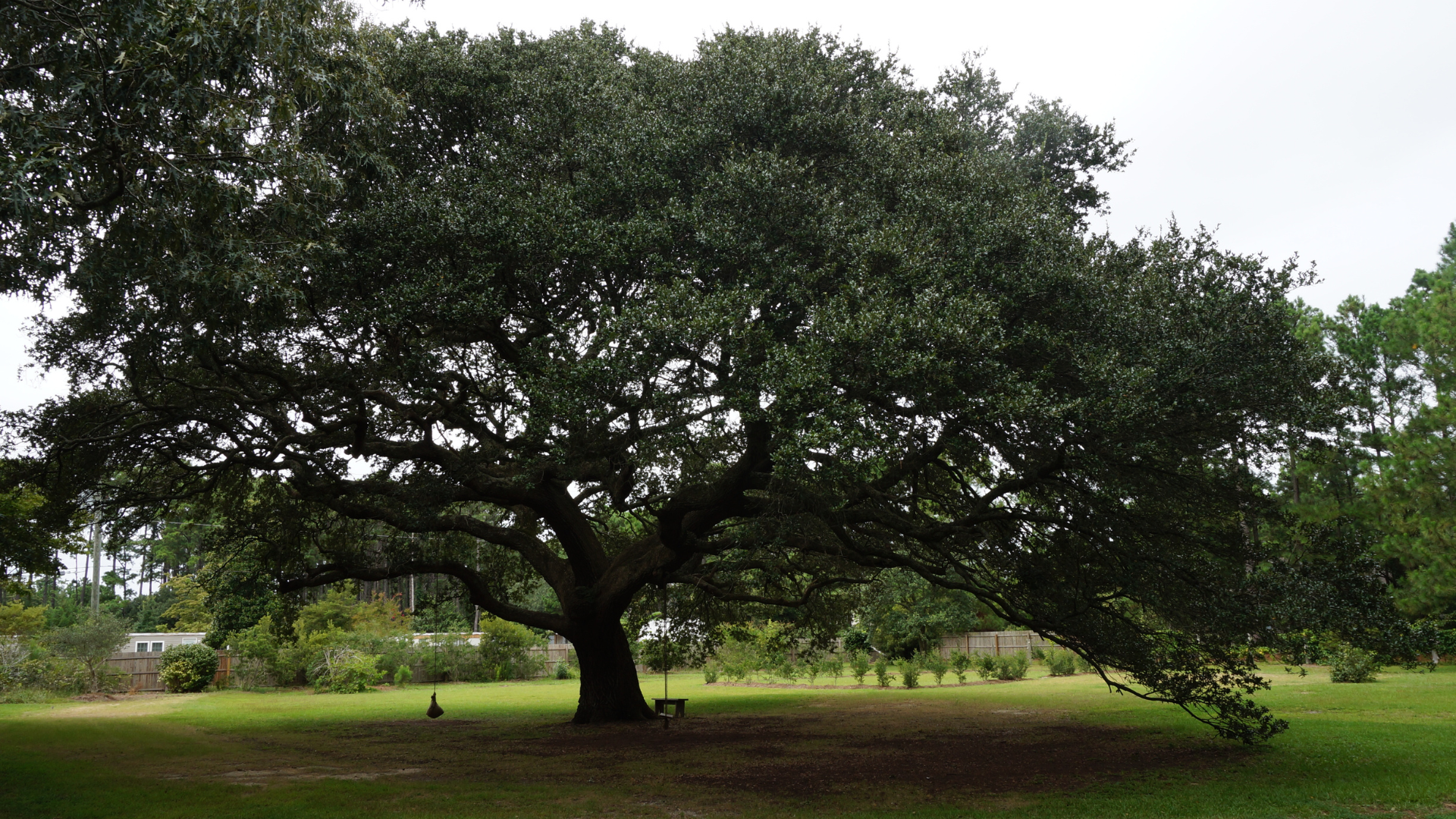
Mature trees are often seen as stable, established features of a property. Their size and presence can create a sense of permanence, leading many homeowners to assume they are less likely to fail. In reality, mature trees can carry a unique set of risks that are not always visible at first glance.
Understanding these overlooked risk factors is essential for maintaining both tree health and property safety.

Internal Decay That Is Not Immediately Visible
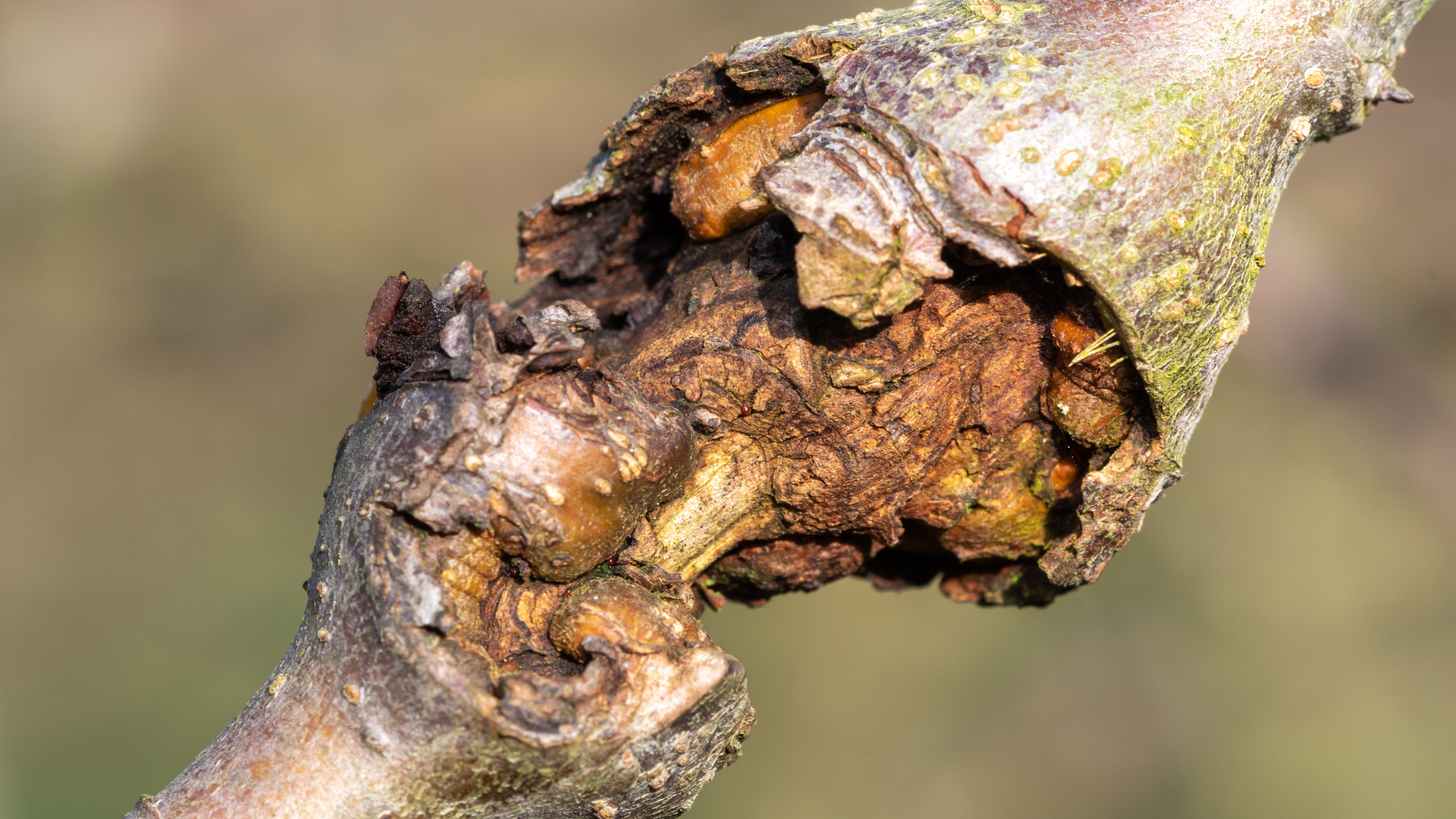
One of the most significant risks in mature trees is internal decay. While the exterior of a tree may appear healthy, the internal structure can gradually weaken over time.
This type of decay often develops due to:
- Previous injuries to the tree
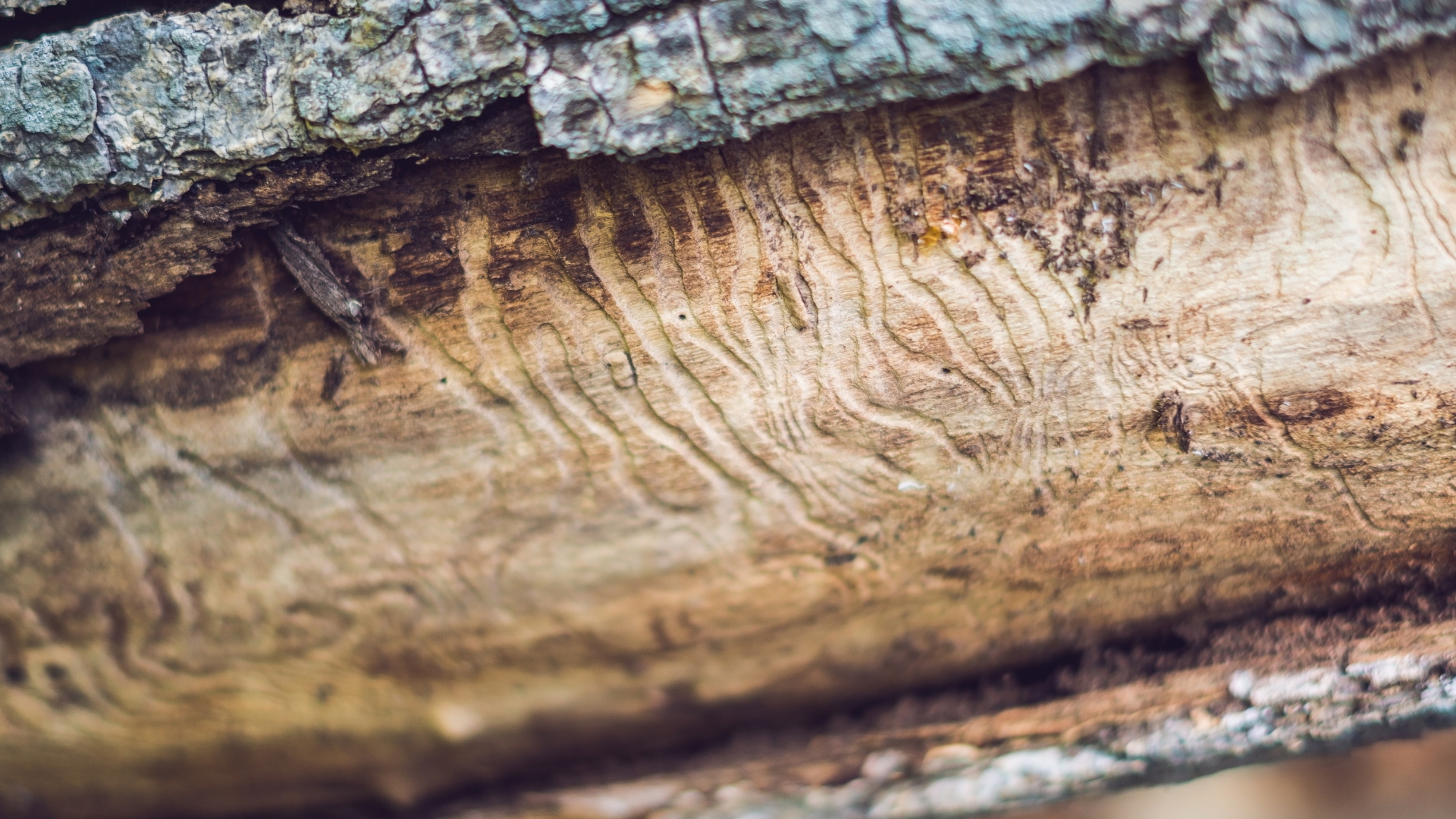
- Disease or fungal activity
- Natural aging processes
Because it occurs inside the trunk or major limbs, it may not be obvious during a casual inspection. However, internal decay can reduce the tree’s ability to support its own weight, increasing the risk of failure.
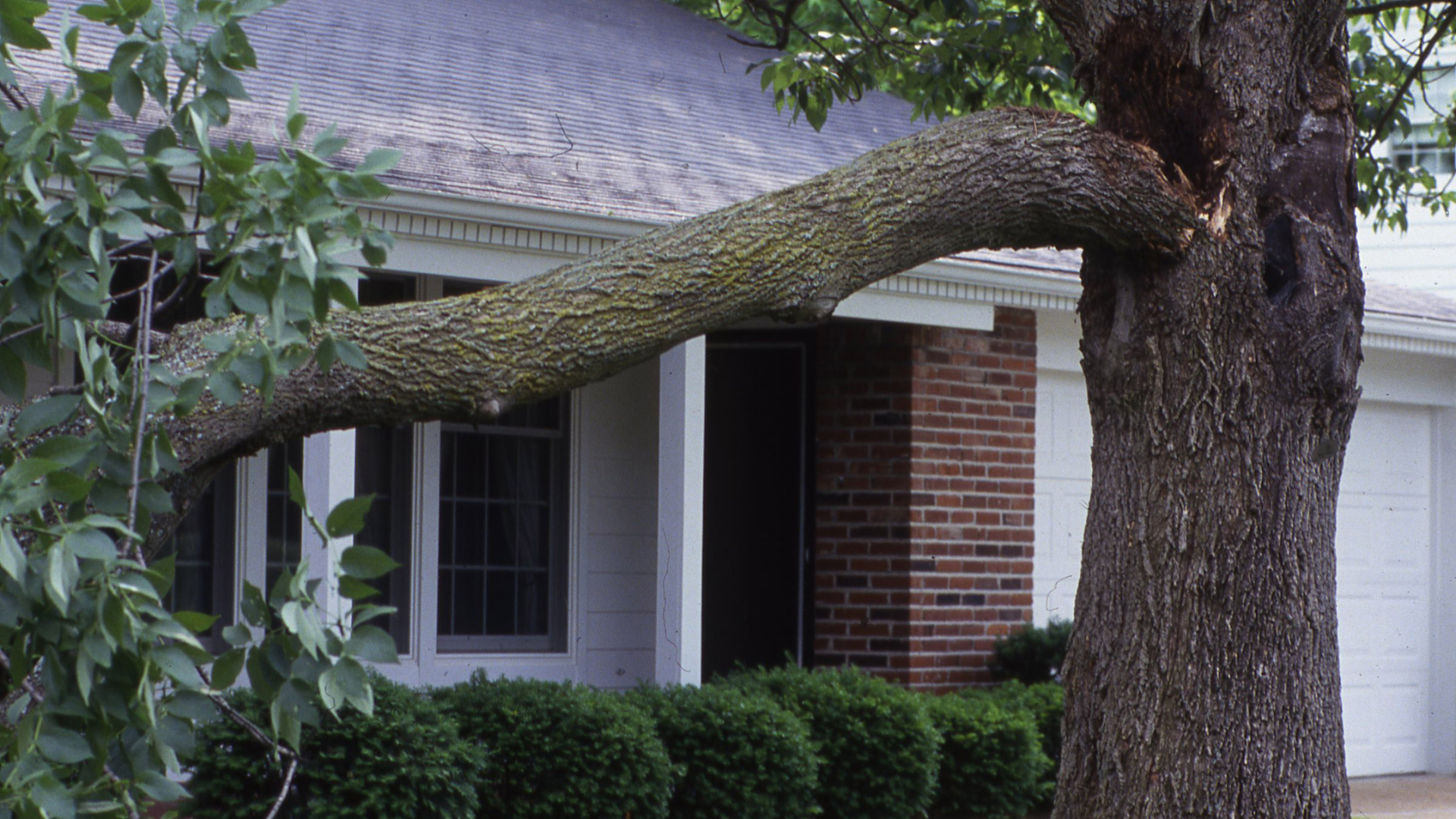
Structural Imbalance Over Time
As trees grow, they do not always maintain perfect balance. Uneven growth patterns can develop due to environmental conditions such as sunlight exposure or space limitations.
Over time, this can lead to:
- Heavier weight distribution on one side
- Increased stress on certain limbs
- Greater vulnerability during wind or weather events
Even in calm conditions, an imbalanced tree may be more likely to experience structural issues.
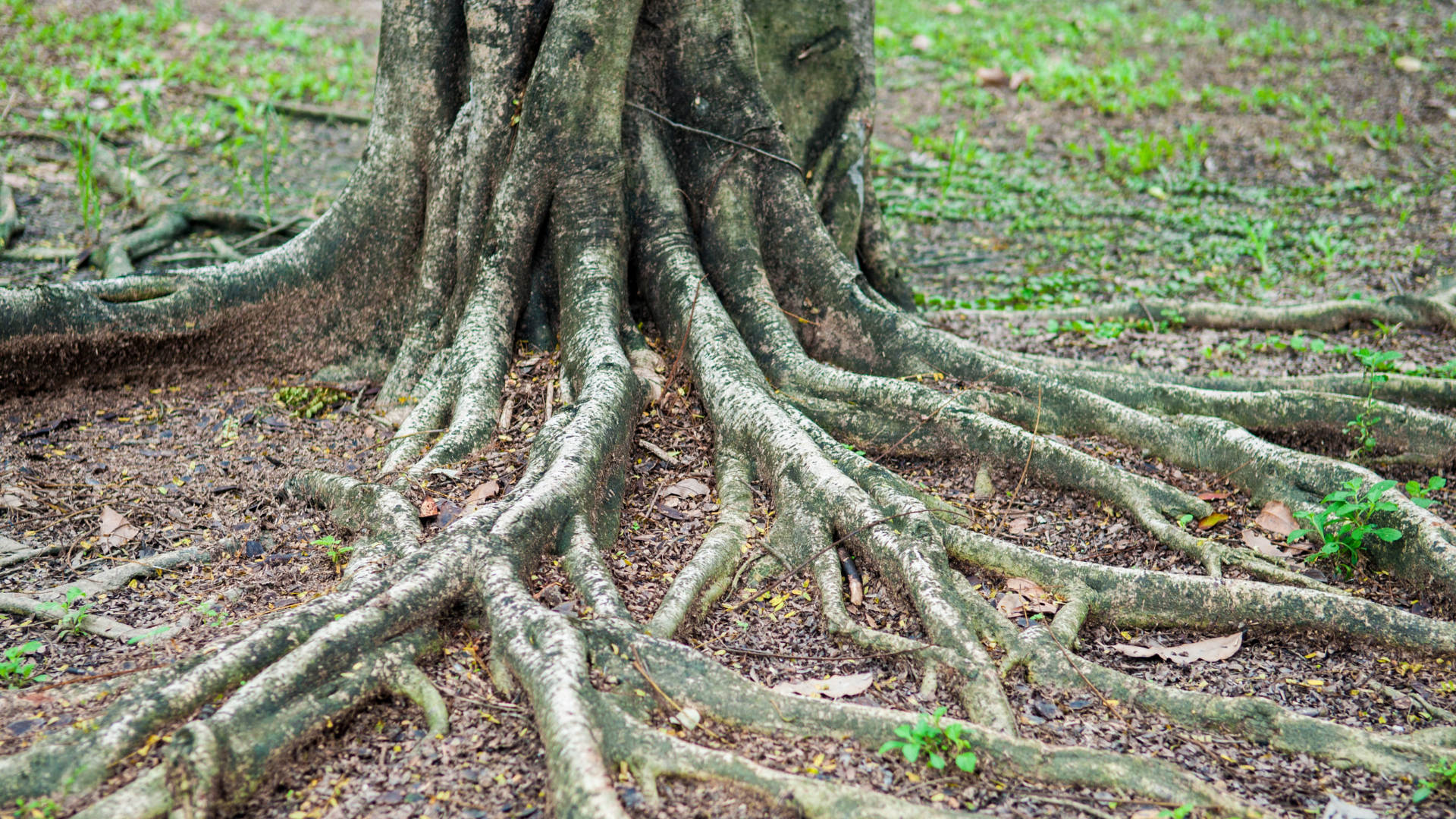
Root System Limitations
The health and stability of a tree depend heavily on its root system. In residential settings, roots often face limitations due to surrounding structures, compacted soil, or changes in the landscape.
Common root-related issues include:
- Restricted growth due to nearby construction
- Soil compaction reducing nutrient and water absorption
- Gradual weakening of anchoring support
Because roots are not visible, these issues can go unnoticed until they begin to affect the stability of the tree.
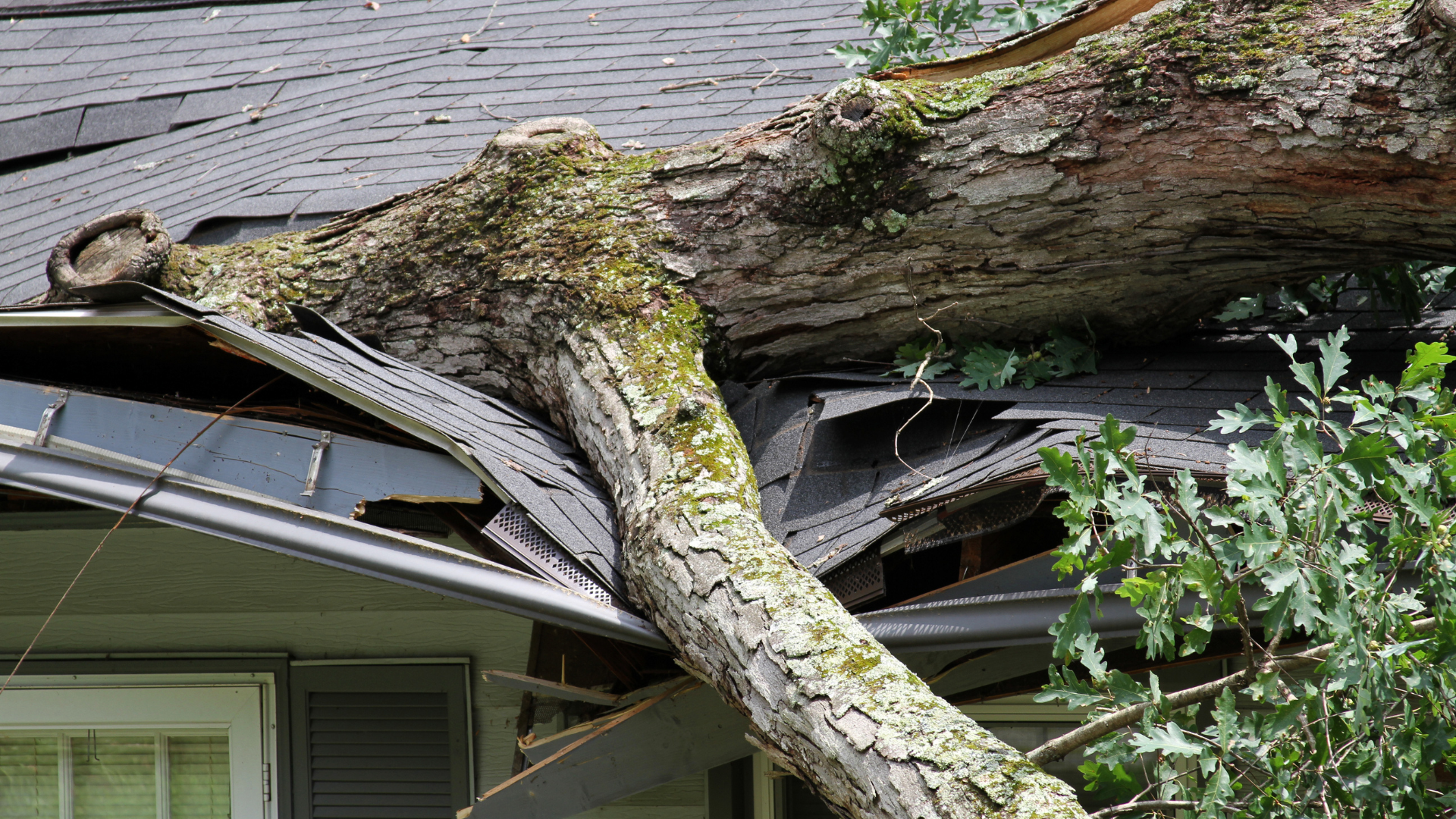
Deadwood Within the Canopy
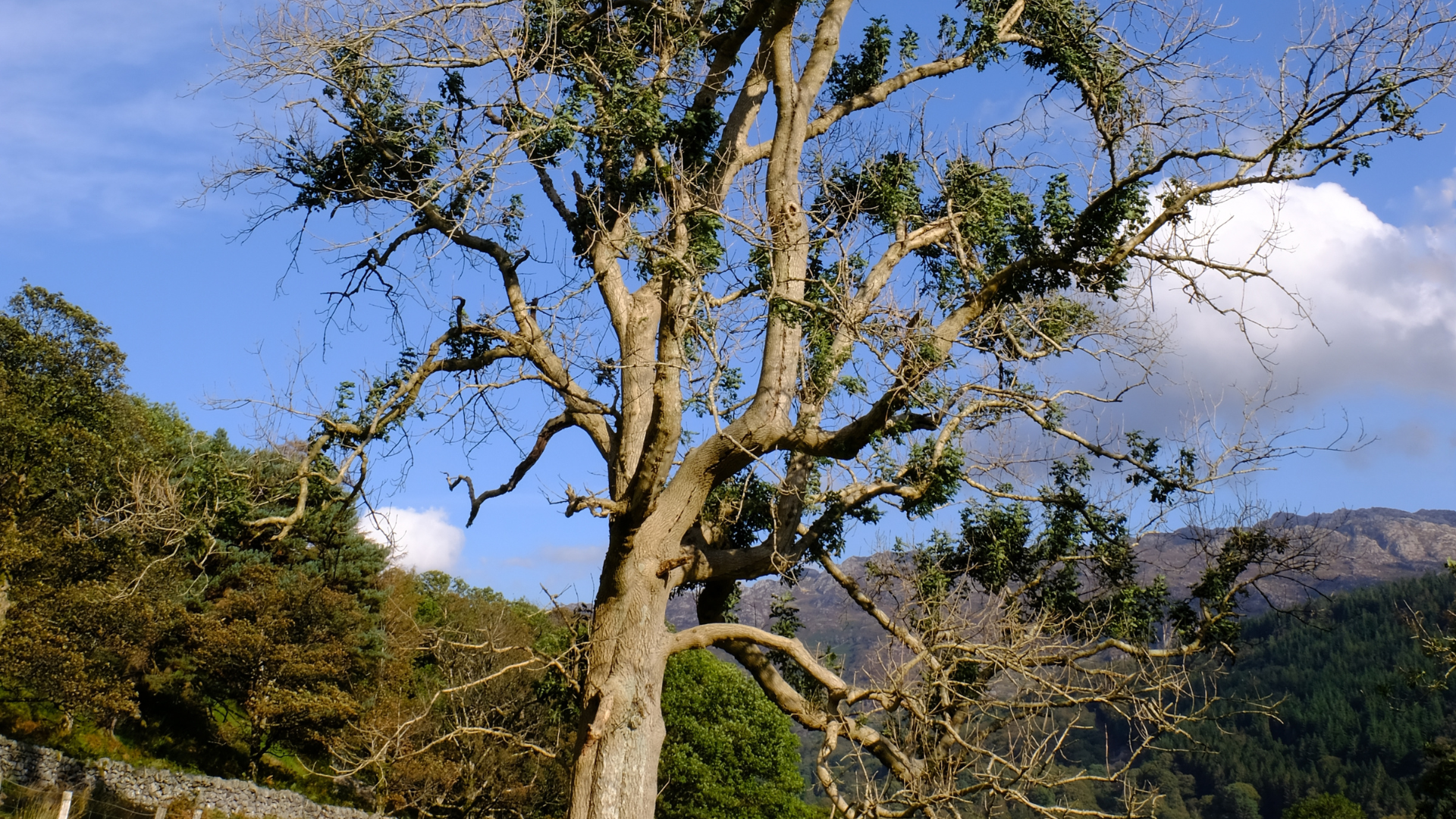
Mature trees naturally develop deadwood as part of their life cycle. While some deadwood is normal, excessive accumulation can create additional risk.
Dead branches are more likely to:
- Break without warning
- Fall during mild wind conditions
- Add unnecessary weight to the canopy
When located above driveways, walkways, or structures, these branches can present a direct hazard.
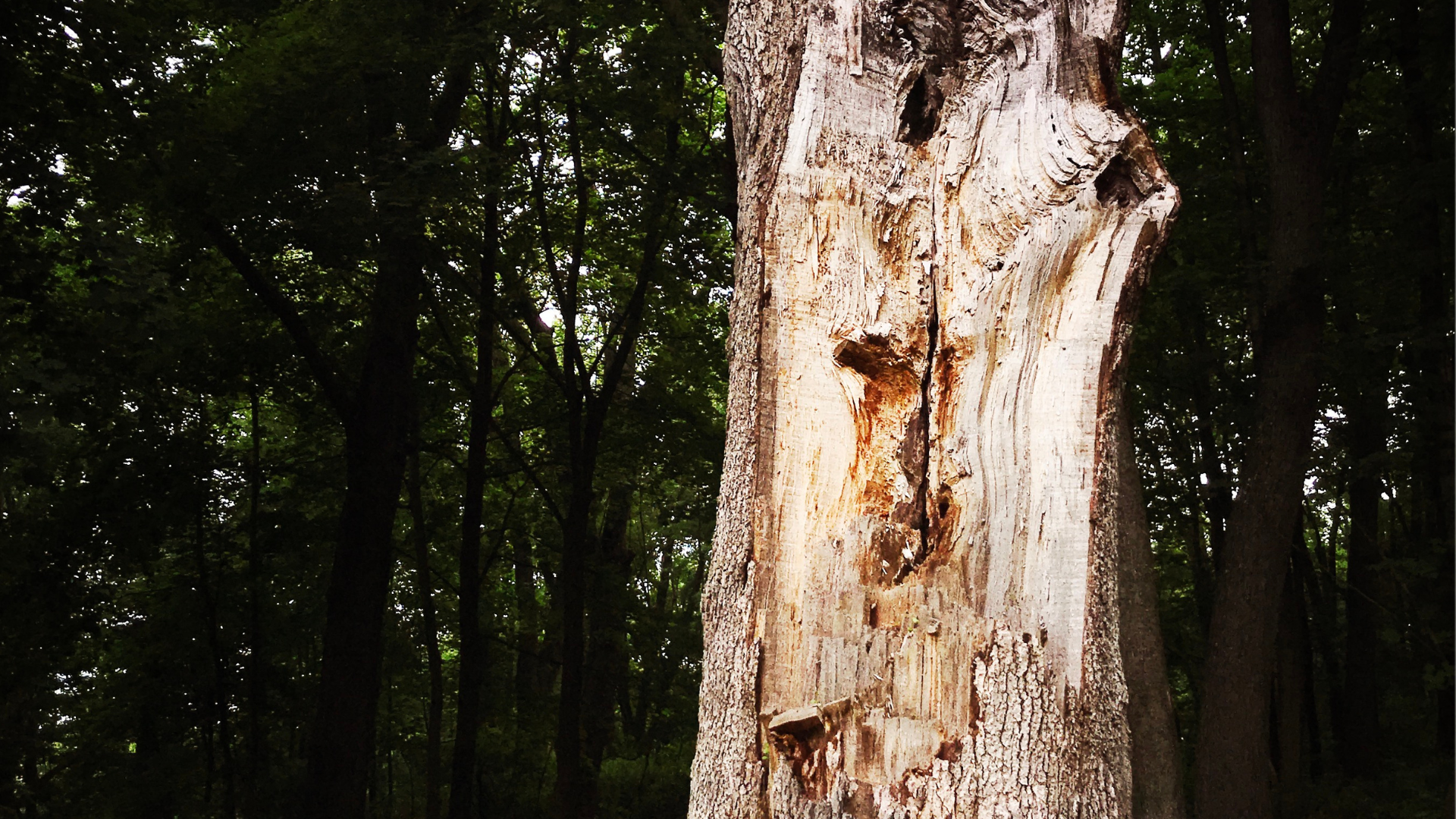
Previous Damage That Has Not Fully Healed
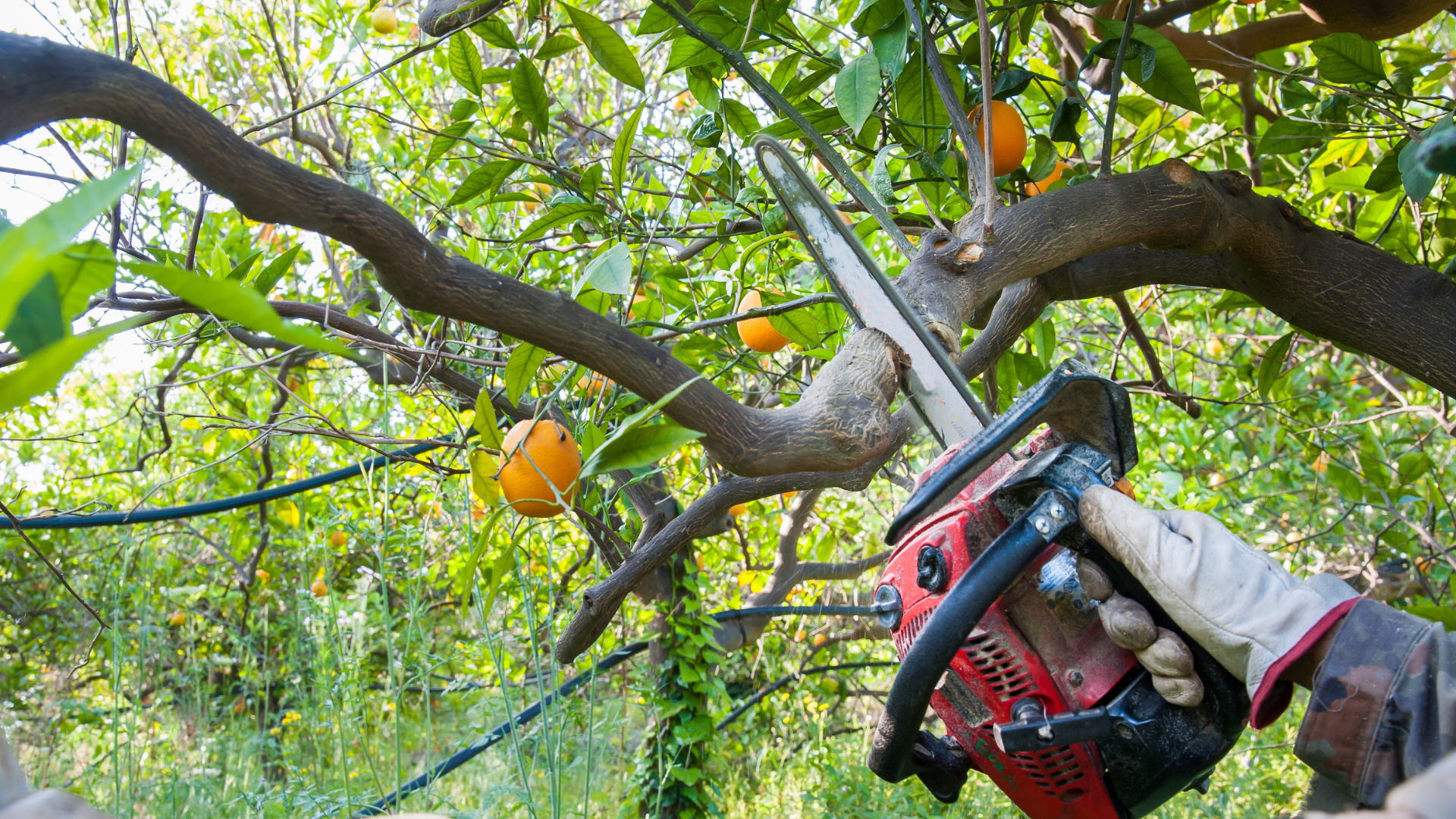
Trees that have experienced storm damage or improper pruning in the past may carry long-term structural weaknesses. Even if the tree appears to have recovered, the affected areas may remain vulnerable.
These weaknesses can include:
- Compromised branch attachments
- Hidden cracks within limbs
- Areas where decay has begun to develop
Over time, these points of weakness can contribute to failure under stress.
Environmental Stress Accumulation
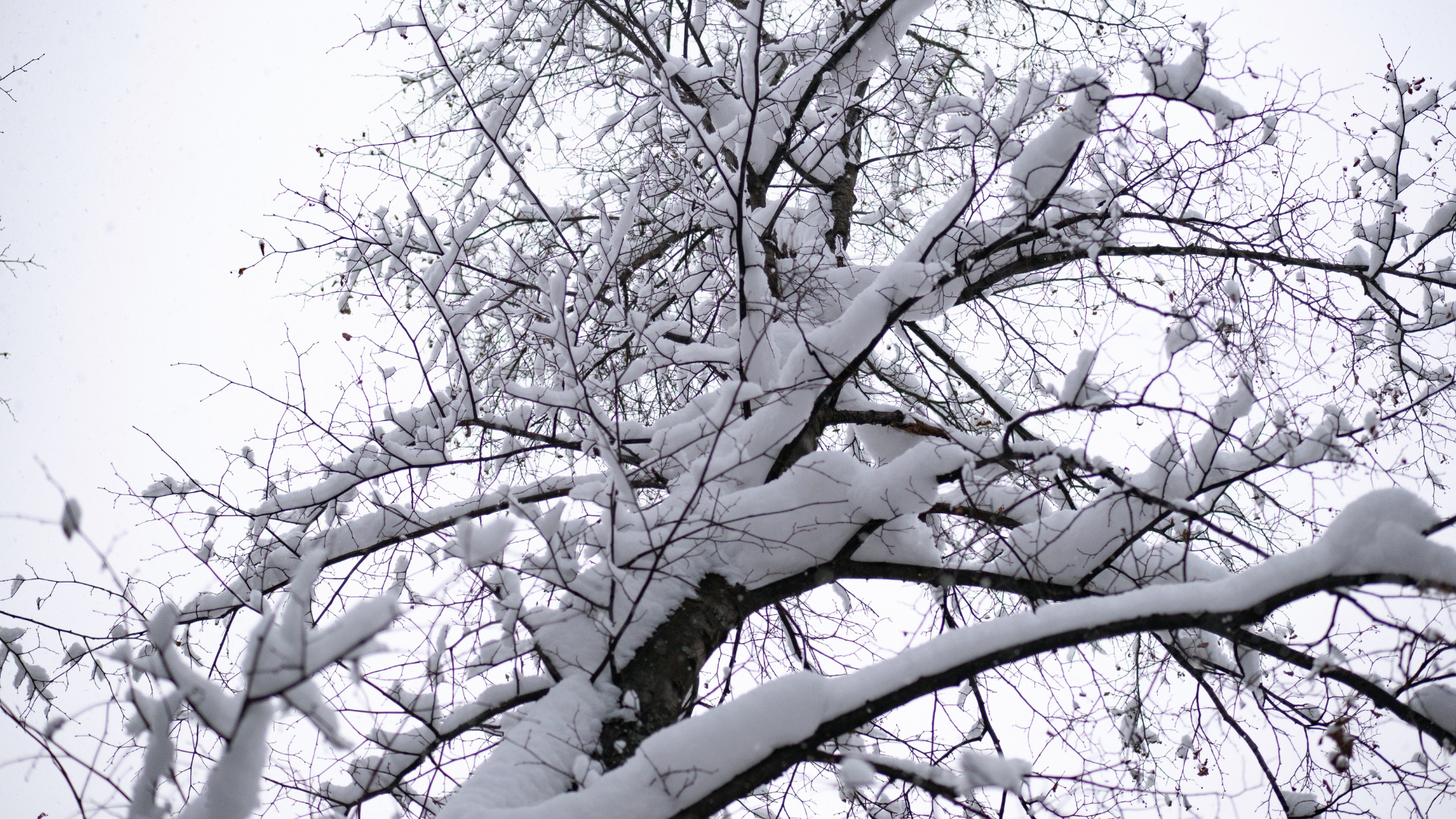
Mature trees have been exposed to years of environmental conditions. While they may appear resilient, the cumulative effect of stress can impact their overall health.
Factors such as:
- Drought conditions
- Temperature fluctuations
- Soil changes
can gradually reduce the tree’s ability to adapt. This long-term stress may not produce immediate symptoms but can weaken the tree over time.
Why These Risks Are Often Overlooked
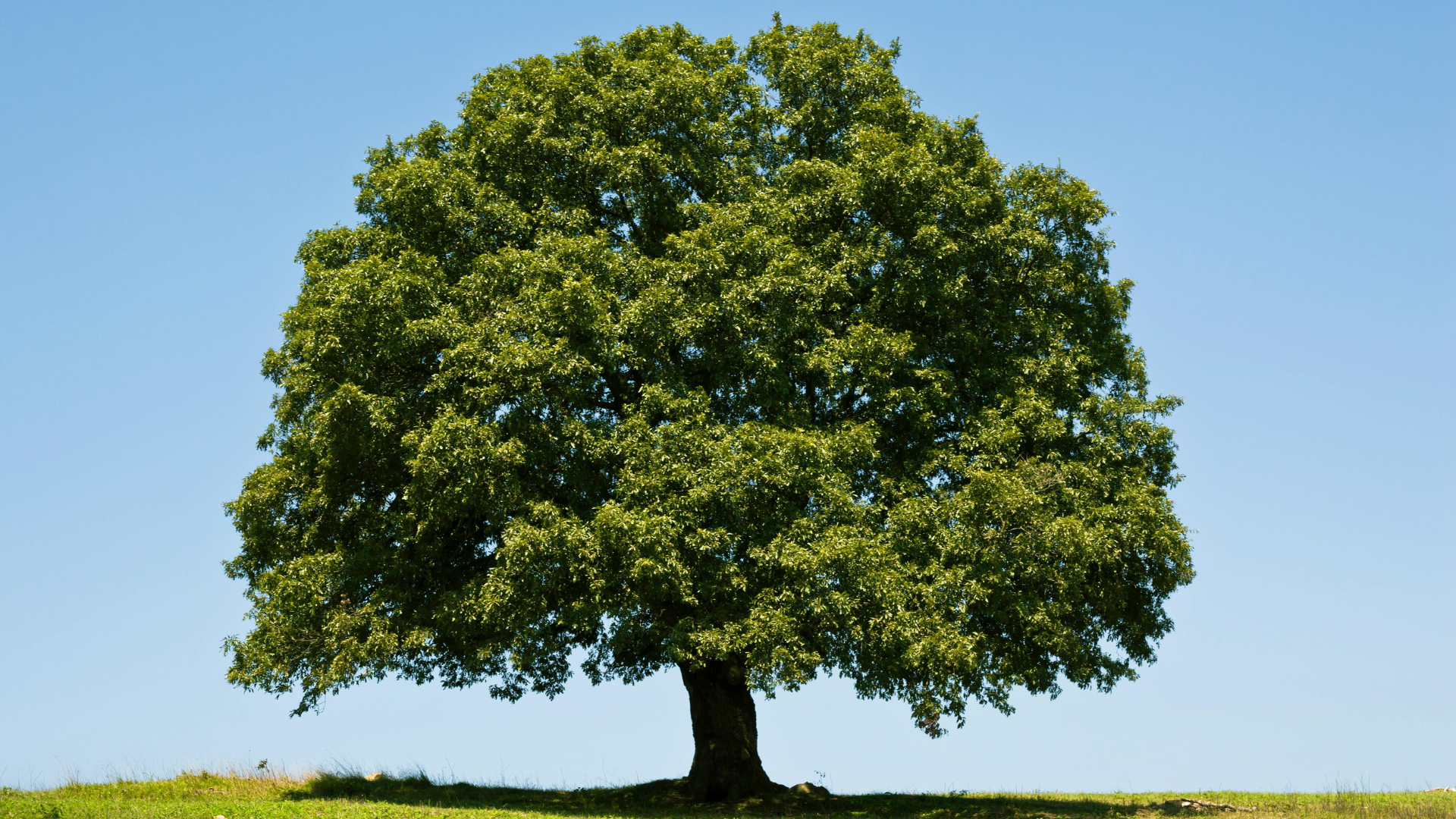
Many of these factors develop gradually and without obvious signs. Because mature trees can continue to produce leaves and appear healthy, underlying issues may not be recognized.
Homeowners may assume that:
- The tree has remained stable for years
- No visible damage means no immediate concern
- Maintenance can be delayed without consequence
This perception can allow risks to progress unnoticed.
A More Informed Approach to Tree Care
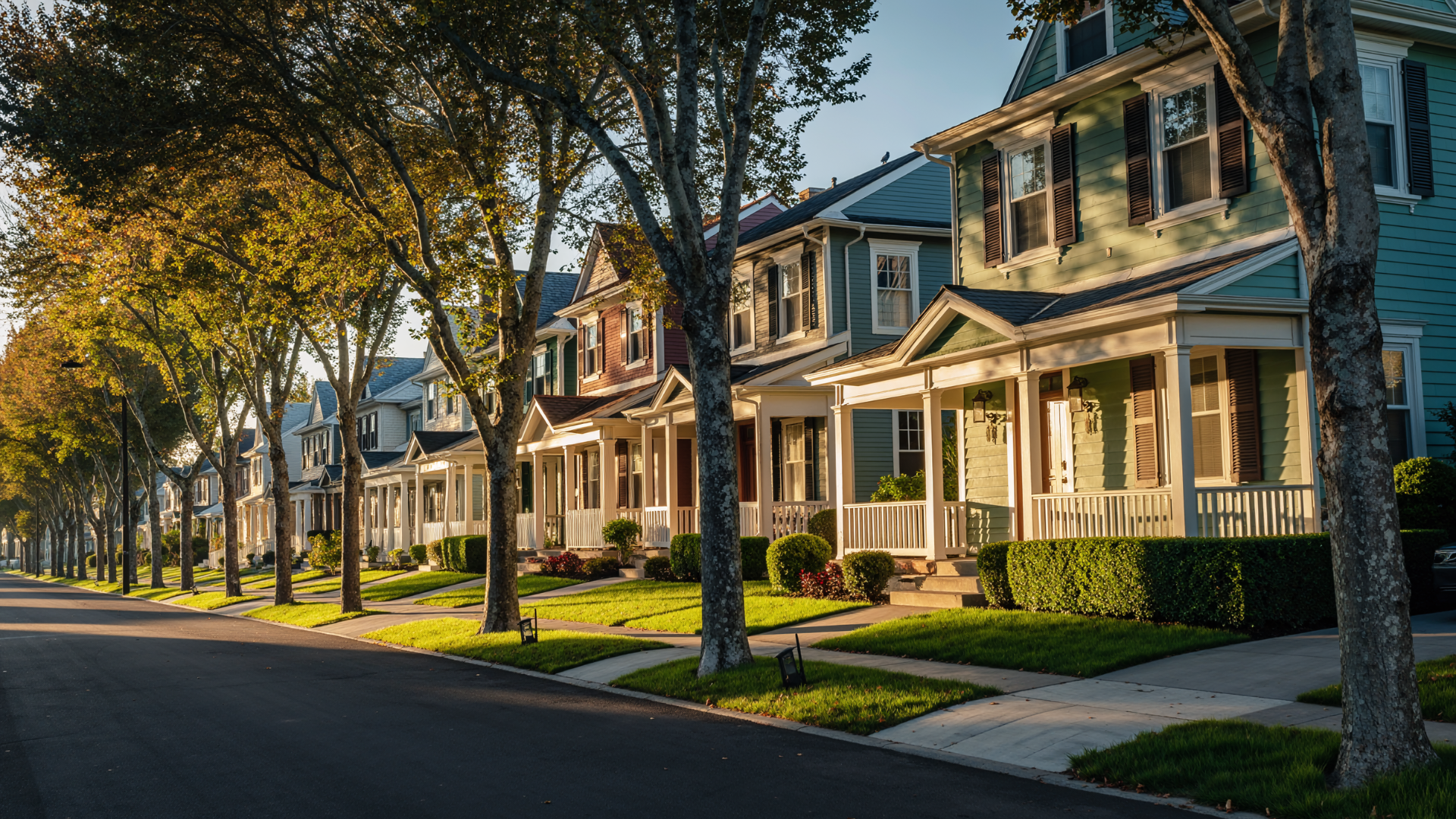
Mature trees add significant value to a property, but they also require ongoing evaluation. Identifying potential risks early allows for more controlled and effective management.
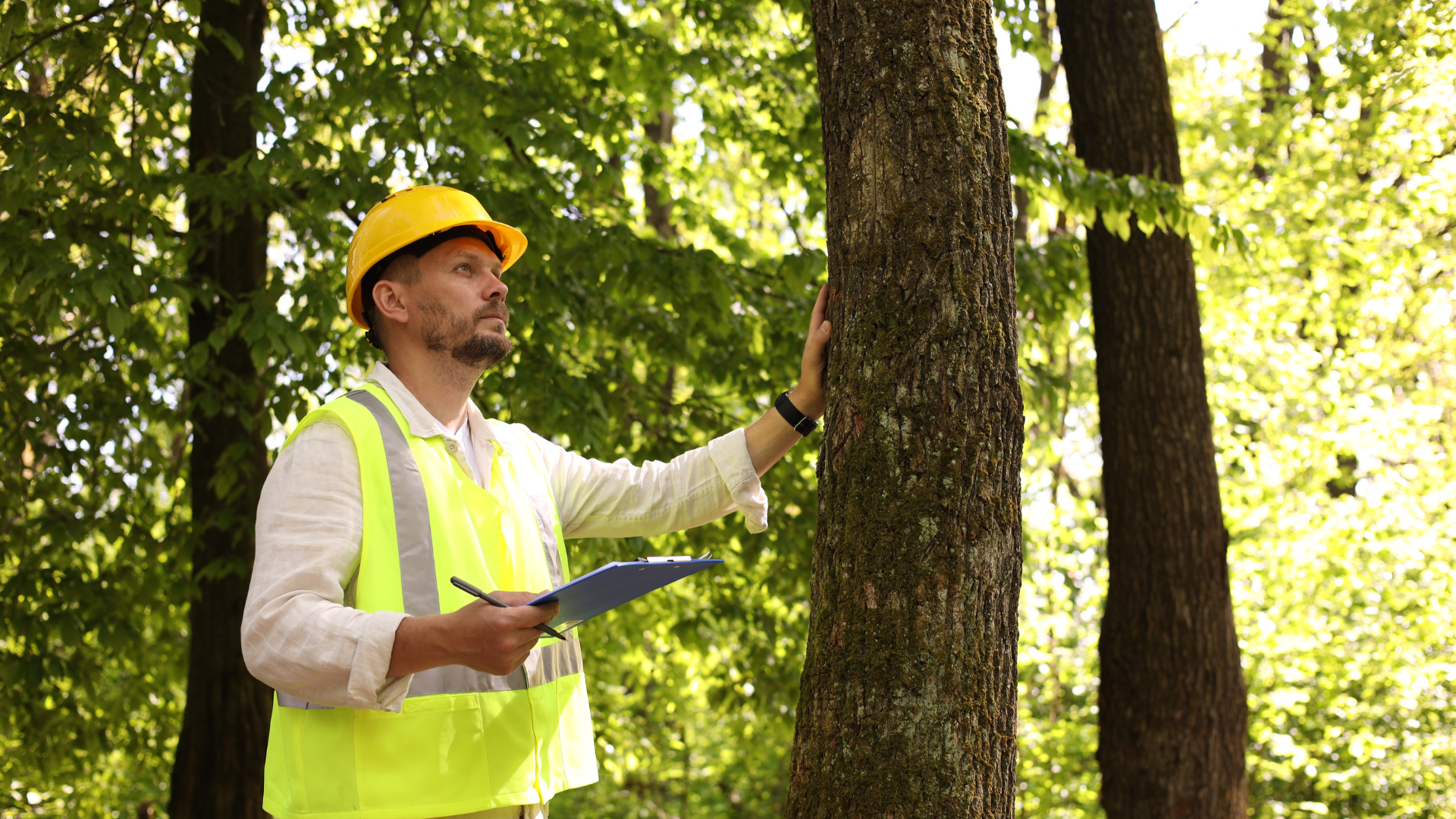
Midwest Tree Surgeons provides professional assessments designed to identify hidden risk factors and support long-term tree health. If you have mature trees on your property and want to ensure they remain safe and stable, contact Midwest Tree Surgeons to schedule an evaluation and take a proactive approach to tree care.