Invasive Pests in the Midwest: What to Watch For and How Arborists Respond

June 13, 2025

Protect Your Trees Year-Round

Invasive tree pests pose a serious threat to the health, stability, and lifespan of the trees on your property. In the Midwest, these pests are not just a seasonal nuisance—they are a year-round concern that can lead to widespread damage if left unchecked. At Midwest Tree Surgeons, we specialize in identifying, treating, and preventing infestations before they become costly problems.


If you are a homeowner, land manager, or property developer in this region, understanding which pests are active—and how professional arborists respond—can help you take informed steps to protect your investment.
A group of trees are standing in the water.

Why Invasive Pests Are a Serious Problem

Unlike native insects that have natural predators and balanced populations, invasive pests are non-native species that often spread rapidly and cause severe damage because local ecosystems lack the means to control them. These pests can:


  • Compromise tree health
  • Spread diseases
  • Cause structural instability
  • Lead to premature tree removal
  • Impact surrounding plant life and biodiversity


Their impact is not always immediate. Some infestations progress silently, causing internal decay or weakening branches before visible signs appear.

A close up of a tree branch with white flowers.

Common Invasive Pests in the Midwest

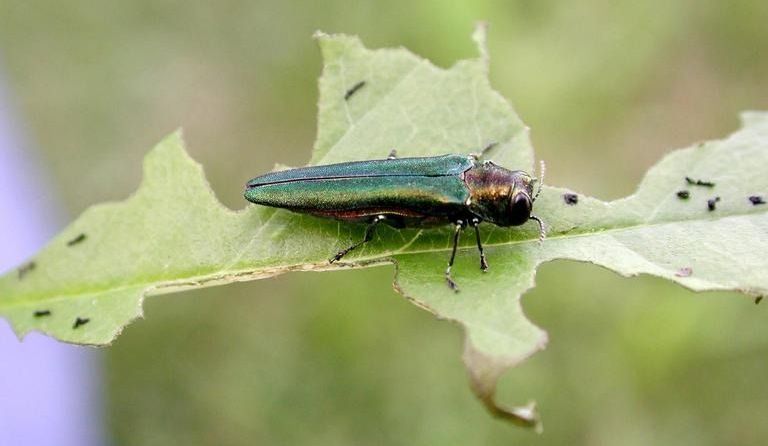
1. Emerald Ash Borer

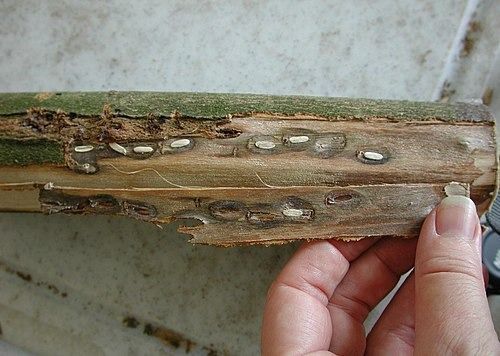
Originally from Asia, the emerald ash borer is one of the most destructive pests in North America. It targets all species of ash trees, boring into the trunk and cutting off the tree’s ability to transport water and nutrients.


Warning Signs:

  • Canopy thinning
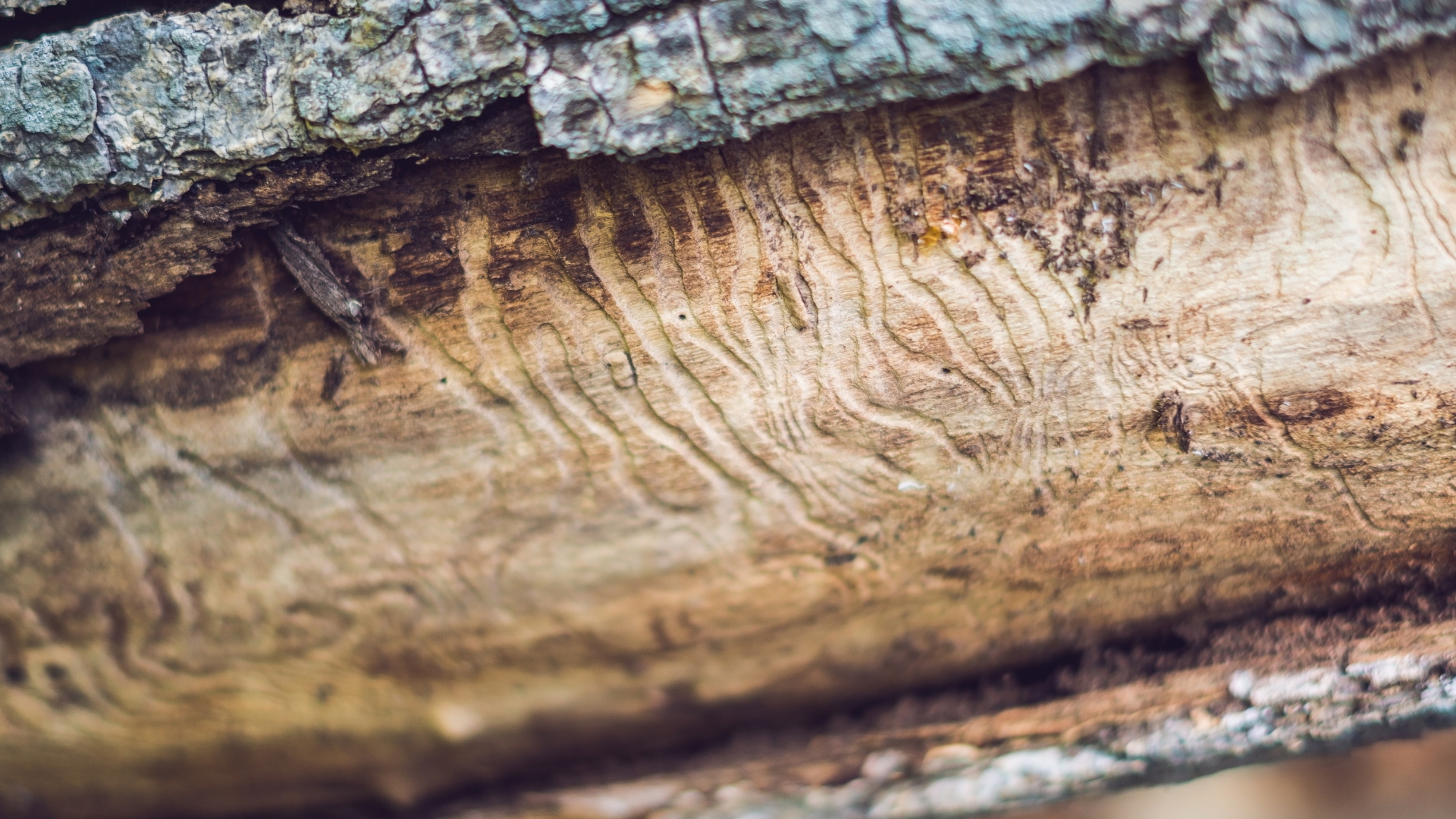
  • D-shaped exit holes in bark
  • Bark splitting
  • Increased woodpecker activity


Without treatment, infested trees typically die within 2–4 years.
A tree with lots of pink flowers on it

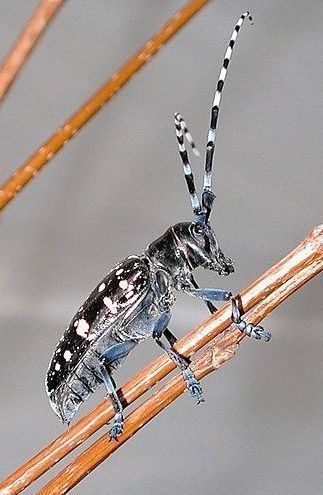
2. Asian Longhorned Beetle

This beetle targets a wide range of hardwoods including maple, elm, willow, and poplar. The larvae tunnel deep into the wood, compromising structural integrity.


Warning Signs:

  • Round exit holes
  • Frass (sawdust-like material) at the base of the tree
  • Dieback in the canopy
  • Oozing sap from the trunk


This pest has the potential to devastate urban and rural forests alike.

oak leaves

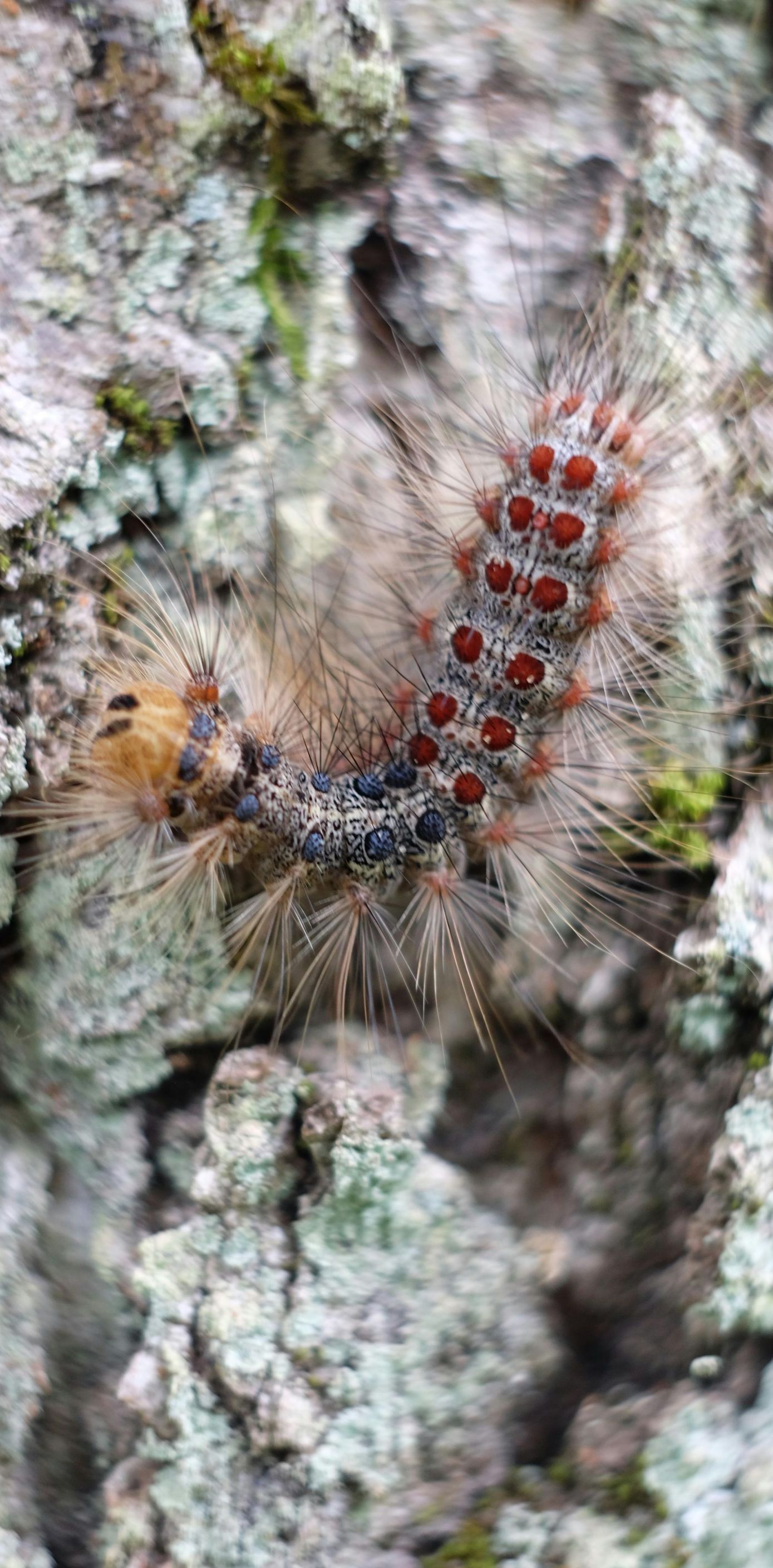
3. Gypsy Moth (Spongy Moth)

While native to Europe and Asia, this pest has spread throughout the eastern and Midwestern United States. The larvae feed on the leaves of over 300 species of trees, including oak, birch, and aspen.


Warning Signs:

  • Defoliation during spring and summer
  • Egg masses on trunks or outdoor structures
  • Caterpillars crawling on trunks and sidewalks


Repeated defoliation weakens trees and makes them vulnerable to secondary diseases.
A close up of a dogwood tree with white flowers and green centers.

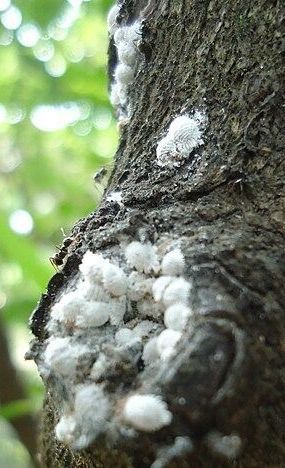
4. Scale Insects

Scale insects affect a wide variety of tree species. They latch onto branches and stems, sucking out sap and weakening the host.


Warning Signs:

  • Sticky residue (honeydew) on leaves or nearby surfaces
  • Yellowing leaves
  • Sooty mold development
  • Visible bumps along branches and twigs


Scales are often overlooked because of their size but can spread rapidly and silently.
How Arborists Respond

At Midwest Tree Surgeons, we take a science-based approach to pest management, combining thorough diagnostics with targeted interventions.


1. Tree Health Assessments

Early detection is key. Certified arborists perform in-depth evaluations of canopy condition, bark texture, and insect activity. We often identify problems before a homeowner notices symptoms.


2. Preventive Treatments

For known threats like EAB, systemic insecticide treatments can be applied before infestation begins. Preventive care is especially important for high-value trees or trees in stressed environments.


3. Targeted Removal

In cases of severe infestation or irreversible damage, strategic removal may be necessary to prevent spread to surrounding trees.

4. Integrated Pest Management (IPM)

We use an IPM approach that combines cultural, biological, and chemical methods. This includes promoting tree health through proper pruning and soil care, encouraging beneficial insect predators, and using treatments only when needed.


5. Monitoring and Follow-Up

Ongoing care is essential. We work with property owners to monitor previously treated trees, track pest activity, and adjust strategies seasonally.


Stay Ahead of the Threat

Invasive pests are not going away. In fact, climate variability and international trade continue to introduce new threats to Midwest landscapes. Proactive care is not optional—it is the most cost-effective and environmentally responsible way to protect your trees.


If you suspect your trees are under attack or want to safeguard them before problems arise, Midwest Tree Surgeons is here to help. Our certified arborists are trained to identify, manage, and prevent infestations with precision and care.
A person is holding a red maple leaf in their hand.
an oak tree
An orange bird perched on a tree branch with green leaves
asian long horned beetle
cypress tree
The sun is shining through the branches of a cherry blossom tree.
March 18, 2026
Severe storms can cause significant damage to trees and surrounding property. After strong winds or heavy storms pass through a neighborhood, it is common to see some trees still standing strong while others have lost major limbs or fallen entirely. This often leads homeowners to wonder why certain trees survive while others fail under the same weather conditions.  The answer usually involves a combination of factors including tree structure, root stability, species characteristics, and long-term maintenance. Understanding these factors can help property owners take steps to reduce the risk of storm damage and protect both their landscape and their homes.
March 11, 2026
Trees are one of the most valuable natural assets in any community . They provide shade, improve air quality, reduce energy costs, and enhance property values. In cities and suburban neighborhoods across the Midwest, trees collectively form what arborists often refer to as the “urban forest.” While these trees may be planted along streets, in parks, or throughout residential landscapes, they function together as a living ecosystem that benefits the entire community.  However, this urban forest faces growing threats from invasive pests and diseases . One of the most effective ways to protect trees from these threats is through diversity. When communities and homeowners plant a variety of tree species rather than relying on a single type, they create a more resilient landscape that is better equipped to withstand pest outbreaks.
March 3, 2026
Trees are one of the most valuable features of any Midwest property. They provide shade, reduce energy costs, improve curb appeal, and contribute to environmental health. However, the Midwest climate, with its humid summers, fluctuating temperatures, and seasonal rainfall, creates ideal conditions for fungal diseases to develop. Understanding common fungal threats is essential for protecting tree health and preventing long-term structural damage.  At Midwest Tree Surgeons, we regularly diagnose and treat fungal infections that threaten residential and commercial landscapes. Early identification and professional intervention often make the difference between saving a tree and losing it.
February 25, 2026
In recent years, the spotted lanternfly has emerged as one of the most concerning invasive pests affecting trees and landscapes across parts of the United States. Originally detected in Pennsylvania in 2014 , this invasive insect has steadily expanded its range. For property owners in the Midwest, awareness and early intervention are becoming increasingly important.  At Midwest Tree Surgeons, we emphasize proactive monitoring and professional tree care to help protect native trees from invasive threats like the spotted lanternfly.
February 18, 2026
Mature trees are often appreciated for the shade they provide during hot summer months, but their value extends far beyond cooling comfort. Established trees are long-term assets that contribute to property value, environmental stability, and overall landscape health. For homeowners and property managers alike, understanding the broader benefits of mature trees can influence how they approach tree care and long-term planning.
February 11, 2026
Pruning is often viewed as a routine maintenance task, but when it is done incorrectly, it can create lasting structural problems that compromise a tree’s health and stability. While improper pruning may not show immediate consequences, the damage it causes can take years to fully appear. By the time issues become visible, corrective options may be limited.  Understanding how improper pruning affects tree structure helps property owners make informed decisions about long term tree care.
February 4, 2026
Construction projects often focus on what is being built, but the impact on existing trees is frequently overlooked. Whether the work involves a home addition, driveway replacement, utility installation, or commercial development, construction activity can place significant stress on mature trees . Understanding how these projects affect trees helps property owners protect valuable landscape assets and avoid long term safety and health issues.
January 29, 2026
Major weather changes can place significant stress on trees, even when no obvious damage is visible. In the Midwest, trees regularly experience rapid shifts in temperature, heavy rain, high winds, ice, snow, and freeze-thaw cycles. While trees are resilient by nature, these conditions can weaken their structure and health over time.  Evaluating tree health after major weather events is an important step in protecting both the trees themselves and the surrounding property.
January 21, 2026
Trees add beauty, shade, and value to a property, but they also carry responsibility. When a tree fails and causes damage or injury, homeowners are often surprised to learn that liability can become a serious issue. Understanding how tree failure occurs and how responsibility is determined helps property owners take proactive steps to protect both people and property.
January 15, 2026
As winter fades and warmer temperatures return, spring becomes one of the most important seasons for proactive tree care. Trees begin a new growth cycle , pests become active, and issues that developed during winter storms or freezing conditions often start to reveal themselves. Planning ahead for spring tree care helps protect tree health, improve safety, and set the stage for strong growth throughout the year.
More Posts