Why Canopy Reduction is Essential for Tree Health
Trees are essential to our environment, providing oxygen, shade, and beauty to our landscapes. However, to ensure they thrive for years to come, regular tree maintenance is critical. One key aspect of tree care that often gets overlooked is canopy reduction . This process, which involves trimming and shaping a tree’s upper branches, plays a significant role in maintaining its health, stability, and appearance. It’s not just about aesthetics or managing size—it’s about keeping the tree safe, strong, and sustainable for the long haul.
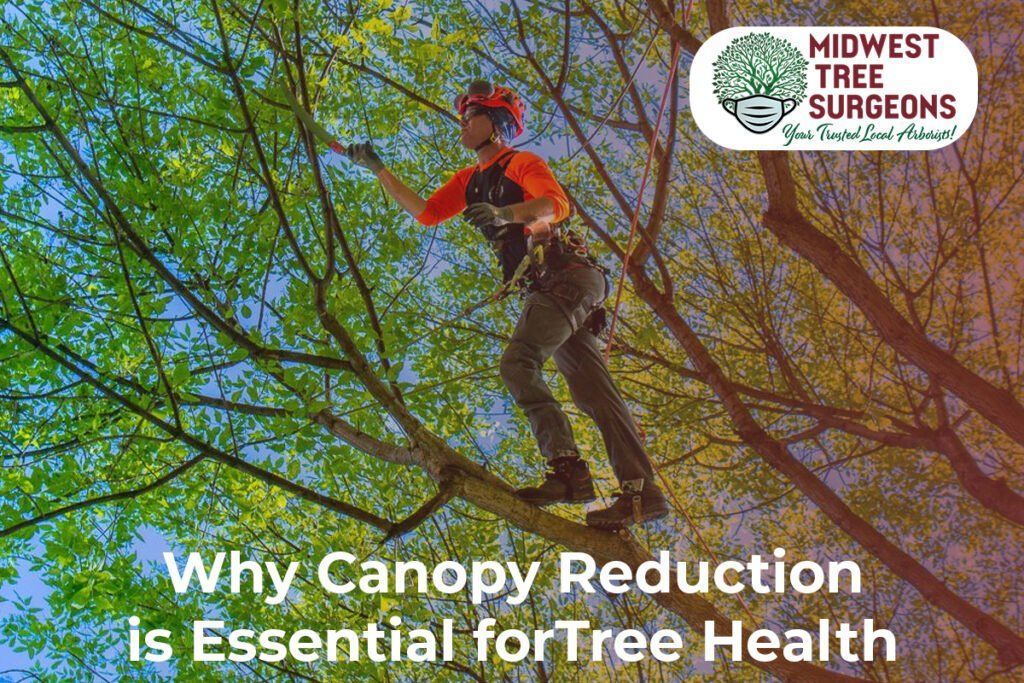
In this post, we’ll delve into the reasons why canopy reduction is essential for tree health, how it impacts tree growth, and the numerous benefits it brings to your trees and your property. By the end, you’ll have a better understanding of why this tree care technique should be a regular part of your landscaping routine.
What is Canopy Reduction, and Why is it Important?
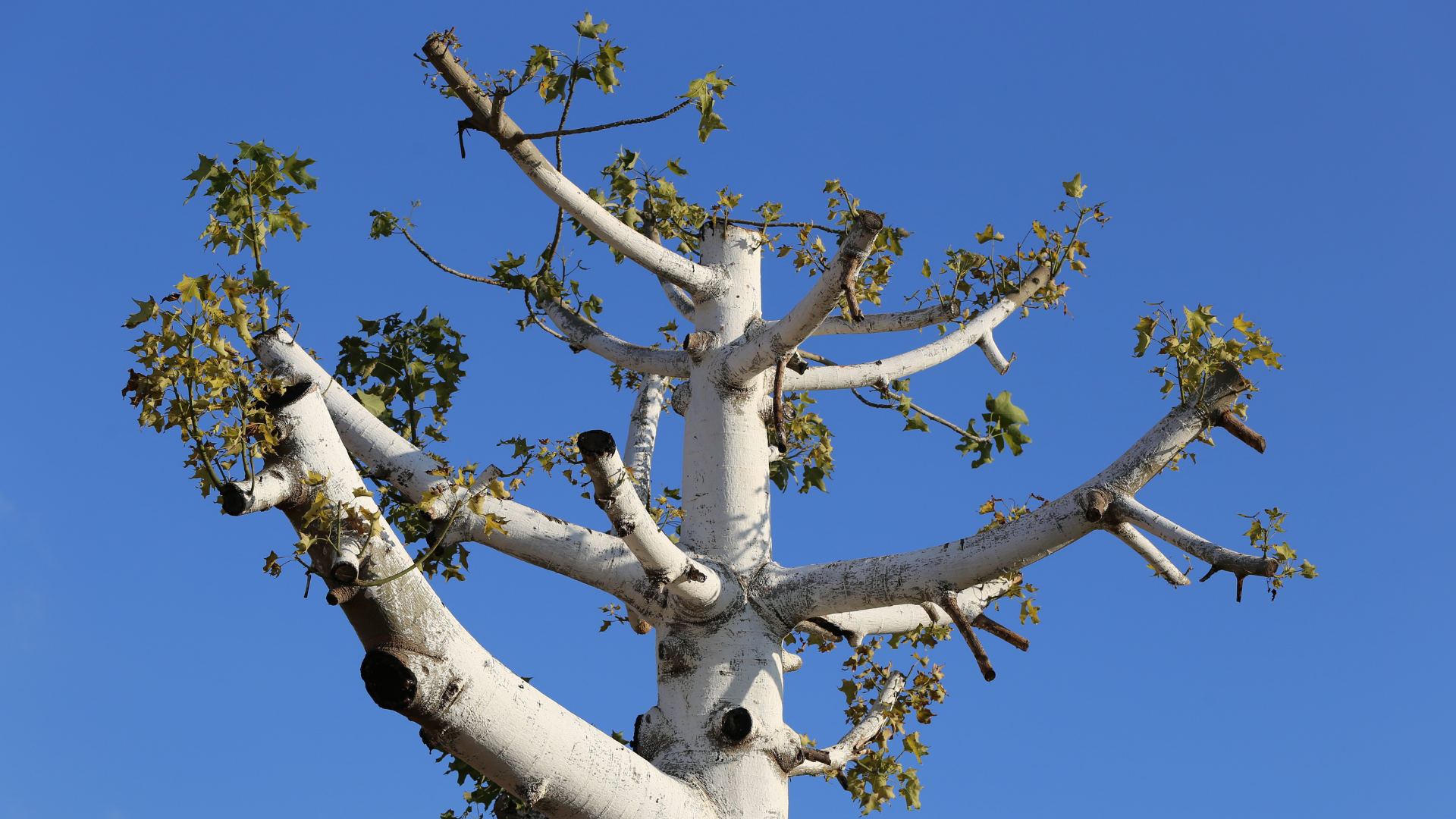
Canopy reduction is a tree care technique that involves reducing the size of a tree’s crown or canopy. This typically involves the removal of specific branches, especially those that are overgrown or pose a safety hazard. The goal is to enhance the tree’s health, manage its growth, and improve its overall appearance. Unlike tree topping, which can harm a tree by cutting too drastically, canopy reduction maintains the natural shape of the tree while allowing for more controlled growth.
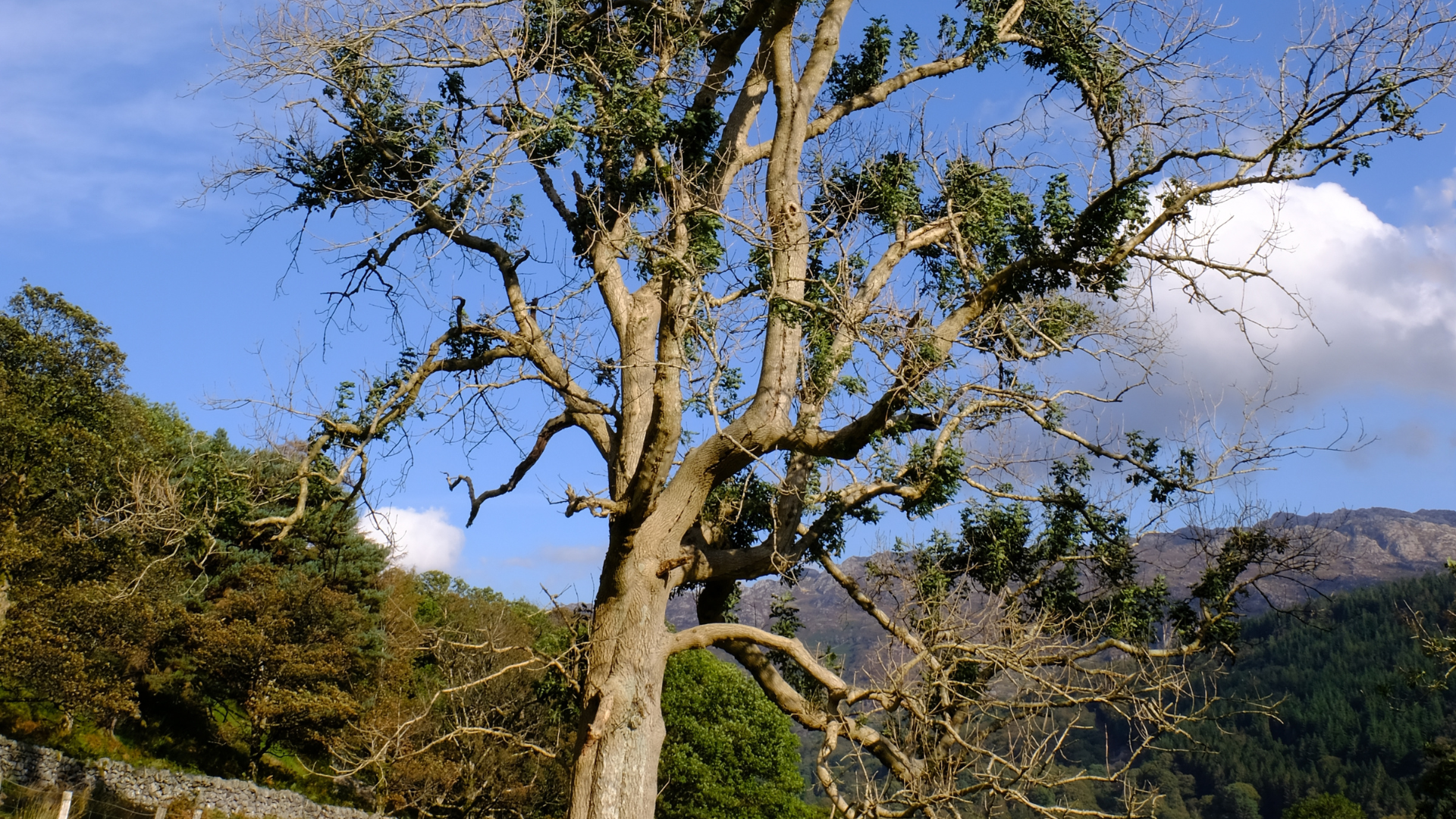
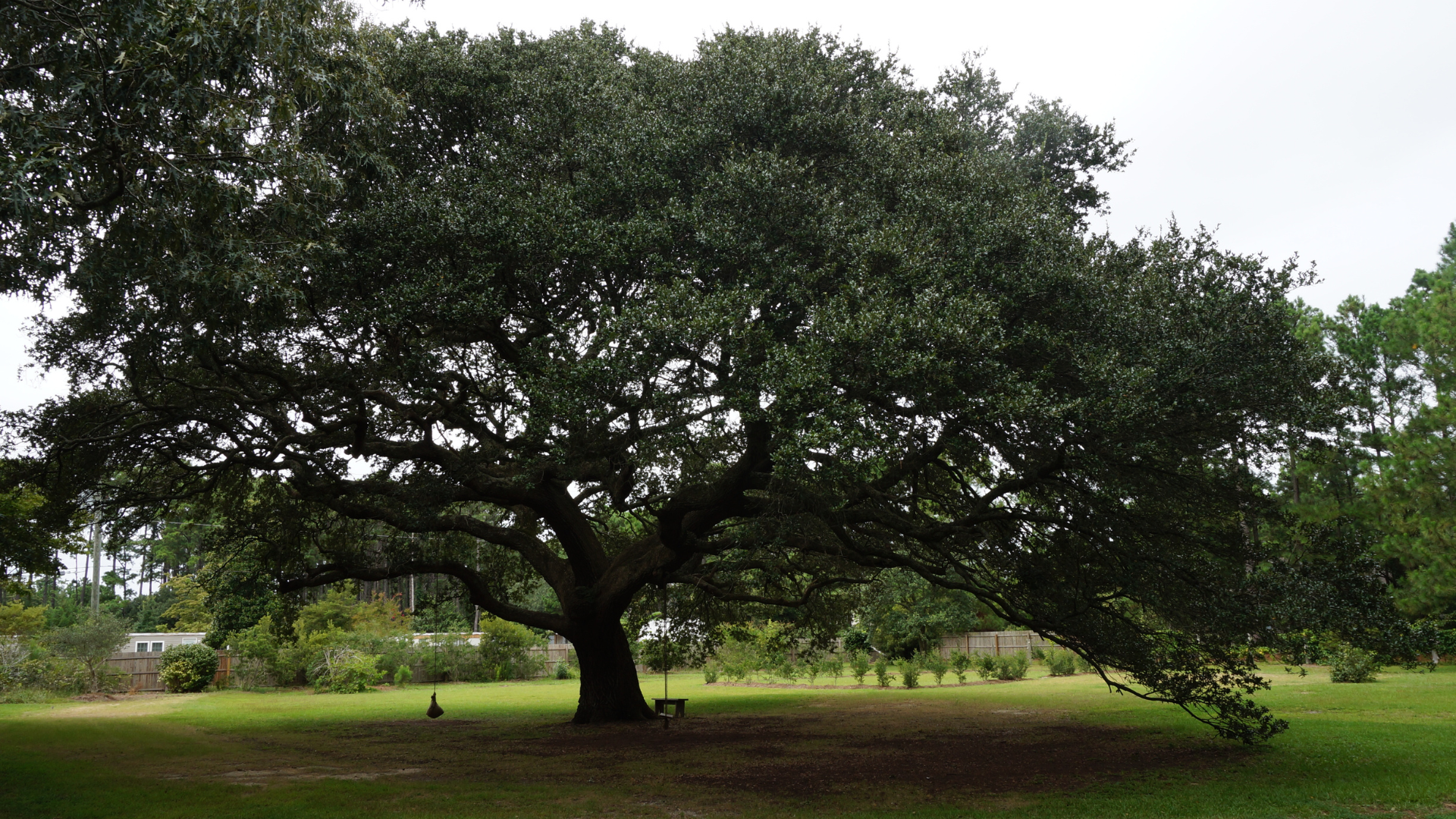
Reducing the canopy size of a tree has several key benefits, especially when it comes to improving the tree’s overall health. Trees that are overgrown with dense canopies can suffer from a lack of airflow and sunlight, leading to weak or diseased branches. In some cases, reducing the canopy can also reduce the risk of storm damage, as trees with thinner canopies are less likely to lose large limbs during high winds.
Promoting Healthy Growth Through Tree Crown Reduction
One of the primary benefits of tree crown reduction is that it encourages healthier growth. Overgrown trees often struggle to absorb adequate sunlight, which is vital for photosynthesis. A dense canopy can block the sunlight from reaching the inner branches and leaves, leading to a lack of nutrients in those areas.
By trimming back excess branches, you allow sunlight to penetrate deeper into the tree’s structure, promoting the growth of new, healthier branches. It also improves airflow, which is essential for preventing diseases like mildew and fungus. In fact, regular tree trimming can significantly boost the tree’s ability to fight off diseases and pests, keeping it strong and vibrant.
Enhancing Safety with Regular Canopy Reduction
Safety is a major concern for homeowners and property managers when it comes to tree maintenance. Overgrown trees, particularly those with large, heavy branches, can pose a risk to nearby structures, power lines, and people. During storms, these branches are more likely to break off and cause damage to property or even injuries.
Regular branch removal as part of canopy reduction can significantly reduce these risks. By carefully removing branches that are dead, dying, or simply too large, you reduce the weight and wind resistance on the tree, making it less likely to suffer damage in extreme weather. In addition, this process helps keep trees from encroaching on power lines, which is crucial for power line clearance and preventing service disruptions.
Improving Tree Shape and Aesthetics
Canopy reduction isn’t just about health and safety—it can also improve the tree’s appearance. Overgrown trees can become uneven or misshapen, which may detract from the overall look of your yard or landscape. By tree shaping through proper pruning and reduction, you can enhance the tree’s aesthetic value.
Pruning branches to create a more uniform shape can give your trees a well-groomed, appealing appearance. This is especially important for ornamental trees or those that serve as focal points in your garden or lawn. Proper canopy reduction also helps prevent unsightly growth that may block views or create excessive shade.
Protecting Trees From Disease and Pest Infestations
A healthy tree is a tree that is less vulnerable to disease and pests. Dense canopies can trap moisture, creating a favorable environment for fungi, mildew, and insect infestations. By reducing the canopy size, you help ensure better airflow and sunlight penetration, which are essential for reducing the risk of diseases.
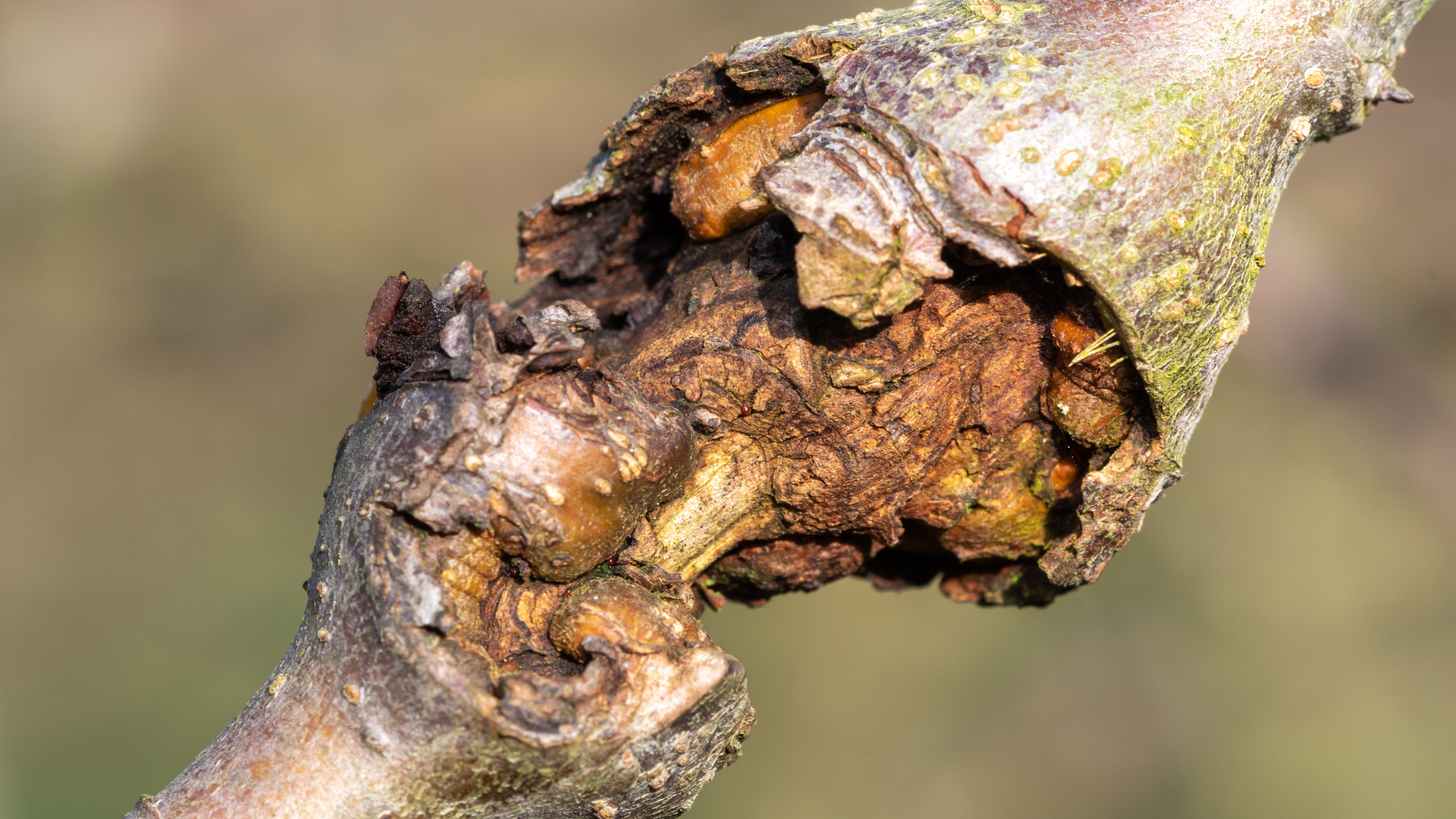
When safe pruning is done regularly, you can also identify and remove infected branches before the problem spreads. This preventive care allows you to keep your trees in peak health and avoid costly damage caused by pests or diseases. Additionally, pruning dead or dying wood is a key part of deadwood pruning services , helping trees stay free from infection.
Reducing the Risk of Storm Damage
Severe weather events, such as storms and high winds, can wreak havoc on trees with dense, heavy canopies. Branches that are overly thick and unbalanced are more likely to snap and fall during a storm, which can cause significant damage to your property, cars, or landscaping.
Canopy reduction helps mitigate this risk by thinning out the tree and removing weaker, damaged branches. A lighter, more balanced canopy reduces the tree’s overall wind resistance, making it less prone to breaking during storms. Proper tree maintenance before hurricane season or other severe weather events can help protect your home and surrounding property.
Canopy Reduction Helps with Root Health
You might be surprised to learn that canopy reduction can also have positive effects on a tree’s root system. When a tree’s upper branches are too large, they demand more nutrients and water, placing strain on the root system. Over time, this can lead to poor root health and weaker trees.
By reducing the canopy size, you’re helping to alleviate some of that stress on the roots, allowing them to grow stronger and more efficiently. This leads to better nutrient absorption and overall tree stability. So, while it might seem like cutting back on branches would harm the tree, it can actually benefit its foundation.
Final Thoughts
Canopy reduction is an essential part of tree care that provides numerous benefits for your trees and property. Not only does it promote healthier growth, but it also enhances safety, prevents disease, and improves the overall appearance of your trees. Whether you’re dealing with overgrown limbs or simply want to keep your trees in their best shape, regular tree trimming and branch removal are crucial to their long-term health.
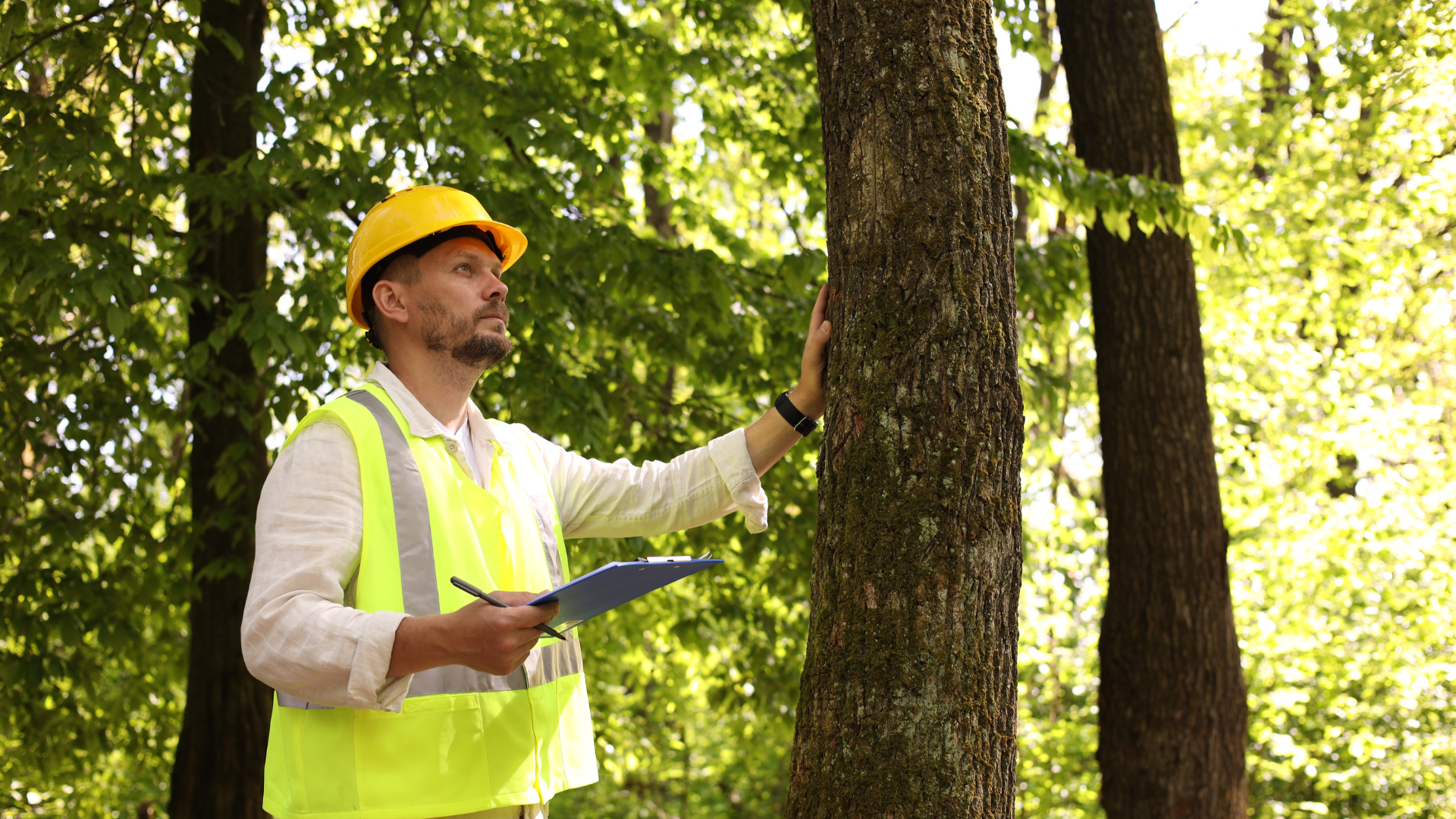
If you’re unsure where to start, consult with a professional arborist to ensure your trees receive the care they need. A well-maintained tree is not just a thing of beauty—it’s an investment in the future of your landscape.
FAQs About Canopy Reduction
Q1: How often should I reduce the canopy of my trees?
It depends on the type of tree and its growth rate. Typically, trees benefit from canopy reduction every 3 to 5 years. However, high-risk branches may need attention sooner.
Q2: Can canopy reduction be done in any season?
The best time for canopy reduction is typically during the tree’s dormant season, usually in late winter or early spring. This helps minimize stress on the tree and allows it to recover quickly.
Q3: Will canopy reduction harm my tree?
If done correctly by a certified arborist, canopy reduction will not harm your tree. In fact, it will help improve its health and longevity.
Q4: How do I know if my tree needs canopy reduction?
If your tree has overgrown branches, an imbalanced canopy, or if branches are touching structures or power lines, it’s time for a canopy reduction. An arborist can assess the tree and determine the best course of action
The post Why Canopy Reduction is Essential for Tree Health appeared first on Midwest Tree Surgeons LLC.