How Aerial Tree Inspections Can Save You Money in the Long Run

April 8, 2025

When it comes to maintaining the beauty and health of your property, trees are an essential element. They provide shade, enhance curb appeal, and even increase the value of your home. However, just like any other living thing, trees require regular attention and care to thrive. This is where aerial tree inspections come into play. By using advanced technology such as drones or helicopters, experts can assess the health and structure of your trees without the need for extensive climbing or tree removal. In this blog, we’ll explore how aerial tree assessments can help you save money in the long run by preventing costly repairs, ensuring the safety of your property, and optimizing tree care.
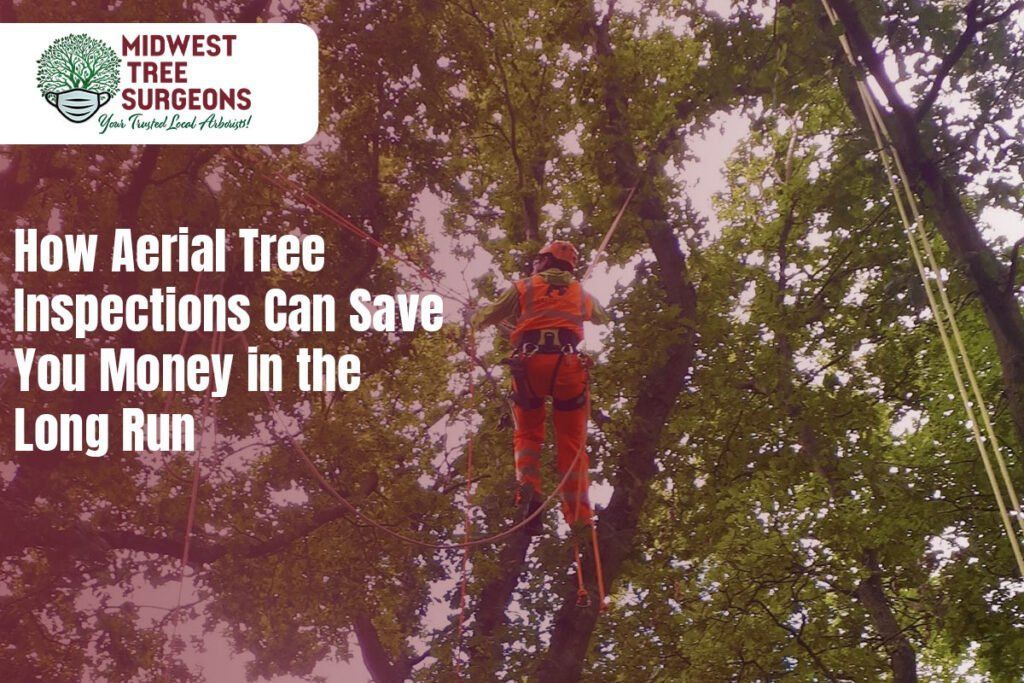
A man is hanging from a tree with the words how aerial tree inspections can save you money in the long run

Preventing Costly Tree Damage with Early Detection

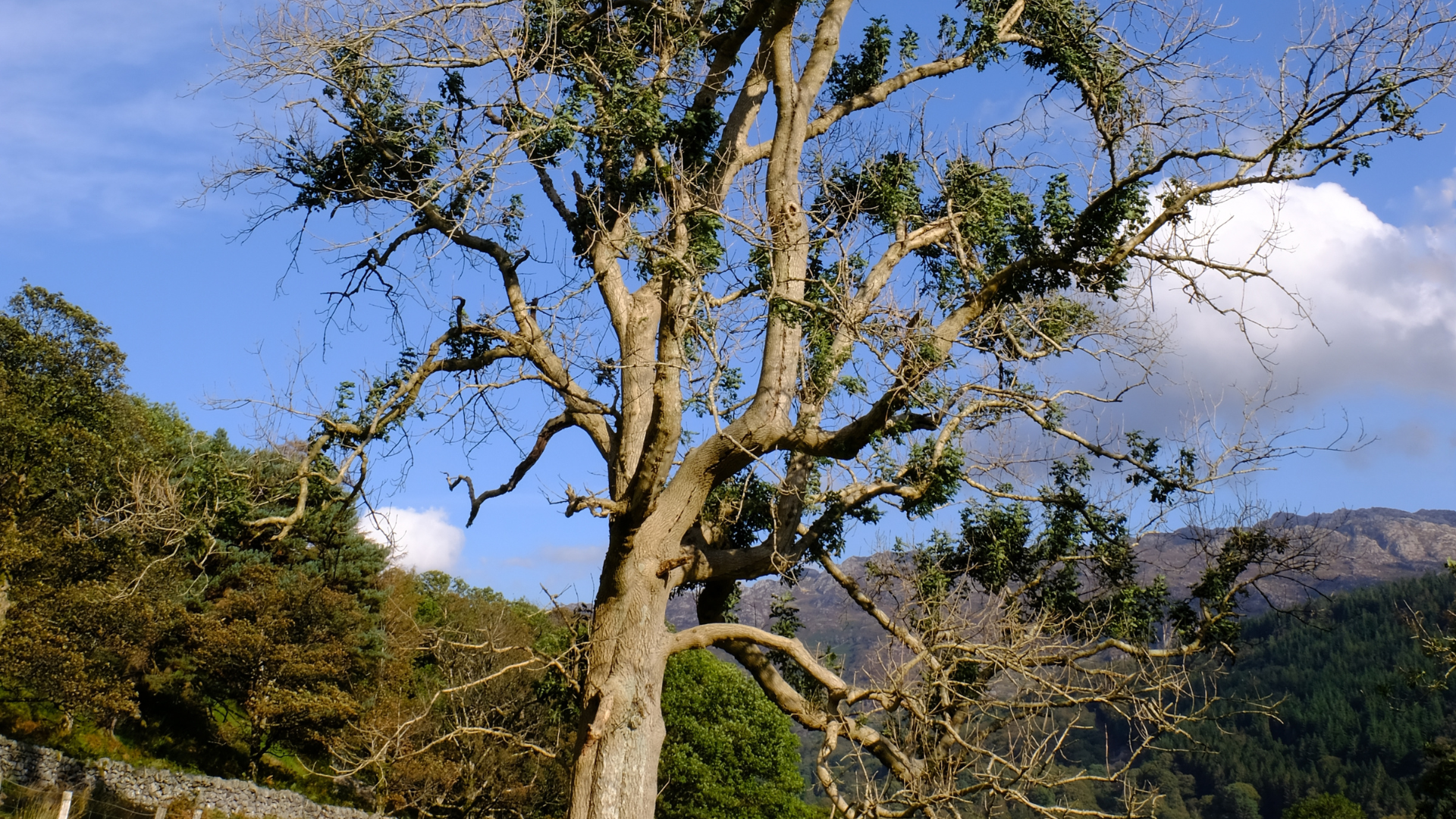
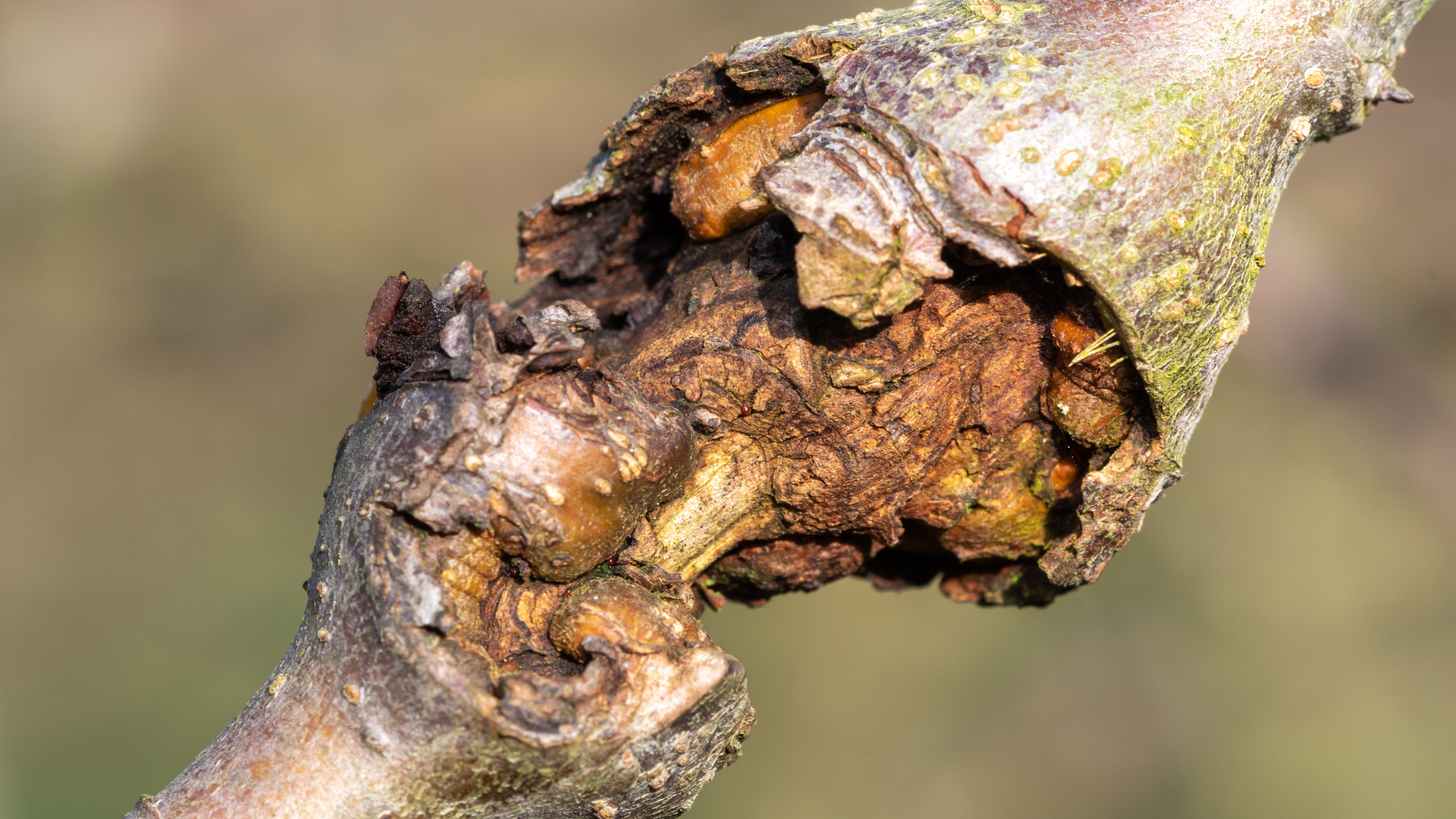
One of the primary benefits of aerial tree inspections is the ability to catch potential problems early on. These issues might go unnoticed for months or even years, causing the tree to deteriorate further.

By addressing these issues early, you avoid the expensive cost of emergency tree removal or repairs after a tree has fallen or caused damage to your property. Regular tree maintenance inspections can identify small issues before they escalate, ultimately saving you thousands in repair or replacement costs. Whether it’s addressing a weakened tree branch before it breaks or treating a disease before it spreads, the benefits of early detection cannot be overstated.

Aerial Tree Assessments for Enhanced Safety

Tree safety is a crucial factor in maintaining a secure 

environment around your home or business. A tree with compromised structural integrity can pose serious risks to 

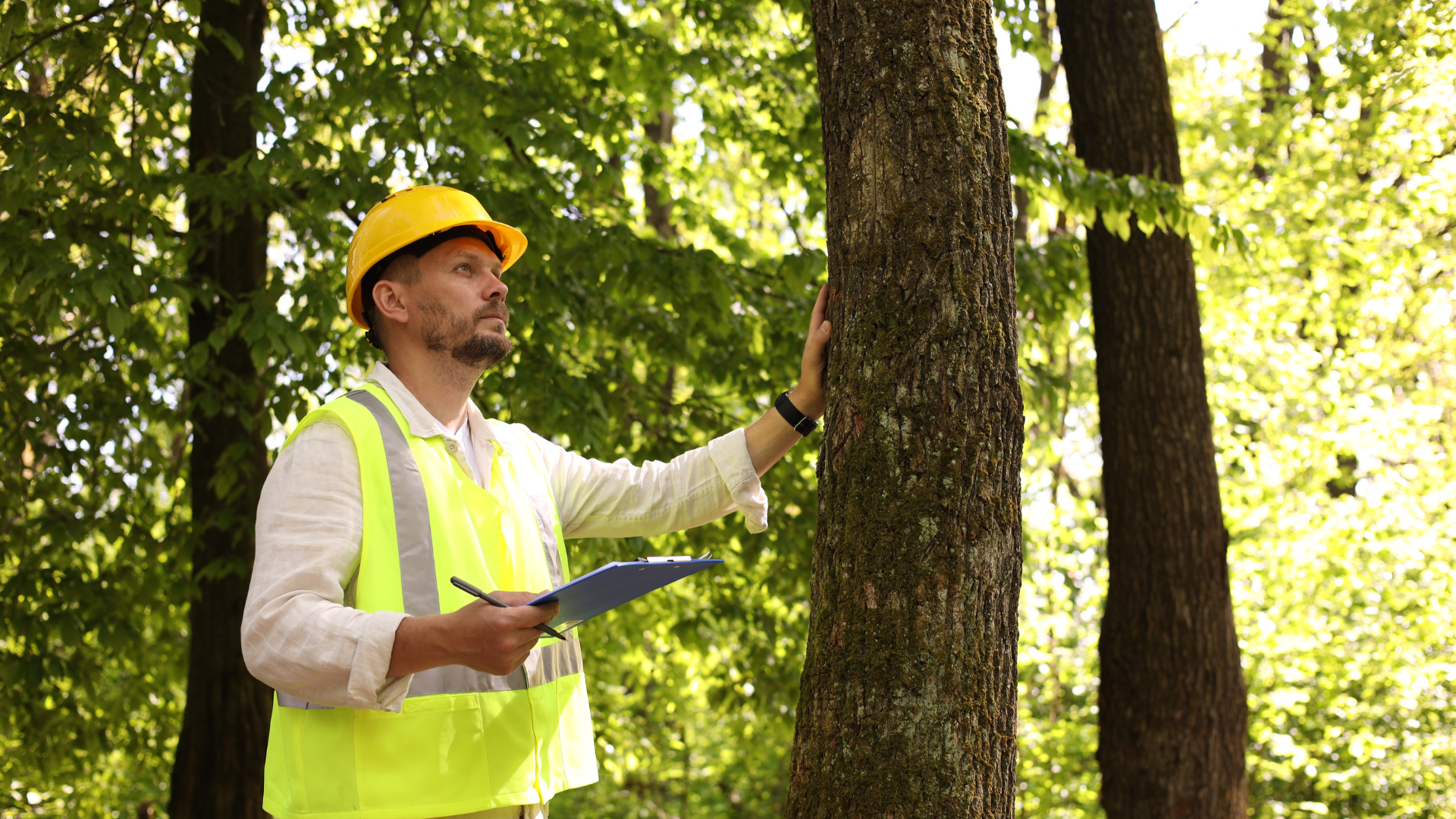
your property, family, or employees. A tree risk assessment helps identify weak spots or potential hazards, including 

rotting roots, unstable branches, or cracks in the trunk. By utilizing aerial inspection methods, professionals can get a clearer view of your trees’ condition, even in the most difficult-to-reach areas.

Once risks are identified, tree condition monitoring can be implemented to ensure that your trees remain safe. Regular aerial surveys allow you to manage tree health proactively, preventing the possibility of accidents that might require costly insurance claims or legal fees. The peace of mind that comes with knowing your trees are safe is an invaluable asset to any property owner.

Maximizing the Lifespan of Your Trees

Trees are long-term investments in your property, and taking proper care of them ensures they thrive for many years. Regular aerial tree assessments provide an in-depth analysis of your trees’ health, identifying areas that need attention. Whether it’s pruning dead branches, providing support for leaning trees, or addressing pest infestations, these inspections help prolong the life of your trees.

Minimizing Emergency Tree Removal Costs

Emergency tree removal is one of the most expensive aspects of tree care, and it’s often caused by neglecting regular inspections. A tree that has been left unchecked for too long may develop weaknesses that can lead to falling limbs or even the entire tree toppling over in a storm. This can cause significant damage to your property, including cars, fences, and roofs, not to mention potential harm to people.

Reducing Long-Term Tree Care Expenses

Tree care doesn’t stop after an initial inspection. Once issues are identified, there are ongoing costs associated with maintaining healthy trees. However, aerial tree assessments help you make informed decisions about which trees require more attention and which ones are in good shape. This helps prioritize maintenance tasks, ensuring that you’re investing in the most necessary services.

For example, tree risk assessments may reveal that a specific tree requires regular pruning or that a tree’s root system needs to be supported. By addressing these needs early on, you can prevent unnecessary expenses and ensure that your trees stay healthy with minimal intervention. This approach not only saves money but also reduces the amount of time and resources spent on maintaining your landscape.

Enhancing Property Value Through Proper Tree Management

Proper tree care and maintenance can significantly enhance the curb appeal of your property. If you plan on selling your home or business in the future, trees that are well-maintained can increase its market value. Aerial tree inspections provide a detailed report on the health and status of your trees, which can be used to highlight the property’s well-being to potential buyers.

Moreover, buyers are often more willing to pay a premium for a property that comes with well-maintained trees because they know the trees won’t pose an issue in the future. A tree with known issues might discourage prospective buyers or lower the property’s value. By investing in regular tree maintenance inspections, you’re essentially investing in the future sale of your property.

Environmentally Friendly and Efficient Tree Monitoring

Not only do aerial tree inspections save you money, but they also offer an environmentally friendly way to manage your trees. Traditional tree assessments often require climbing, which can be invasive and physically taxing. Aerial methods, on the other hand, allow for a more non-invasive and precise approach to monitoring tree health. Drones and aerial technology provide high-resolution images and data without the need for cutting or disturbing the tree itself.

This approach is especially useful for large properties, forests, or remote areas where traditional methods would be time-consuming and costly. Plus, by reducing the need for ground crews and heavy machinery, you’re minimizing the carbon footprint associated with tree care, making your efforts more sustainable in the long run.

Final Thoughts

Aerial tree inspections offer a smart, efficient, and cost-effective way to maintain the health of your trees and protect your property. By catching issues early, enhancing safety, and prolonging the lifespan of your trees, these inspections can save you substantial amounts of money in the long run. Whether you’re looking to prevent emergency removals, reduce tree care costs, or increase your property value, regular aerial tree assessments are a wise investment.

FAQs About Aerial Tree Inspections

What is an aerial tree inspection?

An aerial tree inspection uses drones or other airborne technology to assess the health and condition of trees. It provides a detailed view of the tree’s structure and any potential risks without the need for climbing.

Why should I choose aerial tree surveys over traditional methods?

Aerial surveys provide a more comprehensive and detailed view of your trees, especially in hard-to-reach areas. They are also quicker, safer, and less invasive compared to traditional tree inspections.

How often should I schedule an aerial tree inspection?

It’s recommended to schedule an aerial tree inspection at least once a year

Can aerial tree inspections help prevent tree damage?

Yes! Regular aerial tree surveys allow you to detect potential issues like disease, pests, or structural weaknesses early.

August 18, 2026
When insects begin damaging a tree, the first instinct may be to treat the problem as quickly as possible. But not every insect requires the same response, and some insects that look harmful may not be the actual cause of the decline. Applying the wrong treatment can waste time, money, and potentially put additional stress on the tree.  Midwest Tree Surgeons takes a diagnosis-first approach to tree care. Correct pest identification helps determine whether treatment is needed, which method is appropriate, and whether the real problem may involve disease, environmental stress, or another underlying issue.
August 11, 2026
Trees often show signs of trouble long before they experience major decline. One warning sign that deserves attention is the appearance of a canker—a localized area of dead or damaged bark that develops on a trunk, branch, or stem. Cankers can be caused by fungi, bacteria, environmental injury, or a combination of stress factors, and they often reveal that a tree is struggling to defend itself.  While not every canker means a tree is doomed, these lesions can provide valuable clues about underlying health problems. Midwest Tree Surgeons helps property owners evaluate symptoms such as bark damage, dieback, discoloration, and structural weakness so that appropriate care can begin before problems become more severe.
August 6, 2026
Pine trees are valued throughout the Midwest for their year-round beauty, wind protection, and ecological importance. Although these evergreens are generally hardy, they can become vulnerable to insect pests when stressed by drought, storm damage, construction activity, or disease. One group of insects that deserves particular attention is the pine bark beetle . While these beetles are small, their activity can have significant consequences for individual trees and, in some situations, entire stands of pines.  Recognizing the early signs of bark beetle activity allows property owners to respond before damage becomes more extensive. Professional evaluation is often the best way to determine whether a tree can be preserved or whether additional management measures are appropriate.
July 28, 2026
Standing beneath a towering oak or sycamore, it is easy to appreciate a tree’s size. What is less obvious is its age. Many of the mature trees found throughout Missouri and the greater American Midwest have been growing for generations, quietly enduring changing weather, shifting landscapes, and the passage of time. While no tree lives forever, some species possess remarkable longevity, allowing them to become living landmarks that connect communities with their natural history.  Understanding why certain trees live for centuries can help property owners appreciate the importance of proper tree care and preservation.
July 21, 2026
Pruning is one of the most valuable services a professional arborist can provide, yet it is often misunderstood. Some homeowners worry that removing healthy branches may harm a tree, while others assume pruning is only necessary when limbs become hazardous. In reality, proper pruning is a proactive practice that supports tree health, improves structure, and helps trees adapt to changing environmental conditions.  When performed correctly and at the appropriate time, pruning works with a tree’s natural biological processes, allowing it to continue growing safely and efficiently for years to come.
July 14, 2026
Trees are among the longest-living features on any property. A mature oak, maple, or other established tree may take decades to reach its full size, providing shade, beauty, wildlife habitat , and increased property value along the way. Because of the time and environmental benefits they represent, preserving healthy trees whenever possible is often a worthwhile investment.  Professional arborists play an important role in helping trees remain healthy, structurally sound, and capable of thriving for many years. Through regular evaluations and proactive care, they can identify potential problems early and recommend treatments that support long-term tree health.
July 8, 2026
Trees do much more than provide shade and enhance the beauty of a landscape. They are living ecosystems that support a remarkable variety of wildlife throughout every season. From nesting birds in the spring to sheltering mammals during the winter, healthy trees provide food, protection, and habitat for countless species.  For homeowners and property managers , understanding the connection between trees and wildlife offers another reason to invest in professional tree care. Proper maintenance not only helps preserve the health and appearance of trees but also supports the many forms of life that depend on them.
June 30, 2026
Trees add beauty, shade, and value to residential and commercial properties, but like any living organism, they change over time. While many trees remain healthy for decades, others may develop structural weaknesses that increase the likelihood of branch failure or even complete tree failure.  Identifying these concerns is not always straightforward. A tree may appear healthy on the outside while hiding internal defects, or it may display subtle warning signs that only a trained professional can recognize. That is why professional tree risk assessments are an important part of responsible property management. Certified arborists evaluate much more than whether a tree looks healthy. Their goal is to determine how likely a tree is to fail, what the consequences of that failure could be, and whether any corrective action is appropriate.
June 24, 2026
When planning a landscape, homeowners often focus on appearance, growth rate, shade potential, or seasonal color. While these factors certainly matter, another important consideration is whether a tree is native to the region.  Native trees have evolved alongside local soils, weather conditions, wildlife, and ecosystems for thousands of years. As a result, they often play a critical role in maintaining healthy landscapes and supporting the natural environment. Although non-native species can sometimes thrive in residential settings, native trees continue to provide unique benefits that make them valuable additions to properties and communities alike. Understanding why native trees remain important can help property owners make informed decisions about their landscapes.
June 17, 2026
Summer brings plenty of activity to the landscape , but not all of it is beneficial. While homeowners often focus on watering, mowing, and maintaining their outdoor spaces during the warmer months, another seasonal visitor can create significant problems for trees and plants: the Japanese beetle.  Japanese beetles are among the most recognizable insect pests found throughout much of the Midwest. Their metallic green bodies and copper-colored wings make them easy to identify, but the damage they leave behind is often what attracts the most attention. During peak summer months, large populations of these insects can feed on a variety of trees and ornamental plants, affecting both appearance and overall plant health. Understanding how Japanese beetles impact trees can help homeowners recognize potential problems and determine when professional assistance may be beneficial.
More Posts