Why Fall Is the Perfect Time for Tree Inspections and Risk Assessments

November 12, 2025

Preparing Your Trees for Winter

Fall is a season of transition, and for homeowners, it offers one of the most important opportunities to care for their trees. As temperatures drop and leaves begin to fall, trees prepare for winter dormancy. This change makes it the ideal time for a professional tree inspection and risk assessment. At Midwest Tree Surgeons, we use the fall season to help property owners identify issues early, strengthen tree structure, and protect homes and landscapes from winter damage.


The Importance of Fall Tree Inspections

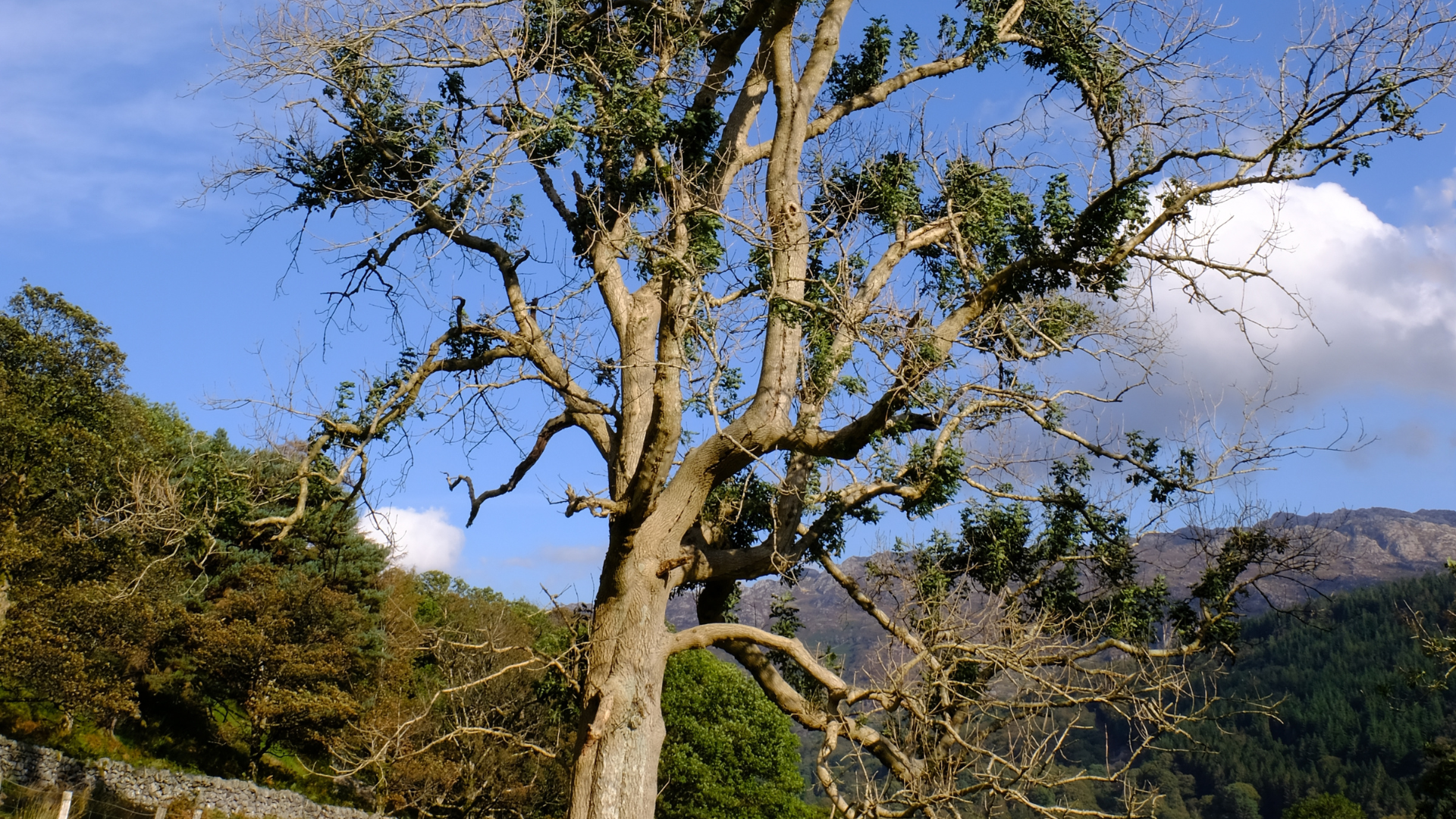
After months of growth, summer storms, and heat exposure, trees can develop hidden weaknesses that only become noticeable in the fall. Heavy winds, disease, and insect activity may have caused internal decay or structural stress. Once winter arrives, those weaknesses can turn into major hazards. Ice, snow, and wind put added weight and pressure on branches, increasing the risk of breakage.


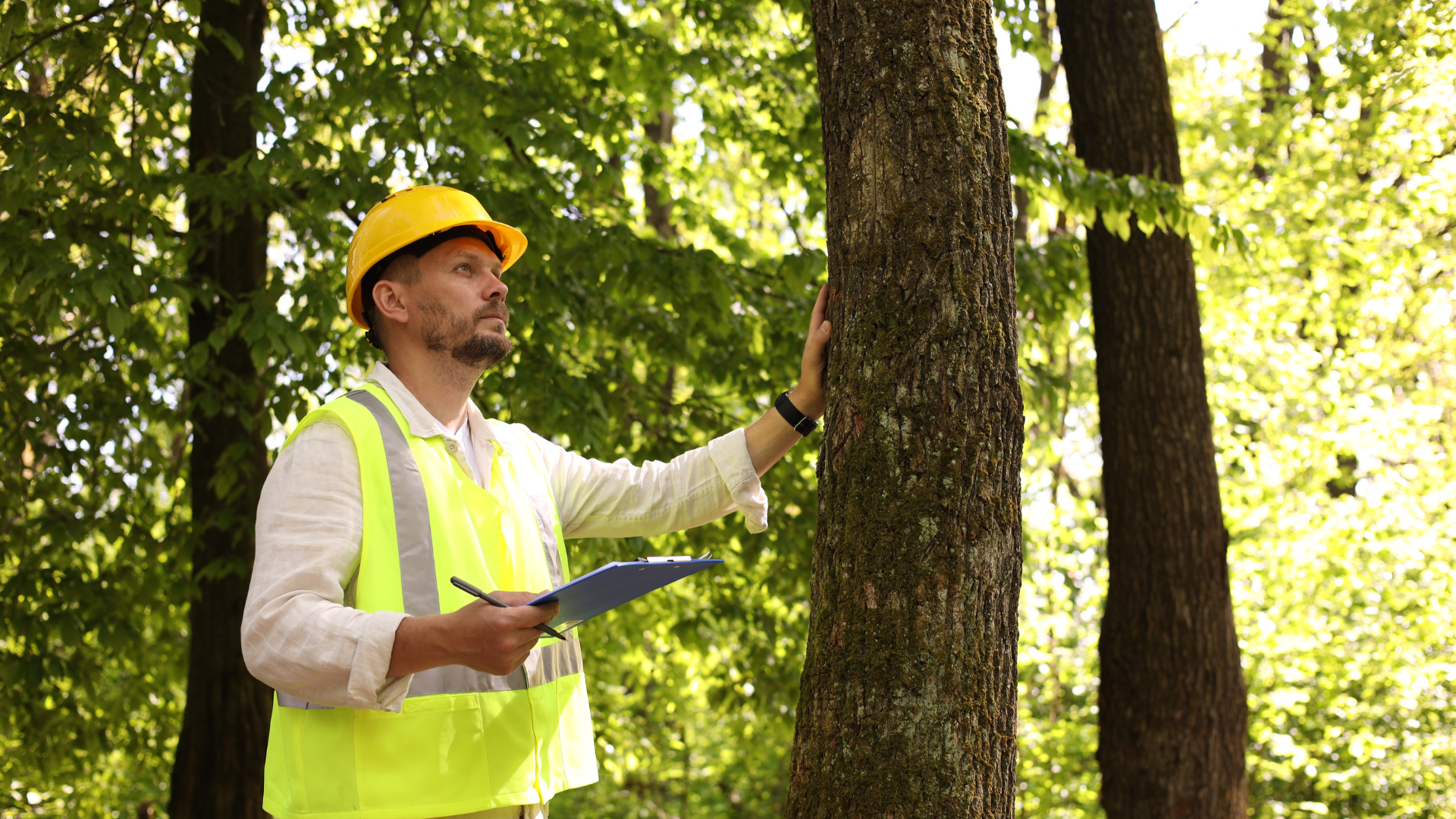
A professional inspection in the fall allows our team to identify and correct these issues before cold weather sets in. We look for signs of disease, dead limbs, root instability, and canopy imbalance. By addressing these problems now, we help ensure that your trees remain strong and stable through the winter.
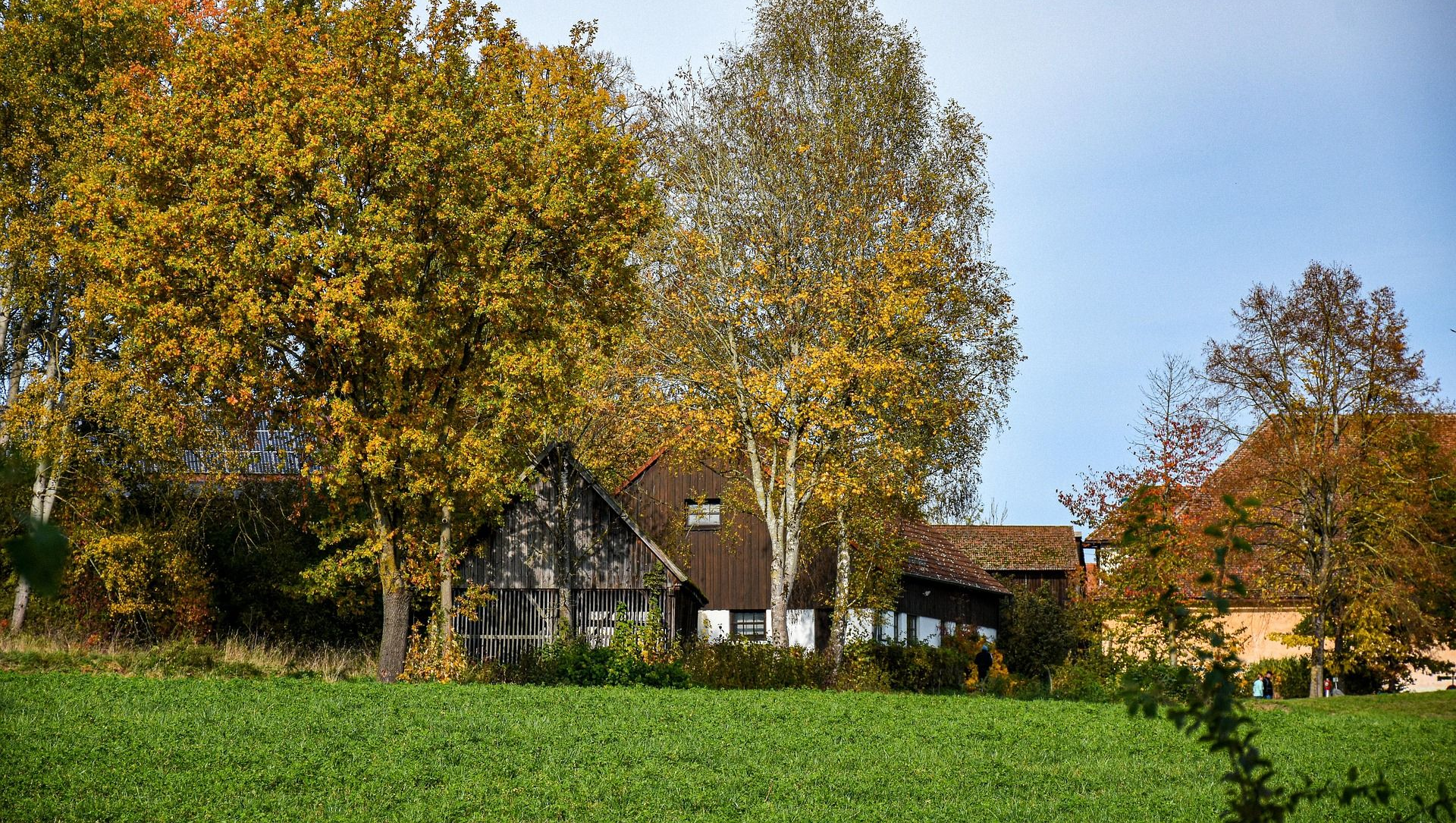
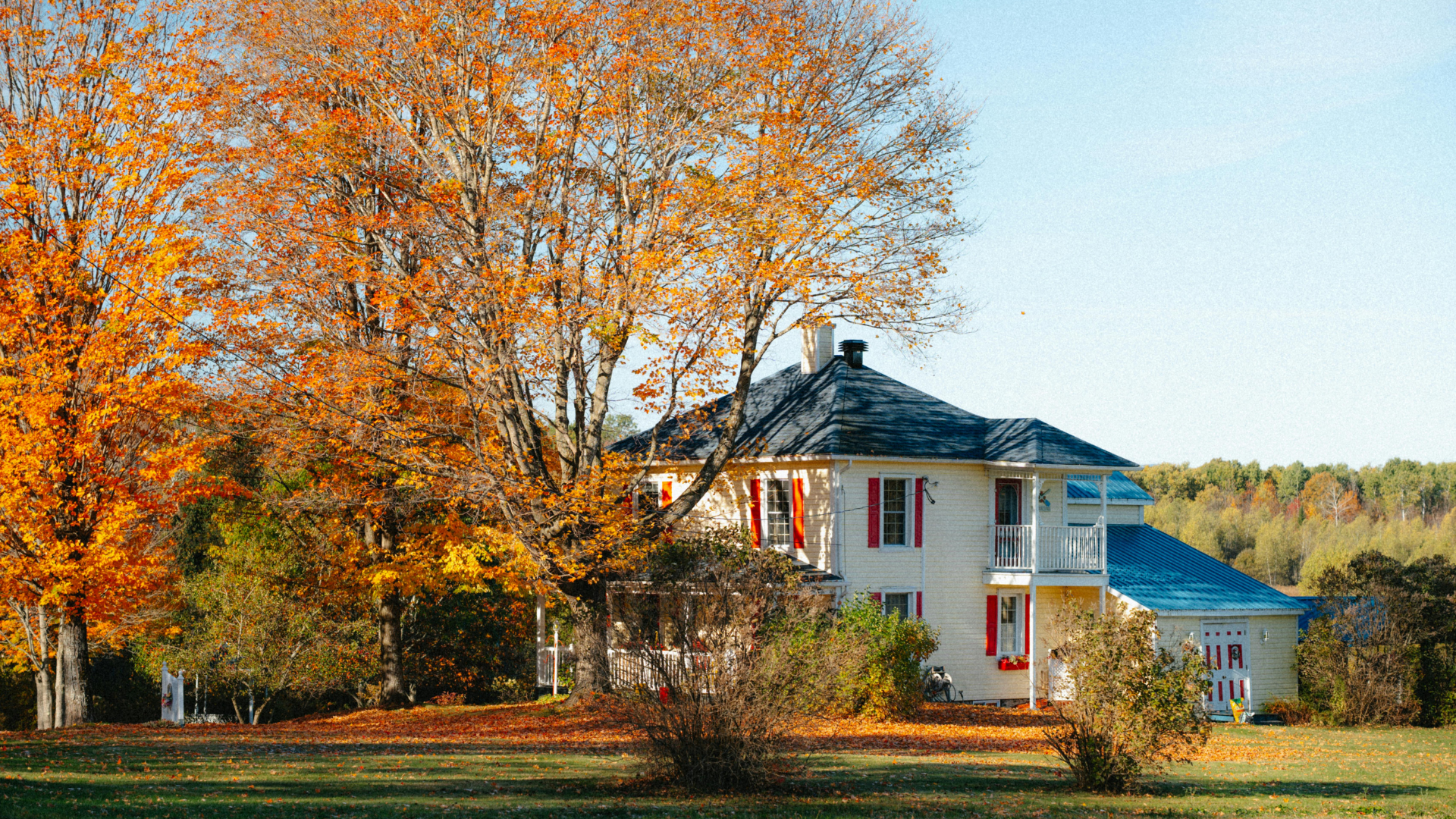
Farmhouse nestled behind trees with colorful fall foliage, set against a blue sky.

Easier Detection of Structural Issues

With leaves falling from deciduous trees, visibility improves dramatically. The tree’s structure, including branch angles, cracks, and weak unions, becomes much easier to evaluate. This visibility allows for a thorough inspection of limbs that may have been hidden during the growing season.


Our certified arborists use this time to check for common risk factors such as crossing branches, weak joints, or branches growing too close to structures or power lines. Fall also gives us the opportunity to assess how past pruning or growth has affected balance and load distribution. These details are crucial for preventing storm-related damage later in the season.
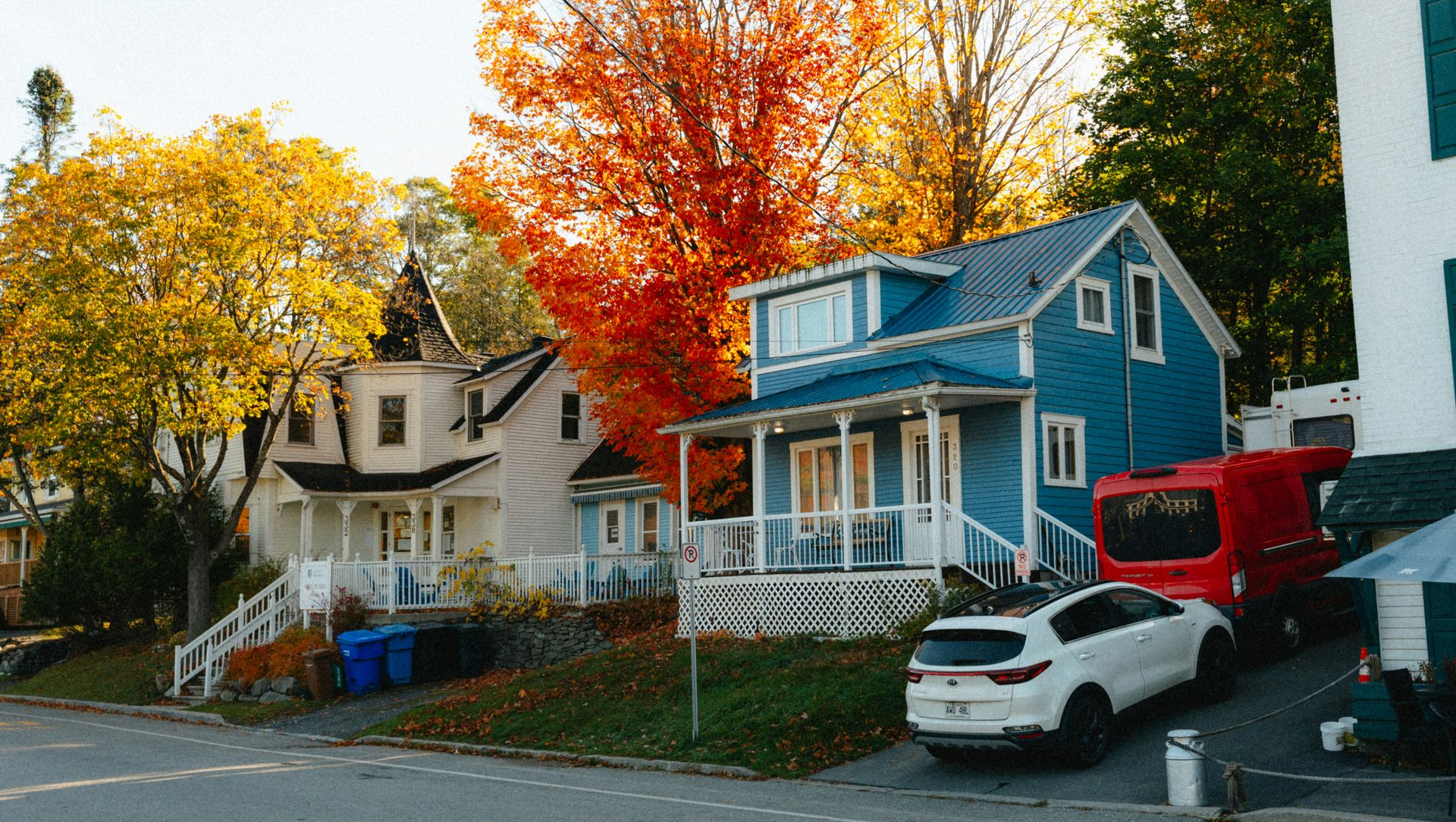
Houses with colorful autumn trees lining a street; a blue house has a white car parked in front.

Identifying Disease and Decay Before Winter

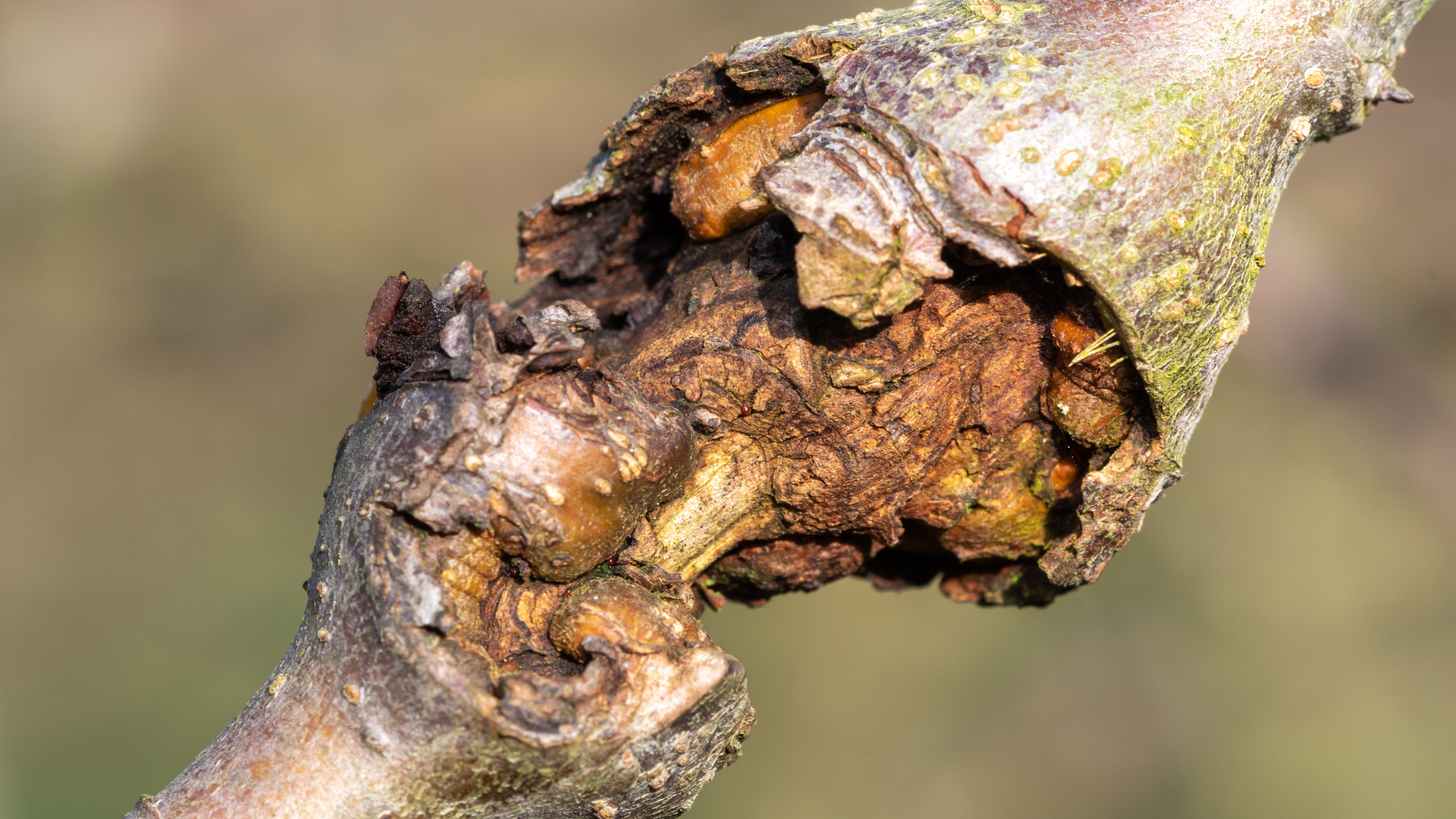
Many tree diseases and pests are most active in the warmer months, but their effects often become visible in the fall. Fungal infections, cankers, and insect damage can leave behind discolored bark, dead sections, or soft areas that signal decay. If left untreated, these conditions may worsen during winter dormancy.


Our fall risk assessments include a detailed check for these warning signs. Catching disease early gives us the chance to remove infected limbs or apply treatments that prevent further spread. It also helps protect surrounding trees and preserve the overall health of your landscape.
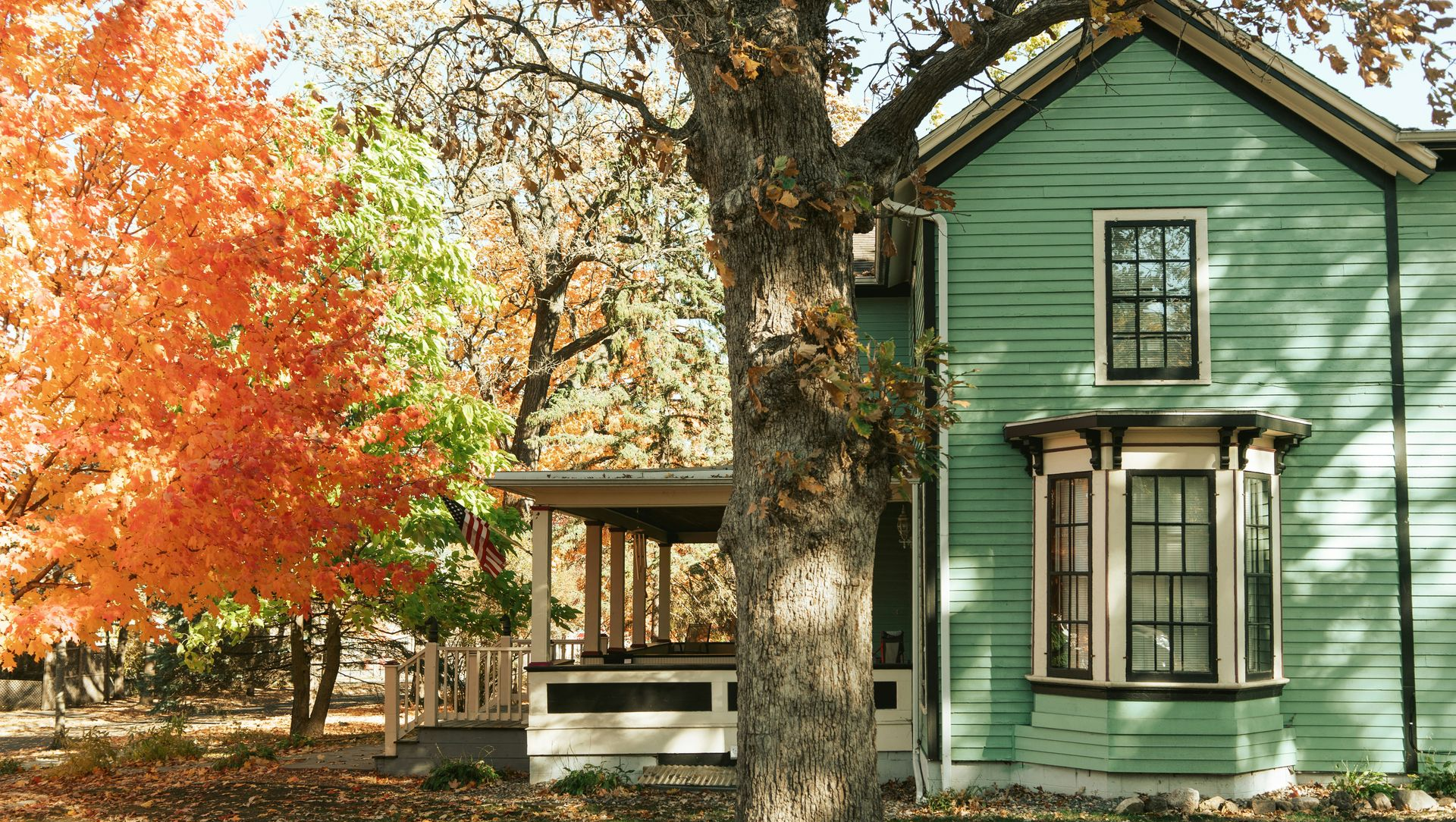
Green house with a bay window next to a tree, fall foliage in the background.

Preparing for Winter Weather

Winter brings unique challenges to tree health. Accumulated snow and ice can cause branches to crack or split under added weight. Frozen soil can also strain roots that are already weak or exposed. A fall inspection identifies trees most at risk from these conditions.


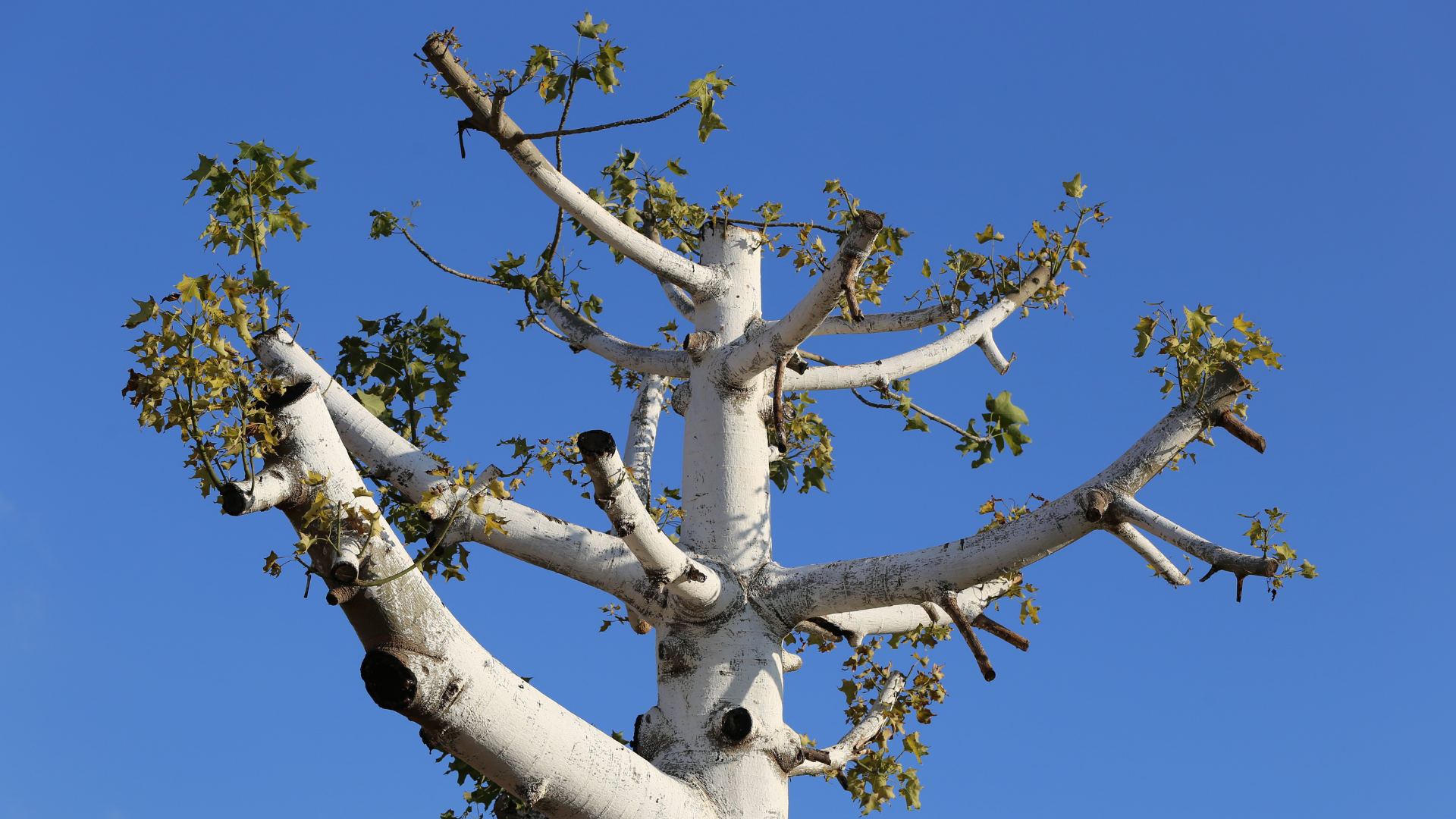
By scheduling pruning or structural support services before the first freeze, we reduce the likelihood of emergency removals later. Removing dead or overextended limbs ensures that your property is ready to withstand the pressure of winter storms safely.
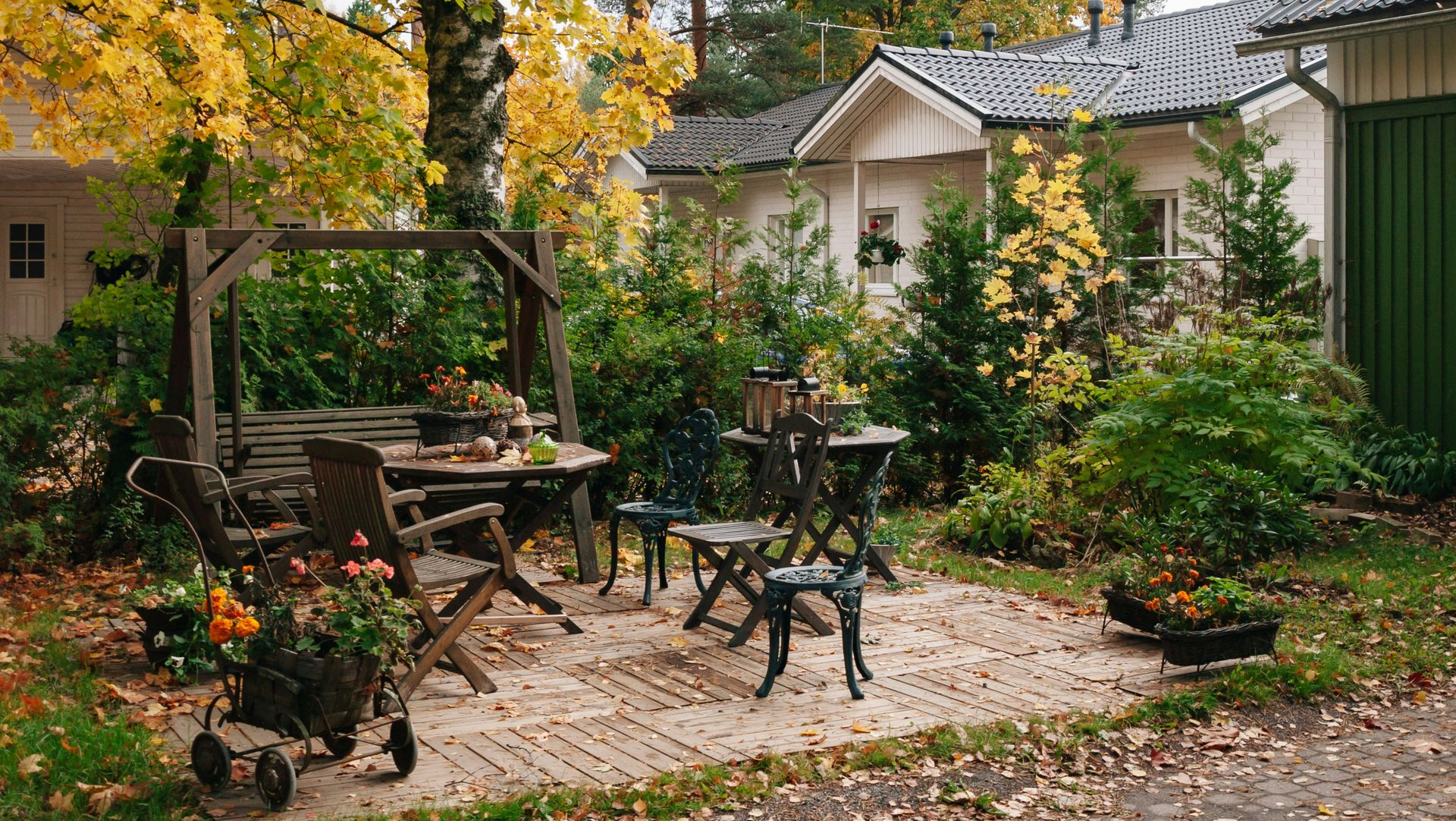
Outdoor patio with wooden furniture, surrounded by greenery and autumn foliage.

Supporting Long-Term Tree Health

Tree inspections are not just about preventing problems; they are also about promoting long-term vitality. Fall assessments allow us to plan ahead for spring care, including fertilization, soil conditioning, and pruning schedules. When we understand the current health and stability of your trees, we can create a proactive maintenance plan that supports steady growth year after year.


Healthy trees add value to your property, improve curb appeal, and enhance environmental quality. By investing in regular inspections, homeowners protect both their landscapes and their peace of mind.
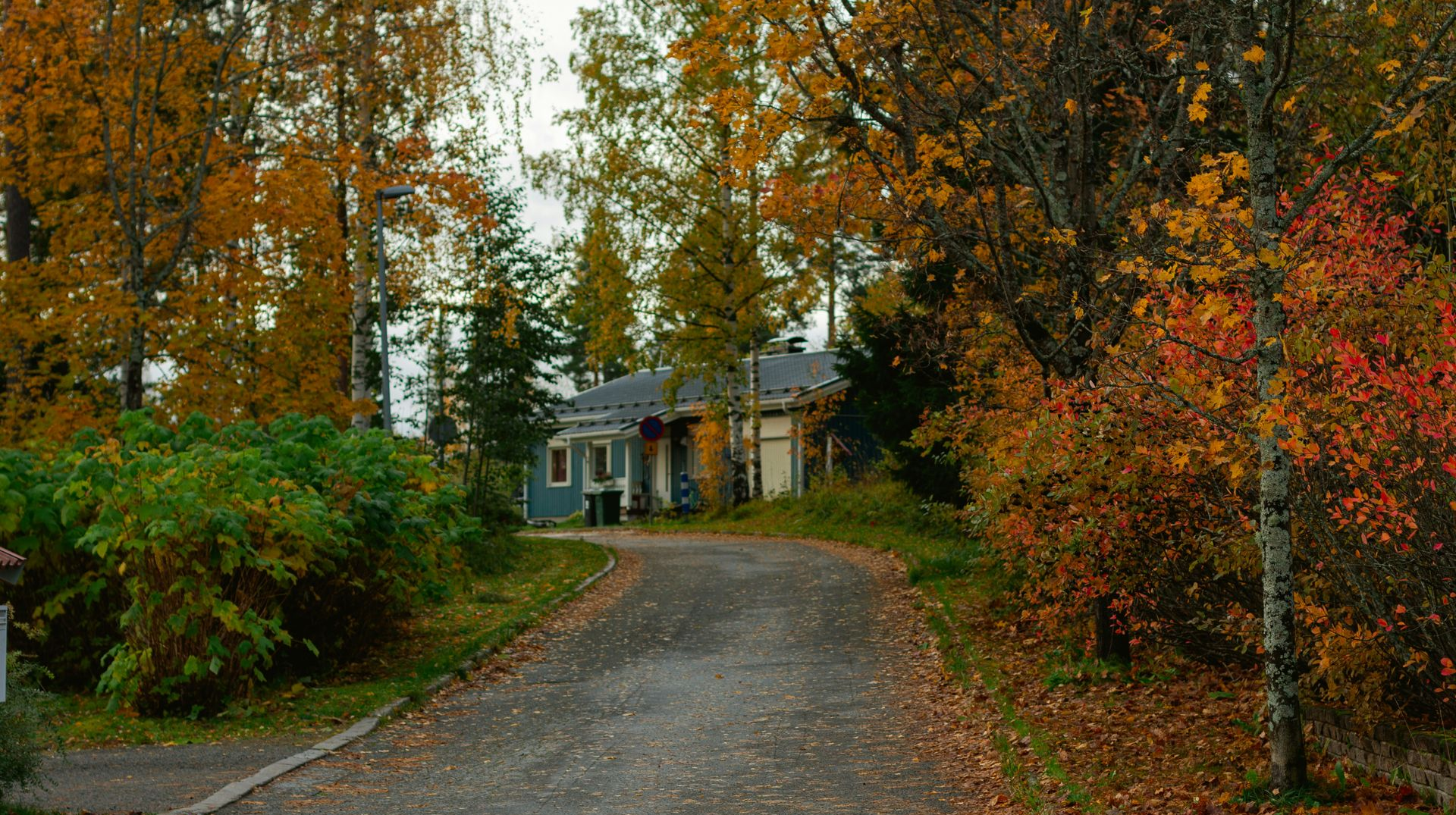
Gravel driveway leads to a small blue house, surrounded by trees with autumn foliage.

Final Thoughts

Fall is the perfect season to prepare your trees for the months ahead. With improved visibility, mild weather, and time to take corrective action, it is the most effective moment to schedule a professional inspection.


At Midwest Tree Surgeons, we combine experience, precision, and safety to deliver detailed risk assessments that protect your home and landscape. Our team identifies problems early, provides clear solutions, and helps your trees thrive through winter and beyond. Contact us today to schedule your fall inspection and keep your trees strong, healthy, and ready for the seasons ahead.
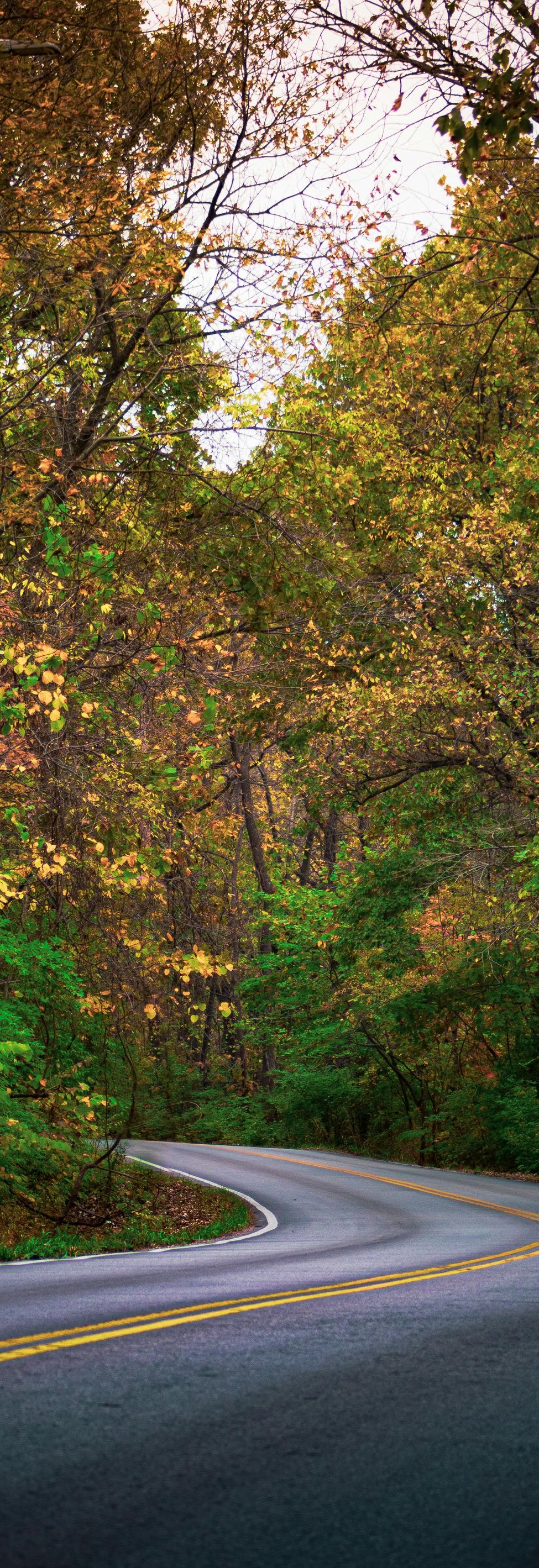
Winding road through colorful autumn trees.
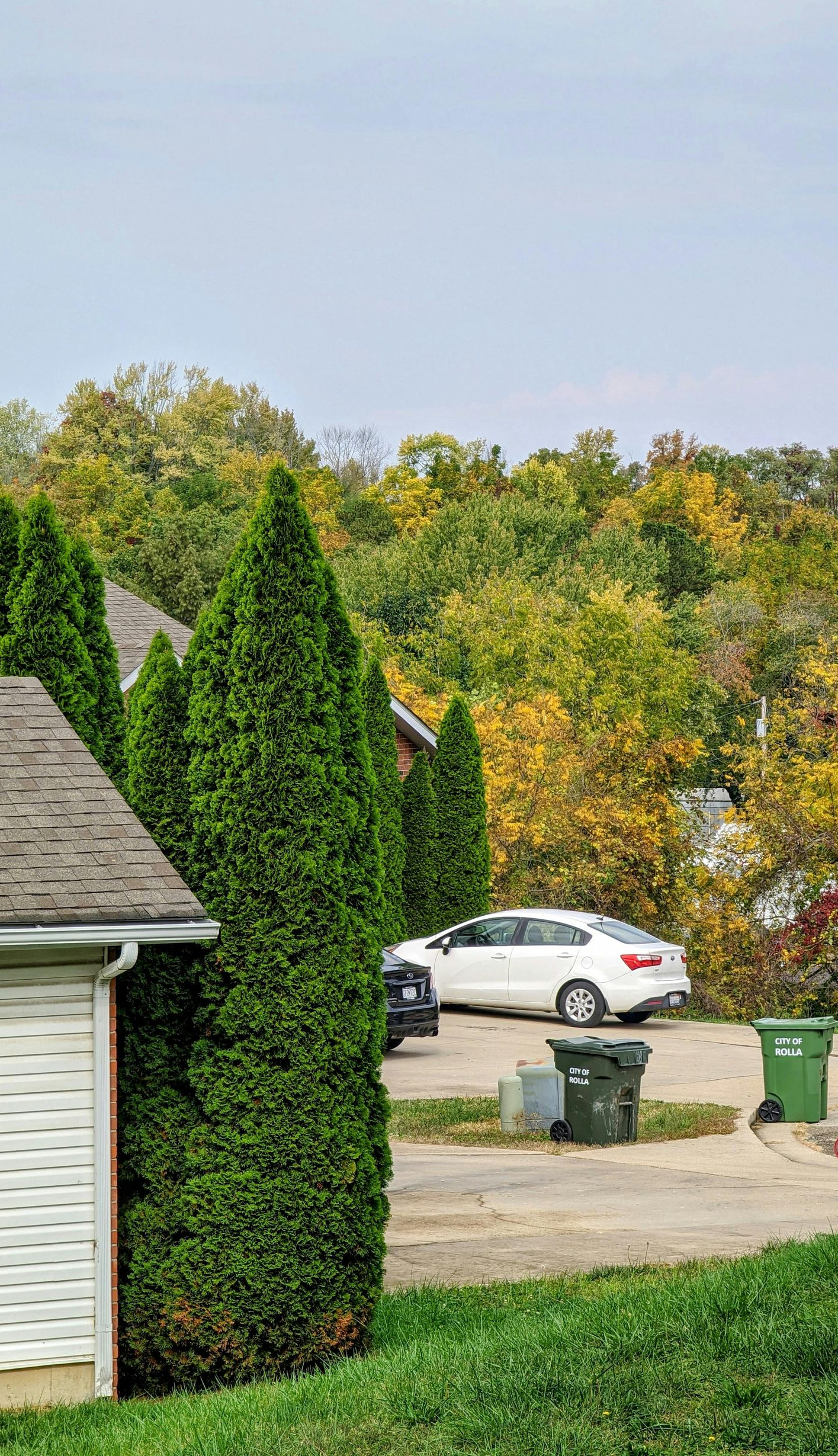
White car parked near green trash cans and evergreen trees, with a roof and wooded background.
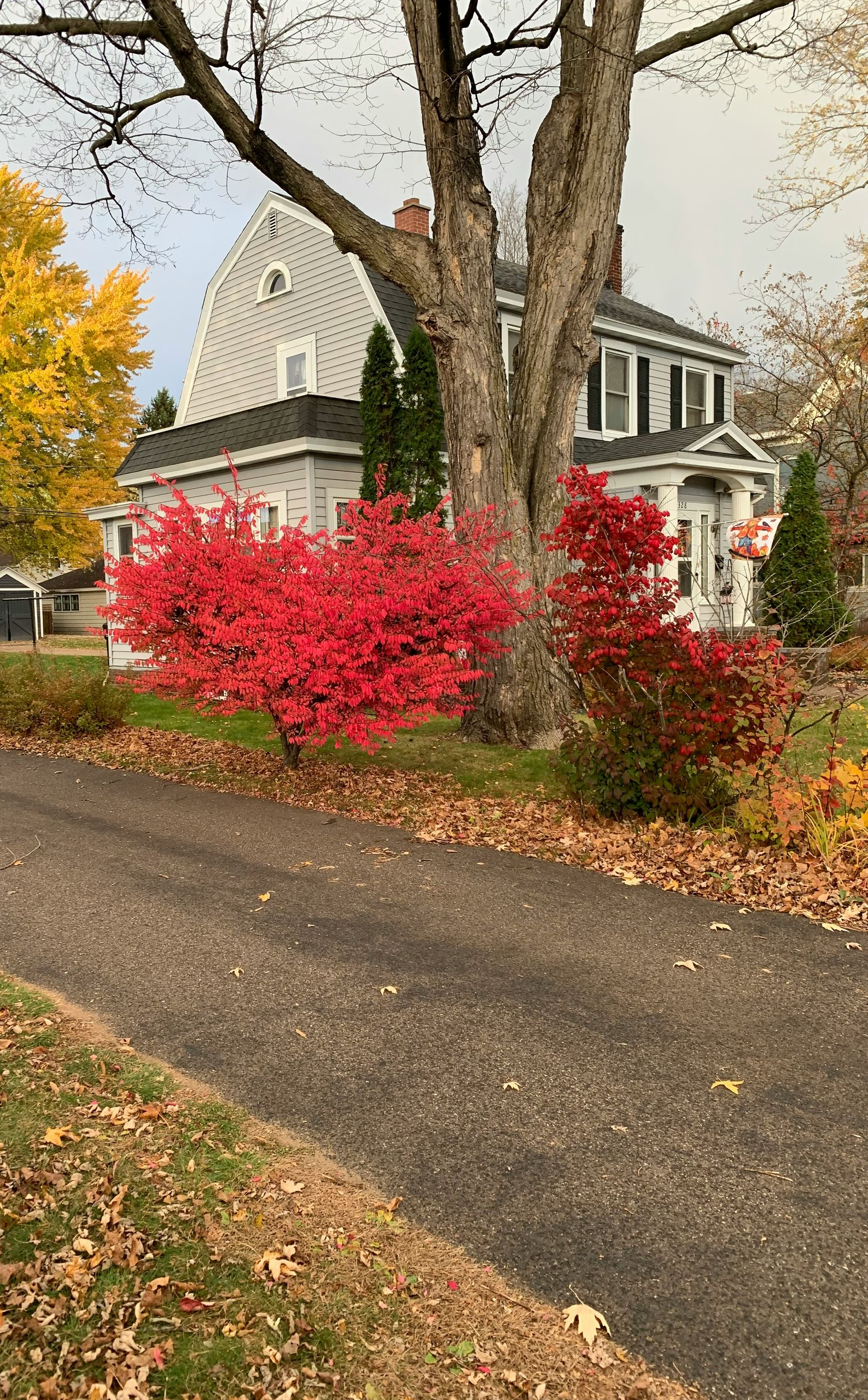
House with red and yellow autumn foliage, gray driveway, and cloudy sky.
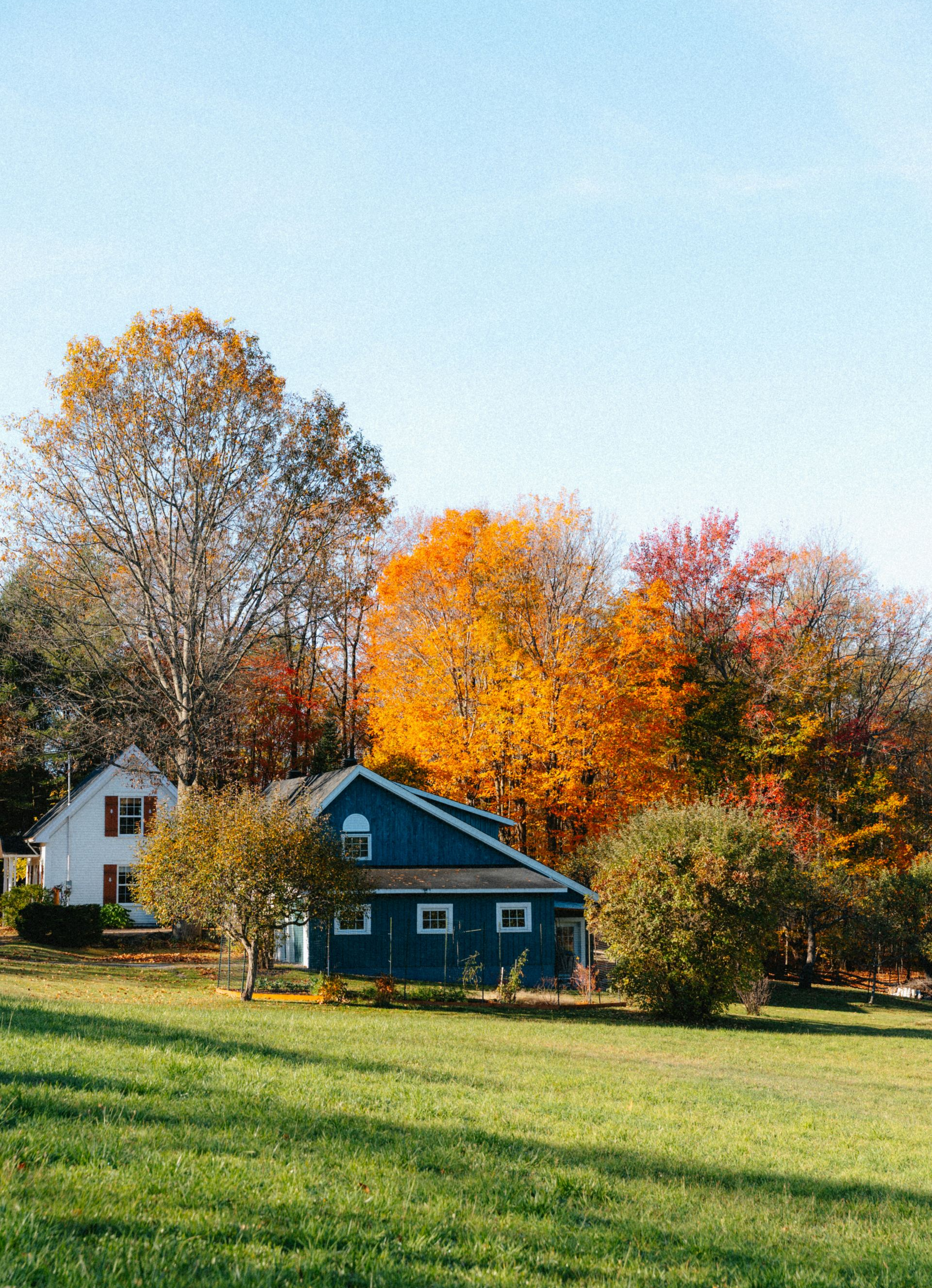
Houses in a green field with colorful autumn trees under a clear blue sky.
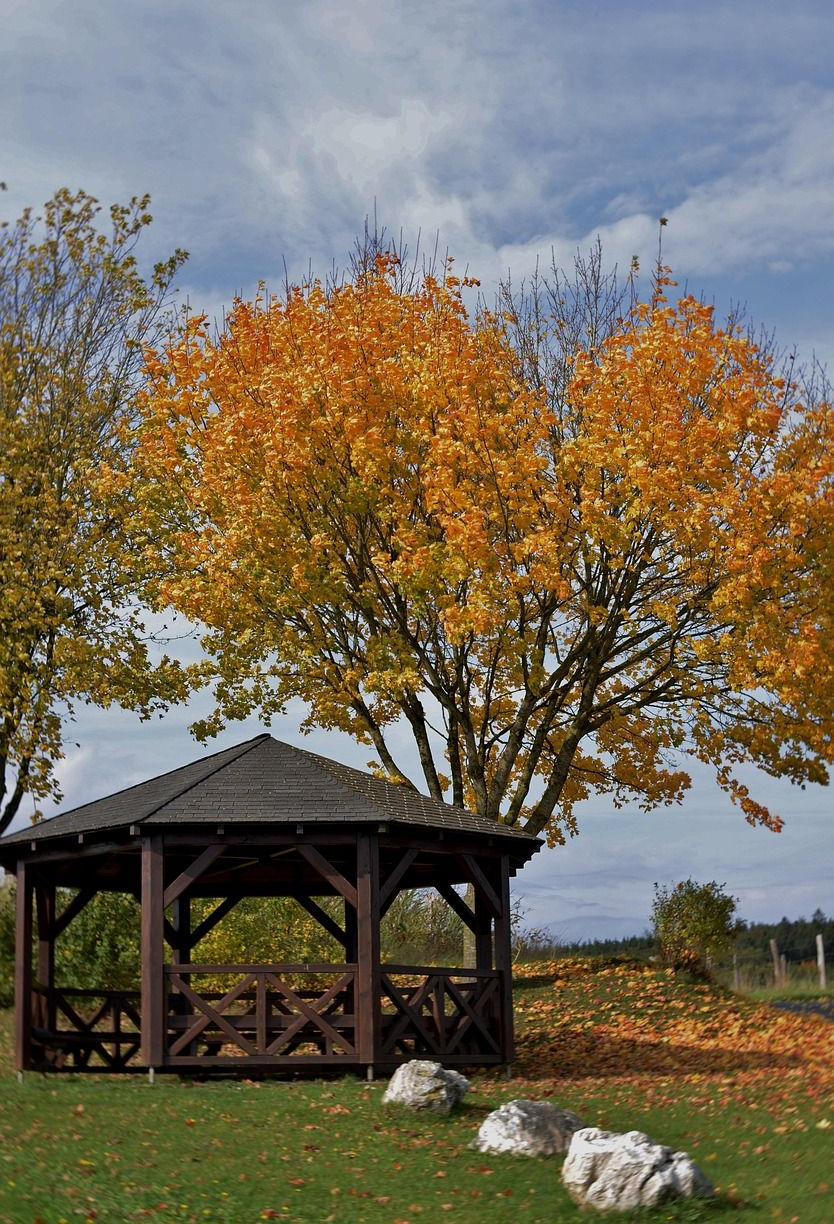
Gazebo in a park with an autumn tree, vibrant orange and yellow leaves, rocks in front, under a cloudy sky.
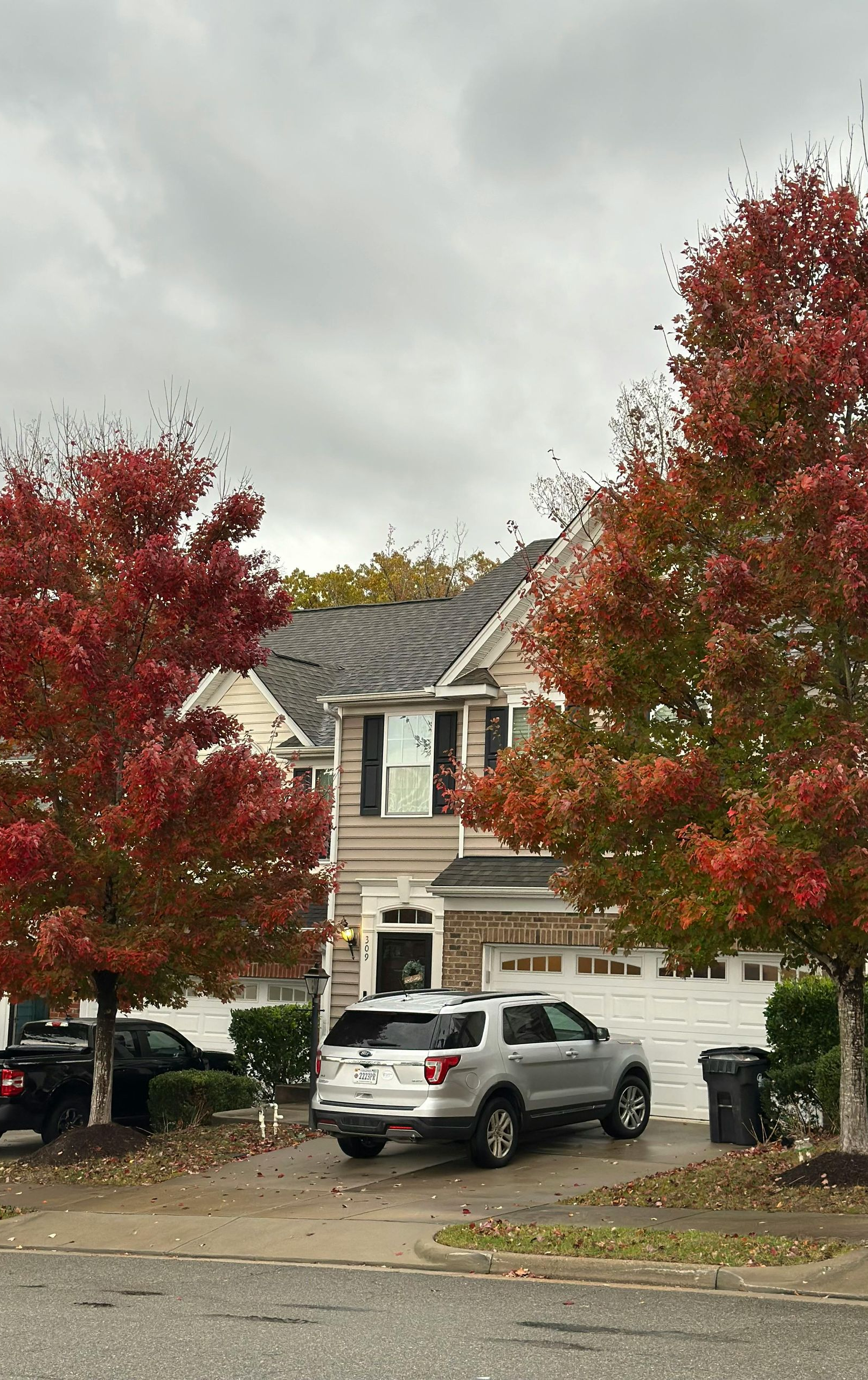
Two-story house with red-leafed trees in front; gray SUV parked in driveway under cloudy sky.
August 18, 2026
When insects begin damaging a tree, the first instinct may be to treat the problem as quickly as possible. But not every insect requires the same response, and some insects that look harmful may not be the actual cause of the decline. Applying the wrong treatment can waste time, money, and potentially put additional stress on the tree.  Midwest Tree Surgeons takes a diagnosis-first approach to tree care. Correct pest identification helps determine whether treatment is needed, which method is appropriate, and whether the real problem may involve disease, environmental stress, or another underlying issue.
August 11, 2026
Trees often show signs of trouble long before they experience major decline. One warning sign that deserves attention is the appearance of a canker—a localized area of dead or damaged bark that develops on a trunk, branch, or stem. Cankers can be caused by fungi, bacteria, environmental injury, or a combination of stress factors, and they often reveal that a tree is struggling to defend itself.  While not every canker means a tree is doomed, these lesions can provide valuable clues about underlying health problems. Midwest Tree Surgeons helps property owners evaluate symptoms such as bark damage, dieback, discoloration, and structural weakness so that appropriate care can begin before problems become more severe.
August 6, 2026
Pine trees are valued throughout the Midwest for their year-round beauty, wind protection, and ecological importance. Although these evergreens are generally hardy, they can become vulnerable to insect pests when stressed by drought, storm damage, construction activity, or disease. One group of insects that deserves particular attention is the pine bark beetle . While these beetles are small, their activity can have significant consequences for individual trees and, in some situations, entire stands of pines.  Recognizing the early signs of bark beetle activity allows property owners to respond before damage becomes more extensive. Professional evaluation is often the best way to determine whether a tree can be preserved or whether additional management measures are appropriate.
July 28, 2026
Standing beneath a towering oak or sycamore, it is easy to appreciate a tree’s size. What is less obvious is its age. Many of the mature trees found throughout Missouri and the greater American Midwest have been growing for generations, quietly enduring changing weather, shifting landscapes, and the passage of time. While no tree lives forever, some species possess remarkable longevity, allowing them to become living landmarks that connect communities with their natural history.  Understanding why certain trees live for centuries can help property owners appreciate the importance of proper tree care and preservation.
July 21, 2026
Pruning is one of the most valuable services a professional arborist can provide, yet it is often misunderstood. Some homeowners worry that removing healthy branches may harm a tree, while others assume pruning is only necessary when limbs become hazardous. In reality, proper pruning is a proactive practice that supports tree health, improves structure, and helps trees adapt to changing environmental conditions.  When performed correctly and at the appropriate time, pruning works with a tree’s natural biological processes, allowing it to continue growing safely and efficiently for years to come.
July 14, 2026
Trees are among the longest-living features on any property. A mature oak, maple, or other established tree may take decades to reach its full size, providing shade, beauty, wildlife habitat , and increased property value along the way. Because of the time and environmental benefits they represent, preserving healthy trees whenever possible is often a worthwhile investment.  Professional arborists play an important role in helping trees remain healthy, structurally sound, and capable of thriving for many years. Through regular evaluations and proactive care, they can identify potential problems early and recommend treatments that support long-term tree health.
July 8, 2026
Trees do much more than provide shade and enhance the beauty of a landscape. They are living ecosystems that support a remarkable variety of wildlife throughout every season. From nesting birds in the spring to sheltering mammals during the winter, healthy trees provide food, protection, and habitat for countless species.  For homeowners and property managers , understanding the connection between trees and wildlife offers another reason to invest in professional tree care. Proper maintenance not only helps preserve the health and appearance of trees but also supports the many forms of life that depend on them.
June 30, 2026
Trees add beauty, shade, and value to residential and commercial properties, but like any living organism, they change over time. While many trees remain healthy for decades, others may develop structural weaknesses that increase the likelihood of branch failure or even complete tree failure.  Identifying these concerns is not always straightforward. A tree may appear healthy on the outside while hiding internal defects, or it may display subtle warning signs that only a trained professional can recognize. That is why professional tree risk assessments are an important part of responsible property management. Certified arborists evaluate much more than whether a tree looks healthy. Their goal is to determine how likely a tree is to fail, what the consequences of that failure could be, and whether any corrective action is appropriate.
June 24, 2026
When planning a landscape, homeowners often focus on appearance, growth rate, shade potential, or seasonal color. While these factors certainly matter, another important consideration is whether a tree is native to the region.  Native trees have evolved alongside local soils, weather conditions, wildlife, and ecosystems for thousands of years. As a result, they often play a critical role in maintaining healthy landscapes and supporting the natural environment. Although non-native species can sometimes thrive in residential settings, native trees continue to provide unique benefits that make them valuable additions to properties and communities alike. Understanding why native trees remain important can help property owners make informed decisions about their landscapes.
June 17, 2026
Summer brings plenty of activity to the landscape , but not all of it is beneficial. While homeowners often focus on watering, mowing, and maintaining their outdoor spaces during the warmer months, another seasonal visitor can create significant problems for trees and plants: the Japanese beetle.  Japanese beetles are among the most recognizable insect pests found throughout much of the Midwest. Their metallic green bodies and copper-colored wings make them easy to identify, but the damage they leave behind is often what attracts the most attention. During peak summer months, large populations of these insects can feed on a variety of trees and ornamental plants, affecting both appearance and overall plant health. Understanding how Japanese beetles impact trees can help homeowners recognize potential problems and determine when professional assistance may be beneficial.
More Posts