Signs Your Trees May Not Survive the Winter Without Care

September 10, 2025

Fall is the season when homeowners begin preparing their properties for the cold months ahead. While many focus on sealing windows, checking heating systems, or cleaning gutters, tree care is often overlooked. Trees are resilient, but harsh winter conditions can expose hidden weaknesses. Without proper attention in the fall, some trees may not survive the cold, snow, and ice. At Midwest Tree Surgeons, we help homeowners recognize the warning signs that indicate a tree needs care before winter arrives.
Cracks in the Trunk

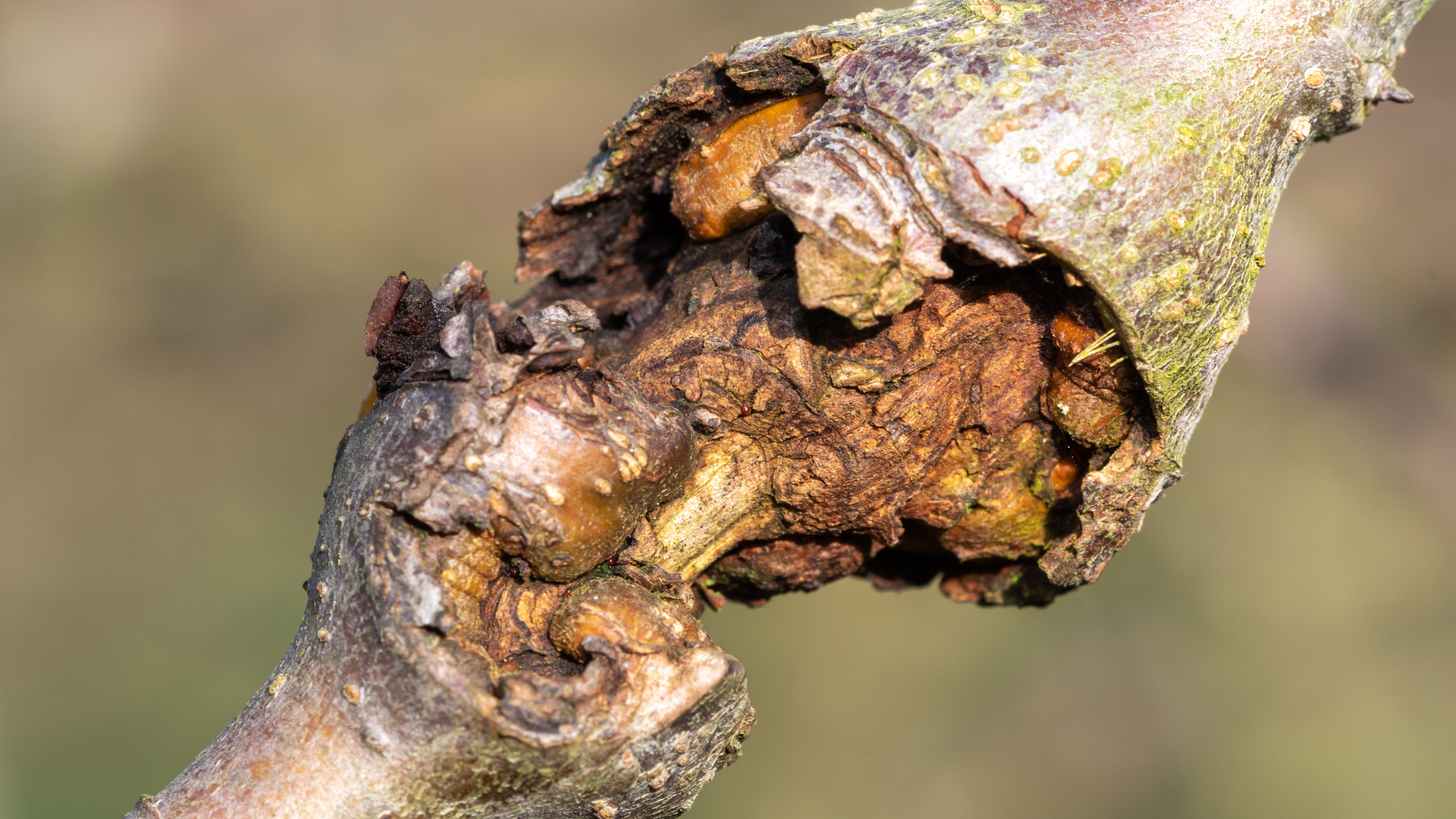
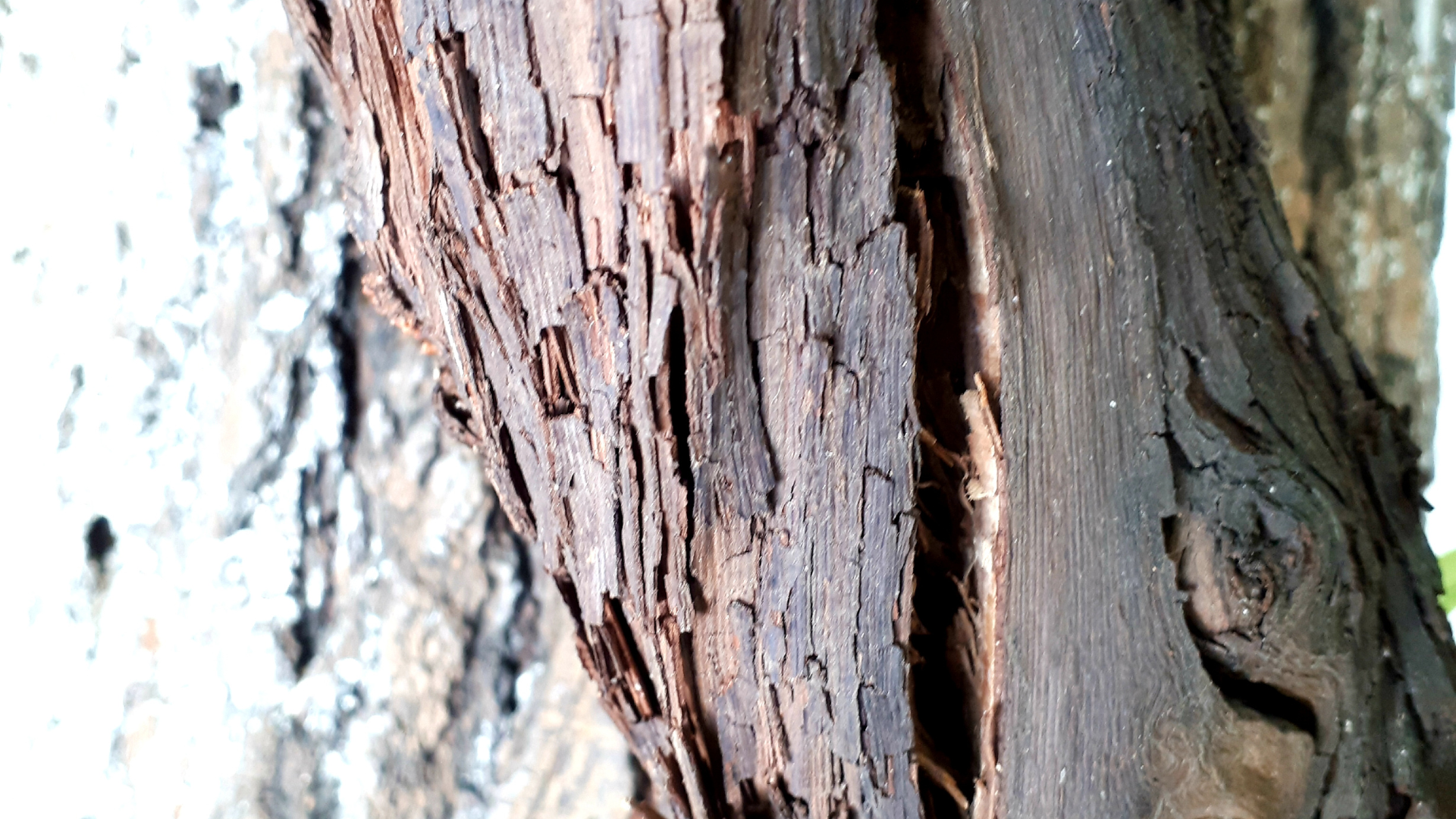
One of the clearest signs of stress is visible cracks in the trunk. These cracks can form due to age, storm damage, or rapid changes in temperature. When water enters the cracks and freezes, the expansion can cause further splitting. Large or deep cracks compromise the tree’s structural stability, making it more vulnerable to breaking under the weight of snow or ice.


Dead or Dying Branches

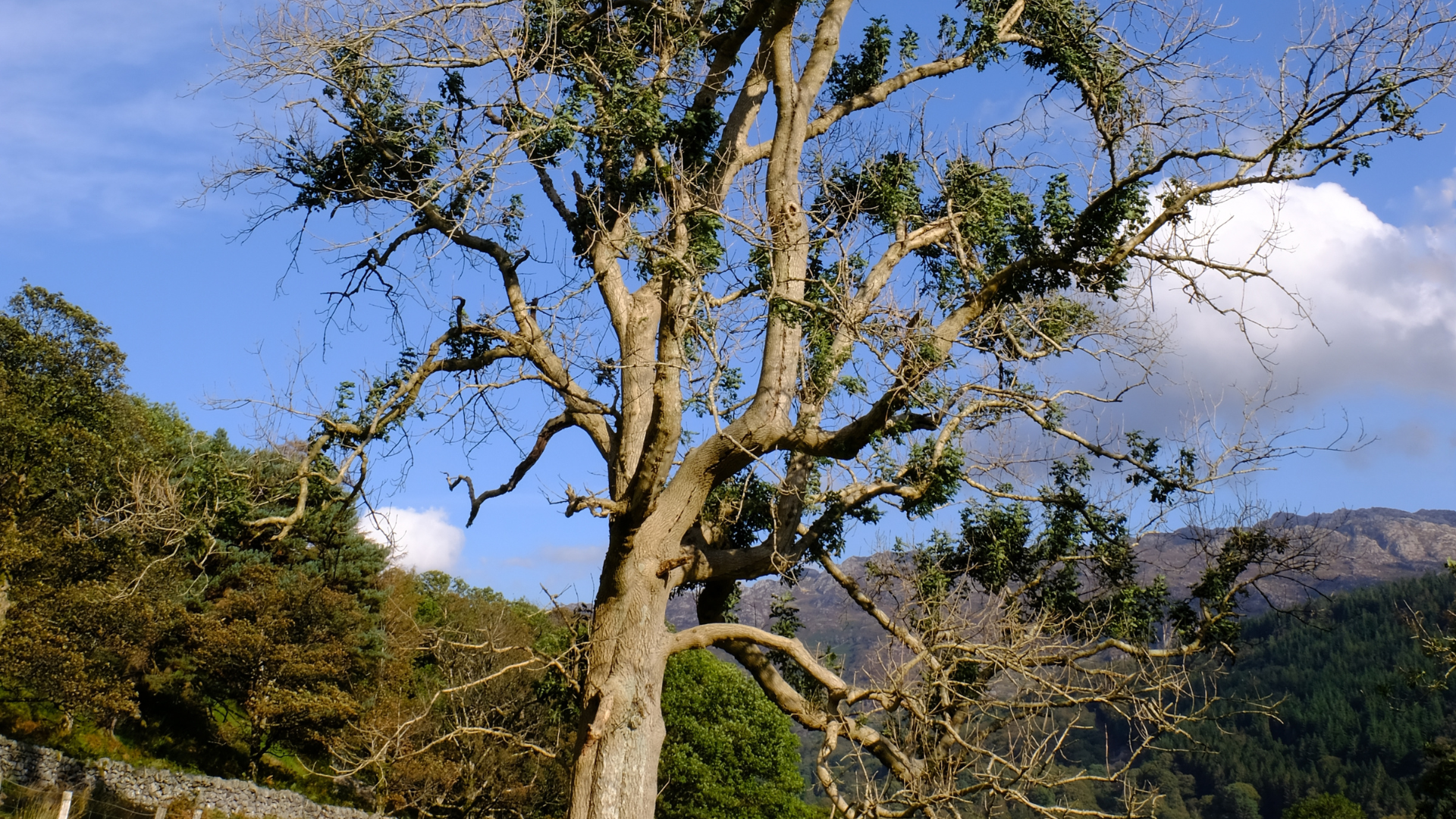
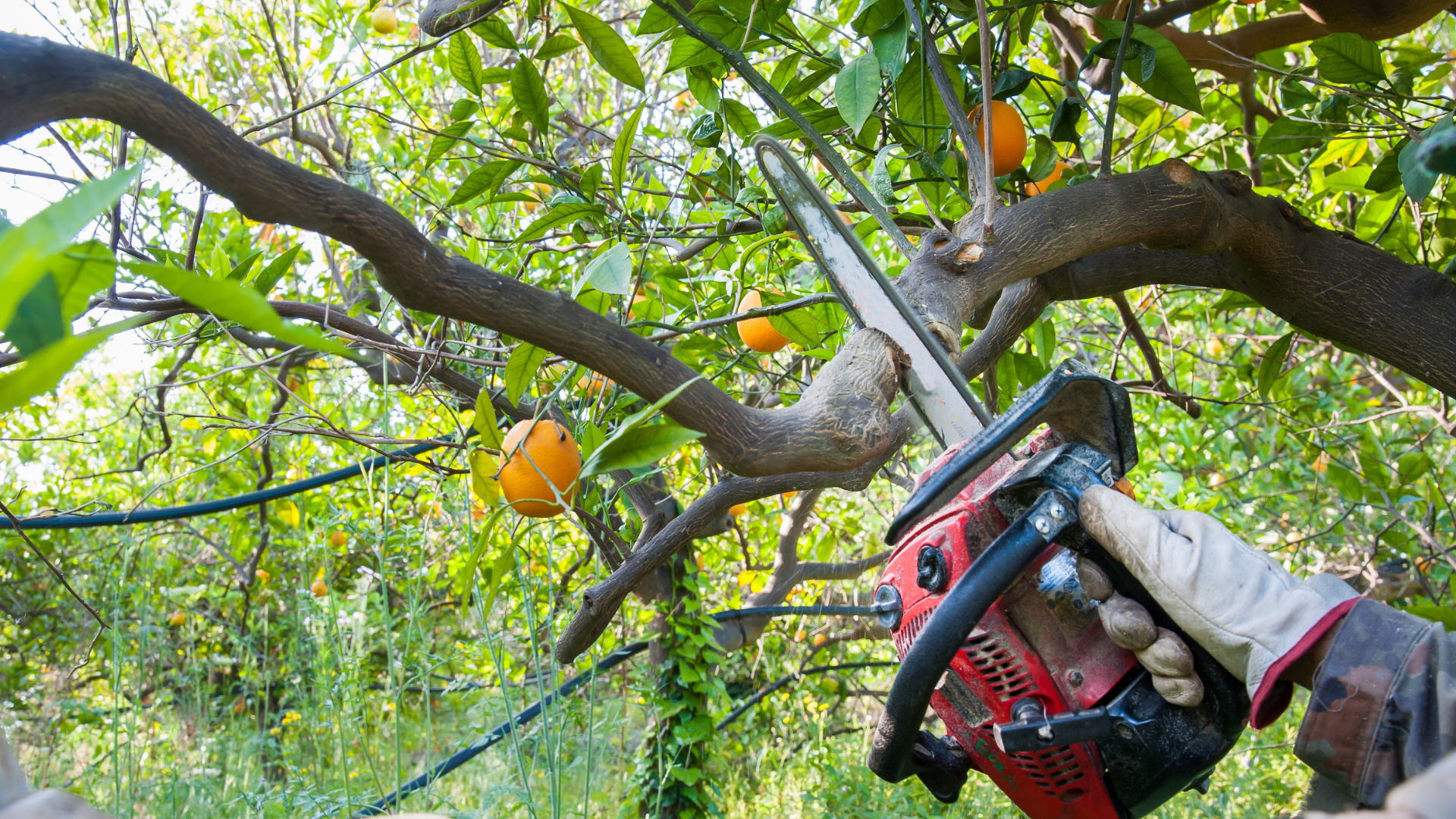
Branches that are brittle, leafless, or easily snap under pressure may already be dead. These branches pose a significant risk during winter storms, when the weight of ice and snow can cause them to fall. Falling branches endanger people, property, and healthy parts of the tree itself. A fall inspection allows professionals to identify and remove dangerous limbs before they become a hazard.
Signs of Disease or Decay

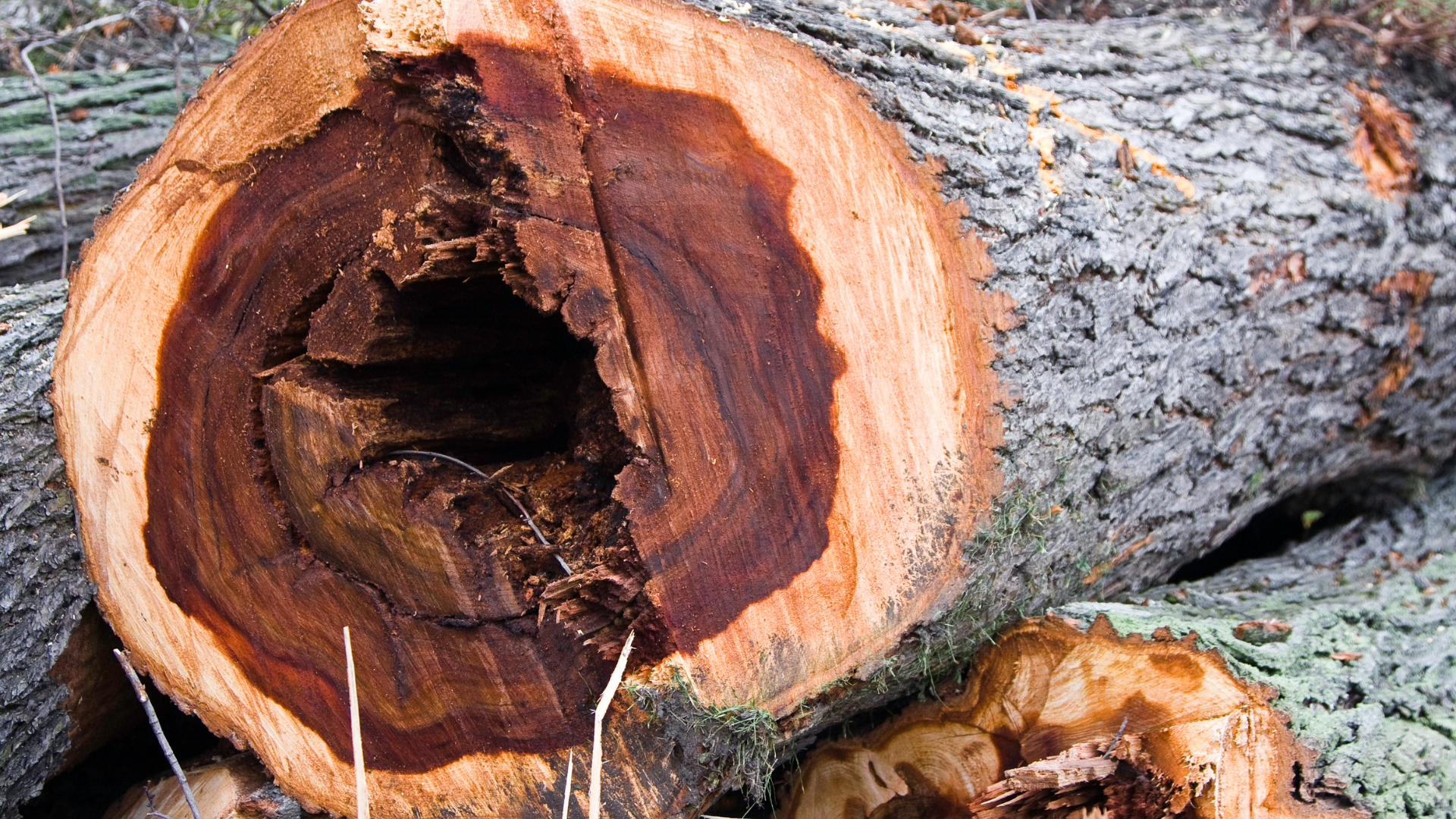
Fungal growth, peeling bark, or soft, spongy wood are all indicators of disease or decay. A tree weakened by infection has a reduced ability to withstand cold weather and is more likely to suffer structural failure. In some cases, early treatment can help stabilize the tree, but in others, removal may be the safest option. Professional evaluation is essential for determining the right course of action.


Leaning or Unstable Trees

A tree that leans noticeably or shows signs of root upheaval may not survive the winter. Heavy snow and strong winds can worsen the tilt, potentially causing the tree to topple. This is especially dangerous if the tree is close to a home, driveway, or utility lines. Addressing leaning trees in the fall reduces the risk of catastrophic damage during the colder months.
Excessive Leaf Retention

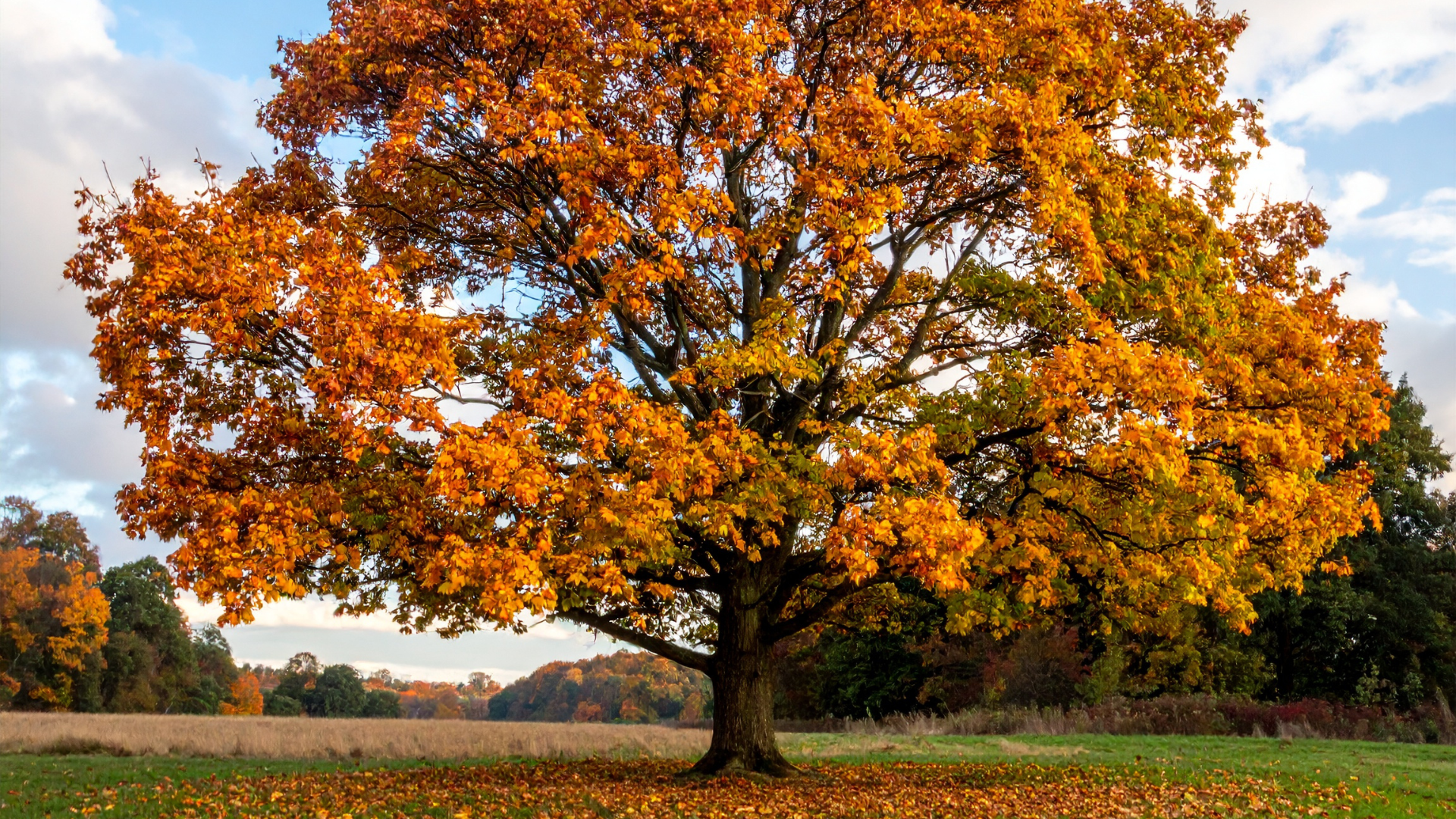
Most trees shed their leaves in autumn, but if a tree is retaining a large number of dead leaves or if its leaves remain discolored and cling to branches, it may be under stress. This condition, sometimes referred to as marcescence in certain species, can signal nutrient deficiencies, disease, or other health issues that make the tree more vulnerable in winter.


Pest Damage

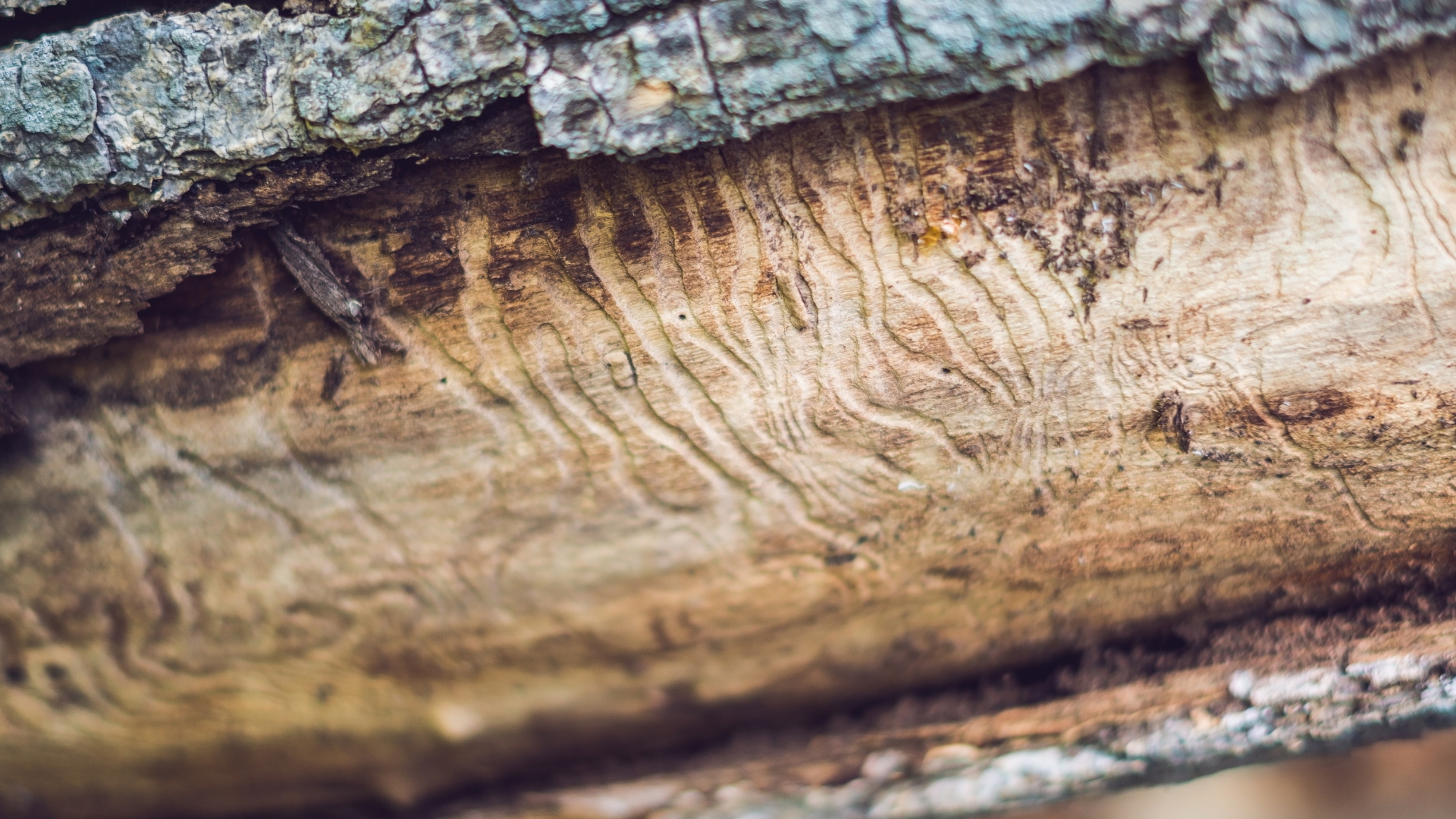
Insects often take shelter in trees during fall and winter, and signs of pest damage may indicate a tree is already weakened. Small holes in the bark, sawdust-like material near the base, or tunnels visible beneath the bark are all signs of infestation. Trees already struggling with pests are less likely to survive harsh winter conditions without intervention.
The Importance of Fall Tree Care

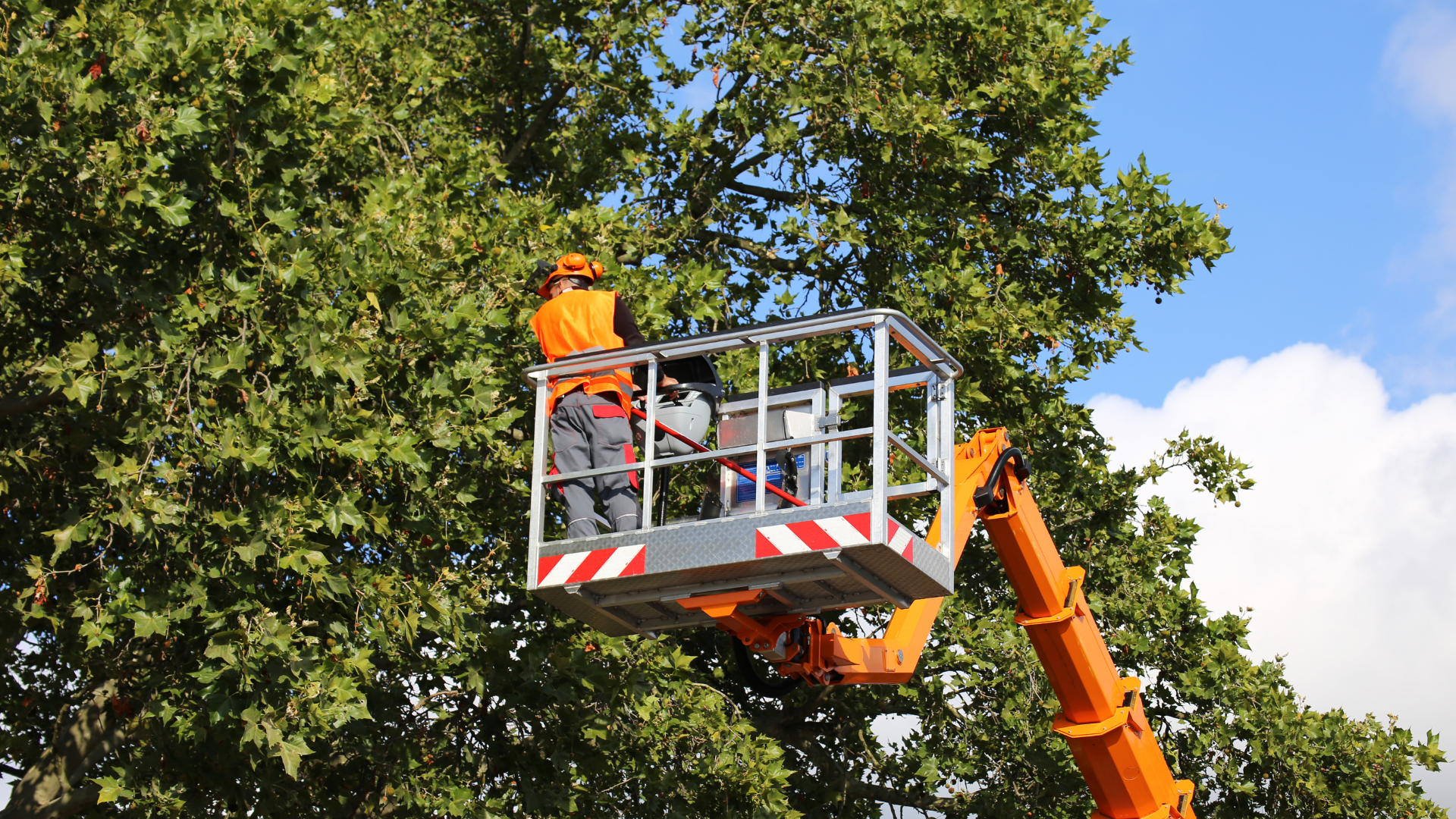
Recognizing these warning signs in the fall gives homeowners an opportunity to act before winter arrives. Professional tree care services can remove hazardous branches, treat disease, or stabilize vulnerable trees. In some cases, removal may be the safest choice to protect people and property. By addressing problems early, homeowners reduce risks and ensure that healthy trees continue to thrive in the spring.


Final Thoughts

Trees are a valuable part of every property, but they require attention to withstand the challenges of winter. Cracks, dead branches, disease, leaning trunks, unusual leaf retention, and pest damage all indicate that a tree may not survive the season without care.

At Midwest Tree Surgeons, we provide expert fall inspections and professional solutions to keep trees safe, healthy, and strong. If you have concerns about the condition of your trees, now is the time to act. With proper care, you can enjoy peace of mind knowing that your property is protected when winter storms arrive.
March 18, 2026
Severe storms can cause significant damage to trees and surrounding property. After strong winds or heavy storms pass through a neighborhood, it is common to see some trees still standing strong while others have lost major limbs or fallen entirely. This often leads homeowners to wonder why certain trees survive while others fail under the same weather conditions.  The answer usually involves a combination of factors including tree structure, root stability, species characteristics, and long-term maintenance. Understanding these factors can help property owners take steps to reduce the risk of storm damage and protect both their landscape and their homes.
March 11, 2026
Trees are one of the most valuable natural assets in any community . They provide shade, improve air quality, reduce energy costs, and enhance property values. In cities and suburban neighborhoods across the Midwest, trees collectively form what arborists often refer to as the “urban forest.” While these trees may be planted along streets, in parks, or throughout residential landscapes, they function together as a living ecosystem that benefits the entire community.  However, this urban forest faces growing threats from invasive pests and diseases . One of the most effective ways to protect trees from these threats is through diversity. When communities and homeowners plant a variety of tree species rather than relying on a single type, they create a more resilient landscape that is better equipped to withstand pest outbreaks.
March 3, 2026
Trees are one of the most valuable features of any Midwest property. They provide shade, reduce energy costs, improve curb appeal, and contribute to environmental health. However, the Midwest climate, with its humid summers, fluctuating temperatures, and seasonal rainfall, creates ideal conditions for fungal diseases to develop. Understanding common fungal threats is essential for protecting tree health and preventing long-term structural damage.  At Midwest Tree Surgeons, we regularly diagnose and treat fungal infections that threaten residential and commercial landscapes. Early identification and professional intervention often make the difference between saving a tree and losing it.
February 25, 2026
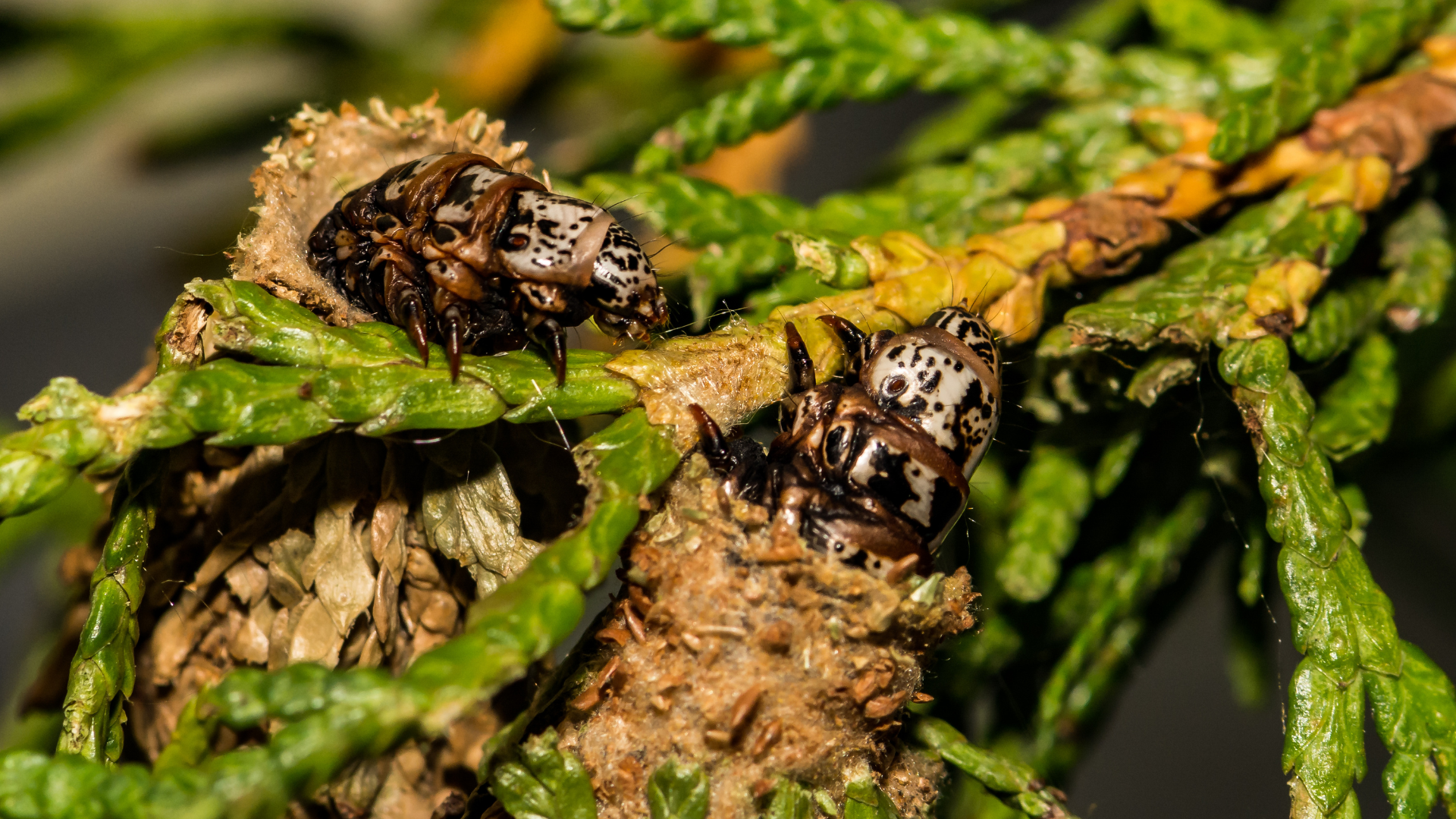
In recent years, the spotted lanternfly has emerged as one of the most concerning invasive pests affecting trees and landscapes across parts of the United States. Originally detected in Pennsylvania in 2014 , this invasive insect has steadily expanded its range. For property owners in the Midwest, awareness and early intervention are becoming increasingly important.  At Midwest Tree Surgeons, we emphasize proactive monitoring and professional tree care to help protect native trees from invasive threats like the spotted lanternfly.
February 18, 2026
Mature trees are often appreciated for the shade they provide during hot summer months, but their value extends far beyond cooling comfort. Established trees are long-term assets that contribute to property value, environmental stability, and overall landscape health. For homeowners and property managers alike, understanding the broader benefits of mature trees can influence how they approach tree care and long-term planning.
February 11, 2026
Pruning is often viewed as a routine maintenance task, but when it is done incorrectly, it can create lasting structural problems that compromise a tree’s health and stability. While improper pruning may not show immediate consequences, the damage it causes can take years to fully appear. By the time issues become visible, corrective options may be limited.  Understanding how improper pruning affects tree structure helps property owners make informed decisions about long term tree care.
February 4, 2026
Construction projects often focus on what is being built, but the impact on existing trees is frequently overlooked. Whether the work involves a home addition, driveway replacement, utility installation, or commercial development, construction activity can place significant stress on mature trees . Understanding how these projects affect trees helps property owners protect valuable landscape assets and avoid long term safety and health issues.
January 29, 2026
Major weather changes can place significant stress on trees, even when no obvious damage is visible. In the Midwest, trees regularly experience rapid shifts in temperature, heavy rain, high winds, ice, snow, and freeze-thaw cycles. While trees are resilient by nature, these conditions can weaken their structure and health over time.  Evaluating tree health after major weather events is an important step in protecting both the trees themselves and the surrounding property.
January 21, 2026
Trees add beauty, shade, and value to a property, but they also carry responsibility. When a tree fails and causes damage or injury, homeowners are often surprised to learn that liability can become a serious issue. Understanding how tree failure occurs and how responsibility is determined helps property owners take proactive steps to protect both people and property.
January 15, 2026
As winter fades and warmer temperatures return, spring becomes one of the most important seasons for proactive tree care. Trees begin a new growth cycle , pests become active, and issues that developed during winter storms or freezing conditions often start to reveal themselves. Planning ahead for spring tree care helps protect tree health, improve safety, and set the stage for strong growth throughout the year.
More Posts