Sustainable Tree Care Practices for Modern Landscapes

October 29, 2025

Sustainability in modern landscaping is no longer a trend, it is a responsibility. Trees are among the most valuable components of any outdoor environment, providing shade, clean air, and natural beauty. Yet maintaining them responsibly requires more than occasional pruning or storm cleanup. It means adopting sustainable practices that promote long-term health for trees, the soil that supports them, and the ecosystems they inhabit.
The Value of Sustainable Tree Care

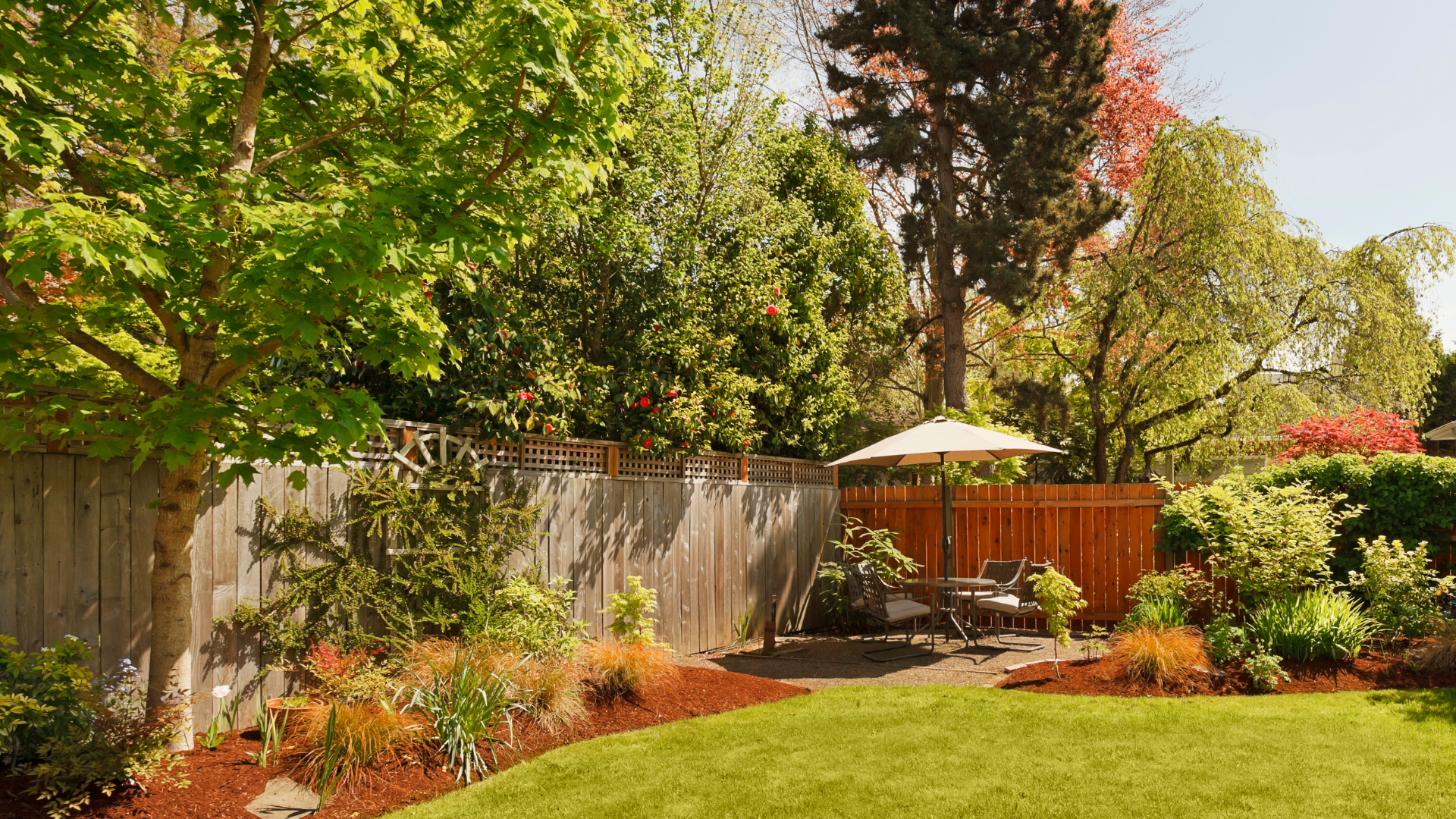
Sustainable tree care begins with a commitment to balance. Every action, from planting to pruning, should enhance the health of the tree while minimizing environmental impact. By using science-based practices and respecting natural growth patterns, arborists can help trees thrive for decades rather than years.


Healthy trees provide measurable benefits. They reduce energy costs by providing shade in summer and acting as windbreaks in winter. They prevent soil erosion, improve air quality, and offer habitats for wildlife. Sustainability ensures that these benefits continue well into the future without depleting the surrounding environment.
Choosing the Right Tree for the Right Place

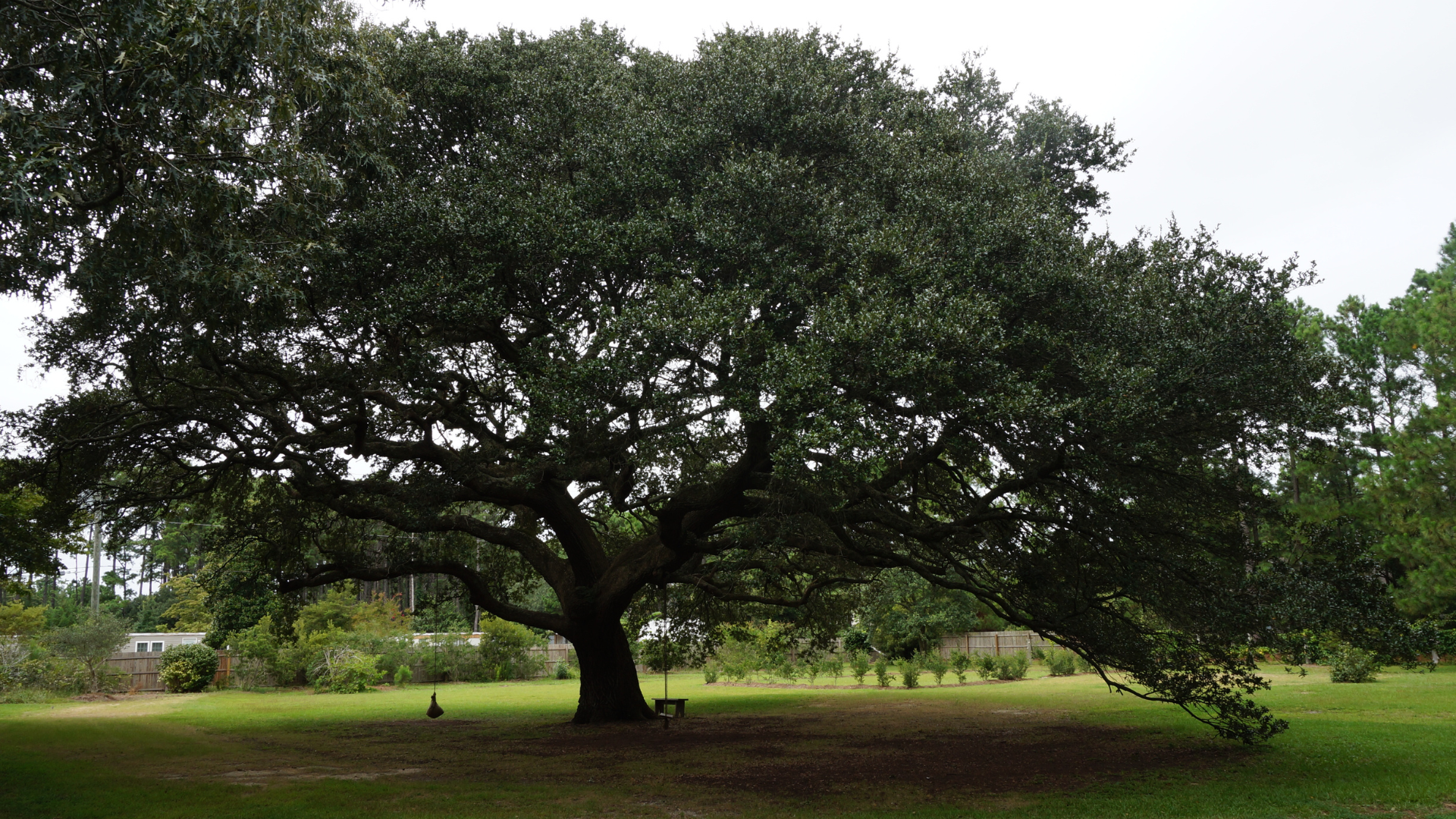
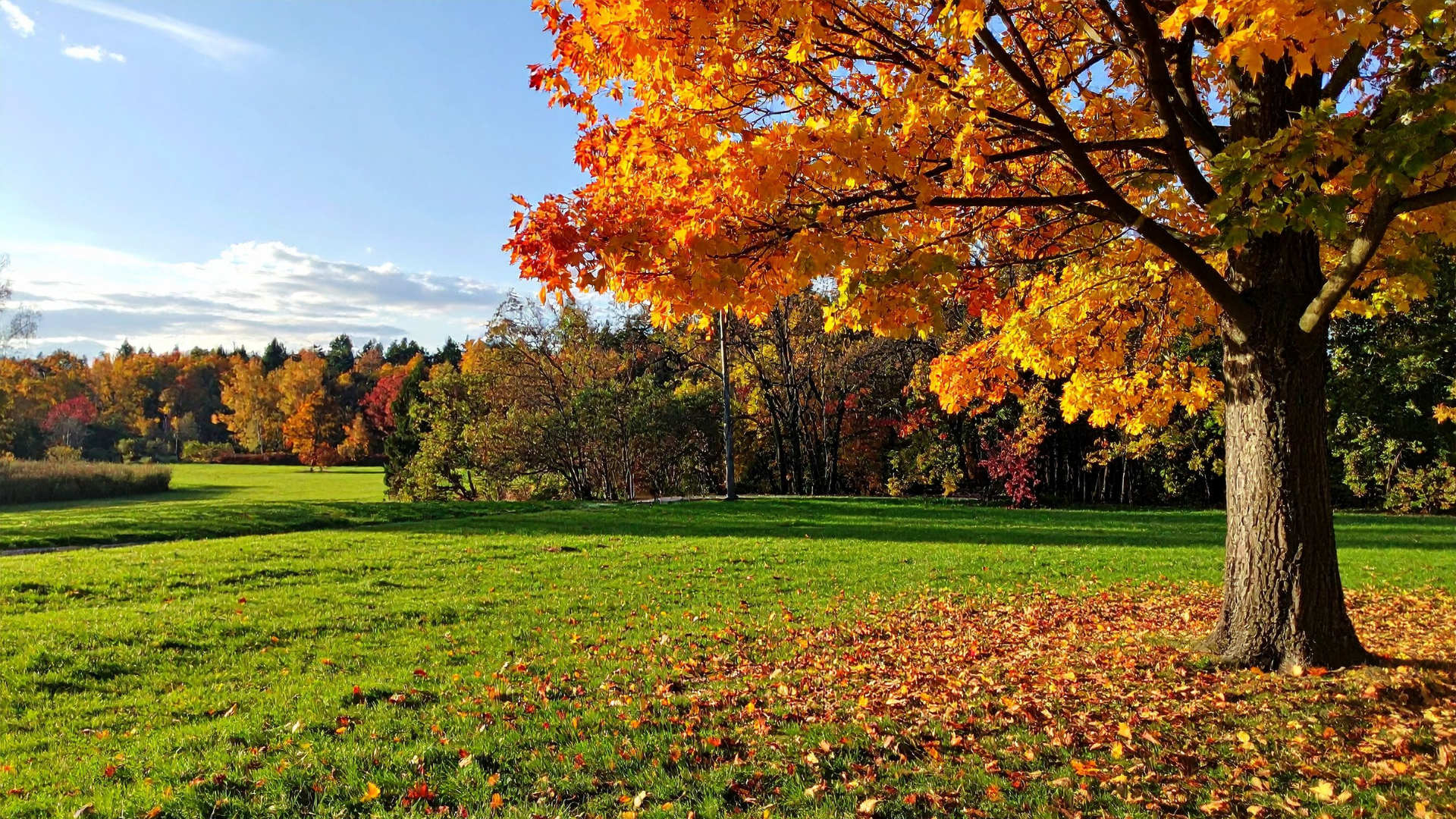
A sustainable landscape starts with proper planning. Selecting tree species that are well-suited to the regional climate, soil type, and available space helps prevent stress and disease. In the Midwest, native trees such as red oak, sugar maple, and river birch are resilient choices that adapt easily to changing weather and soil conditions.


Planting too close to structures or other trees can lead to overcrowding and root competition. Proper placement also minimizes the need for excessive pruning or removal later on, reducing both costs and waste.
Organic and Eco-Friendly Soil Management

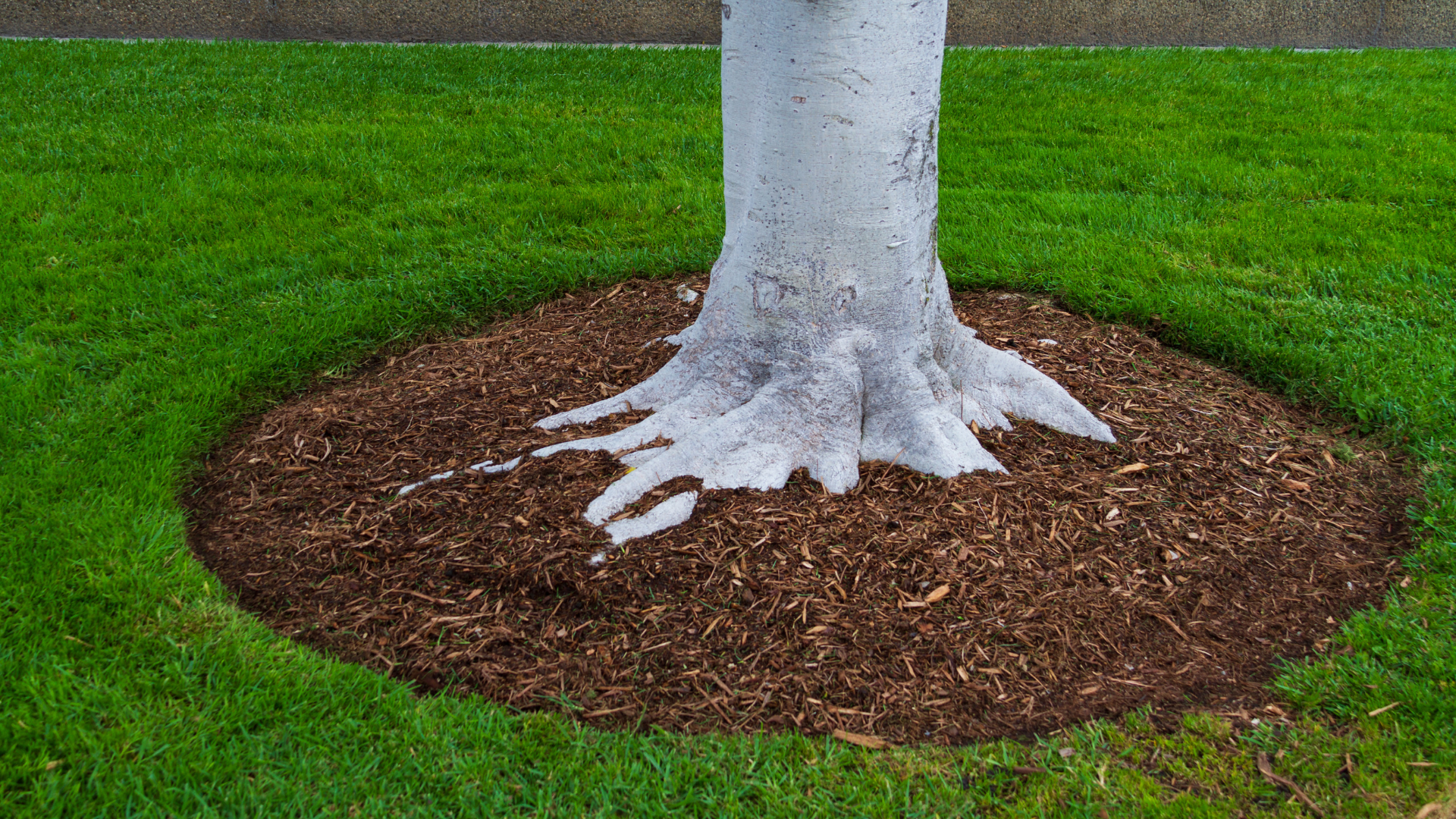
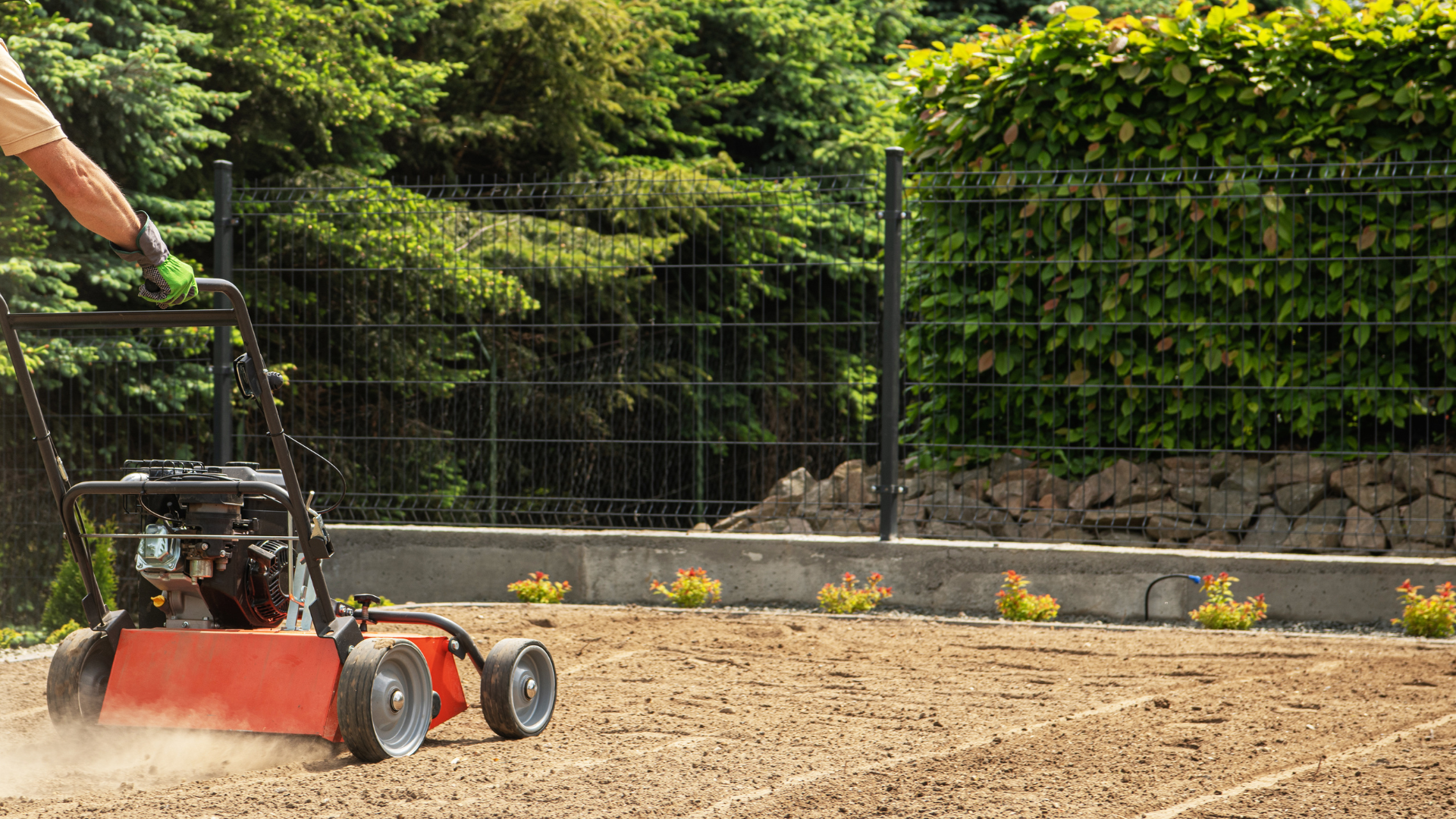
Healthy soil is the foundation of sustainable tree care. Over time, soil can become compacted by foot traffic, construction, or heavy equipment, which restricts oxygen and water movement to roots. Aeration helps alleviate compaction, while mulching retains moisture and regulates temperature.


Instead of synthetic fertilizers, many arborists now use organic soil amendments that nourish trees naturally. Compost, leaf mold, and slow-release nutrients improve soil health without introducing harmful chemicals that can leach into groundwater or disrupt microbial balance.
Water Conservation and Irrigation Efficiency

Watering practices are another key aspect of sustainability. Trees benefit from deep, infrequent watering that encourages roots to grow downward. Shallow watering leads to surface-level roots that are vulnerable to drought and wind damage.


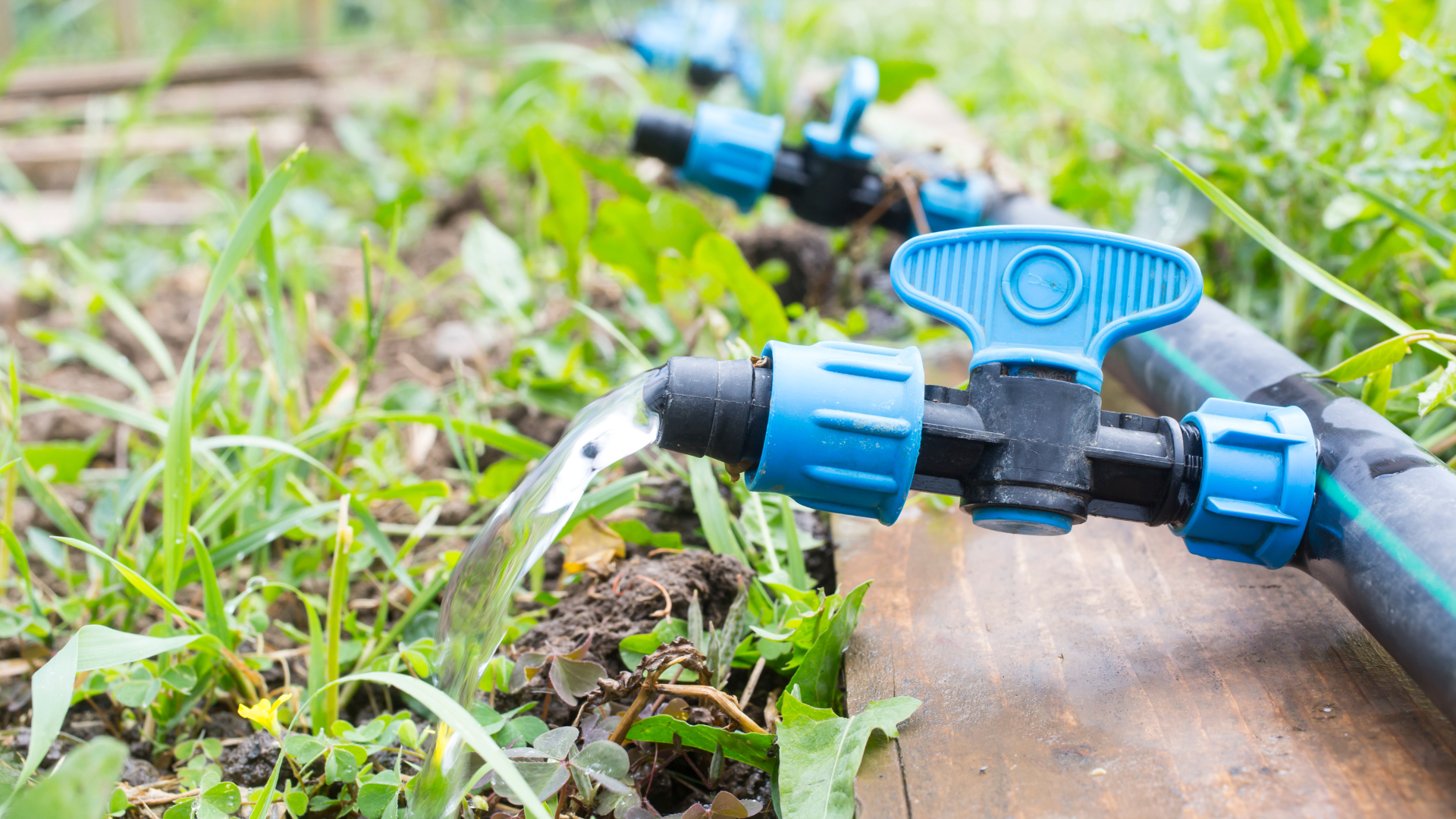
Installing drip irrigation systems or using soaker hoses ensures water reaches the root zone with minimal waste. Collecting rainwater in barrels provides an additional eco-friendly water source, reducing dependence on municipal supplies.
Pruning with Purpose

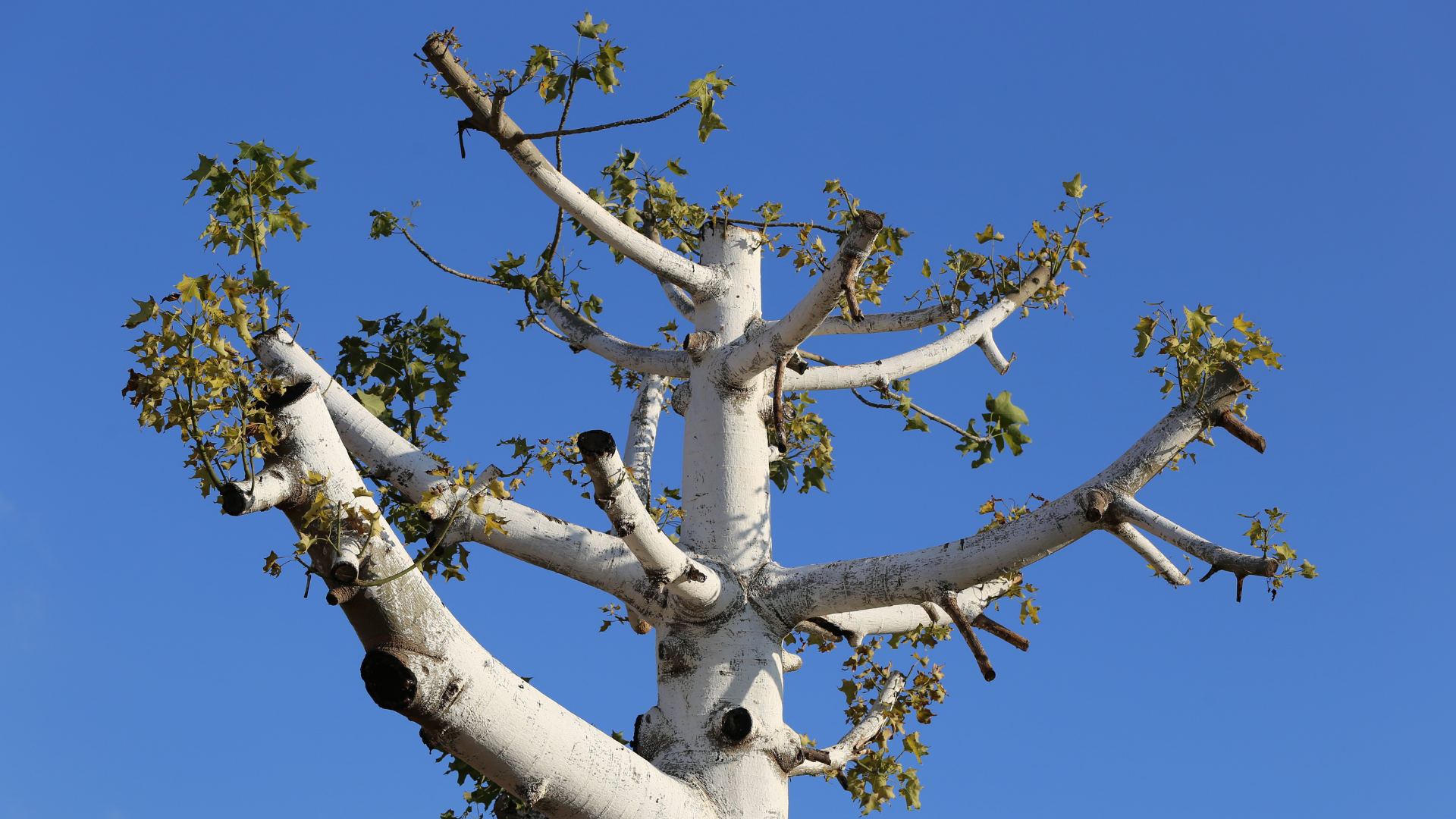
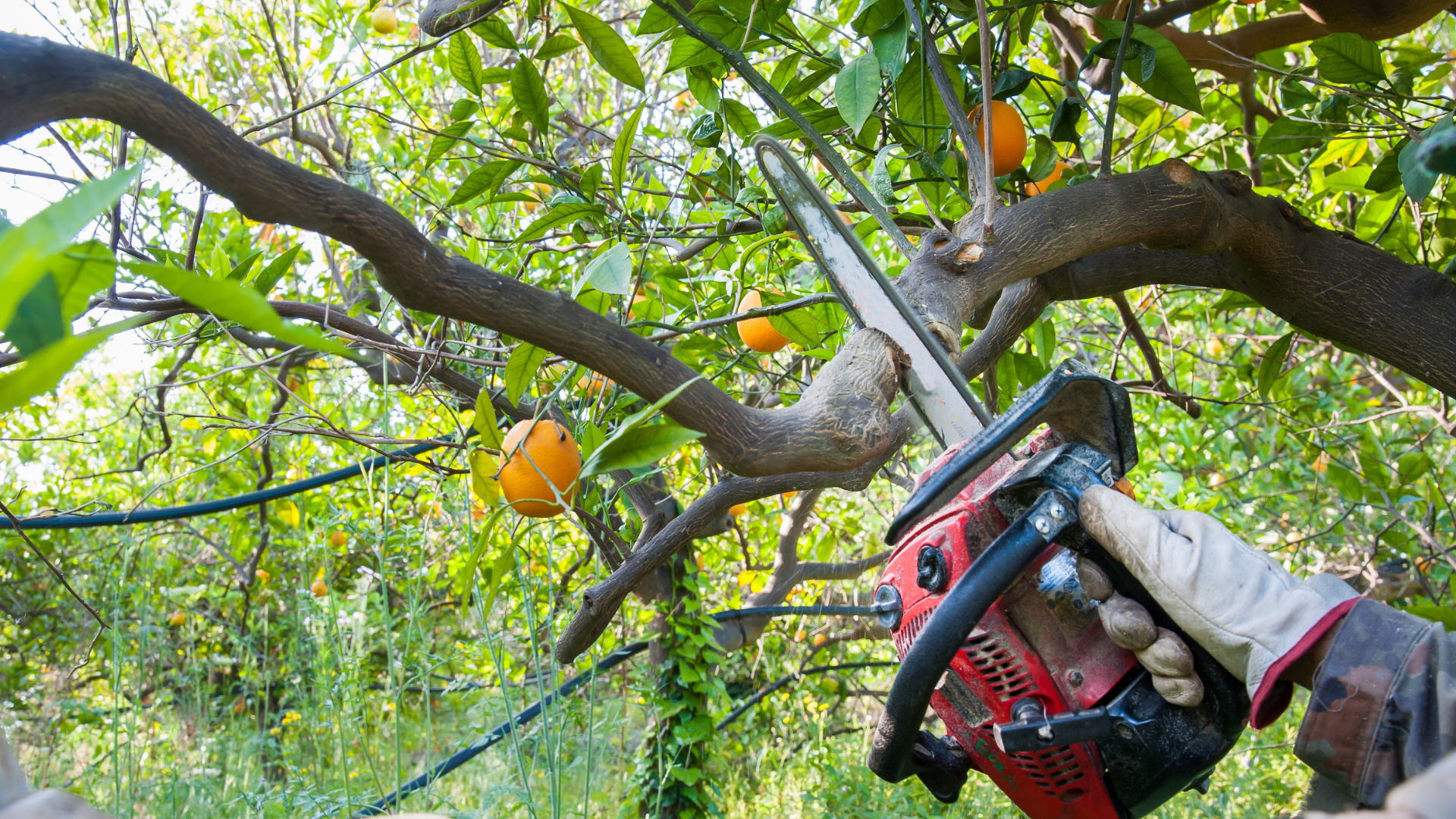
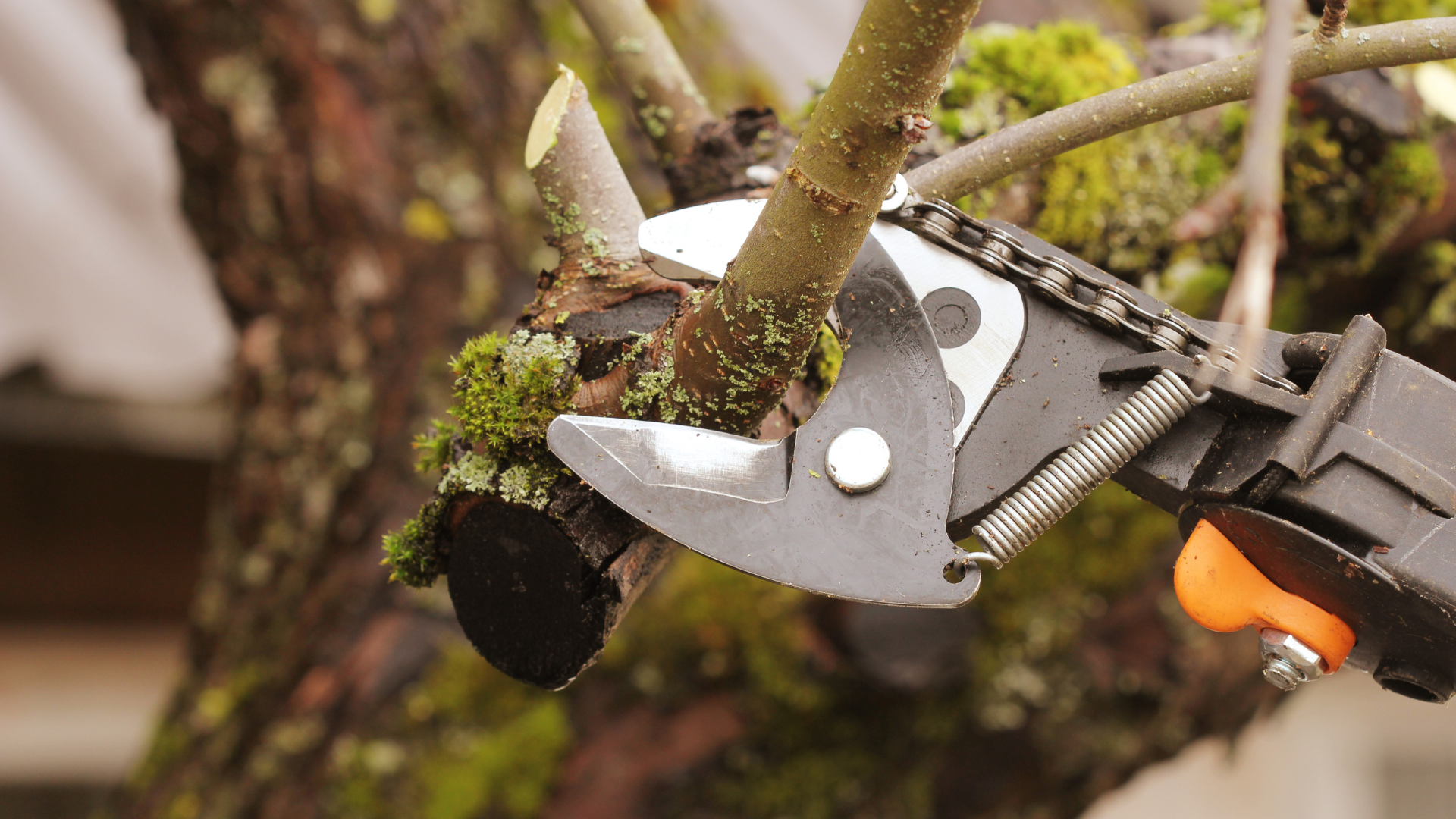
Proper pruning is both an art and a science. It should always be done with the tree’s long-term structure and health in mind. Over-pruning not only disfigures trees but also increases vulnerability to pests and disease. Sustainable pruning removes only what is necessary to improve air circulation, eliminate deadwood, and maintain safe clearance near structures or walkways.


Professional arborists understand the biology of pruning cuts and how trees respond to them. This knowledge ensures that each cut contributes to longevity rather than causing unnecessary stress.
Recycling and Reuse of Green Waste

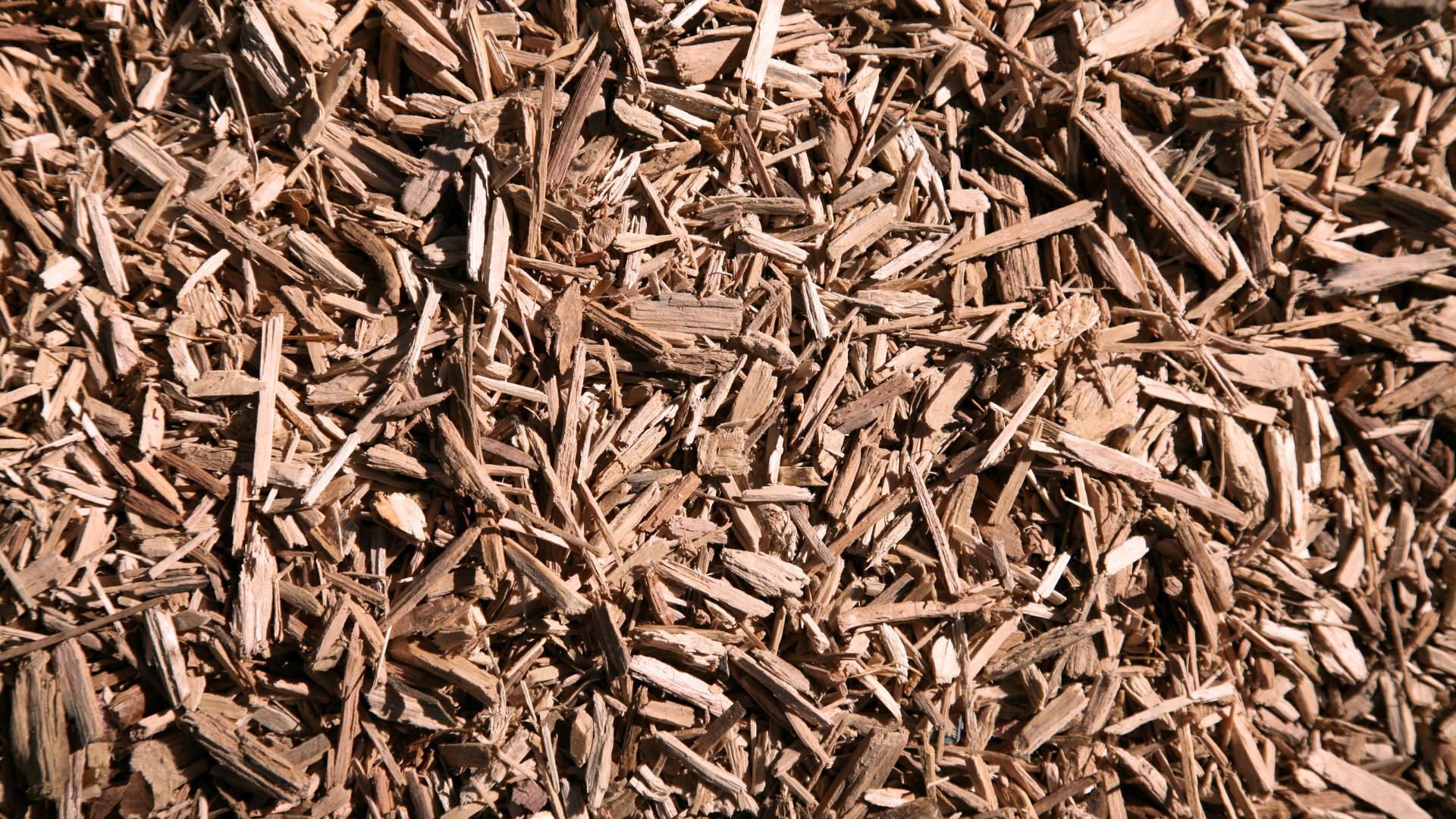
Sustainability extends to what happens after pruning or removal. Rather than sending branches and debris to landfills, green waste can be repurposed into mulch, compost, or wood chips for pathways. These recycled materials return nutrients to the soil and reduce overall waste.


In some cases, larger sections of removed trees can even be milled into lumber or repurposed for community projects. This approach honors the life cycle of the tree while supporting local sustainability initiatives.
A Long-Term Commitment

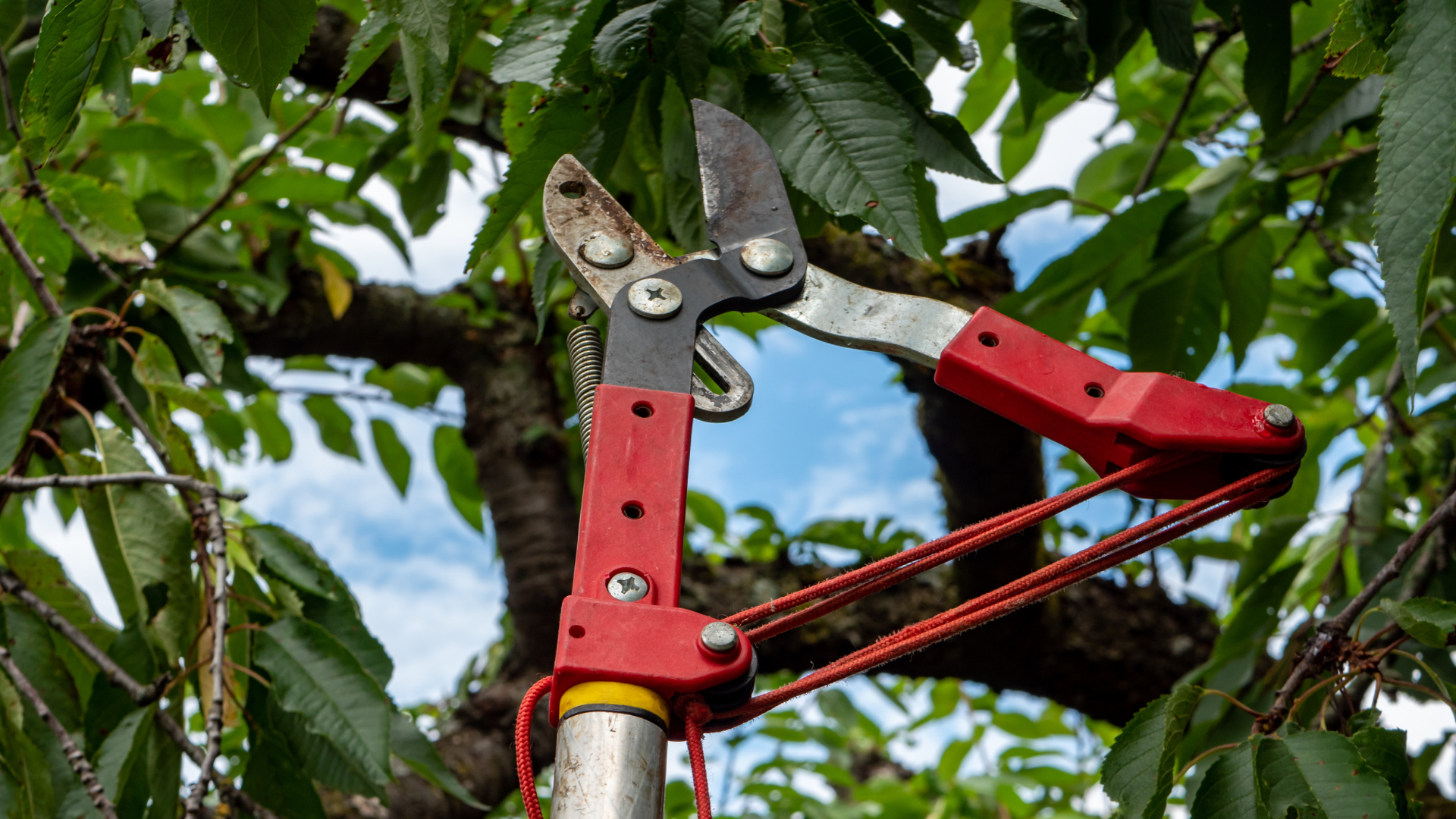
Sustainable tree care is not a single service but an ongoing philosophy. It requires regular monitoring, thoughtful intervention, and respect for the natural processes that govern tree growth. Partnering with a professional tree care company ensures that maintenance practices remain safe, responsible, and environmentally sound.


By adopting sustainable methods, property owners not only protect their trees but also contribute to a healthier planet. Every well-tended canopy becomes part of a larger effort to preserve green spaces, conserve resources, and create beauty that lasts for generations.


At Midwest Tree Surgeons, sustainability is at the heart of every project. Through responsible care, expert planning, and a respect for nature, we help ensure that the landscapes of today remain thriving and vibrant tomorrow.

March 18, 2026
Severe storms can cause significant damage to trees and surrounding property. After strong winds or heavy storms pass through a neighborhood, it is common to see some trees still standing strong while others have lost major limbs or fallen entirely. This often leads homeowners to wonder why certain trees survive while others fail under the same weather conditions.  The answer usually involves a combination of factors including tree structure, root stability, species characteristics, and long-term maintenance. Understanding these factors can help property owners take steps to reduce the risk of storm damage and protect both their landscape and their homes.
March 11, 2026
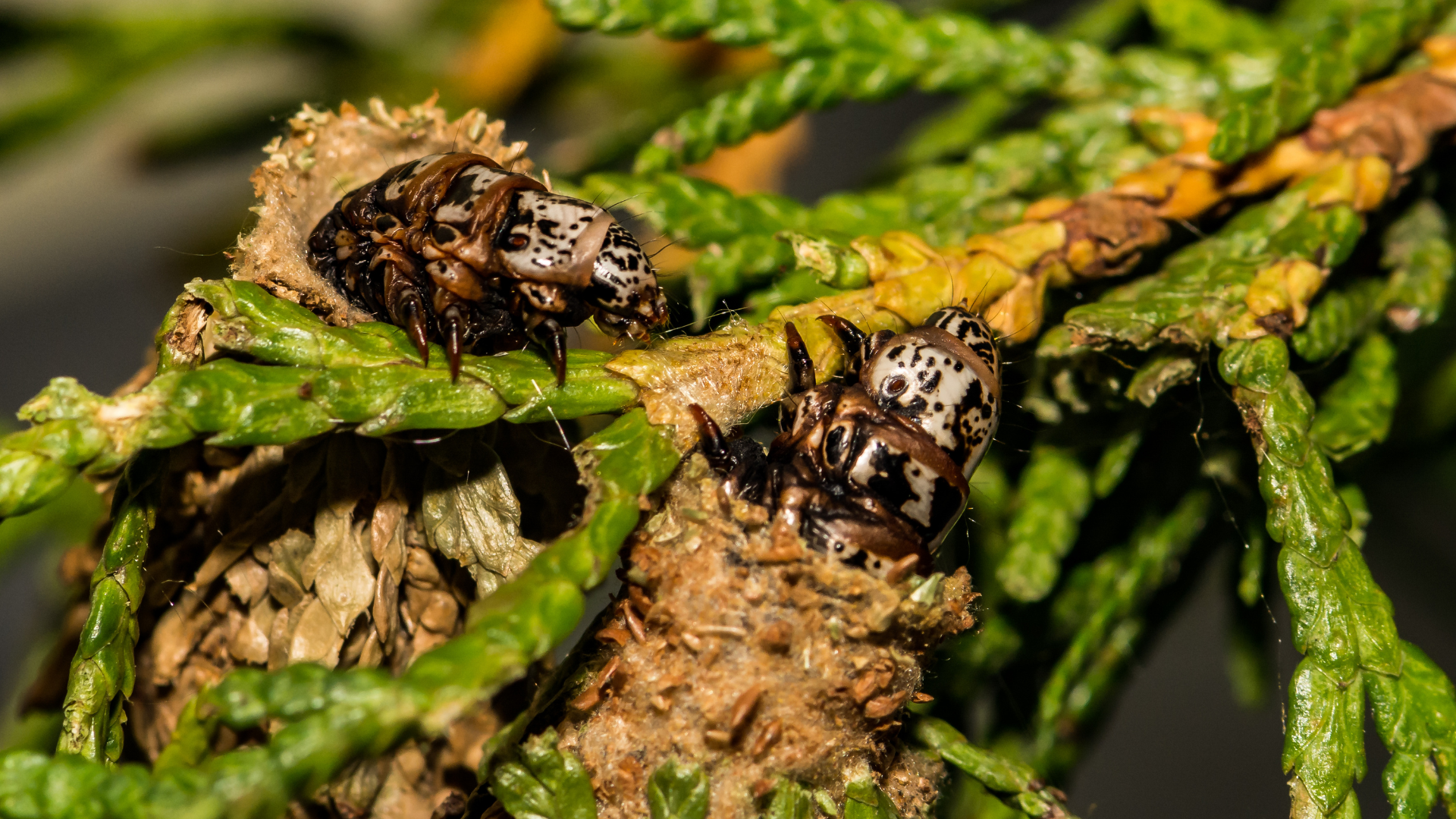
Trees are one of the most valuable natural assets in any community . They provide shade, improve air quality, reduce energy costs, and enhance property values. In cities and suburban neighborhoods across the Midwest, trees collectively form what arborists often refer to as the “urban forest.” While these trees may be planted along streets, in parks, or throughout residential landscapes, they function together as a living ecosystem that benefits the entire community.  However, this urban forest faces growing threats from invasive pests and diseases . One of the most effective ways to protect trees from these threats is through diversity. When communities and homeowners plant a variety of tree species rather than relying on a single type, they create a more resilient landscape that is better equipped to withstand pest outbreaks.
March 3, 2026
Trees are one of the most valuable features of any Midwest property. They provide shade, reduce energy costs, improve curb appeal, and contribute to environmental health. However, the Midwest climate, with its humid summers, fluctuating temperatures, and seasonal rainfall, creates ideal conditions for fungal diseases to develop. Understanding common fungal threats is essential for protecting tree health and preventing long-term structural damage.  At Midwest Tree Surgeons, we regularly diagnose and treat fungal infections that threaten residential and commercial landscapes. Early identification and professional intervention often make the difference between saving a tree and losing it.
February 25, 2026
In recent years, the spotted lanternfly has emerged as one of the most concerning invasive pests affecting trees and landscapes across parts of the United States. Originally detected in Pennsylvania in 2014 , this invasive insect has steadily expanded its range. For property owners in the Midwest, awareness and early intervention are becoming increasingly important.  At Midwest Tree Surgeons, we emphasize proactive monitoring and professional tree care to help protect native trees from invasive threats like the spotted lanternfly.
February 18, 2026
Mature trees are often appreciated for the shade they provide during hot summer months, but their value extends far beyond cooling comfort. Established trees are long-term assets that contribute to property value, environmental stability, and overall landscape health. For homeowners and property managers alike, understanding the broader benefits of mature trees can influence how they approach tree care and long-term planning.
February 11, 2026
Pruning is often viewed as a routine maintenance task, but when it is done incorrectly, it can create lasting structural problems that compromise a tree’s health and stability. While improper pruning may not show immediate consequences, the damage it causes can take years to fully appear. By the time issues become visible, corrective options may be limited.  Understanding how improper pruning affects tree structure helps property owners make informed decisions about long term tree care.
February 4, 2026
Construction projects often focus on what is being built, but the impact on existing trees is frequently overlooked. Whether the work involves a home addition, driveway replacement, utility installation, or commercial development, construction activity can place significant stress on mature trees . Understanding how these projects affect trees helps property owners protect valuable landscape assets and avoid long term safety and health issues.
January 29, 2026
Major weather changes can place significant stress on trees, even when no obvious damage is visible. In the Midwest, trees regularly experience rapid shifts in temperature, heavy rain, high winds, ice, snow, and freeze-thaw cycles. While trees are resilient by nature, these conditions can weaken their structure and health over time.  Evaluating tree health after major weather events is an important step in protecting both the trees themselves and the surrounding property.
January 21, 2026
Trees add beauty, shade, and value to a property, but they also carry responsibility. When a tree fails and causes damage or injury, homeowners are often surprised to learn that liability can become a serious issue. Understanding how tree failure occurs and how responsibility is determined helps property owners take proactive steps to protect both people and property.
January 15, 2026
As winter fades and warmer temperatures return, spring becomes one of the most important seasons for proactive tree care. Trees begin a new growth cycle , pests become active, and issues that developed during winter storms or freezing conditions often start to reveal themselves. Planning ahead for spring tree care helps protect tree health, improve safety, and set the stage for strong growth throughout the year.
More Posts